
 fb2
fb2Log Line: A professor sends a graduate student back in time to 1933 to kill Adolf Hitler, only to find her actions have unintended consequences.
FOR IMMEDIATE RELEASE — Todd Colby Pliss vividly imagines the nightmarish scenario of a professor who sends a student back in time to 1933 to kill Adolf Hitler, only to find her actions have unintended consequences, with his new novel, American Reich, now available on Amazon.com.
Wayne Goldberg, graduate student at NYU, is asked by his physics professor, Dr. Lisa Hoffmann, to stop by her lab and is shown a strange contraption that he is informed is indeed a working time machine. After convincing Wayne of its validity, by sending him back to the Hindenburg briefly, he agrees to be sent back in time to 1933 to kill Adolf Hitler, by slipping poison into his celebratory drink, on the night he became Chancellor of Germany. After completing the mission, Wayne arrives back in 2012. Dr. Hoffmann doesn’t recognize her graduate student. New York City has become New Berlin City and the United States part of the German Unified Territories. Wayne must figure out a way to re-write history once again.
“I’ve always been interested in history’s great what-ifs, and the greatest ‘what-if’ is likely the question of what would have happened had Germany prevailed in World War Two. It’s fascinating, but also horrifying to consider what could have been.” says Pliss.
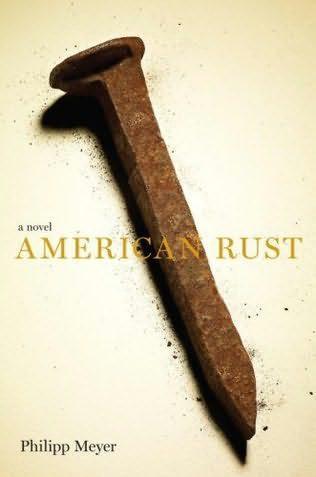
EDITORIAL REVIEW: Set in a beautiful but economically devastated Pennsylvania steel town, American Rust is a novel of the lost American dream and the desperation—as well as the acts of friendship, loyalty, and love—that arise from its loss. From local bars to trainyards to prison, it is the story of two young men, bound to the town by family, responsibility, inertia, and the beauty around them, who dream of a future beyond the factories and abandoned homes.
Left alone to care for his aging father after his mother commits suicide and his sister escapes to Yale, Isaac English longs for a life beyond his hometown. But when he finally sets out to leave for good, accompanied by his temperamental best friend, former high school football star Billy Poe, they are caught up in a terrible act of violence that changes their lives forever.
Evoking John Steinbeck’s novels of restless lives during the Great Depression, American Rust takes us into the contemporary American heartland at a moment of profound unrest and uncertainty about the future. It is a dark but lucid vision, a moving novel about the bleak realities that battle our desire for transcendence and the power of love and friendship to redeem us.
Newsweek’s list of “Best. Books. Ever”
Amazon Top 100 book of 2009
A Washington Post Top Ten Book of 2009
A New York Times Notable Book of 2009
An Economist Best Book of 2009
A Kansas City Star Top 100 book of 2009
Pittsburgh Post-Gazette’s Best Books of 2009
Idaho Statesman’s Best Books of 2009
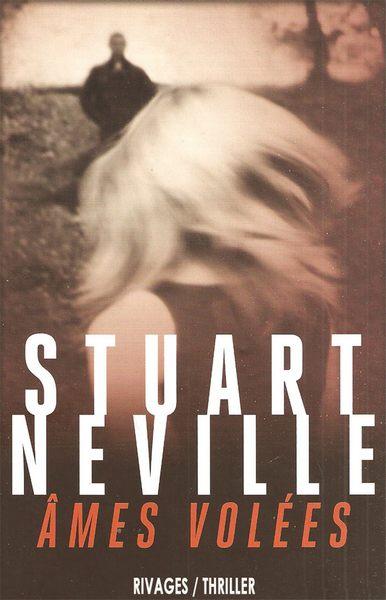
L’inspecteur Jack Lennon aurait bien aimé passer Noël avec sa fille, mais la police de Belfast est confrontée à un trafic de filles venues de l’Est, orchestré par des Lituaniens alliés à un groupe de Loyalistes. Galya, jeune prostituée ukrainienne, a pris la fuite après avoir tué l’un des deux chefs du gang. Lorsque le corps de Tomas est découvert, son frère Arturas n’a plus qu’une pensée en tête : rattraper Galya et assouvir sa vengeance.
Que faire quand on est sans papiers dans un pays inconnu, qu’on a tué un homme et qu’on est poursuivie par des Lituaniens enragés ? Se tourner vers un protecteur. Galya a confiance en ce mystérieux client qui lui a promis de l’aider. Ce que la jeune fille ne sait pas, c’est que cet homme représente la pire menace qu’on puisse imaginer.
Dans ce troisième volume de la trilogie de Belfast, on retrouve l’inspecteur Jack Lennon aux côtés d’une héroïne inoubliable qui lutte pour sauver sa vie.
Né en 1972, Stuart Neville vit en Irlande du Nord. Son premier roman Les Fantômes de Belfast a été récompensé par de nombreuses distinctions, dont le Grand Prix du roman noir étranger de Beaune, le Prix Mystère de la critique et le Trophée 813 du meilleur roman étranger.

It is 1999. Alastair is a doctor in his eighties, living in a cottage by a loch in Scotland. He wakes up in hospital having fallen and hit his head, inducing almost total amnesia. A young student, Clémence, the great-niece of a French friend of his, is looking after him.
In his cottage, Clémence finds a manuscript. The first line shocks her: It was a warm, still night and the cry of a tawny owl swirled through the birch trees by the loch, when I killed the only woman I have ever loved. She read the short prologue: it describes a murder by someone who is clearly the old doctor. The victim is Clémence’s French grandmother, Sophie.
Clémence decides to read the book to the old doctor as it describes how he and his friends met Sophie in Paris in 1935. As they read on, the relationship between the student and the old man turns from horror and shame to trust and compassion. Which is fortunate, because there are people closing in on the cottage by the loch who are willing to kill to make sure that the old man’s secrets stay forgotten.
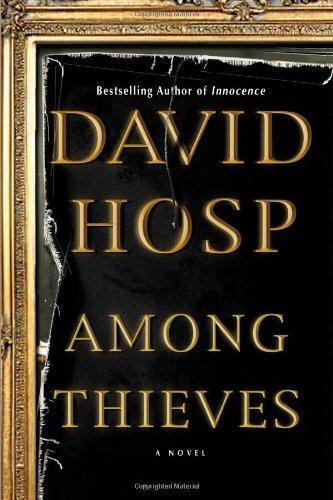
Bestselling author David Hosp returns with his most thrilling novel yet…
AMONG THIEVES
In 1990, $300 million worth of paintings were stolen from Boston 's Isabella Stewart Gardner Museum in what remains one of the greatest unsolved art thefts of the twentieth century. Now, nearly twenty years later, the case threatens to break wide open. Members of Boston 's criminal underground are turning up dead. But these are no ordinary murders. The M.O. of the attacks suggests the involvement of someone trained by the IRA. But when Scott Finn learns that one of his clients, Devon Malley, was part of the heist, he's quickly drawn into the crossfire, and into the renewed hunt for the missing artwork-a hunt that may cost Finn and his colleagues their lives.

La voz arrebatada de Auxilio Lacouture narra, e indaga al tiempo que narra, un crimen atroz y lejano, un crimen que sólo se desvelará en las últimas páginas de una novela en la que, por otra parte, no escasean los crímenes cotidianos y los crímenes de la formación del gusto artístico. Auxilio Lacouture, uruguaya de mediana edad, alta y flaca como el Quijote, se oculta en los lavabos de mujeres de la Facultad de Filosofía y Letras durante la toma de la universidad por la policía, en México, en septiembre de 1968. Allí permanecerá recluida varios días y durante este tiempo el lavabo se convertirá en un túnel del tiempo desde el cual avizorar los años ya vividos en México y los años por vivir. En su discurso se rememora a la poetisa Lilian Serpas, que hizo el amor con el Che, y a su infortunado hijo, a los poetas españoles León Felipe y Pedro Garfias a quienes Auxilio sirvió como doméstica voluntaria, a la pintora catalana Remedios Varo y su legión de gatos, al rey de los homosexuales de la colonia Guerrero y su reino de terror gestual, e incluso también aparece Arturo Belano, uno de los personajes centrales de Los detectives salvajes, de la cual esta novela es deudora en más de un sentido. Pero sobre todo se narra un viaje por un mundo, el Polo Norte de la memoria que se extiende por doquier, y la imagen última de un asesinato olvidado.
En la firme trayectoria narrativa del chileno Roberto Bolaño, este libro se define por su innegable peculiaridad. Se trata de un no muy extenso, aunque sí intenso, discurso que brota de los labios de un enigmático personaje, Auxilio Lacouture, una uruguaya transterrada a México, que se oculta en los lavabos de la Facultad de Filosofía y Letras durante la ocupación de la universidad por la policía en septiembre de 1968, durante las jornadas de represión del movimiento estudiantil decretada por el siniestro Díaz Ordaz. Los días que permanece encerrada, sin ser descubierta por la policía, se convierten en una suerte de eje más allá del tiempo, al que converge todo: el pasado y el futuro, su pasado y su futuro, pero también el de buena parte de la historia de Latinoamérica en los últimos tramos del siglo XX. Así su discurso es rememorativo y retrospectivo a la vez.
El monólogo comienza desarrollándose en el plano de la cotidianidad para ir alzándose de manera gradual a una creciente irrealidad, que desemboca en paisajes francamente visionarios. Los diferentes episodios van concatenándose cada vez menos según las leyes de la causalidad narrativa y más según las exigencias del entramado simbólico, que se impone sobre una conscientemente relajada temporalidad. Todo parece confluir en un homenaje a las víctimas de la represión sufrida en América Latina -y no sólo en México- por la acción de los gobiernos autoritarios y dictatoriales, esa generación entera de jóvenes latinaomericanos sacrificados de la que habla el texto.
Auxilio Lacouture es una suerte de alegoría de la inocencia y la verdad de la historia, amiga de la poesía y de los poetas, enamorada del puro fervor vital y hondamente desinteresada en cuanto a sus afectos y voliciones se refiere. El texto no carece de episodios significativos en sí mismos (así las relaciones de la protagonista con los poetas españoles León Felipe y Pedro Garfias, con la poeta Lilian Serpas, amante del Che, con los oscuros ámbitos de la homosexualidad más sombría), pero conforme la narración avanza tales episodios descubren más su condición de apoyaturas del discurso simbólico desplegado. En este sentido quizá el episodio culminante sea el que se refiere a Orestes y Erígone, donde la fábula mítica de amor y venganza se pone muy expresamente al servicio de la fábula de amor y muerte que es el último núcleo del texto y, sin duda, el más decisivo.
Quizá no sea Amuleto la obra que de Bolaño aguardaba el lector, por más que sus vinculaciones con la escritura anterior del autor salten a la vista: aquí aparece Arturo Belano, uno de los dos detectives salvajes de su celebrada novela penúltima, y el ámbito de preocupaciones en el que el texto se instala dista de ser nuevo. Al comienzo de su monólogo, la protagonista señala que éste será un relato de serie negra y de terror, aunque no lo parecerá. No lo parece, desde luego. El autor da ahí una clave de lectura, que luego no desautoriza, pero cuyo sentido -y sobre todo su forma- el lector tarda mucho tiempo, quizá demasiado, en explicarse.
Lectores y críticos -hay que proclamarlo también- no andan desacertados cuando esperan situarse en el ámbito de cierta poética, de ciertas formulaciones narrativas, aunque sean tan novedosas como las que Bolaño ha practicado. Pero el narrador albergaba ya se ve la necesidad de dar salida a determinada presión temática y existencial, y este libro es el resultado de tal necesidad. Un libro que, si se quiso en algún momento de serie negra, acaba siendo poemático, lírico y seguramente no menos sombrío que el género por él mismo invocado.
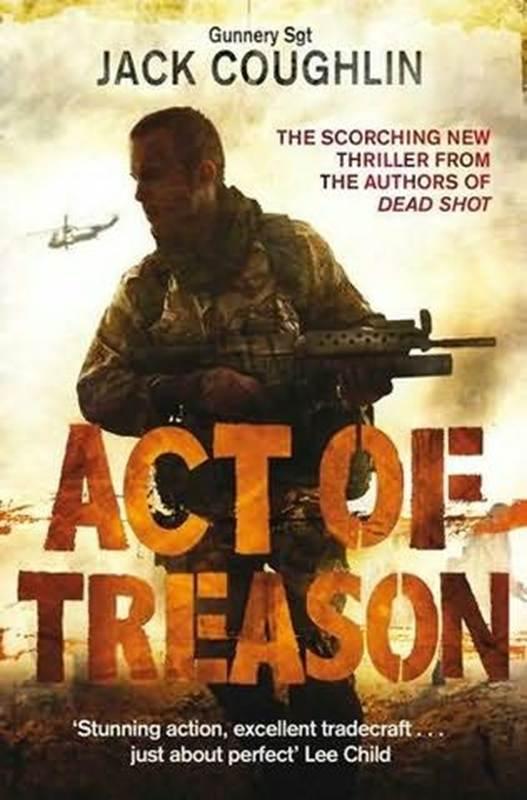
"Stunning action, excellent tradecraft… just about perfect." – Lee Child
In the fourth novel in the New York Times bestselling series, Marine sniper Kyle Swanson finds himself in the sights of a man he once idolized-a true American hero turned traitor
Swanson and his beautiful girlfriend, CIA agent Lauren Carson, are on a mission in Pakistan when their world is turned inside out. Kyle is captured and thrown in prison. Lauren is accused of being a double agent. The one person they trust to help is the man who sent them on the black operation-Jim Hall, a legendary CIA agent, Kyle's sniper mentor, and Lauren's boss and former lover.
But Hall has gone rogue. He is selling America's innermost secrets to a ruthless Pakistani warlord who wants to mold al- Qaeda into a legitimate political party, and secure a nuclear arsenal. For Jim Hall, his former protégé Swanson is the final obstacle.
Success or failure pivots on whether Swanson can stop the old friend who trained him to be a shooter. From the streets of Washington to the Bavarian Alps, the two snipers stalk each other in a deadly hunt that has only one possible outcome.
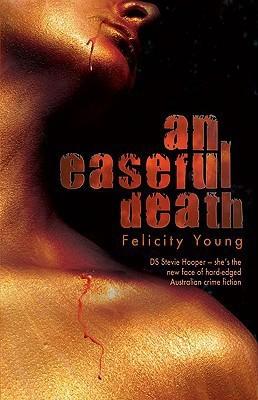
In An Easeful Death, someone is killing beautiful young women and taking extraordinary risks to carefully pose their painted bodies in public places. The first is bronze, then silver who will be gold? Detective Sergeant Stevie Hooper, young, hard-edged and newly seconded to the Serious Crime Squad, finds herself haunted by increasingly disturbing flashbacks as the bizarre case unfolds. And, as she closes in on the killer, the carefully drawn line between her professional and personal life becomes increasingly blurred, till she doesnt know who can be trusted.

My friend, lawyer, and fellow writer Gary Delafield handed me a great—and true—premise for a short-short about an old woman and the unusual advice she gets from her lawyer. Hijinks ensue.
Never reviewed, so you'll have to make up your own mind.
A freak accident in rural Wyoming leads the sheriff’s department to arrest a man for a possible double homicide, but further investigations suggest a much more horrifying discovery — a serial killer who has been kidnapping, torturing, and mutilating victims all over the United States for at least twenty-five years.
The suspect claims he is a pawn in a huge labyrinth of lies and deception — but can he be believed?
The case is immediately handed over to the FBI, but this time they’re forced to ask for outside help. Ex-criminal behavior psychologist and lead detective with the Ultra Violent Crime Unit of the LAPD Robert Hunter is asked to run a series of interviews with the apprehended man.
These interviews begin to reveal terrifying secrets that no one could have foreseen, including the real identity of a killer so elusive that no one, not even the FBI, had any idea he existed — until now…
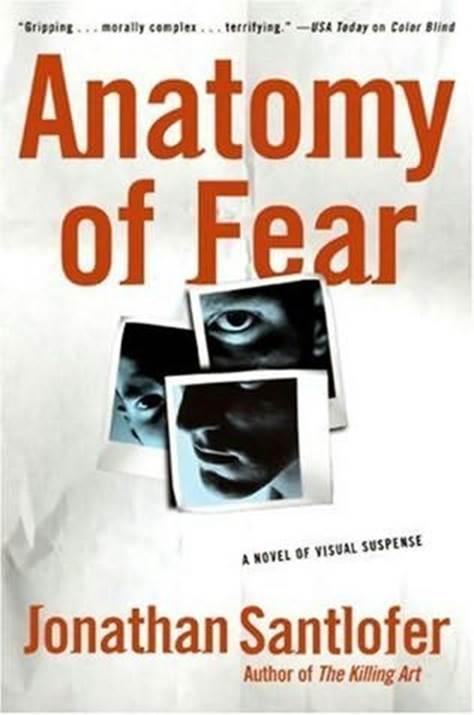
Jonathan Santlofer uses his formidable skills, both as a writer and an artist, to create a unique thriller with a tantalizing concept: two men-one good, one evil-who think in pictures and whose drawings illustrate this gripping novel. Anatomy of Fear pits Santlofer's new hero, the talented and highly successful police sketch artist Nate Rodriguez, against a vicious murderer who makes portraits of his victims before he kills them.
Haunted by the death of his father, an NYPD undercover narc, Nate has avoided the action and buried his emotions behind his pads and pencils for years. But that's all about to change. Brought onto the case to draw the face of a man no one has lived to see, Nate is pulled into the dark and twisted mind of a killer. As the portrait comes to Nate in bits and pieces-a face taking shape in his mind and on the page-the killer uses his own talents to shift the focus of the investigation in a startling and unexpected way. Each drawing moves the men ever closer to each other in a terrifying game of cat and mouse with deadly consequences.
Jonathan Santlofer has crafted a brilliant and original suspense novel that mixes prose and pictures, love and hate, cold reality and mysticism, and finally redemption. Anatomy of Fear will have readers on the edge of their seats from the first page-and first picture-to the riveting climax.
Eons before the birth of the Roman Empire, there was a civilization dedicated to the sciences of earth, sea, and sky. In the City of Light lived people who made dark plans to lay waste to their uncivilized neighbors using the very power of the planet itself. As the great science of their time was brought to bear on the invading hordes, hell was set loose on Earth. And the civilization of Atlantis disappeared in a suicidal storm of fire and water…Now history threatens to repeat itself. The great weapon of the Ancients has been discovered in the South Pacific, and it is being deciphered by men of hatred who want to unleash hell on Earth once again. This time, it’s up to the Major Jack Collins and the Event Group—comprised of the nation’s most brilliant minds in the fields of science, philosophy, and the military to find the truth behind the world’s greatest unsolved myths—to end the cycle of destruction. Meanwhile, the seas rise, the earth cracks, and entire cities crumble to dust as the evil plan mapped out thousands of years before begins to take shape.
The life of Scotland Yard's Gemma James is changing in major ways-she's just been promoted to Inspector, she's pregnant, and she and her young son are about to move into spacious new digs with her lover, Detective Superintendent Duncan Kincaid. Then the beautiful young wife of a Portobello Road antiques dealer is murdered in the driveway of her Notting Hill home and the case lands in Gemma's disappearing lap. Dawn Arrowood, as Gemma soon discovers, was pregnant when she died, most likely by Alex Dunn, a porcelain dealer in Portobello Market whose disappearance after the murder makes him a prime suspect. But Gemma rules him out as the killer, focusing her investigation on Karl Arrowood, the dead woman's husband. When Karl is murdered, she's stymied, but then Kincaid's investigation into what may be a serial killer turns up a bizarre connection to Gemma's case and a link to Karl Arrowood's sideline as a drug smuggler. As usual, Crombie handles a complicated plot with style, providing enough twists and turns to hold the reader's attention while driving the narrative to a stunning conclusion.