 fb2
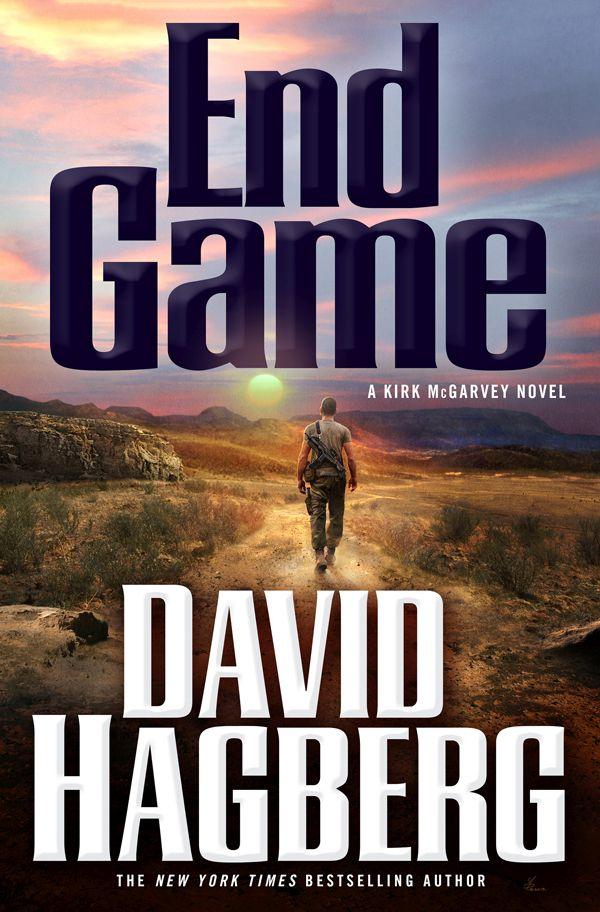
fb2Retired CIA assassin Kirk McGarvey faces the most formidable adversary of his long and storied career in End Game by David Hagberg.
Langley is experiencing a series of gruesome murders. The CIA’s own headquarters should be the safest spot on the planet, but a highly professional, violently psychopathic assassin, who hideously disfigures his victims, strikes without mercy.
The murders spread from Langley to a prison outside of Athens, where the first clue to what will become the End Game surfaces. A code carved into four copper panels of the legendary statue in a courtyard at CIA headquarters, known as Kryptos, predicts the means and the terrible necessity for the serial killings.
Before the first Iraq war, something horrifying was buried in the foothills above the oil city of Kirkuk. It will not remain buried forever.
Only Kirk McGarvey, Pete Boylan, and the CIA’s odd-duck genius, Otto Rencke, can find the truth still buried in Iraq. A truth so devastating it could well ignite the entire Middle East into an unstoppable, apocalyptic war.
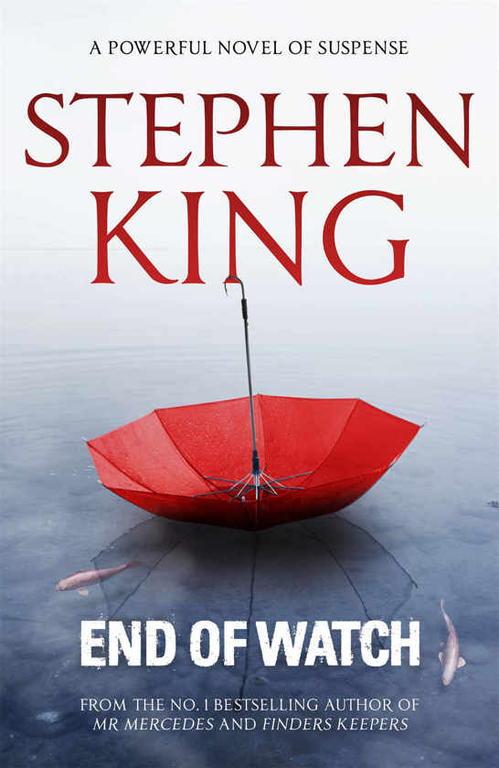
The cell rings twice, and then his old partner in his ear… ‘I’m at the scene of what appears to be a murder-suicide. I’d like you to come and take a look. Bring your sidekick with you, if she’s available…’
Retired Detective Bill Hodges now runs a two-person firm called Finders Keepers with his partner Holly Gibney. They met in the wake of the ‘Mercedes Massacre’ when a queue of people was run down by the diabolical killer Brady Hartsfield.
Brady is now confined to Room 217 of the Lakes Region Traumatic Brain Injury Clinic, in an unresponsive state. But all is not what it seems: the evidence suggests that Brady is somehow awake, and in possession of deadly new powers that allow him to wreak unimaginable havoc without ever leaving his hospital room.
When Bill and Holly are called to a suicide scene with ties to the Mercedes Massacre, they find themselves pulled into their most dangerous case yet, one that will put their lives at risk, as well as those of Bill’s heroic young friend Jerome Robinson and his teenage sister, Barbara. Brady Hartsfield is back, and planning revenge not just on Hodges and his friends, but on an entire city.
The clock is ticking in unexpected ways…
Both a stand-alone novel of heart-pounding suspense and a sublimely terrifying final episode in the Hodges trilogy, End of Watch takes the series into a powerful new dimension.
The extract above is abridged from End of Watch.
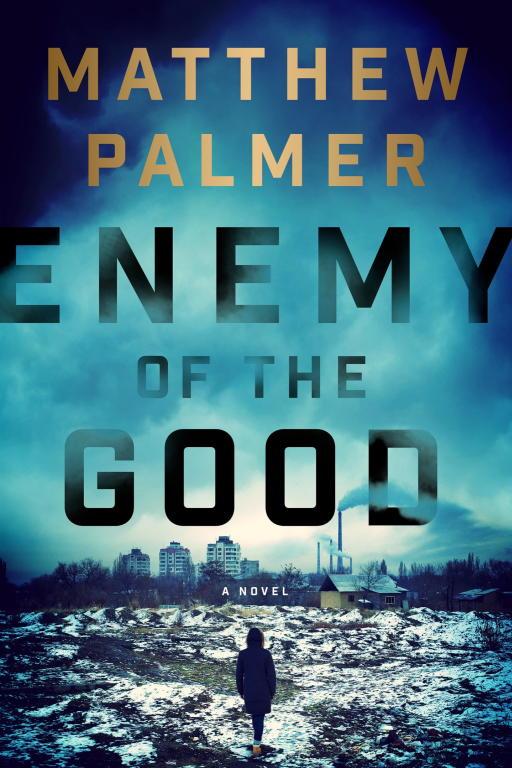
A tense, complex, and twisting diplomatic thriller in which one woman must choose between morality and compromise—and in either case, the consequences may be deadly.
Katarina “Kate” Wallander is a second-generation Foreign Service officer, recently assigned to Kyrgyzstan. She’s not there by chance. Kate is a Foreign Service brat who attended high school in the region; her uncle is the U.S. ambassador to the country, and he pulled a few strings to get her assigned to his mission.
U.S.–Kyrgyz relations are at a critical juncture. U.S. authorities have been negotiating with the Kyrgyz president on the lease of a massive airbase that would significantly expand the American footprint in Central Asia and could tip the scale in “the Great Game,” the competition among Russia, China, and the United States for influence in the region. The negotiations are controversial in the United States because of the Kyrgyz regime’s abysmal human-rights record. The fate of the airbase is balanced on a razor’s edge.
Amid these events, Kate’s uncle assigns her to infiltrate an underground democracy movement that has been sabotaging Kyrgyz security services and regime supporters. Washington has taken an interest in the movement, her uncle conveys, and may find it worth supporting if they understand more about the aims and leadership. And Kate has an in—many followers of the movement were high school classmates of hers.
But it soon becomes clear that nothing about Kate’s mission is as it seems… and that she might need to lay her life on the line for what she knows is right.
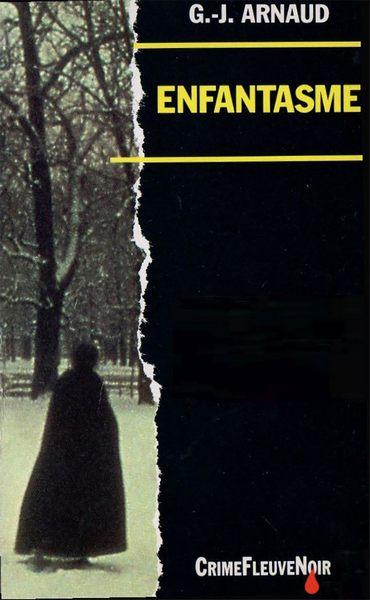
Personne ne croyait à l'existence de ce petit garçon vêtu d'une grande cape noire. Ni les gens du pays ni son mari. Seule Charlotte l'avait vu, lui avait parlé, l'avait reçu dans sa maison. D'ailleurs, il devenait parfois envahissant, capricieux. Lorsqu'il n'était pas là elle souffrait de son absence mais prenait peur lorsqu'il revenait. Autour d'elle, on commençait par la trouver vraiment bizarre avec son idée fixe et son mari ne voulait plus qu'elle reste seule.
Les gens pensaient qu'elle devenait folle et elle-même finissait par croire que l'enfant n'était qu'un fantasme. Et puis le chien Truc disparut. Charlotte en le cherchant découvrit un cadavre dans une maison abandonnée.
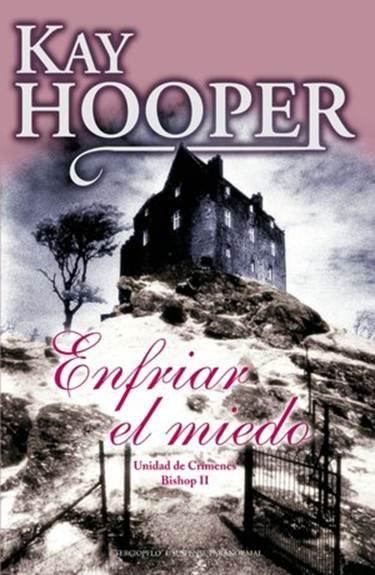
Quentin Hayes, agente de la Unidad de Crímenes Espeluznantes del FBI, sigue atormentado por el misterioso asesinato de Missy, ocurrido hace veinte años en El Refugio, un hotel de Tennessee al que vuelve una y otra vez en busca de nuevas pistas.
Diana Brisco ha ido a El Refugio para participar en una terapia con la que espera resolver su pasado. Pero desde que está allí le asaltan terribles pesadillas y extrañas visiones de un niño desaparecido hace años. Además, un agente del FBI se empeña en convencerla de que no está loca, sino que posee un don especial para contactar con el más allá.
Quentin sabe que es su última oportunidad para resolver el homicidio de Missy y que necesita la ayuda de Diana, pero ¿cómo persuadir a la joven para que traspase el umbral y entre en el mundo del frío y la muerte?
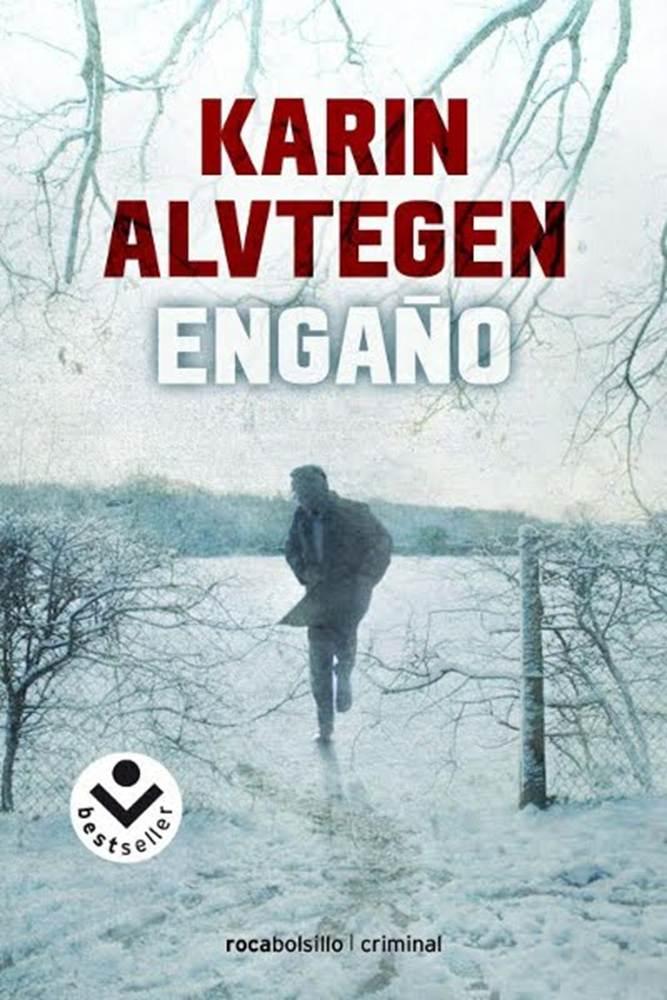
Eva desea que su familia -la que tiene junto a Henrik, su esposo, y Axel, su hijo- se parezca al entorno tradicional y seguro en el que ella creció.
Hasta el momento ha visto cumplidas sus expectativas vitales, tanto a nivel sentimental como profesional, pero un día descubre que su marido la está engañando con otra mujer. Henrik, incapaz de confesárselo, le oculta sus sentimientos y miente sin ningún reparo.
Destrozada por la traición, Eva no se atreve a dar una salida franca a sus sentimientos de cólera y en su lugar, elabora una venganza. La vida continúa igual, pero ambos están atrapados en el miedo y el engaño mutuo les envuelve en una atmósfera cada vez más asfixiante. En estas circunstancias al límite, el encuentro casual entre Eva y un joven tendrá consecuencias insospechadas.
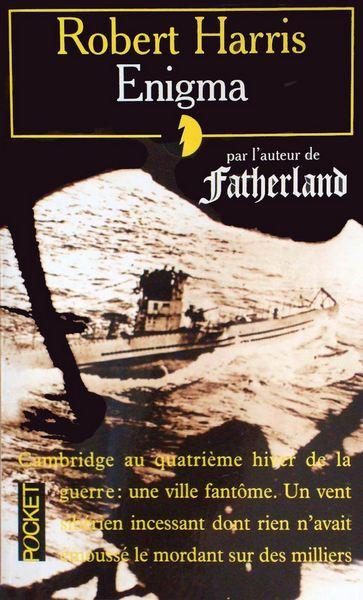
Dans le secret de Bletchley Park, où des centaines de mathématiciens anglais cherchent à paralyser le système nerveux du IIIe Reich, Tom Jéricho, le plus doué d'entre eux, est parvenu à décrypter « Enigma », le codé des U-Boote allemands. Pour lui, mission accomplie, la guerre est terminée.
Un tout autre combat l'attend maintenant retrouver Claire Romilly, la femme de sa vie, inexplicablement disparue au milieu d'un nid d'espions. Mais, en ce printemps 1943, le code d'« Enigma » change soudain de fréquence et de chiffre. Privés d'informations, les convois maritimes alliés se dirigent tout droit vers les sous-marins de l'amiral Dönitz.
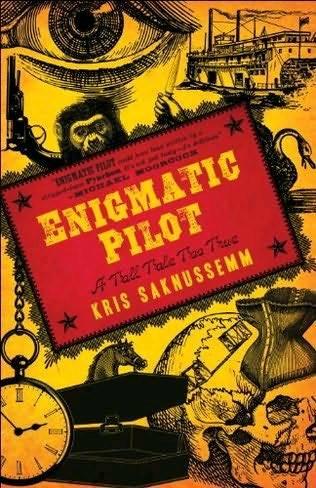
Enigmatic Pilot is Kris Saknussemm's outrageously brilliant yet profoundly moving exploration and excavation of the American dream-and nightmare.
In 1844, in a still-young America, the first intimations of civil war are stirring throughout the land. In Zanesville, Ohio, the Sitturd family-Hephaestus, a clubfooted inventor; his wife, Rapture, a Creole from the Sea Islands; and their prodigiously gifted six-year-old son, Lloyd, whose libido is as precocious as his intellect-are forced to flee the only home they have ever known for an uncertain future in Texas, whence Hephaestus's half-brother, Micah, has sent them a mysterious invitation, promising riches and wonders too amazing to be entrusted to paper.
Thus begins one of the most incredible American journeys since Huck Finn and Jim first pushed their raft into the Mississippi. Along the way, Lloyd will learn the intricacies of poker and murder, solve the problem of manned flight, find-and lose-true love, and become swept up in an ancient struggle between two secret societies whose arcane dispute has shaped the world's past and threatens to reshape its future. Each side wants to use Lloyd against the other, but Lloyd has his own ideas-and access to an occult technology as powerful as his imagination.
Faltan pocas horas para la ejecucion de Frank Beachum; el ya se encuentra en una cruel agonia, cuando el frio halito del terror impregna todas las celulas del cuerpo. sin esperanza. Ni siquiera en el periodista Steve Everett, quiza la unica persona del mundo que cree en su inocencia…

Второй роман Карла Ольсберга в дилогии о специальном отделе интернет-расследований под руководством Адама Айзенберга.
Внезапное отключение электричества во всем Берлине в самый ответственный момент решающего футбольного матча в считаные часы приводит к транспортному, продовольственному и социальному коллапсу. Эта диверсия дает начало серии масштабных терактов, организованных группой хакеров-луддитов, предупреждающих об опасной зависимости человечества от технологий. Айзенберг и его группа помогают уголовной полиции с расследованием, но со временем одного из сотрудников Айзенберга начинают подозревать в причастности к диверсиям. Интернет-террор, искусственный интеллект и незаконная деятельность спецслужб – актуальные темы, которые снова затрагивает Ольсберг в своем новом захватывающем триллере.
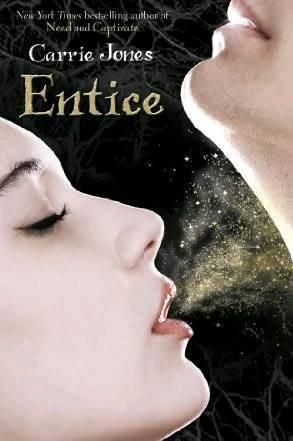
Zara and Nick are soul mates, meant to be together forever. But that's not quite how things have worked out.
For starters, well, Nick is dead. Supposedly, he's been taken to a mythic place for warriors known as Valhalla, so Zara and her friends might be able to get him back. But it's taking time, and meanwhile a group of evil pixies is devastating Bedford, with more teens going missing every day. An all-out war seems imminent, and the good guys need all the warriors they can find. But how to get to Valhalla?
And even if Zara and her friends discover the way, there's that other small problem: Zara's been pixie kissed. When she finds Nick, will he even want to go with her? Especially since she hasn't just turned. She's Astley's queen.

El centenar de piezas reunidas en este volumen configura algo así como una «cartografía personal» de Roberto Bolaño y lo que más se acerca a una especie de «autobiografía» fragmentada. Todas las piezas fueron escritas por Bolaño entre 1998 y 2003, en el periodo que va de la publicación de Los detectives salvajes hasta su muerte. Junto a la mayor parte de las columnas, artículos y reseñas que Bolaño publicó en la prensa de España y de Latinoamérica, se recogen aquí algunos prólogos y otros escritos dispersos, así como los textos de algunos discursos o conferencias. Este volumen, que tiene mucho de dietario en el que su autor anota lecturas, recuerdos, conversaciones y anécdotas de todo tipo, se engarza naturalmente con sus últimos volúmenes de relatos y no deja de incluir pasajes netamente narrativos, junto a otros de carácter más ensayístico, o autobiográfico, o crítico, cuando no abiertamente polémico y visceral, en todo momento humorístico.
`Cuando me muera, me publicarán hasta los calcetines`, sentenció célebremente Pablo Neruda. No deja de ser aterradora la idea de que, una vez desaparecido, los estudiosos, amigos o admiradores de un escritor se dispongan a ordenar sus papeles dispersos para una futura publicación. La importancia de ciertos autores hace pensar, sin embargo, en la necesidad de reunir textos que alumbren, aunque sea tangencialmente, su obra. En el caso de Roberto Bolaño (1953-2003), sin duda una de las voces más poderosas de la literatura en nuestro idioma de las últimas décadas, la publicación de Entre paréntesis -colección de ensayos, artículos y discursos redactados entre 1998 y 2003- se antojaba una inmejorable oportunidad para acercarse a una de sus facetas menos conocidas: la del escritor que reflexiona sobre su oficio. Por desgracia, aunque cobija algunas piezas extraordinarias, el volumen es mayoritariamente decepcionante.
En pocos autores es posible ver con tal claridad una disposición narrativa que, en su insólita naturalidad, se vuelve feroz. Cada vez que Bolaño toma el cauce del relato, sus textos alzan el vuelo, a veces logrando alturas espectaculares. A la inversa, cuando se interna en territorios reflexivos, cuando actúa como digresor, su discurso muestra evidentes limitaciones. El crítico Ignacio Echevarría, encargado de la edición de Entre paréntesis, escribe en su presentación que `Bolaño fue, antes que nada y sobre todo, un poeta`. En realidad, ésa es la manera en que su amigo se veía a sí mismo, pero las evidencias lo desmienten. El autor de Amuleto fue -y acuño esta frase emulándolo- un estupendo poeta menor, cuyos versos eran casi siempre narrativos. Bolaño fue, antes que nada y sobre todo, un narrador. Si algún aporte tiene este libro póstumo es demostrar ese aserto prácticamente en cada página. En última instancia, cualquier escritor de primer orden es poeta, hacedor, y más vale que a estas alturas ya hayamos comprendido que la prosa es un vehículo tan vivo como el verso a la hora de crear intensidad poética.
La organización que Echevarría hace de los materiales es la mejor posible, pues los agrupa en función de sus intenciones y destino, permitiéndonos dilucidar la manera en que Bolaño encaraba cada situación. De ese modo, luego de un magistral `Autorretrato`, nos topamos con el primer apartado, `Tres discursos insufribles`. `Derivas de la pesada` muestra paralelamente el talento de polemista y las taras críticas del escritor chileno. En una nueva incursión por los territorios de la literatura argentina, revisa los que, según él, son los caminos más visibles que ésta ha tomado después de Borges. Sólo el ritmo de la prosa y la hilaridad salvan a este texto de su abrumador ánimo arbitrario: una importancia desmedida es dada a escritores que, comparados con algunas ausencias imperdonables -hablo concretamente de Juan José Saer y Fogwill-, son pálidas sombras. Por el contrario, el `Discurso de Caracas` -leído en la capital venezolana cuando recibió el premio Rómulo Gallegos por Los detectives salvajes- es una joya: ahí está el mejor Bolaño, el que, con una mezcla de visceralidad, nostalgia y humor, homenajea a una generación de latinoamericanos aniquilada en su intento de alcanzar la utopía. `Literatura y exilio`, por último, muestra una insólita y admirable habilidad para irse por las ramas.
Los textos agrupados en `Fragmentos de un regreso al país natal` desconciertan porque Chile, `el país pasillo`, es más vívido en las ficciones bolañianas que en las crónicas donde describe la experiencia del retorno. La literatura de Bolaño se nutre de una nostalgia que, transformada en material narrativo, cubre con una pátina mítica cuanto aborda. Aunque sus artículos no están exentos de pasajes memorables, es evidente que se encuentran más a gusto en los mundos fantasmagóricos del recuerdo que en la pavorosa densidad del presente.
`Entre paréntesis` es la parte medular del libro y recoge las columnas que Bolaño escribía semanalmente para el Diari de Girona, de España, y el periódico santiagueño Las Últimas Noticias. La diversidad de lo reunido hace que encontremos aquí algunas de sus mejores páginas, pero también las peores. Son entrañables las crónicas de Blanes, la pequeña localidad mediterránea en la que habitó las últimas décadas de su vida. Y algunas postales narrativas tienen, de hecho, el nivel de sus cuentos. Cuando Bolaño relata anécdotas de panaderos y libreros, de playa y verano, sus textos alcanzan la intensidad fulgurante que lo convirtió en uno de nuestros prosistas mayores. El problema surge cuando habla de libros y escritores: dispensa aplausos con una facilidad pasmosa. Era un buen amigo y un mal crítico. Para no indignar, evitaré enlistar a los autores que coloca, casi siempre, entre los cuatro o cinco mejores de la lengua. Bolaño leía visceralmente, lo que hace que sus notas literarias sean, casi siempre, repetitivas y banales: comienza con alguna anécdota personal, pasa a glosar la trama de los libros y el carácter de los personajes, termina con un elogio.
A Entre paréntesis, a pesar de todo, lo justifican ciertos textos, sobre todo los contenidos en `Escenarios`, reunión de crónicas de viajes y relatos entre los que se cuenta el excepcional `Playa`, y `El bibliotecario valiente`, que cobija las mejores páginas críticas de Bolaño: cuando se proponía abordar en serio un tema, cuando no había más motor que el placer de la lectura, podía convertirse en un ensayista agudo. Sus textos sobre Mark Twain, Jorge Luis Borges y J. Rodolfo Wilcock son, sencillamente, extraordinarios, sobre todo porque revelan las influencias que mezcló hasta hacer irreconocibles. Twain está en Los detectives salvajes, Borges y Wilcock en La literatura nazi en América.
Al final, quedan los apuntes de `Un narrador en la intimidad` y la resonancia de la palabra más usada en el libro: valentía. En casi todos los autores que admiraba, Bolaño resaltaba el valor. ¿A qué atribuir esta obsesión? ¿A su propia actitud? ¿Al coraje de escribir a contrarreloj, consciente de la inminencia de lo peor? Sí, a eso. -

No matter how cruelly twins are separated, their lives will always be entwined.
In the newly liberated streets of modern Berlin, two women — a pampered, beautiful Baroness, losing control of her mind, and a fearless wild animal trainer, facing the greatest challenge of her career — are drawn together by a series of tragic and extraordinary coincidences.
When a man is found brutally murdered, their lives become entangled in an investigation that uncovers a web of darkness and secrets that have long been condemned to silence...
Who were they, all those years ago? What nightmares did they share? And what is the truth about the undying nature of their love?
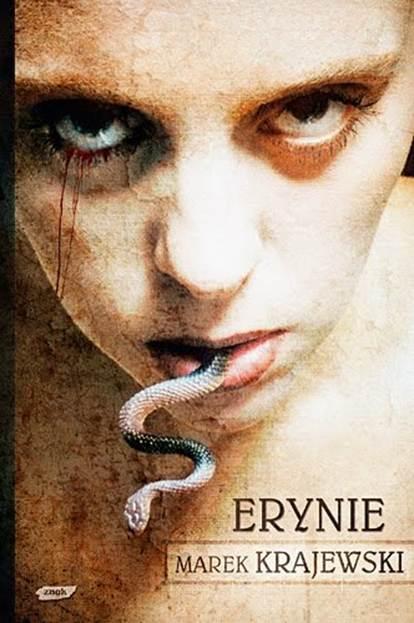
Nowa powieść Marka Krajewskiego zaczyna się prawie tak samo jak poprzednia, „Głowa Minotaura”. Prawie, bo w „Eryniach” jest jeszcze prolog, rozgrywający się we Wrocławiu Anno Domini 2008 i 1949. Ale punkt wyjścia intrygi jest taki sam: Lwów, maj 1939 r., w podłej dzielnicy znaleziono w ustępie ciało dziecka, które ktoś wcześniej torturował. Oczywiście ten autocytat można potraktować jako element gry, ale można też odczytać go jako natrętną powtórkę.
Po lekturze „Głowy Minotaura”, gdy było już pewne, że Krajewski zamierza na dobre porzucić postać policjanta z Breslau, zastanawiałem się, jak będzie wyglądało życie wrocławskiego pisarza po Mocku. Okazało się, że paradoksalnie jest tak samo, a nawet bardziej. Lwowski komisarz to właściwie Mock po lekkim liftingu, kresowe miasto jest ukazywane za pomocą patentów sprawdzonych w serii o Breslau, a kryminalna intryga po raz kolejny zbudowana jest wokół postaci wynaturzonego zbrodniarza.
Autor „Śmierci w Breslau” wciąż posługuje się tymi samymi schematami. Jasne – sprawdziły się świetnie. Problem jednak w tym, że proza Krajewskiego stała się przewidywalna. Pisarz miał tego świadomość, więc próbował utrzymać uwagę czytelników podkręcając niejako sprawdzone już schematy. Główny bohater „Erynii”, Popielski, jest bardzo podobny do Mocka, ale do tego jeszcze cierpi na epilepsję, a śledztwo prowadzi w sposób jeszcze bardziej bezwzględny.
Krajewski mnoży opisy bestialstw, znowu każe włóczyć się bohaterowi po knajpach i zadawać z kobietami upadłymi. W dodatku pisarz tym razem posługuje się w intrydze bzdurnymi stereotypami: Żydzi zabijają rytualnie chrześcijańskie dzieci, a Cyganie je porywają. Miejmy więc nadzieję, że następna książka Krajewskiego będzie lepsza.
Więcej pod adresem http://www.polityka.pl/kultura/ksiazki/recenzjeksiazek/1506068,1,recenzja-ksiazki-marek-krajewski-erynie.read#ixzz21MDTrBeK
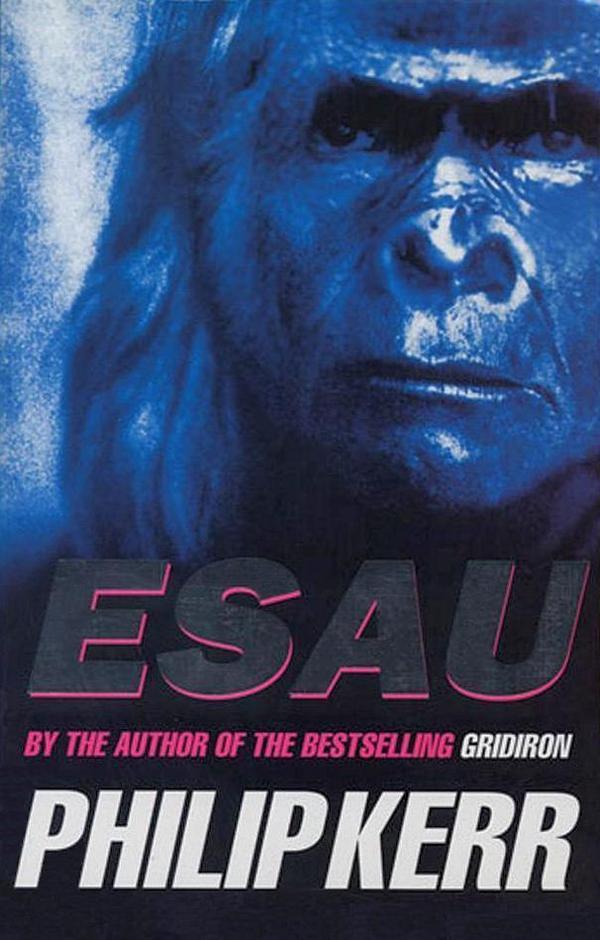
Jack Furness, a world-famous mountaineer, is scaling one of the highest peaks in Nepal when he slips and falls into a crevasse. In the snow he finds a fragment of skull preserved in almost immaculate condition, and on returning home presents it to his ex-girlfriend, Dr. Stella Swift, a paleoanthropologist at Berkeley. Stella is intrigued. The skull, when she examines it, seems to be a rare example of an early hominid, a form of ape-man which science had yet to classify. She also discovers that the skull is not millions of years old, but alarmingly recent.
Stella and Jack set about organising a new expedition to the Himalayas, to rediscover more of the fossil material, and maybe even to track down a living example of this strange creature. But they have problems: there are threats of a nuclear war, and there is a narrow gap of time in which they can make their trip safety. And Jack becomes quickly aware that one member of their team may have a secret mission that may conflict with their own.
The story of expedition, and of what Stella and her team find there, make Esau one of the most heart-stoppingly exciting thrillers of recent years.
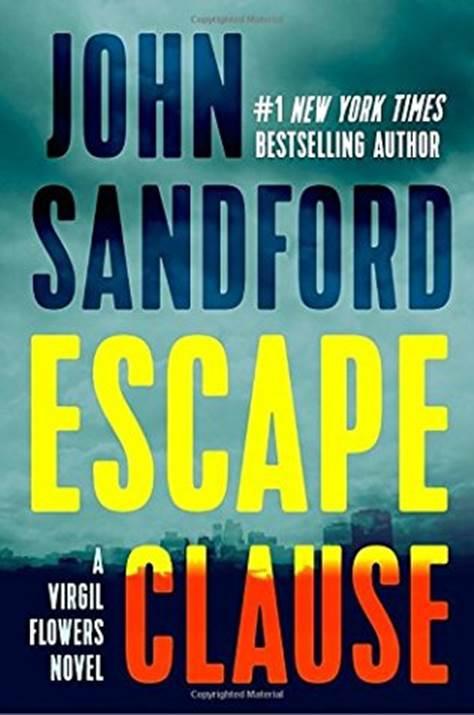
The first storm comes from, of all places, the Minnesota zoo. Two large and very rare Amur tigers have vanished from their cage, and authorities are worried that they've been stolen for their body parts. Traditional Chinese medicine prizes those parts for home remedies, and people will do extreme things to get what they need. Some of them are a great deal more extreme than others – as Virgil is about to find out. Forget a storm…this one's a tornado.