 fb2
fb2
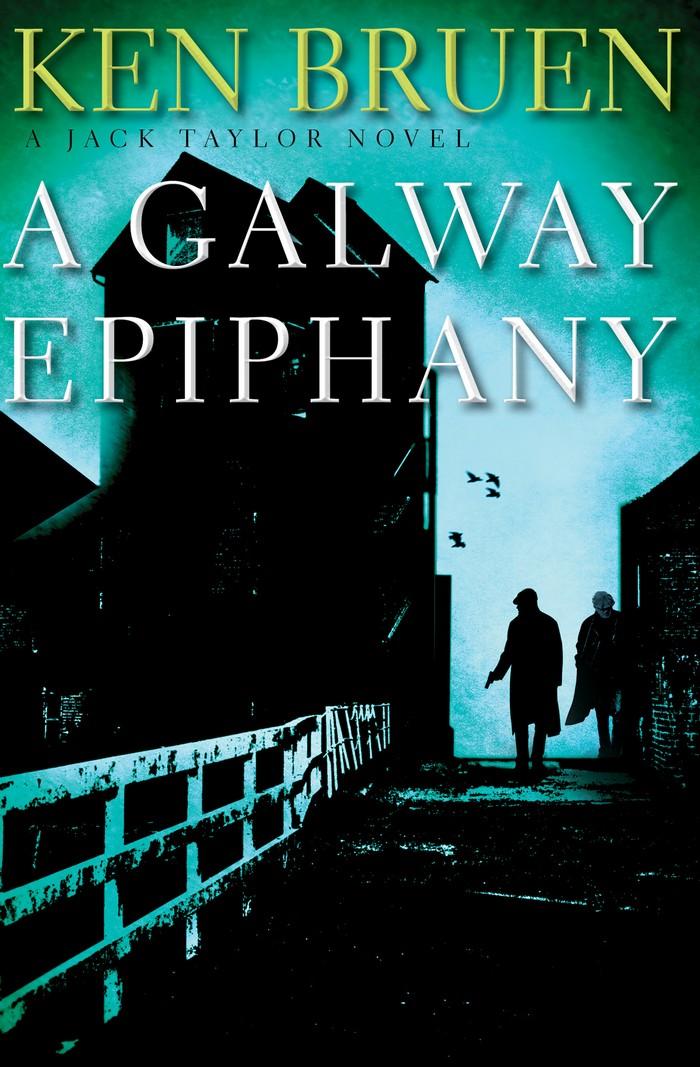
Jack Taylor has finally escaped the despair of his violent life in Galway in favor of a quiet retirement in the country with his friend Keefer, a former Rolling Stones roadie, and a falcon named Maeve. But on a day trip back into the city to sort out his affairs, Jack is hit by a truck in front of Galway’s Famine Memorial, left in a coma but mysteriously without a scratch on him.
When he awakens weeks later, he finds Ireland in a frenzy over the so-called “Miracle of Galway.” People have become convinced that the two children spotted tending to him are saintly, and the site of the accident sacred. The Catholic Church isn’t so sure, and Jack is commissioned to help find the children to verify the miracle or expose the stunt.
But Jack isn’t the only one looking for these children. A fraudulent order of nuns needs them to legitimatize its sanctity and becomes involved with a dangerous arsonist. Soon, the building in which the children are living burns down. Jack returns to his old tricks, and his old demons, as his quest becomes personal.
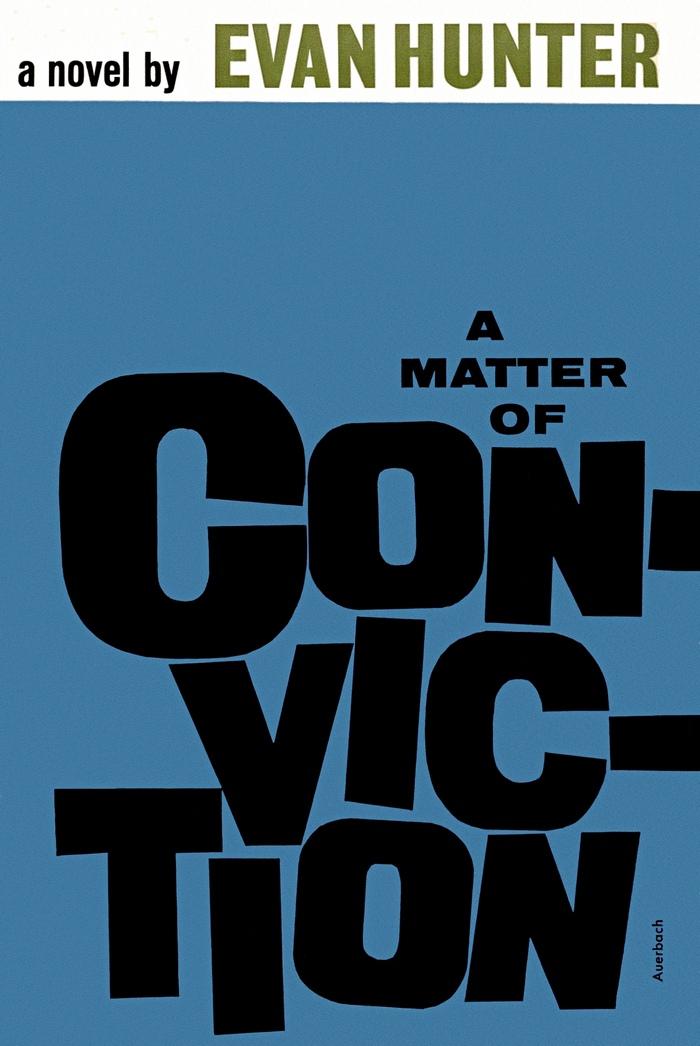
Evan Hunter’s new novel is a fresh and powerful demonstration of the narrative gifts, the instinct for themes that concern us, the exuberant flow of invention that were responsible for the nation-wide impact of his best-selling Strangers When We Meet and The Blackboard Jungle.
A Matter of Conviction is the story — told dramatically and in depth — of a sensational murder, the passions it arouses in a community, the people caught up in its tangled after-math. Above all, it is the story of the ethical dilemma imposed on the young prosecutor who values justice above the triumph of a conviction.
The prosecutor, Henry Bell, is dedicated to his profession. He demands of himself an almost inhuman objectivity. He is intensely disturbed when the murder forces him to revisit the crime-breeding slum in which he himself was born, from which he escaped by his ambition and his integrity, and which he has almost, but not quite, managed to forget.
How can he serve blind justice when the boys he must prosecute are an image — impossible to shut out — of what he might have been, when the newspapers scream for their blood and their neighbors stop at nothing to protect them, when his superiors insist on chalking up a conviction, and when — the final blow — his investigations bring him face to face with a woman who once had his happiness, as she now has his reputation, at her mercy.
Henry Bell’s ordeal is superbly told in a novel that plunges the reader into a world of law and disorder, of crime and vengeance, of turmoil — emotional and political — of cold panic. In Henry Bell, Evan Hunter has created a memorable hero — a man of conscience and heart. When you finish his story you know that you would trust him with your life.
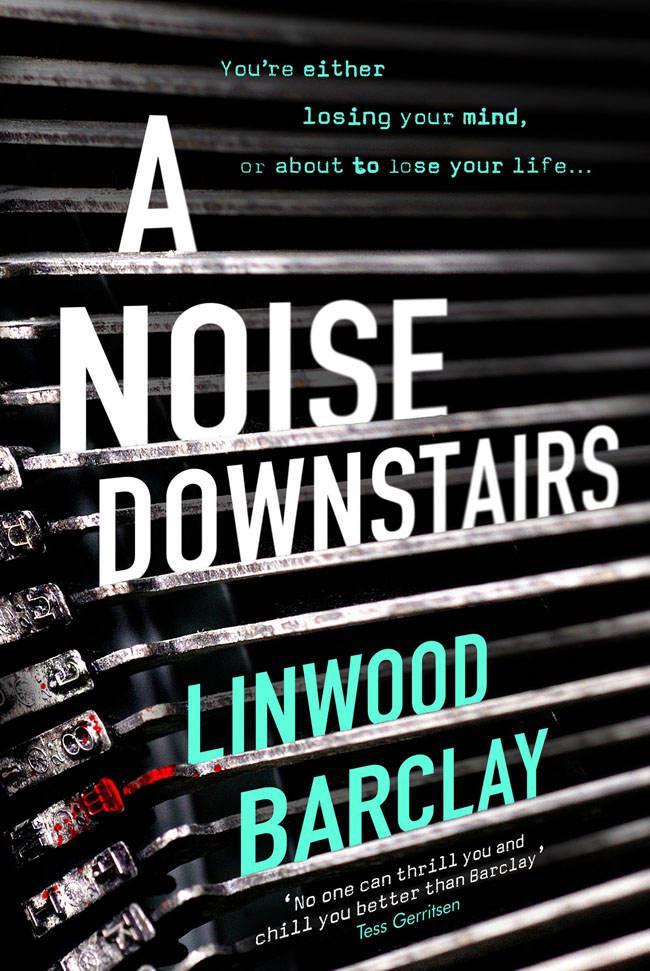
EVERY STEP...
Paul Davis forgets things — he gets confused, he has sudden panic attacks. But he wasn’t always like this.
TAKES YOU CLOSER...
Eight months ago, Paul found two dead bodies in the back of a co-worker’s car. He was attacked, left for dead, and has been slowly recovering ever since. His wife tries her best but fears the worst...
TO THE TRUTH...
Therapy helps during the days, but at night he hears things — impossible things — that no one else can. That nobody else believes. Either he’s losing his mind — or someone wants him to think he is.
Just because he’s paranoid doesn’t mean it’s not happening...
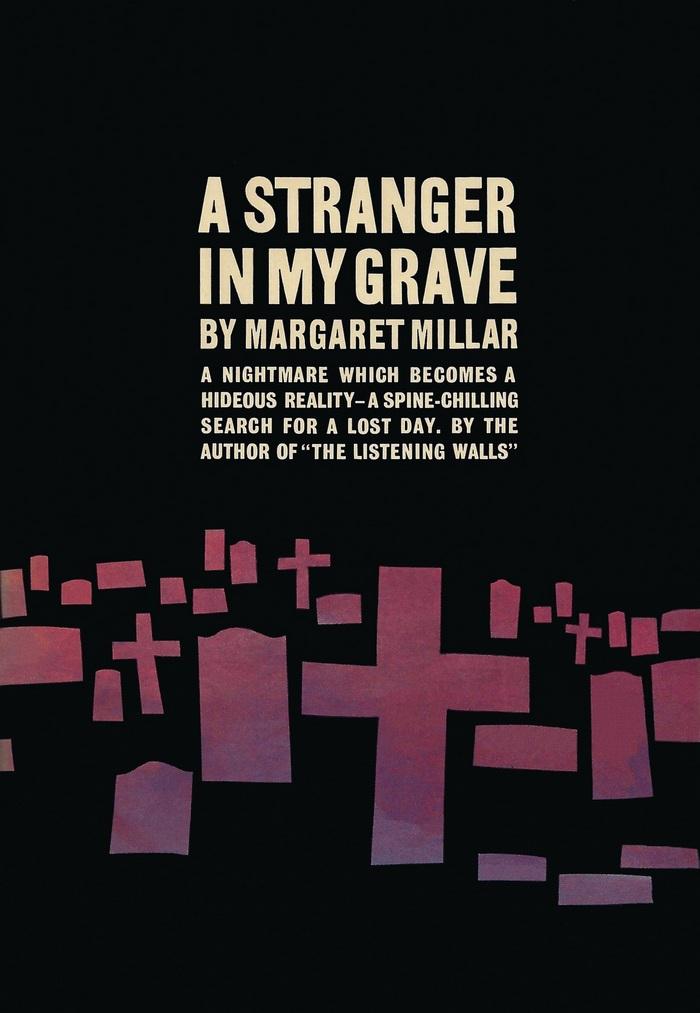
She dreamed that she had died four years ago. The dream was terrifyingly real. Then Daisy discovered that the grave and the granite cross were really there in the cemetery, the date of death the same as she had dreamed, but a stranger’s name cut in the stone.
Daisy Harker’s search for the lost day of her imagined death becomes a quest for the meaning of several lives, and for her own survival. As her nightmare emerges into reality, it threatens her comfortable relationship with her husband Jim, and thrusts her into more disturbing relationships: with Steve Pinata, the detective of uncertain origins: with Stanley Fielding, who lives by his wits on the edge of the law: and with the dark forces beyond the law. Daisy’s struggle between the world we know and trust, and the underworld of crime and degradation, is resolved in scenes of shuttering suspend and emotional power.
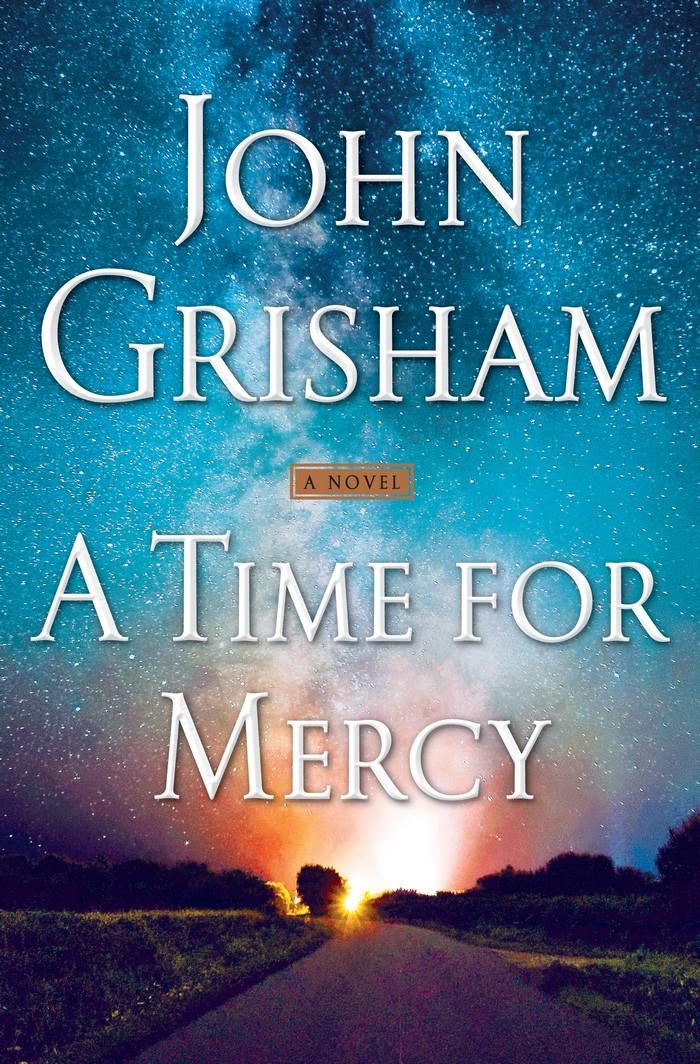
Clanton, Mississippi. 1990. Jake Brigance finds himself embroiled in a deeply divisive trial when the court appoints him attorney for Drew Gamble, a timid sixteen-year-old boy accused of murdering a local deputy. Many in Clanton want a swift trial and the death penalty, but Brigance digs in and discovers that there is more to the story than meets the eye. Jake’s fierce commitment to saving Drew from the gas chamber puts his career, his financial security, and the safety of his family on the line.
In what may be the most personal and accomplished legal thriller of John Grisham’s storied career, we deepen our acquaintance with the iconic Southern town of Clanton and the vivid cast of characters that so many readers know and cherish. The result is a richly rewarding novel that is both timely and timeless, full of wit, drama, and — most of all — heart.
Bursting with all the courthouse scheming, small-town intrigue, and stunning plot twists that have become the hallmarks of the master of the legal thriller, A Time for Mercy is John Grisham’s most powerful courtroom drama yet.
There is a time to kill and a time for justice. Now comes A Time for Mercy.
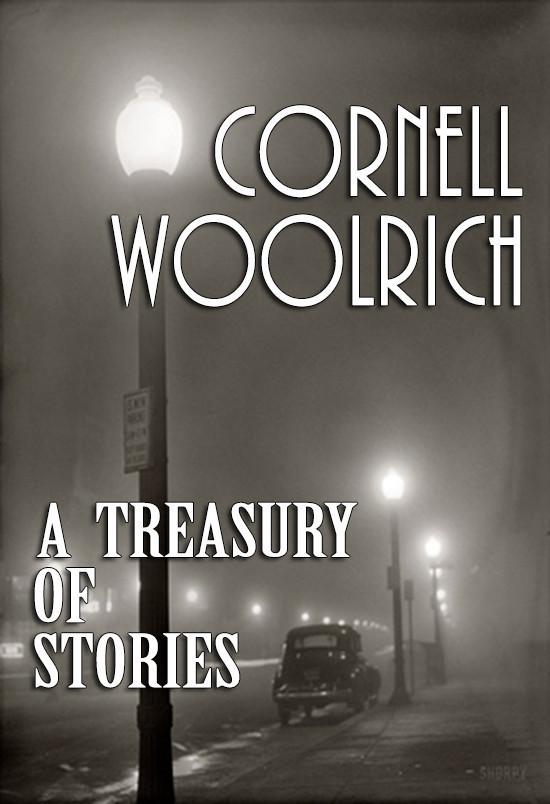
Someone — I wish it were me — has put together a fantastic collection of Woolrich stories that everyone needs to have. This includes most of his classics (It Had to be Murder is really Rear Window). Many great pulp classics here — plus one I’ve been looking for for a long time, Jane Brown’s Body, which is CW’s only Science Fiction story. Grab this one — it’s a noirfest everyone should indulge in.
Someone — I wish it were me — has put together a fantastic collection of Woolrich stories that everyone needs to have. This includes most of his classics (It Had to be Murder is really Rear Window). Many great pulp classics here — plus one I’ve been looking for for a long time, Jane Brown’s Body, which is CW’s only Science Fiction story. Grab this one — it’s a noirfest everyone should indulge in.
Someone — I wish it were me — has put together a fantastic collection of Woolrich stories that everyone needs to have. This includes most of his classics (It Had to be Murder is really Rear Window). Many great pulp classics here — plus one I’ve been looking for for a long time, Jane Brown’s Body, which is CW’s only Science Fiction story. Grab this one — it’s a noirfest everyone should indulge in.

Stephen Blake comes from a long line of Galway Blakes, a family famous in history — or infamous — for jettisoning its Catholic roots to save their land from the English. As a young man he was always happiest when drinking with his mates, and a ready hand in a fight. With no particular plans in mind, he went up to study at Trinity College, and immediately afterward “took the king’s shilling” by joining the British army, and came out harder, leaner, and suspect in the eyes of his countrymen. Now nearly forty, he is a good man blown in bad directions. Out of misplaced loyalty he agrees to take part in an IRA bank heist. Doomed to failure from the start, it goes disastrously wrong when his friend is killed, and Stephen must leave Ireland, determined to reinvent himself as an American. Now he and girlfriend Siobhan, best friend Tommy, IRA terrorist Stapleton, and a particularly American sort of psychopath named Dade are all on a collision course somewhere on the road between the dive bars of New York and the pitiless desert of the Southwest.
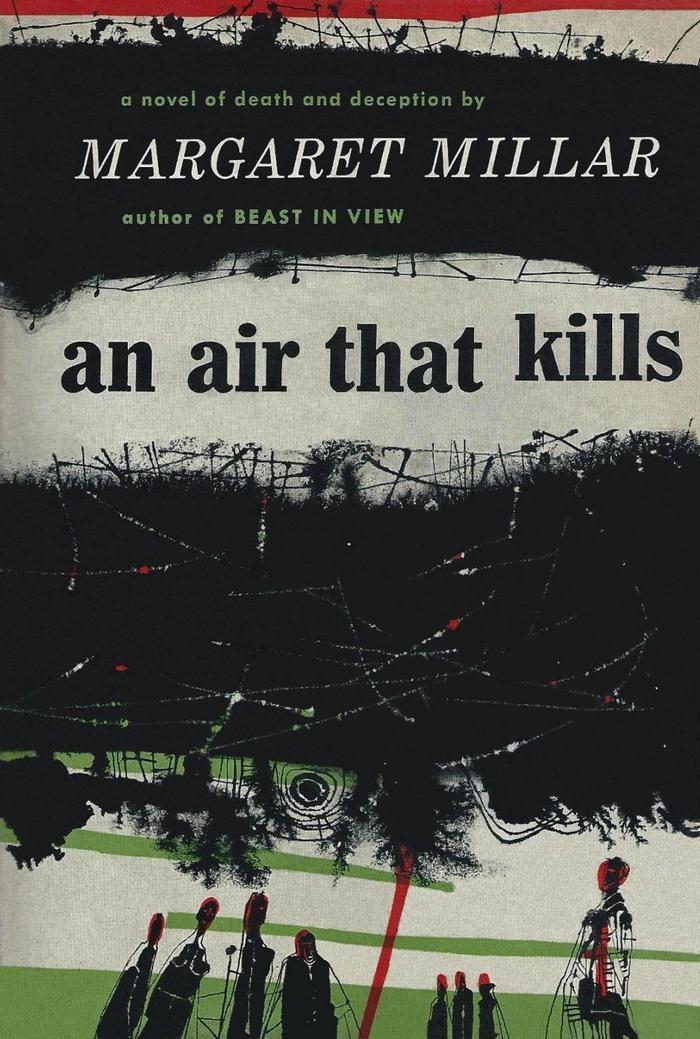
At a crisis in his second marriage, Ron Galloway dropped out of sight. Having said good-bye to his wife and his sons in Toronto, he started out for his hunting lodge, where he had invited some friends to spend the weekend with him. When Ron failed to appear, two of his friends, Ralph Turee and Harry Bream, took it upon themselves to investigate his disappearance. Even before his body was found, they discovered that Ron had been leading a double life.
The doubleness of Ron’s life was more than matched by the doubleness of his death, and the events that followed his death. Because a beautifully controlled irony is its keynote, any further summary of the story would reveal too much, and too little. When revelation does come, to Ralph Turee and the reader, it comes with the shock and illuminative flash of a carefully laid explosion.
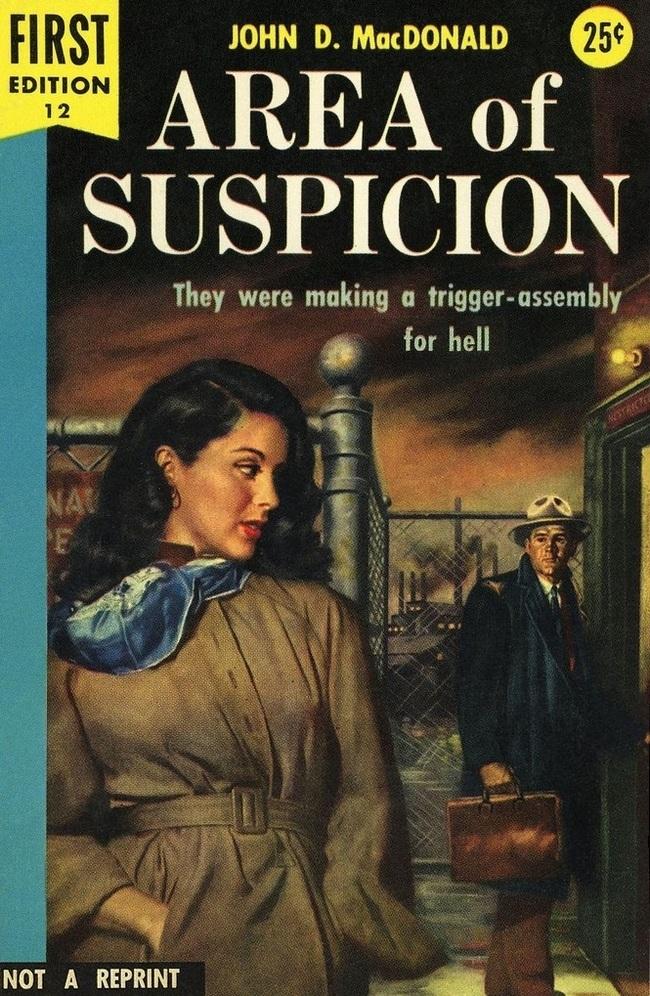
SHE HAD TWO PASTS — AND NO FUTURE
But in the beginning Gev Dean didn’t know about that. It was one of those cold, misting December afternoons when dusk comes at three. He didn’t see the girl until she was suddenly in front of him, slim and dark and with her raincoat wrapped tight around her. She wanted a job at Dean Products, she said.
And why not... She didn’t look like the kind of girl she was. And even after her high-polish exterior had been ripped away to reveal a shadow of the ugly forces beneath, Gev Dean still wasn’t sure what she was really like.
A shorter version of this work appeared in Collier’s under the title “My Brother’s Widow.”

Consider Ariel Jardell, an adopted twelve-year-old girl driven by jealousy — her mother thinks — and by forces far more bizarre — as you will discern — to a precocious excursion into evil from mere mischief, to malevolence beyond compare...
Haunting as The Turn of the Screw, chilling as The Bad Seed, Ariel spins a complex web of demonic circumstance with a fascinating, terrifying child at its center, giving new definition to the age-old conflict of good and evil, sane and insane.
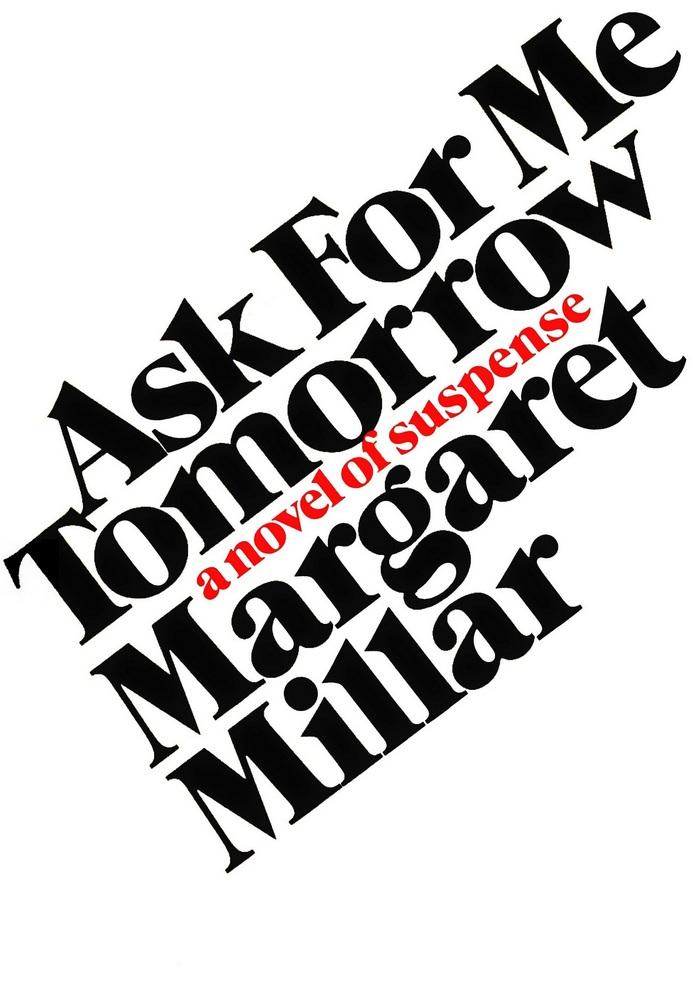
Having heard that her first husband, B. J. Lockwood, had amassed a fortune in Mexico, and with her second husband now a helpless invalid and dying, Gilda Decker hires Tom Aragon to go to Mexico to search for Lockwood. The stated reason: Gilda wants her share of Lockwood’s money — he owes her.
But as Aragon questions those who knew Lockwood, he finds the man’s past shrouded in mystery; and as the young lawyer gets closer and closer to the truth, people start dying, one by one.
Only on the very last pages does he, and the reader, learn the fantastic explanation for why he was really hired. This is another strong, unusual suspense novel by the author of Beyond This Point Are Monsters.
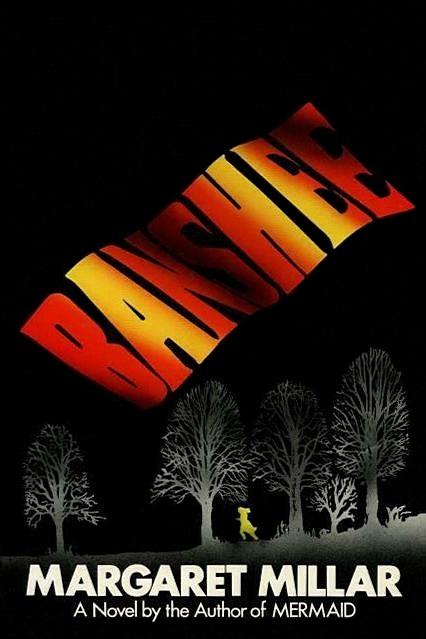
The decomposed body of a much-loved eight-year-old, Annamay Hyatt, is found in a wooded creekside area. To an agonizing degree everyone concerned with Annamay feels responsible. To an even more agonizing degree, someone is.
The effect of the child’s violent death runs through the community like a plague. It infects not only her parents and her cousin, Dru, the same age as Annamay, but everyone who lives or works in the area, from the aging gay who gives young parties to the white-robed con man who comes to the creek and hears a banshee.
Perhaps most bereft is Annamay’s grandfather who studies the ancient Japanese fish in the koi pond, appalled that they and he should still be alive while an eight-year-old is dead. Through a telescope he watches the retired madam who lives in her villa across the canyon, surrounded by keepers. The madam also hears the banshee.
Friends of the family are also badly infected, one of them fatally. These include Ben York, the young architect who designed the Hyatts’ house and the little girl’s play palace; his brash mistress who resents his attachment to the Hyatts; the minister who officiated at Annamay’s baptism and now her funeral and loses his faith in the process; and even the housekeeper, Chizzy, bewildered because Annamay did not heed her repeated warnings not to talk to strangers.
Margaret Millar is a highly praised, widely read novelist. Banshee shows why, for over four decades, she has maintained a steady and devoted following.

Margaret Millar’s latest book — which comes after a break of six years — is another superb example of the fusion of the novel of character and the puzzle of suspense. If it were not about a crime, it would still be an absorbing account of people, precisely studied and perfectly placed in their unfamiliar setting. That setting is a remote ranch on the border between California and Mexico. Robert Osborne inherited the ranch when his father was killed while driving a tractor: his father was usually drunk anyway, and no one was surprised that he’d had an accident. But now Robert has been missing for over a year, and is presumed dead by everyone except his doting mother.
Robert disappeared not long after he had been on a trip to New York, from which he had returned with an attractive young wife. There doesn’t seem to be much doubt about what happened. A lot of blood was found on the floor of the bunk-house where the itinerant Mexican laborers were lodged, and all the laborers were missing. Plainly, they were responsible, and Robert must be dead.
That’s how the sheriff sees it, and the ranch foreman, and Robert’s young widow, and Robert’s lawyer. Only Robert’s mother holds out, opposing the public hearing which the widow, Devon, is now demanding to legally establish his death. But the solution is not at all the expected one; and after it has been reached, Miss Millar has a startlingly macabre ending in reserve. It’s compulsive reading, and beautiful writing.
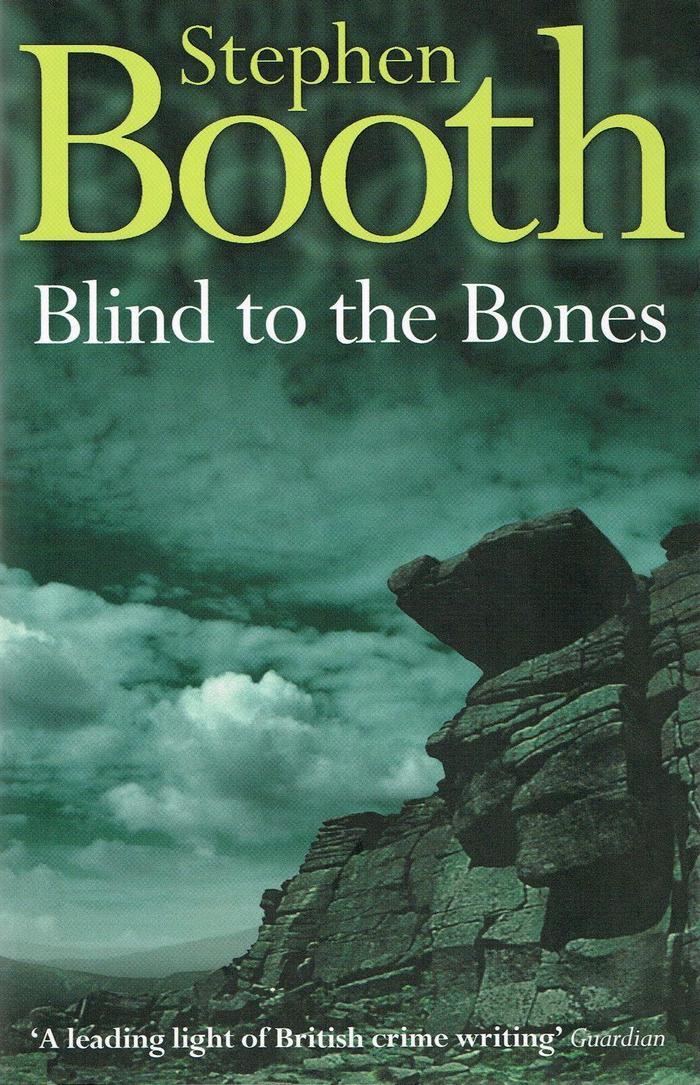
A death in the rural family-from-hell bring Fry and Cooper to a remote and unfriendly community in the fourth psychological Peak District thriller.
It’s nearly May Day and deep in the Dark Peak lies the village of Withens. Not a tranquil place but one troubled by theft, vandalism, strange disappearances and now murder. A young man is killed — battered to death and left high on the desolate moors for the crows to find.
Ben Cooper, part of the investigating team, meets an impenetrable wall of silence from the man’s relatives who form Withens’ oldest family. The Oxleys are descendants of the first workers who tunnelled beneath the Peak. They stick to their own area, pass on secret knowledge through the generations, and guard their traditions from outsiders.
Detective Diane Fry is in Withens on other business — looking into the disappearance of Emma Renshaw. The student vanished into thin air two years ago, but her parents are convinced she is still alive and act accordingly... which doesn’t help Fry in her efforts to re-open the case following an ominous discovery in remote countryside.
But there are other secrets in Withens and more violence to come... The past is stretching its shadow over the present, not just for the inhabitants of Withens but for Cooper and Fry as well.
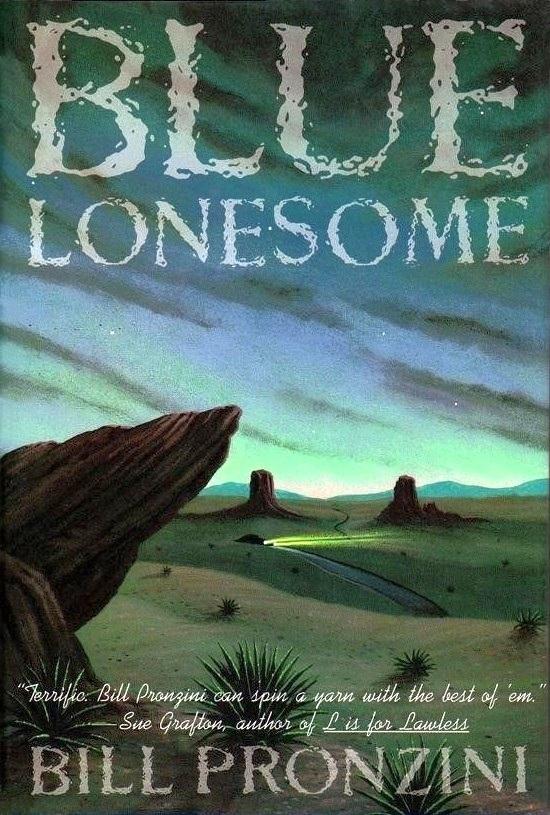
A stunning psychological study of a man’s obsession and search for the truth, and a brilliant mystery that moves from San Francisco to a small, insular desert community in Nevada, Blue Lonesome is a masterful novel of suspense written by an author at the peak of his storytelling powers.
Jim Messenger is a CPA who hates his job, loves jazz, and can’t forget the woman he’s seen eating at the Harmony Café. She goes by the name Janet Mitchell and her only comment when he introduces himself is, “It won’t do you any good.”
When she commits suicide, Messenger has to learn why. From one slender clue he begins a search that is both a hunt for answers and a rite of passage. The name Janet Mitchell is only the first of the lies Messenger uncovers; in “historic Beulah,” Nevada, he discovers secrets coiled like rattlesnakes ready to strike and suffering chat lies like a suffocating blanket over lives put on hold.
By the time his search is over there will have been many changed lives, a horrible murder brought to light, and a quiet, little town torn apart. And all the while Jim Messenger was evolving into a genuine hero.
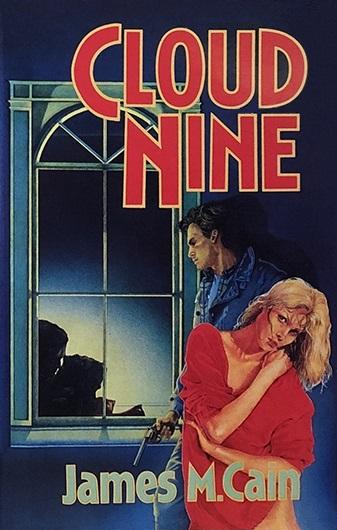
When blonde, 16-year-old, Sonya Lang confronts real-estate man Graham Kirby with the fact that she’s pregnant by his sleazy half-brother Burwell, that’s bad. When it turns out that her condition is the result of a particularly degrading rape, that’s worse. As her father says, “What wipes out that stain is blood.”
This is quintessential James M. Cain, giving us characters whose emotional intensity is unlimited. Suspenseful, intricately plotted, CLOUD NINE is an important addition to contemporary American literature.

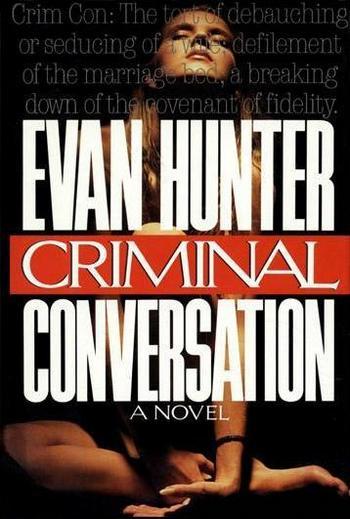
“Just you,” Andrew Farrell says, when Sarah Welles asks him what he wants of her. “Just you.”
But long before she finally gives in to Andrew, long before she walks up those steps into the mysterious world of his wood-paneled office, long before she feels his naked body against hers, Sarah knows she has already chosen to betray her husband and her marriage.
Adultery will be the least of her crimes.
Making forbidden love to Andrew, Sarah has no idea of the dangerous game she has begun. She is about to find out who her lover really is, and Andrew is about to discover how unforgiving and relentless her husband can be.
CRIMINAL CONVERSATION is a gripping novel of sex, passion, and violence, set against a backdrop of a society tattered by criminality. Prom victims to predators, from foot soldiers to kingpins, Evan Hunter spins a masterly tale that no one — not even Ed McBain — could do better: an explosive and erotic novel of psychosexual suspense.