 fb2
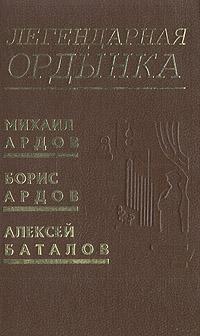
fb2Сборник воспоминаний о жизни московского дома Н. А. Ольшевской и В. Е. Ардова, где подолгу в послевоенные годы жила Анна Ахматова и где бывали известные деятели литературы и искусства. Читатель увидит трагический период истории в неожиданном, анекдотическом ракурсе. Героями книги являются Б. Пастернак, Ф. Раневская, И. Ильинский и другие замечательные личности.
В книгу вошли повести «Легендарная Ордынка» протоиерея Михаила Ардова, «Table-talks на Ордынке» Бориса Ардова и «Рядом с Ахматовой» Алексея Баталова.

«Это самая подробная и авторитетная книга о «безгримовой» эре, и она часто несправедливо замалчивается в пользу эпохи «масок». TAKE IT OFF обязательна к прочтению для каждого члена Kiss Army».
Metal-Rules.comКнига, написанная музыкальным журналистом Грэгом Прато, расскажет вам об одной из ярчайших вех в истории KISS, времени, когда, по мнению многих фанатов, были созданы лучшие песни группы: Heaven’s On Fire, Lick It Up, Tears Are Falling, Crazy Crazy Nights и другие. Это эра, когда музыканты решились смыть свой фирменный грим и снять вычурные наряды, чтобы не только не затеряться среди других исполнителей, но и суметь вернуть себе место на олимпе рок-музыки 80-х.
Внутри книги собраны эксклюзивные интервью с людьми, сотрудничавшими с KISS в разное время: музыкантами, журналистами, продюсерами. Они и вспоминают первое появление группы «без масок» в эфире MTV, и рассказывают, как писали хиты с их альбомов, и делятся живыми воспоминаниями о концертах и турах. Также здесь перечислены вся дискография и самые яркие видеовыступления группы за этот период.В формате PDF A4 сохранен издательский макет.
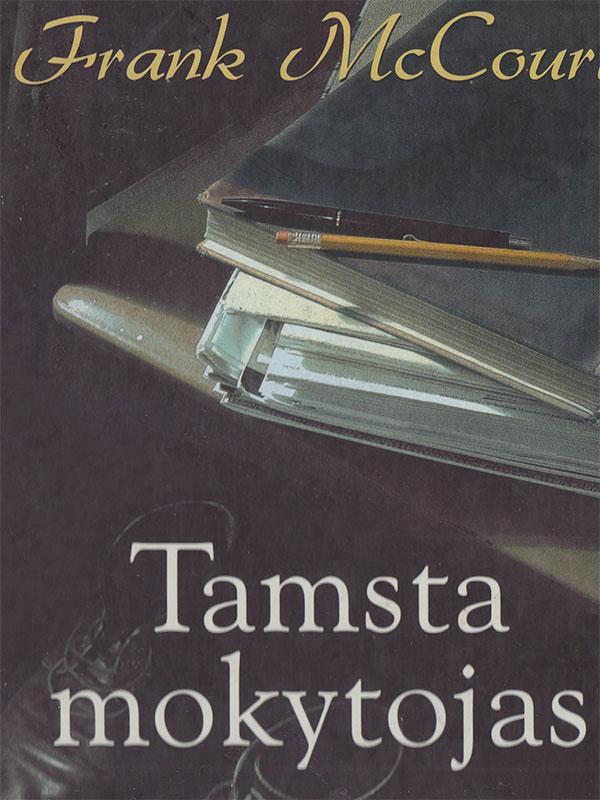
Franko McCourto (g. 1930) atsiminimų trilogija "Andželos pelenai", "Tataigis" ir "Tamsta mokytojas" - Amerikoje gimusio airio gyvenimo epopėja. "Tamsta mokytojas" - paskutinė trilogijos dalis, kurioje autorius su nepakartojamu humoru aprašo savo pedagoginę karjerą. Pradėjęs mokytojauti nuo 27 m., įvairiose Niujorko mokyklose ir koledžuose jis praleido daugiau nei trisdešimt savo gyvenimo metų. 1976 m. McCourtui buvo suteiktas Metų mokytojo vardas. Įžūlūs ir abejingi mokiniai ir prislėgti mokytojai, alkoholis ir Niujorko airių kompanija, noras perduoti mokiniams pasaulinės literatūros subtilybes, kai jiems labiau praverstų sugebėjimas taisyklingai ištarti paprasčiausią sakinį, asmeninio gyvenimo problemos - visa tai sudaro iš pirmo žvilgsnio tipišką McCourto kasdienybę. Netipiškas yra humoro jausmas, priverčiantis skaitytoją šypsotis net liūdniausių autoriaus gyvenimo įvykių akivaizdoje.
Jiems nerūpi nei tavo nuotaika, nei tavo galvos skausmas, nei tavo rūpesčiai. Jie turi savo problemų, ir tu esi viena iš jų. Atsargiai, mokytojau. Nevirsk problema savo moksleiviams. Jie tave sutvarkys.
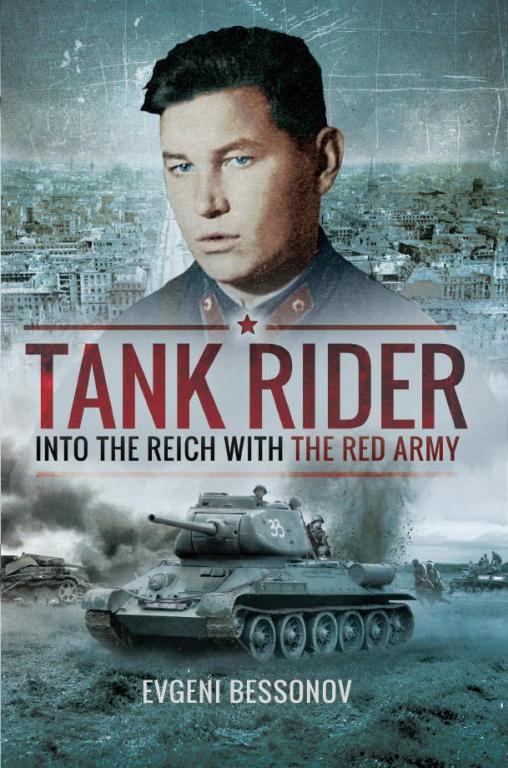
A sobering account of conflict on the Eastern Front of World War II told from the perspective of a Russian soldier.
Honest and irrepressibly frank, these are the dramatic memoirs of a Russian officer on the Eastern Front, where he played his part in a clash of titans and witnessed the shuddering collapse of the Third Reich.
The cataclysmic battle of Kursk in 1943 put an end to Hitler’s hopes of victory on the Eastern Front, and it was Evgeni Bessonov’s first battle. From then on the Germans were forced into a long, bitter retreat that ended in the ruins of Berlin in 1945. An officer in an elite guards unit of the Red Army, Bessonov rode tanks from Kursk, through a western Russia and Poland devastated by the Germans, and right into the heart of Nazi Germany.
Tank Rider is the riveting memoir of Evgeni Bessonov telling of his years of service at the vanguard of the Red Army and daily encounters with the German foe. He brings large-scale battles to life, recounts the sniping and skirmishing that tried and tested soldiers on both sides, and narrates the overwhelming tragedy and horror of apocalyptic warfare on the Eastern Front.
So much of the Soviet experience of World War II remains untold, but this memoir provides an important glimpse into some of the most decisive moments of this overlooked history.
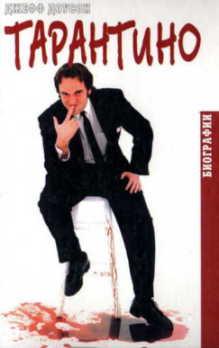
После выхода в 1992 году фильма “Бешеные псы” на голливудском небосводе неожиданно и ярко зажглась звезда Квентин Тарантино, бывшего еще так недавно продавцом видеокассет ставшего знаменитым режиссером. О его триумфальном пути высшим ступеням “фабрики грез” рассказывает в этой книг Джефф Доусон.
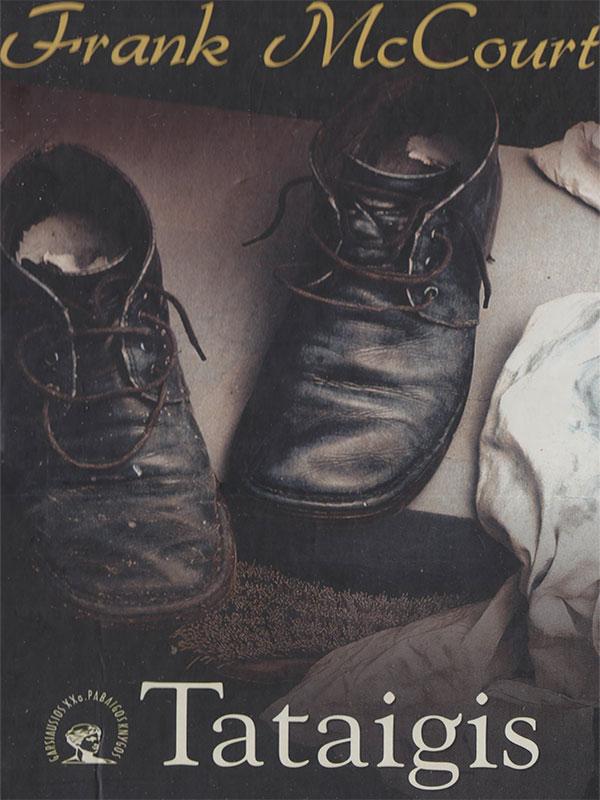
„Tataigis" - antroji Franko McCourto (g. 1930 m.) atsiminimų trilogijos dalis. Išgyvenęs skurdžią, alkaną vaikystę Limerike, autorius emigruoja į airių svajonių šalį - Ameriką, kuri taip pat nepasitinka jo ištiestomis rankomis. Naivumo, savito humoro ir tragizmo mišinys, žymintis pirmąją, garsiausią, trilogijos knygą „Andželos pelenai", niekur nedingsta; drauge su autoriumi išgyvename komiškų nutikimų kupinus tarnybos armijoje metus, meilę Albertai, komplikuotus šeimos santykius, nuolatinę nuomojamų būstų kaitą, darbą sandėlyje, studijas universitete ir nepaliaujamą norą pasiekti „amerikietišką gerovę", ten žmonės turi kiek nori rankšluosčių ir tobulus baltus amerikietiškus dantis.

Žymaus amerikiečių rašytojo, eseisto ir žurnalisto, kilimo iš Irano, trečiasis romanas. Tai intriguojantis pasakojimas apie Maleko, universiteto dėstytojo, grįžimą į Teheraną, iš kurio dar vaikystėje su tėvu pabėgo į Ameriką. Nepaprasti įvykiai Irane, išdavystės, korupcija, represijos, nuolatiniai persekiojimai, motinos paieškos ir baimė dėl geriausio draugo, įsivėlusio į militarizuotą grupuotę, sudaro siužeto pagrindą, kuris prikausto dėmesį išskirtiniais veikėjais, atsidūrusiais sunkiai nuspėjamoje egzotiško krašto aplinkoje. Retrospekcijų būdu skaitytojas nukeliamas ir į Antrojo pasaulinio karo laikotarpį, jungiant paralelinio pasakojimo grandis apie netolimos praeities neramumų draskomą Iraną. Atsiskleidžia sudėtingi žmonių likimai atsidūrus istorinių įvykių mėsmalėje, kai reikia perkainoti nusistovėjusias draugystės, meilės, sąžinės, tėvų ir vaikų santykių moralines kategorijas, prisitaikyti prie netvaraus pasaulio diktuojamų sąlygų ir nustatytų žmonių bendravimo normų arba žūti.
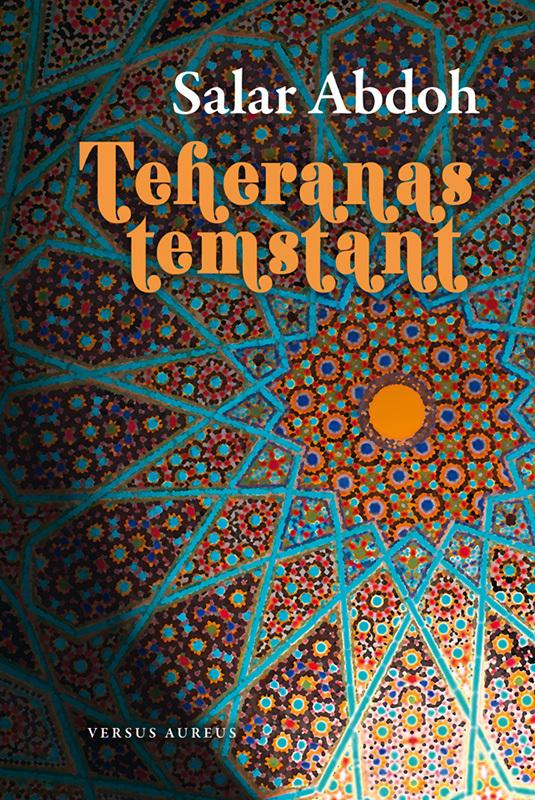
Žymaus amerikiečių rašytojo, eseisto ir žurnalisto, kilimo iš Irano, trečiasis romanas. Tai intriguojantis pasakojimas apie Maleko, universiteto dėstytojo, grįžimą į Teheraną, iš kurio dar vaikystėje su tėvu pabėgo į Ameriką. Nepaprasti įvykiai Irane, išdavystės, korupcija, represijos, nuolatiniai persekiojimai, motinos paieškos ir baimė dėl geriausio draugo, įsivėlusio į militarizuotą grupuotę, sudaro siužeto pagrindą, kuris prikausto dėmesį išskirtiniais veikėjais, atsidūrusiais sunkiai nuspėjamoje egzotiško krašto aplinkoje. Retrospekcijų būdu skaitytojas nukeliamas ir į Antrojo pasaulinio karo laikotarpį, jungiant paralelinio pasakojimo grandis apie netolimos praeities neramumų draskomą Iraną. Atsiskleidžia sudėtingi žmonių likimai atsidūrus istorinių įvykių mėsmalėje, kai reikia perkainoti nusistovėjusias draugystės, meilės, sąžinės, tėvų ir vaikų santykių moralines kategorijas, prisitaikyti prie netvaraus pasaulio diktuojamų sąlygų ir nustatytų žmonių bendravimo normų arba žūti.
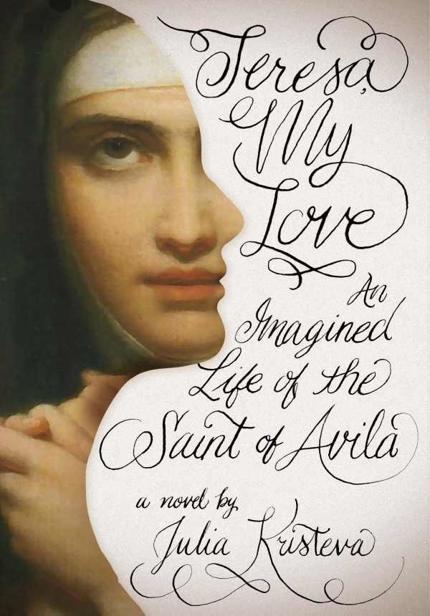
Mixing fiction, history, psychoanalysis, and personal fantasy, "Teresa, My Love" follows Sylvia Leclercq, a French psychoanalyst, academic, and incurable insomniac, as she falls for the sixteenth-century Saint Teresa of Avila and becomes consumed with charting her life. Traveling to Spain, Leclercq, Kristeva's probing alterego, visits the sites and embodiments of the famous mystic and awakens to her own desire for faith, connection, and rebellion.
One of Kristeva's most passionate and transporting works, "Teresa, My Love" interchanges biography, autobiography, analysis, dramatic dialogue, musical scores, and images of paintings and sculptures to embed the reader in Leclercq's — and Kristeva's — journey. Born in 1515, Teresa of Avila survived the Spanish Inquisition and was a key reformer of the Carmelite Order. Her experience of ecstasy, which she intimately described in her writings, released her from her body and led to a complete realization of her consciousness, a state Kristeva explores in relation to present-day political failures, religious fundamentalism, and cultural malaise. Incorporating notes from her own psychoanalytic practice, as well as literary and philosophical references, Kristeva builds a fascinating dual diagnosis of contemporary society and the individual psyche while sharing unprecedented insights into her own character.
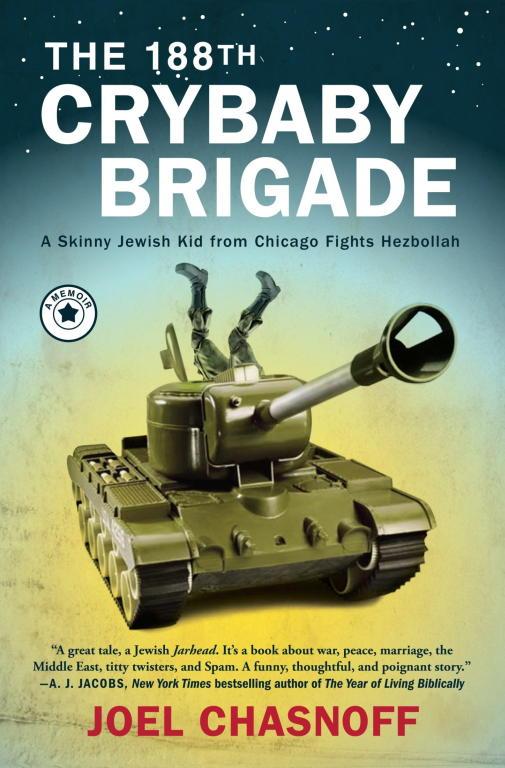
Look at me. Do you see me? Do you see me in my olive-green uniform, beret, and shiny black boots? Do you see the assault rifle slung across my chest? Finally! I am the badass Israeli soldier at the side of the road, in sunglasses, forearms like bricks. And honestly—have you ever seen anything quite like me?
Joel Chasnoff is twenty-four years old, an American, and the graduate of an Ivy League university. But when his career as a stand-up comic fails to get off the ground, Chasnoff decides it’s time for a serious change of pace. Leaving behind his amenity-laden Brooklyn apartment for a plane ticket to Israel, Joel trades in the comforts of being a stereotypical American Jewish male for an Uzi, dog tags (with his name misspelled), and serious mental and physical abuse at the hands of the Israeli Army.
The 188th Crybaby Brigade is a hilarious and poignant account of Chasnoff’s year in the Israel Defense Forces—a year that he volunteered for, and that he’ll never get back. As a member of the 188th Armored Brigade, a unit trained on the Merkava tanks that make up the backbone of Israeli ground forces, Chasnoff finds himself caught in a twilight zone-like world of mandatory snack breaks, battalion sing-alongs, and eighteen-year-old Israeli mama’s boys who feign injuries to get out of guard duty and claim diarrhea to avoid kitchen work. More time is spent arguing over how to roll a sleeve cuff than studying the mechanics of the Merkava tanks. The platoon sergeants are barely older than the soldiers and are younger than Chasnoff himself. By the time he’s sent to Lebanon for a tour of duty against Hezbollah, Chasnoff knows everything about why snot dries out in the desert, yet has never been trained in firing the MAG. And all this while his relationship with his tough-as-nails Israeli girlfriend (herself a former drill sergeant) crumbles before his very eyes.
The lone American in a platoon of eighteen-year-old Israelis, Chasnoff takes readers into the barracks; over, under, and through political fences; and face-to-face with the absurd reality of life in the Israeli Army. It is a brash and gritty depiction of combat, rife with ego clashes, breakdowns in morale, training mishaps that almost cost lives, and the barely containable sexual urges of a group of teenagers. What’s more, it’s an on-the-ground account of life in one of the most em-battled armies on earth—an occupying force in a hostile land, surrounded by enemy governments and terrorists, reviled by much of the world. With equal parts irreverence and vulnerability, irony and intimacy, Chasnoff narrates a new kind of coming-of-age story—one that teaches us, moves us, and makes us laugh.
Life in the Israeli Army with author Joel Chasnoff: https://www.youtube.com/watch?v=T85k8p1awkI
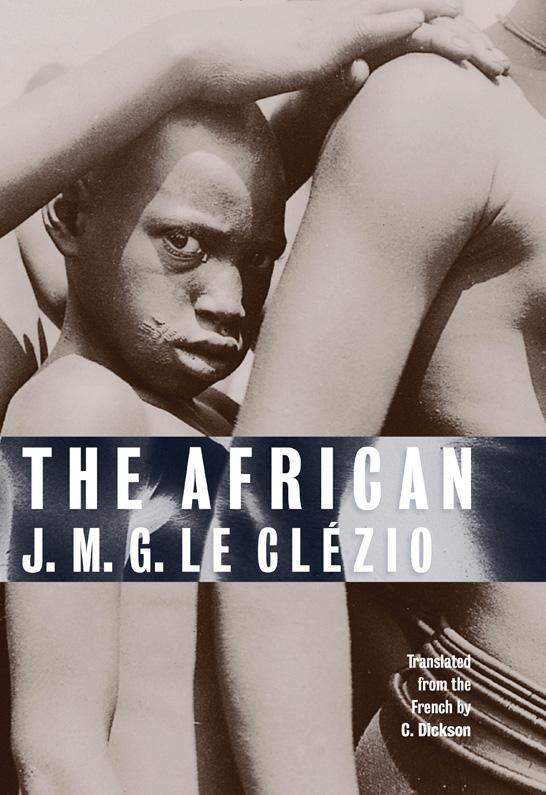
The African is a short autobiographical account of a pivotal moment in Nobel-Prize-winning author J. M. G. Le Cl zio's childhood. In 1948, young Le Clezio, with his mother and brother, left behind a still-devastated Europe to join his father, a military doctor in Nigeria, from whom he'd been separated by the war. In Le Cl zio's characteristically intimate, poetic voice, the narrative relates both the dazzled enthusiasm the child feels at discovering newfound freedom in the African savannah and his torment at discovering the rigid authoritarian nature of his father. The power and beauty of the book reside in the fact that both discoveries occur simultaneously. While primarily a memoir of the author's boyhood, The African is also Le Cl zio's attempt to pay a belated homage to the man he met for the first time in Africa at age eight and was never quite able to love or accept. His reflections on the nature of his relationship to his father become a chapeau bas to the adventurous military.
From "a fiercely intelligent writer" (The New York Times), a wry, poignant story of the difficult love between a mother and a son.
In the winter of 2000, shortly after his mother's death from cancer and malnourishment, Donald Antrim, author of the absurdist, visionary masterworks Elect Mr. Robinson for a Better World, The Hundred Brothers, and The Verificationist, began writing about his family. In pieces that appeared in The New Yorker and were anthologized in Best American Essays, Antrim explored
his intense and complicated relationships with his mother, Louanne, an artist and teacher who was, at her worst, a ferociously destabilized and destabilizing alcoholic; his gentle grandfather, who lived in the mountains of North Carolina and who always hoped to save his daughter from herself; and his father, who married Louanne twice.
The Afterlife is not a temporally linear coming-of-age memoir; instead, Antrim follows a logic of unconscious life, of dreams and memories, of fantasies and psychoses, the way in which the world of the alcoholic becomes a sleepless, atemporal world. In it, he comes to terms with-and fails to comes to terms with-the nature of addiction and the broken states of loneliness, shame, and loss that remain beyond his power to fully repair. This is a tender and even blackly hilarious portrait of a family-faulty, cracked, enraging. It is also the story of the way the author works, in part through writing this book, to become a man more fully alive to himself and to others, a man capable of a life in which he may never learn, or ever hope to know, the nature of his origins.
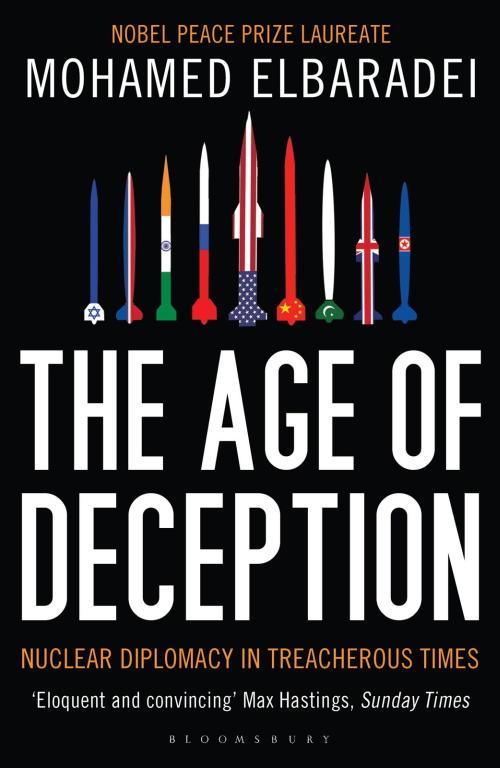
When, in 1997, the International Atomic Energy Agency unanimously elected Mohamed ElBaradei as its next Director General, few observers could have forecast the dramatic role he would play over the next 12 years. Certainly, the stage onto which Dr. ElBaradei stepped—featuring Saddam Hussein’s Iraq, Kim Jong-Il’s North Korea, Muammar al-Gaddafi’s Libya, and the Islamic Republic of Iran—gave ample opportunity for high-stakes and high-profile decision-making. But no one could have predicted that ElBaradei would be ‘the man in the middle’ of so many nuclear conflicts over so sustained a period of time. And after he and the IAEA were jointly awarded the 2005 Nobel Peace Prize, his role as middle-man only gained intensity.
In The Age of Deception, Dr. ElBaradei gives us his account from the centre of the nuclear fray. Readers will sit at the dinner table with Iraqi officials in Baghdad, listening as they bleakly predict the coming war. They will eavesdrop on the exchanges between UN inspectors and U.S. officials observing the behind-the-scenes formulation of an approach to foreign policy and diplomacy that would come to characterise the Bush administration. We gain a feel for the difficulty of the IAEA inspectors’ struggle to maintain objectivity when trust has been broken, or when the press—or governments—are playing fast and loose with the facts. The Age of Deception is a story of human imperfection, of modern society struggling to come to grips with the multiple dimensions of human insecurity.
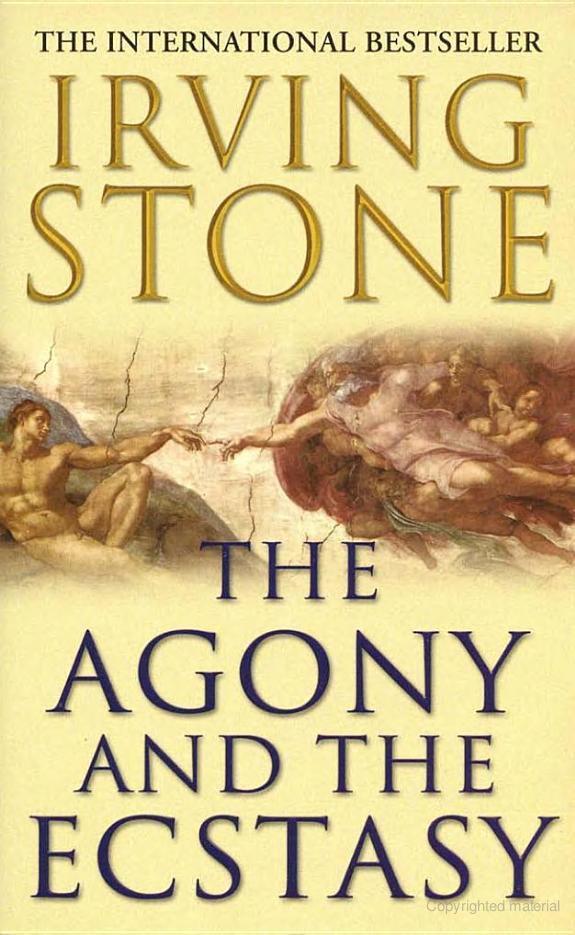
Dramatizes the life of the artistic genius Michelangelo, recalls his love affairs, his disputes with cardinals and popes, and his years of working on the Sistine Chapel

Lucy Maud Montgomery, the creator of Anne of Green Gables, wrote this charming autobiographical memoir in mid-career. It is the most complete account she published of her childhood and early years as a writer. It originally appeared as a series of magazine articles in 1917.
"The Alpine Path" refers to her long climb to success. She began in childhood and never wavered in her resolve to become an accomplished professional writer. The remarkable success that came with the publication of Anne of Green Gables (which was rejected by many publishers), its sequels, and her other works, was the result of many years of hard, steady work.
All those who have enjoyed the Anne books will be fascinated by this intimate background story by their author. Those who love Prince Edward Island will be delighted by her descriptions of the countryside and its people. No one who reads The Alpine Path can fail to be impressed by the personal appeal of L.M. Montgomery.
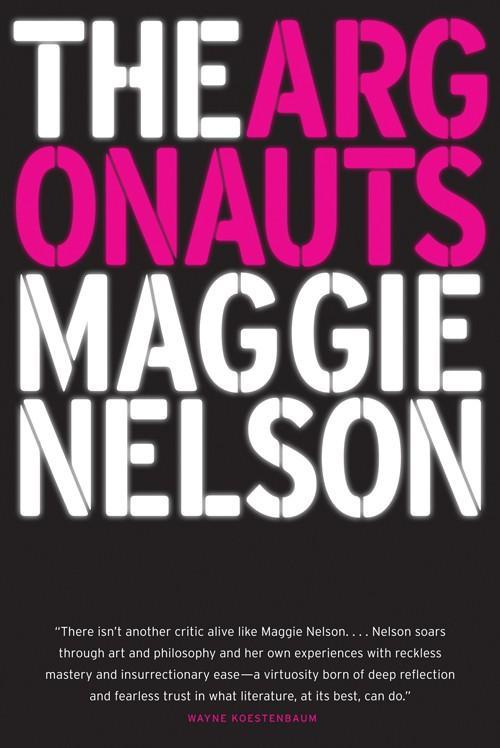
An intrepid voyage out to the frontiers of the latest thinking about love, language, and family.
Maggie Nelson's The Argonauts is a genre-bending memoir, a work of "autotheory" offering fresh, fierce, and timely thinking about desire, identity, and the limitations and possibilities of love and language. At its center is a romance: the story of the author's relationship with the artist Harry Dodge. This story, which includes Nelson's account of falling in love with Dodge, who is fluidly gendered, as well as her journey to and through a pregnancy, offers a firsthand account of the complexities and joys of (queer) family-making.
Writing in the spirit of public intellectuals such as Susan Sontag and Roland Barthes, Nelson binds her personal experience to a rigorous exploration of what iconic theorists have said about sexuality, gender, and the vexed institutions of marriage and child-rearing. Nelson's insistence on radical individual freedom and the value of caretaking becomes the rallying cry of this thoughtful, unabashed, uncompromising book.

Rock star, crowdfunding pioneer, and TED speaker Amanda Palmer knows all about asking. Performing as a living statue in a wedding dress, she wordlessly asked thousands of passersby for their dollars. When she became a singer, songwriter, and musician, she was not afraid to ask her audience to support her as she surfed the crowd (and slept on their couches while touring). And when she left her record label to strike out on her own, she asked her fans to support her in making an album, leading to the world's most successful music Kickstarter.
Even while Amanda is both celebrated and attacked for her fearlessness in asking for help, she finds that there are important things she cannot ask for-as a musician, as a friend, and as a wife. She learns that she isn't alone in this, that so many people are afraid to ask for help, and it paralyzes their lives and relationships. In this groundbreaking book, she explores these barriers in her own life and in the lives of those around her, and discovers the emotional, philosophical, and practical aspects of The Art Of Asking.
Part manifesto, part revelation, this is the story of an artist struggling with the new rules of exchange in the twenty-first century, both on and off the Internet. The Art Of Asking will inspire readers to rethink their own ideas about asking, giving, art, and love.
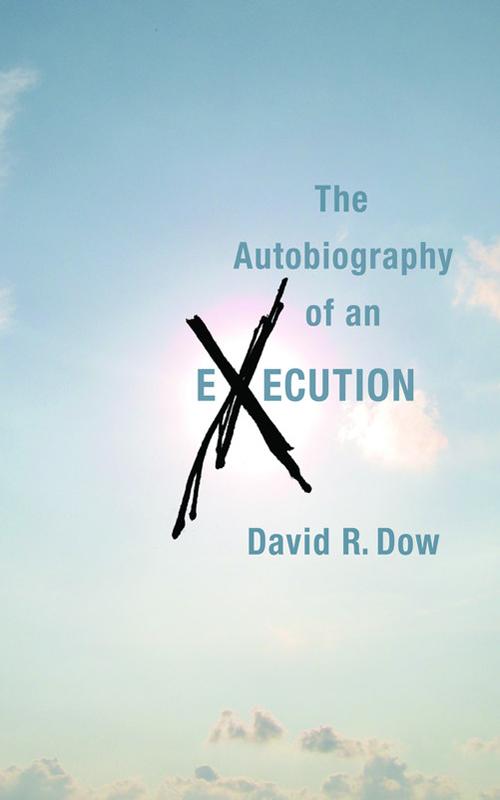
Near the beginning of The Autobiography of an Execution, David Dow lays his cards on the table. “People think that because I am against the death penalty and don’t think people should be executed, that I forgive those people for what they did. Well, it isn’t my place to forgive people, and if it were, I probably wouldn’t. I’m a judgmental and not very forgiving guy. Just ask my wife.”
It this spellbinding true crime narrative, Dow takes us inside of prisons, inside the complicated minds of judges, inside execution-administration chambers, into the lives of death row inmates (some shown to be innocent, others not) and even into his own home—where the toll of working on these gnarled and difficult cases is perhaps inevitably paid. He sheds insight onto unexpected phenomena—how even religious lawyer and justices can evince deep rooted support for putting criminals to death—and makes palpable the suspense that clings to every word and action when human lives hang in the balance.
In an argument against capital punishment, Dow’s capable memoir partially gathers its steam from the emotional toll on all parties involved, especially the overworked legal aid lawyers and their desperate clients. The author, the litigation director of the Texas Defender Service and a professor at the University of Houston Law Center, respects the notion of attorney-client privilege in this handful of real-life legal outcomes, some of them quite tragic, while acknowledging executions are not about the attorneys, but about the victims of murder and sometimes their killers. While trying to maintain a proper balance in his marriage to Katya, a fellow attorney and ballroom dancer, he spells out the maze of legal mumbo-jumbo to get his clients stays or released from confinement in the cases of a hapless Vietnam vet who shot a child, another man who beat his pregnant wife to death and another who killed his wife and children. In the end, Dow’s book is a sobering, gripping and candid look into the death penalty.

One of Eastern Europe’s most important writers, Croatian journalist and novelist Drakulic takes readers into the violent and bitter maelstrom that is the Yugoslavian conflict. In a series of brilliant and poignant personal essays, she describes how ordinary people respond to this gruesome situation.
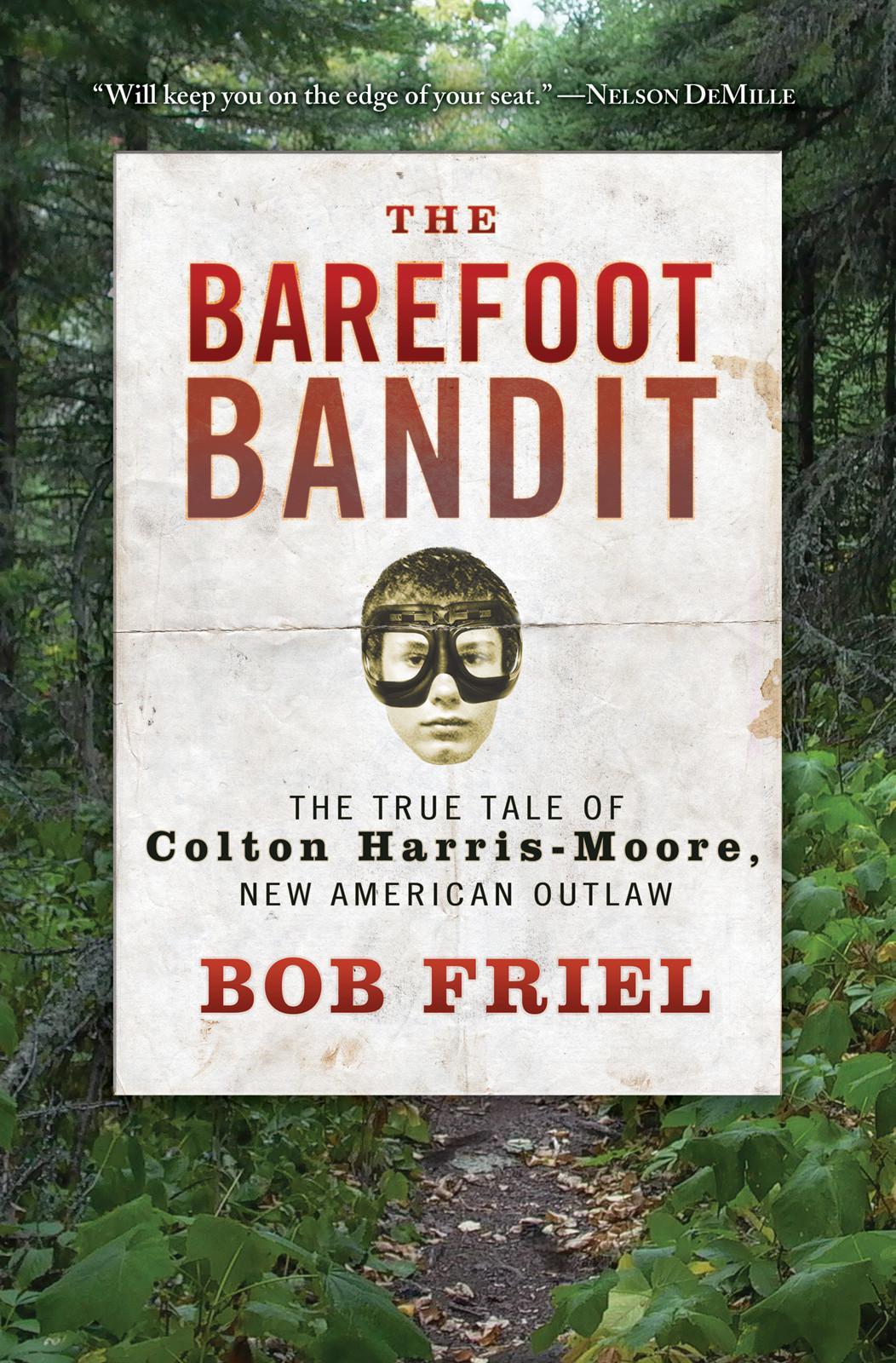
The Barefoot Bandit tells the riveting true story of Colton Harris-Moore, America’s twenty-first-century outlaw. Born into a poor family marred by alcohol abuse, Colt had the local sheriff after him before the age of ten. Colt survived by breaking into homes to forage for food, and learned to evade the police by melting into the Pacific Northwest wilds. As a teenager, he escalated to stealing cars, boats, and identities. An extensive manhunt finally caught Colt, but he escaped juvenile prison and fled to nearby Orcas Island, where he assured his place alongside outlaw legends such as D. B. Cooper by stealing an airplane without ever having a formal flight lesson. And that was just the beginning.
As a resident of Orcas Island, author Bob Friel witnessed firsthand as local police, FBI agents, SWAT teams, and even Homeland Security helicopters pursued Colt around the island. Colt’s crime spree infuriated and terrified many locals, while others sympathized with the barefoot young criminal—the controversy tearing at the formerly quiet community. The story gained international fame, with Time calling Colt “America’s Most Wanted Teen” when he stole and crashed his third airplane. After more than two years on the run in the Northwest, Colt fled Orcas and began a spectacular cross-country trek. Friel followed the Barefoot Bandit all the way to the Bahamas, where the chase finally ended in a hail of gunfire at 3 a.m. on a dark sea.
Through his personal experiences and hundreds of interviews with witnesses, victims, local authorities, Colt’s family, and, indirectly, Colt himself, Friel gives readers an exclusive look at an outlaw legend. Set against the backdrop of the Pacific Northwest’s evergreen islands, where Internet millionaires coexist with survivalists and ex-hippies, this is a gripping, stranger-than-fiction tale about a neglected and troubled child who outfoxed the authorities, gained a cult following, and made the world take notice.