
 fb2
fb2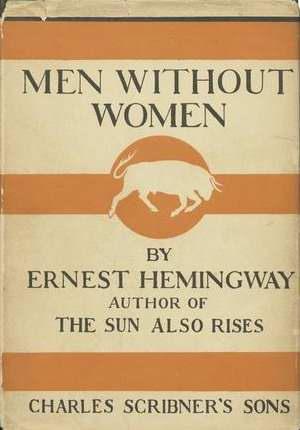
Сборник Хемингуэя "Мужчины без женщин" — один из самых ярких опытов великого американского писателя в «малых» формах прозы.
Увлекательные сюжетные коллизии и идеальное владение словом в рассказах соседствуют с дерзкими для 1920-х годов модернистскими приемами. Лучшие из произведений, вошедших в книгу, продолжают биографию Ника Адамса, своеобразного альтер эго самого писателя и главного героя не менее знаменитого сборника "В наше время".

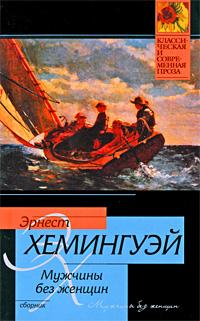
Сборник Хемингуэя "Мужчины без женщин" — один из самых ярких опытов великого американского писателя в «малых» формах прозы.
Увлекательные сюжетные коллизии и идеальное владение словом в рассказах соседствуют с дерзкими для 1920-х годов модернестическими приемами. Лучшие из произведений, вошедших в книгу, продолжают биографию Ника Адамса, своебразного альтер эго самого писателя и главного героя не менее знаменитого сборника "В наше время".
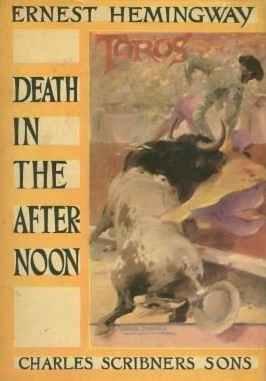
Death in the Afternoon is a non-fiction book by Ernest Hemingway about the ceremony and traditions of Spanish bullfighting. It was originally published in 1932. The book provides a look at the history and what Hemingway considers the magnificence of bullfighting, while also being a deeper contemplation on the nature of fear and courage.
Any discussion concerning bullfighting would be incomplete without some mention of the controversy surrounding it. Toward that end Hemingway commented, "anything capable of arousing passion in its favor will surely raise as much passion against it."
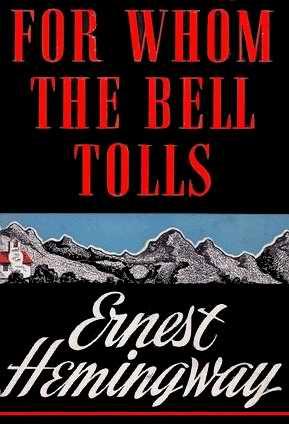
In 1937 Ernest Hemingway traveled to Spain to cover the civil war there for the North American Newspaper Alliance. Three years later he completed the greatest novel to emerge from "the good fight," For Whom the Bell Tolls. The story of Robert Jordan, a young American in the International Brigades attached to an antifascist guerilla unit in the mountains of Spain, it tells of loyalty and courage, love and defeat, and the tragic death of an ideal. In his portrayal of Jordan's love for the beautiful Maria and his suberb account of El Sordo's last stand, in his brilliant travesty of La Pasionaria and his unwillingness to believe in blind faith, Hemingway surpasses his achievement in The Sun Also Rises and A Farewell to Arms to create a work at once rare and beautiful, strong and brutal, compassionate, moving and wise. "If the function of a writer is to reveal reality," Maxwell Perkins wrote to Hemingway after reading the manuscript, "no one ever so completely performed it." Greater in power, broader in scope, and more intensely emotional than any of the author's previous works, it stands as one of the best war novels of all time.
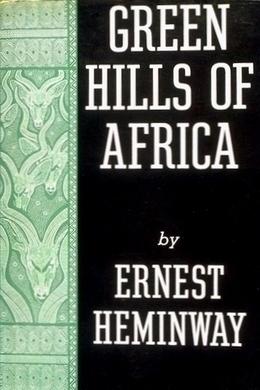
His second major venture into nonfiction (after Death in the Afternoon), Green Hills of Africa is Ernest Hemingway’s lyrical journal of a month on safari in the great game country of East Africa, where he and his wife Pauline journeyed in December of 1933. Hemingway’s well-known interest in - and fascination with - big game hunting is magnificently captured in this evocative account of his trip. In examining the poetic grace of the chase, and the ferocity of the kill, Hemingway also looks inward, seeking to explain the lure of the hunt and the primal undercurrent that comes alive on the plains of Africa. Yet Green Hills of Africa is also an impassioned portrait of the glory of the African landscape, and of the beauty of a wilderness that was, even then, being threatened by the incursions of ma
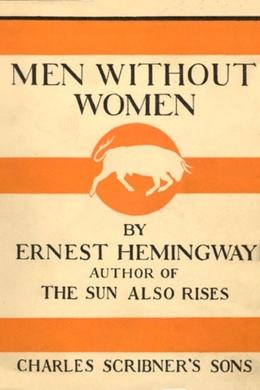
Representing some of Hemingway’s most important and compelling early writing. In these 14 stories, Hemingway begins to examine the themes that would occupy his later works: the casualties of war, the often uneasy relationship between men and women, sport and sportsmanship. In Banal Story, Hemingway offers a lasting tribute to the famed matador Maera. In Another Country tells of an Italian major recovering from war wounds as he mourns the untimely death of his wife. The Killers is the hard-edged story about two Chicago gunmen and their potential victim. Nick Adams makes an appearance in Ten Indians, in which he is presumably betrayed by his Indian girlfriend, Prudence. And Hills Like White Elephants is a young couple’s subtle, heartwrenching discussion of abortion. Pared down, gritty, and subtly expressive, these stories show the young Hemingway emerging as America’s finest short story writer.
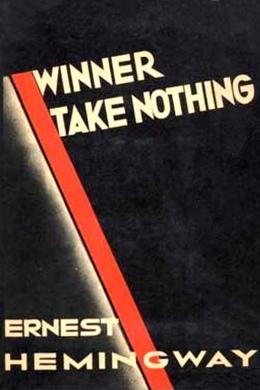
Ernest Hemingway’s first new book of fiction, since the publication of A Farewell to Arms, contains fourteen stories of varying length. Some of them have appeared in magazines but the majority have not been published before. The characters and backgrounds are widely varied. “A Clean, Well-Lighted Place” is about an old Spanish Beggar. “Homage to Switzerland” concerns various conversations at a Swiss railway-station restaurant. “The Gambler, the Nun, and the Radio” is laid in the accident ward of a hospital in Western United States, and so on. Ernest Hemingway made his literary start as a short-story writer. He has always excelled in that medium, and this volume reveals him at his best.