 fb2
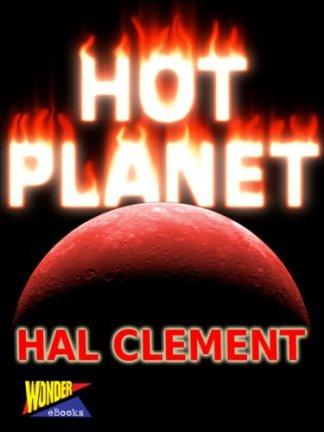
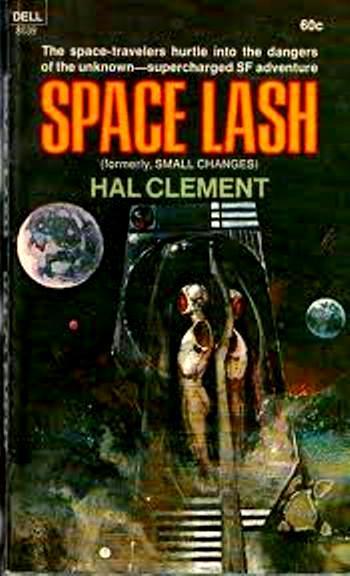
fb2An expedition team of scientists is exploring the planet Mercury. The constant rumblings of earthquakes and wind have shaken their ship, the Albireo. A small explorative party departs on tractors. It’s then when the volcanic reaction starts. And it looks like the end of the team unless man’s intelligence can beat the malevolent nature of a fiery planet!
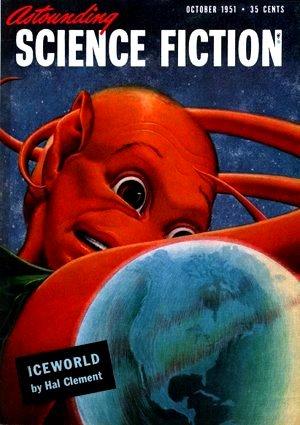
Iceworld is a humorously pointed novel of clashing perspectives, which we may designate as hot versus cold. Even for readers who have not seen H. R. van Dongen's fine cover painting for the novel's first installment in Astounding, Hal Clement does not keep us long in suspense that the planet which is unaccessible because of its climate of extreme cold is our own Earth. In contrast, the dismayed observer, the alien Sallman Ken (also on the cover, not to scale!), is truly hot-blooded. Clement genially introduces mitigating circumstances:
Earth, really, is not as bad as all that. Some people are even quite fond of it. Ken, of course, was prejudiced, as anyone is likely to be against a world where water is a liquid — when he has grown up breathing gaseous sulfur and, at rare intervals, drinking molten copper chloride.
The mitigating circumstances are mutual, because we have two viewpoint threads alternating here, that of Sallman Ken who is evolved to live comfortably on his quite hot home-planet; Ken is a science teacher, not a scientist or expert but possessing a good general scientific knowledge. The other viewpoint is that of several members of a Terrestrial family who of course are evolved to live comfortably on our quite cold planet. The characters all are engaging, and Iceworld weaves their viewpoints, thoughts, and actions very well. The family on Earth includes young people of various ages, so this is a fine novel for teenagers as well as adults.
Sallman Ken has been brought to Earth — or at least as close to it as the Iceworld’s destructive climate will allow — to solve a technical problem for a criminal syndicate of his race. They want a product found on Earth, one which is extremely valuable but so far unsynthesizable. What is it, in its natural state? How to boost their profits by getting or creating more of it? As defined, a general scientific problem, which is why the syndicate has engaged a schoolteacher with an all-around scientific knowledge. This in fact is Clement's own background and profession, so despite Ken's alienness, his character is drawn true to life.
The obvious physical barrier and scientific challenge is the scarcely imaginable temperature contrast between the aliens and the world of their interest. A differently tricky difficulty is that the rather unadventurous Ken has been talked into acting as an undercover investigator for his homeworld police. Naturally, the humans on the ground have their own motivations.
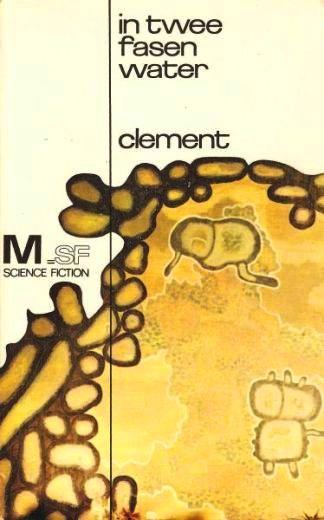
Gehuld in eeuwige duisternis door zijn eigen dikke atmosfeer Tenebra was een vijandige planeet… een plaats van het verpletteren van de zwaartekracht, 370-graden temperaturen, een voortdurend verschuivende korst en gigantische drijvende regendruppels.
Weinig belovend — maar er was leven, intelligent leven op Tenebra…
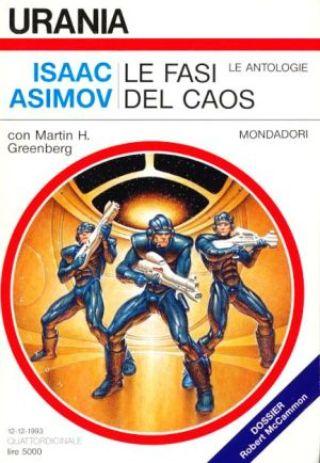
Una delle ultime invenzioni di Asimov è l’universo immaginario (ma non troppo) in cui si svolgono le avventure narrate in Le fasi del caos. Dopo aver passato una vita a raccontare le vicende di una galassia popolata soltanto da uomini e robot, Asimov immagina qui un intrigo che vede coinvolte, oltre a quella umana, altre cinque razze che conoscono il volo interstellare: razze spesso ostili e sospettose l’una dell’altra, fra cui l’uomo non fa certo brutta figura. Stabilite questo premesse, che presto daranno luogo a una serie di rapide quanto pericolose avventure, Asimov passa la mano ad alcuni brillanti scrittori; suoi allievi ideali, che svolgono la vicenda all’insegna della suspense, ma senza dimenticare una punta di ironia in omaggio al loro ispiratore.
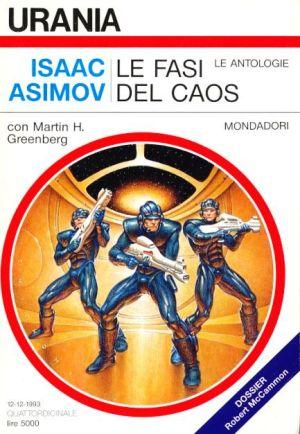
Una delle ultime invenzioni di Asimov è l’universo immaginario (ma non troppo) in cui si svolgono le avventure narrate in Le fasi del caos. Dopo aver passato una vita a raccontare le vicende di una galassia popolata soltanto da uomini e robot, Asimov immagina qui un intrigo che vede coinvolte, oltre a quella umana, altre cinque razze che conoscono il volo interstellare: razze spesso ostili e sospettose l’una dell’altra, fra cui l’uomo non fa certo brutta figura. Stabilite questo premesse, che presto daranno luogo a una serie di rapide quanto pericolose avventure, Asimov passa la mano ad alcuni brillanti scrittori; suoi allievi ideali, che svolgono la vicenda all’insegna della suspense, ma senza dimenticare una punta di ironia in omaggio al loro ispiratore.

Dans un univers d'infiniment petits, un microbe a commis un crime et pour échapper aux foudres de la justice se sauve vers la terre. Un microbe détective se lance à la poursuite du criminel, mais comment le retrouver ? Les microbes ne peuvent pas vivre seuls sur la terre, ils doivent se glisser dans un corps humain pour y subsister comme des parasites. Parmi les jeunes graçons courant sur cette île du Pacifique, qui donne asile sans le savoir au microbe assassin ? Bâtie comme un roman policier, cette histoire extraordinaire ne s'oublie pas de sitôt. On pense longtemps après l'avoir lus au microbe se glissant derrière la rétine de Bob pour surveiller les alentours. On revoit la poursuite des deux microbes dans l'eau alors qu'ils viennent de quitter les corps respectifs qui les abritaient. Quel comportement étrange de la part de Bob, qui parle sans s'en apercevoir, dont les blessures se cicatrisent seules et qui court dans le noir sans même trébucher. Heureusement, le microbe chasseur parvient à entrer en contact avec son « abri » et a finalement le dessus, mais de peu…
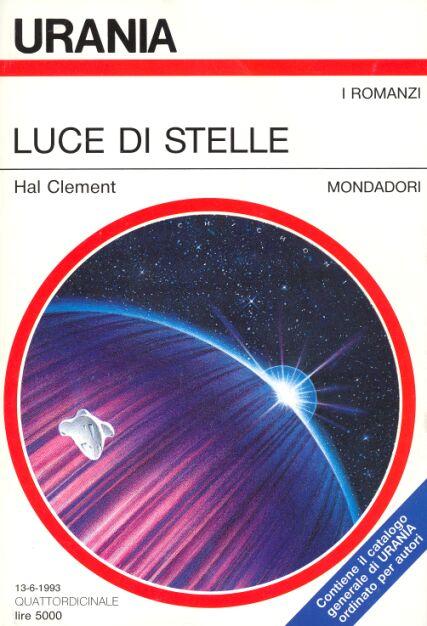
Chi non ricorda il pianeta Mesklin e i suoi straordinari abitanti, costretti a vivere in condizioni di gravità proibitive per gli esseri umani? Gli eroi meskliniti di Hal Clement tornano in questo romanzo, in sé pefettamente autonomo, che è di fatto il secondo capitolo della saga iniziata con Stella Doppia 61 Cygni (Mission of Gravity), tenuto a battesimo in Italia proprio sulle pagine di URANIA. Ancora una volta la pazienza, il coraggio e le straordinarie caratteristiche fisiche dei meskliniti permetteranno loro di avere ragione di un mondo in cui la forza di gravità è così schiacciante da rappresentare da sola il più terribile e immediato dei pericoli. Senza contare le numerose incognite di questa nuova e inedita missione nello spazio, scritta da un maestro della tecnologica…
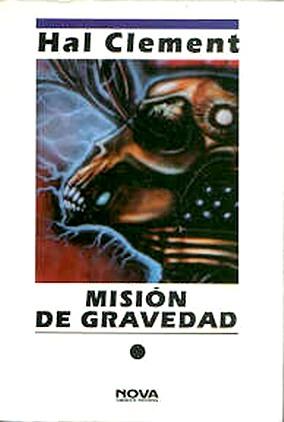
El planeta Mesklin es grande y muy denso. La gravedad en su superficie varía enormemente desde 3 g en el ecuador hasta 700 g en los polos. Los océanos son de metano líquido y la nieve es amoniaco congelado. En estas condiciones de pesadilla viven los mesklinitas, quienes han desarrollado una cultura y una sociedad perfectamente acorde con las condiciones de su entorno. Barlemann, un osado marinero mesklinita, acepta emprender un viaje imposible para salvar una costosa sonda terrestre averiada en el polo del planeta. Para los mesklinitas el viaje constituye una maravillosa oportunidad de descubrir la ciencia y avanzar en el camino del conocimiento, fuerza motríz que les guía a través de numerosas aventuras.
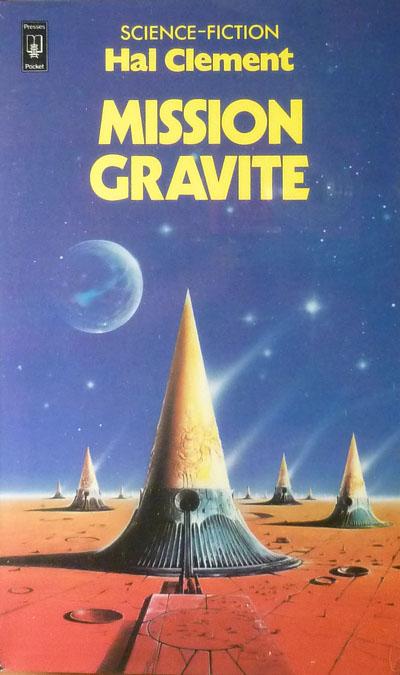
La planète Mesklin est réellement singulière. Sa forme et sa taille sont singulières, la gravité y est énorme et irrégulière. Elle tourne autour d'une étoile naine, à une vitesse considérable, le jour à sa surface ne dure que dix huit minutes.
Et c'est sur cette planète que les hommes ont voulu faire atterrir une sonde très coûteuse, au pôle même où la gravité y est de neuf cents atmosphères. La sonde ne redécollera pas.
La solution est donc de contacter le capitaine d'un équipage de la population locale et d'aller récupérer l'appareil là où l'homme ne peut décemment survivre …

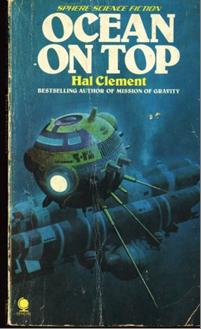
Nel futuro, la Commissione per l'Energia controllerà rigidamente il mondo. Nelle profondità dell'oceano, però, qualcuno ha preso una strada diversa… e qualcosa di nuovo sta per accadere sulla Terra!
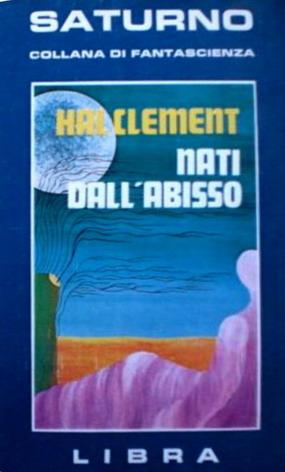
Nel futuro, la Commissione per l'Energia controllerà rigidamente il mondo. Nelle profondità dell'oceano, però, qualcuno ha preso una strada diversa… e qualcosa di nuovo sta per accadere sulla Terra!
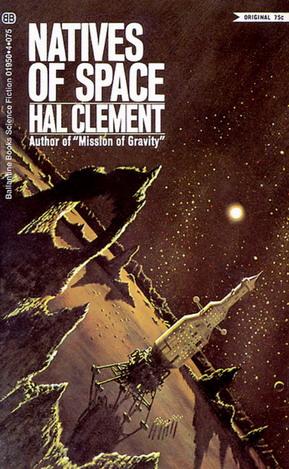
Well known as the author of MISSION OF GRAVITY, CYCLE OF FIRE, CLOSE TO CRITICAL and for his many other extraordinarily realistic creations of extraterrestrials, it is remarkable that Hal Clement's novelettes have never appeared in book form before. — Here are three of the best — each dealing with a different aspect of communication with creatures so alien to mankind that the first thing to do is throw speech out the window!
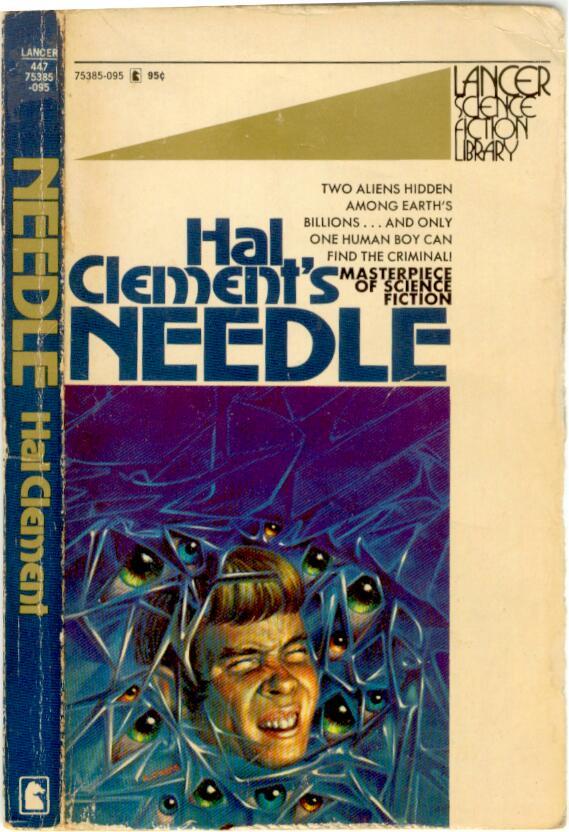
Two alien races lived under a single sun, someplace across the galaxy, sharing their world… sharing life itself. For they lived together in a partnership more perfect than any other known to the intelligences of the galaxy. Together, the two races became one, each deriving from the other that which made him greater than his individual self. Host and symbiote, they lived together, shared together… two bodies in one. For the one race was symbiotic, amorphous, able to enter the body of the other.
Then one symbiote turned Criminal, and his race could not rest until he was tracked down. But the Criminal could hide in any living thing… and on Earth there were over two billion humans alone!
HAL CLEMENT blends a masterpiece of science fiction with a story of pure detection to produce his best novel, and one of the most famous s-f novels of the past quarter-century.
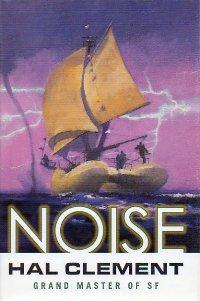
Hal Clement, the dean of hard science fiction, has written a new planetary adventure in the tradition of his classic Mission of Gravity. It is the kind of story that made his reputation as a meticulous designer of otherworldly settings that are utterly convincing because they are constructed from the ground up using established principles of orbital mechanics, geology, chemistry, biology, and other sciences.
Kainui is one of a pair of double planets circling a pair of binary stars. Mike Hoani has come there to study the language of the colonists, to analyze its evolution in the years since settlement. But Kainui is an ocean planet. Although settled by Polynesians, it is anything but a tropical paradise. The ocean is 1,700 miles deep, with no solid ground anywhere. The population is scattered in cities on floating artificial islands with no fixed locations. The atmosphere isn’t breathable, and lightning, waterspouts, and tsunamis are constant. Out on the great planetary ocean, self-sufficiency is crucial, and far from any floating city, on a small working-family ship, anything can happen. There are, for instance, pirates. Mike’s academic research turns into an exotic nautical adventure unlike anything he could have imagined.
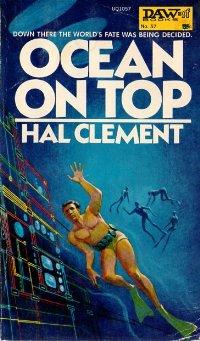
The world’s energy was limited… and with overpopulation and a high level of technology, the Power Board had virtually become the real government of the world. Power was rationed, it was guarded, it was sacred. Thus when three of the Power Board’s agents disappeared at sea, and there was evidence that something irregular was happening to the energy quota in that area, it was cause for real alarm.

Un detective alienígena sigue el rastro de un malvado asesino de su misma raza; durante su persecución, se estrella junto a una isla solitaria de la Tierra de 1949. Estos seres necesitan de otra raza para ocupar sus cuerpos, ya que no poseen uno propio. Nuestro “héroe” consigue encontrar un anfitrión: el cuerpo de un joven que vive en la isla.
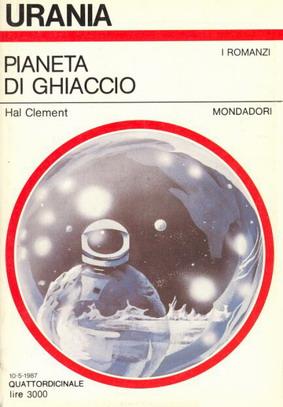
Per la famiglia Wind, i monti dell'Ovest americano sono un ambiente di vita ideale e una fonte di benessere, dopo che babbo Wind ha scoperto la sua miniera d'oro segreta. Per i Sarriani, abituati a respirare zolfo volatile, il Pianeta di Ghiaccio è uno dei tanti mondi inabitabili dell'universo. Perfino le loro navette automatiche inviate verso le pianure azzurre che formano gran parte del pianeta cessano subito le comunicazioni. Di parere diverso sono invece alcuni contrabbandieri che, dalla loro base su Mercurio, da quasi trent'anni ottengono dal Pianeta di Ghiaccio preziose quantità di una potentissima droga allucinogena in cambio di modeste quantità di metalli preziosi. Tutto potrebbe ancora filare per il meglio (secondo il metro di questa Cosa Nostra dello spazio) se un giorno le autorità di Sarr non infiltrassero un loro scienziato nella banda di spacciatori, e se finalmente le barriere di gelo che isolano due culture aliene non crollassero in qualche modo. Per la prima volta in Italia uno storico romanzo classico firmato dal maestro dell'esobiologia.
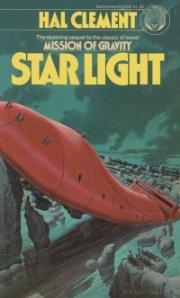
Clement’s Mission of Gravity was the engaging tale of the adventures of Barlennan, a sea captain among his caterpillar-like people, on the high-gravity world of Mesklin. In Star Light Barlennan and his sailors go with humans to the even stranger world of Dhrawn, a “crusted star” of the type mentioned by Harlow Shapley. Dhrawn circles the feeble red star Lalande 21185, which actually exists (although the planet is fictionalized). Most of the book is the story of a huge landship crossing Dhrawn’s solid surface crewed by these nonhuman sailors, amidst bizarre dangers, and trying to keep Barlennan’s strange plan secret from humans. The characters, despite being mostly from Barlennan’s world, Mesklin, are well drawn and the setting is well realized. Readers bewildered by the melting and freezing of Dhrawn’s ammonia-water hydrosphere will do well to consult a phase diagram.
Nominated for Hugo Award for Best Novel in 1971.