 fb2
fb2It wasn't Archie's fault really. Its true he went to America and fell in love with Lucille, the daughter of a millionaire hotel proprietor and if he did marry her—well, what else was there to do?
From his point of view, the whole thing was a thoroughly good egg; but Mr. Brewster, his father-in-law, thought differently, Archie had neither money nor occupation, which was distasteful in the eyes of the industrious Mr. Brewster; but the real bar was the fact that he had once adversely criticised one of his hotels.
Archie does his best to heal the breach; but, being something of an ass, genus priceless, he finds it almost beyond his powers to placate "the man-eating fish" whom Providence has given him as a father-in-law

Inside Mr Enderby is a the first volume in the four-book Enderby series of comic novels by the British author Anthony Burgess.
The book was first published in 1963 in London by William Heinemann under the pseudonym Joseph Kell. The series began in 1963 with the publication of this book, and concluded in 1984 with Enderby's Dark Lady, or No End to Enderby (after a ten year break following the publication of the third novel in the series, The Clockwork Testament, or Enderby's End).
The story opens on a note of pure fantasy, showing schoolchildren from the future taking a field trip through time to see the dyspeptic poet Francis Xavier Enderby while he is asleep. Enderby, a lapsed Catholic in his mid-40's, lives alone in Brighton as a 'professional' poet – his income being interest from investments left to him by his stepmother.
Enderby composes his poetry whilst seated on the toilet. His bathtub, which serves as a filing cabinet, is almost full of the mingled paper and food scraps that represent his efforts. Although he is recognised as a minor poet with several published works (and is even awarded a small prize, the 'Goodby Gold Medal', which he refuses), he has yet to be anthologised.
He is persuaded to leave his lonely but poetically fruitful bachelor life by the editor of a woman's magazine, Vesta Bainbridge, after he accidentally sends her a love poem instead of a complaint about a recipe in her magazine. The marriage, which soon ends, costs Enderby dearly, alienating him from his muse and depriving him of his financial independence.
Months pass, and Enderby is able to write only one more poem. After spending what remains of his capital, he attempts suicide with an overdose of aspirin, experiencing disgusting (and rather funny) visions of his stepmother as he nears death. His cries of horror bring help, and he regains consciousness in a mental institution, where the doctors persuade him to renounce his old, "immature" poetry-writing self. Rechristened "Piggy Hogg", he looks forward contentedly to a new career as a bartender.

IZĢĒRBTIE DŽENTLMEŅI
Stīvens Līkoks
Stāsti
RIGA «LIESMA» 1980
No angļu valodas tulkojis un sastādījis Ojārs Sarma
MĀKSLINIEKS DAINIS BREIKŠS
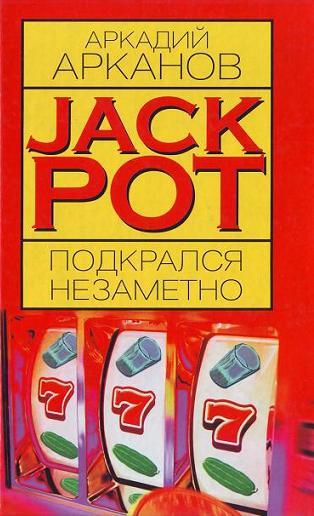
Своей новой книге писатель дал подзаголовок «Фантамистика». В ней представлена история жителей города Мухославска. Действие первой части «Рукописи не возвращаются» разворачивается в предперестроечные годы в редакции известного журнала «Поле-полюшко» вокруг так и не состоявшейся публикации талантливой повести, которую принес в журнал таинственный незнакомец. Во второй части «Ягненок в пасти осетра» те же действующие лица спустя двадцать лет: действие происходит в наши дни. Мир перевернулся с ног на голову: вчерашние герои и ценности ныне не в чести, как не в чести и подлинное искусство, — на первый план выходят непомерные амбиции новых нуворишей, одурманивающие сознание людей «мыльные» телесериалы и деньги, деньги, деньги…

Edvards Vitmors
Jeruzalemes pokers
Edward Whittemore
JERUSALEM POKER
JERUZALEMES KVARTETA OTRAIS ROMANS
"Labākais nezināmais amerikāņu rakstnieks" (Publishers Weekly) Edvards Vitmors 11933—1995) romānu tetraloģiju "Jeruzālemes kvartets" sarakstīja laika posmā no 1977. līdz 1987. gadam, dzīvodams te Ņujorkā, te Jeruzālemē. Visas četras grāmatas — "Sīnāja gobelēns" (latviski izdots 2011. gadā), "Jeruzālemes pokers", "Nīlas ēnas" un "Jērikas mozaīka" — lasāmi gan kā patstāvīgi vēstījumi, gan kā eposs, kas, risinādamies cauri laikiem, izauž košu un neaizmirstamu Vidējo Austrumu vēsturi.
"Jeruzālemes pokers" vēlreiz saved lasītāju ar vairākiem jau Sīnāja gobelēnā" iepazītiem varoņiem, taču tie trīs. kuri Svētajā Pilsētā, Hadža Hārūna senlietu pārdotavā 1921. gada decembra pēdējā dienā spēlē pokeru, tobrīd vēl ir svešinieki. Spēle ilgs.. divpadsmit gadu, taču lasītājs redzēs, ka mēdz būt sarunas, kas risinās vēl ilgāk.
Es loti vēlējos, lai pietiktu ilgākam laikam, un varonīgi lasīju ne vairāk par divdesmit lappusēm dienā. Vēl es katru dienu stāstīju draugiem par iepriekšējā dienā izlasīto. Viņi neticēja un apgalvoja, ka es to esmu izdomājusi. Kā man gribētos, lai es tā spētu.
Leslija Heizltona, The Jerusalem Post
Kopumā "Jeruzālemes kvartets" jaunāko laiku literatūrā ir viens no spožākajiem paraugiem, kā rakstnieks pārvērš vēsturi mīta, bet pēc tam mūs aizved atpakaļ pie mūsu vēstures, liekot to ieraudzīt pilnīgi jaunā gaismā. Gerijs K. Volfe, Ločus Magnžine
Izdevniecība Dienas grāmata 2012
Jeruzālemes pokers : Jeruzālemes kvarteta otrais romāns / Edvards Vitmors ; no angļu valodas tulkojusi Māra Poļakova ; [redaktore Dace Sparāne ; pēcvārda autors Tomass Voless ; mākslinieks Jānis Esītis].

WHAT THIS STORY IS ABOUT
Jill had money, Jill was engaged to be married to Sir Derek Underhill. Suddenly Jill becomes penniless, and she is no longer engaged. With a smile, in which there is just a tinge of recklessness, she refuses to be beaten and turns to face the world. Instead she went to New York and became a member of the chorus of "The Rose of America," and Mr. Wodehouse is enabled to lift the curtain of the musical comedy world.
There is laughter and drama in Jill the Reckless, and the action never flags from the moment that Freddie Rooke confesses that he has had a hectic night, down to the point where Wally says briefly "Let 'em," which is page 313.
London, 1936. Gordon Comstock has declared war on the money god; and Gordon is losing the war. Nearly 30 and ‘rather moth-eaten already,’ a poet whose one small book of verse has fallen ‘flatter than any pancake,’ Gordon has given up a ‘good’ job and gone to work in a bookshop at half his former salary. Always broke, but too proud to accept charity, he rarely sees his few friends and cannot get the virginal Rosemary to bed because (or so he believes), ‘If you have no money … women won’t love you.’ On the windowsill of Gordon’s shabby rooming-house room is a sickly but unkillable aspidistra–a plant he abhors as the banner of the sort of ‘mingy, lower-middle-class decency’ he is fleeing in his downward flight. Orwell’s darkly compassionate satire to which anyone who has ever been oppressed by the lack of brass, or by the need to make it, will all too easily relate. He etches the ugly insanity of what Gordon calls ‘the money-world’ in unflinching detail, but the satire has a second edge, too, and Gordon himself is scarcely heroic. In the course of his misadventures, we become grindingly aware that his radical solution to the problem of the money-world is no solution at all–that in his desperate reaction against a monstrous system, he has become something of a monster himself. Orwell keeps both of his edges sharp to the very end–a ‘happy’ ending that poses tough questions about just how happy it really is. That the book itself is not sour, but constantly fresh and frequently funny, is the result of Orwell’s steady, unsentimental attention to the telling detail; his dry, quiet humor; his fascination with both the follies and the excellences of his characters; and his courageous refusal to embrace the comforts of any easy answer.

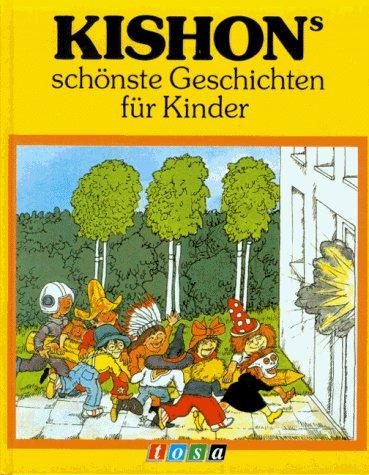
In Kishons spannenden Kurzgeschichten, in denen Kinder die Hauptrolle spielen, passieren die seltsamsten und erstaunlichsten Dinge! Doch seine beliebten Geschichten sind nicht nur lustig, sondern regen auch ein wenig zum Nachdenken an ...
Über den Autor
Ephraim Kishon, geb. als Ferenc Hoffmann 1924 in Budapest, überlebte während des 2. Weltkriegs ein slowakisches Arbeitslager, weil sein Talent für Schach einem Hauptmann auffiel. 1949 verließ Hoffmann das kommunistische Ungarn, kam in Israel in einen Kibbuz und lernte ein Jahr lang gründlich Hebräisch.
Schon 1952 wurde er Kolumnist der Tageszeitung Ma'ariv, eine Tätigkeit, die er 30 Jahre lang beibehielt. 1959 heiratete er die Pianistin Sara Lipovitz. Im selben Jahr wurde der Band 'Drehen Sie sich um, Frau Lot!' von der New York Times ausgezeichnet. Kishon wurde für das deutschsprachige Publikum zum wichtigsten Zeugen des Lebens im Staat Israel. Die kleine Form, die er zeitlebens pflegte, war dieser Rezeption sehr zuträglich.
Sein Altersdomizil hatte Kishon in der Nähe von Appenzell in der Schweiz gefunden, an einem Ort der Sicherheit nach einer bewegten Biografie. Dort verstarb Ephraim Kishon Anfang 2005.
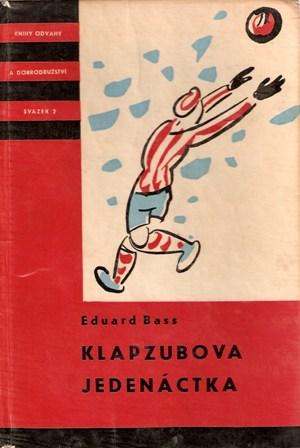
Dnes už klasická povídka Eduarda Basse z roku 1922 vypráví příběh otce Klapzuby, který ze svých jedenácti synů vychová fenomenální fotbalový tým. Základní dílo české humoristické prózy můžeme číst jako oslavu ducha fair play, houževnatosti a sportovního nadšení i jako dobově aktuální hříčku, lehce ironizující opojení českou kopanou a narážející na události v poválečné společnosti. Ne náhodou si kniha získala obrovskou popularitu mezi mladými i dospělými čtenáři a dočkala se již více než 30 vydání. Nyní vychází nově v grafickém provedení Zdeňka Zieglera a s poutavými barevnými ilustracemi Jiřího Gruse.
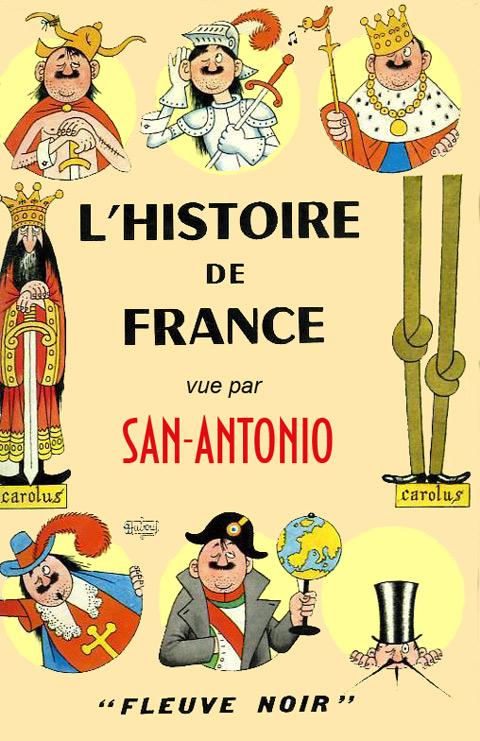
Paris ne s'est pas fait en un jour, et la France ne s'est pas faite toute seule ! Les plaques de nos rues et les socles de nos statues portent les noms des responsables : ça va de la rue Vercingétorix à la rue Charles de Gaulle.
Et pourtant le nom le plus important est absent de nos places, de nos avenues, de nos boulevards et même de nos impasses : celui de Bérurier. Or, ce sont les Bérurier qui ont vraiment fait la France. Avec leurs mains, leur sang et leur sueur.
Avec leur esprit aussi.
Soucieux de réparer cette criante injustice, j'ai essayé de reconstituer leur trajectoire dans le temps.
Comme le langage, l'Histoire se doit de rester vivante ; c'est pourquoi je me suis attaché à en secouer la poussière, à en « plumeauter » les toiles d'araignée, à en dédorer les tranches, les couronnes et les auréoles et à la saupoudrer d'éclats de rire.
Un petit travail de réfection, quoi !
Il m'a permis de constater qu'on nous avait doré l'Histoire de France avec cette même poudre aux yeux qui sert aussi à nous dorer la pilule !
SAN-ANTONIO
Adoptant un style faussement détaché d’historien anthropologue, Anatole France dépeint le développement de la civilisation de la Pingouinie. Ses habitants, les Pingouins, sont des créatures humanisées par la volonté de Dieu afin de pouvoir lui rendre les honneurs canoniques. L’auteur retrace caricaturalement l’histoire de France en s’attaquant malicieusement aux «temples» de la société. Religion, propriété, État, institutions sont observés par le biais de leurs aspects les plus caricaturaux telle l’affaire Dreyfus, à peine déguisée. L’humour — fruit du décalage entre le ton solennel et les absurditées relatées — colore le récit tout le long. (AFANE)
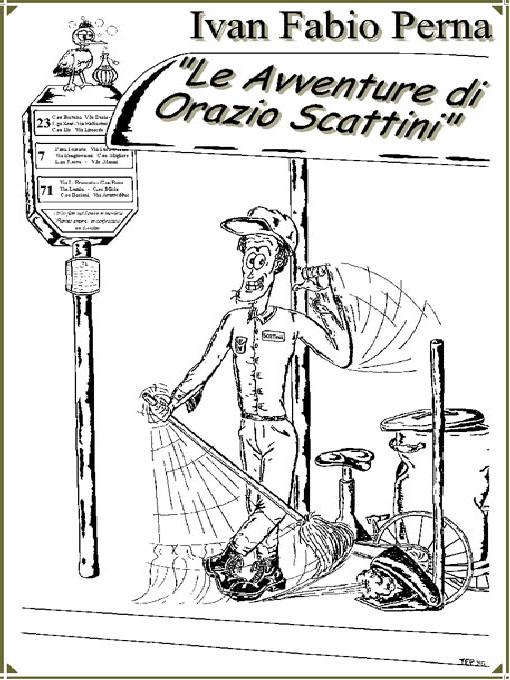
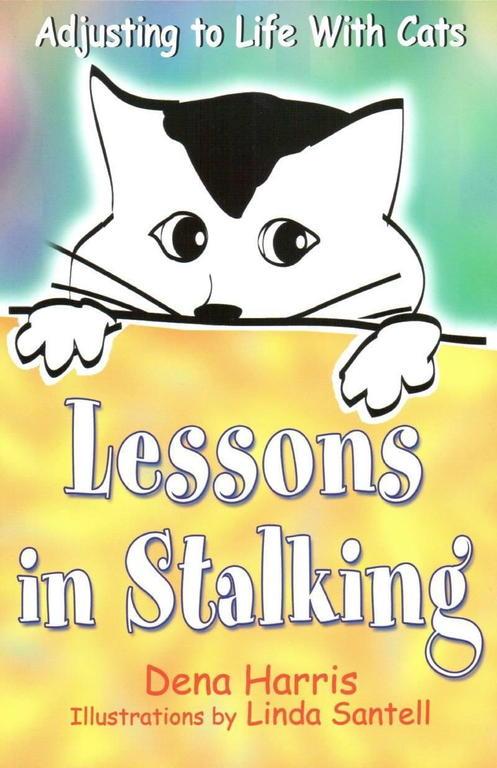
IF YOU OWN A CAT YOU MUST OWN THIS BOOK
“The Erma Bombeck of cat writers!”
Cotton mice found doing the dead man’s float in the water dish…5 AM wake-up calls… a “no-closed doors” policy… the cat declares a holy war when put on a diet.
Lessons in Stalking homes in on the wildly different responses the author and her long-suffering spouse have to a life shared with cats. In no other cat book will you find such riveting accounts as:
• The Great Cat Butt Wiping Adventure
• Jingle Ball Horrors
• The Creature Under the Fridge
• Yoga Cat
• The Big Brown Mouse & Other Toys Our Cat Loathes
Lessons in Stalking is the purr-fect gift for cat lovers!
Dena Harris has been a humor columnist for Cats & Kittens magazine and contributor to Chicken Soup for the Cat Lover’s Soul. Her newest book, “Who Moved My Mouse? A Self-Help Book for Cats (Who Don’t Need Any Help)” is being translated into 5 languages. Visit www.denaharris.com or www.selfhelpforcats.com for more info.

For the last year, Library Cat – the resident cat of Edinburgh University Library – has been watching. As a Human, you may not feel that watching is a particularly extraordinary thing for a cat to do. But Library Cat is different. Because not only was Library Cat watching, he was also thinking.
Library Cat is a thinking cat. Thinking cats are rare. Look closely, though, and maybe you’ll spot one… The canny glint to the eye? The arched, disdainful whiskers? The unrelenting interest in books and piles of paper? That’s a thinking cat!
This is a story about Library Cat, about his favourite turquoise chair in the library and his favourite food (bacon-rind). But, more importantly, this is a story about Library Cat’s thoughts and his own search for completeness in this fractured world.
And it’s about us Humans, too. You see, with his black and white head bobbing a foot off the ground, Library Cat has seen us Humans from a very different angle…
…and he’s seen it all; from shame to sandwiches, from litter to love, from aeroplanes to Lord Byron.
And he has some news: he thinks us Humans have it all wrong. And he’s going to show us why.
LIBRARY CAT is a funny, witty and irreverent look at the world, seen through the unusually observant eyes of Edinburgh University Library’s resident cat.