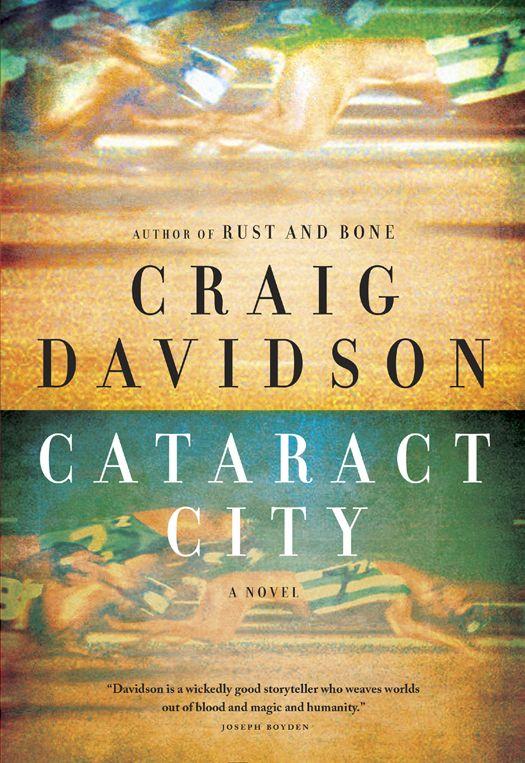
 fb2
fb2Owen and Duncan are childhood friends who’ve grown up in picturesque Niagara Falls — known to them by the grittier name Cataract City. As the two know well, there’s more to the bordertown than meets the eye: behind the gaudy storefronts and sidewalk vendors, past the hawkers of tourist T-shirts and cheap souvenirs live the real people who scrape together a living by toiling at the Bisk, the local cookie factory. And then there are the truly desperate, those who find themselves drawn to the borderline and a world of dog-racing, bare-knuckle fighting, and night-time smuggling.
Owen and Duncan think they are different: both dream of escape, a longing made more urgent by a near-death incident in childhood that sealed their bond. But in adulthood their paths diverge, and as Duncan, the less privileged, falls deep into the town’s underworld, he and Owen become reluctant adversaries at opposite ends of the law. At stake is not only survival and escape, but a lifelong friendship that can only be broken at an unthinkable price.
CRAIG DAVIDSON was born and grew up in the bordertown of St. Catharines, Ontario, near to Niagara Falls. He has published two previous books of literary fiction, Rust and Bone (Penguin Canada), which has been made into a major feature film of the same name, and The Fighter (Penguin Canada). He is a graduate of the famed Iowa Writers’ Workshop, and his journalism and articles have been published in The Globe and Mail, Esquire, GQ, The Paris Review, and the Washington Post, among other venues. He lives in Toronto, Canada, with his partner and child. The author lives in Toronto, Ontario, Canada.
When this true-crime story first appeared in 1980, it made the New York Times bestseller list within weeks. Two decades later, it's being rereleased in conjunction with a film version produced by DreamWorks. In the space of five years, Frank Abagnale passed $2.5 million in fraudulent checks in every state and 26 foreign countries. He did it by pioneering implausible and brazen scams, such as impersonating a Pan Am pilot (puddle jumping around the world in the cockpit, even taking over the controls). He also played the role of a pediatrician and faked his way into the position of temporary resident supervisor at a hospital in Georgia. Posing as a lawyer, he conned his way into a position in a state attorney general's office, and he taught a semester of college-level sociology with a purloined degree from Columbia University.
The kicker is, he was actually a teenage high school dropout. Now an authority on counterfeiting and secure documents, Abagnale tells of his years of impersonations, swindles, and felonies with humor and the kind of confidence that enabled him to pull off his poseur performances. "Modesty is not one of my virtues. At the time, virtue was not one of my virtues," he writes. In fact, he did it all for his overactive libido-he needed money and status to woo the girls. He also loved a challenge and the ego boost that came with playing important men. What's not disclosed in this highly engaging tale is that Abagnale was released from prison after five years on the condition that he help the government write fraud-prevention programs. So, if you're planning to pick up some tips from this highly detailed manifesto on paperhanging, be warned: this master has already foiled you. -Lesley Reed
***
"A book that captivates from first page to last." – West Coast Review of Books
"Whatever the reader may think of his crimes, the reader will wind up chortling with and cheering along the criminal." – Charlottesville Progress
"Zingingly told… richly detailed and winning as the devil." – Kirkus Reviews – Review
Captain Yossarian is an American bombardier stationed off the Italian coast during the final months of World War II. Paranoid and odd, Yossarian believes that everyone around him is trying to kill him. All Yossarian wants is to complete his tour of duty and be sent home. However, because the glory-seeking Colonel Cathcart continually raises the number of required missions, the men of the "fighting 256th squadron" must keep right on fighting.
With a growing hatred of flying, Yossarian pleads with Doc Daneeka to ground him on the basis of insanity. Doc Daneeka replies that Yossarian's appeal is useless because, according to army regulation Catch-22, insane men who ask to be grounded prove themselves sane through a concern for personal safety. Truly crazy people are those who readily agree to fly more missions. The only way to be grounded is to ask for it. Yet this act demonstrates sanity and thus demands further flying. Crazy or not, Yossarian is stuck.
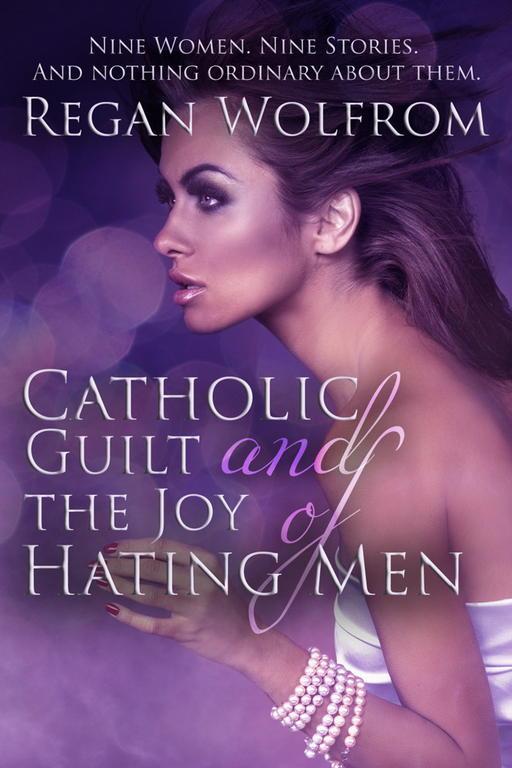
Nine Women. Nine Stories. And nothing ordinary about them.
From the slightly askew mind of Regan Wolfrom comes this collection of hilariously dark tales of love, death, and horrible timing.
Heather Smythe
Pretty. Shy. About as lapsed as a Catholic can get.
Heather’s trapped in the a cult of killer succubi with a taste for East Hollywood douches.
(“High Times at the Sixth Annual Succubus Sisters Garage and Bake Sale”)
Amanda Hackensack
Somewhat tall. Can’t dunk. Never knew her father.
Amanda wakes up in a world of voodoo and zombies that she knows shouldn’t exist.
(“The Zombification of Amanda Hackensack”)
Marguerite Frunkel
Lonely. Awkward. Painfully ginger.
Marguerite finds two strange little gnomes who show her just what she’s been missing.
(“Gnome on Girl on Gnome: A Love Story”)
Laura Daniels
Political outsider. Maverick. Avowed crazy cat lady.
Laura learns the sinister truth behind her unexpected electoral success.
(“The Siamese Candidate”)
Stephanie Munro
Hard working. Hard drinking. Hard to please.
Stephanie comes to regret taking a trip on the edge of the world with people she knows she shouldn’t trust.
(“The Raven’s Head Dagger and the Custom of the Seas”)
Marie-Claire Grimson
Pink hair. Pretty smile. Likes to eat people.
Marie-Claire may soon discover that meat is murder no matter how you slice it.
(“Vegans Are F**king Delicious”)
Maddy McKay
A little lonely. A little self-conscious. Starving to death.
Maddy’s trying to slim down to starving model size, but her little housemates don’t seem all that supportive.
(“Maddy McKay and the Elves in Her House”)
Vanessa Dervoe
Softball legend. Proud Yooper. Breathes underwater.
Vanessa’s strange gift has gotten her nowhere in life, stuck in a sad amusement park and surrounded by death.
(“The Ocean Goddess and The Home Run Queen”)
Kara Hermin
Mysterious. Troubled. Loads of fun at parties.
Kara’s lived a long and dangerous life, and may be forced to live it all over again.
(“Born Again at Granny’s Cave”)
I’ve always been drawn to stories about women who are strong in their own way, like not necessarily because of their skill with a broadaxe or their ability to toss on their nunsuit and fly over the streets of Lubbock, Texas.
These stories are about women who are thrown into situations that are completely what the f**k, and about how they work to take control of their destinies.
Oh, and gnome sex. And zombies, of course. And something about cats bent on world domination. I did mention what the f**k, right?
Regan Wolfrom (born at the tail end of the disco era) has come a long way from his 1986 debut novel Harry the Adventurous Hamster (currently out of print due to having never been published or completed).
After a break from writing to attend puberty, and to eventually sell six packs of Molson Canadian to his misnamed crush, Moosehead Girl, Regan returned to the craft with reckless abandon and a gallon jug of iced tea with just a smattering of extremely cheap rum.
Regan is now the author of the After The Fires Went Out series (with only one mention — so far — of zombie erections) and the slightly less controversial Persephone series (which, while appropriate for a YA audience, is still more likely to have actual zombie erections at some point). Regan hopes to one day write a novel set on Mars while sitting in his boxer shorts on the actual Red Planet, and everything that comes before that is really just his way of saving up for the one-way trip.
Though Regan has been shafted by residency requirements in his pursuit of the MacArthur genius grant, his current fiction is considered to be of high caliber, reflecting a marked improvement in style and grammar from the aforementioned thing with the hamster. It also has far fewer graphic scenes of pound puppy plushes having sex in the back of a shoebox with paper wheels.
What does Regan have to say about Regan?
For a more in-depth tour of Regan’s unresolved childhood issues, be sure to read one of his stories.
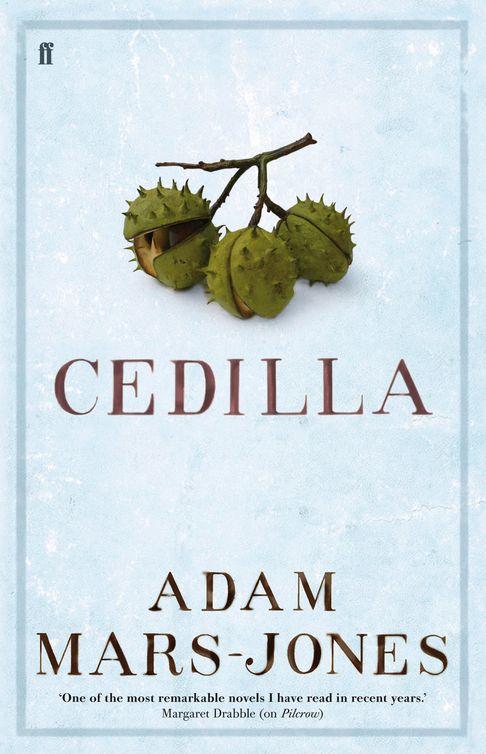
Meet John Cromer, one of the most unusual heroes in modern fiction. If the minority is always right then John is practically infallible. Growing up disabled and gay in the 1950s, circumstances force John from an early age to develop an intense and vivid internal world. As his character develops, this ability to transcend external circumstance through his own strength of character proves invaluable. Extremely funny and incredibly poignant, this is a major new novel from a writer at the height of his powers.'I'm not sure I can claim to have taken my place in the human alphabet…I'm more like an optional accent or specialised piece of punctuation, hard to track down on the typewriter or computer keyboard…'

Celestial Bodies is set in the village of al-Awafi in Oman, where we encounter three sisters: Mayya, who marries Abdallah after a heartbreak; Asma, who marries from a sense of duty; and Khawla who rejects all offers while waiting for her beloved, who has emigrated to Canada. These three women and their families witness Oman evolve from a traditional, slave-owning society slowly redefining itself after the colonial era, to the crossroads of its complex present. Elegantly structured and taut, Celestial Bodies is a coiled spring of a novel, telling of Oman's coming-of-age through the prism of one family's losses and loves.

Thirty-eight-year-old Jeremy Pauling has never left home. He lives on the top floor of a Baltimore row house where he creates collages of little people snipped from wrapping paper. His elderly mother putters in the rooms below, until her death. And it is then that Jeremy is forced to take in Mary Tell and her child as boarders. Mary is unaware of how much courage it takes Jaremy to look her in the eye. For Jeremy, like one of his paper creations, is fragile and easily torn-especially when he's falling in love….
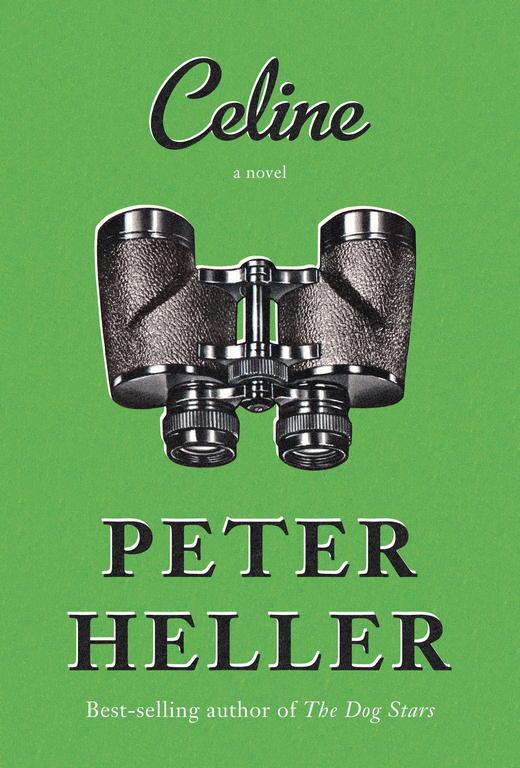
From the best-selling author of The Dog Stars and The Painter, a luminous, masterful novel of suspense—the story of Celine, an elegant, aristocratic private eye who specializes in reuniting families, trying to make amends for a loss in her own past.
Working out of her jewel box of an apartment at the base of the Brooklyn Bridge, Celine has made a career of tracking down missing persons, and she has a better record at it than the FBI. But when a young woman, Gabriela, asks for her help, a world of mystery and sorrow opens up. Gabriela’s father was a photographer who went missing on the border of Montana and Wyoming. He was assumed to have died from a grizzly mauling, but his body was never found. Now, as Celine and her partner head to Yellowstone National Park, investigating a trail gone cold, it becomes clear that they are being followed—that this is a case someone desperately wants to keep closed.
Inspired by the life of Heller’s own remarkable mother, a chic and iconoclastic private eye, Celine is a deeply personal novel, a wildly engrossing story of family, privilege, and childhood loss. Combining the exquisite plotting and gorgeous evocation of nature that have become his hallmarks, Peter Heller gives us his finest work to date.

Autor pragnie rozprawić się z tzw. 'wyborem mniejszego zła', a więc z problemem etycznym, dyskutowanym od stuleci przez wszelkich mędrców i demagogów, i ze zjawiskiem psychospołecznym, realizowanym od stuleci przez jednostki i każdą władzę, tak autokratyczną, jak demokratyczną. Cała akcja rozgrywa się w trakcie długiej i dramatycznej wieczerzy, w jednym pomieszczeniu, które staje się klatką bez wyjścia dla biesiadników. Cokolwiek nie zrobią zostaną skażeni grzechem. W tej powieści dominują kwestie uniwersalne, ale nie brak również analizy ściśle polskich problemów.
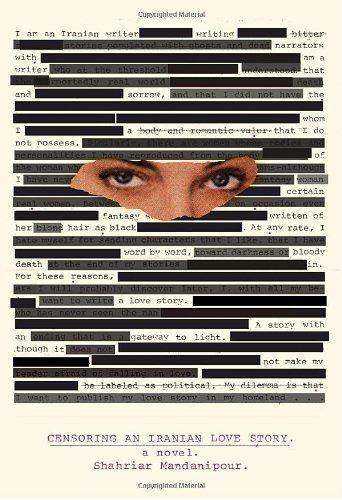
From one of Iran’s most acclaimed and controversial contemporary writers, his first novel to appear in English — a dazzlingly inventive work of fiction that opens a revelatory window onto what it’s like to live, to love, and to be an artist in today’s Iran.
The novel entwines two equally powerful narratives. A writer named Shahriar — the author’s fictional alter ego — has struggled for years against the all-powerful censor at the Ministry of Culture and Islamic Guidance. Now, on the threshold of fifty, tired of writing dark and bitter stories, he has come to realize that the “world around us has enough death and destruction and sorrow.” He sets out instead to write a bewitching love story, one set in present-day Iran. It may be his greatest challenge yet.
Beautiful black-haired Sara and fiercely proud Dara fall in love in the dusty stacks of the library, where they pass secret messages to each other encoded in the pages of their favorite books. But Iran’s Campaign Against Social Corruption forbids their being alone together. Defying the state and their disapproving parents, they meet in secret amid the bustling streets, Internet cafés, and lush private gardens of Tehran.
Yet writing freely of Sara and Dara’s encounters, their desires, would put Shahriar in as much peril as his lovers. Thus we read not just the scenes Shahriar has written but also the sentences and words he’s crossed out or merely imagined, knowing they can never be published.
Laced with surprising humor and irony, at once provocative and deeply moving, Censoring an Iranian Love Story takes us unforgettably to the heart of one of the world’s most alluring yet least understood cultures. It is an ingenious, wholly original novel — a literary tour de force that is a triumph of art and spirit.
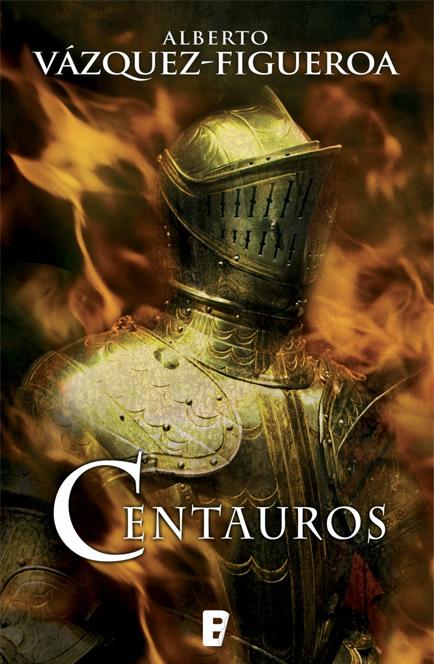
Su vida de pendenciero y donjuán impulsa a Alonso de Ojeda a embarcarse con Cristóbal Colón en su segundo viaje al Nuevo Mundo. Tras una penosa travesía, Ojeda se enfrenta a la aventura de ser un conquistador en aquellos territorios inexplorados. Tendrá que vérselas con nativos hostiles, y serán justamente sus habilidades y su astucia las que logren derrotarlos. Sufrirá los reveses de la fortuna, servirá como explorador de la reina Isabel, se embarcará con algunos cartógrafos para determinar si las tierras descubiertas son en realidad un nuevo continente y, en su recorrido por las costas del norte de Suramérica, hará extraordinarios descubrimientos.
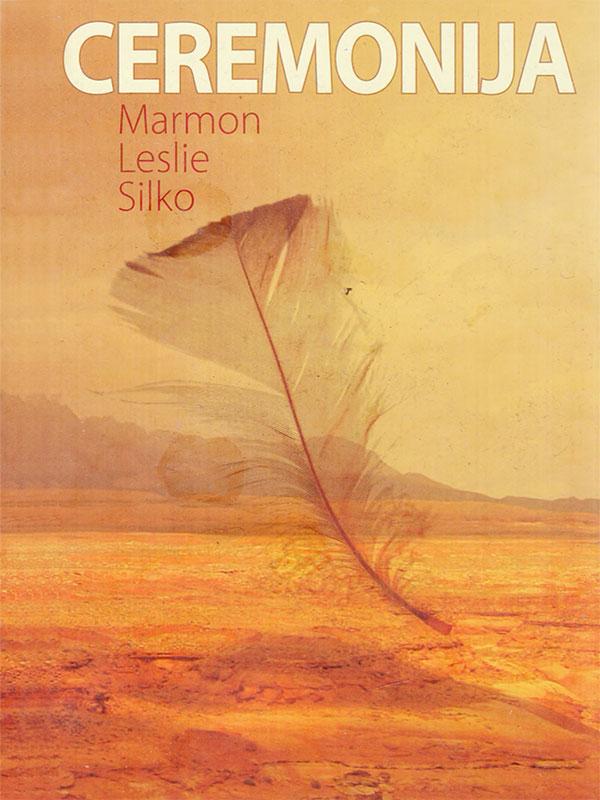
„Ceremonijoje“ pasakojama baltaodžio vyro ir indėnės moters sūnaus, JAV armijos veterano Tajo istorija. Patyręs japonų nelaisvės siaubą ir kurį laiką praleidęs Los Andželo veteranų ligoninėje jis grįžta į gimtąjį Lagūnos pueblą. Kelionė namo nepaprastai sunki. Pasikeitė ir pats Tajo, ir jo namai. Išniekintoje šventoje žemėje buvo iškasta šachta. Tapo pažeista ne tik žmogaus dvasios, bet ir jį maitinančios gamtos pusiausvyra. Tajo, žūtbūtinai kabindamasis į gyvenimą, ieško išsigelbėjimo senosiose, išminties, magiškų galių ir nesutepto pirmykščio grožio kupinose savo genties istorijose.
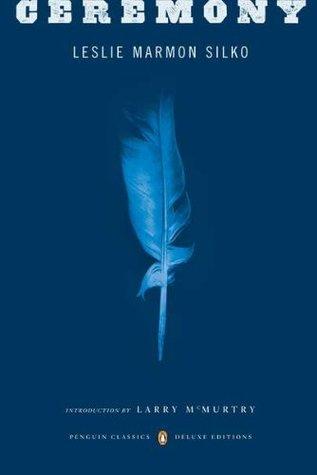
Tayo, a young Native American, has been a prisoner of the Japanese during World War II, and the horrors of captivity have almost eroded his will to survive. His return to the Laguna Pueblo reservation only increases his feeling of estrangement and alienation. While other returning soldiers find easy refuge in alcohol and senseless violence, Tayo searches for another kind of comfort and resolution.
Tayo's quest leads him back to the Indian past and its traditions, to beliefs about witchcraft and evil, and to the ancient stories of his people. The search itself becomes a ritual, a curative ceremony that defeats the most virulent of afflictions — despair.
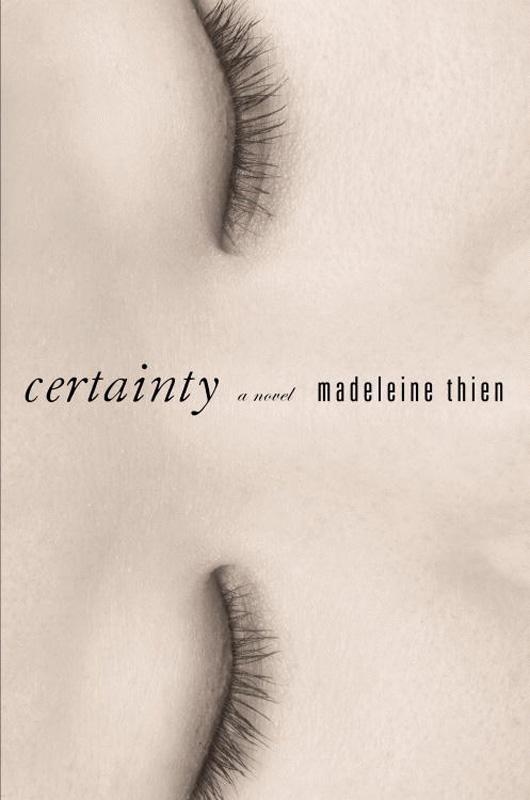
Madeleine Thien's stunning debut novel hauntingly retells a crucial moment in history, through two unforgettable love stories. Gail Lim, a producer of radio documentaries, is haunted by the mystery of her father's Asian past. As a child, Gail's father, Matthew Lim, lived in a Malaysian village occupied by the Japanese. He and his beloved Ani wandered the jungle fringe under the terrifying shadow of war. The war shattered their families, splitting the two apart until a brief reunion years later. Matthew's profound connection to Ani and the life-changing secrets they shared cast a shadow that, later still, Matthew's wife, Clara, desperately sought to understand. Gail's journey to unravel the mystery of her parents' lives takes her to Amsterdam, where she unearths more about this mysterious other woman. But as Gail approaches the truth, Ani's story will bring Gail face-to-face, with the untold mysteries of her own life. Vivid, poignant, and written in understated yet powerful prose, CERTAINTY is a novel about the legacies of loss, the dislocations of war, and the timeless redemption afforded by love.
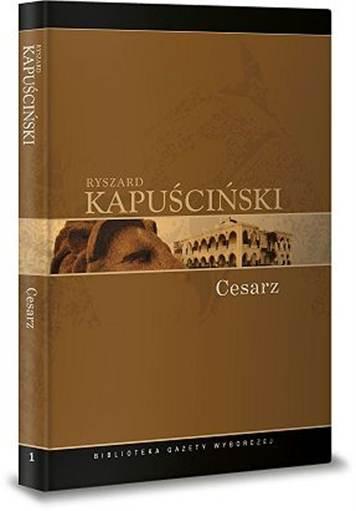
Jeden z największych bestsellerów światowych.
Przedmiotem reportażu-powieści są ludzie dworu cesarza Etiopii Hajle Sellasje, zmarłego w 1975 roku. Ukazując ich służalczość, lizusostwo, strach, pazerność, uległość oraz walkę o względy władcy, Kapuściński w mistrzowski sposób przedstawia ponure kulisy jego panowania. Książka ma uniwersalny charakter, obnaża mechanizmy władzy nie tylko politycznej.
"Cesarzem" Ryszard Kapuściński rozpoczął karierę międzynarodową i nadał reportażowi wymiar literacki.
En este breve ensayo-reseña se pretenderá distinguir el leitmotiv dentro de su cuento Chac Mool: las reminiscencias prehispánicas y el pasado indígena, pulsiones constantes en el trabajo del escritor. Conscientes estamos que intentar aprehender las fuentes del discurso literario de Fuentes es una tarea titánica, ya que independientemente de la vastedad de su obra y de la densidad de sus historias, determinar las ideas o mociones de un autor tan prolífico es adentrarse dentro de un maremágnum que no admite clasificación. Por tal razón sólo me atreveré a esbozar ideas y sugerir motivos. Impulsos esenciales e innegables que nos permiten comprender el mundo representando y ficticio del autor.
Fuentes no olvida, o al menos pretende no hacerlo, construye amalgamas que nos intuyen y justifican. Pensemos en el difuminado y nebuloso personaje Ixca Cienfuegos de La región más transparente, o en el Cristóbal Nonato, o en el misticismo de Aura o en La muerte de Artemio Cruz. En todos lados el escritor recurre a su herencia, aunque francamente en algunas ocasiones sus radiografías sociales parezcan más una especie de turismo sociológico o análisis de vitrina (Agua Quemada, Los años con Laura Díaz, Cambio de piel y La misma Región…). Sin embargo, la calidad de sus obras como su alta cota literaria es indiscutible, considero que tanto Cantar de ciegos como Los días enmascarados son libros excelentes. Sobre este último, o mejor dicho, sobre el cuento del Chac Mool, versa este opúsculo.
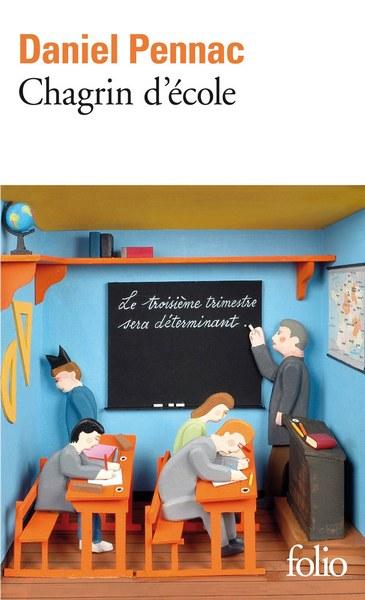
Chagrin d’école, dans la lignée de Comme un roman, aborde la question de l’école du point de vue de l’élève, et en l’occurrence du mauvais élève. Daniel Pennac, ancien cancre lui-même, étudie cette figure du folklore populaire en lui donnant ses lettres de noblesse, en lui restituant aussi son poids d’angoisse et de douleur.

From Publishers Weekly
In contrast to the utopian official literature of Communist China, the stories in this wide-ranging collection marshal wry humor, entangled sex, urban alienation, nasty village politics and frequent violence. Translated ably enough to keep up with the colloquial tone, most tales are told with straightforward familiarity, drawing readers into small communities and personal histories that are anything but heroic. "The Brothers Shu," by Su Tong (Raise the Red Lantern), is an urban tale of young lust and sibling rivalry in a sordid neighborhood around the ironically named Fragrant Cedar Street. That story's earthiness is matched by Wang Xiangfu's folksy "Fritter Hollow Chronicles," about peasants' vendettas and local politics, and by "The Cure," by Mo Yan (Red Sorghum; The Garlic Ballads), which details the fringe benefits of an execution. Personal alienation and disaffection are as likely to appear in stories with rural settings (Li Rui's "Sham Marriage") as they are to poison the lives of urban characters (Chen Cun's "Footsteps on the Roof"). Comedy takes an elegant and elaborate form in "A String of Choices," Wang Meng's tale of a toothache cure, and it assumes the burlesque of small-town propaganda fodder in Li Xiao's "Grass on the Rooftop." Editor Goldblatt has chosen not to expand the contributors' biographies or elaborate on the collection's post-Tiananmen context. He lets the stories speak for themselves, which, fortunately, they do, quietly and effectively.
From Library Journal
The 20 authors represented here range from Wang Meng, the former minister of culture, to Su Tong, whose Raise the Red Lantern has been immortalized on screen.
***
Chinese literature has changed drastically in the past thirty years. During the Cultural Revolution (1966-1976) arts and literature of all sorts were virtually nonexistent since they were frowned upon by official powers so that attempts to produce any were apt to cause one’s public humiliation and possibly even death by the Red Guards and other unofficial arms of the government. After 1976, in the wake of Mao’s death, literature slowly regained its importance in China, and by the mid-1980s dark, angry, satirical writings had become quite prominent on the mainland.
In the wake of Tiananmen Square, dark literature faded somewhat, but never vanished. Now Howard Goldblatt, a prominent translator of Chinese fiction and editor of the critical magazine Modern Chinese Literature, has compiled a representative collection of contemporary Chinese fiction entitled Chairman Mao Would Not Be Amused. Even with my limited knowledge of modern China I feel certain the title of the book is fairly accurate.
Mo Yan is one of my favorite contemporary writers. His dark, no-holds-barred satires Red Sorghum and The Garlic Ballads detailed what he sees as the failings of both Chinese peasants (of which he was born as one) and the Chinese leaders. His short story "The Cure" is in the same vein, detailing how a local government representative-probably self-appointed during the Cultural Revolution, although that is never made quite clear in the story-leads a lynching of the village’s two most prominent leaders and their wives. But, as in most Mo Yan stories, the bitterness directed at the lyncher is double-edged with the bitter look at a local peasant who sees the deaths of the two village leaders as a desperate chance to possibly rescue his mother from impending blindness. The story is coldly realistic and totally chilling in the rational way it treats the series of events.
Su Tong is the author of the novella "Raise The Red Lantern", the basis of the wonderful movie. His "The Brothers Shu" is a bitter look at some traditional character weaknesses of Chinese people, and particularly how they affect family life. The Shu family is incredibly dysfunctional. The father nightly climbs up the side of his two-family house to have sex with the woman upstairs until her husband bolts her windows shut. So the woman sneaks downstairs to have sex in the younger son’s bedroom while the son is tied to his bed, gagged and blindfolded. Meanwhile the elder son abuses the girl upstairs until she falls in love with him. When she becomes pregnant, they are both so shamed they form a suicide pact, tie themselves together and jump into a river, where the boy is rescued in time but the girl dies. The younger son so hates his older brother-somewhat deservedly considering the abuse heaped on him by the brother-that he pours gasoline through his bedroom and sets it ablaze.
And so on, complete with beatings and torments worthy of the most dysfunctional American families. While not a particularly likeable cast of characters, the story is strong and thoughtful.
Perhaps the most moving part about "First Person", by Shi Tiesheng is in the brief author description in the back of the book. Shi is described as “crippled during the Cultural Revolution”. So many lives were needlessly destroyed during that tumultuous decade, it is easy to feel that the arrest and subsequent conviction of the notorious Gang of Four was not nearly sufficient punishment for them.
"First Person" tells the story of a man with a heart condition-Shi frequently writes about the lives of handicapped people, according to his description-who is visiting his new 21st floor apartment for the first time. While climbing the stairs very slowly, taking frequent rests, he notices a cemetery separated from the apartment building by a huge wall. On one side of the wall is sitting a woman, while on the other side stands a man. As the man climbs the stairs he fantasizes about why the couple are there, and why they are separated by the wall. Perhaps the man is having an affair, and the wife is spying on him as he rendezvous with his lover?
But then the man notices a baby lying on a gravesite, being watched from a distance by the man, and he realizes that the couple is abandoning the child. An interesting story about the fanciful delusions a person can have, but with no real depth beyond that.
Two stories involve fear of dentists in completely different ways. Wang Meng’s "A String of Choices" is a very funny story that combines a bitter look at both Eastern and Western medicine with perhaps the most extreme case of fear of dentists imaginable. Chen Ran’s "Sunshine Between the Lips" tells of a young girl whose adult male friend exposes himself to her. If that were not traumatic enough, after he is arrested for exposing himself to a complete stranger, he sets his apartment on fire and dies a brutal death. This event, combined with a near-fatal bout of meningitis, creates in the girl a deep fear of phallic objects such as needles and penises. So imagine her trauma when she develops impacted wisdom teeth at the same time as she gets married. While this description might sound a bit ludicrous, this story is very serious and very well-executed.
A strong satire on how history can be rewritten to suit the writers’ needs is Li Xiao’s "Grass on the Rooftop". When a peasant’s hut goes on fire, he is rescued by a local student. The rescue is written up for an elementary school newspaper by a local child, but the story is picked up by other papers, changing radically with each reprinting until the rescuing student becomes a great hero of the Maoist revolution because of his supposed attempt to rescue a nonexistent portrait of Mao on the wall of the hut. While this story is uniquely Chinese in many ways, it resonates in all societies in which pride and agenda is often more important than the truth.
Anybody interested in a look at contemporary Chinese society should enjoy this collection immensely.
From Publishers Weekly
In contrast to the utopian official literature of Communist China, the stories in this wide-ranging collection marshal wry humor, entangled sex, urban alienation, nasty village politics and frequent violence. Translated ably enough to keep up with the colloquial tone, most tales are told with straightforward familiarity, drawing readers into small communities and personal histories that are anything but heroic. "The Brothers Shu," by Su Tong (Raise the Red Lantern), is an urban tale of young lust and sibling rivalry in a sordid neighborhood around the ironically named Fragrant Cedar Street. That story's earthiness is matched by Wang Xiangfu's folksy "Fritter Hollow Chronicles," about peasants' vendettas and local politics, and by "The Cure," by Mo Yan (Red Sorghum; The Garlic Ballads), which details the fringe benefits of an execution. Personal alienation and disaffection are as likely to appear in stories with rural settings (Li Rui's "Sham Marriage") as they are to poison the lives of urban characters (Chen Cun's "Footsteps on the Roof"). Comedy takes an elegant and elaborate form in "A String of Choices," Wang Meng's tale of a toothache cure, and it assumes the burlesque of small-town propaganda fodder in Li Xiao's "Grass on the Rooftop." Editor Goldblatt has chosen not to expand the contributors' biographies or elaborate on the collection's post-Tiananmen context. He lets the stories speak for themselves, which, fortunately, they do, quietly and effectively.
From Library Journal
The 20 authors represented here range from Wang Meng, the former minister of culture, to Su Tong, whose Raise the Red Lantern has been immortalized on screen.
***
Chinese literature has changed drastically in the past thirty years. During the Cultural Revolution (1966-1976) arts and literature of all sorts were virtually nonexistent since they were frowned upon by official powers so that attempts to produce any were apt to cause one’s public humiliation and possibly even death by the Red Guards and other unofficial arms of the government. After 1976, in the wake of Mao’s death, literature slowly regained its importance in China, and by the mid-1980s dark, angry, satirical writings had become quite prominent on the mainland.
In the wake of Tiananmen Square, dark literature faded somewhat, but never vanished. Now Howard Goldblatt, a prominent translator of Chinese fiction and editor of the critical magazine Modern Chinese Literature, has compiled a representative collection of contemporary Chinese fiction entitled Chairman Mao Would Not Be Amused. Even with my limited knowledge of modern China I feel certain the title of the book is fairly accurate.
Mo Yan is one of my favorite contemporary writers. His dark, no-holds-barred satires Red Sorghum and The Garlic Ballads detailed what he sees as the failings of both Chinese peasants (of which he was born as one) and the Chinese leaders. His short story "The Cure" is in the same vein, detailing how a local government representative-probably self-appointed during the Cultural Revolution, although that is never made quite clear in the story-leads a lynching of the village’s two most prominent leaders and their wives. But, as in most Mo Yan stories, the bitterness directed at the lyncher is double-edged with the bitter look at a local peasant who sees the deaths of the two village leaders as a desperate chance to possibly rescue his mother from impending blindness. The story is coldly realistic and totally chilling in the rational way it treats the series of events.
Su Tong is the author of the novella "Raise The Red Lantern", the basis of the wonderful movie. His "The Brothers Shu" is a bitter look at some traditional character weaknesses of Chinese people, and particularly how they affect family life. The Shu family is incredibly dysfunctional. The father nightly climbs up the side of his two-family house to have sex with the woman upstairs until her husband bolts her windows shut. So the woman sneaks downstairs to have sex in the younger son’s bedroom while the son is tied to his bed, gagged and blindfolded. Meanwhile the elder son abuses the girl upstairs until she falls in love with him. When she becomes pregnant, they are both so shamed they form a suicide pact, tie themselves together and jump into a river, where the boy is rescued in time but the girl dies. The younger son so hates his older brother-somewhat deservedly considering the abuse heaped on him by the brother-that he pours gasoline through his bedroom and sets it ablaze.
And so on, complete with beatings and torments worthy of the most dysfunctional American families. While not a particularly likeable cast of characters, the story is strong and thoughtful.
Perhaps the most moving part about "First Person", by Shi Tiesheng is in the brief author description in the back of the book. Shi is described as “crippled during the Cultural Revolution”. So many lives were needlessly destroyed during that tumultuous decade, it is easy to feel that the arrest and subsequent conviction of the notorious Gang of Four was not nearly sufficient punishment for them.
"First Person" tells the story of a man with a heart condition-Shi frequently writes about the lives of handicapped people, according to his description-who is visiting his new 21st floor apartment for the first time. While climbing the stairs very slowly, taking frequent rests, he notices a cemetery separated from the apartment building by a huge wall. On one side of the wall is sitting a woman, while on the other side stands a man. As the man climbs the stairs he fantasizes about why the couple are there, and why they are separated by the wall. Perhaps the man is having an affair, and the wife is spying on him as he rendezvous with his lover?
But then the man notices a baby lying on a gravesite, being watched from a distance by the man, and he realizes that the couple is abandoning the child. An interesting story about the fanciful delusions a person can have, but with no real depth beyond that.
Two stories involve fear of dentists in completely different ways. Wang Meng’s "A String of Choices" is a very funny story that combines a bitter look at both Eastern and Western medicine with perhaps the most extreme case of fear of dentists imaginable. Chen Ran’s "Sunshine Between the Lips" tells of a young girl whose adult male friend exposes himself to her. If that were not traumatic enough, after he is arrested for exposing himself to a complete stranger, he sets his apartment on fire and dies a brutal death. This event, combined with a near-fatal bout of meningitis, creates in the girl a deep fear of phallic objects such as needles and penises. So imagine her trauma when she develops impacted wisdom teeth at the same time as she gets married. While this description might sound a bit ludicrous, this story is very serious and very well-executed.
A strong satire on how history can be rewritten to suit the writers’ needs is Li Xiao’s "Grass on the Rooftop". When a peasant’s hut goes on fire, he is rescued by a local student. The rescue is written up for an elementary school newspaper by a local child, but the story is picked up by other papers, changing radically with each reprinting until the rescuing student becomes a great hero of the Maoist revolution because of his supposed attempt to rescue a nonexistent portrait of Mao on the wall of the hut. While this story is uniquely Chinese in many ways, it resonates in all societies in which pride and agenda is often more important than the truth.
Anybody interested in a look at contemporary Chinese society should enjoy this collection immensely.
A non fiction book
One of Zadie Smith's great gifts as a novelist is her openness: both to character and ideas in her stories, and to what a novel itself should be. That she's a novelist was clear as soon she broke through with White Teeth in her early twenties, but what kind she'll be (or will be next) seems open to change. Which all, along with her consistent intelligence, grace, and wit, makes her an ideal essayist too, especially for the sort of "occasional essays" collected for the first time in Changing My Mind. She can make the case equally for the cozy "middle way" of E.M. Forster and the most purposefully demanding of David Foster Wallace's stories, both as a reader and, you imagine, as a writer who is considering their methods for her own. The occasions in this book didn't only bring her to write about writers, though: she also investigates, among other subjects, Katherine Hepburn, Liberia, and Barack Obama (through the lens of Pygmalion), and, in the collection's finest piece, recalls her late father and their shared comedy snobbery. One wishes more occasions upon her.