
 fb2
fb2Un asesinato es el punto de arranque de esta novela publicada en 1950, la primera de Doris Lessing, autora galardonada con el premio Príncipe de Asturias de las letras. Situada en la Suráfrica segregacionista, Canta la hierba describe la historia de una mujer blanca en el seno de uña sociedad dividida por el color de la piel y en la que imperan la injusticia y la desesperación. Mary Turner, hija de unos pobres granjeros y nacida en África, se convierte en una joven urbana, trabajadora e independiente, hasta el día en que sorprende los cotilleos de sus amigas y decide que debe casarse para silenciarlos. Tras un periodo de angustiosa espera, conoce a un granjero que se enamora perdidamente de ella. Sin embargo, el matrimonio, la rutina de una granja aislada, las convenciones de la comunidad blanca y la relación con los nativos cambiarán su vida hasta límites insospechados.
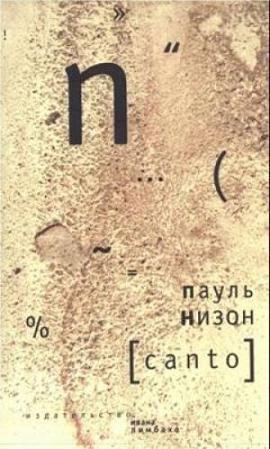
«Canto» (1963) — «культовый антироман» Пауля Низона (р. 1929), автора, которого критики называют величайшим из всех, ныне пишущих на немецком языке. Это лирический роман-монолог, в котором образы, навеянные впечатлениями от Италии, «рифмуются», причудливо переплетаются, создавая сложный словесно-музыкальный рисунок, многоголосый мир, полный противоречий и гармонии.
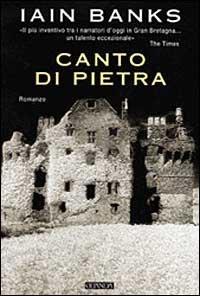
In un mondo senza tempo e senza nome, devastato da una guerra che ha rivelato il fondo barbarico della natura umana, tra cumuli di macerie e colonne di profughi in fuga, si erge un antico castello di pietra. Tra le sue austere mura vive, assieme alla sorella-amante Morgan, Abel, l’ultimo discendente di una famiglia aristocratica. Per i due giovani, quel castello sarebbe un rifugio ideale, se un giorno, a turbare la loro idilliaca «intimità», non sopraggiungesse una banda di soldati irregolari, guidati da un oscuro personaggio femminile. Stregati dal fascino magnetico e perverso di quella donna senza volto e senza anima, Abel e Morgan si trasformano ben presto nelle pedine di un sordido gioco a tre, mentre l’antica dimora diviene teatro di inaudite violenze, eccessi e distruzioni, che porteranno in un crescendo di tensione e di suspense alla catastrofe finale.
Para usted, lector español, por fin en directo, esta selección de la obra de uno de-los autores más fascinantes y excéntricos de la mejor literatura argentina: Rodolfo Enrique Fogwill (1941). 0, como él mismo prefiere, Fogwill a secas. (`Probablemente por una especie de megalomanía`, explicaba en una entrevista. `Yo quería ocupar un lugar tipo Sócrates o Hegel. ¿Quién dice Guillermo Federico Hegel?`). Imposible dar aquí cabida al abigarrado currículo de este autor, quien, según declara en la indispensable presentación de sí mismo que antepone a este volumen, ha sido entre otras cosas `publicitario, investigador de mercados, redactor, empresario, especulador de Bolsa, terrorista y estafador -eso consta en mi prontuario de la policía federal argentina-, columnista especializado en temas de política cultural en todo tipo de medios, profesor universitario y consultor de empresas`. Como crítico y editor, Fogwill tuvo en los años setenta una intervención muy activa y polémica en la escena literaria argentina, dando a conocer las obras de Néstor Perlongher y Osvaldo Lamborghini y orientando la lectura de autores como Aira y Laiseca (`los únicos aportes a la literatura argentina que reivindico`). Tanto César Aira y Alberto Laiseca como el propio Fogwill, con Lamborghini a la cabeza (`el mejor maestro que tuvo la literatura argentina`), pertenecen a una facción destacadísima de la narrativa argentina, sin apenas paralelos en el resto del ámbito hispánico. Su actitud irreverente, y a menudo provocadora, no disimula una pasión y una cultura portentosas, refractarias por igual a todo atisbo de solemnidad como de ingenuidad, no sólo en literatura. De César Aira, Mondadori publicó hace unos meses Ema la cautiva y saca estos días un volumen estupendo, Cómo me hice monja-. La publicación ahora de esta antología de Fogwill insiste en llamar la atención sobre determinadas conductas literarias que, más allá de su valía indiscutible, conviene tener presentes en estos tiempos en que la entusiasta y sin duda saludable postulación de una difusión más global de la literatura latinoamericana propicia un espíritu indiscriminatorio que con frecuencia adquiere los ripios provincianamente internacionalistas de un festival de la OTI.
Poeta antes que narrador, y autor dotado de un fuerte carisma personal (`la construcción de la figura es hoy parte fundamental del trabajo de un escritor`), el retrato del propio Fogwill con el pelo revuelto y los ojos desorbitados funcionó, en la Argentina de los ochenta, como un auténtico logotipo, que desde la portada de sus libros señalaba la existencia de otras posibilidades para la actitud del creador. Esas posibilidades permanecen hoy todavía abiertas para los jóvenes escritores, que reconocerán en Fogwill el tratamiento precursor y profundamente intencionado de determinados rasgos de estilo que, a modo de tics, menudean en la actualidad. Así, la referencia constante a marcas genracionales, marcas de clase, marcas sociales, calles y locales de moda (`eso que gusta a los tontos y a los chicos posmodernos`),empleados con voluntad documental y -no mimética por parte de quien tiene la impresión de haber sido, en los setenta, `un preposmoderno y un pre-yuppy`. Así la prisa del estilo (`escribo mal, lo reconozco, pero rápido`). Así también la utilización del sexo o de las drogas como elementos estructurales de relatos en los que se explora la percepción del tiempo y del espacio, de la identidad sexual o la del género del narrador, por parte de quien admite intrigado que `con frecuencia imagino que soy una mujer` y lamenta el tiempo derrochado durante los más de diecisiete años en que fue cocainómano. Veinte años después de escrito, un relato como Muchacha punk (1979) conserva frescas toda su acidez y su ironía, Memoria de paso (1979) invierte el tránsito sexual de Orlando y parodia a la vez a Borges y a Virgnia Woolf. La larga risa de todos estos años (1983) engatusa genialmente al lector hasta conducirlo a una amarga reflexión sobre la negra sombra de la dictadura en Argentina. Restos diurnos (1986) reescribe, impregnándolo de cocaína y de una inteligencia lúgubre y feroz, el cortazariano La noche boca arriba. El relato que da título a este volumen, y el más reciente, Cantos de marineros en la Pampa (1997), entona una hermosa y destartalada elegía por la vieja épica guerrera… Pero, entre las 10 piezas, -todas formidables- que componen el volumen, merece mención particular Los pichiciegos, relato visionario y alucinante de la guerra en la nueva era tecnológica. Escrita en sólo tres días, durante el conflicto de las Malvinas, esta novelita traza un cuadro a la vez desopilante y atroz del sacrificio de miles de soldados en una guerra ciega, en la que se peleaba `de noche, con radios, radar, miras infrarrojas y en el oscuro`, y en la que ni siquiera se podía huir `porque atrás de ti, los de tu propio regimiento habían estado colocando minas a medida que avanzabas, y las minas son lo peor que hay`. Los reclutas desertores de Fogwili son adolescentes del extrarradiourbano, idénticos a los que -con la misma sintaxis narrativa- aparecen en las novelas de Ray Loriga o de Félix Romeo, pero arrojados a un infierno de nieve y barro en el que los Harrier británicos hacen las veces de ángeles exterminadores y en el que su condición social subalterna se evidencia brutalmente. Queda por señalar de qué modo el humor, el sentido lúdico, las innovaciones léxicas y el gesto vanguardista de Fogwill adquieren su justa dimensión en el marco de una vivencia ética del hecho literario. Pero para ello lo mejor es traer aquí las palabras de Fogwill en una entrevista memorable: `Escribo para no ser escrito. Viví escrito muchos años, representaba un relato. Supongo que escribo para escribir a otros, para operar sobre el comportamiento, la imaginación, la revelación, el conocimiento de los otros. Quizá sobre el comportamiento literario de los otros. Escribo para conservar el arte de contar sin sacrificar el ejercicio de pensar, un pensar que tiene que ver con la moral… Creo que es mucho más importante pensar que contar, pero para imponer el arte de pensar hay que contar. La razón no se sostiene sin relatos`. Va dicho. Escribir para no ser escrito Antología de uno de los escritores argentinos más fascinantes: Fogwill.
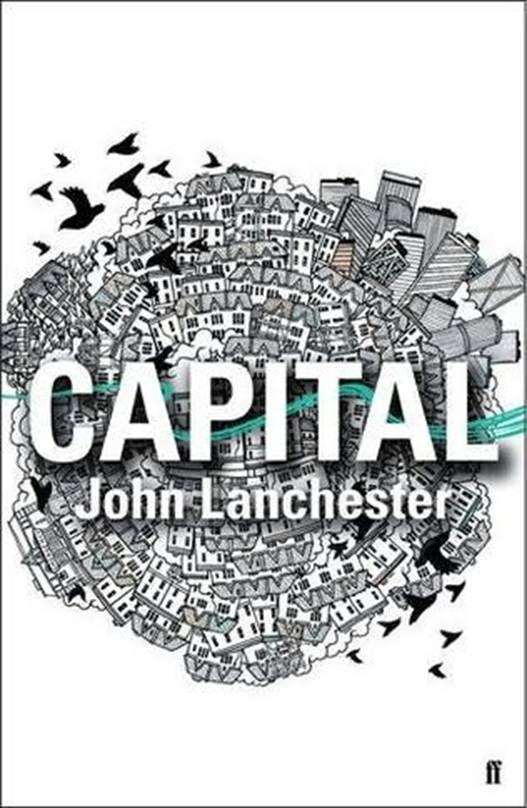
The internationally celebrated author of The Debt to Pleasure returns with this major, breakout novel – scathing and subversive, sharply witty and brilliantly observed as it follows the lives and fortunes of a group of people in London that becomes connected in unforeseen ways.
Pepys Road: an ordinary street in the capital. Today, through each letterbox along this ordinary street drops a card with a simple message: We Want What You Have. At forty, Roger Yount is blessed with an expensively groomed wife, two small sons and a powerful job in the city. Freddy Kano, teenage football sensation, has left a two-room shack in Senegal to follow his dream. Traffic warden Quentina has exchanged the violence of the police in Zimbabwe for the violence of the enraged middle classes. Elsewhere in the Capital, Zbigniew has come from Warsaw to indulge the super-rich in their interior decoration whims. These are just some of the unforgettable characters in Lanchester's unputdownable masterpiece novel of contemporary urban life.


Captives, the acclaimed writer Norman Manea's first novel, is a fascinating, kaleidoscopic, and imaginative look into postwar Romania. Divided into three sections — narrated in first-, second-, and third-person voices—Captives explores the lives of several defeated characters as they become almost too much to bear under the weight of endless humiliations: loss of identity, trauma of having survived the Second World War, and submission to the totalitarian state.
This is a moving account of a country shaken by communism and anti-Semitism and haunted by recent atrocities, from "a distinguished writer whose vision of totalitarianism is close to Kafka's cloudy menace, universal yet internalized" (Richard Eder, The New York Times).
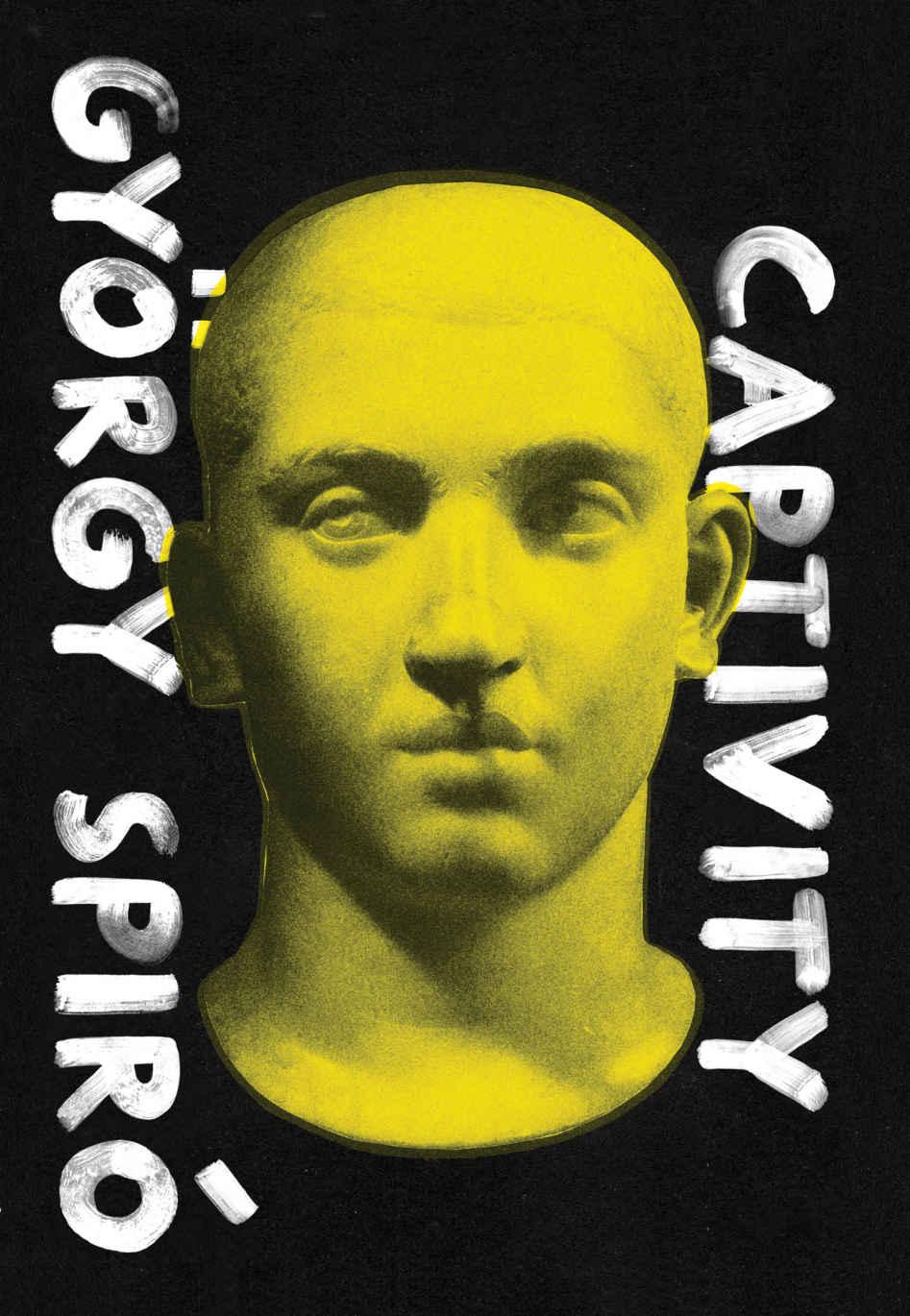
The epic bestseller and winner of the prestigious Aegon Literary Award in Hungary, Captivity is an enthralling and illuminating historical saga set in the time of Jesus about a Roman Jew on a quest to the Holy Land.
A literary sensation in Hungary, György Spiró’s Captivity is both a highly sophisticated historical novel and a gripping page-turner. Set in the tumultuous first century A.D., between the year of Christ’s death and the outbreak of the Jewish War, Captivity recounts the adventures of the feeble-bodied, bookish Uri, a young Roman Jew.
Frustrated with his hapless son, Uri’s father sends the young man to the Holy Land to regain the family’s prestige. In Jerusalem, Uri is imprisoned by Herod and meets two thieves and (perhaps) Jesus before their crucifixion. Later, in cosmopolitan Alexandria, he undergoes a scholarly and sexual awakening — but must also escape a pogrom. Returning to Rome at last, he finds an entirely unexpected inheritance.
Equal parts Homeric epic, brilliantly researched Jewish history, and picaresque adventure, Captivity is a dramatic tale of family, fate, and fortitude. In its weak-yet-valiant hero, fans will be reminded of Robert Graves’ classics of Ancient Rome, I, Claudius and Claudius the God.
"With the novel Captivity, Spiró proved that he is well-versed in both historical and human knowledge. It appears that in our times, it is playfulness that is expected of literary works, rather than the portrayal of realistic questions and conflicts. As if the two, playfulness and seriousness were inconsistent with each other! On the contrary (at least for me) playfulness begins with seriousness. Literature is a serious game. So is Spiró’s novel.?"
— Imre Kertész, Nobel Prize — winning author of Fatelessness
"Like the authors of so many great novels, György Spiró sends his hero, Uri, out into the wide world. Uri is a Roman Jew born into a poor family, and the wide world is an overripe civilization — the Roman Empire. Captivity can be read as an adventure novel, a Bildungsroman, a richly detailed portrait of an era, and a historico-philosophical parable. The long series of adventures — in which it is only a tiny episode that Uri is imprisoned together with Jesus and the two thieves — at once suggest the vanity of human endeavors and a passion for life. A masterpiece."
— László Márton
“[Captivity is] an important work by yet another representative of Hungarian letters who has all the chances to become a household name among the readers of literature in translation, just like Nadas, Esterhazy and Krasznahorkai.… Meticulously researched.… The novel has been a tremendous success in Hungary, having gone through more than a dozen editions. The critics lauded its page-turning quality along with the wealth of ideas and the ambitious recreation of historical detail.”
— The Untranslated
“A novel of education and a novel of adventure that brings to life ancient Rome, Alexandria and Jerusalem with a vividness of detail that is stunning. Spiró’s prose is crisp and colloquial, the kind of prose that aims for precision rather than literary thrills. A serious and sophisticated novel that is also engrossing and highly readable is a rare thing. Captivity is such a novel.”
— Ivan Sanders, Columbia University
“György Spiró aspired at nothing less than (…) present a theory in novelistic form about the interweavedness of religion and politics, lay bare the inner workings of power and give an insight into the art of survival….This book is an incredible page turner, it reads easily and avidly like the greatest bestsellers while also going as deep as the greatest thinkers of European philosophy.”
— Aegon Literary Award 2006 jury recommendation
“What this sensational novel outlines is the demonic nature of History. Ethically as well as historically, this an especially grand-scale parable. Captivity gets its feet under any literary table you care to mention."
— István Margócsy, Élet és Irodalom
“This book is a major landmark for the year.”
— Pál Závada, Népszabadság
“It would not be surprising if literary historians were soon calling him the re-assessor and regenerator of the post-modern novel.”
— Gergely Mézes, Magyar Hírlap
“Impossibly engrossing from the very first page….Building on a huge volume of reference material, the novel rings true from both a historical and a literary point of view.”
— Magda Ferch, Magyar Nemzet
From the author of Inner Tube and Odditorium, a book of strikingly original, convention-defying short stories.
Cardinal Numbers is a posthumous collection of brilliantly enigmatic short fiction by Hob Broun, written with the aid of a respirator when the author was paralyzed from the neck down. Witty and full of minimalist surprise, these stories flirt with fragment, fabulism, and collage. In “Rosella, in Stages,” an old woman’s experience is movingly charted through the voice of her writing in six different life stages — and in six pages, no less. “Highspeed Linear Main Street,” a standout tale and an artistic credo of sorts, centers on a photographer’s fixation on highway life, while the surreal “Finding Florida” features a Che Guevara who becomes struck with longing for a librarian and receives some unwelcome news from a fortune teller.
Powerfully felt as well as mordantly funny, Cardinal Numbers is a freshly singular contribution to the American short story.
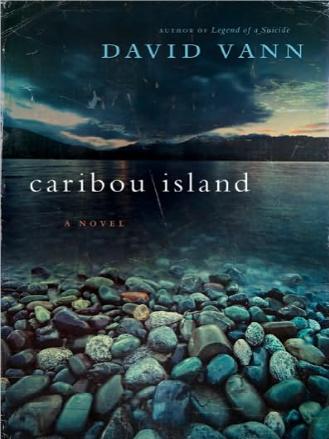
On a small island in a glacier-fed lake on Alaska's Kenai Peninsula, a marriage is unraveling. Gary, driven by thirty years of diverted plans, and Irene, haunted by a tragedy in her past, are trying to rebuild their life together. Following the outline of Gary's old dream, they're hauling logs to Caribou Island in good weather and in terrible storms, in sickness and in health, to build the kind of cabin that drew them to Alaska in the first place.
But this island is not right for Irene. They are building without plans or advice, and when winter comes early, the overwhelming isolation of the prehistoric wilderness threatens their bond to the core. Caught in the emotional maelstrom is their adult daughter, Rhoda, who is wrestling with the hopes and disappointments of her own life. Devoted to her parents, she watches helplessly as they drift further apart.
Brilliantly drawn and fiercely honest, Caribou Island captures the drama and pathos of a husband and wife whose bitter love, failed dreams, and tragic past push them to the edge of destruction. A portrait of desolation, violence, and the darkness of the soul, it is an explosive and unforgettable novel from a writer of limitless possibility.
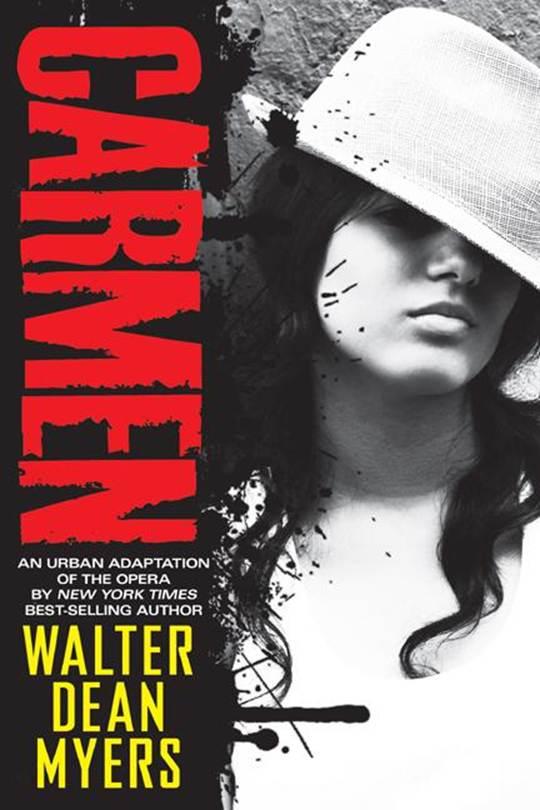
Into the summer heat of New York's Spanish Harlem strides Carmen, a chica who is as hot as the sizzling city streets. When she first meets José, she falls for him hard. He's not like the gansta types she knows – tipo duros who are tough, who think they are players. But José has a quick temper, and he likes to get his own way. And nobody gets in Carmen's way.
When Escamillo rolls into town, everyone takes notice of the Latino Jay-Z – a quadruple-threat singer/rapper/producer/businessman. But he only notices one person – Carmen. And Carmen has given up on José – he's not going to get her out of her tough neighborhood, el barrio, and into the action. Escamillo will.
But José won't let that happen.
Passion, love, and betrayal explode into tragedy in this modern retelling of an enduring love story.
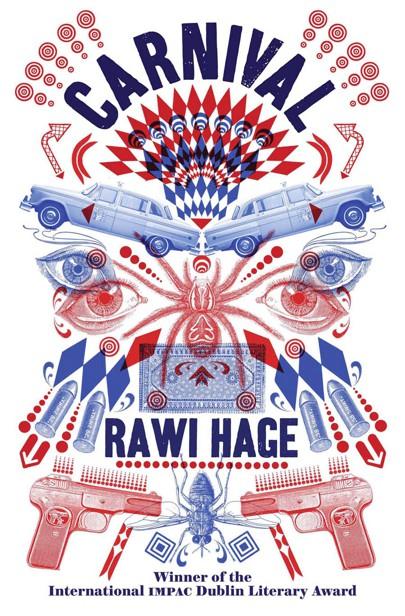
Shortlisted for the Rogers Writers' Trust Fiction Prize and the Quebec Writers' Federation Hugh MacLennan Prize for Fiction.
In the Carnival city there are two types of taxi drivers — the spiders and the flies. The spiders patiently sit in their cars and wait for the calls to come. But the flies are wanderers — they roam the streets, looking for the raised hands of passengers among life's perpetual flux.
Fly is a wanderer and a knower. Raised in the circus, the son of a golden-haired trapeze artist and a flying carpet pilot from the East, he is destined to drift and observe. From his taxi we see the world in all its carnivalesque beauty and ugliness. We meet criminals, prostitutes, madmen, magicians, and clowns of many kinds. We meet ordinary people going to extraordinary places, and revolutionaries trying to live ordinary lives. Hunger and injustice claw at the city, and books provide the only true shelter. And when the Carnival starts, all limits dissolve, and a gunshot goes off. .
With all of the beauty, truth, rage, and peripatetic storytelling that have made Cockroach and De Niro's Game international publishing sensations, Carnival gives us Rawi Hage at his searing best. Alternately laughing at absurdity and crying out at oppression, by turns outrageous, hilarious, sorrowful, and stirring, Carnival is a tour de force that will make all of life's passengers squirm in their comfortable, complacent backseats.
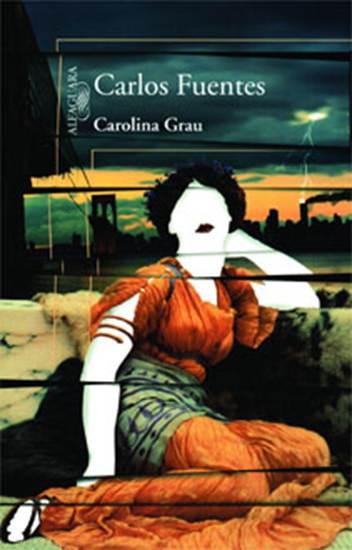
«El carcelero tiene su carcelero y éste al suyo y así al infinito. Tú y yo somos los eslabones finales de una larga cadena de sumisiones. Así está ordenado el mundo, mi joven amigo. ¿Hay otra salida?». Eso dice el protagonista de uno de los nueve cuentos que integran esta obra, por donde Carolina Grau transitará como presencia sutil, como persona, como fantasma y como enigma, trazando siempre un fino halo de misterio.

Regresa el fenómeno, regresa Moccia. La esperada nueva novela del best-seller italiano, Carolina se enamora, desembarca en nuestro país con un sólo objetivo: volver a arrasar. Con A tres metros sobre el cielo, Tengo ganas de ti, Perdona si te llamo amor y Perdona pero quiero casarme contigo, Moccia ha superado ya la cifra de 1.000.000 ejemplares vendidos en nuestro país, seduciendo tanto a jóvenes como a no tan jóvenes con sus relatos de amor adolescente.
Carolina no sólo tendrá que lidiar con este primer desengaño, que la alejará poco a poco de su infancia, sino que deberá enfrentarse a las difíciles relaciones familiares en la novela más intergeneracional de Moccia. La adolescente, como muchas otras de su generación, aprenderá a comprender las preocupaciones de su madre o a entender a su violento, aunque en el fondo adorable, hermano. Gracias a su admirada abuela, Carolina paso a paso irá averiguando qué significa crecer, hacerse adulto.
Como sus obras anteriores, Carolina se enamora, narrada en primera persona, conecta con los adolescentes, enganchados al iPod y a sus móviles. Aunque también deviene un libro imprescindible para los padres que quieran conocer qué hacen y sienten sus hijos cuando salen por la puerta de casa. Sin duda, los libros de Moccia radiografían con humor, ritmo y cascadas de emociones la juventud mediterránea de principios del siglo XXI. Los adultos del mañana.
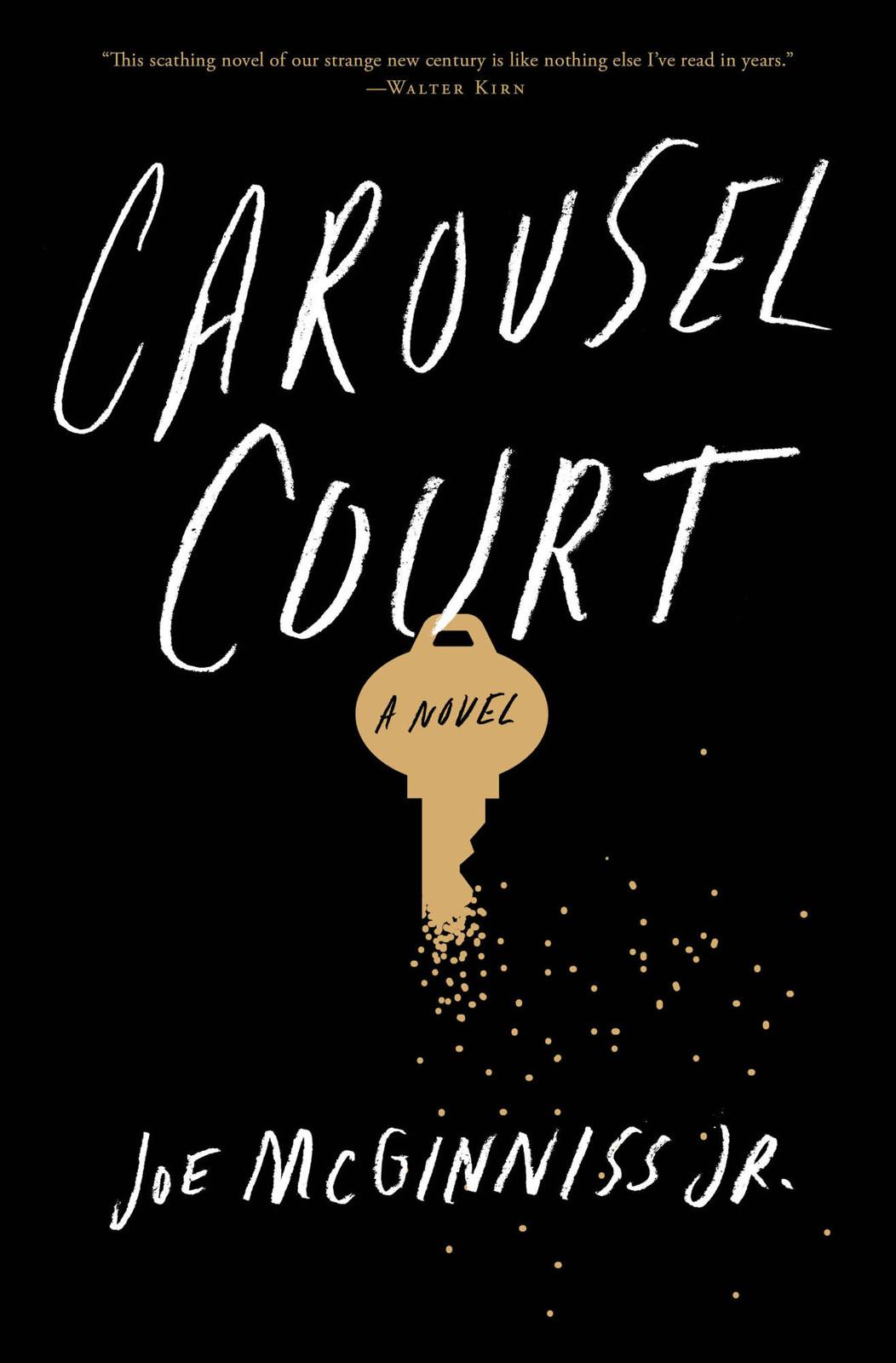
As bestselling author Walter Kirn says, “This scathing novel of our strange new century is like nothing else I’ve read in years.”
*Kirkus (Starred review): "A novel of unrelenting tension."
*Booklist: (Starred review): "Powerful"
*Publishers Weekly: "Propulsive…electric."
Following the breakout success of his “searing” (The New York Times Book Review) debut novel The Delivery Man, Joe McGinniss Jr. returns with Carousel Court: a bold, original, and exhilarating novel of marriage as blood sport that reads like Revolutionary Road for the era of The Unwinding.
Nick and Phoebe Maguire are a young couple with big dreams who move across the country to Southern California in search of a fresh start for themselves and their infant son following a devastating trauma. But they move at the worst possible time, into an economic crisis that spares few. Instead of landing in a beachside property, strolling the organic food aisles, and selecting private preschools, Nick and Phoebe find themselves living in the dark heart of foreclosure alley, surrounded by neighbors being drowned by their underwater homes who set fire to their belongings, flee in the dead of night, and eye one another with suspicion while keeping twelve-gauge shotguns by their beds. Trapped, broke, and increasingly desperate, Nick and Phoebe each devise their own plan to claw their way back into the middle class and beyond. Hatched under one roof, their two separate, secret agendas will collide in spectacular fashion.
A blistering and unforgettable vision of the way we live now, Carousel Court paints a darkly honest portrait of modern marriage while also capturing the middle-class America of vanished jobs, abandoned homes, psychotropic cure-alls, infidelity via iPhone, and ruthless choices.
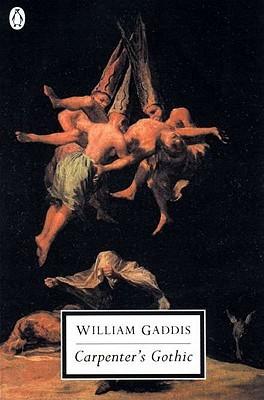
This story of raging comedy and despair centers on the tempestuous marriage of an heiress and a Vietnam veteran. From their "carpenter gothic" rented house, Paul sets himself up as a media consultant for Reverend Ude, an evangelist mounting a grand crusade that conveniently suits a mining combine bidding to take over an ore strike on the site of Ude's African mission. At the still center of the breakneck action-revealed in Gaddis's inimitable virtuoso dialoge-is Paul's wife, Liz, and over it all looms the shadowy figure of McCandless, a geologist from whom Paul and Liz rent their house. As Paul mishandles the situation, his wife takes the geologist to her bed and a fire and aborted assassination occur; Ude issues a call to arms as harrowing as any Jeremiad-and Armageddon comes rapidly closer. Displaying Gaddis's inimitable virtuoso dialogue, and his startling treatments of violence and sexuality, Carpenter's Gothic "shows again that Gaddis is among the first rank of contemporary American writers" (Malcolm Bradbury, "The Washington Post Book World").
"An unholy landmark of a novel-an extra turret added on to the ample, ingenious, audacious Gothic mansion Gaddis has been building in American letters" — Cynthia Ozick, "The New York Times Book Review"
"Everything in this compelling and brilliant vision of America-the packaged sleaze, the incipient violence, the fundamentalist furor, the constricted sexuality-is charged with the force of a volcanic eruption. "Carpenter's Gothic" will reenergize and give shape to contemporary literature." — Walter Abish

Un adolescente y su padre viajan por la España de 1974. El coche, un Citroën Tiburón, es lo único que poseen. Su vida es una continua mudanza, pero todos los apartamentos por los que pasan tienen al menos una cosa en común: el estar situados en urbanizaciones costeras, desoladas e inhóspitas en los meses de temporada baja. Bien pronto, sin embargo, tendrán que alejarse del mar y eso impondrá a sus vidas un radical cambio de rumbo. «Antes», comentará el propio Felipe «no´sabíamos hacia dónde íbamos pero al menos sabíamos por dónde.».A veces conmovedora y a veces amarga Carreteras secundarias es también una novela de humor cuyas páginas destilan un sobrio lirismo, en la que Ignacio Martínez de Pisón se ratifica coo uno de los mejores narradores de su generación.
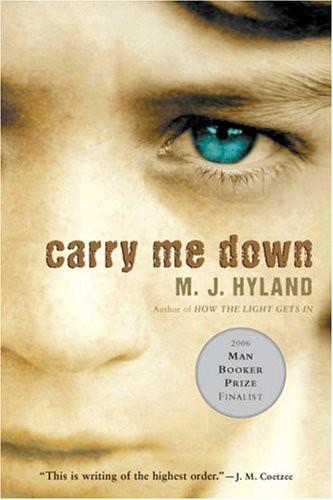
John Egan is a misfit — "a twelve year old in the body of a grown man with the voice of a giant" — who diligently keeps a "log of lies." John's been able to detect lies for as long as he can remember, it's a source of power but also great consternation for a boy so young. With an obsession for the Guinness Book of Records, a keenly inquisitive mind, and a kind of faith, John remains hopeful despite the unfavorable cards life deals him.
This is one year in a boy's life. On the cusp of adolescence, from his changing voice and body, through to his parents’ difficult travails and the near collapse of his sanity, John is like a tuning fork sensitive to the vibrations within himself and the trouble that this creates for he and his family.
Carry Me Down is a restrained, emotionally taut, and sometimes outrageously funny portrait whose drama drives toward, but narrowly averts, an unthinkable disaster.

Carta blanca se abre y se cierra con una guerra, la del RIF, en el Norte de Africa, y la Guerra Civil española pero es, sobre todo, la historia de una pasión, porque las huella de un amor verdadero son las que marcan de verdad el alma y el destino, un destino marcado inevitablemente por el desencanto, el conocimiento de los límites de la crueldad humana y el refugio del amor contra todo, frente a todo, como única redención y salida. Lorenzo Silva ha escrito, con la madurez de una prosa directa y sin concesiones, una novela soberbia, madura, descarnada, profundamente apasionada, que indaga en nuestro pasado y nos ofrece la figura carismática y apabullante de un antihéroe atípico y atractivo que debe vivir en una época convulsa en donde se extreman los sentimientos y la auténtica relevancia de nuestros actos.