 fb2
fb2
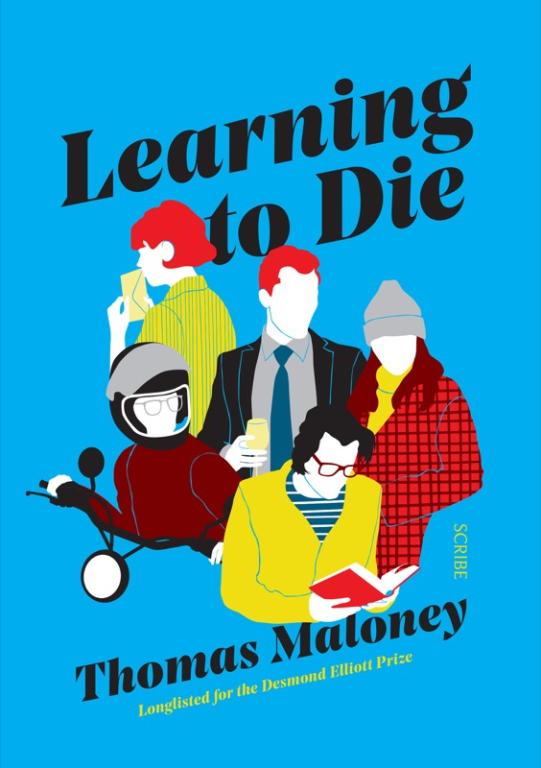
Death is a bird of paradise: we all know what it is, but it can be many different things that aren’t at all alike.
Is thirty already too late to reconsider? Natalie, usually so conscientious, can’t remember why her life is following Plan B. Dan’s unclouded vision of the universe has never extended to understanding his wife. But their marriage has some precious ember at its core, doesn’t it?
Meanwhile, trader Mike is relieved to discover that it doesn’t matter if there’s a void where the weightiest substance of your character should be. Fearless mountaineer Brenda sweats and trembles in a crowded room. And James, pacing and fidgeting in a cage of his own design, doesn’t know how to unfollow his dreams.
This vivaciously intelligent novel follows five characters as they confront a painful truth that none is expecting so soon, but that might just help them learn how to live.
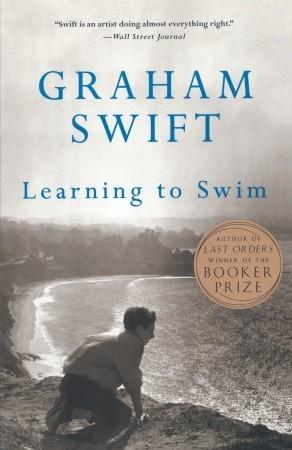
The men and women in these spare, Kafkaesque stories are engaged in struggles that are no less brutal because they are fought by proxy. In Graham Swift's taut prose, these quiet combative relationships-between a mismatched couple; an aging doctor and his hypochondriacal patient; a teenage refugee swept up in the conflict between an oppressively sentimental father and his rebellious son-become a microcosm for all human cruelty and need.
"Swift proves throughout this ambitious collection that he is a master of his language and the construction of provocative situations."-Houston Chronicle

A dirty rotten trail to murder!
It was a case that spelled trouble from the first come-on to the last bullet. I’m Percy Hand, not-so-private eye. You meet a lot of gals on the make in my business, but this case had too many dames.
It all started on the secluded patio of a blonde who liked nude sun-bathing. Before the case was over, one dame was dead, another missing, and The Mob was getting ready to write my epitaph in hot lead!
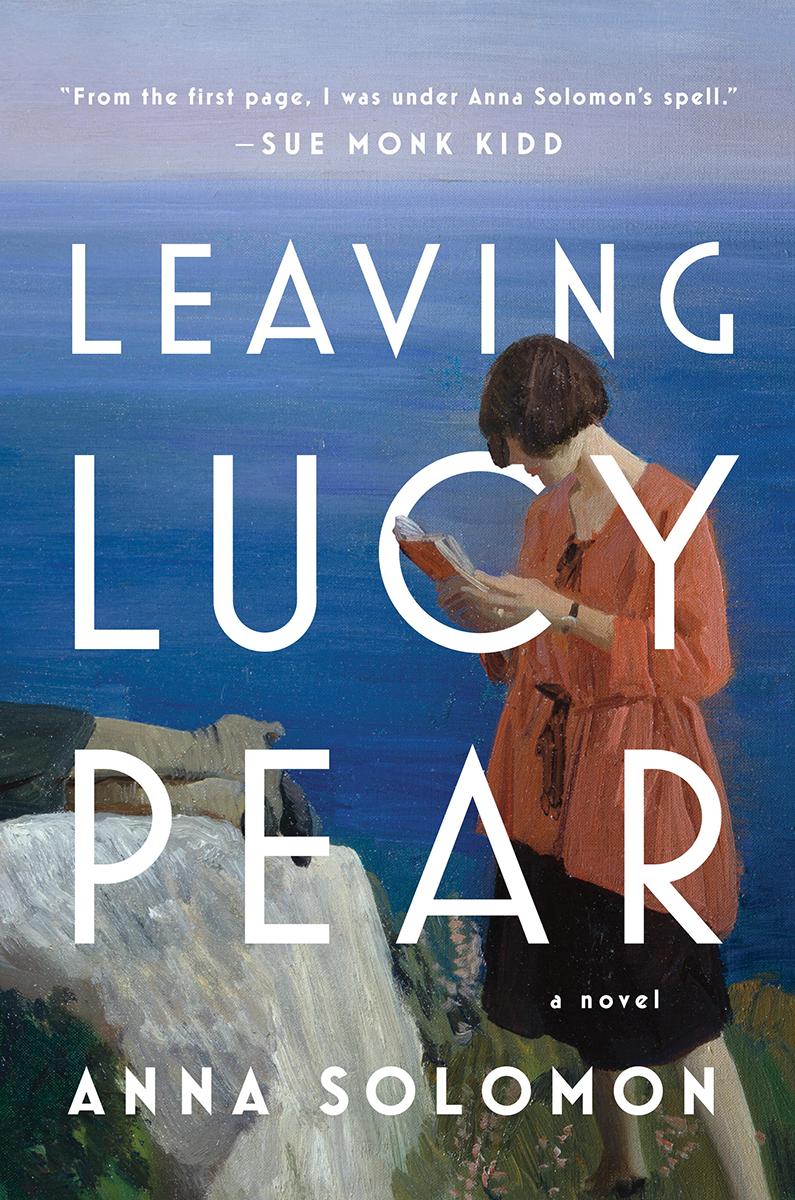
A big, heartrending novel about the entangled lives of two women in 1920s New England, both mothers to the same unforgettable girl.
One night in 1917 Beatrice Haven sneaks out of her uncle's house on Cape Ann, Massachusetts, leaves her newborn baby at the foot of a pear tree, and watches as another woman claims the infant as her own. The unwed daughter of wealthy Jewish industrialists and a gifted pianist bound for Radcliffe, Bea plans to leave her shameful secret behind and make a fresh start. Ten years later, Prohibition is in full swing, post-WWI America is in the grips of rampant xenophobia, and Bea's hopes for her future remain unfulfilled. She returns to her uncle’s house, seeking a refuge from her unhappiness. But she discovers far more when the rum-running manager of the local quarry inadvertently reunites her with Emma Murphy, the headstrong Irish Catholic woman who has been raising Bea's abandoned child — now a bright, bold, cross-dressing girl named Lucy Pear, with secrets of her own.
In mesmerizing prose, award-winning author Anna Solomon weaves together an unforgettable group of characters as their lives collide on the New England coast. Set against one of America's most turbulent decades, Leaving Lucy Pear delves into questions of class, freedom, and the meaning of family, establishing Anna Solomon as one of our most captivating storytellers.

Carmen Boullosa is one of Mexico's most acclaimed young writers, and Leaving Tabasco tells of the coming-of-age of Delmira Ulloa, raised in an all-female home in Agustini, in the Mexican province of Tabasco. The Washington Post Book World wrote, "We happily share with [Delmira]… her life, including the infinitely charming town she inhabits [and] her grandmother's fantastic imagination." In Agustini it is not unusual to see your grandmother float above the bed when she sleeps, or to purchase torrential rains at a traveling fair, or to watch your family's elderly serving woman develop stigmata, then disappear completely, to be canonized as a local saint. As Delmira becomes a woman she will search for her missing father, and will make a choice that will force her to leave home forever. Brimming with the spirit of its irrepressible heroine, Leaving Tabasco is a story of great charm and depth that will remain in its readers' hearts for a long time. "Carmen Boullosa… immerses us once again in her wickedly funny and imaginative world." — Dolores Prida, Latina "To flee Agustini is to leave not just a town but the viscerally primal dreamscape it represents." — Sandra Tsing Loh, The New York Times Book Review "A vibrant coming-of-age tale… Boullosa [is] a master…. Each chapter is an adventure." — Monica L. Williams, The Boston Globe
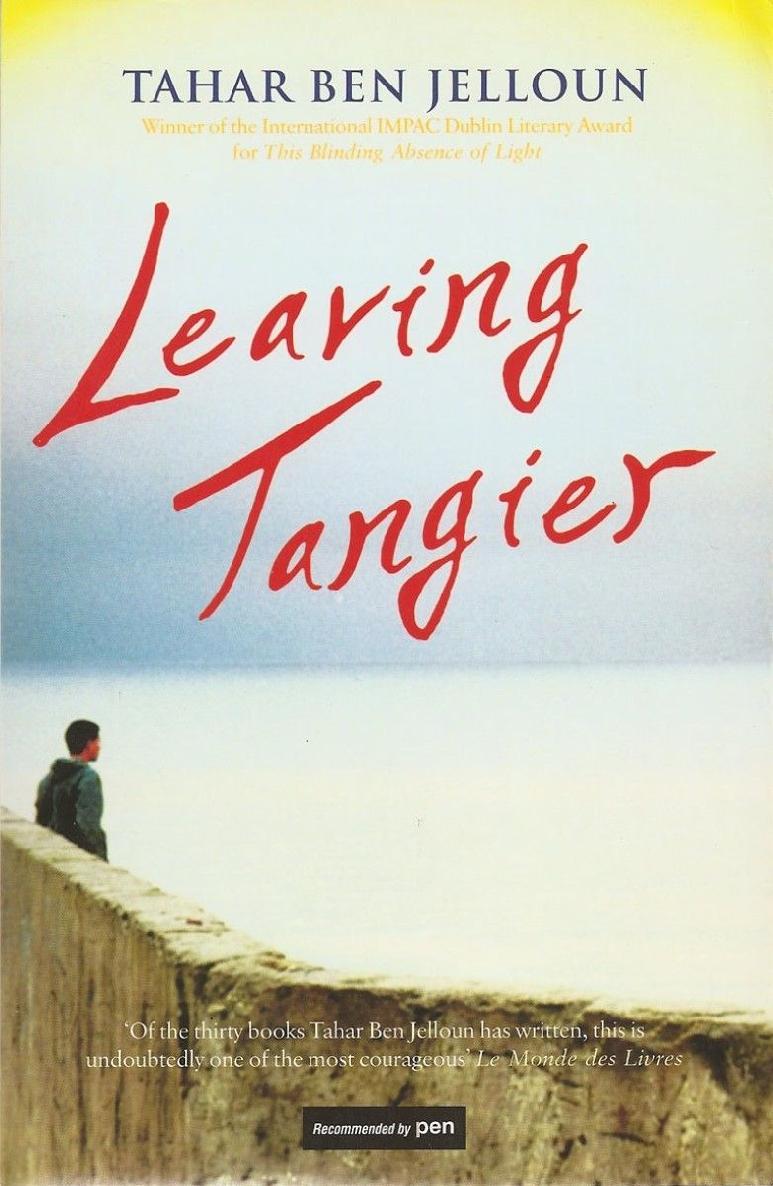
Young Moroccans gather regularly in a seafront cafe to gaze at the lights on the Spanish coast glimmering in the distance. A young man called Azel is intent upon leaving one way or another. At the brink of despair he meets Miguel, a wealthy Spanish gallery-owner, who promises to take him to Barcelona if Azel will become his lover.

Adam Gordon is a brilliant, if highly unreliable, young American poet on a prestigious fellowship in Madrid, struggling to establish his sense of self and his relationship to art. What is actual when our experiences are mediated by language, technology, medication, and the arts? Is poetry an essential art form, or merely a screen for the reader's projections? Instead of following the dictates of his fellowship, Adam's "research" becomes a meditation on the possibility of the genuine in the arts and beyond: are his relationships with the people he meets in Spain as fraudulent as he fears his poems are? A witness to the 2004 Madrid train bombings and their aftermath, does he participate in historic events or merely watch them pass him by?
In prose that veers between the comic and tragic, the self-contemptuous and the inspired, "Leaving the Atocha Station" is a portrait of the artist as a young man in an age of Google searches, pharmaceuticals, and spectacle.
Born in Topeka, Kansas, in 1979, Ben Lerner is the author of three books of poetry "The Lichtenberg Figures, Angle of Yaw, " and "Mean Free Path." He has been a finalist for the National Book Award and the Northern California Book Award, a Fulbright Scholar in Spain, and the recipient of a 2010–2011 Howard Foundation Fellowship. In 2011 he became the first American to win the Preis der Stadt Munster fur Internationale Poesie. "Leaving the Atocha Station" is his first novel.
From one of the most innovative and vital writers of his generation, an extraordinary collection of stories that showcases his gifts—and his range—as never before.
In the hilarious, lacerating “I Can Say Many Nice Things,” a washed-up writer toying with infidelity leads a creative writing workshop on board a cruise ship. In the dystopian “Rollingwood,” a divorced father struggles to take care of his ill infant, as his ex-wife and colleagues try to render him irrelevant. In “Watching Mysteries with My Mother,” a son meditates on his mother’s mortality, hoping to stave off her death for as long as he sits by her side. And in the title story, told in a single breathtaking sentence, we watch as the narrator’s marriage and his sanity unravel, drawing him to the brink of suicide.
As the collection progresses, we move from more traditional narratives into the experimental work that has made Ben Marcus a groundbreaking master of the short form. In these otherworldly landscapes, characters resort to extreme survival strategies to navigate the terrors of adulthood, one opting to live in a lightless cave and another methodically setting out to recover total childhood innocence; an automaton discovers love and has to reinvent language to accommodate it; filial loyalty is seen as a dangerous weakness that must be drilled away; and the distance from a cubicle to the office coffee cart is refigured as an existential wasteland, requiring heroic effort.
In these piercing, brilliantly observed investigations into human vulnerability and failure, it is often the most absurd and alien predicaments that capture the deepest truths. Surreal and tender, terrifying and life-affirming, Leaving the Sea is the work of an utterly unique writer at the height of his powers.

The place is Serbia, the time is the late 1990s. Our protagonist, a single man, writes a regular op-ed column for a Belgrade newspaper and spends the rest of his time with his best friend, smoking pot and talking about sex, politics, and life in general. One day on the shore of the Danube he spots a man slapping a beautiful woman. Intrigued, he follows the woman into the tangled streets of the city until he loses sight of her. A few days later he receives a mysterious manuscript whose contents seem to mutate each time he opens it. To decipher the manuscript — a collection of fragments on the Kabbalah and the history of the Jews of Zemun and Belgrade — he contacts an old schoolmate, now an eccentric mathematician, and a group of men from the Jewish community.
As the narrator delves deeper into arcane topics, he begins to see signs of anti-Semitism, past and present, throughout the city and he feels impelled to denounce it. But his increasingly passionate columns erupt in a scandal culminating in murder. Following in the footsteps of Foucault’s Pendulum, Leeches is a cerebral adventure into the underground worlds of secret societies and conspiracy theories.
In 2002 a Jewish man recalls the dying days of the Nazi occupation of Hungary and how, as a fourteen-year-old, he and his family were to be sent to the death camps before coming under the protection of legendary Swiss Vice-Consul, Carl Lutz, who saved tens of thou- sands of Hungarian Jews from almost certain death. Decades on he tries to make sense of his own past, his country and to learn more about Lutz who, like his contemporary in Bu- dapest Raoul Wallenberg, risked his own life to protect him and countless others. As a witness to the events of 1944-5 and one of Lutz's survivors, he is invited by Swiss television to be involved in a film about Lutz. Ivan Sandor's haunting novel, newly translated into English, the extraordinary achievements of Carl Lutz and the impressions of the older man recalling the past. Beyond the story itself, Legacy in- vestigates history, memory and how we understand the past — and how that is shaped by whoever happens to be telling the story.

In semiautobiographical stories set largely in David Vann's native Alaska, Legend of a Suicide follows Roy Fenn from his birth on an island at the edge of the Bering Sea to his return thirty years later to confront the turbulent emotions and complex legacy of his father's suicide.
A fictionalized narrative of the erratic, stylish life and deadly career of notorious twenties gangster Legs Diamond, told with equivocal disbelief by his attorney, Marcus Gorman.
His future is disastrous, his present indecent, his past divine. He is Darcy Dancer, youthful squire of Andromeda Park, the great gray stone mansion inhabited by Crooks, the cross eyed butler, and the sexy, aristocratic Miss Von B. This sequel to The Destinies of Darcy Dancer, Gentleman finds our hero falling in with decidedly low company — like the dissolute Dublin poet, Foxy Slattery, and Ronald Rashers, who absconds with the family silver — before falling head over heels in love with the lissome Leila.

Meilė užklumpa netikėtai - kai mažiausiai jos lauki ir ieškai. Atogrąžų saloje gydydama sielos žaizdas po tėvo mirties, Keitė Donovan sutinka paslaptingą vyrą, ir užplūdę jausmai jau nebepaleis jų, nepaisant visų intrigų ir kliūčių.

Džons Maksvels Kutze
Lēnīgais
Romāns
Pols Reiments ir ērti iekārtojies pavadīt atlikušo mūža daļu, kad viņa dzīves ritmu izjauc ceļu satiksmes negadījums: viņš brauc ar velosipēdu, un viņu notriec neuzmanīgs autovadītājs. Pēc atgūšanās no bezsamaņas viņam jāturpina dzīvot, taču tagad ka invalīdam, jo viņam amputēta kāja. Viņs algo kopēju, kurā iemīlas. Jauna žēlsirdības būtības — kontekstā parādās viņu jau agrāk nodarbinājušās problēmas, piemēram, pēctecības un mantojuma jautājums, kā arī autora un viņa radīto tēlu attiecības. 2007
«Lēnīgais» ir pirmais romāns, ko Dž. M. Kutzē uzrakstījis pēc Nobela prēmijas literatūrā saņemšanas 2003. gadā.
Džons Maksvels Kutzč dzimis Keiptaunā, Dienvidāfrikā 1940. gadā. Dž. M. Kutze raksta angliski, studējis angļu valodu un matematiku Keiptaunas universitātē, Teksasas universitātē Ostinā uzrakstījis disertāciju par Scmjuela Beketa daiļradi. Bijis angļu literatūras pasniedzējs Dienvidāfrikā, Austrālijā un ASV. Viņš ir pirmais rakstnieks, kurš divas reizes saņēmis Bukera balvu, 2003. gada saņēmis Nobela prēmiju literatūrā. Kopš 2002. gada dzivo Austrālijā.
No angļu valodas tulkojusi Karīna Tillberga
Noskanējis grāmatu un failu izveidojis Imants Ločmelis imantslochmelis@inbox.lv
Vēja Suņa Klasika
Latviski iznācis ari Džona Maksvela Kutze romāns «Negods»
J. M. Coetzee. Slow Man
Copyright © 2005 byj. M. Coetzee By arrangement with Peter Lampack Agency, Inc.
551 Fifth Avenue, Suite 1613 New York, NY 10176-0187 USA.
© Izdevniecība agb\ izdevums latviešu valodā, 2007 Krišjāņa Barona ielā 31, Rīgā, tālr. 67280464 www. izde vnieci ba .com
Izdevniecība AGB
Direktors Andris Bloks
Sērijas māksliniece Elīza Vanadziņa

A mystifying climatic incongruity begins the award-winning novel Lenin’s Kisses—an absurdist, tragicomic masterpiece set in modern day China. Nestled deep within the Balou mountains, spared from the government’s watchful eye, the harmonious people of Liven had enough food and leisure to be fully content. But when their crops and livelihood are obliterated by a seven-day snowstorm in the middle of a sweltering summer, a county official arrives with a lucrative scheme both to raise money for the district and boost his career. The majority of the 197 villagers are disabled, and he convinces them to start a traveling performance troupe highlighting such acts as One-Eye’s one-eyed needle threading. With the profits from this extraordinary show, he intends to buy Lenin’s embalmed corpse from Russia and install it in a grand mausoleum to attract tourism, in the ultimate marriage of capitalism and communism. However, the success of the Shuanghuai County Special-Skills Performance Troupe comes at a serious price.
Yan Lianke, one of China’s most distinguished writers — whose works often push the envelope of his country’s censorship system — delivers a humorous, daring, and riveting portrait of the trappings and consequences of greed and corruption at the heart of humanity.

"I, Hasan the son of Muhammad the weigh-master, I, Jean-Leon de Medici, circumcised at the hand of a barber and baptized at the hand of a pope, I am now called the African, but I am not from Africa, nor from Europe, nor from Arabia. I am also called the Granadan, the Fassi, the Zayyati, but I come from no country, from no city, no tribe. I am the son of the road, my country is the caravan, my life the most unexpected of voyages."
Thus wrote Leo Africanus, in his fortieth year, in this imaginary autobiography of the famous geographer, adventurer, and scholar Hasan al-Wazzan, who was born in Granada in 1488. His family fled the Inquisition and took him to the city of Fez, in North Africa. Hasan became an itinerant merchant, and made many journeys to the East, journeys rich in adventure and observation. He was captured by a Sicilian pirate and taken back to Rome as a gift to Pope Leo X, who baptized him Johannes Leo. While in Rome, he wrote the first trilingual dictionary (Latin, Arabic and Hebrew), as well as his celebrated Description of Africa, for which he is still remembered as Leo Africanus.

Vázquez-Figueroa nos lleva en esta novela al siglo XVII, y a partir de un naufragio en las costas atlánticas del Sahara, nos embarca en un periplo apasionante y apasionado, en el que el viaje geográfico y étnico se mezcla con un terrible viaje personal que lleva al protagonista a los límites de la razón y la muerte. Vázquez-Figueroa no es un autor suave ni condescendiente, por lo que sus historias, y ésta no lo es menos, son de una intensidad y de una dureza que si no fuera por su vitalismo y apasionado amor por las gentes y los lugares casi podría caer en lo morboso o en la crueldad gratuita. Pero no es así; en León Bocanegra nos aparece el relato de una aventura impresionante y terrible de un hombre que en la más pavorosa situación de abandono y desolación logra con un terrible viaje interior y exterior afrontar las terribles condiciones físicas y humanas de los distintos lugares y gentes de ese terrible continente que es África. Porque si León Bocanegra es el protagonista humano de esta novela, África con sus variados paisajes y lugares, así como los distintos tipos humanos con sus peculiares formas de afrontar la dura realidad que les rodea, es el otro gran protagonista de esta epopeya. No es la primera vez que Vázquez-Figueroa utiliza esta ambientación para situar uno de sus relatos, pues es ya conocida la fascinación del autor por este continente maravilloso y terrible, y por sus no menos maravillosas y terribles gentes.
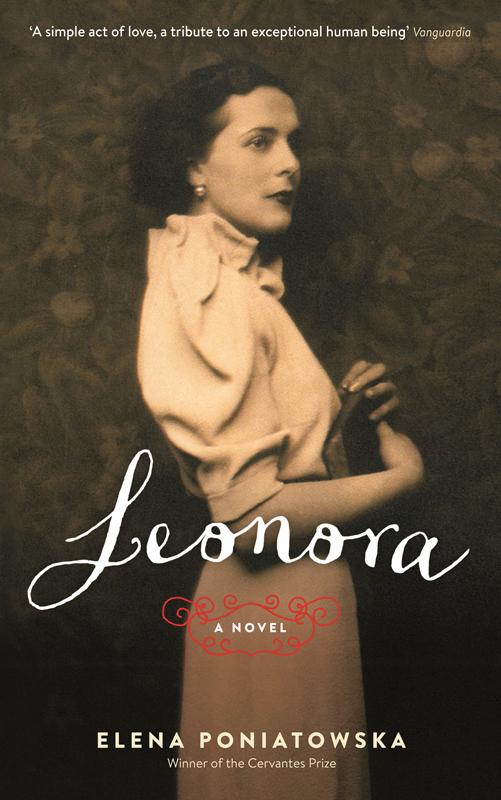
Born in Lancashire as the wealthy heiress to her British father's textiles empire, Leonora Carrington was destined to live the kind of life only known by the moneyed classes. But even from a young age she rebelled against the strict rules of her social class, against her parents and against the hegemony of religion and conservative thought, and broke free to artistic and personal freedom.
Today Carrington is recognised as the key female Surrealist painter, and Poniatowska's fiction charms this exceptional character back to life more truthfully than any biography could. For a time Max Ernst's lover in Paris, Carrington rubbed elbows with Salvador Dalí, Marcel Duchamp, Joan Miró, André Breton and Pablo Picasso. When Ernst fled Paris at the outbreak of the Second World War, Carrington had a breakdown and was locked away in a Spanish asylum before escaping to Mexico, where she would work on the paintings which made her name. In the hands of legendary Mexican novelist Elena Poniatowska, Carrington's life becomes a whirlwind tribute to creative struggle and artistic revolution.

"En fait, j'aurais tout aussi bien pu ne pas écrire. Après tout, ce n'est pas une obligation. Depuis la guerre, je suis resté un homme discret; grâce à Dieu, je n'ai jamais eu besoin, comme certains de mes anciens collègues, d'écrire mes Mémoires à fin de justification, car je n'ai rien à justifier, ni dans un but lucratif, car je gagne assez bien ma vie comme ça. Je ne regrette rien: j'ai fait mon travail, voilà tout; quant à mes histoires de famille, que je raconterai peut-être aussi, elles ne concernent que moi; et pour le reste, vers la fin, j'ai sans doute forcé la limite, mais là je n'étais plus tout à fait moi-même, je vacillais, le monde entier basculait, je ne fus pas le seul à perdre la tête, reconnaissez-le. Malgré mes travers, et ils ont été nombreux, je suis resté de ceux qui pensent que les seules choses indispensables à la vie humaine sont l'air, le manger, le boire et l'excrétion, et la recherche de la vérité. Le reste est facultatif."Avec cette somme qui s'inscrit aussi bien sous l'égide d'Eschyle que dans la lignée de Vie et destin de Vassili Grossman ou des Damnés de Visconti, Jonathan Littell nous fait revivre les horreurs de la Seconde Guerre mondiale du côté des bourreaux, tout en nous montrant un homme comme rarement on l'avait fait: l'épopée d'un être emporté dans la traversée de lui-même et de l'Histoire.