 fb2
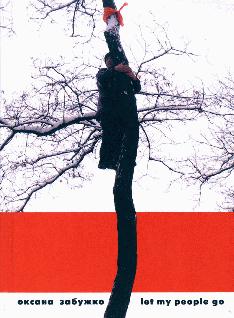
fb2У прозі мене завжди найбільше цікавило саме це — як, у який спосіб історія стає культурою. Як «перекладаються» мовою літератури принципово неохопні оком суспільні процеси, у котрі втягнено мільйони людей. Ця книжка — ні в якому разі не персональна письменницька «хроніка революції», хоча деякі, незнані українському читачеві, інформаційні штрихи до загального тої революції портрета вона, сподіваюсь, і додасть. Але насамперед це спроба відповісти на головне питання, яке мене тоді мучило, — як водночас проживати історію і писати про неї. Як, перебуваючи «всередині» неї, добувати з неї смисл — той, котрий зрештою й відкладається в арсеналі культурної пам'яти народу.
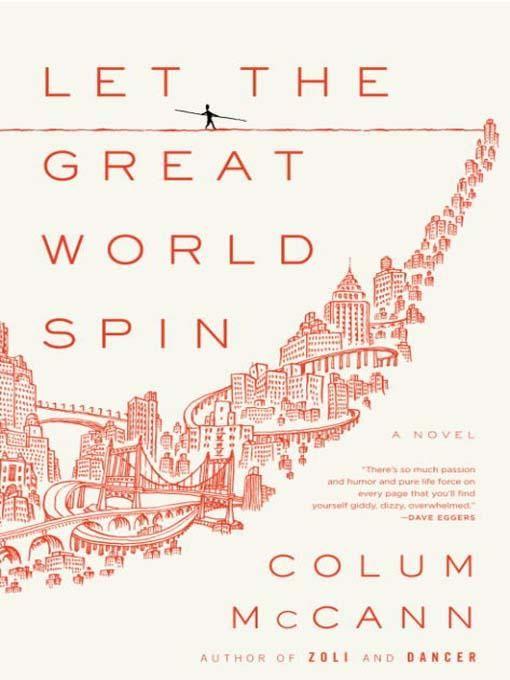
In the dawning light of a late-summer morning, the people of lower Manhattan stand hushed, staring up in disbelief at the Twin Towers. It is August 1974, and a mysterious tightrope walker is running, dancing, leaping between the towers, suspended a quarter mile above the ground. In the streets below, a slew of ordinary lives become extraordinary in bestselling novelist Colum McCann’s stunningly intricate portrait of a city and its people.
Let the Great World Spin is the critically acclaimed author’s most ambitious novel yet: a dazzlingly rich vision of the pain, loveliness, mystery, and promise of New York City in the 1970s.
Corrigan, a radical young Irish monk, struggles with his own demons as he lives among the prostitutes in the middle of the burning Bronx. A group of mothers gather in a Park Avenue apartment to mourn their sons who died in Vietnam, only to discover just how much divides them even in grief. A young artist finds herself at the scene of a hit-and-run that sends her own life careening sideways. Tillie, a thirty-eight-year-old grandmother, turns tricks alongside her teenage daughter, determined not only to take care of her family but to prove her own worth.
Elegantly weaving together these and other seemingly disparate lives, McCann’s powerful allegory comes alive in the unforgettable voices of the city’s people, unexpectedly drawn together by hope, beauty, and the “artistic crime of the century.”
A sweeping and radical social novel, Let the Great World Spin captures the spirit of America in a time of transition, extraordinary promise, and, in hindsight, heartbreaking innocence. Hailed as a “fiercely original talent” (San Francisco Chronicle), award-winning novelist McCann has delivered a triumphantly American masterpiece that awakens in us a sense of what the novel can achieve, confront, and even heal.
Each story can be seen from at least two perspectives, and each protagonist can be seen as experiencing an objective 'reality' or having his own imagined and quite possibly distorted view of events.
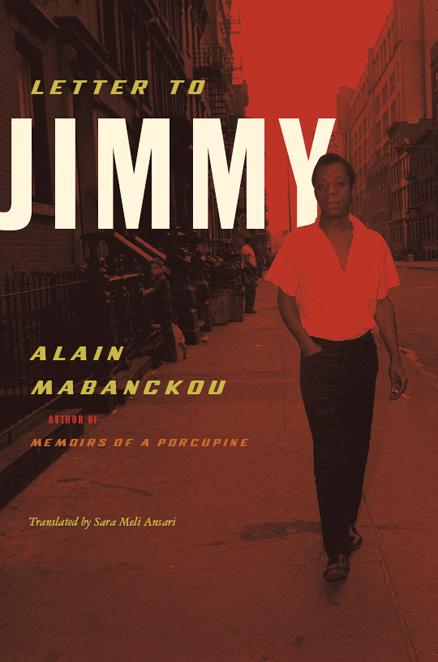
Written on the twentieth anniversary of James Baldwin’s death, Letter to Jimmy is African writer Alain Mabanckou’s ode to his literary hero and an effort to place Baldwin’s life in context within the greater African diaspora.
Beginning with a chance encounter with a beggar wandering along a Santa Monica beach — a man whose ragged clothes and unsteady gait remind the author of a character out of one of James Baldwin’s novels— Mabanckou uses his own experiences as an African living in the US as a launching pad to take readers on a fascinating tour of James Baldwin’s life. As Mabanckou reads Baldwin’s work, looks at pictures of him through the years, and explores Baldwin’s checkered publishing history, he is always probing for answers about what it must have been like for the young Baldwin to live abroad as an African-American, to write obliquely about his own homosexuality, and to seek out mentors like Richard Wright and Ralph Ellison only to publicly reject them later.
As Mabanckou travels to Paris, reads about French history and engages with contemporary readers, his letters to Baldwin grow more intimate and personal. He speaks to Baldwin as a peer — a writer who paved the way for his own work, and Mabanckou seems to believe, someone who might understand his experiences as an African expatriate.
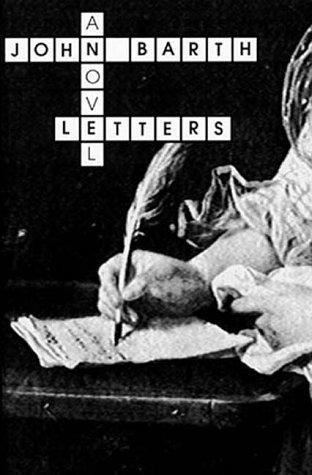
A landmark of postmodern American fiction, Letters is (as the subtitle genially informs us) "an old time epistolary novel by seven fictitious drolls & dreamers each of which imagines himself factual." Seven characters (including the Author himself) exchange a novel's worth of letters during a 7-month period in 1969, a time of revolution that recalls the U.S.'s first revolution in the 18th century — the heyday of the epistolary novel. Recapitulating American history as well as the plots of his first six novels, Barth's seventh novel is a witty and profound exploration of the nature of revolution and renewal, rebellion and reenactment, at both the private and public levels. It is also an ingenious meditation on the genre of the novel itself, recycling an older form to explore new directions, new possibilities for the novel.
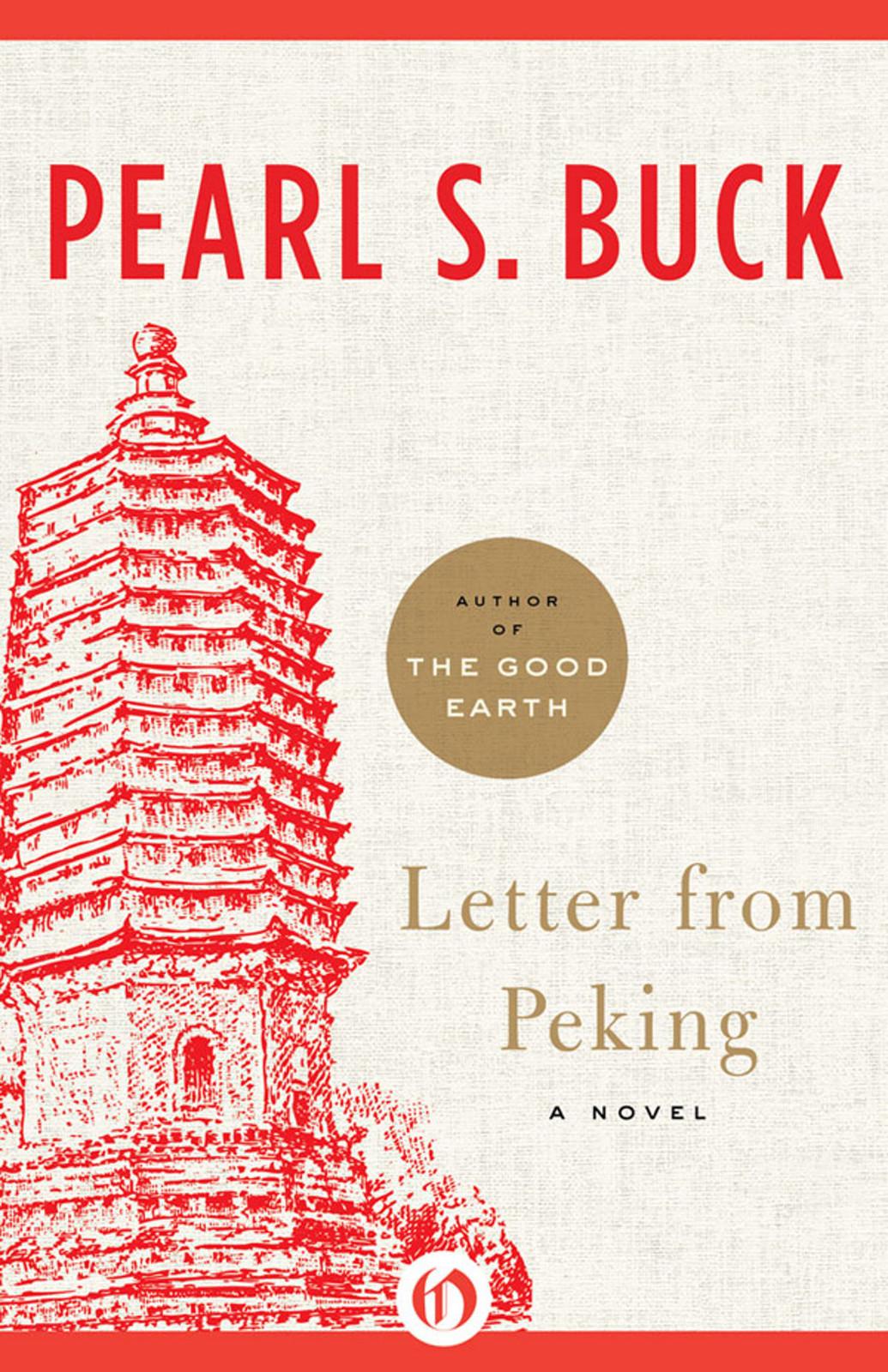
At the outbreak of war, a half-Chinese man sends his family back to America, beginning an absence punctuated only by his letters, and a son who must make sense of his mixed-race ancestry alone.
Elizabeth and Gerald MacLeod are happily married in China, bringing up their young son, Rennie. But when war breaks out with Japan, Gerald, who is half-Chinese, decides to send his wife and son back to America while he stays behind. In Vermont, Elizabeth longingly awaits his letters, but the Communists have forbidden him from sending international mail. Over time, both the silences and complications grow more painful: Gerald has taken up a new love and teenager Rennie struggles with his mixed-race heritage in America. Rich with Buck’s characteristic emotional wisdom, Letter from Peking focuses on the ordeal of a family split apart by race and history.
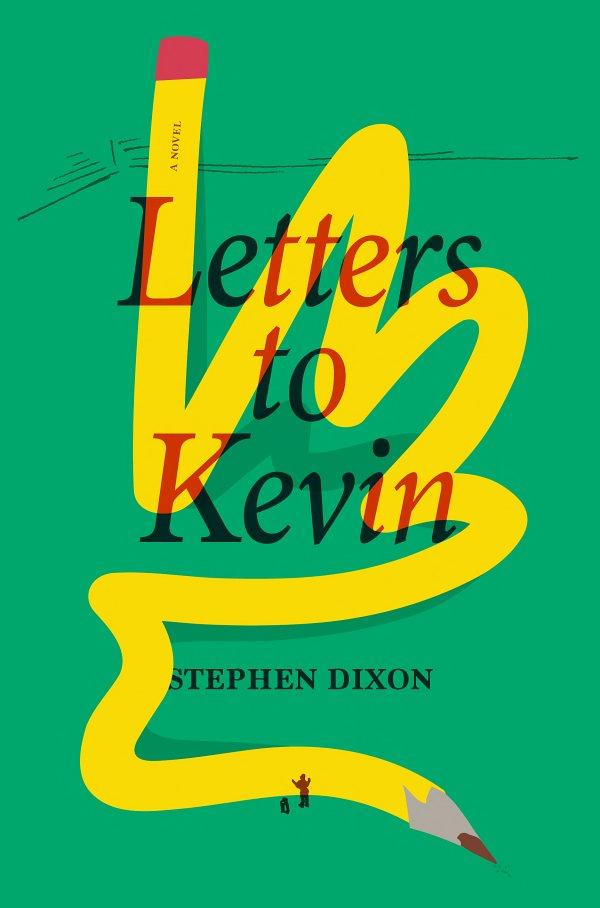
Rudy, a goodhearted fellow in New York, has been trying to phone Kevin Wafer, a kid he knows in Palo Alto, California. Only trouble is, one thing or another keeps getting in the way. For starters, Rudy doesn’t have a phone in his apartment, and he can’t manage to get a dial tone on his pillow or his alarm clock. When he tries to use a pay phone, the phone booth gets carried off by a crane, deposited in a warehouse, and left with Rudy trapped inside. What’s worse, the only repairman who shows up can’t help because he’s due to leave on his vacation and won’t be back for a month. Rudy tries to call for help, but all he can get on the line are other people locked inside other phone booths located other in warehouses all over the world. The only sensible thing for Rudy to do is to sit down with his trusty portable typewriter and write Kevin a letter, telling him what’s happened. Like Bob Dylan’s “115th Dream,” Letters to Kevin obeys a certain logic, but it’s a shifty, nighttime logic that’s full of surprises. Letters to Kevin is an absurdist, screwball farce, and certainly Stephen Dixon’s wildest and weirdest book ever. It’s also, sneakily, one of his most affecting.
Rudy, a goodhearted fellow in New York, has been trying to phone Kevin Wafer, a kid he knows in Palo Alto, California. Only trouble is, one thing or another keeps getting in the way. For starters, Rudy doesn’t have a phone in his apartment, and he can’t manage to get a dial tone on his pillow or his alarm clock. When he tries to use a pay phone, the phone booth gets carried off by a crane, deposited in a warehouse, and left with Rudy trapped inside. What’s worse, the only repairman who shows up can’t help because he’s due to leave on his vacation and won’t be back for a month. Rudy tries to call for help, but all he can get on the line are other people locked inside other phone booths located other in warehouses all over the world. The only sensible thing for Rudy to do is to sit down with his trusty portable typewriter and write Kevin a letter, telling him what’s happened. Like Bob Dylan’s “115th Dream,” Letters to Kevin obeys a certain logic, but it’s a shifty, nighttime logic that’s full of surprises. Letters to Kevin is an absurdist, screwball farce, and certainly Stephen Dixon’s wildest and weirdest book ever. It’s also, sneakily, one of his most affecting.
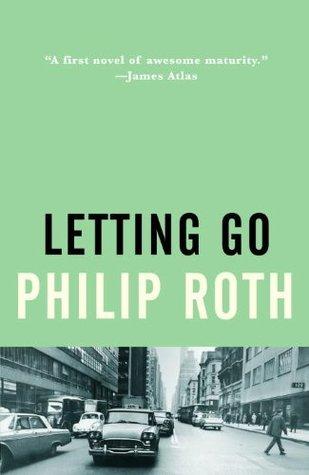
Letting Go is Roth's first full-length novel, published just after Goodbye, Columbus, when he was twenty-nine. Set in 1950s Chicago, New York, and Iowa city, Letting Go presents as brilliant a fictional portrait as we have of a mid-century America defined by social and ethical constraints and by moral compulsions conspicuously different from those of today.
Newly discharged from the Korean War army, reeling from his mother's recent death, freed from old attachments and hungrily seeking others, Gabe Wallach is drawn to Paul Herz, a fellow graduate student in literature, and to Libby, Paul's moody, intense wife. Gabe's desire to be connected to the ordered "world of feeling" that he finds in books is first tested vicariously by the anarchy of the Herzes' struggles with responsible adulthood and then by his own eager love affairs. Driven by the desire to live seriously and act generously, Gabe meets an impassable test in the person of Martha Reganhart, a spirited, outspoken, divorced mother of two, a formidable woman who, according to critic James Atlas, is masterfully portrayed with "depth and resonance."
The complex liason between Gabe and Martha and Gabe's moral enthusiasm for the trials of others are at the heart of this tragically comic work.
Un escritor es un hombre como otros: sueña. Y mi sueño fue el de poder decir de este libro, cuando lo terminase: «Esto es el Alentejo». De los sueños, sin embargo, nos despertamos todos, y ahora heme aquí, no delante del sueño realizado, sino de la concreta y posible forma del sueño. Por eso me limitaré a escribir: «Esto es un libro sobre el Alentejo». Un libro, una simple novela, gente, conflictos, algunos amores, muchos sacrificios y grandes hambres, las victorias y los desastres, el aprendizaje de la transformación, muertes. Es un libro que quiso aproximarse a la vida, y ésa sería su más merecida explicación. Lleva como título y nombre, para buscar y ser buscado, estas palabras sin ninguna gloria: Levantado del suelo. Del suelo sabemos que se levantan las cosechas y los árboles, se levantan los animales que corren por los campos o vuelan sobre ellos, se levantan los hombres y sus esperanzas. También del suelo puede levantarse un libro, como una espiga de trigo o una flor brava. O un ave. O una bandera. En fin, ya estoy otra vez soñando. Como los hombres a los que me dirijo.
JOSÉ SARAMAGO
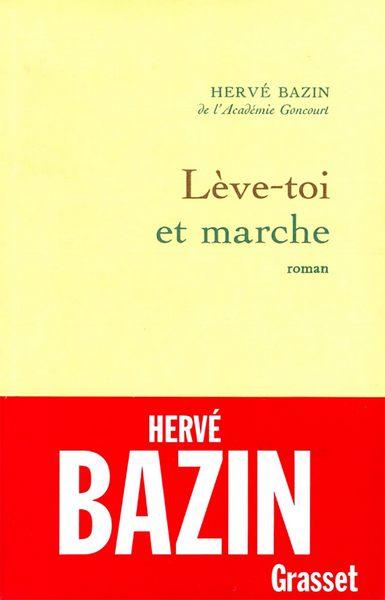
Ordinaire, la vie de Constance, vingt ans, ne le sera pas. Paralysée, elle aura une influence décisive sur les êtres qu'elle a choisis pour agir à sa place. Mais le mal dont elle est atteinte empirera et, malgré sa volonté farouche, il ne lui sera même pas accordé de vivre par personnes interposées.
Contre une morale formelle et consacrée, Constance est le champion de la sincérité et de la générosité constructive. Elle incarne le courage personnel, et se raillant elle-même avec un désespoir discret, elle remplace ce premier devoir humain : dominer les servitudes du destin.
Courageux, poignant, tendre et sensible, Lève-toi et marche est un des grands romans d'Hervé Bazin.
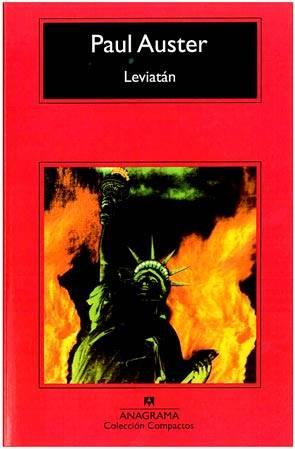
Todo comienza con un muerto anónimo: en una carretera de Wisconsin, un día de 1990, a un hombre le estalla una bomba en la mano y vuela en mil pedazos. Pero alguien sabe quién era, y con el FBI pisándole los talones -algunos indicios le relacionan con el subversivo cadáver-, Peter Aaron decide contar su historia, dar su versión de los hechos y del personaje, antes de que la historia y las mitologías oficiales establezcan para siempre sus falsedades -o verdades a medias- como la verdad.
Y así, Peter Aaron, escritor (y peculiar alter ego de Paul Auster: su nombre tiene las mismas iniciales y ha escrito una novela llamada Luna, tal como el propio Auster escribiera El Palacio de la Luna ), escribirá Leviatán, la biografía de Benjamin Sachs, el muerto, también escritor y objetor de conciencia encarcelado durante la guerra de Vietnam, desaparecido desde el año 1986, autor de una novela de juventud que le convirtiera fugazmente en un escritor de culto, posiblemente un asesino, y angustiado agonista de un dilema contemporáneo: ¿literatura o compromiso político? ¿Realidad o ficción? Pero la biografía es doble -el biógrafo frente al biografiado, como alguien frente a un espejo que le devuelve la imagen de otro- porque es también la de Peter Aaron, para quien Sachs no era sólo un amigo amado y desaparecido, sino también un síntoma de su absoluta ignorancia, un emblema de lo incognoscible. Y porque Peter no sería lo que es si quince años antes no hubiera conocido a Benjamin, ni Benjamin habría cumplido su explosivo destino si en su vida no hubiera aparecido Peter, dando lugar a un ineludible, azaroso, laberíntico, austeriano encadenamiento de circunstancias.
“Una muy inteligente novela política acerca de nuestra sociedad, pero también una ficción fascinante sobre dos escritores, sobre dos concepciones de la literatura” (Mark Illis, The Spectator).
“Paul Auster escribe con la facilidad y la elegancia de un experimentado jugador de billar y envía un extraño acontecimiento rodando contra otro, en una brillante e inesperada carambola” (Michiko Kakutani, The New York Times).
“La novela está llena de historias dentro de historias, encadenadas por un argumento que es lineal sólo en apariencia. Un enredo fascinante, escrito con una prosa deliberadamente escueta a pesar de su perfección, tensa como una cuerda de acero que une las brillantes gemas de la narración” (T. Mallon, The Washington Post).
“Transparente como una luz de invierno, emocionante como una novela policíaca, Leviatán es quizá la novela más hermosa de Paul Auster” (Catherine Argand, Lire)
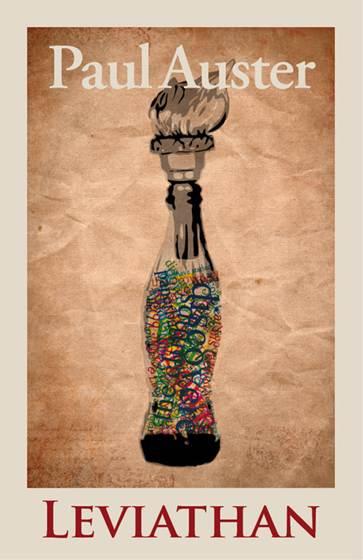
Niewiarygodne perypetie Benjamina Sachsa, opisane przez jego przyjaciela Petera Aarona (obydwaj są pisarzami), to, jak często u Austera, ciąg przypadków odzwierciedlających bogactwo, złożoność i wieloznaczność ludzkiego życia, tym razem splecionych z realną, historyczną rzeczywistością. Lewiatan to nie tylko państwo-potwór pożerające swych obywateli, lecz zarazem sumienie prowadzące do samounicestwienia: sumienie "Ducha Wolności" wysadzającego w powietrze repliki nowojorskiej Statue of Liberty. Ben Sachs to kolejny Austerowski antybohater o psychice zagubionej w labiryncie świata.

Su primera obra, Leyendas de Guatemala (1930), es una coleccion de cuentos y leyendas mayas.
Leyendas de Guatemala (1930), crónica de prodigios fantásticos en la que las leyendas míticas del pueblo maya-quiché se funden con las tradiciones del pasado colonial guatemalteco y las ciudades indígenas de Tikal y Copán se aúnan con Santiago y Antigua, fundadas por los españoles. La batalla entre los espíritus de la tierra y los espíritus divinos es narrada por la prosa evocadora y exuberante del Premio Nobel de Literatura de 1967, colmada de imágenes deslumbrantes.

For a few years, this book was everywhere-if by everywhere one means used bookstore shelves and remainder tables-a very visible reminder of what happens when the publishing industry misjudges a print run. I bought three or four copies of the book, not because I didn't remember buying it but because every six months the price would be even lower. The copy I read was a two dollar paperback, but I'm sure there's the dollar hardcover still on my shelves, probably right next to where the three dollar and four dollar hardcovers used to sit. Stupidly, I assumed that this meant Libra was a bad book, an assumption my seven dollar copy of Infinite Jest should have disproved. But even after reading and enjoying White Noise, I didn't think of reading Libra. Only recently, scrambling around on my shelves for prose that would actually inspire me, did I pick it up. I'm ashamed to admit I was desperate, yet the shame is mitigated by the rewards I received.
Libra is proof that the best authors can do anything they want. A book about Lee Harvey Oswald, Libra manages to get into Oswald's head and yet leave him a mystery because DeLillo knows the degree to which some men are enigmas even to themselves. A book about the history of event, and the John F. Kennedy assassination, Libra is also a study of the men who shape history, and the men who record history. And best of all, a book about society and the forces sweeping through it, Libra feels like a personal statement, an honest challenge to measure oneself, an expression of intimacy in recounting an event in which so many have lost themselves by creating paranoid spirals that are both joyous and dreadful celebrations of the helplessness of the self.
DeLillo accomplishes this by doing what I believe is a fairly radical act: daring to empathize with Lee Harvey Oswald (I can't help but think this is what led George Will to denounce Libra as "an act of literary vandalism and bad citizenship"). I barely know anything about DeLillo, and yet even to me, the very first section, In The Bronx, a section that opens with an anonymous "he" riding the subway to the ends of the city ("There was so much iron in the sound of those curves he could almost taste it, like a toy you put in your mouth when you are little."), seems an acknowledgment of equivalency-DeLillo grew up in the Bronx, and generously gives young Oswald, who is living there at the book's opening, the keenly observed details only a longtime resident or a talented artist might notice. From this, DeLillo measures Oswald's meandering grasping life in terms with which any struggling artist, feeling adrift and alone in the grip of a desire to accomplish something great, could identify. (Until finally, after the shooting of Kennedy, Oswald making his way through the poor section of Dallas avoiding police, there is this: "A dozen old hair-drying machines stood along the curbside. A mattress on a lawn. He wanted to write short stories about contemporary American life.") By the end, DeLillo gives us Oswald as someone almost like Kafka's hunger artist ("He is commenting on the documentary footage even as it is being shot. Then he himself is shot, and shot, and shot, and the look becomes another kind of knowledge. But he has made us part of his dying."), revealing the horror of art and its motivations when they cannot escape into art's abstract realm.
Libra also considers the men who might have been involved in the plot to kill a president, moving inside the heads of George de Mohrenschildt, crime lord Carmine Latta, Jack Ruby, Agency spook T.J. Mackey and most stunningly David Ferrie, the odd hairless man somehow always at the center of everything. Ferrie was a man who might have been famously eccentric on his own, what with his rare disease that rendered him completely hairless, and resultant crazy wigs and glued on eyebrows, and pilot's uniforms, and open homosexuality, and links to crime figures, gunrunners, and other figures not normally given to mingling with openly gay wig-wearing hairless men. He feels fully like a literary creation, endlessly chattering on about death, about cancer, about fear, about ESP and hypnotism and astrology, but David Ferrie was a very real figure-one whom DeLillo manages to recreate so completely it feels like an act of utter invention.
And so, mirroring DeLillo, there's Win Everett, a CIA man disgraced by his role in the Bay of Pigs disaster, who hatches the Kennedy assassination plot and similarly finds himself creating a man who already exists. (Everett creates forged documents and fake items to cast Oswald's life in a strangely ambiguous light, so that investigators will continue to follow all the twisting paths to the truths Everett wishes them to discover. But he finds that Oswald, independently of Everett, is creating such a life already, following Everett's plans without actually knowing them.) In the shadow of retirement, Everett plans to refire his countrymen's passion for a democratic Cuba by using a failed assassination attempt on Kennedy; an attempt that, in the following investigation, will also throw light on the CIA's role (and his own) in the overthrow of Cuba. Everett is the artist at another extreme, safely installed in American culture (married, with a young daughter, teaching at Texas Women's University), and yet also plotting to change the way Americans see America, with a plan that, like the best literature, mixes the deeply personal with the sweepingly resonant. It is Everett that observes: "Plots carry their own logic. There is a tendency of plots to move toward death. He believed that the nature of death is woven into the nature of every plot. A narrative plot no less than a conspiracy of armed men." It is, of course, the observation of a writer.
Everett's twin is Nicholas Branch, a present-day senior analyst of the CIA, hired by them on contract to write the secret history of the assassination of President Kennedy. Branch is thus both a writer and literary critic of historic event: "Let's devote our lives to understanding this moment, separating the elements of each crowded second. We will build theories that gleam like jade idols, intriguing systems of assumption, four-faced, grateful." Throughout most of the book, a section on Branch usually immediately follows or precedes a section on Everett, joining them in the reader's mind, and it is Branch who gets the lines Kennedy conspiracy theorists (of which I could consider myself, if there is a weight division below "piker") will find the richest, such as referring to the Warren Report as "the megaton novel James Joyce would have written if he'd moved to Iowa City and lived to be a hundred" and commenting on how different Oswald looks from one photo to the next. (I laughed out loud at the description of a famous photo of Oswald as a marine, with a group of fellow marines on a rattan mat under palm trees: "Four or five men face the camera. They all look like Oswald. Branch thinks they look more like Oswald than the figure in profile, officially identified as him." This was doubly funny to me having just seen the photo on the web, the day before I read that section, and, without registering it, having thought the same thing.) (Of course, now, just a few days later, I can't find that photo online anymore.)
And it is through Branch, I think, that DeLillo writes the lines emphasizing how the creation of event and the creation of fiction are conjoined. Referring to Branch's paper-laden workroom, there is this: "This is the room of dreams, the room where it has taken him all these years to learn that his subject is not politics or violent crimes but men in small rooms." The men in Libra, including Lee Harvey Oswald, are such men, as are all writers. But Libra is all too aware of how such men, like Branch himself (in his small room seeing his subject as men in small rooms), and perhaps like all men, are ultimately only capable of writing on the vast skein of reality not what they do know, but merely tacit admissions of everything they don't know-about themselves and about the world, and about the strange vector where the two unknown variables meet, creating the ambiguous equations of history.

For the last year, Library Cat – the resident cat of Edinburgh University Library – has been watching. As a Human, you may not feel that watching is a particularly extraordinary thing for a cat to do. But Library Cat is different. Because not only was Library Cat watching, he was also thinking.
Library Cat is a thinking cat. Thinking cats are rare. Look closely, though, and maybe you’ll spot one… The canny glint to the eye? The arched, disdainful whiskers? The unrelenting interest in books and piles of paper? That’s a thinking cat!
This is a story about Library Cat, about his favourite turquoise chair in the library and his favourite food (bacon-rind). But, more importantly, this is a story about Library Cat’s thoughts and his own search for completeness in this fractured world.
And it’s about us Humans, too. You see, with his black and white head bobbing a foot off the ground, Library Cat has seen us Humans from a very different angle…
…and he’s seen it all; from shame to sandwiches, from litter to love, from aeroplanes to Lord Byron.
And he has some news: he thinks us Humans have it all wrong. And he’s going to show us why.
LIBRARY CAT is a funny, witty and irreverent look at the world, seen through the unusually observant eyes of Edinburgh University Library’s resident cat.
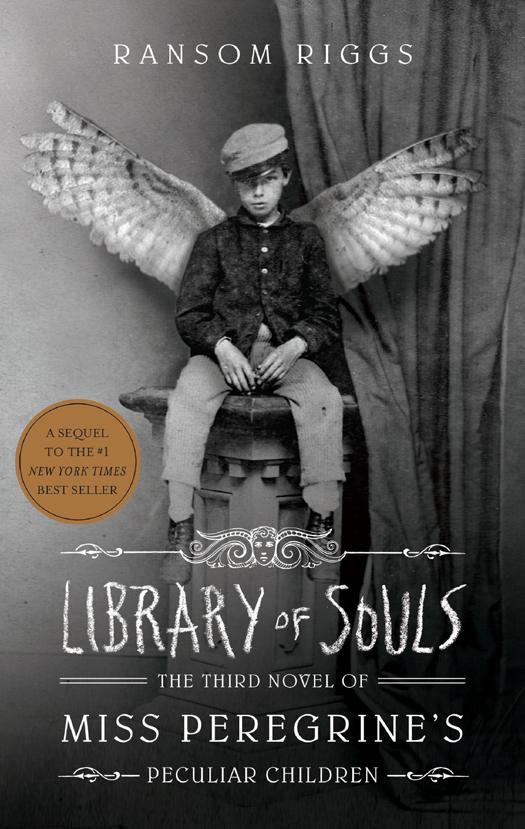
Time is running out for the Peculiar Children. With a dangerous madman on the loose and their beloved Miss Peregrine still in danger, Jacob Portman and Emma Bloom are forced to stage the most daring of rescue missions. They'll travel through a war-torn landscape, meet new allies, and face greater dangers than ever. . . . Will Jacob come into his own as the hero his fellow Peculiars know him to be? This action-packed adventure features more than 50 all-new Peculiar photographs.
“Una de las novelas más importantes de nuestro tiempo” – The Times Literary Supplement
“El libro que usted estaba esperando desde que leyó ‘En busca del tiempo perdido’ o ‘La montaña mágica’ – The New Republic
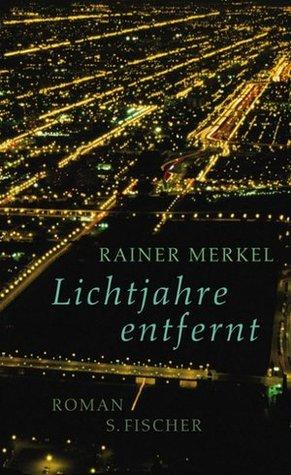
In seinem neuen Roman erzählt Rainer Merkel Szenen einer erlöschenden Liebe. Ein Mann muss zum Flughafen. Er hat es eilig, aber seine Erinnerungen halten ihn auf. Hier in New York hat er seine langjährige Freundin noch einmal getroffen. Ein letztes Mal. In immer neuen Anläufen kreisen seine Gedanken um das Zentrum der Katastrophe. Er erinnert sich an die dramatischen Ereignisse der letzten Monate. Eine Reise durch Kalifornien, die mitten in der Wüste in einem namenlosen Hotel endet. In der Erinnerung erscheint diese Nacht grell und überbelichtet, und die Suche nach der Wahrheit wird zu einem sexuellen Geständnis, einem Geständnis ohne Zuhörer, einem Monolog ohne Publikum. Kurz vor seinem Rückflug erkennt er plötzlich, dass es eine Möglichkeit der Rettung gegeben hätte.»Was bleibt von den Nächten zurück, die man zusammen verbringt? Ich muss zurückrechnen. Nacht für Nacht. In einer systematischen Erinnerungsarbeit, und wenn man alles noch einmal durchgeht, findet sich vielleicht der entscheidende Moment, der Augenblick, nach dem ich schon die ganze Zeit suche.«

Miał prostą dewizę: "Człowiek umiera, kiedy przyjdzie jego pora, lub kiedy się doigra!" Kochał giganta, jako lidera nowego imperium i hodował mikrusa, jako lidera nowej partii. Że nie zawsze wszystko idzie według planu – zrozumiał, kiedy pułkownik Heldbaum mu rzekł: – Umrzesz jak każdy, na tym polega demokracja…