
 fb2
fb2"Métaphysique des tubes" est une autobiographie écrite par Amélie Nothomb. Dans ce livre l'auteur nous décrit sa vie de l'age de 0 à 3 ans avec un style simple et drôle. Même si le début du texte paraît à première vue compliqué, il ne faut surtout pas s'arrêter à cet obstacle car la suite est vraiment passionnante.
Au début, l'auteur nous expose une théorie selon laquelle Dieu serait un tube et nous explique alors le titre de son œuvre: l'auteur veut rechercher au delà des apparences des réponses sur son existence, la vie, Dieu…
A sa naissance l'auteur définit sa vie comme celle d'un Dieu ou plutôt d'un tube: elle existe, mais ne ressent aucun manque et est le centre de l'univers. L'enfant (ou le tube) ne bouge pas, ne crie pas, ses parents l'appellent donc " la plante " en référence au légume qu'il était. Cet état presque léthargique va être suivi d'un état très différent où le bébé cri, hurle, tape pour exprimer son mécontentement, sa frustration. En effet, il s'aperçoit qu'il n'est plus le centre du monde, qu'il n'a plus le pouvoir absolu d'exister car il ne peut pas parler, il a beau crier aucune personne n'a l'air de le comprendre, il n'impose pas son pouvoir.
Puis un jour, l'enfant renaît par la grâce d'un bout de chocolat blanc tendu par sa grand-mère. En réalité, l'enfant revit car il a découvert qu'il a de l'emprise, du pouvoir sur ce bâton de chocolat, car en le mangeant celui-ci devient du plaisir. A partir de cette renaissance l'enfant retrouve une vie " normale " mais ne cesse pas d'être un Dieu car au Japon un enfant de moins de 3 ans est considéré comme tel.
C'est à partir de ce moment, que l'auteur arrête de baser son récit sur des souvenirs évoqués par ses parents et utilise ses propres souvenirs. La partie qu'on appellera vie post-natale [car l'auteur ne considère pas être né avant l'évènement du chocolat], ne prend qu'une courte place dans l'œuvre. Ainsi 2 ans et demi de la vie d'Amélie Nothomb prend moins de place que une demi-année.
Cette autobiographie s'arrête à l'age de 3 ans juste après son " suicide " car l'auteur annonce qu'après " il ne s'est plus rien passé ". En effet, celle-ci pense qu'après 3 ans on ne vit plus, on s'habitue. Ce livre fait beaucoup de références à la mort, ce qui nous renvois à l'étude de l'existence et donc au titre de l'œuvre: l'auteur a bien respecté son pacte annoncé par le titre.
On peut dire que l'auteur termine son livre à 3 ans car c'est vers cet age qu'elle apprend qu'elle ne restera pas éternellement au Japon. Cette nouvelle sera une grande révélation pour elle et ce livre met bien en valeur l'importance de son pays natal et explique la trace que le Japon a eut et a toujours sur l'auteur. Une trace qui reste dans ses souvenirs et dans son écriture.
On remarque aussi que le récit s'arrête lorsque l'enfant, dans les coutumes japonaises, n'est plus considéré comme un Dieu. On peut en déduire que ce roman fait refléter le sentiment d'égocentrisme des enfants avant l'age de 3 ans qui se croient le centre du monde.
Cette autobiographie est attachante car elle raconte les souvenirs du point de vue de l'enfant, on découvre alors ses questions, ses jeux, ses explications. Comme lorsqu'elle s'imagine que " consul " veut dire égoutier et qu'elle laisse son père coincé dans une bouche d'égout car elle pense qu'il est au travail. Ou bien, lorsqu'elle choisit quels seront ses trois premiers mots.
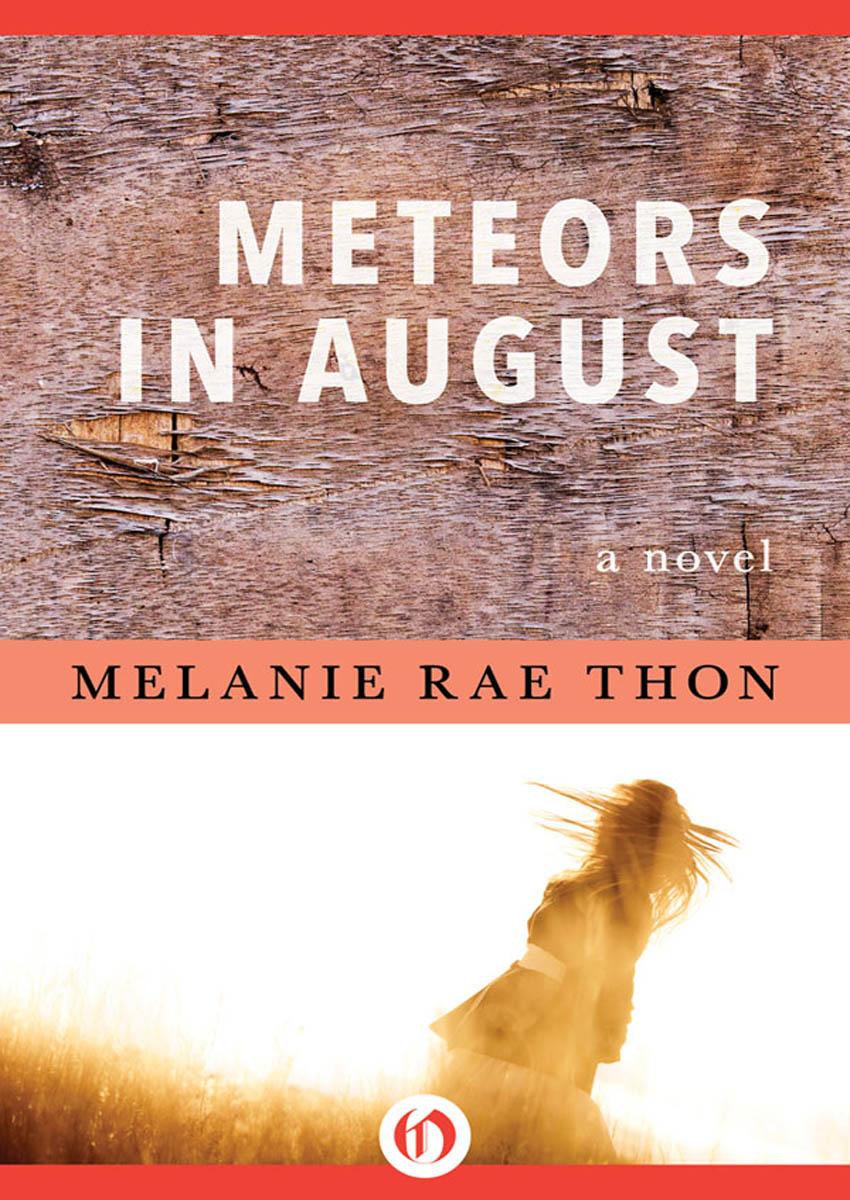
Charged by lyrical prose and vivid evocations of a more-than-human world, Meteors in August proves itself a magnificent debut, a tale of despair and salvation in all their many forms.
Lizzie Macon is seven when her father drives a Native American named Red Elk out of their valley and comes home with blood on his clothes. The following year, her older sister, Nina, cuts her head from every family photograph and runs away with Red Elk’s son and their unborn child. Nina’s actions have consequences no one could have predicted: jittery reverberations of violence throughout the isolated northern Montana mill town of Willis. Sparks of racial prejudice and fundamentalist fever flare until one scorching August when three cataclysmic events change the town — and Lizzie’s family — forever.
Dos disparatados adolescentes, Christopher y su amigo Toni, se dedican a observar, con agudo ojo cínico, los diversos grados de chifladura o imbecilidad de la gente que les rodea: aburridos padres y fastidiosos hermanos; futbolistas de tercera y visitantes de la National Gallery; futuros oficinistas y bancarios empedernidos; y, sobre todo, esa fauna que viaja cada día en la Metropolitan Line del metro de Londres.
Es la comedia del despertar sexual de la generación inglesa de los sesenta.
La primera novela del autor (1980) merece la lectura, y no solamente por interés de documentarse.
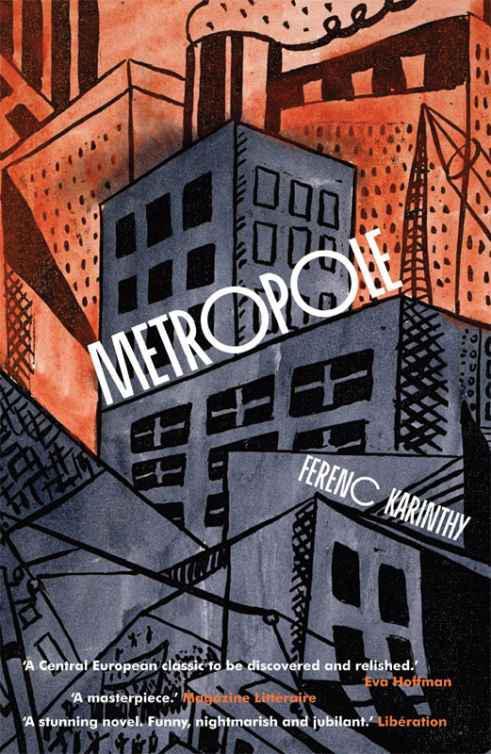
“A Central European classic to be discovered and relished.”—Eva Hoffman
“A stunning novel. Funny, nightmarish and jubilant.”—Libération
"Although it took almost 40 years for Metropole to be translated into English, the book holds up well. In the same way that Kafka becomes relevant again every time you renew your driver's license, Karinthy captures that enduring, horrifying and exhilarating state of being at the mercy of an unfamiliar land." — Jessa Crispin for NPR
“I don’t know when I’ve read a more perfect novel-a dynamically helpless hero (in the line of Kafka), and a gorgeous spiral of action, nothing spare, nothing wrong, inventive and without artifice.”—Michael Hoffman in TLS Books of the Year 2009
Budai finds himself in a strange city where he can’t understand a word anyone says. One claustrophobic day blurs into another as he desperately struggles to survive in this vastly overpopulated metropolis where there are as many languages as there are people.
Metropole is a suspenseful and haunting Hungarian classic, and a vision of hell unlike any previously imagined.
Ferenc Karinthy was born in Budapest in 1921. He was a translator and editor, as well as an award-winning novelist, playwright, and journalist.

Jeden z największych bestsellerów rynku brytyjskiego ostatnich lat, porównywany do Dziennika Bridget Jones, ale pisanego z męskiego punktu widzenia. Powieść pełna błyskotliwych dialogów, dowcipna, wzruszająca, pobudzająca do śmiechu, ale i do łez.
Narrator, Harry Silver, ma doskonałą pracę w telewizji, piękną, kochającą żonę i wspaniałego syna. Przeświadczony iż w dniu trzydziestych urodzin bezpowrotnie skończy się jego młodość, decyduje się na nierozważny krok – seks z koleżanką z pracy. I traci wszystko. Wyrzucony z pracy, opuszczony przez Ginę, która nie umie wybaczyć mu zdrady i jest zdecydowana realizować własne ambicje zawodowe, musi sam zająć się czteroletnim Patem. Stopniowo dojrzewa do roli ojca, odkrywając iż dopiero sprawdziwszy się w niej, staje się w pełni mężczyzną. Pomaga mu to naprawić stosunki z własnym tatą – bohaterem wojennym, człowiekiem twardym, prostolinijnym, przy tym wielkiego serca. W jego życiu pojawia się nowa miłość. Nieoczekiwanie Gina powraca – i pragnie odzyskać swojego syna…

Finalista Premio Planeta de Novela 1997
Siempre había pensado que si alguna vez me separaba de Ventura sólo me llevaría el cuadro de las espigas. Es lo único que tenía cuando me casé y lo único que quisiera llevarme cuando me descase. Mi corazón siempre ha bailado con las espigas de ese cuadro que adquirí al ganar mi primer sueldo. En realidad no es un cuadro, sino una copia de otra copia, pero en sus colores están contenidos todos los vaivenes emocionales que he sufrido en los veinte años de mi última existencia, el entusiasmo, los nervios, el amor innecesario, la ternura y, al fin, esa desazón que se ha apoderado de mí y me hace sentir como si tuviera el cuerpo burbujeando en alka-seltzer.` Así es Fidela, una mujer a la deriva en el ancho mar de los sentimientos, en un mundo y un ambiente en los que apenas hay lugar para ella. Sólo el tórrido romance que mantiene con un hombre casado consigue proyectarla más allá dé su desazón cotidiana y la invita a pasar revista a su azarosa vida. El resultado es un relato vibrante y arrollador en el que las relaciones afectivas de la vida familiar cobran vida propia y se convierten en puntos de referencia de nuestras propias vidas.
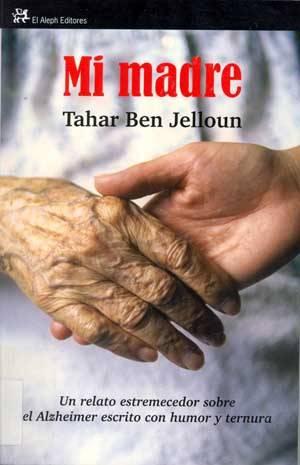
La novela relata la relación de un escritor con su madre, mayor y enferma. Muy realista e impactante. Buena prosa. Además de profundizar en las relaciones paterno-filiales, el autor ofrece numerosos detalles costumbristas de la sociedad marroquí. Dentro de una obra tan cuidada, desentonan desagradablemente dos salidas de tono.

W mieście wybucha epidemia ślepoty pogrążając ludzi w mlecznej otchłani. Powstają miejsca zesłania ociemniałych nieszczęśników, ale my obserwujemy tylko jeden szpital. Wkrótce jego społecznością zaczynają rządzić mechanizmy odtwarzające odwieczne schematy: walka o przetrwanie, o władzę, podział ról na ofiary i oprawców. Przekroczone są wszelkie granice upodlenia, jakby ociemniały świat pozbył się nagle hamulców ukształtowanych przez tradycję, wiarę i kulturę.

To historia chłopaka obdarzonego niezwykłymi zdolnościami, rozgrywająca się w scenerii współczesnej Warszawy. Patryk Wojewoda, główny bohater posiada niezwykły dar – "słyszy" cyfry, które wstukują ludzie korzystający z bankomatów. Od jego humoru zależy, co zrobi z czterema cyferkami PIN-u. Raz próbuje poderwać zgrabną blondynkę, innym razem "wymierza grzywnę" pewnemu właścicielowi złotej karty. To specyficzne hobby nie uchodzi uwadze policji… Nie zdradzając za wiele – tak rysuje się główny wątek powieści. Równie atrakcyjne są tu historie innych bohaterów – opowieści o romansach, kochankach, ucieczkach z fantazją – a także groteskowe wymysły uroczej kompaniji dziadka Patryka, Nepomucena. Jeden ze śmieszniejszych to obraz oszałamiającej koniunktury, jaka powstanie w Granatowych Górach (do złudzenia przypominających rodzinną Wisłę Pilcha), kiedy w "absolutnej konspiracji" osiądzie w nich na stałe sam Papież.
Powieść obfituje w liczne dygresje, gry językowe, celne obserwacje, a autor bawi się z czytelnikiem skomplikowanymi zabiegami narracyjnymi, by na końcu i tak go zaskoczyć. Naturalnie miłośnicy prozy Pilcha i tu odnajdą typowo "pilchowskie" (autobiograficzne?) motywy: są kobiety, są miłosne przechwałki, beznadziejne romanse, jest alkohol. Mimo dość ponurych wizji i obrazów, których Pilch nie szczędzi w "Mieście utrapienia", książka jest pełna humoru i błyskotliwych dialogów.

Rafał A. Ziemkiewicz po Viagrze mać, Frajerach i Polactwie proponuje polskiemu czytelnikowi kolejną dawkę kontrowersyjnej publicystyki w swojej najnowszej książce pt. Michnikowszczyzna, zapis choroby, gdzie wnikliwie analizuje działalność Adama Michnika i bezpardonowo rozprawia się z wizerunkiem redaktora naczelnego "Gazety Wyborczej" jako głównego ideologa postkomunizmu. Nie oszczędza również ludzi z nim związanych.
Ziemkiewicz odpowiada na pytania:
– jaki rzeczywisty wpływ miał Adam Michnik na kształtowanie "nowej" Polski po 1989 roku?
– w jaki sposób wykorzystywał potencjał "Gazety Wyborczej", jednego z najpoczytniejszych dzienników, do kreacji sposobu myślenia jej odbiorców?
– dlaczego tylu ludzi z jego otoczenia bezwzględnie uległo jego wpływowi i bezkrytycznie przyjmowało jego słowa, uznając je za prawdziwe i niepodważalne?
Michnikowszczyzna – to nie tylko zespół głoszonych przez Michnika tez i postulowanych przez niego zachowań. To grono ludzi, współtworzących jego propagandową linię w "Wyborczej" i w innych, poddających się jej wpływowi mediach. To przede wszystkim liczne grono adresatów tej propagandy, związanych z Michnikiem emocjonalnie w stopniu nie mniejszym, niż wykpiwane na salonach moherowe babcie przepojone podziwem dla księdza Rydzyka. To rzesza polskich inteligentów i jeszcze liczniejsza – półinteligentów, którzy ulegli graniczącemu z amokiem uwielbieniu dla redaktora naczelnego "Wyborczej" jako wyroczni etycznej, politycznej i intelektualnej”.
Microserfs is not about Microsoft--it's about programmers who are searching for lives. A hilarious but frighteningly real look at geek life in the '90's, Coupland's book manifests a peculiar sense of how technology affects the human race and how it will continue to affect all of us. Microserfs is the hilarious journal of Dan, an ex-Microsoft programmer who, with his coder comrades, is on a quest to find purpose in life. This isn't just fodder for techies. The thoughts and fears of the not-so-stereotypical characters are easy for any of us to relate to, and their witty conversations and quirky view of the world make this a surprisingly thought-provoking book.
" ... just think about the way high-tech cultures purposefully protract out the adolescence of their employees well into their late 20s, if not their early 30s," muses one programmer. "I mean, all those Nerf toys and free beverages! And the way tech firms won't even call work 'the office,' but instead, 'the campus.' It's sick and evil."
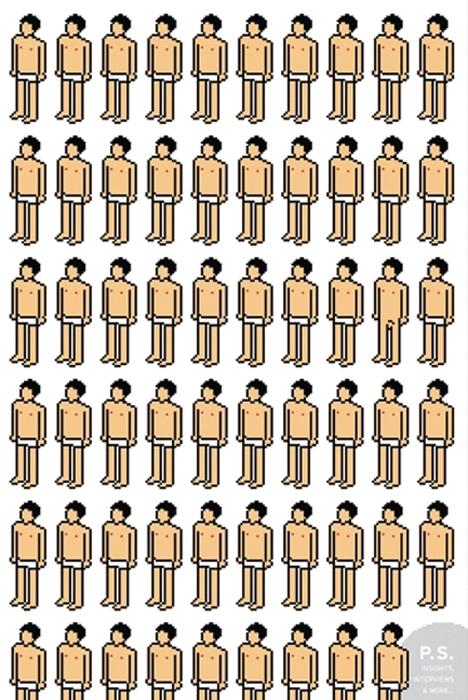
They are Microserfs — six code-crunching computer whizzes who spend upward of sixteen hours a day “coding” and eating “flat” foods (food which, like Kraft singles, can be passed underneath closed doors) as they fearfully scan company e-mail to learn whether the great Bill is going to “flame” one of them. But now there's a chance to become innovators instead of cogs in the gargantuan Microsoft machine. The intrepid Microserfs are striking out on their own — living together in a shared digital flophouse as they desperately try to cultivate well-rounded lives and find love amid the dislocated, subhuman whir and buzz of their computer-driven world.
Note from OCR:
There are many sections of text in this book that may look like nonsense or garbage if you haven't read the hard copy. They're original text. Some of these are supposed to be a computer's "subconscious files''; in some instances Finereader broke them into blocks and read them in the wrong order, and I let them be. Figured it was only fair.
I have only omitted the instances where Coupland does something like fill two entire pages with nothing but the word 'machine.'
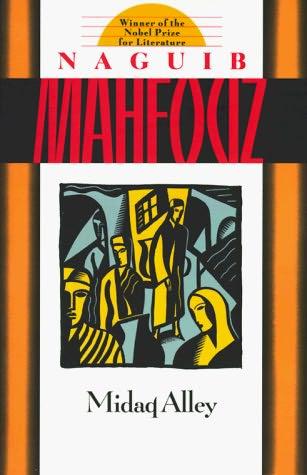
Considered by many to be Mahfouz's best novel, Midaq Alley centers around the residents of one of the hustling, teeming back alleys of Cairo. No other novel so vividly evokes the sights and sounds of the city. The universality and timelessness of this book cannot be denied.
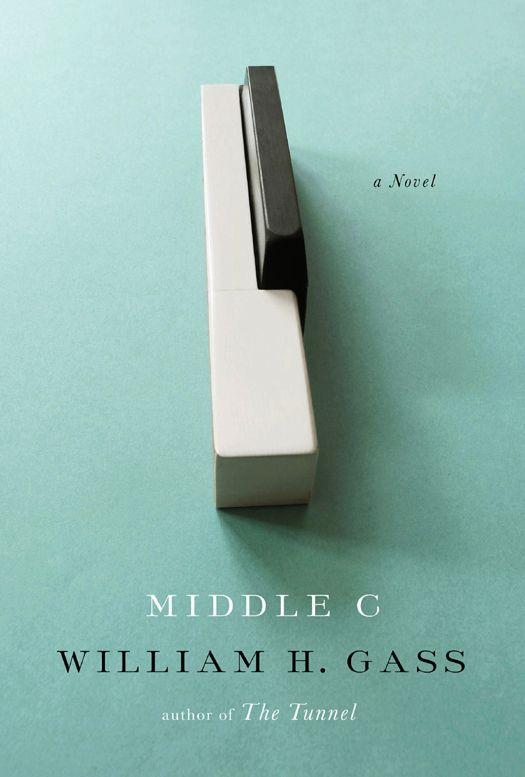
Gass’s new novel moves from World War II Europe to a small town in postwar Ohio. In a series of variations, Gass gives us a mosaic of a life — futile, comic, anarchic — arranged in an array of vocabularies, altered rhythms, forms and tones, and broken pieces with music as both theme and structure, set in the key of middle C.
It begins in Graz, Austria, 1938. Joseph Skizzen's father, pretending to be Jewish, leaves his country for England with his wife and two children to avoid any connection with the Nazis, who he foresees will soon take over his homeland. In London with his family for the duration of the war, he disappears under mysterious circumstances. The family is relocated to a small town in Ohio, where Joseph Skizzen grows up, becomes a decent amateur piano player, in part to cope with the abandonment of his father, and creates as well a fantasy self — a professor with a fantasy goal: to establish the Inhumanity Museum. . as Skizzen alternately feels wrongly accused (of what?) and is transported by his music. Skizzen is able to accept guilt for crimes against humanity and is protected by a secret self that remains sinless.
Middle C tells the story of this journey, an investigation into the nature of human identity and the ways in which each of us is several selves, and whether any one self is more genuine than another.
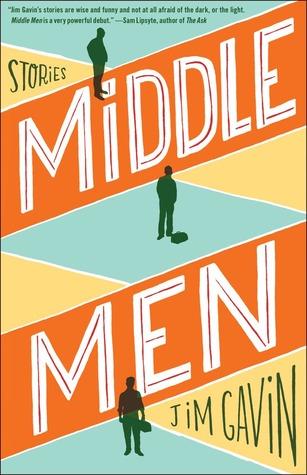
In Middle Men, Stegner Fellow and New Yorker contributor Jim Gavin delivers a hilarious and panoramic vision of California, portraying a group of men, from young dreamers to old vets, as they make valiant forays into middle-class respectability. In "Play the Man" a high-school basketball player aspires to a college scholarship, in "Elephant Doors", a production assistant on a game show moonlights as a stand-up comedian, and in the collection’s last story, the immensely moving “Costello”, a middle-aged plumbing supplies salesman comes to terms with the death of his wife. The men in Gavin’s stories all find themselves stuck somewhere in the middle, caught half way between their dreams and the often crushing reality of their lives. A work of profound humanity that pairs moments of high comedy with searing truths about life’s missed opportunities, Middle Men brings to life a series of unforgettable characters learning what it means to love and work and be in the world as a man, and it offers our first look at a gifted writer who has just begun teaching us the tools of his trade.
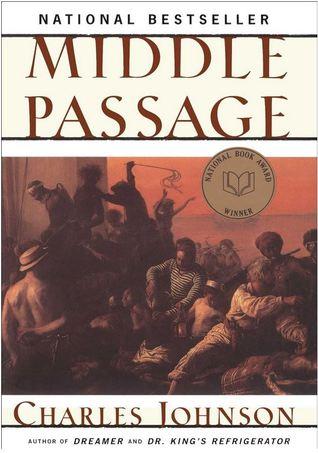
It is 1830. Rutherford Calhoun, a newly treed slave and irrepressible rogue, is desperate to escape unscrupulous bill collectors and an impending marriage to a priggish schoolteacher. He jumps aboard the first boat leaving New Orleans, the Republic, a slave ship en route to collect members of a legendary African tribe, the Allmuseri. Thus begins a daring voyage of horror and self-discovery.
Peopled with vivid and unforgettable characters, nimble in its interplay of comedy and serious ideas, this dazzling modern classic is a perfect blend of the picaresque tale, historical romance, sea yarn, slave narrative, and philosophical novel.

In the spring of 1974, Calliope Stephanides, a student at a girls' school in Grosse Pointe, finds herself drawn to a chain-smoking, strawberry-blond classmate with a gift for acting. The passion that furtively develops between them leads Callie to suspect that she is not like other girls. In fact, Cal has inherited a rare genetic mutation.
The biological trace of a guilty secret, this gene has followed her grandparents from the crumbling Ottoman Empire to Detroit and has outlasted the glory days of the Motor City, the race riots of 1967, and the family's second migration, into the foreign country known as suburbia. Thanks to the gene, Cal is part girl, part boy. And even though the gene's epic travels have ended, her own odyssey has only begun.
Sprawling across eight decades - and one unusually awkward adolescence - Jeffrey Eugenides' long-awaited second novel is a grand, utterly original fable of crossed bloodlines, the intricacies of gender, and the deep, untidy promptings of desire. It marks the fulfilment of a huge talent, named one of America's best young novelists by both Granta and the New Yorker.
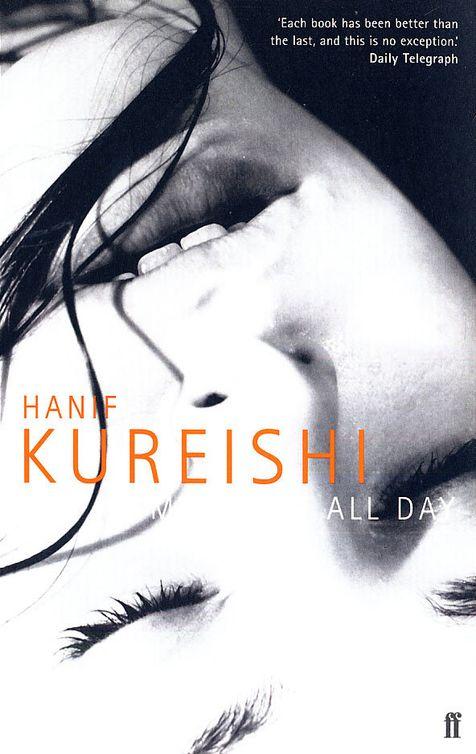
In this collection of stories, Kureishi chronicles the loveless, the lost and the dispossessed. They represent the frustrated and intoxicating, the melancholic and sensitive, capable of great cruelty and willing to break constraints of an old life to make way for the new.