 fb2
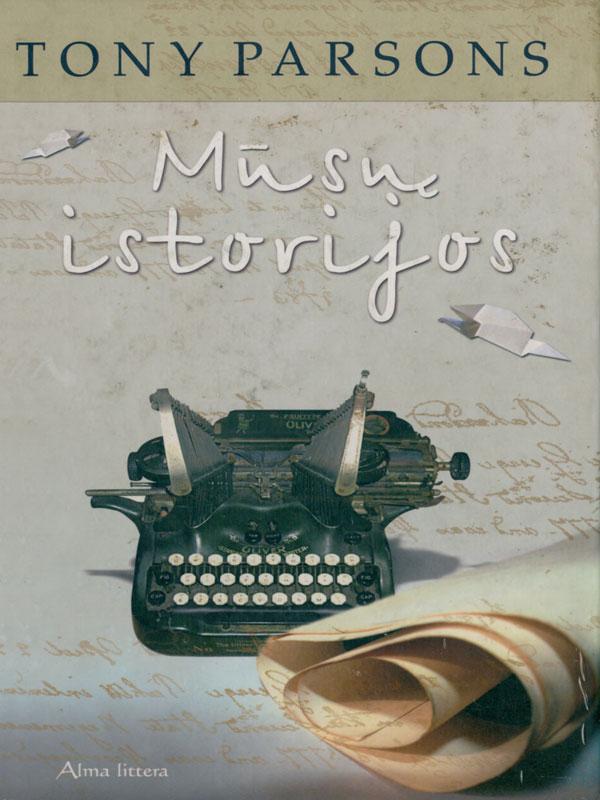
fb2„Mūsų istorijos“ – knyga apie tikėjimą, kad amžinai liksi jaunas. Tai knyga apie jaunimo svajones, dūžtančias suaugusiųjų pasaulyje, apie seksą, meilę ir rokenrolą. Šioje knygoje Tonis Parsonsas sugrįžta atgal į jaunystę, kad papasakotų mums istoriją, kuri daugelį metų laukė savo valandos.








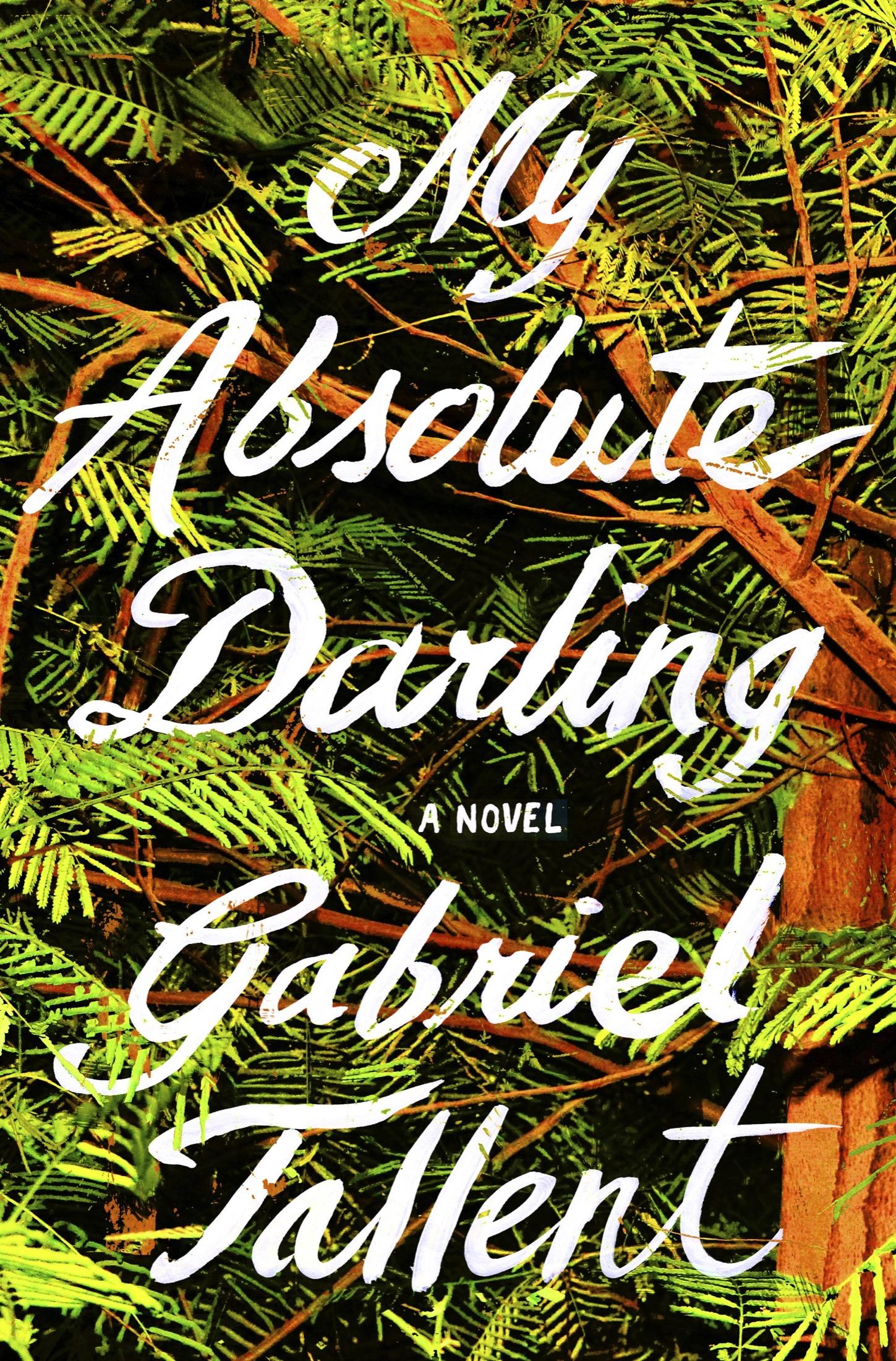
Turtle Alveston is a survivor. At fourteen, she roams the woods along the northern California coast. The creeks, tide pools, and rocky islands are her haunts and her hiding grounds, and she is known to wander for miles. But while her physical world is expansive, her personal one is small and treacherous: Turtle has grown up isolated since the death of her mother, in the thrall of her tortured and charismatic father, Martin. Her social existence is confined to the middle school (where she fends off the interest of anyone, student or teacher, who might penetrate her shell) and to her life with her father.
Then Turtle meets Jacob, a high-school boy who tells jokes, lives in a big clean house, and looks at Turtle as if she is the sunrise. And for the first time, the larger world begins to come into focus: her life with Martin is neither safe nor sustainable. Motivated by her first experience with real friendship and a teenage crush, Turtle starts to imagine escape, using the very survival skills her father devoted himself to teaching her. What follows is a harrowing story of bravery and redemption. With Turtle's escalating acts of physical and emotional courage, the reader watches, heart in throat, as this teenage girl struggles to become her own hero—and in the process, becomes ours as well.
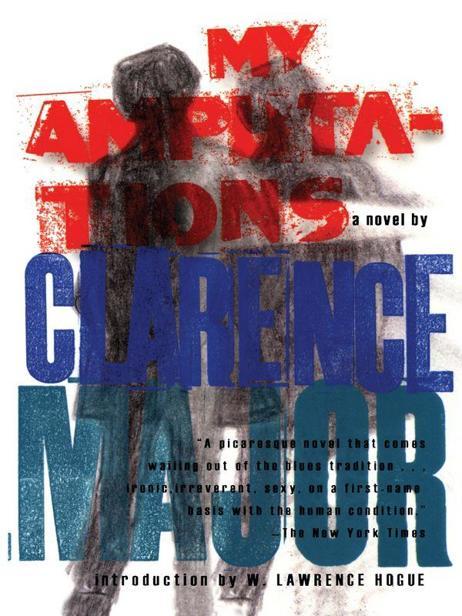
This novel is about a man pursued by his shadow. Its protagonist is either a desperate ex-con who has become convinced that he is an important American novelist or a desperate American novelist who has become convinced that he, and most of what passes for literary life on three continents, is a con.
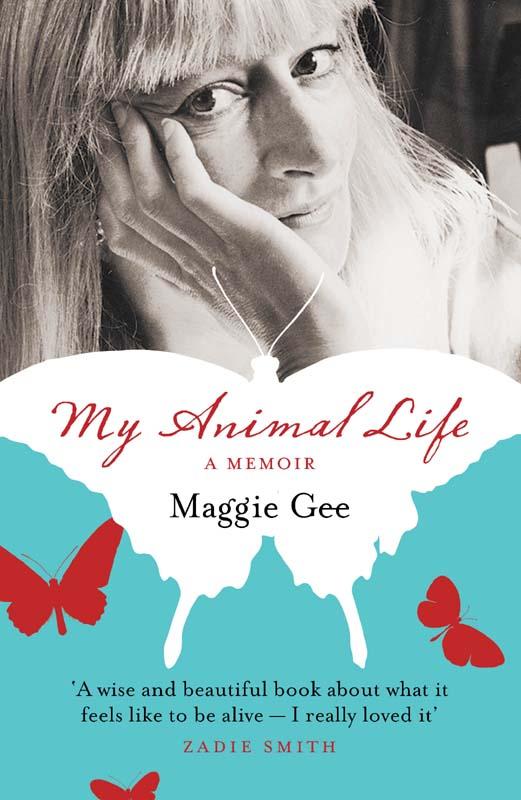
"A wise and beautiful book about what it feels like to be alive-I really loved it."-Zadie Smith
"Maggie Gee's account of her life as a writer cuts to the bone as she relives triumphs, rejections, despair and renewal. It's a wonderful book, for its boldness and vigour, and for its piercing honesty."-Claire Tomalin
How do you become a writer, and why?
Maggie Gee's journey starts in a small family in post-war Britain, a long way from the literary world. At seventeen, Maggie goes, a lamb to the slaughter, to university. From the 1960s onwards she lives the defining events of her generation: the coming of the Pill and sexual freedom, tremors in the British layer-cake of class and race. In the 1980s, Maggie finally gets published, falls in love, marries, and has a daughter-but for the next three decades and beyond, she survives, and sometimes thrives, by writing. This frank, bold memoir dares to explore the big questions: success and failure, sex, death, and parenthood-our animal life.
Maggie Gee was chosen as one of Granta's original Best Young British Novelists. She has published many novels to great acclaim, including "The White Family," shortlisted for the Orange and IMPAC prizes; "My Cleaner"; "The Flood," longlisted for the Orange Prize; and "The Ice People." She was the first female chair of the Royal Society of Literature from 2004–2008 and is now one of its vice presidents.
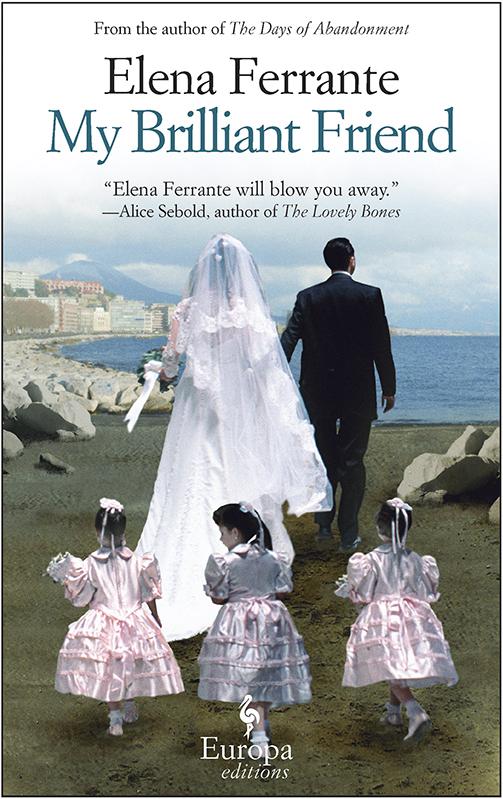
A modern masterpiece from one of Italy’s most acclaimed authors, My Brilliant Friend is a rich, intense, and generous-hearted story about two friends, Elena and Lila. Ferrante’s inimitable style lends itself perfectly to a meticulous portrait of these two women that is also the story of a nation and a touching meditation on the nature of friendship.
The story begins in the 1950s, in a poor but vibrant neighborhood on the outskirts of Naples. Growing up on these tough streets the two girls learn to rely on each other ahead of anyone or anything else. As they grow, as their paths repeatedly diverge and converge, Elena and Lila remain best friends whose respective destinies are reflected and refracted in the other. They are likewise the embodiments of a nation undergoing momentous change. Through the lives of these two women, Ferrante tells the story of a neighborhood, a city, and a country as it is transformed in ways that, in turn, also transform the relationship between her protagonists, the unforgettable Elena and Lila.
Ferrante is the author of three previous works of critically acclaimed fiction: The Days of Abandonment, Troubling Love, and The Lost Daughter. With this novel, the first in a trilogy, she proves herself to be one of Italy’s great storytellers. She has given her readers a masterfully plotted page-turner, abundant and generous in its narrative details and characterizations, that is also a stylish work of literary fiction destined to delight her many fans and win new readers to her fiction.
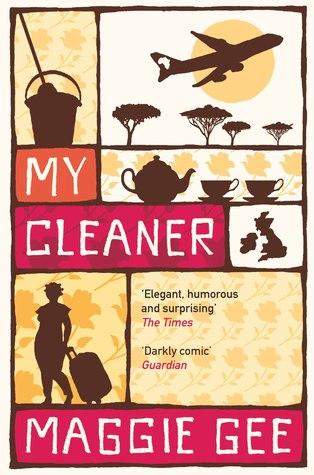
"My cleaner. She does my dirty work. She knows more about me than anyone else in the world. But does she, in fact, like me? Does her presence fill me with shame?"
Ugandan Mary Tendo worked for many years in the white middle-class Henman household in London, cleaning for Vanessa and looking after her only child, Justin. More than ten years after Mary has left, Justin — now twenty-two, handsome and gifted — is too depressed to get out of bed. To his mother's surprise, he asks for Mary. When Mary responds to Vanessa's cry for help and returns from Uganda to look after Justin, the balance of power in the house shifts dramatically. Both women's lives change irrevocably as tensions build towards a startling climax on a snowbound motorway.
Maggie Gee confronts racism and class conflict with humour and tenderness in this engrossing read.
Maggie Gee was chosen as one of Granta's original 'Best Young British Novelists'. She has published many novels to great acclaim, including The White Family, which was shortlisted for the 2002 Orange Prize for Fiction and for the International IMPAC Dublin Literary Award 2004; and The Flood, which was longlisted for the 2004 Orange Prize. She has also published My Cleaner, My Driver, The Ice People and My Animal Life with Telegram. Virginia Woolf in Manhattan is her latest novel.
Maggie was the first female Chair of the Royal Society of Literature, 2004–2008, and is now one of its Vice-Presidents. She lives in London.
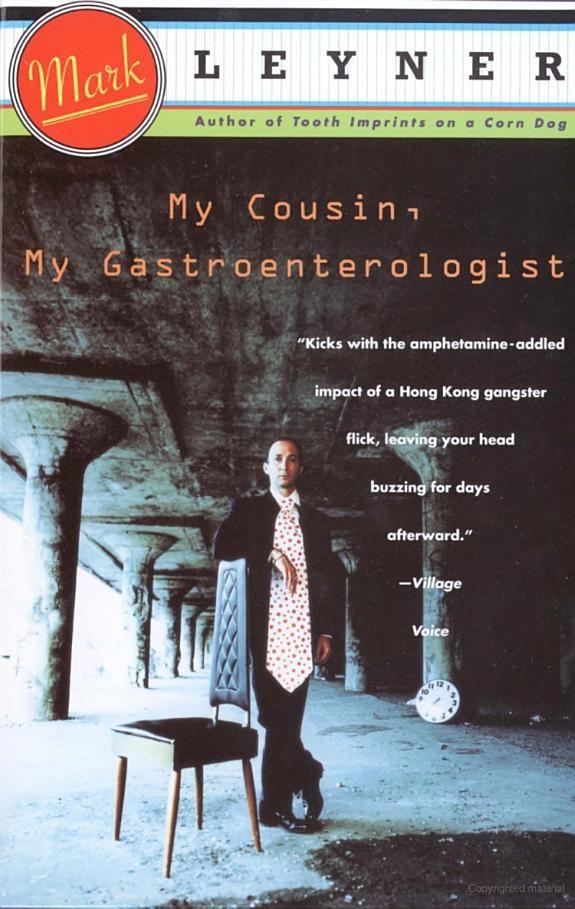
My Cousin, My Gastroenterologist is a postmodernist/absurdist book composed of 17 loosely-related chapters with no general storyline. It is voiced in first-person by an anonymous narrator often using jargon, broken grammar and punctuation with a poetry-like structure. The narration shifts quickly from random idea to idea with little to no connectivity between them, typically giving vivid descriptions of abstract situations. The narrative styles in the book vary significantly as well, with no apparent solid identity to the narrator itself. Some characters and ideas emerge suddenly and disappear without explanation.
Within this form incorporate elements of science fiction, cyberpunk, tabloid journalism, and advertising slogans. Due to its use of pop-culture references (e.g. to kung-fu films) and literary allusions it requires knowledge of (then) current affairs. Leyner resorts to irony and humor as a means of interplay with traditional realism.
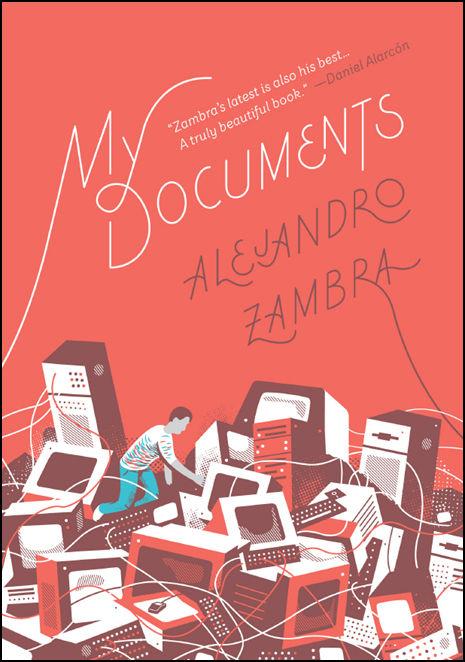
Archived in a folder on award-winning author Alejandro Zambra's desktop are 11 stories of liars and ghosts, armed bandits and young lovers. Intimate, mysterious, and uncanny, these stories reveal a mind that is as undeniably singular as it is universal. Together, they constitute the debut short-story collection from Zambra, whose first novel was heralded as a “bloodletting in Chilean literature.”
Whether chronicling the return of a mercurial godson or the disappearance of a trusted cousin, the worlds of these stories are so powerful and deep that the works might better be described as brief novels. My Documents is by turns hilarious and heart-stopping, tragic and tender, but most of all, it is unflinchingly human and essential evidence of a sublimely talented writer working at the height of his powers.
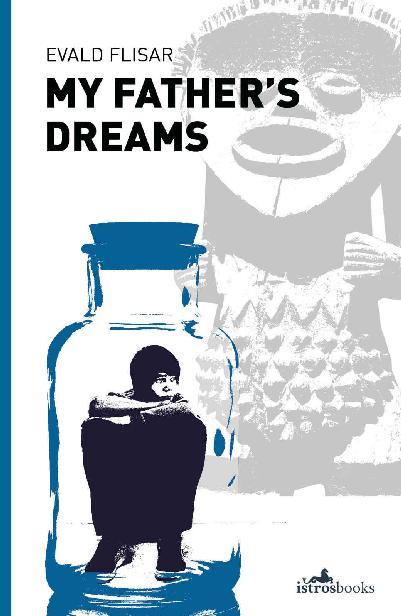
My Father's Dreams is a controversial and shocking novel by Slovenia's bestselling author Evald Flisar, and is regarded by many critics as his best. The book tells the story of fourteen-year-old Adam, the only son of a village doctor and his quiet wife, living in apparent rural harmony. But this is a topsy-turvy world of illusions and hopes, in which the author plays with the function of dreaming and story-telling to present the reader with an eccentric 'bildungsroman' in reverse. Spiced with unusual and original overtones of the grotesque, the history of an insidious deception is revealed, in which the unsuspecting son and his mother will be the apparent victims; and yet who can tell whether the gruesome end is reality or just another dream — This is a novel that can be read as an off-beat crime story, a psychological horror tale, a dream-like morality fable, or as a dark and ironic account of one man's belief that his personality and his actions are two different things. It can also be read as a story about a boy who has been robbed of his childhood in the cruelest way. It is a book which has the force of myth: revealing the fundamentals without drawing any particular attention to them; an investigation into good and evil, and our inclination to be drawn to the latter.
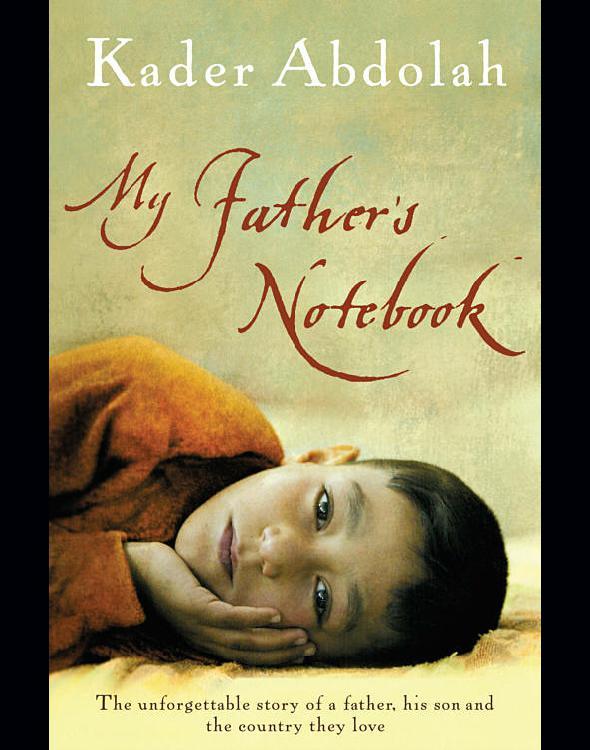
When he was a boy, Aga Akbar, the deaf-mute illegitimate son of a Persian nobleman, traveled with his uncle to a cave on nearby Saffron Mountain. Once there, he was to copy a three-thousand-year-old cuneiform inscription-an order of the first king of Persia-as a means of freeing himself from his emotional confinement. For the remainder of his life, Aga Akbar used these cuneiform characters to fill a notebook with writings only he could understand. Years later, his son, Ishmael-a political dissident in exile-is attempting to translate the notebook. . and in the process tells his father's story, his own, and the story of twentieth-century Iran. A stunning and ambitious novel by a singular literary talent, "My Father's Notebook" is at once a masterful chronicle of a culture's troubled voyage into modernity and the poignant, timeless tale of a son's enduring love.
The American debut of one of Granta's Best Young Spanish-Language Novelists: a daring, deeply affecting novel about the secrets buried in the past of an Argentine family-a story of fathers and sons, corruption and responsibility, memory and history, with a mystery at its heart.
A young writer, living abroad, returns home to his native Argentina to say good-bye to his dying father. In his parents' house, he finds a cache of documents-articles, maps, photographs-and unwittingly begins to unearth his father's obsession with the disappearance of a local man. Suddenly he comes face-to-face with the ghosts of Argentina's dark political past and with the long-hidden memories of his family's underground resistance against an oppressive military regime. As the fragments of the narrator's investigation fall into place-revealing not only a part of his father's life he had tried to forget but also the legacy of an entire generation- My Fathers' Ghost Is Climbing in the Rain tells a completely original story of family and remembrance. It is an audacious accomplishment by an internationally acclaimed voice poised to garner equal acclaim in America.
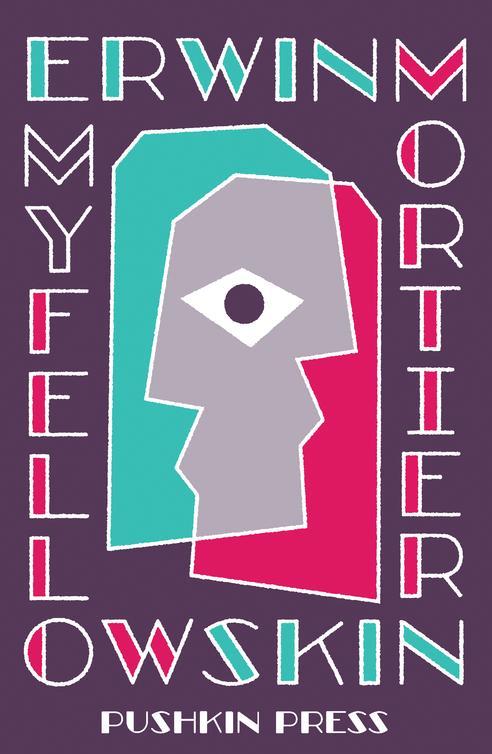
My Fellow Skin is a beautiful, affectionate novel told from the point of view of an impressionable young boy. The novel opens before the boy can talk, and we follow Anton’s first, tentative steps on the path to adulthood. He gradually begins to grasp an understanding of time and death, and when he goes to school he falls in love for the first time — not with the schoolgirls his peers are interested in, but with his classmate, Willem. A gentle, protective relationship develops between them, and this gives Anton his own, new identity, his ‘fellow skin’. But their love ends tragically, and Anton ultimately loses not only his love, but also his youth, the protection of his parents, and the old house in the village. He is left desolate.