
 fb2
fb2Having left his first wife, Karl Ove Knausgaard moves to Stockholm, Sweden, where he leads a solitary existence. He strikes up a deep friendship with another exiled Norwegian, a Nietzschean intellectual and boxing fanatic named Geir. He also tracks down Linda, whom he met at a writers' workshop a few years earlier and who fascinated him deeply.
Book Two is at heart a love story — the story of Karl Ove falling in love with his wife. But the novel also tells other stories: of becoming a father, of the turbulence of family life, of outrageously unsuccessful attempts at a family vacation, of the emotional strain of birthday parties for children, and of the daily frustrations, rhythms, and distractions of Stockholm keeping him from (and filling) his novel.
"Intense and vital. . Where many contemporary writers would reflexively turn to irony, Knausgaard is intense and utterly honest, unafraid to voice universal anxieties. . The need for totality. . brings superb, lingering, celestial passages. . He wants us to inhabit he ordinariness of life, which is sometimes vivid, sometimes banal, and sometimes momentous, but all of it perforce ordinary because it happens in the course of a life, and happens, in different forms, to everyone. . The concluding sentences of the book are placid, plain, achieved. They have what Walter Benjamin called 'the epic side of truth, wisdom.'" — James Wood, The New Yorker
"Ruthless beauty." — Aftenposten
"This first installment of an epic quest should restore jaded readers to life." — The Independent
"Between Proust and the woods. Like granite; precise and forceful. More real than reality." — la Repubblica (Italy)
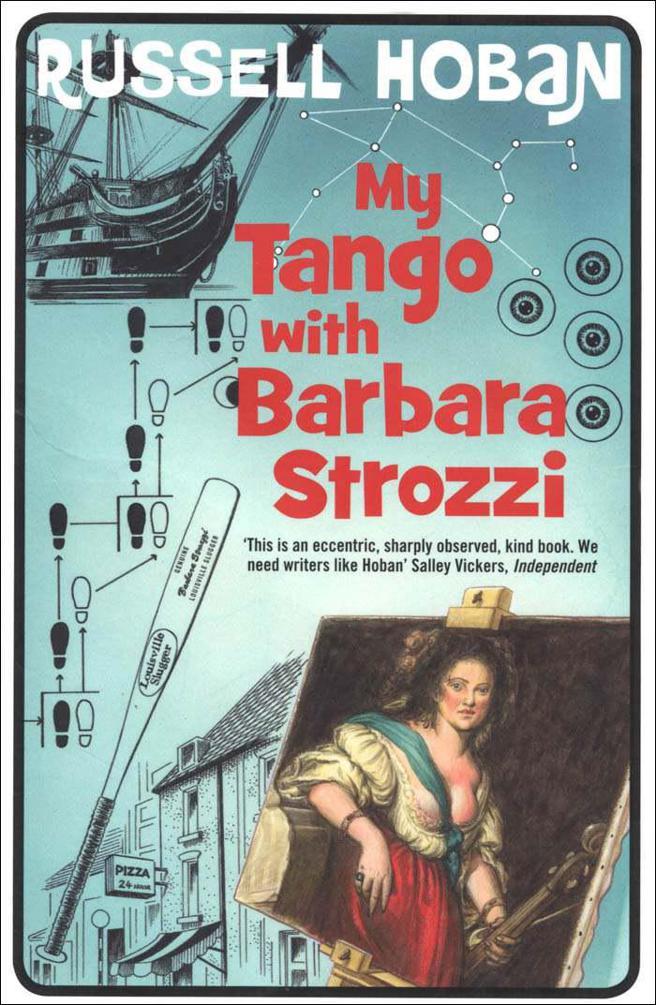
Phil Ockerman falls for Bertha Strunk at a tango lesson in a church crypt in Clerkenwell. Each recently separated, both their Suns are squared by Neptune. Bertha also bears a strong resemblance to the 17th century Venetian singer and composer, Barbara Strozzi with whom Phil is obsessed.

In this harrowing novel, a young Moroccan bookseller is falsely accused of being involved in jihadist activities. Drugged and carried off the street, Hamuda is "extraordinarily rendered" to a prison camp in an unknown location where he is interrogated and subjected to various methods of torture.
Narrated through the voice of the young prisoner, the novel unfolds in Hamuda’s attempt to record his experience once he is finally released after six years in captivity. He paints an unforgettable portrait of his captors’ brutality and the terrifying methods of his primary interrogator, a French woman known as Mama Ghula. With a lucid style, Himmich delivers a visceral tale that explores the moral depths to which humanity is capable of descending and the limits of what the soul can endure.
Approaching his fiftieth birthday, the narrator in My Two Worlds is wandering in an unfamiliar Brazilian city, in search of a park. A walker by inclination and habit, he has decided to explore the city after attending a literary conference — he was invited following the publication of his most recent novel, although, as he has been informed via anonymous e-mail, the novel is not receiving good reviews. Initially thwarted by his inability to transpose the two-dimensional information of the map onto the impassable roads and dead-ends of the three-dimensional city, once he finds the park the narrator begins to see his own thoughts, reflections, and memories mirrored in the landscape of the park and its inhabitants.
Chejfec's My Two Worlds, an extraordinary meditation on experience, writing, and space, is at once descriptively inventive and preternaturally familiar, a novel that challenges the limitations of the genre.
Peter Handke has been acclaimed as "unmistakably one of the best writers we have in that self-discovering tendency we call post-modernism" (Malcolm Bradbury, New York Times Book Review). In his new novel. Handke tells the story of an Austrian writer — a man much like Handke himself — who explores world and describes his many severed relationships, ranging from the fragile connection with his son, to a failed marriage to "the Catalan", to a doomed love with a former Miss Yugoslavia. As the writer sifts through his memories, he is also under pressure to complete his next novel, but he cannot decide how to come to terms with both the complexity of the world and the inability of his novel to reflect it.A mysterious, haunting work, My Year in the No-Man's-Bay reflects what one critic has called "an intensity that scalds the reader" (Paul Duguid, San Francisco Chronicle).
W książce tej pojawiają się motywy obecne w jej następnych minipowieściach: wielokulturowe środowisko emigrantów w Paryżu, groteska, dygresje ezoteryczne, erotyka. Wątki autobiograficzne i zgoła reporterskie fragmenty łączą się swobodnie z rozważaniami o Marii Magdalenie i bogini miłości Astarte. Obecne tu anegdotyczność, luźna kompozycja, erudycyjne wprawki i komentarze są ironiczną grą z czytelnikiem.
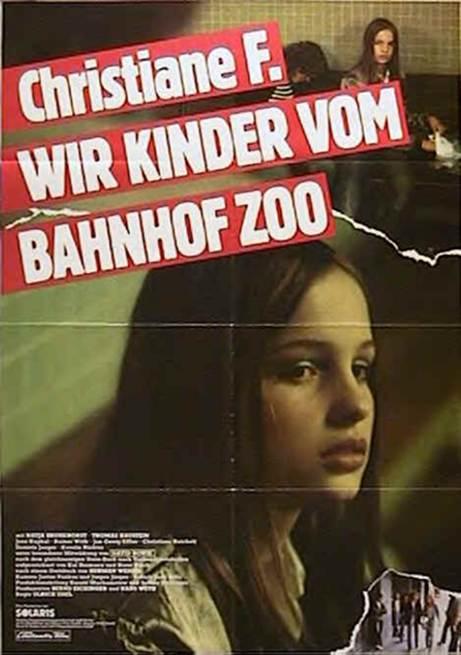
Ta książka jest dla mnie niesamowita. Wokół słyszymy wciąż: narkomani, nie, narkotyki, nie, to niezdrowe, nie, to szkodliwe, nie, trucizna, nie, narkotyki, nie, złe towarzystwo, nie, nie i nie… A (może nie mnie, ale wielu) to wcale nie odstrasza, wręcz zaciekawia. Ta książka mówi o psychice młodej narkomanki, o skutkach nałogu, o tym, że nie mogła spełnić swych marzeń, o miłości w narkotykach, o tym, kim się staje człowiek, gdy zaczyna brać narkotyki.
Książka opowiada o narkomance z Berlina Zachodniego. Przedstawia problem wciąż aktualny, lecz nie mówiąc medycznie o chorobach, tylko o psychice narkomana. I to jest niezwykle ciekawe. Można niezwykle płakać nad tą książką. Ja sama czułam bezsilność, jakbym była w nałogu, czułam ten wstręt. Do czego? Do siebie samej. Bo czułam się, jakbym to JA była tą narkomanką. Nie Christiane. Nie. JA.
Niezwykle wciągająca książka.
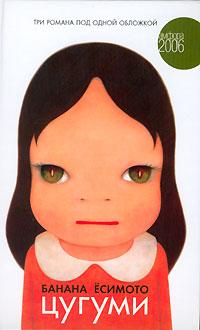
Миниатюрные романы Бананы Есимото сделали молодую писательницу всемирно известной. Книги, отмеченные мировыми литературными премиями, стали основой популярных фильмов.
"N-P" – название последнего сборника рассказов известного японского писателя, написанного на английском языке. Но издать книгу в Японии никак не удается: всех переводчиков, пытавшихся работать над ней, постигала внезапная смерть. Такова завязка нового романа культовой японской писательницы, за который она удостоена премии Финдессимо.


Opowiada historię dramatycznych zmagań głównego bohatera z gruźlicą, która była "pamiątką" po obozie koncentracyjnym. Grzesiuk, mimo trudnego położenia, nie poddaje się, stara się sobie radzić, zachowuje poczucie humoru. To historia opowiedziana w iście Grzesiukowym stylu – prawdziwym, czasem brutalnym, ale lekkim i dość nonszalanckim, jak przystało na wychowanka przedwojennego Czerniakowa.
"Wikipedia"

Las voces silenciadas. Xinran Xue era presentadora de un influyente programa radiofónico chino cuando en 1989 recibió una carta angustiosa: una niña había sido secuestrada y forzada a casarse con un anciano que desde entonces la mantenía encadenada. Los hierros estaban lacerándole la cintura y se temía por su vida. Xinran obtuvo la liberación de la víctima, pero se percató de que un silencio histórico imperaba sobre la situación de las mujeres en su nación. Decidió difundir las historias de oyentes que cada noche llamaban a su programa. Esta iniciativa inédita tuvo por respuesta miles de cartas con increíbles relatos personales y convirtió a Xinran en una celebridad. Entre los numerosos testimonios que escuchó y dio a conocer, seleccionó quince para que integraran este libro. Nacer mujer en China es un relato colectivo revelador acerca de los deseos, los sufrimientos y los sueños de muchas mujeres que hasta ahora no habían encontrado expresión pública.
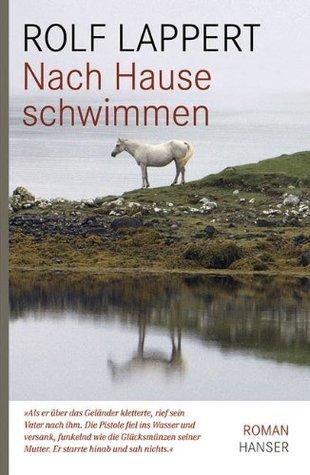
Wilbur, gerade mal 1,50 Meter groß, ist wirklich kein Glückskind: Seine irische Mutter stirbt bei der Geburt, sein schwedischer Vater macht sich aus dem Staub, und sein erstes Zuhause ist der Brutkasten. Erst als seine Großeltern ihn nach Irland holen, erfährt er, was Heimat ist. Doch das Glück währt nicht lang: Sein bester Freund kommt in die Erziehungsanstalt, und seine Großmutter Orla stirbt bei einem Unfall. Auch wenn er gern so stark wäre wie Bruce Willis: Er ist und bleibt ein Verlierer. Erst die charmante Aimee bringt ihm etwas anderes bei: Wilbur muss endlich lernen, zu leben — ob er will oder nicht. Rolf Lappert hat einen großen Roman über das Erwachsenwerden eines kleinen, an der Welt verzweifelnden Jungen geschrieben, der durch seine bezwingende Komik mitreißt.

Nada es una novela escrita por Carmen Laforet en 1944, que ganó el Premio Nadal ese mismo año. Luego, en 1948 obtuvo el Premio Fastenrath de la Real Academia Española. Llamó la atención no solamente por la juventud de la escritora, que por aquel entonces tenía 23 años, sino también porque mostraba la sociedad de aquella época. Hay quien dice que la novela es autobiográfica. Aunque la novela contiene elementos biográficos, la autora misma escribe en su introducción al cuento dentro de la compilación llamada Novelas (Primera edición 1957 Barcelona, Editorial Planeta) lo siguiente: `No es, como ninguna de mis novelas, autobiográfica, aunque el relato de una chica estudiante, como yo fui en Barcelona, e incluso la circunstancia de haberla colocado viviendo en una calle de esta ciudad donde yo misma he vivido, haya planteado esta cuestión más de una vez`.
La protagonista de la novela es una joven, llamada Andrea, que llega a la ciudad de Barcelona en los años de la posguerra para estudiar y empezar una nueva vida. Llega con muchas ilusiones a casa de su abuela, de donde sólo tiene recuerdos de su infancia. Sin embargo al llegar allí -donde aparte de la abuela viven la criada, tía Angustias, su tío Román, su tío Juan y la mujer de este último- estos sueños se ven rotos. En esta casa padecen hambre, hay suciedad, violencia y odio. Andrea, que vive oprimida por su tía Angustias, siente que su vida va a cambiar a partir de que Angustias se marcha, pero las cosas no acaban de ir como a ella le gustaría. Sin embargo en la universidad conoce a Ena, una chica de la que se hará íntima amiga y desempeñará un papel importante en su vida, y junto con la que aprenderá lo que la vida y el mundo exterior pueden ofrecer.
La novela llega a crear una atmósfera tan asfixiante que consigue traspasar el papel y llegar al lector. Cuando ante toda esa miseria en una casa oscura, cerrada, sucia, maloliente y un ambiente opresivo, en esa especie de microcosmos, a alguno de los personajes le pregunta qué le pasa, qué piensa, qué siente, éste responde `Nada`.
Carmen Laforet se adelanta a su tiempo con una prosa intimista y fotográfica, en la que se describe perfectamente la Barcelona de la época.
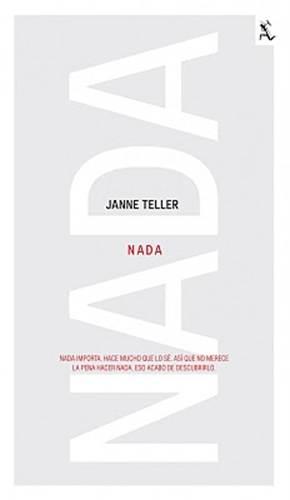
Pierre Antón deja el colegio el día que descubre que la vida no tiene sentido. Se sube a un ciruelo y declama a gritos las razones por las que nada importa en la vida. Tanto desmoraliza a sus compañeros que deciden apilar objetos esenciales para ellos con el fin de demostrarle que hay cosas que dan sentido a quiénes somos. En su búsqueda arriesgarán parte de sí mismos y descubrirán que sólo al perder algo se aprecia su valor. Pero entonces puede ser demasiado tarde.

Egils Lukjanskis
Naida nogurdinātie
Cilvēce no laika gala ir dalījusies labos un ļaunos cilvēkos. Un mēs ik dienas redzam un jūtam šo ļauno un labo darbu sekas. Šai pasaulē nemirstīga, tātad arī pareiza un patiesa, ir tikai viena ideja - vienmēr un visur būt cilvēcīgam. Visas pārējās pasaules uzlabošanas idejas, lai cik tās taisnīgas un vajadzīgas pirmajā brīdī arī šķistu, katru reizi ir novedušas pie cilvēciskuma iznīcināšanas. Cilvēku var nogalināt, cilvēku var sodīt, apmānīt, ienīst, pazemot un nopirkt, taču visgrūtāk šai pasaulē laikam ir otram cilvēkam palīdzēt, viņu pažēlot un just līdzi. Tas ir ļoti skumji, ka mums joprojām pietrūkst tieši tas, kas cilvēkam patiesībā šai dzīvē ir visvairāk nepieciešams, un proti - cilvēkmīlestības…
LATA ROMĀNS 1 (31) Abonēšanas indekss 2150
© A. Stankevičs, ilustrācijas
"Lauku Avīze", 2002Bet šī ir tā tiesa, ka gaisma ir nākusi pasaulē, bet cilvēkiem tumsība ir bijusi mīļāka par gaismu, tāpēc ka viņu darbi bija ļauni.
(Jņ. 3:19)
Tā kā nav "nulles gada", mūsu ēra un gadu skaitīšana sākas 1. gadā pēc Kristus dzimšanas 1. janvārī. 2000. gada 31. decembrī pagāja divi tūkstoši gadu pēc šā notikuma. Līdz ar to jaunais, trešais gadu tūkstotis un arī jaunais, 21. gadsimts sākās 2001. gada 1. janvārī. Taču visā pasaulē lielākas svinības tomēr tika rīkotas par godu 2000. gada atnākšanai, kas it kā iezīmēja jaunā gadu tūkstoša un gadu simteņa sākumu. Autors ir pieņēmis pēdējo no viedokļiem. Bet ne jau šajā viena gada atšķirībā ir romāna būtība…

In this collection of sixteen stories and three sketches, translated by Rakhshanda Jalil, Manto brazenly celebrates the warts of a seemingly decent society as well as its dark underbelly — tired and overworked prostitutes in 'The Candle's Tears' or 'Loser all the Way'; ruthless as also humane pimps in 'The Hundred Candle Watt Bulb' and 'Sahay'; the utter helplessness of men in the face of a sexual encounter in 'Naked Voices' and 'Coward'; and the madness perpetrated by the Partition as witnessed in 'By God!' and 'Yazid'. In one of the three sketches, which form part of this collection, the author brilliantly reveals himself to the world in a schizophrenic piece titled 'Saadat Hasan' calling 'Manto the writer' a liar, a thief and a failure! And in another titled 'In a Letter to Uncle Sam', Manto superbly couches his anti-imperialistic views in an innocent letter from a poor nephew to a capitalist and prosperous uncle in America.

Pascalis Mercier (tikroji pavardė Peteris Bieri, g. 1944 m.) - šveicarų filosofas, habilituotas daktaras. Pascalio Mercier slapyvardžiu ėmęs rašyti romanus, autorius greitai sulaukė sėkmės. Trečiasis romanas „Naktinis traukinys į Lisaboną" tapo viena perkamiausių knygų - jis pelnė pasaulinę šlovę, o autoriui teko bene žinomiausio šiuolaikinio šveicarų rašytojo titulas.
Versta iš anglų k.-Naktinis traukinys į Lisaboną yra filosofinis šveicarų rašytojo Pascalio Mercier romanas. Joje aprašomos šveicarų klasikų instruktoriaus Raimundo Gregorio kelionės, kai jis tyrinėja portugalų gydytojo Amadeu de Prado gyvenimą António de Oliveira Salazaro dešiniosios diktatūros Portugalijoje metu.
Vienos Berno gimnazijos klasikinių kalbų mokytojas Raimundas Gregorijus, nuspėjamas tarsi šveicariškas laikrodis, ant tilto sutinka moterį raudonu paltu, kalbančią portugališkai. Nuo to viskas ir prasideda – 57 metų vyriškis tiesiog per pamokos vidurį išeina iš gimnazijos ir netrukus atsiduria Lisabonoje.Čia jis viliasi rasti netikėtai Berno antikvariate aptiktos portugališkos knygos – originalių apmąstymų apie žmones ir gyvenimą – autorių, gydytoją Amadėją de Pradą. Lisabonoje Raimundas Gregorijus sužino, kad jį sukrėtusio kūrinio autorius miręs daugiau nei prieš trisdešimt metų, bet sutinka šį genijų pažinojusius žmones ir iš jų pasakojimų tarsi iš mozaikos akmenėlių pamažu sudeda kilmingojo gydytojo portretą. Genialaus, nerimastingo, prieštaringo gydytojo, į kurio gyvenimą tvarkingąjį mokytoją taip netikėtai atvežė naktinis traukinys. Staiga išvažiavęs ieškoti gyvenimo, kurį būtų galėjęs turėti, jis nukeliavo į praeitį, savo paties sielą ir įsitraukė į dramatišką svetimos šalies istoriją.
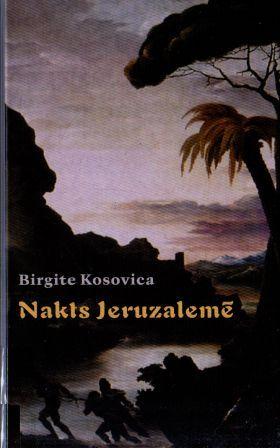
Birgite Kosovica Nakts Jeruzalemē
Nakts Jeruzalemē ir stāsts par mūku Teodoru, kurš jau no agras bērnības ir sapņojis par citu pasauli un citu dzīvi.
Pēc ilgiem kalpošanas gadiem viņš kaislīgi iemīlas Matildē, kura liek uzliesmot ne tikai miesas vēlmēm, bet ari pastiprina mūka reliģiskās šaubas, un viņš nolemj doties uz Jeruzalemi cerībā tur atrast atpakaļceļu uz ticību.
Pilsētā viņš sastop kādu vecu sievu, kas viņam pastāsta par četrām harēma sievām Pašā villā ziemeļos no Damaskas vārtiem — pasauli, kas viņam šķiet visnotaļ sveša un tāla.
Un vecā sieva runādama vēro mūku Teodoru ar tādu skatienu, it kā zinātu visu, kas noticis, un visu, kam lemts notikt…
No dāņu valodas tulkojusi Dace Deniņa
Noskannējis grāmatu un failu izveidojis Imants Ločmelis
Rirgites Kosovicas izsmalcinātais un pilnasinīgais romāns nav pārstāstāms. Un ne jau tāpēc, ka tas ir samezglots un neaptverams. Romāns ir tik bagāts savā veselumā, ka uzdrīkstas atklāties visās niansēs… Lasītājs ar baudu ļaujas, lai jaunā stāstniece viņu pavedina… Nakts Jeruzalemē iegulst plaukstā kā mazs dārgakmens.
Džons Kristiāns Jergensens, Ekstra Bladel
Romāns u/rakstīts pilnīga un klasiskā dāņu "zelta laikmeta" stilā, kādu neesmu sastapis neviena cita jaunākās paaudzes dāņu rakstnieka daiļradē… Vēstījums ir kā likteņstāsts par cilvēka nelabojamo sašķeltību. Lasītājs pateicībā smaida, atradis lielu retumu — gudru, patiesu un īstu stāsinieci.
Tulkojuma recenzents filoloģijas zinātņu maģistrs Karstens Lomholts, Redaktore silvija brice. Korektore ineta upeniece. Riharda Bargā makets. Māra Ābeles vāka dizains
© Apgāds "Atēna", 2003
Evrenam Tekinoktajam

Manuela Gretkowska, Namiętnik, 2005:Tom pięciu opowiadań Manueli Gretkowskiej mówi o potrzebie miłości-we wszystkich jej odmianach, obrazach, wcieleniach. Znajdziemy tu m.in. Sandrę K.-historię anorektyczki, ofiary kultu ciała, infantylnej czytelniczki pism kobiecych. Życie dwudziestoczteroletniej kobiety zatrudnionej w agencji reklamowej wypełnia praca, seks i nieustanna troska o swój wygląd. Zaskakującą historią życia Meksykanina jest Latin Lover. Po ślubie z cyniczną Szwedką bohater przenosi się do Europy, ale wkrótce okazuje się niepotrzebny. W akcie zemsty zostaje utrzymankiem bogatych koleżanek żony, jednak potem wraca do Meksyku. Namiętnik, mocny erotyczny tekst, którego narratorką jest kobieta, przynosi piękny opis aktu seksualnego. W ostatnich opowiadaniach Gretkowskiej eseistyczny temperament autorki ustępuje miejsca żywiołowi opowieści.

Professor Murray Watson is rather a sad sack. His family, his career, his affair…not even drinking offers much joy. All his energies are now focused on his research into Archie Lunan, a minor poet who drowned 30 years ago off a remote stretch of Scottish coast. By redeeming Lunan's reputation, Watson hopes to redeem his own. But the more he learns about Lunan's sordid life, the more unlikely redemption appears.