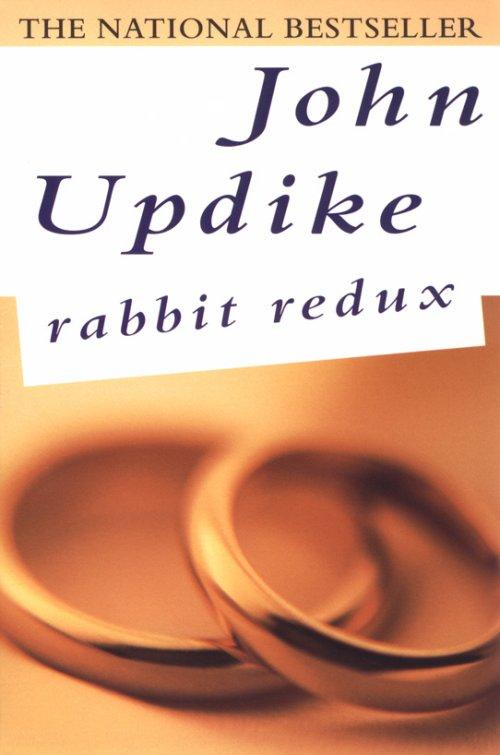
 fb2
fb2The assumptions and obsessions that control our daily lives are explored in tantalizing detail by master novelist John Updike in this wise, witty, sexy story. Harry Angstrom – known to all as Rabbit, one of America's most famous literary characters – finds his dreary life shattered by the infidelity of his wife, Janice. How he resolves – or further complicates – his problems, makes for a novel of the first order.
Rabbit Redux is the second of five John Updike Rabbit novels, all of which focus on their central character Harry Angstrom. In Rabbit Redux, Harry Angstrom – known to all as Rabbit, one of America's most famous literary characters – finds his dreary life shattered by the infidelity of his wife, Janice. How he resolves or further complicates his problems makes for a novel of the first order. The assumptions and obsessions that control our daily lives are explored in tantalizing detail by master novelist John Updike in this wise, witty, and sexy story.
The stunning novella that concludes John Updike's acclaimed Rabbit series is now available on audio.
Set 10 years after Harry "Rabbit" Angstrom's death, Rabbit Remembered returns listeners to the small Pennsylvania town where Harry's widow, Janice, and his son, Nelson, still reside. They are faced with a surprise when Annabelle, Harry's 39-year-old illegitimate daughter, arrives on the scene, bringing with her ghosts from the past.
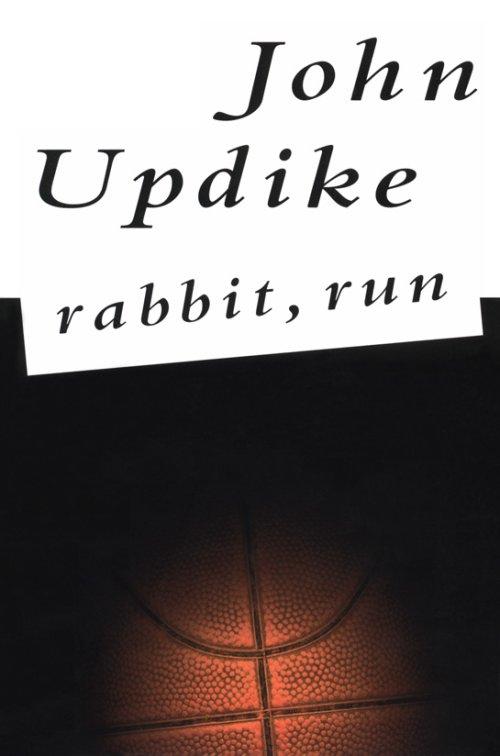
Harry Angstrom was a star basketball player in high school and that was the best time of his life. Now in his mid-20s, his work is unfulfilling, his marriage is moribund, and he tries to find happiness with another woman. But happiness is more elusive than a medal, and Harry must continue to run–from his wife, his life, and from himself, until he reaches the end of the road and has to turn back....
From the Publisher
I read Rabbit, Run when I was in high school (and it wasn't even a school assignment!). Twenty years later (at least!), three very vivid scenes from that book still pop into my head from time to time. The first is the used-car lot, where Rabbit Angstrom, the former basketball star, works for his father-in-law. The second scene is in a very red Chinese restaurant that had changed over from a French restaurant only the week before. Rabbit is there with his old coach and two women that are not their wives, and they drink daiquiris and whiskey sours. This restaurant could have been (and was) in my small town. The third scene is the most harrowing, and I've repeated it as a cautionary tale to young mothers for years, telling the story as if it had happened to someone I know. Janice, Rabbit's wife, who slugs alcohol throughout her pregnancy, is drunk and bathing her newborn baby when something terrible happens. I won't ruin it by telling you more. I read hundreds of books a year, both for my job and for pleasure, so the fact that parts of this book are so indelibly etched in my mind is a testament to the talent and genius of John Updike.
P.S. all of the other books in the Rabbit series are equally unforgettable.
–Maureen O'Neal
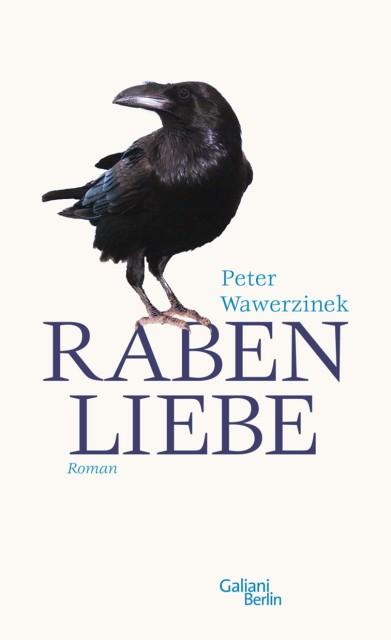
Über fünfzig Jahre quälte sich Peter Wawerzinek mit der Frage, warum seine Mutter ihn als Waise in der DDR zurückgelassen hatte. Dann fand und besuchte er sie. Das Ergebnis ist ein literarischer Sprengsatz, wie ihn die deutsche Literatur noch nicht zu bieten hatte.
Ihre Abwesenheit war das schwarze Loch, der alles verschlingende Negativpol in Peter Wawerzineks Leben. Wie hatte seine Mutter es ihm antun können, ihn als Kleinkind in der DDR zurückzulassen, als sie in den Westen floh? Der Junge, herumgereicht in verschiedenen Kinderheimen, blieb stumm bis weit ins vierte Jahr, mied Menschen, lauschte lieber den Vögeln, ahmte ihren Gesang nach, auf dem Rücken liegend, tschilpend und tschirpend. Die Köchin des Heims wollte ihn adoptieren, ihr Mann wollte das nicht. Eine Handwerkerfamilie nahm ihn auf, gab ihn aber wieder ans Heim zurück.
Wo war Heimat? Wo seine Wurzeln? Wo gehörte er hin?
Dass er auch eine Schwester hat, erfuhr er mit vierzehn. Im Heim hatte ihm niemand davon erzählt, auch später die ungeliebte Adoptionsmutter nicht. Als Grenz sol dat unternahm er einen Fluchtversuch Richtung Mutter in den Westen, kehrte aber, schon jenseits des Grenzzauns, auf halbem Weg wieder um. Wollte er sie, die ihn ausgestoßen und sich nie gemeldet hatte, wirk lich wiedersehen?
Zeitlebens kämpfte Peter Wawerzinek mit seiner Mutterlosigkeit. Als er sie Jahre nach dem Mauerfall aufsuchte und mit ihr die acht Halbgeschwister, die alle in derselben Kleinstadt lebten, war das über die Jahrzehnte überlebens groß gewordene Mutterbild der Wirklichkeit nicht gewachsen. Es blieb bei der einzigen Begegnung. Aber sie löste — nach jahrelanger Veröffentlichungspause — einen Schreibschub bei Peter Wawerzinek aus, in dem er sich das Trauma aus dem Leib schrieb: Über Jahre hinweg arbeitete er wie besessen an Rabenliebe, übersetzte das lebenslange Gefühl von Verlassenheit, Verlorenheit und Muttersehnsucht in ein großes Stück Literatur, das in der deutschsprachigen Literatur seinesgleichen noch nicht hatte.
Los inolvidables personajes de esta novela, como la entrañable y desgarrada pareja formada por el adolescente David y su perro Chispa, el enamorado inspector Galván, o Rosa Bartra, la hermosa pelirroja embarazada, obedecen a una tristeza y una estafa histórica muy concretas, pero también a la estafa eterna de los sueños, encarnada aquí por las fantasmales apariciones de un padre libertario fugitivo y de un arrogante piloto de la RAF que, desde la vieja fotografía de una revista colgada en la pared, actúa como confidente del fantasioso David.
Con estos personajes, con un lenguaje directo y translúcido que contrasta con la honda carga emotiva y moral que discurre por debajo de la trama, Rabos de lagartija, dotada de una estructura narrativa tan sabia como imaginativa, y mostrando cuán frágiles y ambiguos son los límites entre la realidad y la ficción, la verdad y la mentira, el Bien y el Mal, el amor y el desamor, corrobora la condición de Juan Marsé como uno de los novelistas mayores, no sólo de las Letras Hispanas, sino de las actuales narrativas europeas.

Największym atutem "Rachatłukum" jest niewątpliwie główny bohater, który do końca pozostaje bezimienny, właściwie anonimowy. Przez całą książkę opowiada nam o miłości swojego życia – rudowłosej Oldze. Właściwie powieść nie ma wątków pobocznych, jedynie drobne epizody. Jeśli jednak ktoś myśli, że to kolejna mdła, romantyczna paplanina, jest w sporym błędzie. Wolkers operuje językiem jakby nieprzystającym do tej tematyki. Obrzydliwym i obscenicznym, właściwie momentami wulgarnym, gdyż po prostu ta…

Is it truth or fiction? Memoir or essay? Narrative or associative? To a writer like Michael Martone, questions like these are high praise. Martone’s studied disregard of form and his unruffled embrace of the prospect that nothing-no story, no life-is ever quite finished have yielded some of today’s most splendidly unconventional writing. Add to that an utter weakness for pop Americana and what Louise Erdrich has called a “deep affection for the ordinary,” and you have one of the few writers who could pull off something like Racing in Place. Up the steps of the Washington Monument, down the home stretch at the Indy Speedway, and across the parking lot of the Moon Winx Lodge in Tuscaloosa, Alabama, Martone chases, and is chased by, memories-and memories of memories. He writes about his grandfather’s job as a meter reader, those seventies-era hotels with atrium lobbies and open glass elevators, and the legendary temper of basketball coach Bob Knight.Martone, as Peter Turchi has said, looks “under stones the rest of us leave unturned.” So, what is he really up to when he dwells on the make of Malcolm X’s eyeglasses or the runner-up names for Snow White’s seven dwarfs? In “My Mother Invents a Tradition,” Martone tells how his mom, as the dean of girls at a brand-new high school in Fort Wayne, Indiana, “constructed a nostalgic past out of nothing.” Sitting at their dining room table, she came up with everything from the school colors (orange and brown) to the yearbook title (Bear Tracks). Look, and then look again, Martone is saying. “You never know. I never know.”

Radio Iris follows Iris Finch, a twenty-something socially awkward daydreamer and receptionist at Larmax, Inc., a company whose true function she doesn't understand (though she's heard her boss refer to himself as "a businessman").
Gradually, her boss' erratic behavior becomes even more erratic, her coworkers begin disappearing, the phone stops ringing, making her role at Larmax moot, and a mysterious man appears to be living in the office suite next door.
Radio Iris is an ambient, eerie dream of a novel, written with remarkable precision and grace that could also serve as an appropriate allegory for our modern recession.
Anne-Marie Kinney's short fiction has appeared or is forthcoming in Indiana Review, Black Clock, Keyhole, and Satellite Fiction.
"Radio Iris has a lovely, eerie, anxious quality to it. Iris's observations are funny, and the story has a dramatic otherworldly payoff that is unexpected and triumphant."
— Deb Olin Unferth, The New York Times Book Review
"A noirish nod to the monotony of work."
— O: The Oprah Magazine
"Kinney is a Southern California Camus."
— Los Angeles Magazine
"'The Office' as scripted by Kafka."
— Minneapolis Star-Tribune
"[An] astute evocation of office weirdness and malaise."
— The Wall Street Journal
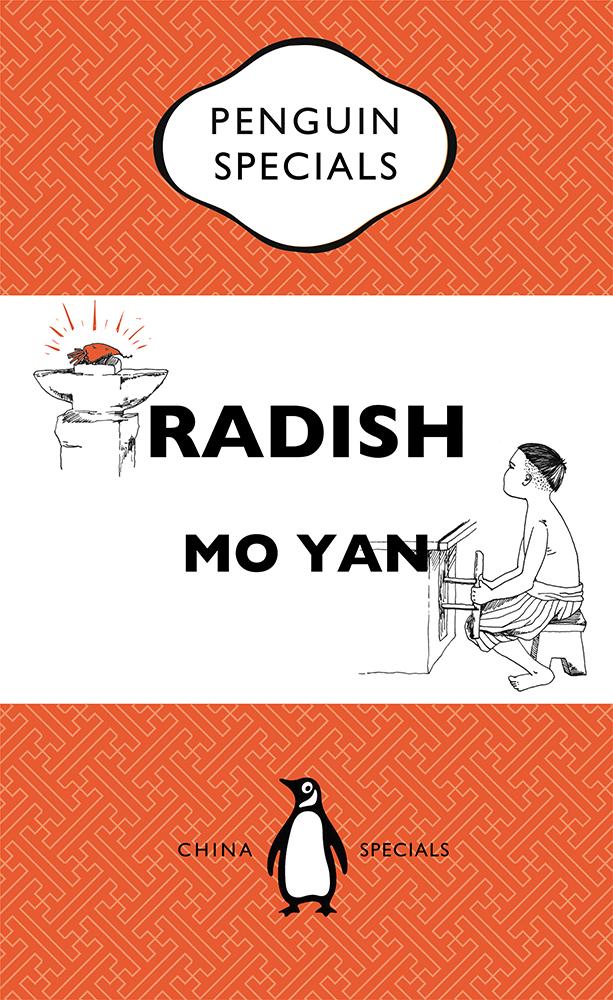
During China's collectivist era in the late 1950s, a rural work team responsible for building an important floodgate receives a strange new recruit: Hei-hai, a skinny, silent and almost feral boy. Assigned to assist the blacksmith at the worksite forge, Hei-hai proves superhumanly indifferent to pain or suffering and yet, eerily sensitive to the natural world. As the worksite becomes a backdrop to jealousy and strife, Hei-hai's eyes remain fixed on a world that only he can see, searching for wonders that only he understands. One day, he finds all that he has been seeking embodied in the most mundane and unexpected way: a radish.
'That dark-skinned boy with the superhuman ability to suffer and a superhuman degree of sensitivity represents the soul of my entire fictional output. Not one of all the fictional characters I've created since then is as close to my soul as he is.' Mo Yan, 2012 Nobel Prize Acceptance Speech
'Pungent, potent, absurd, moving, and alive, this early Mo Yan novella carries his unmistakable stamp. Survival is ignoble, and power blunt, but glimpses of the transcendent are possible: Radish captures the human condition with aching force.' Gish Jen, author of Mona in the Promised Land
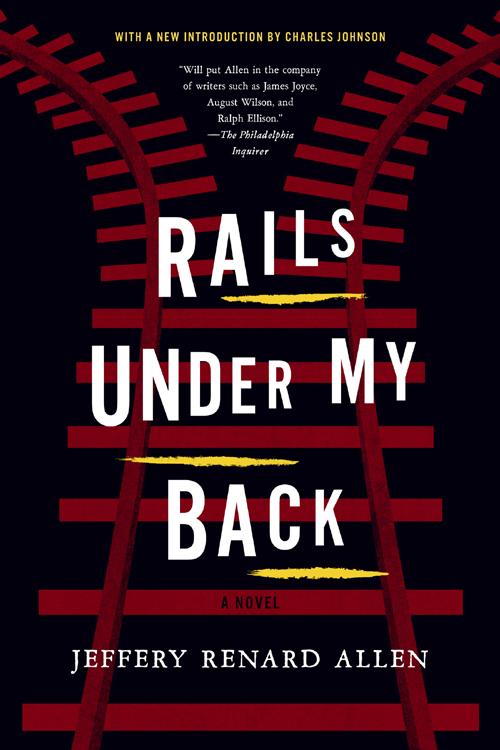
"Will put Allen in the company of writers such as James Joyce, August Wilson, and Ralph Ellison." — The Philadelphia Inquirer.
When it was first published fifteen years ago, Jeffery Renard Allen's debut novel, Rails Under My Back, earned its author comparisons to some of the giants of twentieth-century modernism. The publication of Allen's equally ambitious second novel, Song of the Shank, cemented those lofty claims. Now, the book that established his reputation is being restored to print in its first Graywolf Press edition. Together, the two novels stand as significant achievements of twenty-first-century literature.
Rails Under My Back is an epic that tracks the interwoven lives of two brothers, Lucius and John Jones, who are married to two sisters, Gracie and Sheila McShan. For them, their parents, and their children, life is always full of departures; someone is always fleeing town and leaving the remaining family to suffer the often dramatic, sometimes tragic consequences. The multiple effects of the comings and goings are devastating: These are the almost mythic expression of the African American experience in the half century that followed the Second World War.
The story ranges, as the characters do, from the city, which is somewhat like both New York and Chicago, to Memphis, to the West, and to many "inner" and "outer" locales. Rails Under My Back is a multifaceted, brilliantly colored, intensely musical novel that pulses with urgency and originality.
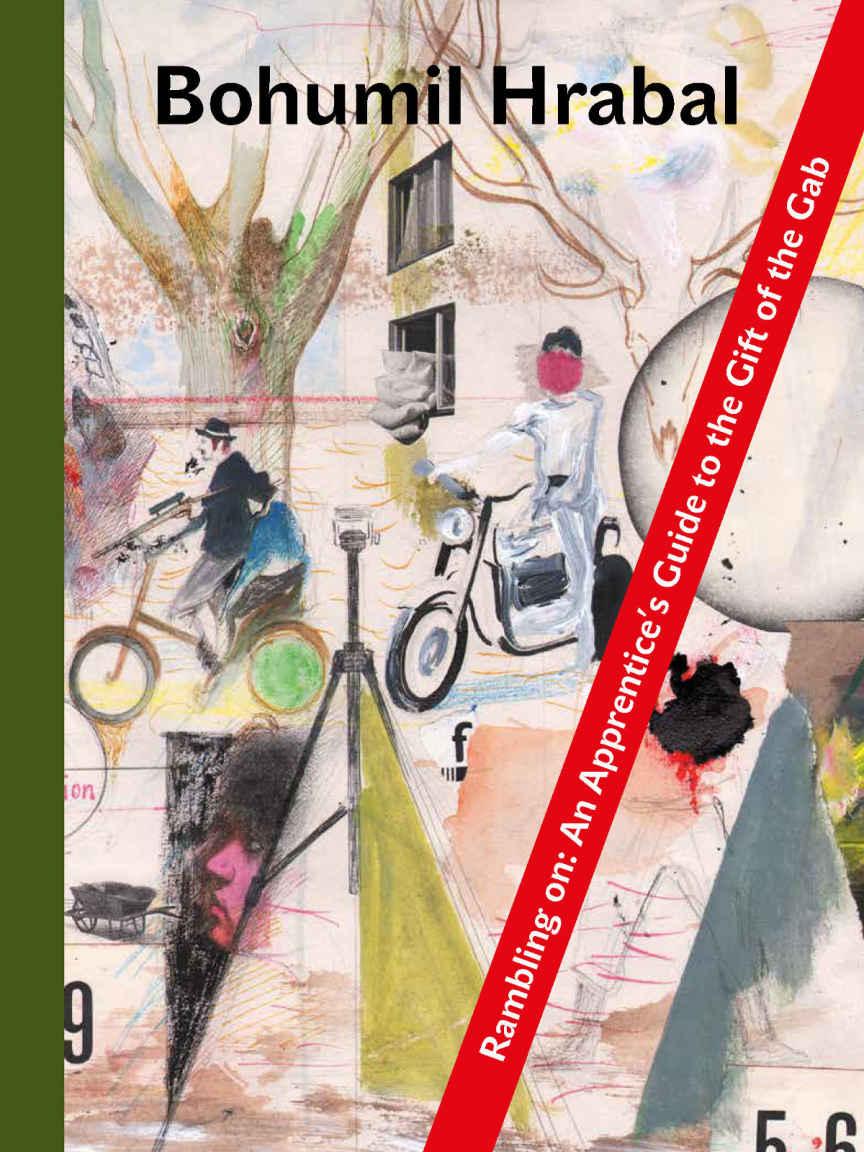
Novelist Bohumil Hrabal (1914-97) was born in Brno, Czechoslovakia, and spent decades working at a variety of laboring jobs before turning to writing in his late forties. From that point, he quickly made his mark on the Czech literary scene; by the time of his death he was ranked with Jaroslav Hašek, Karel Capek, and Milan Kundera as among the nation's greatest twentieth-century writers. Hrabal’s fiction blends tragedy with humor and explores the anguish of intellectuals and ordinary people alike from a slightly surreal perspective. His work ranges from novels and poems to film scripts and essays.
Rambling On is a collection of stories set in Hrabal's Kersko. Several of the stories were written before the 1968 Soviet invasion of Prague but had to be reworked when they were rejected by Communist censorship during the 1970s. This edition features the original, uncensored versions of those stories.
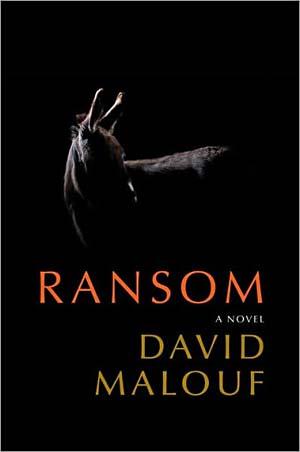
A reimagination of one of the most famous stories in all of literature — Achilles’s slaughter and desecration of Hector, and Priam’s attempt to ransom his son’s body in Homer’s The Iliad—Ransom is the first novel in more than a decade from David Malouf, arguably Australia’s greatest living writer. A novel of suffering, sorrow, and redemption, Ransom tells the story of the relationship between two grieving men at war: fierce Achilles, who has lost his beloved Patroclus in the siege of Troy; and Priam, king of Troy, whose son Hector killed Patroclus and was in turn savaged by Achilles. Each man’s grief demands a confrontation with the other’s if it is to be resolved: a resolution more compelling to both than the demands of war. And when the aged father and the murderer of his son meet, “the past and present blend, enemies exchange places, hatred turns to understanding, youth pities age mourning youth.”
Ransom is a tour de force, incandescent in its delicate and powerful lyricism and in its unstated imperative to imagine our lives in light of fellow feeling.
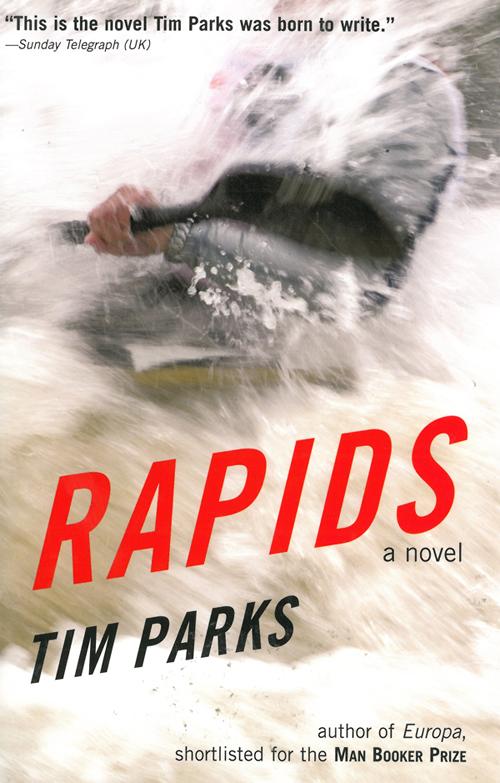
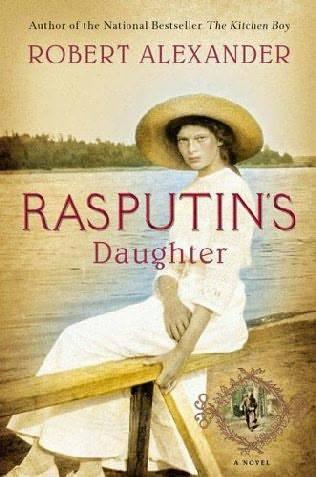
In an endeavor similar to his debut novel, The Kitchen Boy, Alexander couples extensive research and poetic license, this time turning his enthusiasm toward perhaps the most intriguing player in the collapse of the Russian dynasty: Rasputin. This eyebrow-raising account of the final week of the notorious mystic's life is set in Petrograd in December 1916 and narrated by Rasputin's fiery teenage daughter, Maria. The air in the newly renamed capital is thick with dangerous rumors, many concerning Maria's father, whose close relationship with the monarchy-he alone can stop the bleeding of the hemophiliac heir to the throne-invokes murderous rage among members of the royal family. Maria is determined to protect her father's life, but the further she delves into his affairs, the more she wonders: who, exactly, is Rasputin? Is he the holy man whose genuine ability to heal inspires a cult of awed penitents, or the libidinous drunkard who consumes 12 bottles of Madeira in a single night, the unrestrained animal she spies "[eagerly] holding [the] housekeeper by her soft parts"? Does this unruly behavior link him to an outlawed sect that believes sin overcomes sin? The combination of Alexander's research and his rich characterizations produces an engaging historical fiction that offers a Rasputin who is neither beast nor saint, but merely, compellingly human.
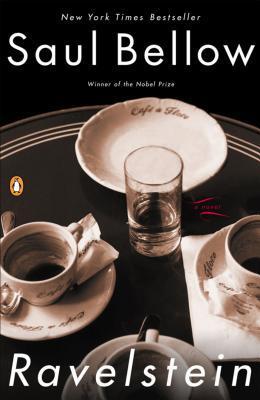
Abe Ravelstein is a brilliant professor at a prominent midwestern university and a man who glories in training the movers and shakers of the political world. He has lived grandly and ferociously-and much beyond his means. His close friend Chick has suggested that he put forth a book of his convictions about the ideas which sustain humankind, or kill it, and much to Ravelstein's own surprise, he does and becomes a millionaire. Ravelstein suggests in turn that Chick write a memoir or a life of him, and during the course of a celebratory trip to Paris the two share thoughts on mortality, philosophy and history, loves and friends, old and new, and vaudeville routines from the remote past. The mood turns more somber once they have returned to the Midwest and Ravelstein succumbs to AIDS and Chick himself nearly dies.
Deeply insightful and always moving, Saul Bellow's new novel is a journey through love and memory. It is brave, dark, and bleakly funny: an elegy to friendship and to lives well (or badly) lived.

Nominated for the American Book Award, 'Ray' is the bizarre, hilarious, and consistently adventurous story of a life on the edge. Dr. Ray- a womanizer, small-town drunk, vigilante, poet, adoring husband- is a man trying to make sense of life in the twentieth century. In flight from the death he dealt flying over Vietnam, Dr. Ray struggles with those bound to him by need, sickness, lunacy, by blood and by love.
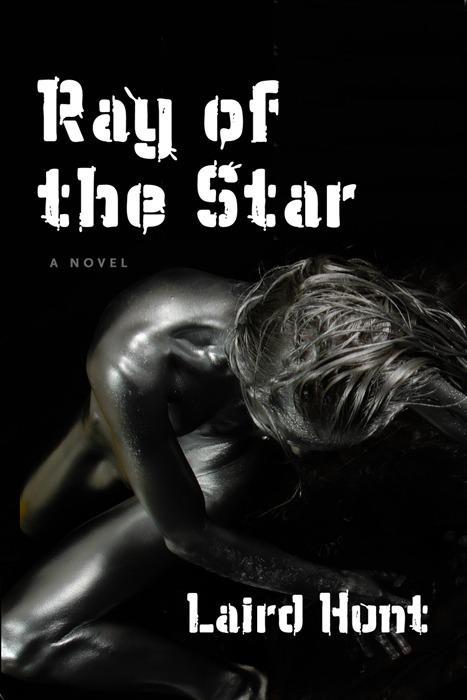
Set in a dream-like European city reminiscent of Barcelona, along a boulevard teeming with artists who perform as living statues, comes the beautiful and frightening story of a man running from his past, a woman consumed by grief, and the forces that pursue them both.
New to the city, Harry is drawn to the boulevard, and particularly to Solange, a silent, silver angel awash in Lucite tears and heartbreak. Haunted by his own mysterious tragedy but determined to woo her, Harry visits Almundo’s Store for Living Statues and begins his transformation into the golden “Knight of the Woeful Countenance.”
A love story related in the dark, stylish noir of continental cinema and overlaid with a patina of surrealism, this is a novel where friends are also informers, street theater is the lifeblood of culture, and refuge can be found in the belly of a yellow, papier mâché submarine.
As the lovers reckon with seers offering answers to insoluble questions, neighbors who take evening strolls with the dearly departed, critics who control more than artistic fate, and shoes determined to lead their wearers astray, they come to understand the price of survival and what it means to travel along the ray of the star.
Called “one of the most talented young writers on the American scene today” by Paul Auster, Laird Hunt is the author of three previous, genre-bending novels: The Impossibly, The Exquisite, and Indiana, Indiana. A former press officer at the United Nations and current faculty member at the University of Denver, he lives in Boulder, Colorado.

Considerada un clásico de la literatura moderna en lengua castellana, Rayuela (1963) es una de las obras más innovadoras de las últimas décadas. La clave de su ruptura con el orden clásico del relato radica en la postulación de una estructura inorgánica: el libro puede leerse en forma normal del capítulo 1 al 56 y terminar ahí, después están los capítulos?prescindibles?, del 57 al 155. Estos se leen alternadamente según un orden que el autor va dando, mezclados con los primeros. De esa manera la novela comienza en el Nº 73. Entre estos artículos prescindibles, algunos de difícil lectura, hay cosas que tienen que ver con la trama principal, pero también aparecen otros personajes, lugares y reflexiones. El capítulo 62, por ejemplo, dio luego origen a otra novela de Cortázar: 62/Modelo para armar. Amor, ternura, amistad, humor, geografía urbana, música, constituyen algunos de sus temas recurrentes, en un ámbito de de exploración estética que recuerda a la improvisación de los grandes maestros del jazz.