 fb2
fb2Życie Holly i Gerry`ego było idealne – szczęśliwe małżeństwo, dom w Dublinie, oddani przyjaciele, wspaniała rodzina. Mieli świat u swych stóp. Tak przynajmniej sądzili. Dlatego gdy Gerry niespodziewanie umiera, życie Holly rozpada się na kawałki. I oto okazuje się, że jej dowcipny mąż zostawił dziesięć listów, a w nich dziesięć poleceń, które Holly musi wykonać. Z pomocą zwariowanych przyjaciół i kochającej, choć nieco ekscentrycznej rodzinki, Holly przekonuje się, że los szykuje dla niej jeszcze wiele niespodzianek.
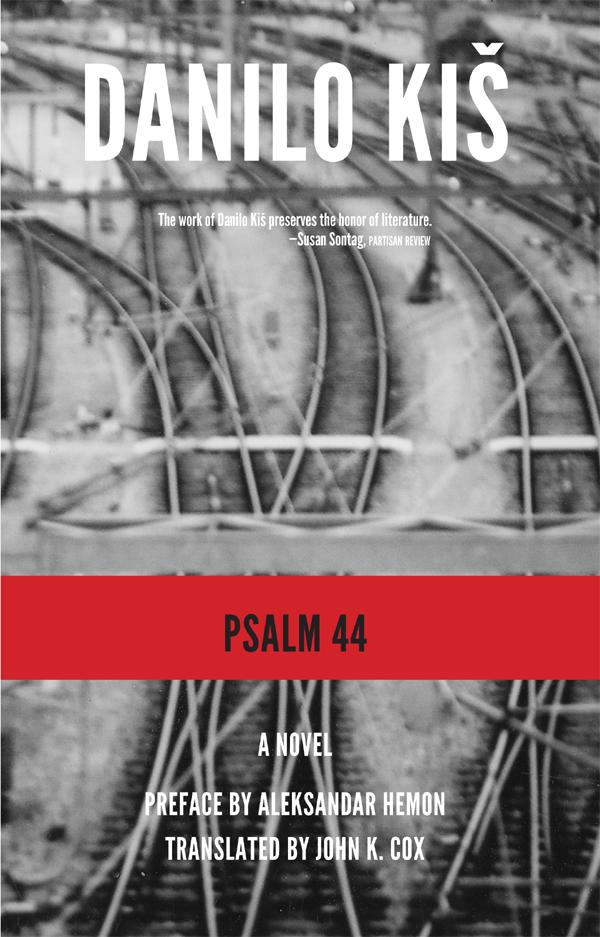
Written when he was only twenty-five, before embarking on the masterpieces that would make him an integral figure in twentieth-century letters, Psalm 44 shows Ki at his most lyrical and unguarded, demonstrating that even in the place of dragons. . covered with the shadow of death, there can still be poetry. Featuring characters based on actual inmates and warders including the abominable Dr. Mengele Psalm 44 is a baring of many of the themes, patterns, and preoccupations Ki would return to in future, albeit never with the same starkness or immediacy.
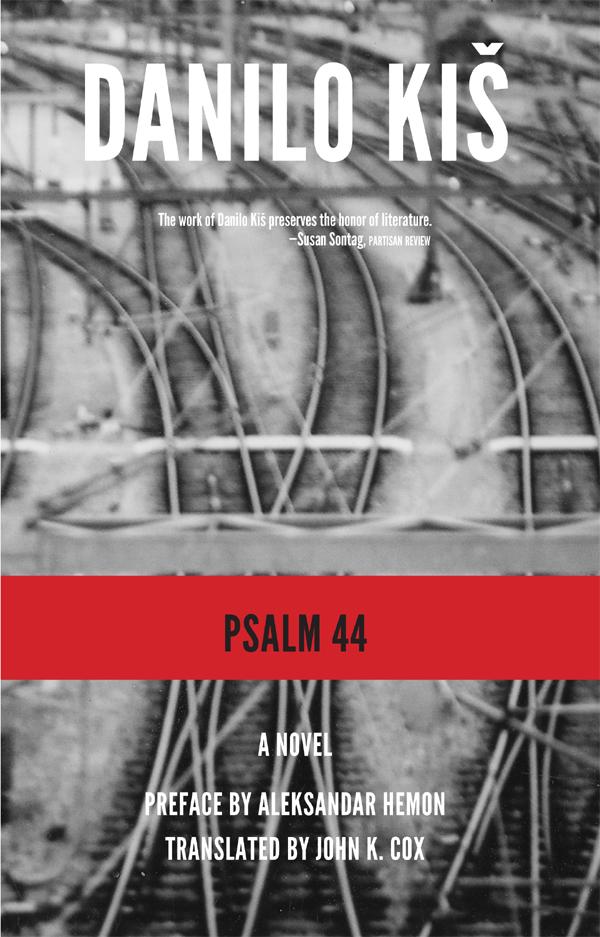
Written when he was only twenty-five, before embarking on the masterpieces that would make him an integral figure in twentieth-century letters, Psalm 44 shows Ki at his most lyrical and unguarded, demonstrating that even in the place of dragons. . covered with the shadow of death, there can still be poetry. Featuring characters based on actual inmates and warders including the abominable Dr. Mengele Psalm 44 is a baring of many of the themes, patterns, and preoccupations Ki would return to in future, albeit never with the same starkness or immediacy.
Psicomagia es el documento más completo sobre la evolución de la obra creativa y terapéutica de Alejandro Jodorowsky, e incluye la versión íntegra, inédita en España, del texto fundamental para comprender la psicomagia. El autor nos muestra el camino que le llevó a ella, desde sus primeros actos poéticos y teatrales hasta su aprendizaje para controlar el mundo onírico. Estos pasos imprescindibles, junto con el conocimiento que maestros, curanderos y chamanes le transmitieron, fue lo que dio origen a sus técnicas para sanar, conocidas como psicomagia y psicogenealogía. El libro ofrece también al lector una reciente entrevista con Jodorowsky, en la que nos habla de la muerte, del destino, las religiones, la clonación humana, su idea sobre el futuro de la humanidad o la necesidad de despertar nuestra mente. El volumen lo cierran un curso con ejercicios, donde el autor nos muestra cómo es posible desarrollar nuestra creatividad y utilizarla para que nos libere de roles e ideas preconcebidas, y un apéndice con 12 casos psiquiátricos reales cuyos pacientes fueron curados al serles prescritos actos de psicomagia.
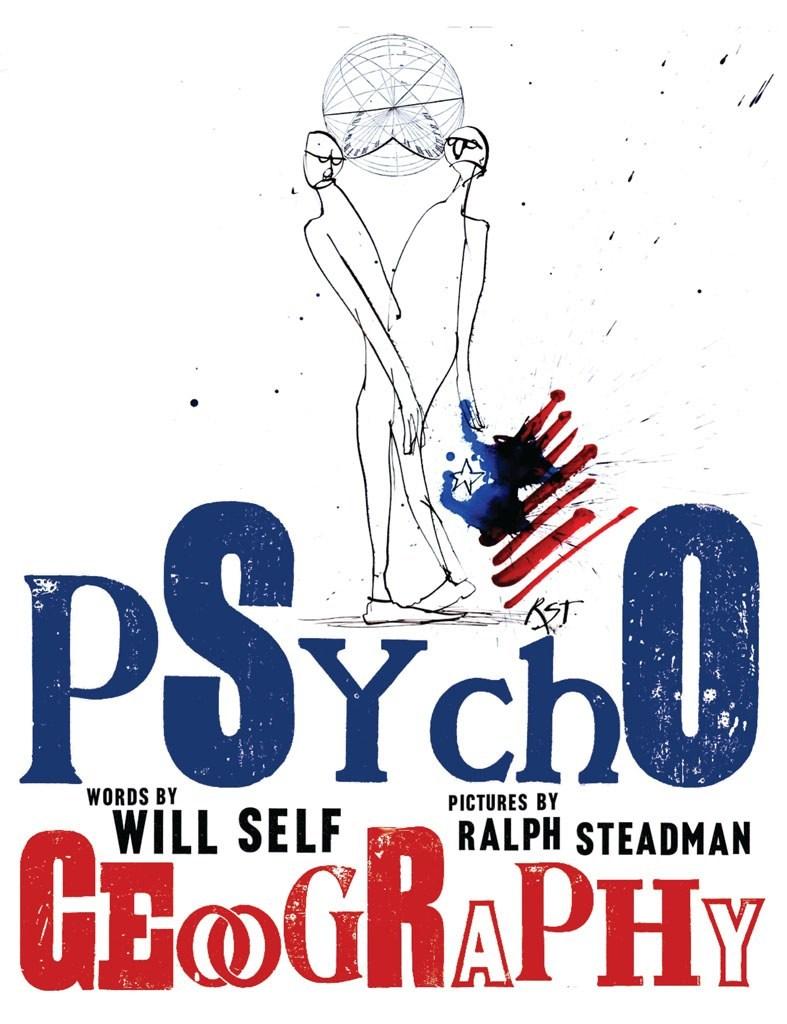
For those interested in the connection between people and place, the best of the decade long collaboration between literary brat packer Will Self and gonzo illustrator Ralph Steadman.
Opening with a dazzling new 20,000-word essay on walking from London to New York, Psychogeography is a collection of 50 short pieces written over the last four years, together with 50 four-color illustrations by Ralph Steadman. In Psychogeography Self and Steadman explore the relationship between psyche and place in the contemporary world. Self thinks most people have a "wind-screen-based virtuality" on long- and short-distance travel. We drive, take buses and trains, fly. To combat this compromised reality, Will Self walks, relating intimately to place, as pedestrians do. Ranging in subject from swimming the Ganges to motorcycling across the Australian outback, shopping in an Iowa mall to surfing a tsunami, Psychogeography is at once a map of our world and the psychoanalysis of the way we inhabit it. The pieces are serious, humorous, facetious, and rambunctious. Psychogeography, the study of the effects of geographical environment on the emotions and behavior of individuals, has captivated other writers including W. G. Sebald and Peter Ackroyd, but Self and Steadman have their own unique spin on how place shapes people and vice versa.
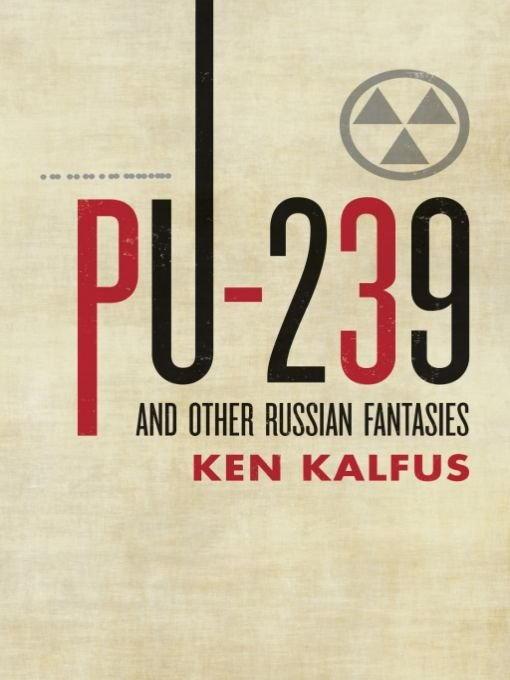
Kalfus plucks individual lives from the stew of a century of Russian history and serves them up in tales that range from hair-raising to comic to fabulous. The astonishing title story follows a doomed nuclear power plant worker as he hawks a most unusual package on the black market—a canister of weapons-grade plutonium. In “Orbit,” the first cosmonaut navigates several items not on the preflight checklist as he prepares to blaze the trail for the new communist society, “floating free of terrestrial compromise.” In “Budyonnovsk,” a young man hopes desperately that the takeover of his town by Chechen rebels will somehow save his marriage. Set in the 1920s, “Birobidzhan” is the bittersweet story of a Jewish couple journeying to the Soviet Far East, where they intend to establish the modern world’s first Jewish state. The novella, “Peredelkino,” which closes the book, traces the fortunes of a 1960s literary apparatchik whose romantic intrigues inadvertently become political.
Together, these works of fiction capture the famously enigmatic Russian psyche. They display Kalfus’s ability to imagine a variety of believable yet wholly singular characters whose lives percolate against a backdrop of momentous events.
In his second book of short stories, Ken Kalfus takes on the speeding troika that is Russia in the 20th century. It’s an astonishing act of literary ventriloquism, displaying a range of subjects and techniques that would be remarkable in any writer, and is that much more so in one working in a tradition not his own. There are not one but many Russias in Pu-239 and Other Russian Fantasies: the giddy utopianism of the early Soviet Union; the postwar Stalinist personality cult; the brief thaw of ’60s liberalism; and, perhaps most affectingly, the post-Gorbachev state, in which infrastructure crumbles while workers go unpaid. The title story begins with an accident in a nuclear plant and ends in unwitting apocalypse, as a technician dying of radiation poisoning attempts to sell weapons-grade plutonium on the black market. The result is part tragedy, part Fargo-style farce, featuring hoodlums so dumb they think they’re dealing in drugs: “‘What did he call it?’… ‘Plutonium. From Bolivia, he said.’” In “Anzhelika, 13,” a young girl is convinced she has caused Stalin’s death, while “Salt” is a satiric fairy tale about supply and demand. “Budyonnovsk” finds Viktor Chernomyrdin negotiating not with Chechen hostage-takers but with an exhausted, embattled Russian Everyman, Vasya, who is “old enough to know what a real job is, but not old enough to have ever had one.”
The short-story collection suits Kalfus; its eclecticism let him come at his subject from as many angles as he can dream up (and that’s a lot). It’s harder to sustain the same kind of imaginative momentum in a longer form, which makes the book’s final novella an unexpected success. “Peredelkino” follows two writers through an intricate dance of literature, politics, jealousy, and desire, and then closes on a lovely and moving image. The narrator—discredited, disillusioned, his career finished—stands outside his own house “in the dark nowhere place from where authors always watch their readers.” Inside is his wife, to whom he has been repeatedly and flagrantly unfaithful, oblivious to his presence but transfixed by his book:
In a sense, that’s us he’s looking at, absorbed in the book we’ve just finished. Kalfus is the kind of writer who can tip his hat to the reader—who can acknowledge our *complicity*—all without ever lifting us out of the world he’s created. Most fiction speaks to either the heart or the head; his does both with ease.
These five short stories and one novella demonstrate Kalfus’s sense of the absurd, and his marvelous knowledge of modern Russia. The jewel of this collection is its eponymous first story. Timofey, a nuclear engineer, absorbs a toxic amount of radiation in an accident at his workplace, an obsolete provincial nuclear weapons facility. Hoping to leave his family some money after his death, Timofey steals some plutonium and takes it to Moscow, planning to sell it on the black market. But Yeltsin-era Moscow perplexes him absolutely. He makes the mistake of trusting Shiv, a small-time hoodlum who knows no physics: the results are comic and awful at once. Other stories describe the long shadow of Stalinism. “Birobidzhan” is a fascinating version of the bizarre “homeland” for Jews that Stalin sanctioned and attempted to build within Russia. In “Anzhelika, 13,” a girl gets her first period on the day Stalin dies. Terrified, she equates the national mourning, her brutish father’s grief and her body’s function. The novella, “Peredelkhino,” begins with the narrator, Rem Petrovich Krilov, about to produce a servile review of a novel by Leonid Brezhnev. The narrative then flashes back to the ’60s, just before the Prague Spring, when Krilov is a rising star of Moscow’s official literary culture, with his own suburban dacha. After the defection of a beautiful writer whom he had innocently recommended to an editor, Krilov falls from grace; in the repressive post-1968 climate, he is tarred with her “crime.” Kalfus shows a striking talent for transcultural understanding, and for depicting the very strange; fans of Paul Bowles, or of Kalfus’s earlier collection, Thirst (to be released in paperback by Washington Square Press), won’t want to miss these new tales. Agent, Michael Carlisle. Author tour. (Sept.) FYI: First serial rights to one of the stories, “Salt,” have been sold to Bomb magazine.
Copyright 1999 Reed Business Information, Inc.
http://www.youtube.com/watch?v=iiMhvmtfZFs
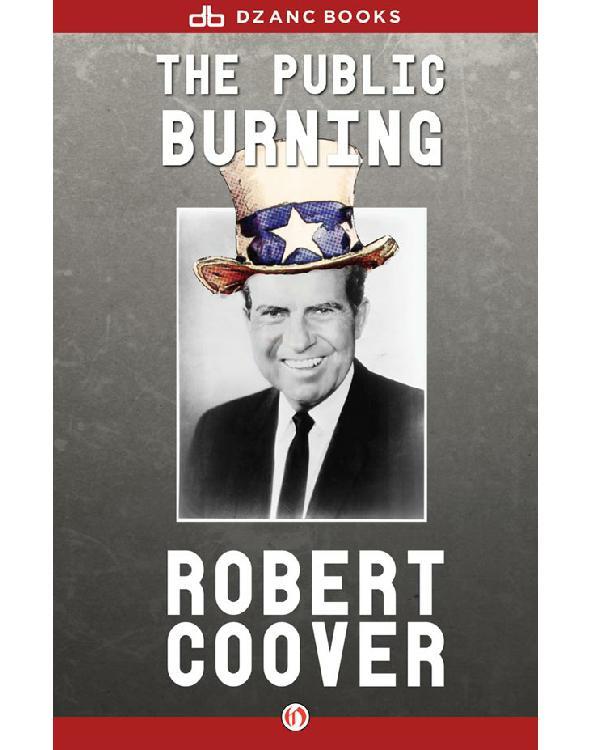
A controversial best-seller in 1977, The Public Burning has since emerged as one of the most influential novels of our time. The first major work of contemporary fiction ever to use living historical figures as characters, the novel reimagines the three fateful days in 1953 that culminated with the execution of alleged atomic spies Julius and Ethel Rosenberg. Vice-President Richard Nixon — the voraciously ambitious bad boy of the Eisenhower regime — is the dominant narrator in an enormous cast that includes Betty Crocker, Joe McCarthy, the Marx Brothers, Walter Winchell, Uncle Sam, his adversary The Phantom, and Time magazine incarnated as the National Poet Laureate. All of these and thousands more converge in Times Square for the carnivalesque auto-da-fe at which the Rosenbergs are put to death. And not a person present escapes implication in Cold War America's ruthless "public burning."
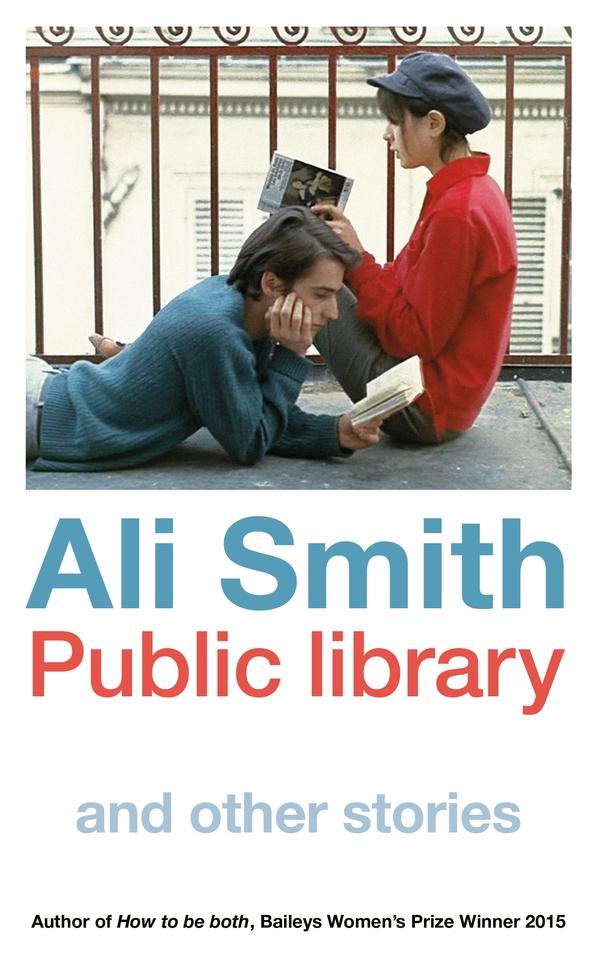
A richly inventive new collection of stories from Ali Smith, author of How to be both, winner of the Baileys Women's Prize and the Costa Novel Award and shortlisted for the Man Booker Prize.
Why are books so very powerful?
What do the books we've read over our lives — our own personal libraries — make of us?
What does the unravelling of our tradition of public libraries, so hard-won but now in jeopardy, say about us?
The stories in Ali Smith's new collection are about what we do with books and what they do with us: how they travel with us; how they shock us, change us, challenge us, banish time while making us older, wiser and ageless all at once; how they remind us to pay attention to the world we make.
Public libraries are places of joy, freedom, community and discovery — and right now they are under threat from funding cuts and widespread closures across the UK and further afield. With this brilliantly inventive collection, Ali Smith joins the campaign to save our public libraries and celebrate their true place in our culture and history.
Voici l'histoire d'un homme, d'une femme et d'un oiseau. Cette femme, une chanteuse célèbre, va mourir des suites d'un accident d'automobile. Du même coup, son mari apprend que « le monsieur qui était avec sa femme a été tué au volant ». La jalousie, soudain, réveille l'amour endormi. Un sentiment insoutenable, un enfer d'angoisse et de torture. Il n'y a pas un instant à perdre. Quelques jours, quelques heures pour revivre une vie entière, tuer le mensonge, regagner le temps perdu. C'est alors qu'un oiseau entre dans la chambre funèbre. Une petite bête jaune, un simple oiseau. La jeune femme qui agonise semble le connaître. On dirait qu'elle lui parle, qu'il entend, qu'ils se comprennent… C'est à devenir fou.
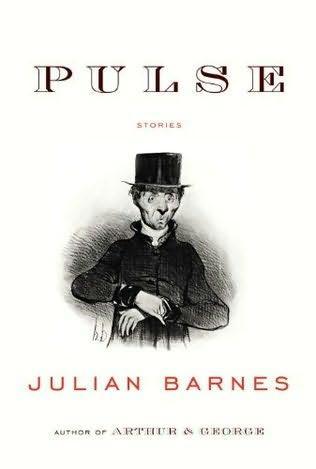
After the best-selling Arthur George and Nothing to Be Frightened Of, Julian Barnes returns with fourteen stories about longing and loss, friendship and love, whose mysterious natures he examines with his trademark wit and observant eye.
From an imperial capital in the eighteenth century to Garibaldi's adventures in the nineteenth, from the vineyards of Italy to the English seaside in our time, he finds the 'stages, transitions, arguments' that define us. A newly divorced real estate agent can't resist invading his reticent girlfriend's privacy, but the information he finds reveals only his callously shallow curiosity. A couple come together through an illicit cigarette and a song shared over the din of a Chinese restaurant. A widower revisting the Scottish island he'd treasured with his wife learns how difficult it is to purge oneself of grief. And throughout, friends gather regularly at dinner parties and perfect the art of cerebral, sometimes bawdy banter about the world passing before them.
Whether domestic or extraordinary, each story pulses with the resonance, spark, and poignant humor for which Barnes is justly heralded.
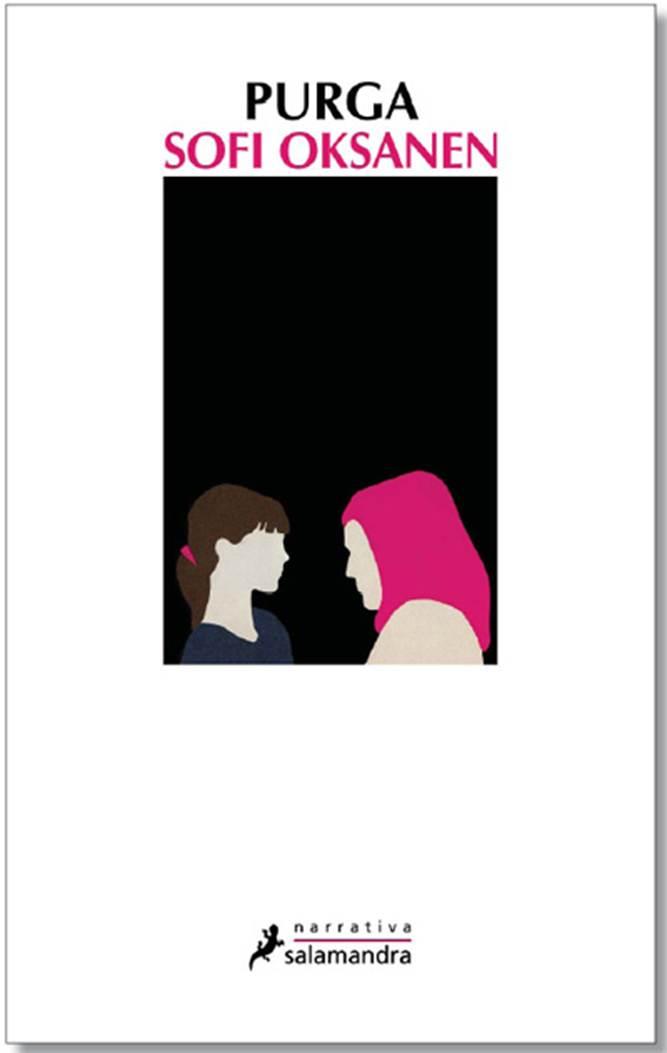
En una despoblada zona rural de Estonia, en 1992, recuperada la independencia de la pequeña república báltica, Aliide Truu, una anciana que malvive sola junto al bosque, encuentra en su jardín a una joven desconocida, exhausta y desorientada. Se trata de Zara, una veinteañera rusa, víctima del tráfico de mujeres, que ha logrado escapar de sus captores y ha acudido a la casa de Aliide en busca de una ayuda que necesita desesperadamente. A medida que Aliide supera la desconfianza inicial, y se establece un frágil vínculo entre las dos mujeres, emerge un complejo drama de viejas rivalidades y deslealtades que han arruinado la vida de una familia.
Narrada en capítulos cortos que alternan presente y pasado a un ritmo subyugante, la revelación gradual de la historia de ambos personajes mantiene en vilo al lector hasta la última página. Con meticuloso realismo, Oksanen traza los efectos devastadores del miedo y la humillación, pero también la inagotable capacidad humana para la supervivencia. Una novela de múltiples lecturas y matices, que por su originalidad y su maestría nos asombra y sobrecoge.
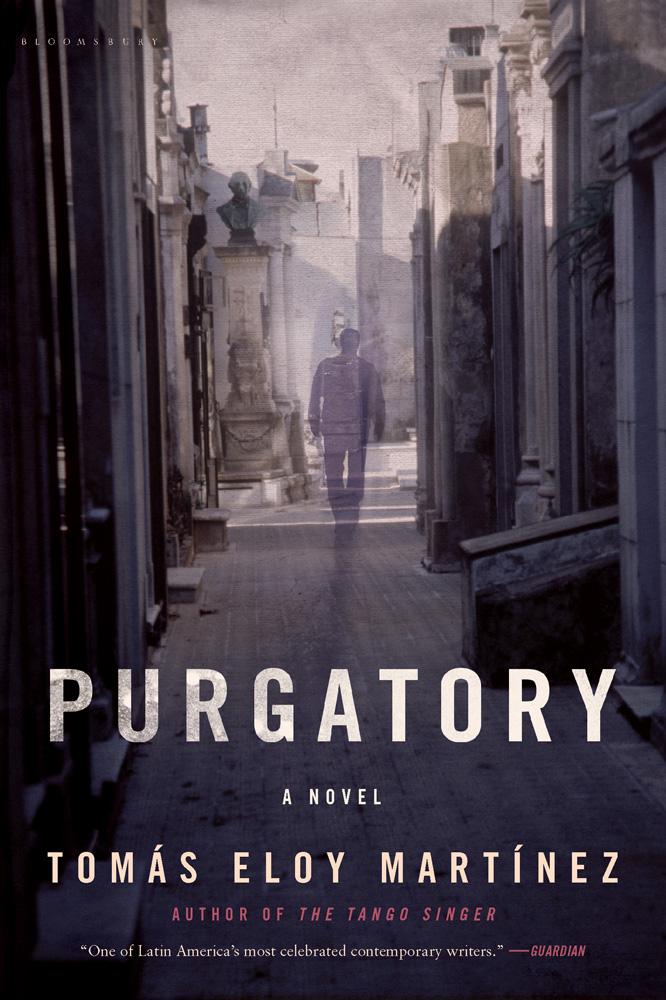
In the winter of 1976, Simón Cardoso is arrested by the military who imposed the bloody dictatorship in Argentina and disappears leaving no traces. Thirty years later, his wife, Emilia Dupuy, finds herself frozen upon hearing his voice in the suburbs of New Jersey. Her world, which seemed to have fallen apart with the tragedy, regains its light. Except for one small detail: Simón seems to be stuck in his youth. Time hasn't passed for him.
"Purgatory" narrates the anxiety of the love lost and then found in a magnificent reconstruction of the sinister events that went down in the time of the regime in Argentina.
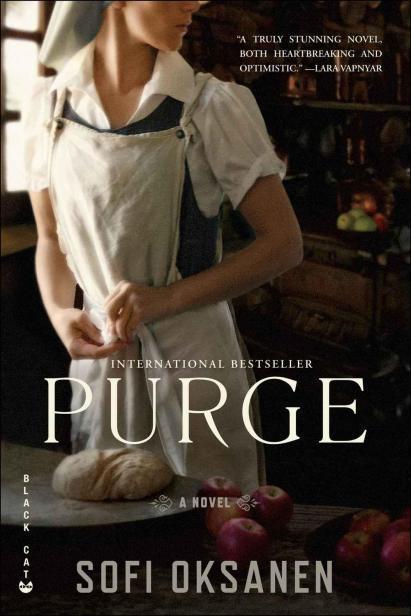
"A truly stunning novel, both heartbreaking and optimistic." – Lara Vapnyar
Soon to be published in twenty-five languages, Sofi Oksanen's award-winning novel Purge is a breathtakingly suspenseful tale of two women dogged by their own shameful pasts and the dark, unspoken history that binds them.
When Aliide Truu, an older woman living alone in the Estonian countryside, finds a disheveled girl huddled in her front yard, she suppresses her misgivings and offers her shelter. Zara is a young sex-trafficking victim on the run from her captors, but a photo she carries with her soon makes it clear that her arrival at Aliide's home is no coincidence. Survivors both, Aliide and Zara engage in a complex arithmetic of suspicion and revelation to distill each other's motives; gradually, their stories emerge, the culmination of a tragic family drama of rivalry, lust, and loss that played out during the worst years of Estonia's Soviet occupation.
Sofi Oksanen establishes herself as one the most important voices of her generation with this intricately woven tale, whose stakes are almost unbearably high from the first page to the last. Purge is a fiercely compelling and damning novel about the corrosive effects of shame, and of life in a time and place where to survive is to be implicated.
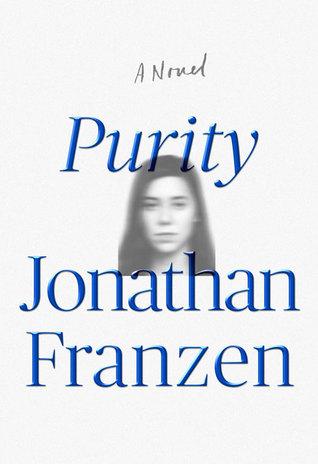
Young Pip Tyler doesn't know who she is. She knows that her real name is Purity, that she's saddled with $130,000 in student debt, that she's squatting with anarchists in Oakland, and that her relationship with her mother-her only family-is hazardous. But she doesn't have a clue who her father is, why her mother has always concealed her own real name, or how she can ever have a normal life.
Enter the Germans. A glancing encounter with a German peace activist leads Pip to an internship in South America with The Sunlight Project, an organization that traffics in all the secrets of the world-including, Pip hopes, the secret of her origins. TSP is the brainchild of Andreas Wolf, a charismatic provocateur who rose to fame in the chaos following the fall of the Berlin Wall. Now on the lam in Bolivia, Andreas is drawn to Pip for reasons she doesn't understand, and the intensity of her response to him upends her conventional ideas of right and wrong.
Purity is a dark-hued comedy of youthful idealism, extreme fidelity, and murder. The author of The Corrections and Freedom has created yet another cast of vividly original characters, Californians and East Germans, good parents and bad parents, journalists and leakers, and he follows their intertwining paths through landscapes as contemporary as the omnipresent Internet and as ancient as the war between the sexes. Jonathan Franzen is a major author of our time, and Purity is his edgiest and most searching book yet.
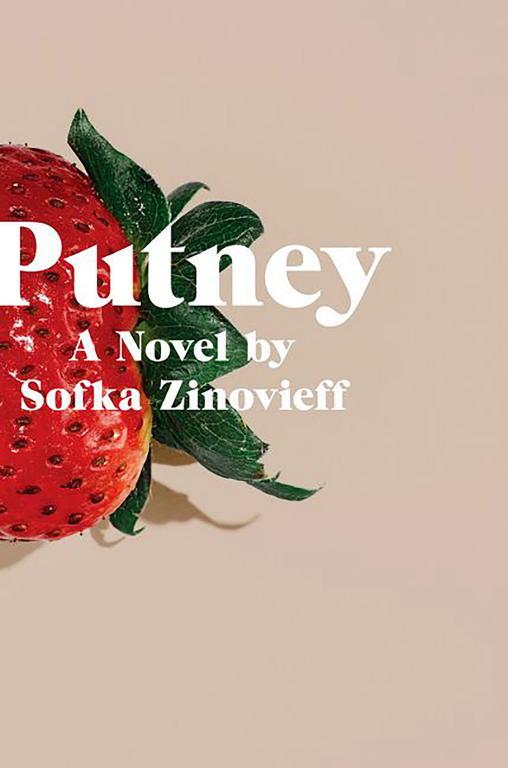
In the spirit of Zoë Heller’s Notes on a Scandal and Tom Perrotta’s Mrs. Fletcher, an explosive and thought-provoking novel about the far-reaching repercussions of an illicit relationship between a young girl and a man twenty years her senior.
A rising star in the London arts scene of the early 1970s, gifted composer Ralph Boyd is approached by renowned novelist Edmund Greenslay to score a stage adaptation of his most famous work. Welcomed into Greenslay’s sprawling bohemian house in Putney, an artistic and prosperous district in southwest London, the musical wunderkind is introduced to Edmund’s beautiful activist wife Ellie, his aloof son Theo, and his nine-year old daughter Daphne, who quickly becomes Ralph’s muse.
Ralph showers Daphne with tokens of his affection – clandestine gifts and secret notes. In a home that is exciting but often lonely, Daphne finds Ralph to be a dazzling companion. Their bond remains strong even after Ralph becomes a husband and father, and though Ralph worships Daphne, he does not touch her. But in the summer of 1976, when Ralph accompanies thirteen-year-old Daphne alone to meet her parents in Greece, their relationship intensifies irrevocably. One person knows of their passionate trysts: Daphne’s best friend Jane, whose awe of the intoxicating Greenslay family ensures her silence.
Forty years later Daphne is back in London. After years lost to decadence and drug abuse, she is struggling to create a normal, stable life for herself and her adolescent daughter. When circumstances bring her back in touch with her long-lost friend, Jane, their reunion inevitably turns to Ralph, now a world-famous musician also living in the city. Daphne’s recollections of her childhood and her growing anxiety over her own young daughter eventually lead to an explosive realization that propels her to confront Ralph and their years spent together.
Masterfully told from three diverse viewpoints – victim, perpetrator, and witness – Putney is a subtle and enormously powerful novel about consent, agency, and what we tell ourselves to justify what we do, and what others do to us.
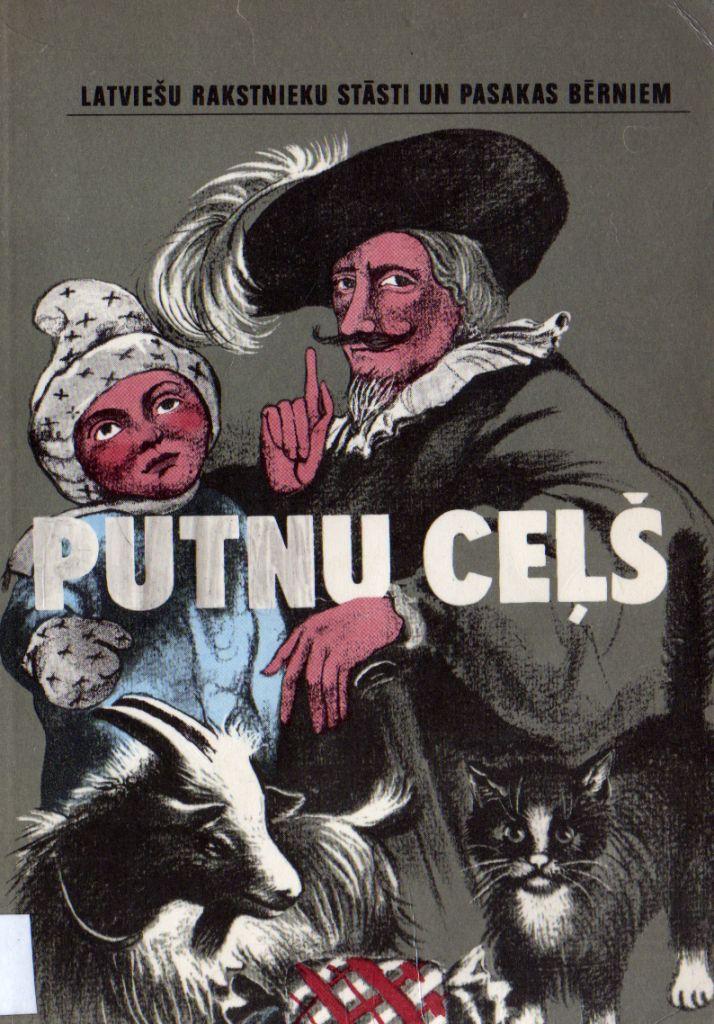
Sastādītājs Uldis Auseklis
Putnu ceļš. Latviešu rakstnieku stāsti un pasakas bērniem. Otrais gads
1. Stāsti
Nellija Kovalevska. Spodris, es un suņi
Vija Upmale. Vienīgā
Ērika Kalna. Mūziciņa
Ēriks Kūlis. Akmens cilvēciņā
Anita Liepa. Suns
Dzintra Zuravska. Iepazīšanās
Lienīte Medne. Amulets
Vija Gune. Lietus smarža
Dagnija Zigmonte. Balle ar Šāviņiem
Zenta Ergle. Pirmais zābaku pāris
Arvis Grods. Sagatavošanās
Juris Veitners. Gara, zaļa puķu diena
Mirdza Kļava. Toreiz
Viks. Jūs zināt, kas zvana?
Dzidra Rinkule-Zemzare. Kā pasakā
Jānis Baltvilks. Notikums āboliņlaukā
Atis Baiža. No cikla «Dižkoku meklētāja gaitās
2. Literārās pasakas
Arnolds Auziņš. Dižciltīga vīra portrets
Alberts Ločmelis. Darbiņš un Sņimuknils skolā
Imants Bremze. Kā strazdam stabuli skaņoja
Dagnija Dreika. Kverpucītis ar draudzenīti
Georgs Mintautis. Sveču kalns
Vidējā skolas vecuma bērniem
Sastādītājs ULDIS AUSEKLIS
Noskannējis grāmatu un failu izveidojis Imants Ločmelis
RIGA «LIESMA» 1989
Noskannējis grāmatu un FB2 failu izveidojis Imants Ločmelis
Māksliniece GUNTA LIEPIŅA-GRĪVA
Recenzents LAIMONIS VACZEMNIEKS
C: Izdevniecība .Liesma»,
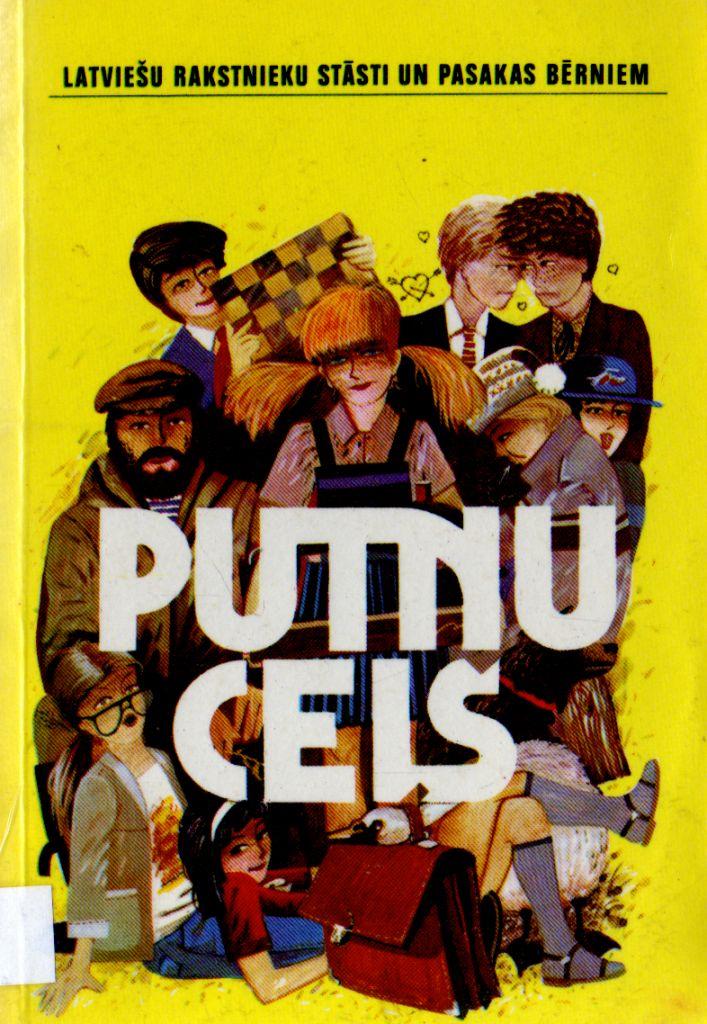
Sastādītājs Uldis Auseklis
Putnu ceļš. Latviešu rakstnieku stāsti un pasakas bērniem. Pirmais gads.
Stāsti
Neiburga Andra. Spīdēja saule
Auziņs Arnolds. Šuvējiņa
Zīle Monika. Jūras krupim grāvī grūti
Kalna Ērika. Tētim būs kabinets
Kova)evska Nellija. Mēs ar Ainu
Puriņš Andris. Apa|ā puķu dobe
Mauliņš Jānis. Apmātībā
Upmale Vija. Stenlija kausi
Zigmonte Dagnija. Barkarola
Dreika Dagnija. Karmena un Sniegbaltīte
Kalpiņa Rudīte. Resnā
Rinkule-Zemzare Dzidra. Pelēcitis
Kūlis Ēriks. Draugs
Baltvilks Jānis. Mergusiņā
Valentina Skudrule. Viena diena
II. Literārās pasakas
Kļava Mirdza. Gadījums ar ūdens pili. Akmens ceļa malā. Saulespuķe un vējš. Kā pelēnam gadījās. Dzeltenā lēpene dusmojas
Grods Arvis. Taurenitis
Viks. Ka maza Džī izglāba savu planētu
Vidēja skolas vecuma bērniem
Noskannējis grāmatu un failu izveidojis Imants Ločmelis
RIGA «LIESMA.» 1988
Noskannējis grāmatu un FB2 failu izveidojis Imants Ločmelis
ARNOLDS AUZIŅS JĀNIS BALTVILKS DAGNIJA DREIKA ARVIS GRODS ĒRIKA KALNA RUDĪTE KALPIŅA MIRDZA KĻAVA NELLIJA KOVAĻĒVSKA ĒRIKS KOLIS JĀNIS MAULIŅS ANDRA NEIBURGA ANDRIS PURIŅS DZIDRA RINKULE-ZEMZARE VALENTĪNA SKUDRULE VIJA UPMALE VIKS. ' DAGNIJA ZIGMONTE MONIKA ZlLE
Recenzents JĀNIS KALNIŅŠ
Mākslinieks ANDRIS NIKOLAJEVS
Izdevniecība «Liesma». 1988
Palaikam atskan balsis, ka pusaudži aizvien mazāk lasa un nav ari latviešu rakstnieku stāstu un romānu, kas domāti tieši viņiem. Sājos vārdos ir sava patiesība. Tāpēc gan labi pazīstamus bērnu rakstniekus, gan jaunus autorus, kā ari rakstniekus, kuri lidz šim rakstījuši galvenokārt pieaugušajiem', skubinājām un lūdzām iesniegt stāstus, noveles vai literārās pasakas. Un nu ir sakārtots pirmais latviešu rakstnieku prozas kopkrājums pusaudžiem, kas turpmāk iznāks katru gadu.
Kas jūs gaida šajā — pirmajā — kopkrājumā? Pirmām kārtām tikšanās ar populāru bērnu rakstnieku — Dagnijas Zigmontes, Vijas Upmales, Mirdzas Kļavas, Dzidras Rinkules-Zemzares, Ērikas Kalnas, Vika, Jāņa Baltvilka stāstiem un pasakām, blakus viņiem godam nostājas jauni prozaiki — Nellija Kovaļevska, Andra Neiburga, Rudīte Kalpiņa, Andris Pūriņš, vēl citi.
Pusaudža gados cilvēks visaktīvāk meklē savu vietu, savu ceļu, veido savus uzskatus un ideālus. Dvēsele ir nepārtraukti ceļā un lido kā putns augstu un lepni. Kāpēc krājums nosaukts par «Putnu ceļu»? Tāpēc, ka putnu ceļš simbolizē gan patstāvīgu attieksmi pret pasauli, gan gaišu garu un ticību saviem mērķiem. Pa putnu ceļu putni rudeņos aiziet un pavasaros atgriežas mājās, savā dzimtenē. Putni ir uzticīgi savam ceļam, paši sev. Un tas ir svarīgi, varbūt pats galvenais.
Kad piedzimst cilvēks, pie debesim iedegoties jauna zvaigzne un pasaulē kļūstot gaišāk. Arī kad iznāk jauna grāmata, iedegas kāda zvaigzne un kļūst gaišāk. Kā būs ar «Putnu ceļu»? Vai kļūs gaišāk? Vai pusaudži to atzīs par savējo? Vismaz gribētos, lai tā notiktu.
SASTĀDĪTĀJS