
 fb2
fb2In a drab North Korean city, a seventh daughter is born to a couple longing for a son. Abandoned hours after her birth, she is eventually rescued by her grandmother. The old woman names the child Bari, after a legend telling of a forsaken princess who undertakes a quest for an elixir that will bring peace to the souls of the dead. As a young woman, frail, brave Bari escapes North Korea and takes refuge in China before embarking on a journey across the ocean in the hold of a cargo ship, seeking a better life. She lands in London, where she finds work as a masseuse. Paid to soothe her clients' aching bodies, she discovers that she can ease their more subtle agonies as well, having inherited her beloved grandmother's uncanny ability to read the pain and fears of others. Bari makes her home amongst other immigrants living clandestinely. She finds love in unlikely places, but also suffers a series of misfortunes that push her to the limits of sanity. Yet she has come too far to give in to despair — Princess Bari is a captivating novel that leavens the grey reality of cities and slums with the splendour of fable. Hwang Sok-yong has transfigured an age-old legend and made it vividly relevant to our own times.

Cinq saisons, cinq nouvelles, cinq femmes ; Libbie-Saba, Zobéïde, la bohémienne aux roses, Gaby et Zinna. Une par nouvelle. Une par saison. Cinq femmes vues ou entrevues, rêvées, pour tenter de dire la fragilité, l'étrangeté et la recherche de l'amour, la recherche de soi-même, l'errance et l'appartenance, la mémoire ou l'oubli, le temps qui ne passe pas et les lieux anciens qui s'enfuient.

История этого молниеносного бизнеса началась с эпохи приватизации, когда семейной паре Артуру и Рите удалось выкупить текстильную фабрику. Рита стала владельцем фабрики, а чуть позже она закрепила свои юридические права рейдерством.
Большие деньги предполагают большую кровь: защищая семейный бизнес, Артур начал жестоко расправляться с конкурентами и предателями. И не только с ними. Ближайший компаньон Морозов оказался негодяем, и Артур урезал его долю в совместной сделке. Обиженный коллега решил мстить.
Какие-то негодяи захватили Риту в заложники и спрятали в особняке. Артур вместе со случайным знакомым Игорем штурмует особняк.
Если бы Артур знал, кто этот самый «случайный знакомый», то вряд ли бы решился на такой отчаянный шаг…
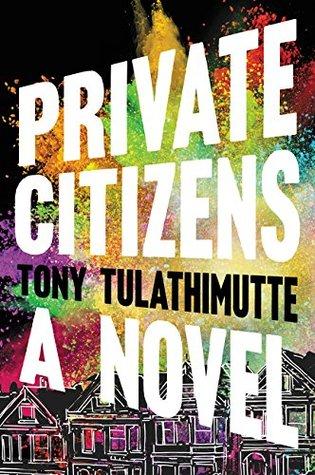
From a brilliant new literary talent comes a sweeping comic portrait of privilege, ambition, and friendship in millennial San Francisco. With the social acuity of Adelle Waldman and the murderous wit of Martin Amis, Tony Tulathimutte’s Private Citizens is a brainy, irreverent debut—This Side of Paradise for a new era.
Capturing the anxious, self-aware mood of young college grads in the aughts, Private Citizens embraces the contradictions of our new century: call it a loving satire. A gleefully rude comedy of manners. Middlemarch for Millennials. The novel's four whip-smart narrators — idealistic Cory, Internet-lurking Will, awkward Henrik, and vicious Linda — are torn between fixing the world and cannibalizing it. In boisterous prose that ricochets between humor and pain, the four estranged friends stagger through the Bay Area’s maze of tech startups, protestors, gentrifiers, karaoke bars, house parties, and cultish self-help seminars, washing up in each other’s lives once again.
A wise and searching depiction of a generation grappling with privilege and finding grace in failure, Private Citizens is as expansively intelligent as it is full of heart.
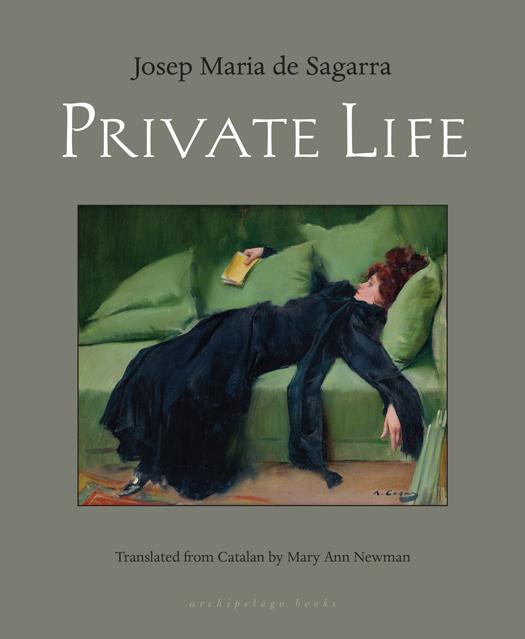
Private Life holds up a mirror to the moral corruption in the interstices of the Barcelona high society Sagarra was born into. Boudoirs of demimonde tramps, card games dilapidating the fortunes of milquetoast aristocrats — and how they scheme to conceal them — fading manors of selfish scions, and back rooms provided by social-climbing seamstresses are portrayed in vivid, sordid, and literary detail.
The novel, practically a roman-à-clef for its contemporaries, was a scandal in 1932. The 1960's edition was bowdlerized by Franco's censors. Part Lampedusa, part Genet, this translation will bring an essential piece of 20th-century European literature to the English-speaking public.

Egils Lukjanskis
Privāttiesnesis
Ko jūt un domā sarkanā samta mantijā tērpies tiesnesis, kad viņš slepkavam paraksta nāves spriedumu?
Vai pastāv tāda mīlestība, kuras vārdā cilvēks bez šaubīšanās spēj izdarīt noziegumu. par kādu draud nāves sods?
Kas ir nāves sods no juridiskā un morāles viedokļa? Kas - tiesneša paraksts zem šāda tiesas sprieduma?
Kas tas ir par savādu un nepārvaramu garīgu spēku, kas gandrīz vai katram no mums liek mīlēt, nīst un alkt atriebības?
Romānā Privāttiesnesis piedāvātās atbildes var būt arī apšaubāmas. Patiesās atbildes mums jāmeklē katram pašam.
ROMĀNS
Mākslinieks ARVĪDS VĪTOLS
Redaktore AIJA LĀCE
Korektore JANA GŽIBOVSKA
Tehniskā redaktore ZINTA ZIŅĢE
Apgāda "Preses nams" vadītāja MĀRA CAUNE
© E. Lukjanskis, 1999 © A.Vitola mākslinieciskais
iekārtojums, 1999 © Preses nams 1999
Noskannējis grāmatu un FB2 failu izveidojis Imants Ločmelis

She is a Broadway dancer, exquisite and mercurial. He is a dedicated psychiatrist, happily married to a beautiful woman, the father of two lovely children vacationing with their mother on Martha’s Vineyard. “Good morning, sir”, she said, as she passed David Chapman on a sunny June day in Central Park. Moments later, she was locked in mortal combat with a mugger, and David came to her rescue...
They tell each other some truths, but only some. They know each other’s mysteries, but only some. They slip into a realm of sensual deception and imminent danger...
For who is Kate Duggan really, the woman who makes sexual fantasies come true? And who is David Chapman, the doctor who spends his day with other people’s neuroses, guilt, and lies? Now, in the heat of a New York City summer, they will learn everything — when a stalker turns their mad lust into a murderous affair.
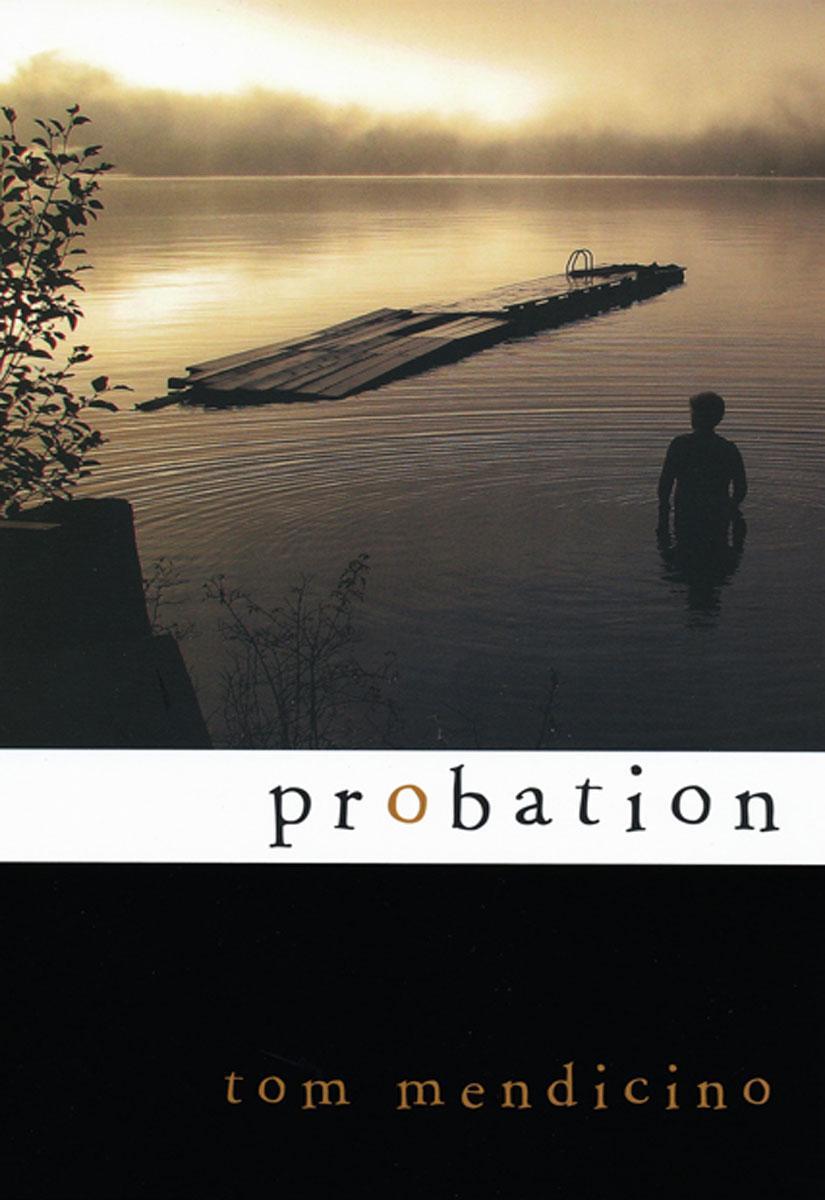
Andy Nocera is on probation after being arrested for solicitation in a public rest room on Interstate 85. He’s taken refuge with his mother after being kicked out by his wife and is forced to take a job traveling the country selling display shelving after being fired by his father-in-law. The ‘highlight’ of his week is his court-mandated counseling session with his psychiatrist who also happens to be ordained as a Jesuit priest. Resistant at first, he gradually surrenders to his counselor’s persistent probing as they search for clues in his boyhood and early married years to explain why he risked his seemingly perfect life for an anonymous sexual encounter.
One year of therapy with no more arrests and the State of North Carolina will expunge Andy’s record. But he’s having a hard time coping without the unconditional support of his wife, who’s moved on to a new relationship, and his mother, who’s been diagnosed with an aggressive lymphoma. Failing every attempt to start a new life as an openly gay man, he begins to spiral into anger and depression, alienating everyone close to him, until he finally discovers that rescuing another lost soul is the means to his own redemption.
"Probation is the rare novel that dares to take the reader on a journey through the dark night of the soul. An unflinching look at the dark side of self-discovery, it is ultimately a story of transformation and the worlds of possibilities hidden within each of us."
– Michael Thomas Ford, author of JANE BITES BACK and WHAT WE REMEMBER
"If you're looking for a smart, engaging, witty, sad and unusual book about the complicated nature of family and love, try Tom Mendicino's Probation. You'll be glad you did."
– Bart Yates, author of THE BROTHERS BISHOP and THE DISTANCE BETWEEN USS
"If David Sedaris were cast as Willy Loman, it might sound something like Probation. Andy, a sharp-tongued travelling salesman, gives us the life events that led to his being taken away in handcuffs, and the hilarious and agonizing self-inquiry that follows. Snarky yet profound, it is a bold examination of the destructive effects of a life spent in the closet, reported with a Carolina twang." – Vestal McIntyre, author of LAKE OVERTURN

Dark, raw, and very funny, Problems introduces us to Maya, a young woman with a smart mouth, time to kill, and a heroin hobby that isn't much fun anymore. Maya's been able to get by in New York on her wits and a dead-end bookstore job for years, but when her husband leaves her and her favorite professor ends their affair, her barely-calibrated life descends into chaos, and she has to make some choices. Maya's struggle to be alone, to be a woman, and to be thoughtful and imperfect and alive in a world that doesn't really care what happens to her is rendered with dead-eyed clarity and unnerving charm. This book takes every tired trope about addiction and recovery, "likeable" characters, and redemption narratives, and blows them to pieces.
Emily Books is a publishing project and ebook subscription service whose focus is on transgressive writers of the past, present and future, with an emphasis on the writing of women, trans and queer people, writing that blurs genre distinctions and is funny, challenging, and provocative.
Jade Sharma is a writer living in New York. She has an MFA from the New School.
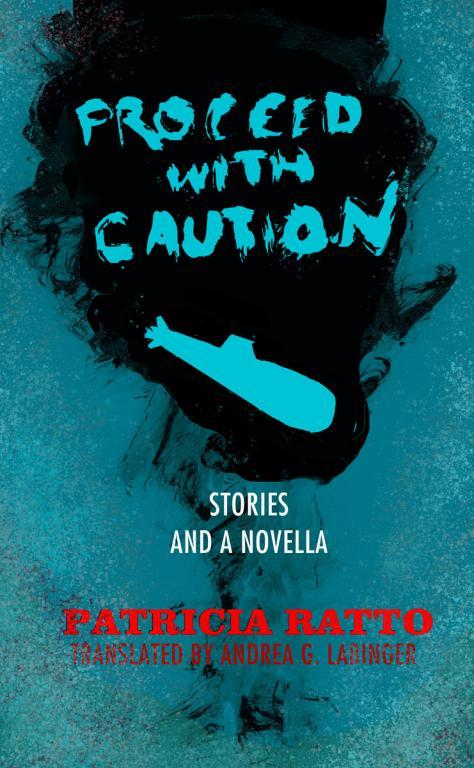
In the tradition of surrealist masters Julio Cortázar and Leonora Carrington, and joining contemporaries Guadalupe Nettel (Bezoar & Other Unsettling Stories) and Samanta Schweblin (Mouthful of Birds), Argentine writer Patricia Ratto’s English language debut collection, Proceed With Caution, offers an alternate reality that is both mysterious and familiar. Whether it’s a malevolent act born from the paranoia of living under a totalitarian regime, or the creeping sense of dread blanketing a small whaling town, the stories in Proceed With Caution linger in the memory, and make us question where the natural world ends and the supernatural begins.
In “Rara Avis” a baby bird is rescued after dropping from the sky, only to transform from vulnerable creature to life-threatening menace. In the powerfully moving title story, an old woman lives out her final days accompanied by a mysterious doglike being that provides comfort even as it devours her memories. And in the novella “Submerged,” an Argentine submarine crew during the Falklands War of the early 1980s navigates its way through a claustrophobic nightmare of boredom and terror, where the very meaning of being alive is cast in doubt.
Translated from the Spanish by PEN/Heim award-winner Andrea G. Labinger, Proceed With Caution is a striking collection, brimming with emotion, animal instinct, and a sense of wonder that announces the arrival of a compelling new voice in Latin American literature.

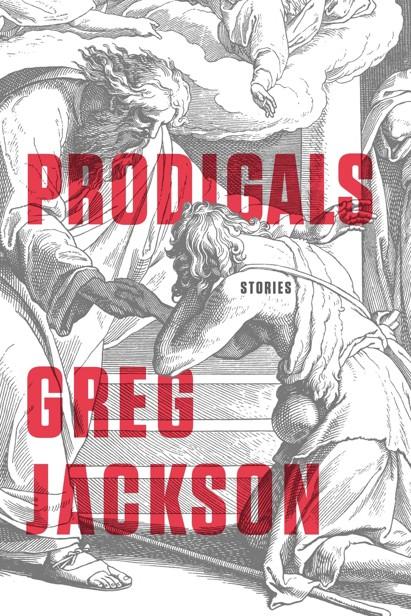
“People are bullets, fired,” the narrator declares in one of the wild, searching stories that make up Greg Jackson's Prodigals. A filmmaker escapes New York, accompanied by a woman who may be his therapist, as a violent storm bears down. A lawyer in the throes of divorce seeks refuge at her seaside cottage only to find a vagrant girl living in it. A dilettantish banker sees his ambitions laid bare when he comes under the influence of two strange sisters. A group of friends gathers in the California desert for one last bacchanal, and a journalist finds his visit to the French country home of a former tennis star taking a deeply unnerving turn.
Strivers, misfits, and children of privilege, the restless, sympathetic characters in Jackson's astonishing debut hew to passion and perversity through life's tempests. Theirs is a quest for meaning and authenticity in lives spoiled by self-knowledge and haunted by spiritual longing. Lyrical and unflinching, cerebral and surreal, Prodigals maps the degradations of contemporary life with insight and grace, from the comedy of our foibles, to the granular dignity of experience, to the pathos of our yearning for home.

It is Christmas Eve, and 55-year-old Professor Pål Andersen is alone, drinking coffee and cognac in his living room. Lost in thought, he looks out of the window and sees a man strangle a woman in the apartment across the street.
Professor Andersen fails to report the crime. The days pass, and he becomes paralysed by indecision. Desperate for respite, the professor sets off to a local sushi bar, only to find himself face to face with the murderer.
Professor Andersen's Night is an unsettling yet highly entertaining novel of apathy, rebellion and morality. In flinty prose, Solstad presents an uncomfortable question: would we, like his cerebral protagonist, do nothing?

In the wilderness of junior high, Edwin Hanratty is at the bottom of the food chain. His teachers find him a nuisance. His fellow students consider him prey. And although his parents are not oblivious to his troubles, they can't quite bring themselves to fathom the ruthless forces that demoralize him daily.
Sharing in these schoolyard indignities is his only friend, Flake. Branded together as misfits, their fury simmers quietly in the hallways, classrooms, and at home, until an unthinkable idea offers them a spectacular and terrifying release.
From Jim Shepard, one of the most enduring and influential novelists writing today, comes an unflinching look into the heart and soul of adolescence. Tender and horrifying, prescient and moving, Project X will not easily be forgotten.

Dans Promenade, Régis Jauffret jette en pâture au lecteur la folle errance d’une femme dépossédée d’elle-même, claustrée dans un univers mental halluciné. Cette anonyme («elle») pratiquement réduite à néant apparaît comme totalement étrangère à l’organisation sociale et au flux qui entraîne ses congénères dans les méandres de la vie. Privée de relations durables, d’activités valorisantes et d’emploi stable, elle dérive dans le dédale d’un monde urbain aseptisé et remplit sa morne existence de scénarios fantasmés, dont la mort constitue souvent le dénouement.
Détonnant catalogue de catastrophes tragi-loufoques, Promenade traite des formes extrêmes de la solitude («Elle aurait dû passer une annonce, elle aurait demandé qu’on l’associe à un réseau de relations déjà constitué. Elle pourrait rendre des visites à l’improviste pour s’épancher, prendre un train ou un avion et s’installer quelques mois chez une connaissance éloignée. Sa solitude serait dissoute dans ce bain d’humains affectueux, pourvus d’oreilles attentives.») et de la déprime («Elle n’avait pas l’ambition de réussir sa vie, elle acceptait de se laisser décomposer comme un bouquet de fleurs oublié sur un coin de cheminée dans un vase rempli d’eau croupie.»). Cette saillie littéraire peut aussi être lue comme une illustration concluante de l’absurdité de certains enchaînements de l’existence et de la difficulté de mettre en oeuvre la trame des récits qui débordent de notre imagination, quand le moule social nous étiquette comme «membre d’une tribu».
Au fil de journées interminables où chaque minute est «dure à avaler comme du gravier», la femme errante de Promenade se noie dans des suppositions et des hypothèses toutes plus folles les unes que les autres, lesquelles l’empêchent d’accéder à la moindre étincelle de bonheur. Chaque passant anonyme est le point de départ d’une suite incontrôlable de conjectures. Perdue dans un monde hostile, elle rêve d’un état végétatif «comme ces plantes qui avaient l’humilité prémonitoire d’être déjà en partie enfoncées dans la terre». Finalement, les seules relations qu’elle établit avec le genre humain sont sexuelles, avec le faux espoir qu’elle «en obtiendrait peut-être une secousse qui à un certain moment la soulèverait et lui ferait passer son perpétuel manque d’enthousiasme». Pourtant, rien n’y fait. Le lecteur la voit décliner, s’abandonner sans pouvoir opposer la moindre résistance, rongée par le «ressassement infini qui clapote en elle» et persuadée que «sa mère avait mis au monde une espèce de maladie qui s’était développée jusqu’à devenir cette jeune femme pathologique toujours en mouvement, tourmentée, incapable de trouver le repos».
Dans ce roman tiré au cordeau, l’auteur marseillais utilise, lorsque la femme échafaude ses plans obsessionnels, le conditionnel et l’imparfait jusqu’à la lie. Exemple: «Elle marcherait, anonyme, sans volonté, simple cellule dans la foule.» Et «elle n’arriverait pas à comprendre pourquoi ils marchaient dociles sur le trottoir, sans avoir un désir furieux de se déserter, de s’abandonner sur place comme des coquilles vides». La femme de Jauffret se verrait tour à tour seule, en couple avec un homme ou une femme, en famille avec des enfants insupportables, en invitée parasite, en groupe, en ménagère attentionnée, en prostituée délurée, etc. Elle imaginerait des moments tendres, des noces, des engueulades épiques, des retrouvailles, des cocufiages et ainsi de suite. Pour se raccrocher à un réseau social existant, pour quitter même furtivement une existence «où chaque instant est une torture», elle chercherait à s’incruster dans un bar, un hôtel, chez le coiffeur, chez un ancien camarade de lycée, dans des bureaux ou encore chez des particuliers qu’elle ne connaîtrait ni d’Ève ni d’Adam. Désireuse de ne plus ressentir la «piqûre de l’existence» et toujours «soulagée d’avoir échappé à la journée qui se préparait dans son dos comme un attentat», l’héroïne semble finalement obsédée par une question récurrente: «Comment faire pour se suicider sans mourir, pour éviter la vie sans subir cette épreuve supplémentaire?» Amorphe, inerte, avec toujours en tête l’idée de se foutre en l’air, elle se traîne d’un quartier à un autre, d’un fantasme à un autre, cherchant un remède au désœuvrement le plus total. Vivoter à défaut de crever, en quête «d’autre chose que rien», en «[imaginant] les moyens de se débarrasser de l’existence comme d’une endémie qui sème la terreur depuis l’aube des temps».
Elizabeth Bishop’s prose is not nearly as well known as her poetry, but she was a dazzling and compelling prose writer too, as the publication of her letters has shown. Her stories are often on the borderline of memoir, and vice versa. From her college days, she could find the most astonishing yet thoroughly apt metaphors to illuminate her ideas. This volume — edited by the poet, Pulitzer Prize — winning critic, and Bishop scholar Lloyd Schwartz — includes virtually all her published shorter prose pieces and a number of prose works not published until after her death. Here are her famous as well as her lesser-known stories, crucial memoirs, literary and travel essays, book reviews, and — for the first time — her original draft of Brazil, the Time/Life volume she repudiated in its published version, and the correspondence between Bishop and the poet Anne Stevenson, the author of the first book-length volume devoted to Bishop.

A sly and playful novel about the many faces we all have.
Fifteen-year-old Berta says that beautiful things aren’t made for her, or that she isn’t destined to have them, or that the only things she deserves are ugly. It’s why her main activity, when she’s not at school, is playing the ‘rosopagnosia game’ — standing in front of the mirror and holding her breath until she can no longer recognise her own face. An ibis is the only animal she wants for a pet.
Berta’s mother is in her forties. By her own estimation, she is at least twenty kilos overweight, and her husband has just left her. Her whole life, she has felt a keen sense of being very near to the end of things. She used to be a cultural critic for a regional newspaper. Now she feels it is her responsibility to make her and her daughter’s lives as happy as possible.
A man who claims to be the famous Mexican artist Vicente Rojo becomes entangled in their lives when he sees Berta faint at school and offers her the gift of a painting.
This sets in motion an uncanny game of assumed and ignored identities, where the limits of what one wants and what one can achieve become blurred. Art, culture, motherhood, and the search for meaning all have a part to play in whether Sònia Hernàndez’ characters recognise what they see within.
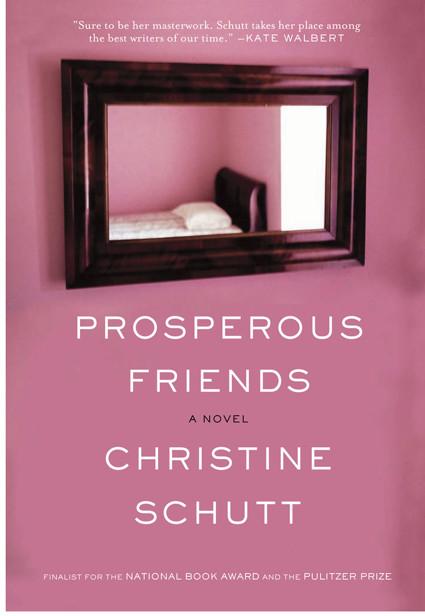
Described by John Ashbery as “pared down but rich, dense, fevered, exactly right and even eerily beautiful,” Christine Schutt’s prose has earned her comparisons to Emily Dickinson and Eudora Welty. In her new novel, Schutt delivers a pitch-perfect, timeless and original work on the spectacle of love.
Prosperous Friends follows the evolution of a young couple’s marriage as it is challenged by the quandaries of longing and sexual self-discovery. The glamorous and gifted Ned Bourne and his pretty wife, Isabel, travel to London, New York, and Maine in hopes of realizing their artistic promise, but their quest for sexual fulfillment is less assured. Past lovers and new infatuations, doubt and indifference threaten to bankrupt the marriage. The Bournes’ fantasies for their future finally give way to a deepened and mature perspective in the company of an older, celebrated artist, Clive Harris, and his wife, Dinah, a poet. With compassionate insight, Schutt explores the divide between those like Clive and Dinah who seem to prosper in love and those like Ned and Isabel who feel themselves condemned to yearn for it.

Early in "Proud Beggars," a brutal and motiveless murder is committed in a Cairo brothel. But the real mystery at the heart of Albert Cossery's wry black comedy is not the cause of this death but the paradoxical richness to be found in even the most materially impoverished life.
Chief among Cossery's proud beggars is Gohar, a former professor turned whorehouse accountant, hashish aficionado, and street philosopher. Such is his native charm that he has accumulated a small coterie that includes Yeghen, a rhapsodic poet and drug dealer, and El Kordi, an ineffectual clerk and would-be revolutionary who dreams of rescuing a consumptive prostitute. The police investigator Nour El Dine, harboring a dark secret of his own, suspects all three of the murder but finds himself captivated by their warm good humor. How is it that they live amid degrading poverty, yet possess a joie de vivre that even the most assiduous forces of state cannot suppress? Do they, despite their rejection of social norms and all ambition, hold the secret of contentment? And so this short novel, considered one of Cossery's masterpieces, is at once biting social commentary, police procedural, and a mischievous delight in its own right.
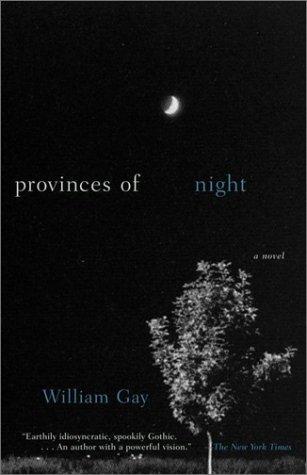
It s 1952, and E.F. Bloodworth is finally coming home to Ackerman s Field, Tennessee. Itinerant banjo picker and volatile vagrant, he s been gone ever since he gunned down a deputy thirty years before. Two of his sons won t be home to greet him: Warren lives a life of alcoholic philandering down in Alabama, and Boyd has gone to Detroit in vengeful pursuit of his wife and the peddler she ran off with. His third son, Brady, is still home, but he s an addled soothsayer given to voodoo and bent on doing whatever it takes to keep E.F. from seeing the wife he abandoned. Only Fleming, E.F. s grandson, is pleased with the old man s homecoming, but Fleming s life is soon to careen down an unpredictable path hewn by the beautiful Raven Lee Halfacre.
In the great Southern tradition of Faulkner, Styron, and Cormac McCarthy, William Gay wields a prose as evocative and lush as the haunted and humid world it depicts. Provinces of Night is a tale redolent of violence and redemption a whiskey-scented, knife-scarred novel whose indelible finale is not an ending nearly so much as it is an apotheosis.