 fb2
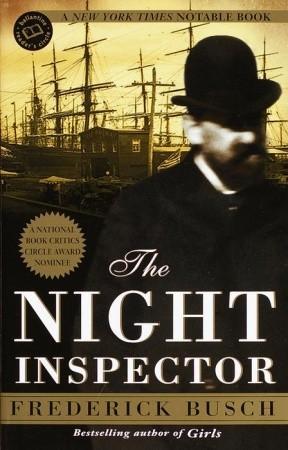
fb2An immensely powerful story, The Night Inspector follows the extraordinary life of William Bartholomew, a maimed veteran of the Civil War, as he returns from the battlefields to New York City, bent on reversing his fortunes. It is there he meets Jessie, a Creole prostitute who engages him in a venture that has its origins in the complexities and despair of the conflict he has left behind. He also befriends a deputy inspector of customs named Herman Melville who, largely forgotten as a writer, is condemned to live in the wake of his vanished literary success and in the turmoil of his fractured family.
Delving into the depths of this country's heart and soul, Frederick Busch's stunning novel is a gripping portrait of a nation trying to heal from the ravages of war-and of one man's attempt to recapture a taste for life through the surging currents of his own emotions, ambitions, and shattered conscience.
Sarah Waters’ fourth novel, The Night Watch, is set in 1940s London, during and after the Second World War, and is an innovative departure from her previous three lesbian Victorian historical fictions. Tipping the Velvet (1998), Affinity (1999) and Fingersmith (2002) depend on melodramatic scenes of excess and chicanery, with occasional references to postmodern thinking. In comparison, The Night Watch is more constrained in its telling of love stories and secrets. Its tone echoes the view we have, in the 21st century, of rationed wartime Britain and the use of the more distant third-person, rather than the confiding first-person, signals a further diversion from the earlier works.
The structure of The Night Watch is worth remarking upon as it begins at the end in 1947. The second section takes us back to 1944, and the third and final section is set in 1941. The decision to use this type of structure is brave, even foolhardy, because of the problems in pulling it off convincingly, but Waters’ subtlety and restraint in pulling back the layers reveals the extent of her authorial control.
This novel is essentially concerned with five main characters (Kay, Viv, Helen, Julia and Viv’s brother, Duncan) and their separate private lives. The connections between these people are also elemental to the narrative. Coincidence plays a significant role in the unfolding of past events as their lives are shown to overlap. This use of coincidence has been a feature of Waters’ previous novels, but this time she uses it casually, and as an extra element, rather than for the purposes of manipulating the plot out of hand as was deemed necessary in a melodrama such as Fingersmith.
The love stories of Kay, Viv and Helen are central and, as the narrative traces back to 1941, we learn how their present views of relationships have been shaped by these past events. As with her previous novels, Waters continues to use lesbian relationships as a main focus of the narrative, but shifts away to examine the affair between Viv and Reggie, and the horrific illegal abortion she undergoes to spare her father from further shame.
Repression becomes a touchstone as many of the characters keep a secret or carry a weight of shame. The converse of this theme of fear of discovery is the examination of bravery. This is most notable in the second and third sections which are, necessarily, concerned with the bombing of London. A re-evaluation of the definition of courage is undertaken and is perhaps most poignant in the prison scene, where Duncan ’s cell mate, conscientious objector Fraser, asks himself if he is ‘simply a – a bloody coward’ when he is overwhelmed by the fear of death. The deconstruction of received morality, of what is to be brave or selfish in this time of heightened emotions, is also examined when Helen considers the effect the war has had on her ethics: ‘In the first blitz, she’d tried to help everyone; she’d given money to people, sometimes, from her own purse. But the war made you careless. You started off, she thought sadly, imagining you’d be a kind of heroine. You end up thinking only of yourself.’
The reason for Duncan ’s imprisonment is one of the well-kept secrets of the novel and is only (partially) explained in the third section. This use of the hidden truth and the hints at the unspoken strengthen the evocation of the period, where loose lips could potentially sink ships, and walls had ears. When revelations are made, they are, more often than not, as subdued as the repressed tone permits and this allows the novel to maintain the same pace throughout.
Despite this steady pace, Waters still enables the readers to see how the war also had a liberating effect on women such as Kay. Her gallantry and masculine demeanour was of use during the bombings whilst she worked as an ambulance driver, but in the beginning of the novel, in 1947, it is clear that with the return to peace time her short hair and male clothing are once more worthy of ridicule.
As with all of Waters’ novels, The Night Watch has been praised by critics for the attention to detail and meticulous research. This work stretches beyond the limits of the previous three, though, and is certainly her most impressive to date. Her control in depicting the central characters gradually is in itself an indicator of skilful writing. As this is also combined with a believable and interested evocation of period and place, this novel must be recommended highly.
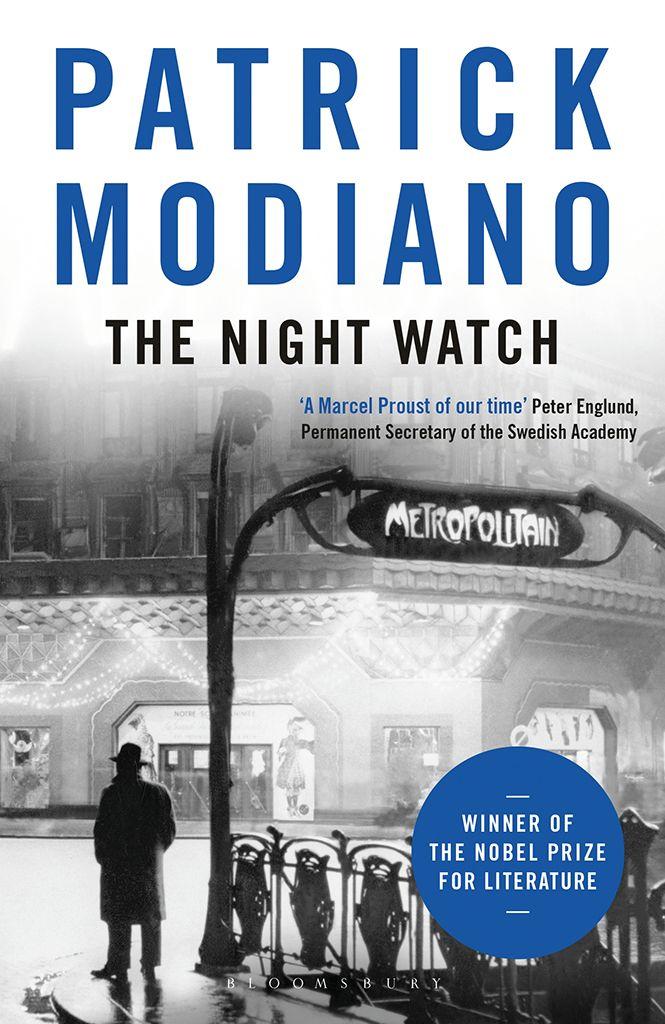
When Patrick Modiano was awarded the 2014 Nobel Prize for LIterature he was praised for using the 'art of memory' to bring to life the Occupation of Paris during the Second World War. The Night Watch is his second novel and tells the story of a young man of limited means, caught between his work for the French Gestapo informing on the Resistance, and his work for a Resistance cell informing on the police and the black market dealers whose seedy milieu of nightclubs, prostitutes and spivs he shares. Under pressure from both sides to inform and bring things to a crisis, he finds himself driven towards an act of self-sacrifice as the only way to escape an impossible situation and the question that haunts him — how to be a traitor without being a traitor. In this astonishing, cruel and tender book, Modiano attempts to exorcise the past by leading his characters out on a fantasmagoric patrol during one fatal night of the Occupation.
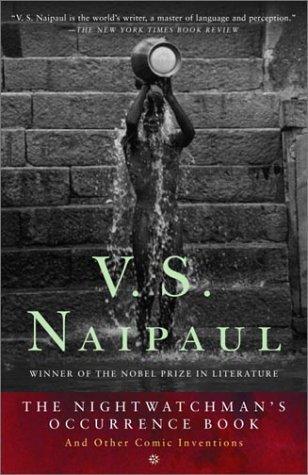
V. S. Naipaul’s legendary command of broad comedy and acute social observation is on abundant display in these classic works of fiction — two novels and a collection of stories — that capture the rhythms of life in the Caribbean and England with impressive subtlety and humor.
The Suffrage of Elvira is Naipaul’s hilarious take on an electoral campaign in the back country of Trinidad, where the candidates’ tactics include blatant vote-buying and supernatural sabotage. The eponymous protagonist of Mr. Stone and the Knights Companion is an aging Englishman of ponderously regular habits whose life is thrown into upheaval by a sudden marriage and unanticipated professional advancement. And the stories in A Flag on the Island take us from a Chinese bakery in Trinidad — whose black proprietor faces bankruptcy until he takes a Chinese name — to a rooming house in London — where the genteel landlady plays a nasty Darwinian game with her budgerigars. Unfailingly stylish, filled with intelligence and feeling, here is the work of a writer who can do just about anything that can be done with language.
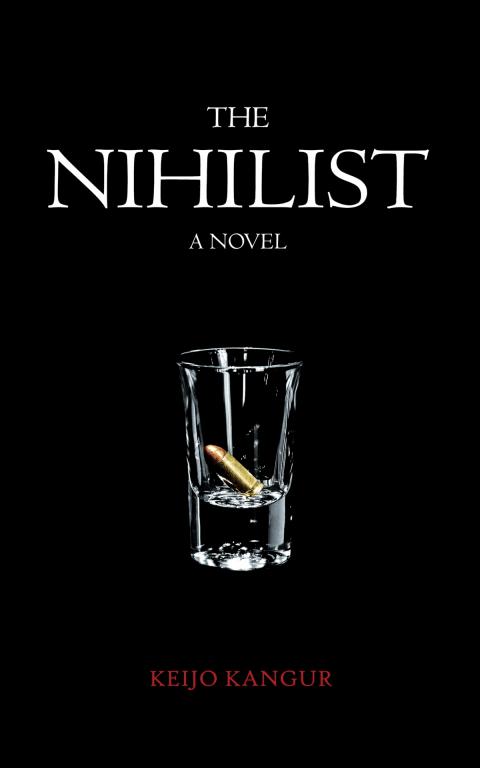
A NOVEL OF ALIENATION FOR THE DOOMER GENERATION
The story of a young man at the end of his rope—his girlfriend has left him, he hates his job, he has no friends, no beliefs, no hope, no future.
During the course of a week he will plunge himself into a sea of alcohol while traversing through an urban landscape littered with bars and letdowns. In his attempts to find human connection, he will come across estranged acquaintances and sordid strangers, delve into philosophical rants, and reflect critically over his disappointing life and the absurdity of the world around him.
He will suffer through misery, humiliation, madness and violence, his bender ultimately spiralling him onto the very heights of despair.
Will he succumb? Or is there still some hope left for him?
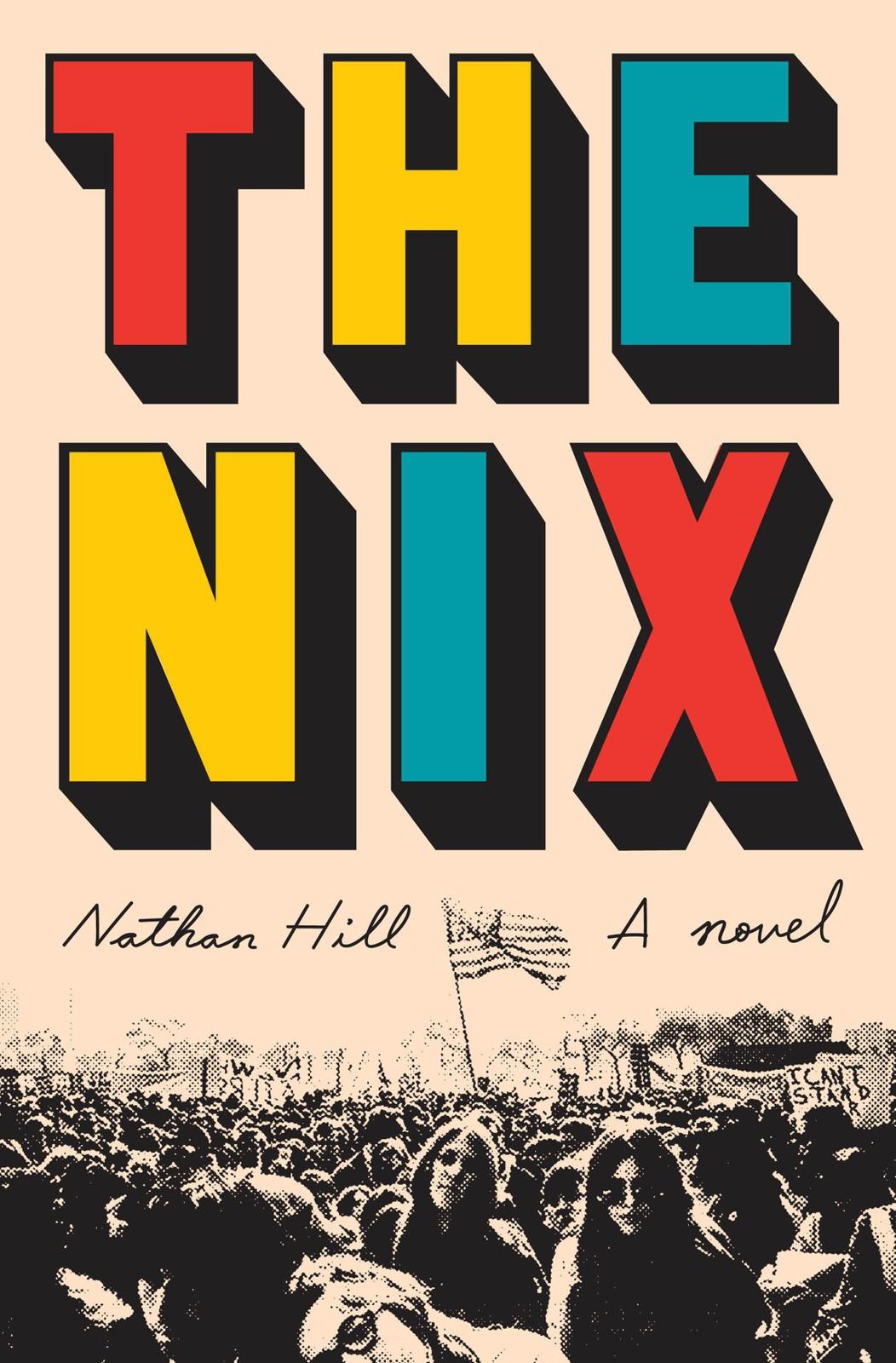
A hilarious and deeply touching debut novel about a son, the mother who left him as a child, and how his search to uncover the secrets of her life leads him to reclaim his own.
Meet Samuel Andresen-Anderson: stalled writer, bored teacher at a local college, obsessive player of an online video game. He hasn’t seen his mother, Faye, since she walked out when he was a child. But then one day there she is, all over the news, throwing rocks at a presidential candidate. The media paints Faye as a militant radical with a sordid past, but as far as Samuel knows, his mother never left her small Iowa town. Which version of his mother is the true one? Determined to solve the puzzle — and finally have something to deliver to his publisher — Samuel decides to capitalize on his mother’s new fame by writing a tell-all biography, a book that will savage her intimately, publicly. But first, he has to locate her; and second, to talk to her without bursting into tears.
As Samuel begins to excavate her history, the story moves from the rural Midwest of the 1960s to New York City during the Great Recession and Occupy Wall Street to the infamous riots at the 1968 Chicago Democratic National Convention, and finally to Norway, home of the mysterious Nix that his mother told him about as a child. And in these places, Samuel will unexpectedly find that he has to rethink everything he ever knew about his mother — a woman with an epic story of her own, a story she kept hidden from the world.
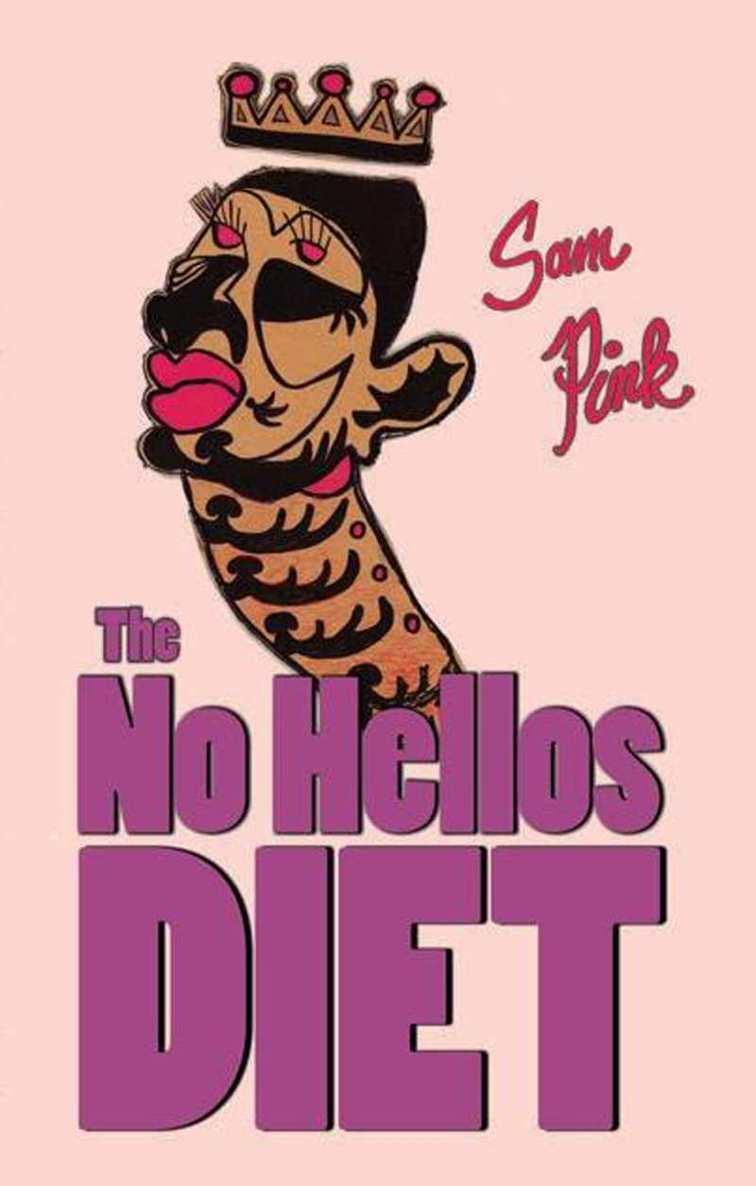
"The thought of calling off work is like the thought of suicide, just nice to think about."
In The No Hellos Diet, Sam Pink brings you straight into a world you've never been to before — your own life. Find yourself working at a department store where everyone must wear red and khaki clothing. Find yourself throwing out garbage for fifty cents more than minimum wage. Find yourself worried about getting your arm ripped off by the box compactor. Find yourself talking about licking assholes with your co-worker. Find yourself driving away into a video game sunset with an Amish man.
The No Hellos Diet reminds you of the time you burnt down your future ex-girlfriend's trampoline. It reminds you of the couple of times you smoked crack. And the time you meditated on the most important question of all: Can a cat be killed with a single punch?
Find yourself stunned by the prose of a modern novel-master as he follows the course of your life for an entire year.
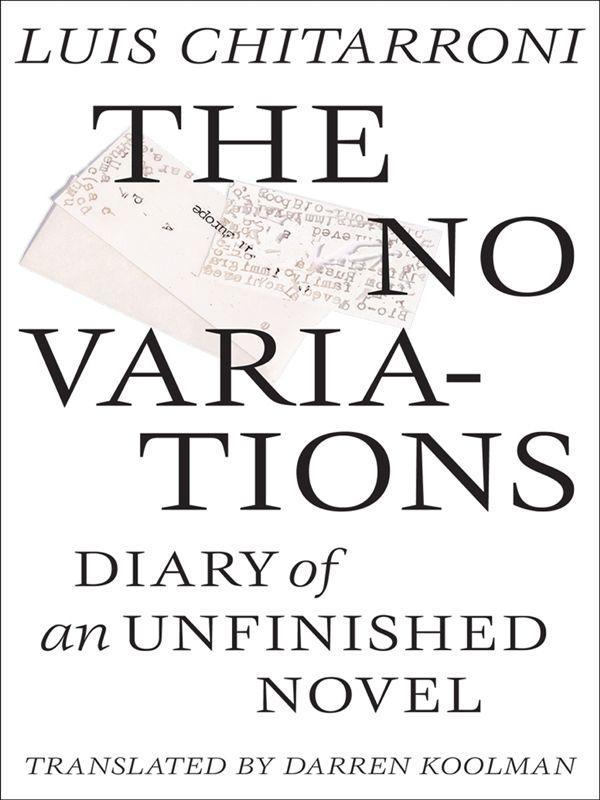
A cryptic, self-negating series of notes for an unfinished work of fiction, this astonishing book is made up of ideas for characters and plot points, anecdotes and tales, literary references both real and invented, and populated by an array of fictional authors and their respective literary cliques, all of whom sport multiple pseudonyms, publish their own literary journals, and produce their own ideas for books, characters, poems. . A dizzying look at the ugly backrooms of literature, where aesthetic ambitions are forever under siege by petty squabbles, long-nurtured grudges, envied or undeserved prizes, bankrupt publishers, and self-important critics, The No Variations is a serious game,or perhaps a frivolous tragedy, with the author and his menagerie of invented peers fighting to keep their feelings of futility at bay. A literary cousin to David Markson and César Aira, The No Variations is one of the great “novels” of contemporary Latin American literature.
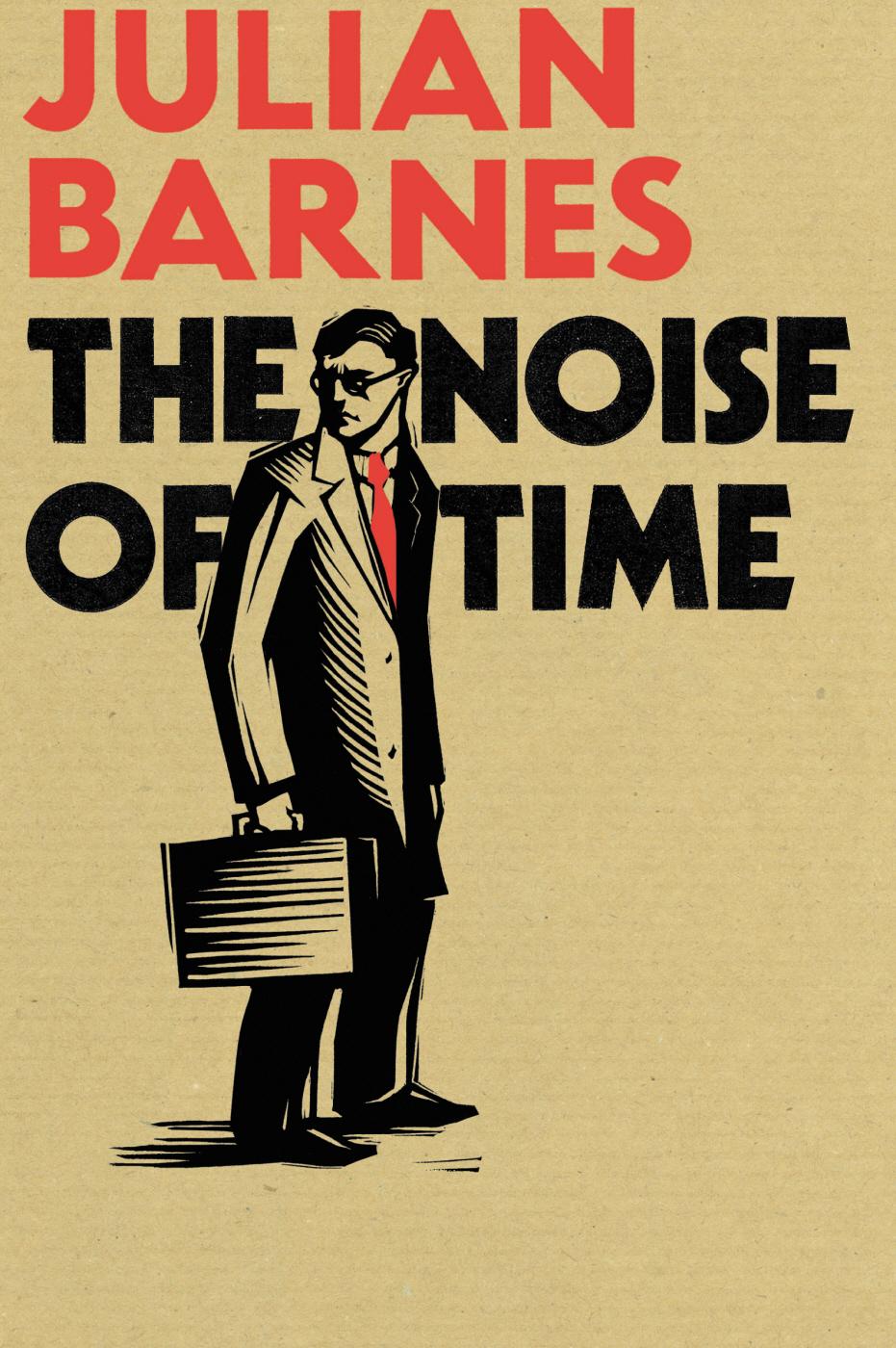
In May 1937 a man in his early thirties waits by the lift of a Leningrad apartment block. He waits all through the night, expecting to be taken away to the Big House. Any celebrity he has known in the previous decade is no use to him now. And few who are taken to the Big House ever return.
So begins Julian Barnes’s first novel since his Booker-winning The Sense of an Ending. A story about the collision of Art and Power, about human compromise, human cowardice and human courage, it is the work of a true master.
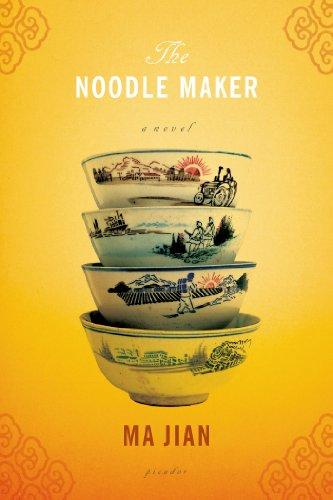
"One of the most important and courageous voices in Chinese literature." — Gao Xingjian, winner of the 2000 Nobel Prize for Literature
From the highly acclaimed Ma Jian comes a satirical and powerfully written novel-excerpted in The New Yorker-about the absurdities and cruelties of life in post-Tianamen China.
Two men, a writer of political propaganda and a professional blood donor, meet for dinner every week. During the course of one drunken evening, the writer recounts the stories he would write, had he the courage: a young man buys an old kiln from an art school and opens a private crematorium, delighting in his ability to harass the corpses of police officers and Party secretaries while swooning to banned Western music; a heartbroken actress performs a public suicide by stepping into the jaws of a wild tiger, watched nonchalantly by her ex-lover. He is inspired by extraordinary characters, their lives pulled and pummeled by fate and politics, as if they were balls of dough in the hands of an all-powerful noodle maker.
Ma Jian's masterpiece allows us a humorous yet profound glimpse of those struggling to survive under a system that dictates their every move.
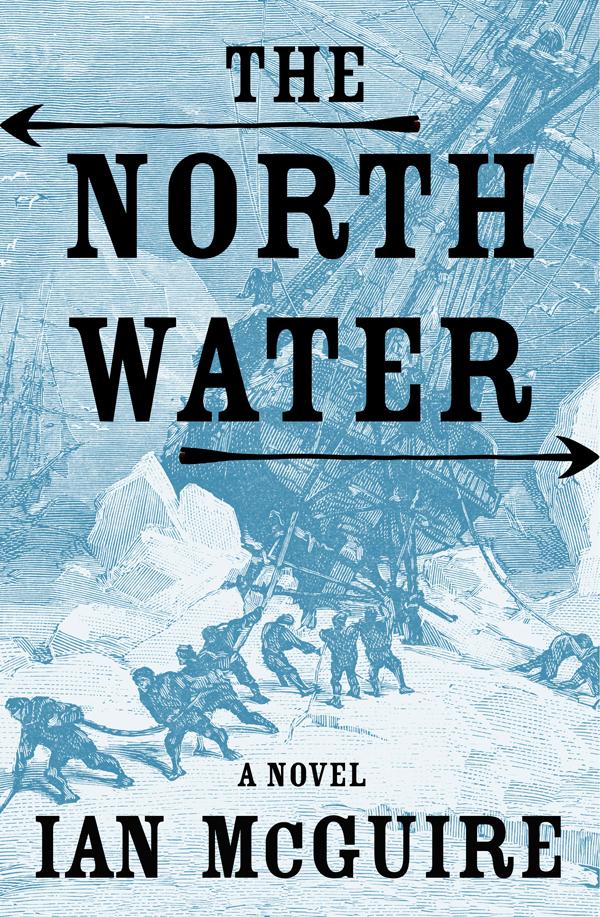
"A fast-paced, gripping story set in a world of gruesome violence and perversity, where 'why?' is not a question and murder happens on a whim: but where a very faint ray of grace and hope lights up the landscape of salt and blood and ice. A tour de force of narrative tension and a masterful reconstruction of a lost world that seems to exist at the limits of the human imagination." — Hilary Mantel
“This is a novel that takes us to the limits of flesh and blood. Utterly convincing and compelling, remorselessly vivid, and insidiously witty, The North Water is a startling achievement.” —Martin Amis
A nineteenth-century whaling ship sets sail for the Arctic with a killer aboard in this dark, sharp, and highly original tale that grips like a thriller.
Behold the man: stinking, drunk, and brutal. Henry Drax is a harpooner on the Volunteer, a Yorkshire whaler bound for the rich hunting waters of the arctic circle. Also aboard for the first time is Patrick Sumner, an ex-army surgeon with a shattered reputation, no money, and no better option than to sail as the ship's medic on this violent, filthy, and ill-fated voyage.
In India, during the Siege of Delhi, Sumner thought he had experienced the depths to which man can stoop. He had hoped to find temporary respite on the Volunteer, but rest proves impossible with Drax on board. The discovery of something evil in the hold rouses Sumner to action. And as the confrontation between the two men plays out amid the freezing darkness of an arctic winter, the fateful question arises: who will survive until spring?
With savage, unstoppable momentum and the blackest wit, The North Water weaves a superlative story of humanity under the most extreme conditions.
An elderly man reads to an elderly woman every day from a yellowed notebook that he carries around with him. He hopes that this notebook, which contains the memories of his love and life, will jog her memory, but it is not to be. Yet, he tries each day and does not give up because within its pages tells the story of Noah Taylor Calhoun, a young Southerner, and his great passion and love for Allison Nelson.
Noah, who has just graduated from high school, and Allie, who is a junior, meet in the summer of 1932 and fall in love. This story, set along the beautiful coast of New Bern, North Carolina, shows how a summer romance can transpire into something so much more. Allie, who is visiting North Carolina during this summer, is introduced to Noah through their friend, Fin. She takes a liking to him immediately and they spend the summer sharing everything, and forming memories through their time together that neither knows will soon become painful when Allie has to leave with her parents at the end of the vacation.
Although they face many differences, the one with the greatest impact is her parents' disapproval. Allie’s parents imply that Noah is not right for their daughter because he is of a different class. Despite their efforts to keep in touch, Noah’s letters to Allie go unread.
Fourteen years on, Noah is living in and restoring a big house alone while Allie is 29 and engaged to a successful lawyer. She reads an article about Noah in the paper and decides that she must see him one last time. When they both come face to face again after all those years, it is clear that the passion they shared so long ago is still there.
Shining with an exquisiteness that is rarely found in current literature, The Notebook establishes Nicholas Sparks as a classic author with a unique insight into the only emotion that really matters. Sparks makes you fall in love with the characters and the love they share. You feel as though you are the one falling in love and experiencing all the hardships. Sparks describes and captures every emotion so well – from the passion and love shared by the young couple to the undying faith of an elderly man who never stops believing that his love, who suffers from Alzheimer's disease, will get her memory of their love back once in a while if he tries hard enough.
The Notebook is one of the most poignant and compelling love stories ever written with the kind of romance everyone wishes for…
A young couple from New England's Ivy League plunges into a culture clash during a year in Los Angeles
When his mentor at Harvard University suddenly leaves for Washington, Paul Cattleman finds himself adrift in the wilds of academia. He's lost his fellowship position for the fall semester, can find work only in what he considers to be intellectual cesspits—schools that would brand the young history professor as forever unsuitable for the Ivy League—and he's one thesis short of a PhD. Rather than doom his career, he takes a temporary job in Los Angeles, a city whose superficial charms signal an adventure. He is ready to make the best of his year out west. The only thing holding him back is his wife.
Katherine is a New Englander through and through, and as soon as she steps into the LA smog, she knows this transition will be a struggle. What Paul sees as fun, she considers vulgar. But while Los Angeles may be a cultural wasteland, this East Coast girl will find...
At the age of 49, after a lifetime of insomnia and midnight peril, William Cowling believes the hour has come for him to seize control. So, he begins to dig a hole in his backyard—a shelter against impending doom—much to the chagrin of his family. Ultimately, he finds he must make a choice: safety or sanity; love or fidelity to the truth. Darkly comic, poignant, and provocative, this visionary novel by the author of In the Lake of the Woods captures the essence of what it’s like to be a conscious human being in the nuclear age.
Usually, this is where the rhapsody would begin; strings would swell; breasts would be clasped with great feeling: The short story isn't dead; it lives!
I will abstain. If you're interested in The O. Henry Prize Stories 2005 at all, you're already an adherent of short prose, and know that it's alive and flourishing (as long as you can track it down on the smaller and smaller presses to which it's often relegated).
If the short story's cachet has evinced some decline over the course of the past century, it's a decline in public exposure and lucrative potential, not in quality. In terms of sales and public profile, the short story collection can't keep apace with the novel or pop nonfiction, but it's still absolutely kicking poetry's ass on all fronts, and, like poetry, remains in general more adventurous, fluid, and vitally modern than its novelistic big brother.
To review these stories in terms of their quality seems redundant – that they're terrific is a no-brainer. Entering its eighty-fifth year, The O. Henry Prize Stories consistently collects – I won't say the finest short fiction, but it collects inarguably exquisite short fiction published in the U.S. and Canada. We'll concede that there may be better stories out there, simmering under the radar or even (gasp!) unpublished, which does nothing to detract from the eminence of the ones collected here. This is a damn good read.
This year's edition was edited and introduced by Laura Furman, with a jury consisting of celebrated writers Cristina Garcia, Ann Patchett and Richard Russo. It's dedicated to Chekov upon the centenary of his death, which is forgivably predictable, given his pervasive influence on the short form. Besides illuminating notes from the writers on their work, the 2005 edition contains an essay by each of the judges on their favorite story, and a glossary of literary journals big and small that will be a valuable resource for writers and readers alike.
If quality is a given, it seems the best utility a review of the The O. Henry Prize Stories can have is to pick out the affinities between them and see (a) what writers were compelled to write about in the past year, (b) what editors were compelled to publish, and (c) which literary organs are currently in vogue. Word to the wise: If you'd like to win an O. Henry Prize, relentlessly submit to the New Yorker, which originally published no less than six of the twenty stories here, comfortably vanquishing silver-medallists The Kenyon Review and Zoetrope, who clock in with an admirable (if measly by comparison) two stories apiece.
No less than four stories in the volume revolve around music, all of which are deeply appreciative, none entirely trusting. Michael Palmer's atmospheric tale, "The Golden Era of Heartbreak", is haunted by a lovelorn trucker's song that carries everywhere in a town flattened by the departure of the narrator's wife. "My house filled to the eaves with this song," he states in his spare, lyrical tone, and the story is filled with it as well: The prose, like the town, is "flat as an envelope," and the trucker's song stretches spectrally across it.
A personal favorite of mine, Ben Fountain's "Fantasy for Eleven Fingers", is an elliptical, richly detailed character sketch in the vein of Millhauser or Hemon, about the intertwined destinies of two eleven-fingered pianists in nineteenth century Vienna, steeped in all the paranoia, political and ethnic tensions, and obsolete superstitions of the day.
In Timothy Crouse's "Sphinxes", a remarkably confident and unclassifiable tale, piano lessons, love affairs and subtle emotional maneuvering are braided together with increasing complexity until they become indistinguishable. In each of these stories, music is salvation and undoing, pure force and calculated metaphor: a paradox, a chimera, a sphinx.
And Gail Jones's "Desolation" is about a primal, alienating sexual encounter at a Death in Vegas concert, although it cross-references with the second type of story that heavily informs this year's volume, the community / exile story, which we're coming to just now.
Many stories in The O. Henry Prize Stories 2005 revolve around issues of community, but not the traditional, fixed community – these stories are about the provisional communities that arise in times of crisis, and the communities forged by travelers, strangers, souls in spiritual and physical exile.
Judge favorite "Mudlavia", a coming of age tale by Elizabeth Stuckey-French, finds a young boy and his mother in a health resort filled with questionable, exciting characters of colorful mien and shady provenance – slowly, away from their domineering father and husband, we watch them come alive to their own desires, desires that this alien context was necessary to draw out.
Another judge favorite, Ruth Prawer Jhabvala's period piece "Exile in London", evokes the faded aura of postwar London by way of the young narrator's recollections of the ragged diaspora in her aunt's boarding house. And Nell Freudenberger's "The Tutor" details the tensions, both sexual and cultural, between a prototypically American teenager in Bombay and her native Indian tutor.
But the finest story in The O. Henry Prize Stories 2005 has to be Sherman Alexie's "What You Pawn I Will Redeem", which describes the plight of a homeless, admittedly "crazy" Spokane Native American as he embarks on a day-long quest to raise one-thousand dollars to buy back his Grandmother's tribal regalia from a pawn shop. That the story's themes are large and poignant is obvious; what's remarkable is that it manages funny, hopeful, angry, and redemptive at once. The narrator's refusal to lapse into self-pity or misanthropy at his pathetic plight is counterintuitive yet rings true, and by the time the story reaches its conclusion, not-at-all inevitable and uncommonly generous of spirit, one feels every inch of his joy.
In the end, this is the short-story function that trumps all the others: The ability to vault the reader into realms of unanticipated joy. While not all the stories in The O. Henry Prize Stories 2005 achieve this as viscerally as Alexie's fable, each one loudly debunks any nonsense about the short story's obsolescence.
The PEN/O. Henry Prize Stories 2011 contains twenty unforgettable stories selected from hundreds of literary magazines. The winning tales take place in such far-flung locales as Madagascar, Nantucket, a Midwestern meth lab, Antarctica, and a post-apocalyptic England, and feature a fascinating array of characters: aging jazzmen, avalanche researchers, a South African wild child, and a mute actor in silent films. Also included are essays from the eminent jurors on their favorite stories, observations from the winners on what inspired them, and an extensive resource list of magazines.
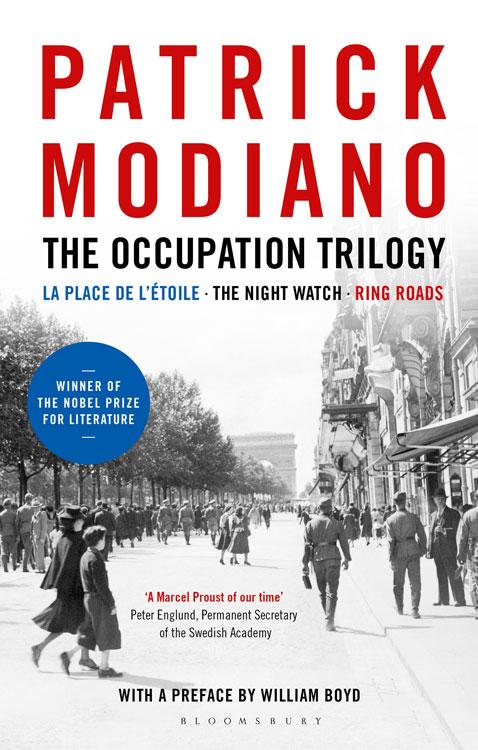
When Patrick Modiano was awarded the 2014 Nobel Prize for Literature he was praised for using the 'art of memory' to bring to life the Occupation of Paris during the Second World War. Born just after the war, Modiano was an angry young man in his twenties when these three brilliant, angry novels burst onto the Parisian literary scene and caused a storm.
The epigraph to his ambitious first novel, among the first to seriously question both wartime collaboration in France and the myths of the Gaullist era, reads: 'In June 1942 a German officer goes up to a young man and says: 'Excuse me, monsieur, where is La Place de l'Étoile?' The young man points to the star on his chest.' The Night Watch tells the story of a young man, caught between his work for the French Gestapo, his work for a Resistance cell informing on the police and the black market dealers whose seedy milieu he shares. Ring Roads recounts Serge's search for his father, who disappeared from his life ten years earlier. He finds him trying to survive the war years in the unlikely company of spivs, anti-Semites and prostitutes, putting his meagre business skills at the service of those who have no interest in him or his survival.
These brilliant, almost hallucinatory evocations of the Occupation, attempt to exorcise the past by exploring the morally ambiguous worlds of collaboration and resistance.
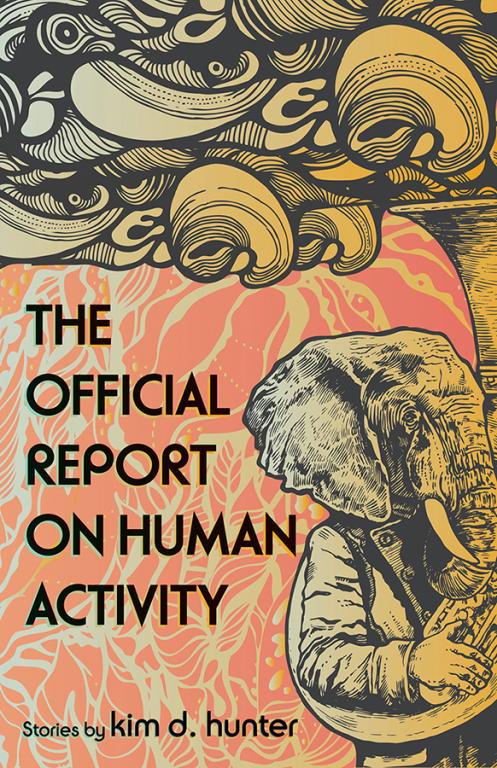
The Official Report on Human Activity by kim d. hunter, which is neither official nor a report, is a collection of long stories that are linked by reoccurring characters and their personal struggles in societies rife with bigotry, in which media technology and capitalism have run amok. These stories approach the holy trinity of gender, race, and class at a slant. They are concerned with the process and role of writing intertwined with the roles of music and sound.
The four stories range from the utterly surreal—a factory worker seeking recognition for his writing gives birth to a small black elephant with a mysterious message on its hide—to the utterly real—a nerdy black teen’s summer away from home takes a turn when he encounters half-white twins on the run from the police. Prominently known as a Detroit poet, hunter creates illusions and magic while pulling back the curtain to reveal humanity—the good, bad, and absurd. Readers will find their minds expanded and their conversations flowing after finishing The Official Report on Human Activity.
The Official Report on Human Activity is sure to appeal to readers of literary fiction, particularly those interested in postmodernism and social justice.
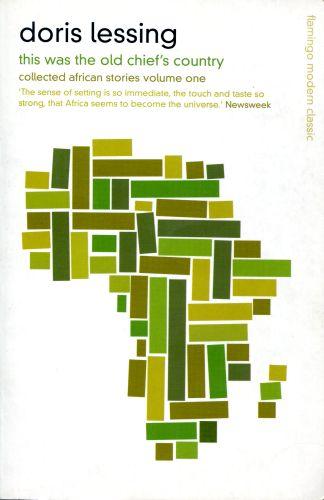
Дорис Лессинг (родилась в 1919 году) — прогрессивная английская писательница, автор двух романов и сборника новелл. Детство и юность провела в Южной Родезии (Юго-Восточная Африка). После окончания колледжа работала на телефонной станции, в конторах и пр. В 1950 году вышел первый роман Д. Лессинг — «Поющая трава», привлёкший внимание к молодой писательнице. Одна из основных тем её творчества — жизнь и быт негритянского населения Южной Родезии, угнетаемого белыми колонизаторами. В настоящее время Д. Лессинг живёт в Англии, участвует в движении сторонников мира, сотрудничает в прогрессивных изданиях. В прошлом году [1952] вместе с группой английских писателей побывала в Советском Союзе. (Из Предуведомления к публикации рассказа "Старый вождь Мшланга" в журнале "Новый мир".)
Moldenke is sent to the "free" prison town at Altobello with an indeterminate sentence. He has a rare bowel condition. Altobello is full of "Jellyheads" and features an old nuclear reactor on the edge of town. No one seems to remember what the reactor really is, until it's almost too late.