
 fb2
fb2
D'inspiration champêtre, 'François le Champi' est un roman où il n'est question que d'amour, écrit dans un style limpide et lumineux. Dans son livre, George Sand s'attache à reproduire le parler berrichon, et met en avant la grandeur de la vie à la campagne, décrivant avec poésie et sensibilité personnages et paysages.
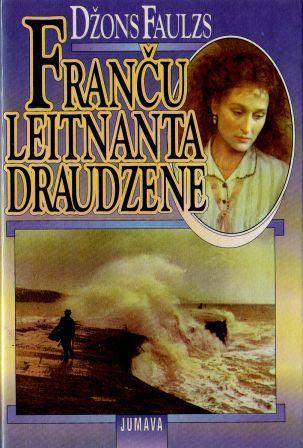
Džons Faulzs
Franču leitnanta draudzene
Džons Faulzs (1926) ir viens no izcilākajiem angļu mūsdienu rakstniekiem. Atzinību guvuši viņa romāni "Kolekcionārs", "Melnkoka tornis", "Mantisa", "Daniels Mārtiņš" u.c. Viņš raksta par mīlestības un erotikas lomu cilvēka dzīvē, par realitāti, kas robežojas ar ilūziju, un par brīvību, kas augstā apziņas pakāpē kļūst par pienākumu. Pasaulslavenajā romānā "Franču leitnanta draudzene" 19. gadsimta videf neparastās, ar izcilu intelektu apveltītās mekenes Sāras un jaunā muižnieka Čārlza attiecību tēlojums kalpo rakstniekam par fonu, lai no mūsdienu viedokļa aplūkotu cilvēku seksuālās un sabiedriskās uzvedības modeļus.
Romānu 1981 .g. ekranizējis Lielbritānijas režisors Karels Reiss (scenārija autors angļu dramaturgs Harolds Pinters). Galvenajās lomās Merila Strīpa un Džeremijs Aironzs. Kinovariantā 19. gadsimta notikumi savijas ar mūsdienām. Dž. Faulzs kādā intervijā izteicies, ka augstu vērtējot Merilas Strīpas talantu, kaut arī vispārinātais Sāras tēls romāna lasītāju apziņā ieguvis noteiktus vaibstus.
Mākslinieks Uldis Sosnovskis
© Ainis Ulmanis, tulkojums latviešu valodā, 1993 © Uldis Sosnovskis, mākslinieciskais noformējums, 1993
Autors un izdevējs apliecina, ka šīs grāmatas pēdējā nodaļā nav lappušu numerācijas kļūdu.
Ikviena emancipācija cilvēcīgas vides un cilvēcīgu attiecību atjaunošana pašu cilvēku starpā.
Markss
"Ebreju jautājumā" (1844
No angļu valodas tulkojis Ainis Ulmanis
Noskanējis grāmatu un failu izveidojis Imants Ločmelis
JUMAVA

BERLIN, 1931: Sisters raised in a Catholic orphanage, Berni and Grete Metzger are each other’s whole world. That is, until life propels them to opposite sides of seedy, splendid, and violent Weimar Berlin. Berni becomes a cigarette girl, a denizen of the cabaret scene alongside her transgender best friend, who is considering a risky gender reassignment surgery. Meanwhile Grete is hired as a maid to a Nazi family, and begins to form a complicated bond with their son. As Germany barrels toward the Third Reich and ruin, one of the sisters must make a devastating choice.
SOUTH CAROLINA, 1970: With the recent death of her father, Janeen Moore yearns to know more about her family history, especially the closely guarded story of her mother’s youth in Germany. One day she intercepts a letter intended for her mother: a confession written by a German woman, a plea for forgiveness. What role does Janeen’s mother play in this story, and why does she seem so distressed by recent news that a former SS officer has resurfaced in America?

From the bestselling author of the ‘War Girls Series’ comes a nail-biting story about Berlin sliding into the Cold War.
The Third Reich has crumbled and Berlin is governed by the four victorious Allies.
Werner Böhm, a German émigré to Moscow, returns to his hometown with the highest hopes for a better future.
Sent by the communist party to bring freedom, wealth and happiness to the German people, he’s soon caught in a moral conflict between loyalty to his party and his ideals.
When the woman he loves is in danger, can he take the plunge and defy the party line to save her life?
Inspired by true historical events, From the Ashes is the unforgettable story of a tortured man, torn between his ideals, the iron fist of Stalinism and the woman he loves.
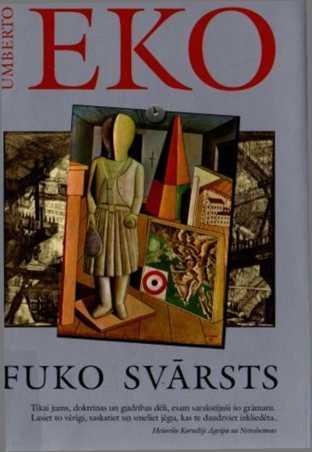
Umberto Eko
Fuko svārsts
Velnišķīgs romāns, kurā autors rotaļājas ar zīmēm, ne reizi nemaldinādams lasītāju. Aiz tā vākiem slēpjas vairākas grāmatas: Rietumu pasaules hermētisma un okultisma vēsture sajaucas ar sentimentālu romānu, kura darbība risinās Otrā pasaules kara beigās, satīra par grāmatizdevēju vidi - ar eseju par Itālijas kreiso spēku ilūziju sabrukumu, un to visu kopā saista aizraujošs trilleris. 2001
No itāļu valodas tulkojusi Dace Meiere
Literārā konsultante Cilda Redliha Mākslinieks Valdis Villerušs
Vāka mākslinieciskajai apdarei izmantota kolāža no K. Karrā un Dž. B. Piranezi darbiem
© Dace Meiere, tulkojums latviešu valodā, 2001 © Guntis Berelis, pēcvārds, 2001 © Valdis Villerušs, mākslinieciskais noformējums, 2001 © Firma “Jānis Roze”, SIA, 2001
Noskanējis grāmatu un failu izveidojis Imants Ločmelis imantslochmelis@inbox.lv
Umberto Eco
Il pendolo di foucault
© R.C.S. Libri S.p.A., Milano Bompiani 1988
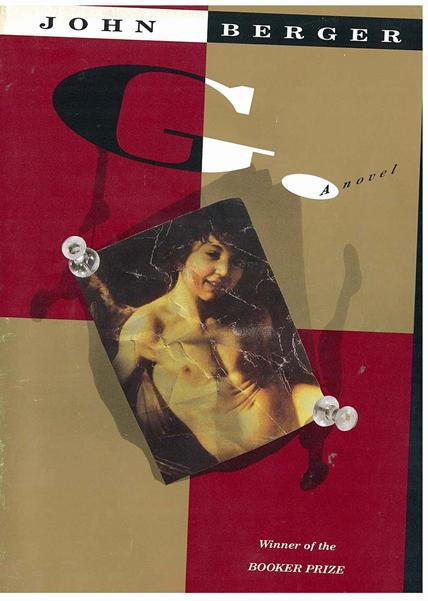
In this luminous novel—winner of Britain’s prestigious Booker Prize—John Berger relates the story of “G.,” a young man forging an energetic sexual career in Europe during the early years of this century. With profound compassion, Berger explores the hearts and minds of both men and women, and what happens during sex, to reveal the conditions of the Don Juan’s success: his essential loneliness, the quiet cumulation in each of his sexual experiences of all of those that precede it, the tenderness that infuses even the briefest of his encounters, and the way women experience their own extraordinariness through their moments with him.
All of this Berger sets against the turbulent backdrop of Garibaldi and the failed revolution of Milanese workers in 1898, the Boer War, and the first flight across the Alps, making G. a brilliant novel about the search for intimacy in history’s private moments.


Kurts Vonnegūts
Galapagu salas
Galapagu salas (1985), šķiet, ir labākais, ko Vonnegūts sarakstījis astoņdesmitajos un deviņdesmitajos gados. Romāns radās pēc tam, kad pats autors apmeklēja Galapagu salas. Taču īstenībā reālās Galapagu salas ar savām iguānām, milzu bruņurupučiem un citiem dabas brīnumiem nepavisam nav svarīgas. Šis no pasaules izolētais nostūris jau kļuvis par metaforu. Savulaik tur pabija Darvins, gūdams iespaidus, kas viņu uzvedināja uz sugu izcelšanās un evolūcijas teorijas radīšanu, t. i., priekšstats par dzīvības un tātad arī cilvēka evolūciju cieši saistīts ar Galapagu salām. Vonneguts loģiski turpina šo metaforu, Galapagu salas saistīdams arī ar cilvēces galu.
Kur Vonnegūts, tur uzreiz lielāka vai mazāka apokalipse. Šoreiz – liela: mirst visa pasaule. Tas gan nenotiek vienā rāvienā kā Kaķa šūpulī. Galapagu salās civilizācija rāmi laižas dibenā bez īpaša trokšņa un elegances: krīzes, kari, sērgas – klasiskais antiutopistu komplekts. Taču pasaules gals šoreiz Vonnegūtu neko īpaši neinteresē. Daudz lielāka uzmanība tiek pievērsta jaunās pasaules dzimšanai. Proti, cilvēki, kuriem autors uzticējis dzīvības turpinātāju lomu, ar tūristu kuģi dodas uz Galapagu salām.
No angļu valodas tulkojis Jānis Elsbergs
Redaktore Māra Rūmniece
Māksliniece Solvita Ozola
“Tapals”, 2001
Johans Volfgangs fon Gēte
Gara radinieki
romāns — eseja I. — II.
izcilā vācu rakstnieka Johana Volfganga fon Gētes (Johann Wolfgang von Goethe, 1749–1832) darbs “Gara radinieki” (“Die Wahlverwandschaften”, 1809). Romāna virsraksts sakņojas cilvēcisko attiecību mijiedarbē.
Latvju grāmata 1965
No vācu valodas tulkojusi Austra Dāle
Noskanējis grāmatu un failu izveidojis Imants Ločmelis imantslochmelis@inbox.lv
Goethe
Die Wahlverwandtschaften
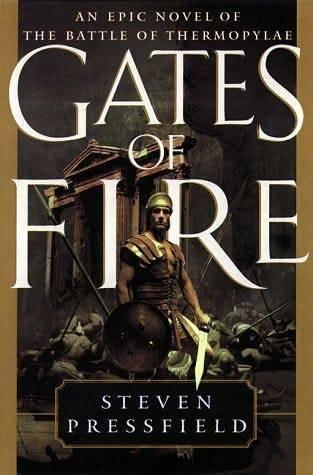
An epic heroic novel, set in Ancient Greece, and based on the true story of the Battle of Thermopylae in 480 BC. This is the story of Xeones, the only survivor of 300 Spartan warriors ordered to delay for as long as possible the million-strong invading army of King Xerxes of Persia.

Buch
1529 bei Hameln: Die junge Magd Johanna muss mitansehen, wie ein ihr aus Kindheitstagen bekannter Mann ihren grausamen Herrn, Ritter Eicheck, ermordet. Da sie die einzige Zeugin des Verbrechens ist, flieht sie von der Burg nach Hameln, um nicht selbst in Verdacht zu geraten. Bei der Gewürzkauffrau Margarethe Gänslein findet sie eine neue Anstellung als Magd. Margarethe ist eine starke, handelsbegabte Frau, die in einem prachtvollen Kaufmannshaus residiert. Die Herren der Stadt jedoch möchten sie wieder verheiratet wissen oder wenigstens einem Vormund unterstellen. Besonders der niederträchtige Apotheker Hasenstock, den ein düsteres Geheimnis mit Margarethes verstorbenem Mann verbindet, scheut keine Intrige, um an ihr Vermögen zu kommen.
Als Johanna schließlich dem jungen, attraktiven Philipp in der Stadt begegnet, den sie als Ritter Eichecks Mörder wiedererkennt, ist ihr eines schnell bewusst: Nicht nur ihre Herrin droht in dem Strudel aus Gier und Gewalt unterzugehen, sondern auch sie selbst hat das blutige Geheimnis ihrer Vergangenheit eingeholt …
Autorin
Simone Neumann wurde 1977 in Höxter geboren. Nach ihrem Studium der Geschichte und Slavistik arbeitete sie in einem Münchner Verlag als Lektorin. Seit der Geburt ihrer beiden Kinder ist sie freie Redakteurin und Autorin und kann sich endlich einen Jugendtraum erfüllen – das Schreiben historischer Romane. Simone Neumann lebt in München.
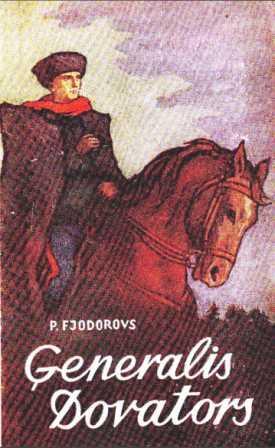
Pāvels Fjodorovs
Ģenerālis Dovators
1941. gada augustā hitleriešu vienības gatavojās izšķirošam triecienam pret Maskavu. Un, lūk, tieši šajā vēsturiski svarīgajā brīdi ienaidnieka nodomiem tika dots iznīcinošs trieciens: hitleriešu grupējuma kreisajam flangam uzbruka Dovatora kavalērijas seši pulki, pārrāva fronti, ielauzās ienaidnieka aizmugurē un, graudami fašistu štābus, postīdami sakaru līnijas, dezorganizēdami transportu un sēdami paniku, saistīja pie sevis ienaidnieka rezerves, bremzēja uzbrukuma sparu Maskavai. «Simt tūkstoši kazaku ielauzušies mūsu armijas aizmugurē!» kauca hitlerieši.
Veikuši ārkārtīgi smago reidu, jātnieki atgriezās padomju karaspēka novietnē. Viņi bija iznīcinājuši vienpadsmit fašistu garnizonus, sadedzinājuši simt četrdesmit ienaidnieka automašīnas, trīsdesmit astoņus motociklus, vienpadsmit tankus un padarījuši nekaitīgus ap divarpus tūkstoši fašistu.
Par šo varonīgo reidu grūtajās Maskavas aizstāvēšanas dienās tad arī Pāvels Fjodorovs uzrakstījis romānu «Ģenerālis Dovalors».
Autors pats ir šā reida dalībnieks, viņš komandēja kādu no Dovatora eskadroniem un tāpēc tik labi pazīst aprakstāmos notikumus un ļaudis.
Pie grāmatas viņš strādājis ilgi, veltījis tai veselus piecus darba gadus, sācis 1944. un beidzis 1949. gadā.
https://disk.yandex.ru/i/KRsoud79eeP-Sw
pdf failam https://disk.yandex.ru/i/ve6VtbVKzVbBNw
LVI Rīga 1957
Павел Федоров ГЕНЕРАЛ ДОВАТОР
Роман
Издательство ЦК ВЛКСМ «Молодая гвардия»
1952
Латвийское
государственное издательство На латышском языке
Тulkojusoi М. Vаldmane Мākslinieks V Medvedjevs

Viktors Peļevins
GenerationP
no krievu valodas tulkojis Arvis Kolmanis
Copyright © Viktor Pelevin, 1999
Māksliniece Māra Kokina
Apgāds «Jumava», izdevums latviešu valodā, 2001 Arvis Kolmanis, tulkojums latviešu valodā, 2001
VIDUSŠĶIRAS PIEMIŅAI
Visas tekstā minētās tirdzniecības zīmes ir godāto īpašnieku īpašums, un visas tiesības saglabātas.
Preču nosaukumi un politiķu vārdi nenorāda uz reāli eksistējošiem tirgus produktiem un tikai pieder pie tirdznieciski politiskās informācijas telpas elementu projekcijām, kas piespiedu kārtā inducēti kā individuālā prāta objekti.
Autors lūdz tos uztvert tikai un vienīgi šādā nozīmē.
Pārējās sakritības ir nejaušas. Autora uzskati var nesakrist ar viņa personisko viedokli.
I'm sentimental, ifyou know what I mean;
I love the country but I can't stand the scene.
And I'm neither left or right.
I'm just staying home tonight,
Getting lost in that hopeless little screen. *
Leonard Cohen
*Esmu sentimentāls, ja jūs saprotat, ko es ar to domāju; Es mīlu valsti, bet nespēju izturēt, kas tajā notiek. Un es neesmu nedz kreisais, nedz labējais. Vienkārši šodien palikšu mājās, Izzūdot šajā mazajā ekrāniņā.
Leonards Koens
NO TULKOTĀJA
Viktors Peļevins, vairāku romānu un stāstu krājumu autors, kura darbi iztulkoti daudzās pasaules valodās, ir viens no tiem retajiem mūsdienu rakstniekiem, kuram izdevies šodien gandrīz neiespējamais — savienot kulta rakstnieka statusu ar patiesi augstvērtīgu literatūru. Viņa darbi ir izraisījuši vētru profesionālo literatūrkritiķu aprindās — no pilnīga nolieguma un nozākāšanas līdz salīdzināšanai ar Borhesu, Kastaņedu, Tolstoju, Gogoli vai Bulgakovu, — un vienlaikus iemantojuši neiedomājamu popularitāti visplašākajos lasītāju slāņos. Peļevina proza ir aizraujoša, vienkārša un vienlaikus dziļa, viņa tekstos savijas mūsdienu realitāte un mistika, groteska un pseidofilozofiski ekskursi. Peļevins gan nesaudzīgi ironizē, gan veido intelektuālas konstrukcijas, izmantojot šodienas aktualitātes.
Viņa jaunākā romāna "Generation P" sižeta pamatā ir jauna cilvēka karjera reklāmbiznesā — nodarbē, kuras nestie augļi jau tik dziļi iesakņojušies jebkura cilvēka ikdienā, ka asociējas ar jēdzienu "manipulācija ar cilvēka apziņu". Peļevins šo ideju attīsta tālāk līdz pat antiutopiskam un nebūt ne tik fantasmagoriskam pieņēmumam: izmantojot moderno informācijas tehnoloģiju iespējas, tiek manipulēts ar visu sabiedrību kopumā valsts (pasaules) mērogā. Tomēr, kā tas Peļevina daiļradei raksturīgi, sižetiskā līnija ir tikai karkass romāna daudzslāņainībai, kurā saplūst sadzīves reālijas, narkotiku izraisītas halucinācijas, ideoloģiski traktāti un mitoloģijas elementi.
Peļevinu nevar izstāstīt, Peļevins ir jālasa. Krievu prātnieks Sergejs Korņevs raksta: "Peļevins ir viens no tiem autoriem, par kuru nav iespējams gūt nekādu priekšstatu, neizlasot viņa darbus." Teiktais pilnībā attiecas arī uz rakstnieka pēdējo romānu.
A. Kolmanis
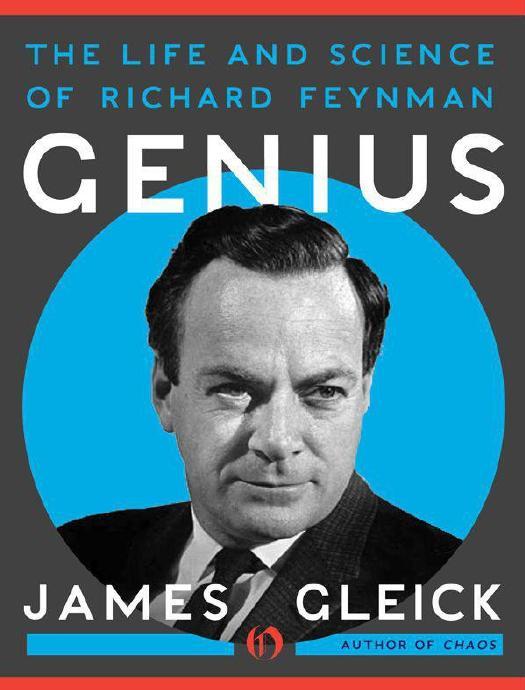
New York Times Bestseller: This life story of the quirky physicist is “a thorough and masterful portrait of one of the great minds of the century” (The New York Review of Books). Raised in Depression-era Rockaway Beach, physicist Richard Feynman was irreverent, eccentric, and childishly enthusiastic—a new kind of scientist in a field that was in its infancy. His quick mastery of quantum mechanics earned him a place at Los Alamos working on the Manhattan Project under J. Robert Oppenheimer, where the giddy young man held his own among the nation’s greatest minds. There, Feynman turned theory into practice, culminating in the Trinity test, on July 16, 1945, when the Atomic Age was born. He was only twenty-seven. And he was just getting started. In this sweeping biography, James Gleick captures the forceful personality of a great man, integrating Feynman’s work and life in a way that is accessible to laymen and fascinating for the scientists who follow in his footsteps. To his colleagues, Richard Feynman was not so much a genius as he was a full-blown magician: someone who “does things that nobody else could do and that seem completely unexpected.” The path he cleared for twentieth-century physics led from the making of the atomic bomb to a Nobel Prize-winning theory of quantam electrodynamics to his devastating exposé of the Challenger space shuttle disaster. At the same time, the ebullient Feynman established a reputation as an eccentric showman, a master safe cracker and bongo player, and a wizard of seduction.
Now James Gleick, author of the bestselling Chaos, unravels teh dense skein of Feynman‘s thought as well as the paradoxes of his character in a biography—which was nominated for a National Book Award—of outstanding lucidity and compassion.
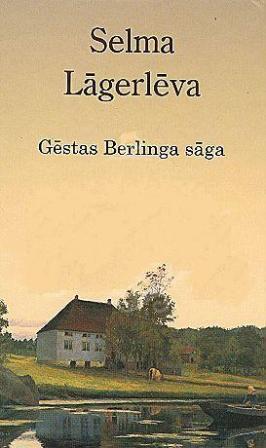
Zelma Lāgerlēva
Gēsta Berlings
Romāns
Gestas Berlinga sāga (1891) – Lāgerlēvas pirmais darbs, uzreiz guva lielus panākumus, un tajā spilgti izpaužas viņas turpmākās daiļrades savdabīgums: visaptverošs psiholoģisks raksturojums un lieliskas novērotāja spējas. Apliecinot dzīves mīlestību un neapvaldāmu stāstītāja prieku, šī grāmata kā viens no romantiskākajiem darbiem vēl arvien ir zviedru literatūras virsotne.
Pēc negaidīta un velnišķīga likteņa trieciena Ekebijas majoriene zaudē savu muižu. Tas dod iespēju divpadsmit tās iemītniekiem- paveciem kavalieriem, valdīt pār Ekebiju un tās dzelzsraktuvēm. Viņu vadonis ir galantais un nevaldāmais Gēsta Berlings. Sākas “trakais kavalieru gads” un Lēvezera krastus pāršalc brāzmainu notikumu vilnis. No balles zālēm līdz sniega kupenām katra šīs klasiskās grāmatas varoņa dzīve pārvēršas uz mūžu. Lāgerlēvas vēstījums rāda mīlestības vareno spēku, pārveidojot un apmulsinot cilvēka dvēseli.
Tulkojusi Elija Kliene
FB2 failu izveidojis Imants Ločmelis
LVI 1957

June 6, 1944. On the dawn of the D-Day invasion of Normandy, two snipers find themselves fighting a battle all their own. One is a backwoods hunter from the Appalachian Mountains in the American South, while the other is the dreaded German “Ghost Sniper” who earned his nickname on the Eastern Front. Locked in a deadly duel across the hedgerow country of France, the hunter matches wits and tactics against the marksman, both of them one bullet away from victory—or defeat—as Allied forces struggle to gain a foothold in Europe.
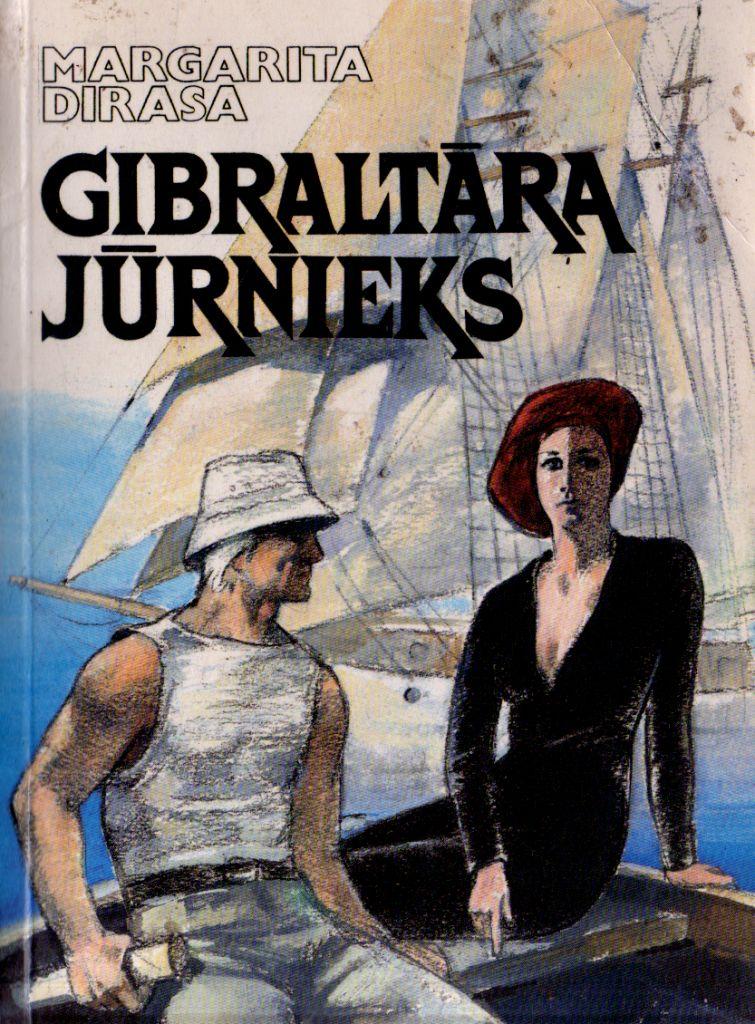
Margarita Dirasa
Gibraltāra jūrnieks
Margarita Dirasa dzimusi 1914. gadā Kohinhinā (Indoķīnā). Bērnībā viņa neilgi dzīvojusi Francijā, bet Saigonu uz visiem laikiem atstājusi tikai astoņpadsmit gadu vecumā. M. Dirasa sarakstījusi daudz romānu («Gibraltāra jūrnieks», 1952; «Andrmā kunga pēcpusdiena», 1962; «Mīļākais», 1984; u. c.), iilmu scenārijus, star|*> tiem — «Hirosima, mana mīla» un «Tik ilga prombūtne».
«Gibraltāra jūrnieka» galvenais varonis atstāj apnicīgu, pazemojoši vienmuļu ierēdņa dzīvi un — … iemīlas sievietē, kura gadiem ilgi braukā ar savu jahtu un meklē Gibraltāra jūrnieku.
Galvenais varonis dodas aizraujošā piedzīvojumā, kurā meklē gan jūrnieku, gan pats savas dzīves jēgu un atrod mīlestību un uzticību.
No franču valodas tulkojusi Skaidrīte Jaunarāja
Noskannējis grāmatu un failu izveidojis Imants Ločmelis
Redaktore Māra Misiņa. Korektore Velta Jurševica. Tehniskā redaktore Skaidrīte Grīnberga. Mākslinieks Andris Lamsters. A/s «Preses nams» apgāda vadītāja Māra Caune
Preses nams 1993
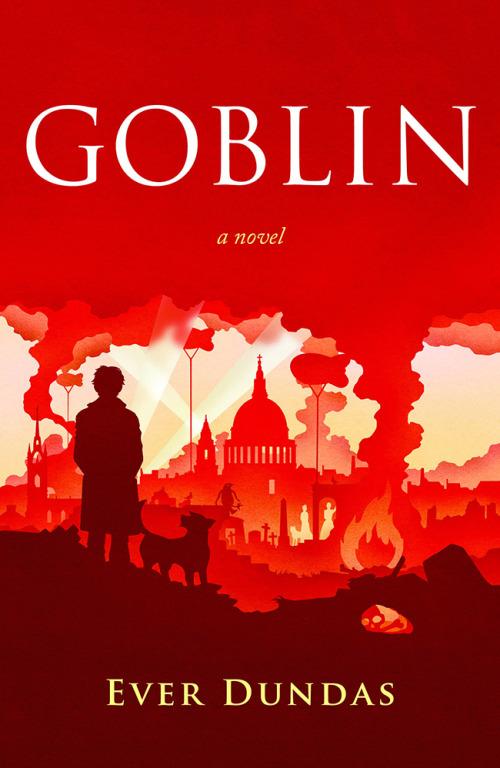
Ian McEwan’s Atonement meets Guillermo del Toro’s Pan’s Labyrinth in this extraordinary debut.
A novel set between the past and present with magical realist elements. Goblin is an outcast girl growing up in London during World War 2. After witnessing a shocking event she increasingly takes refuge in a self-constructed but magical imaginary world. Having been rejected by her mother, she leads a feral life amidst the craters of London’s Blitz, and takes comfort in her family of animals, abandoned pets she’s rescued from London’s streets.
In 2011, a chance meeting and an unwanted phone call compels an elderly Goblin to return to London amidst the riots and face the ghosts of her past. Will she discover the truth buried deep in her fractured memory or retreat to the safety of near madness? In Goblin, debut novelist Dundas has constructed an utterly beguiling historical tale with an unforgettable female protagonist at its centre.

From USA Today bestselling author Jennifer Robson—author of Moonlight Over Paris and Somewhere in France—comes a lush historical novel that tells the fascinating story of Ruby Sutton, an ambitious American journalist who moves to London in 1940 to report on the Second World War, and to start a new life an ocean away from her past.
In the summer of 1940, ambitious young American journalist Ruby Sutton gets her big break: the chance to report on the European war as a staff writer for Picture Weekly newsmagazine in London. She jumps at the chance, for it's an opportunity not only to prove herself, but also to start fresh in a city and country that know nothing of her humble origins. But life in besieged Britain tests Ruby in ways she never imagined.
Although most of Ruby's new colleagues welcome her, a few resent her presence, not only as an American but also as a woman. She is just beginning to find her feet, to feel at home in a country that is so familiar yet so foreign, when the bombs begin to fall.
As the nightly horror of the Blitz stretches unbroken into weeks and months, Ruby must set aside her determination to remain an objective observer. When she loses everything but her life, and must depend upon the kindness of strangers, she learns for the first time the depth and measure of true friendship—and what it is to love a man who is burdened by secrets that aren’t his to share.
Goodnight from London, inspired in part by the wartime experiences of the author’s own grandmother, is a captivating, heartfelt, and historically immersive story that readers are sure to embrace.