 fb2
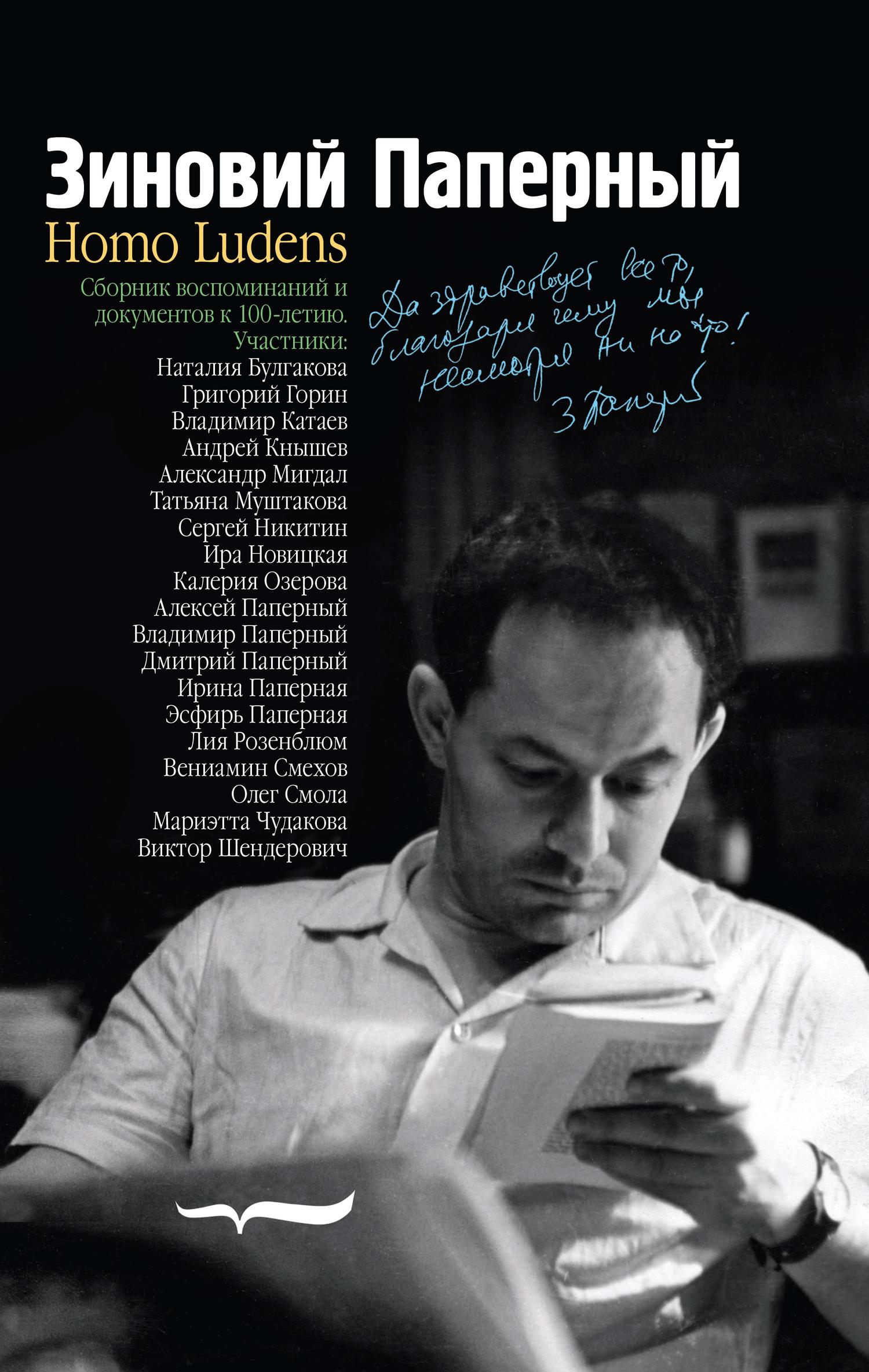
fb2Сборник посвящен Зиновию Паперному (1919–1996), известному литературоведу, автору популярных книг о В. Маяковском, А. Чехове, М. Светлове. Литературной Москве 1950-70-х годов он был известен скорее как автор пародий, сатирических стихов и песен, распространяемых в самиздате. Уникальное чувство юмора делало Паперного желанным гостем дружеских застолий, где его точные и язвительные остроты создавали атмосферу свободомыслия. Это же чувство юмора в конце концов привело к конфликту с властью, он был исключен из партии, и ему грозило увольнение с работы, к счастью, не состоявшееся – эта история подробно рассказана в комментариях его сына. В книгу включены воспоминания о Зиновии Паперном, его собственные мемуары и пародии, а также его послания и посвящения друзьям. Среди героев книги, друзей и знакомых З. Паперного, – И. Андроников, К. Чуковский, С. Маршак, Ю. Любимов, Л. Утесов, А. Райкин и многие другие.
Михаил Наумович Эпштейн (р. 1950) – один из самых известных философов и теоретиков культуры постсоветского времени, автор множества публикаций в области филологии и лингвистики, заслуженный профессор Университета Эмори (Атланта, США). Еще в годы перестройки он сформулировал целый ряд новых философских принципов, поставил вопрос о возможности целенаправленного обогащения языковых систем и занялся разработкой проективного словаря гуманитарных наук. Всю свою карьеру Эпштейн методично нарушал границы и выходил за рамки существующих академических дисциплин и моделей мышления. Сборник статей и бесед «Homo Scriptor» посвящен семидесятилетнему юбилею философа. Задача этой книги – разносторонне осмыслить оригинальный метод Эпштейна, его новаторскую терминологию, изыскания в отдельных дисциплинах и общий вклад в современную гуманитарную мысль.
Object Lessons is a series of short, beautifully designed books about the hidden lives of ordinary things.
During the breakdown of an unhappy marriage, writer Joanna Walsh got a job as a hotel reviewer, and began to gravitate towards places designed as alternatives to home. Luxury, sex, power, anonymity, privacy…hotels are where our desires go on holiday, but also places where our desires are shaped by the hard realities of the marketplace. Part memoir and part meditation, this book visits a series of rooms, suites, hallways, and lobbies-the spaces and things that make up these modern sites of gathering and alienation, hotels.
Object Lessons is published in partnership with an essay series in The Atlantic.
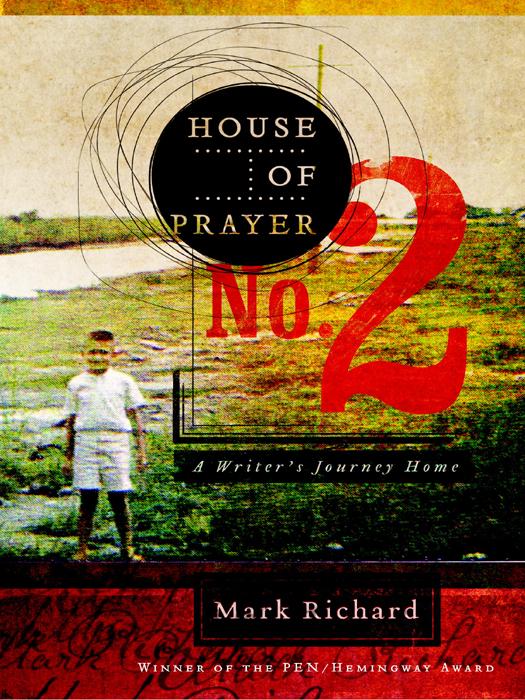
In this otherworldly memoir of extraordinary power, Mark Richard, an award-winning author, tells his story of growing up in the American South with a heady Gothic mix of racial tension and religious fervor.
Called a “special child,” Southern social code for mentally—and physically—challenged children, Richard was crippled by deformed hips and was told he would spend his adult life in a wheelchair. During his early years in charity hospitals, Richard observed the drama of other broken boys’ lives, children from impoverished Appalachia, tobacco country lowlands, and Richmond’s poorest neighborhoods. The son of a solitary alcoholic father whose hair-trigger temper terrorized his family, and of a mother who sought inner peace through fasting, prayer, and scripture, Richard spent his bedridden childhood withdrawn into the company of books.
As a young man, Richard, defying both his doctors and parents, set out to experience as much of the world as he could—as a disc jockey, fishing trawler deckhand, house painter, naval correspondent, aerial photographer, private investigator, foreign journalist, bartender and unsuccessful seminarian—before his hips failed him. While digging irrigation ditches in east Texas, he discovered that a teacher had sent a story of his to the Atlantic, where it was named a winner in the magazine’s national fiction contest launching a career much in the mold of Jack London and Mark Twain.
A superbly written and irresistible blend of history, travelogue, and personal reflection, House of Prayer No. 2 is a remarkable portrait of a writer’s struggle with his faith, the evolution of his art, and of recognizing one’s singularity in the face of painful disability.
Written with humor and a poetic force, this memoir is destined to become a modern classic.
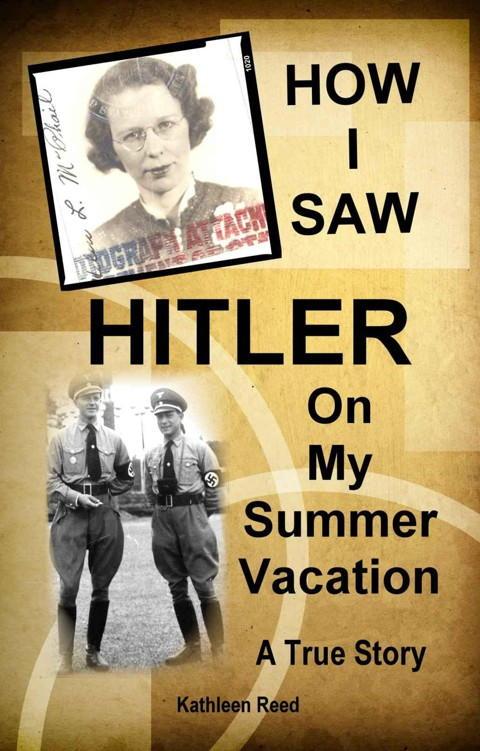
In 1938, high-spirited Helen McPhail sails the SS Normandie to a Europe displaying ominous signs of change due to Hitler’s increasing demands for power. Thirty years old and single, she savors the excitement of visiting nine countries by rail, from museums and nightclubs in Paris, to a dogsled ride in the Alps!
The trip is carefully planned, but total surprises keep cropping up. She loses her hotel reservations to German soldiers - twice! She was taken to Nazi Headquarters in Salzburg! How does one spend a black night in Austria? She becomes entangled in circumstances that are fascinating, frustrating, and romantic! (Listening to Hungarian music can be treacherous!)
As Helen joyfully hops from country to country, more than one handsome man longs for her to stay. You will love her sense of humor and her courage in adversity.
Join her on the streets of Paris, amidst throngs of frantic people who are trying to leave Europe. Be an eye-witness to a Paris where taxis and drivers are commandeered to military service, as France prepares for war on the eve of the Munich Conference. Why is the RMS Queen Mary distanced off shore, instead of waiting at the dock?
Jump into an adventure you will remember forever! Readers of this book come away feeling like they were right there with her! The true tale is enhanced by over 20 photos from her scrapbook!
In this wonderfully intelligent, stunningly honest, and painfully funny book, acclaimed writer David Shields uses himself as a representative for all readers and writers who seek to find salvation in literature.
Blending confessional criticism and anthropological autobiography, Shields explores the power of literature (from Blaise Pascal’s Pensées to Maggie Nelson’s Bluets, Renata Adler’s Speedboat to Proust’s A Remembrance of Things Past) to make life survivable, maybe even endurable. Shields evokes his deeply divided personality (his “ridiculous” ambivalence), his character flaws, his woes, his serious despairs. Books are his life raft, but when they come to feel unlifelike and archaic, he revels in a new kind of art that is based heavily on quotation and consciousness and self-consciousness—perfect, since so much of what ails him is acute self-consciousness. And he shares with us a final irony: he wants “literature to assuage human loneliness, but nothing can assuage human loneliness. Literature doesn’t lie about this—which is what makes it essential.”
A captivating, thought-provoking, utterly original way of thinking about the essential acts of reading and writing.
Cheryl Strayed is the author of the best-selling memoir Wild. Strayed writes the “Dear Sugar” column on TheRumpus.net. Her writing has appeared in the New York Times Magazine, the Washington Post Magazine, Vogue, Allure, Self, the Missouri Review, Brain, Child, The Rumpus, the Sun and elsewhere. The winner of a Pushcart Prize as well as fellowships to the Bread Loaf Writers’ Conference and the Sewanee Writers’ Conference, her essays and stories have been published in The Best American Essays, The Best New American Voices, and other anthologies.
Great books are born of grand passions. The best literature is made when authors refuse to rest easy, but instead dig into their obsessions in order to express not just what’s true, but what’s truer still. This greatness is apparent on every page of David Shields’s How Literature Saved My Life, a culturally searching declaration of the power and limitations of literature that’s also a highly idiosyncratic, deeply personal soul search by one super smart man who consumes and considers books as if his life depends on it.
Part memoir, part manifesto, How Literature Saved My Life is as wide-ranging as it is intimate, and much of its power lies in the ambitiousness of Shields’s reach. It’s a book that defies definition. My category for it is simply a strange book that I love. It’s a serenade wrapped inside a cross-examination; an intellectual book that reads like a detective novel. In its pages, one reads about subjects as diverse as Tiger Woods, the theory that someday tiny robots will roam inside our bodies to reverse the damage caused by aging, Renata Adler’s Speedboat, and the private journals of Shields’s unsuspecting college girlfriend.
This is a long way of saying that How Literature Saved My Life is a book with balls. It doesn’t ask for permission to be what it is: an original, opinionated, gentle-hearted, astonishingly intelligent collage of the ideas, reflections, memories, and experiences of a writer so avidly determined to understand what literature means that the reader must know too.
Amazon Best Books of the Month, February 2013:
Standup comic, actor and fan favorite from the popular HBO series Silicon Valley shares his memoir of growing up as a Chinese immigrant in California and making it in Hollywood.
Jimmy O. Yang is about to have his moment. You've likely seen the standup comic and actor starring as a series regular, the fan favorite character Jian Yang in Mike Judge's Emmy-nominated HBO comedy Silicon Valley. Or you may have caught his first dramatic turn in director Peter Berg's acclaimed film Patriot's Day. Next up is a major role opposite Melissa McCarthy in the comedy Life of the Party. Beyond his burgeoning career in Hollywood, Yang's star status is only a small piece of his story. His family emigrated from Hong Kong to Los Angeles when he was 13. Can you think of a worse time for a young adolescent who didn't speak English to be thrown into the Los Angeles School District with its notorious income gap, mean girls, and children of Hollywood elite?
In his…
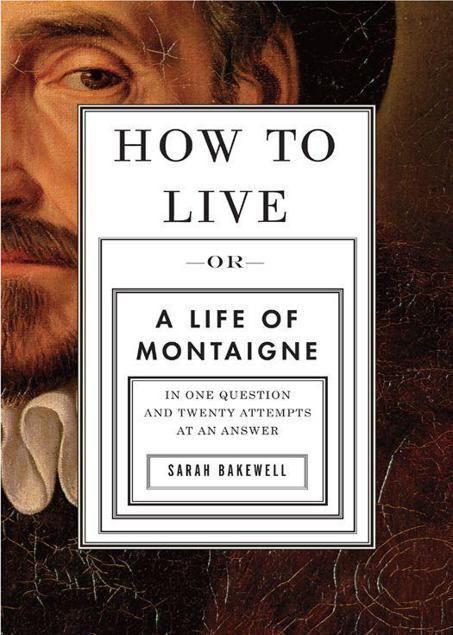
In a wide-ranging intellectual career, Michel de Montaigne found no knowledge so hard to acquire as the knowledge of how to live this life well. By casting her biography of the writer as 20 chapters, each focused on a different answer to the question How to live? Bakewell limns Montaigne’s ceaseless pursuit of this most elusive knowledge. Embedded in the 20 life-knowledge responses, readers will find essential facts — when and where Montaigne was born, how and whom he married, how he became mayor of Bordeaux, how he managed a public life in a time of lethal religious and political passions. But Bakewell keeps the focus on the inner evolution of the acute mind informing Montaigne’s charmingly digressive and tolerantly skeptical essays. Flexible and curious, this was a mind at home contemplating the morality of cannibals, the meaning of his own near-death experience, and the puzzlingly human behavior of animals. And though Montaigne has identified his own personality as his overarching topic, Bakewell marvels at the way Montaigne’s prose has enchanted diverse readers — Hazlitt and Sterne, Woolf and Gide — with their own reflections. Because Montaigne’s capacious mirror still captivates many, this insightful life study will win high praise from both scholars and general readers. -Bryce Christensen
“This charming biography shuffles incidents from Montaigne’s life and essays into twenty thematic chapters… Bakewell clearly relishes the anthropological anecdotes that enliven Montaigne’s work, but she handles equally well both his philosophical influences and the readers and interpreters who have guided the reception of the essays.”
—The New Yorker
“Serious, engaging, and so infectiously in love with its subject that I found myself racing to finish so I could start rereading the Essays themselves… It is hard to imagine a better introduction — or reintroduction — to Montaigne than Bakewell’s book.”
—Lorin Stein, Harper’s Magazine
“Ms. Bakewell’s new book, How to Live, is a biography, but in the form of a delightful conversation across the centuries.”
—The New York Times
“So artful is Bakewell’s account of [Montaigne] that even skeptical readers may well come to share her admiration.”
—The New York Times Book Review
“Extraordinary… a miracle of complex, revelatory organization, for as Bakewell moves along she provides a brilliant demonstration of the alchemy of historical viewpoint.”
—Boston Globe
“Well, How to Live is a superb book, original, engaging, thorough, ambitious, and wise.”
—Nick Hornby, in the November/December 2010 issue of The Believer
“In How to Live, an affectionate introduction to the author, Bakewell argues that, far from being a dusty old philosopher, Montaigne has never been more relevant — a 16th-century blogger, as she would have it — and so must be read, quite simply, ‘in order to live’… Bakewell is a wry and intelligent guide.”
—The Daily Beast
“Witty, unorthodox… How to Live is a history of ideas told entirely on the ground, never divorced from the people thinking them. It hews close to Montaigne’s own preoccupations, especially his playful uncertainty — Bakewell is a stickler for what we can’t know… How to Live is a delight…”
—The Plain Dealer
“This book will have new readers excited to be acquainted to Montaigne’s life and ideas, and may even stir their curiosity to read more about the ancient Greek philosophers who influenced his writing. How to Live is a great companion to Montaigne’s essays, and even a great stand-alone.”
—San Francisco Book Review
“A bright, genial, and generous introduction to the master’s methods.”
—Kirkus Reviews
“[Bakewell reveals] one of literature's enduring figures as an idiosyncratic, humane, and surprisingly modern force.”
—Publisher’s Weekly (starred)
“As described by Sarah Bakewell in her suavely enlightening How to Live, or A Life of Montaigne in One Question and Twenty Attempts at an Answer Montaigne is, with Walt Whitman, among the most congenial of literary giants, inclined to shrug over the inevitability of human failings and the last man to accuse anyone of self-absorption. His great subject, after all, was himself.”
—Laura Miller, Salon.com
“Lively and fascinating… How To Live takes its place as the most enjoyable introduction to Montaigne in the English language.”
—The Times Literary Supplement
“Splendidly conceived and exquisitely written… enormously absorbing.”
—Sunday Times
“How to Live will delight and illuminate.”
—The Independent
“It is ultimately [Montaigne’s] life-loving vivacity that Bakewell succeeds in communicating to her readers.”
—The Observer
“This subtle and surprising book manages the trick of conversing in a frank and friendly manner with its centuries-old literary giant, as with a contemporary, while helpfully placing Montaigne in a historical context. The affection of the author for her subject is palpable and infectious.”
—Phillip Lopate, author of The Art of the Personal Essay
“An intellectually lively treatment of a Renaissance giant and his world.”
—Saturday Telegraph
“Like recent books on Proust, Joyce, and Austen, How to Live skillfully plucks a life-guide from the incessant flux of Montaigne’s prose… A superb, spirited introduction to the master.”
—The Guardian
In a wide-ranging intellectual career, Michel de Montaigne found no knowledge so hard to acquire as the knowledge of how to live this life well. By casting her biography of the writer as 20 chapters, each focused on a different answer to the question How to live? Bakewell limns Montaigne’s ceaseless pursuit of this most elusive knowledge. Embedded in the 20 life-knowledge responses, readers will find essential facts — when and where Montaigne was born, how and whom he married, how he became mayor of Bordeaux, how he managed a public life in a time of lethal religious and political passions. But Bakewell keeps the focus on the inner evolution of the acute mind informing Montaigne’s charmingly digressive and tolerantly skeptical essays. Flexible and curious, this was a mind at home contemplating the morality of cannibals, the meaning of his own near-death experience, and the puzzlingly human behavior of animals. And though Montaigne has identified his own personality as his overarching topic, Bakewell marvels at the way Montaigne’s prose has enchanted diverse readers — Hazlitt and Sterne, Woolf and Gide — with their own reflections. Because Montaigne’s capacious mirror still captivates many, this insightful life study will win high praise from both scholars and general readers. -Bryce Christensen Named one of Library Journal’s Top Ten Best Books of 2010 In a wide-ranging intellectual career, Michel de Montaigne found no knowledge so hard to acquire as the knowledge of how to live this life well. By casting her biography of the writer as 20 chapters, each focused on a different answer to the question How to live? Bakewell limns Montaigne’s ceaseless pursuit of this most elusive knowledge. Embedded in the 20 life-knowledge responses, readers will find essential facts — when and where Montaigne was born, how and whom he married, how he became mayor of Bordeaux, how he managed a public life in a time of lethal religious and political passions. But Bakewell keeps the focus on the inner evolution of the acute mind informing Montaigne’s charmingly digressive and tolerantly skeptical essays. Flexible and curious, this was a mind at home contemplating the morality of cannibals, the meaning of his own near-death experience, and the puzzlingly human behavior of animals. And though Montaigne has identified his own personality as his overarching topic, Bakewell marvels at the way Montaigne’s prose has enchanted diverse readers — Hazlitt and Sterne, Woolf and Gide — with their own reflections. Because Montaigne’s capacious mirror still captivates many, this insightful life study will win high praise from both scholars and general readers.
—Bryce Christensen Named one of Library Journal’s Top Ten Best Books of 2010
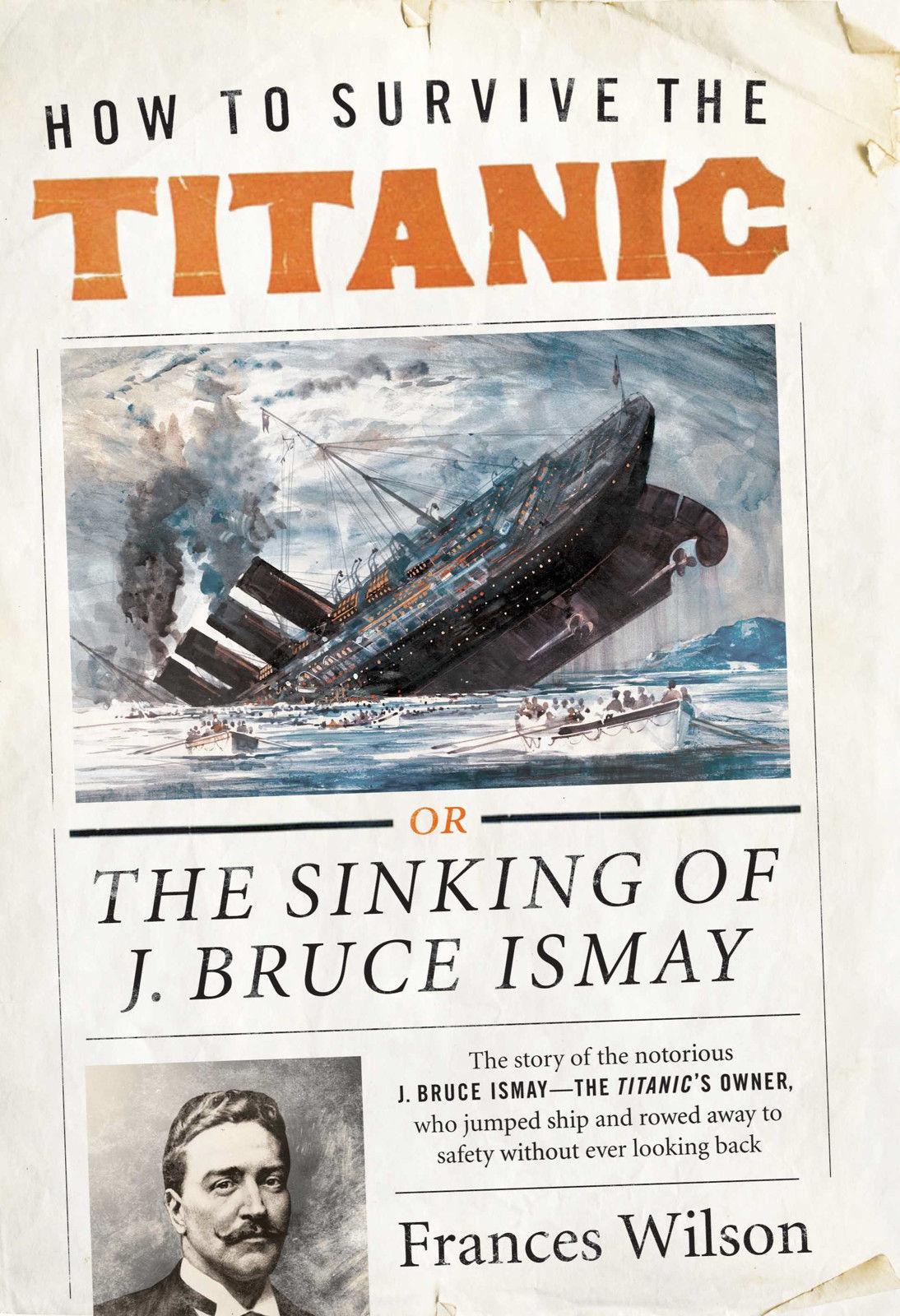
Award-winning historian Frances Wilson delivers a gripping new account of the sinking of the RMS Titanic, looking at the collision and its aftermath through the prism of the demolished life and lost honor of the ship’s owner, J. Bruce Ismay. In a unique work of history evocative of Joseph Conrad’s classic novel Lord Jim, Wilson raises provocative moral questions about cowardice and heroism, memory and identity, survival and guilt—questions that revolve around Ismay’s loss of honor and identity as his monolithic venture—a ship called “The Last Word in Luxury” and “The Unsinkable”—was swallowed by the sea and subsumed in infamy forever.
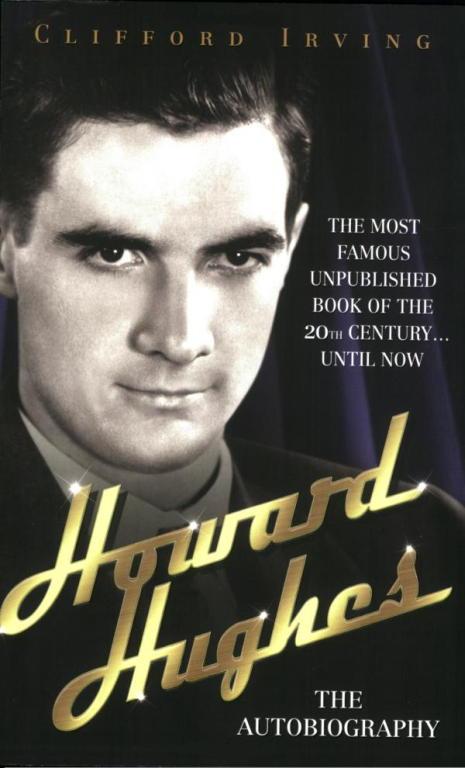
Wealth. Influence. Magnetism. Mystery. In twentieth century America, one man alone embodied all these qualities in their purest form. During a life which read like the wildest imaginings of a Hollywood scriptwriter, Howard Hughes – billionaire tycoon, pioneer aviator, playboy, eccentric and movie mogul – became a totem of fascination around the globe. In his twilight years, the mystery surrounding him intensified when he became a total recluse, hiding himself away in shady hotel suites for more than a decade. Some believed him to be dead; others thought he had gone crazy. Few really knew the truth – just as Hughes preferred.
The ambiguity surrounding him spawned one of the first modern media obsessions. Speculation abounded, from the business pages of broadsheets through international magazine articles down to the sidewalk opinion-makers. And unsurprisingly there were few books written about Hughes’ fascinating life – a life which was rumoured to be on the brink of ruin. So New York author and journalist Clifford Irving set out to do what no one else had done before.
In late 1970, Irving ran into an old friend and fellow scribe, Richard Suskind. The two men struck up a conversation about the legendary Hughes, whose recent shadowy globetrotting had caused a sensation in newspapers around the world. It was this conversation that gave Irving the idea to write the ‘autobiography’ of Howard Hughes. Skillfully convincing the publishing world that he had the direct input of Hughes himself, his colleagues and friends, Irving wrote his book, interweaving accurate research with outlandish fiction, and sold it to a publisher for a record advance of $1m, hitting headlines around the world…
But eventually the tall tale unravelled – the book was unmasked as a hoax. Irving went to prison and the sensational manuscript, described as ‘the most famous unpublished book of the century’, lay untouched for over 30 years – until now. For the first time, here is the incredible, unexpurgated life story of one of history’s most intriguing figures.
Wealth. Influence. Magnetism. Mystery. In twentieth century America, one man alone embodied all these qualities in their purest form. During a life which read like the wildest imaginings of a Hollywood scriptwriter, Howard Hughes – billionaire tycoon, pioneer aviator, playboy, eccentric and movie mogul – became a totem of fascination around the globe. In his twilight years, the mystery surrounding him intensified when he became a total recluse, hiding himself away in shady hotel suites for more than a decade. Some believed him to be dead; others thought he had gone crazy. Few really knew the truth – just as Hughes preferred.
The ambiguity surrounding him spawned one of the first modern media obsessions. Speculation abounded, from the business pages of broadsheets through international magazine articles down to the sidewalk opinion-makers. And unsurprisingly there were few books written about Hughes’ fascinating life – a life which was rumoured to be on the brink of ruin. So New York author and journalist Clifford Irving set out to do what no one else had done before.
In late 1970, Irving ran into an old friend and fellow scribe, Richard Suskind. The two men struck up a conversation about the legendary Hughes, whose recent shadowy globetrotting had caused a sensation in newspapers around the world. It was this conversation that gave Irving the idea to write the ‘autobiography’ of Howard Hughes. Skillfully convincing the publishing world that he had the direct input of Hughes himself, his colleagues and friends, Irving wrote his book, interweaving accurate research with outlandish fiction, and sold it to a publisher for a record advance of $1m, hitting headlines around the world…
But eventually the tall tale unravelled – the book was unmasked as a hoax. Irving went to prison and the sensational manuscript, described as ‘the most famous unpublished book of the century’, lay untouched for over 30 years – until now. For the first time, here is the incredible, unexpurgated life story of one of history’s most intriguing figures.
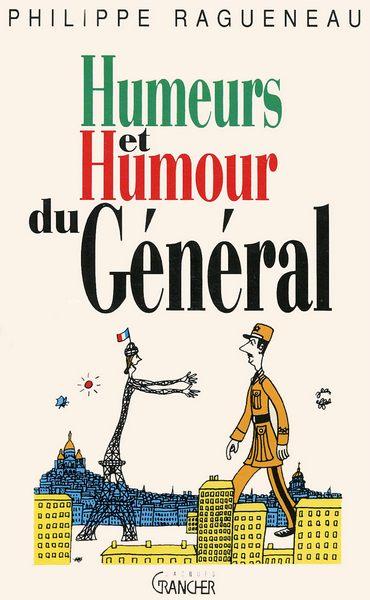
Pour la majorité des Français, Charles de Gaulle était « l'homme du 18 Juin », le chef de la France combattante, le libérateur, l'ultime recours de 1958, le premier Président de la Ve République, pour tout dire, la « statue du commandeur ».
Mais bien peu soupçonne que cet homme, dont l'immense stature physique, intellectuelle et morale intimidait tous ceux qui l'approchaient, aimait aussi rire et provoquer le rire ; qu'il était doué d'un humour, tantôt subtil, tantôt féroce ou caustique, qu'il maniait avec le même bonheur et la même délectation, le sarcasme, la malice et l'ironie ; que la provocation délibérée et la mauvaise foi consciente libéraient chez lui un grand rire intérieur ; que ses rognes et ses grognes s'exprimaient en mots savoureux ; que ses traits d'esprit faisait le tour de son entourage ; mais qu'il savait aussi manifester, à point nommé, sollicitude et bienveillance.
Ces humeurs et cet humour du Général, nous les avons traqués dans les souvenirs de ceux qui l'ont approché. On en trouvera dans ce recueil, qui s'est voulu honnête, la fidèle expression.
Philippe Ragueneau, Compagnon de la Libération, a vécu 14 ans dans la familiarité du Général de Gaulle : pendant la guerre, dans les Forces Françaises Libres, puis au Rassemblement du Peuple Français, successivement comme chargé de mission, directeur des services de presse, propagande et information et, en 1958, à son Cabinet, comme chargé de mission, responsable des relations avec la presse.
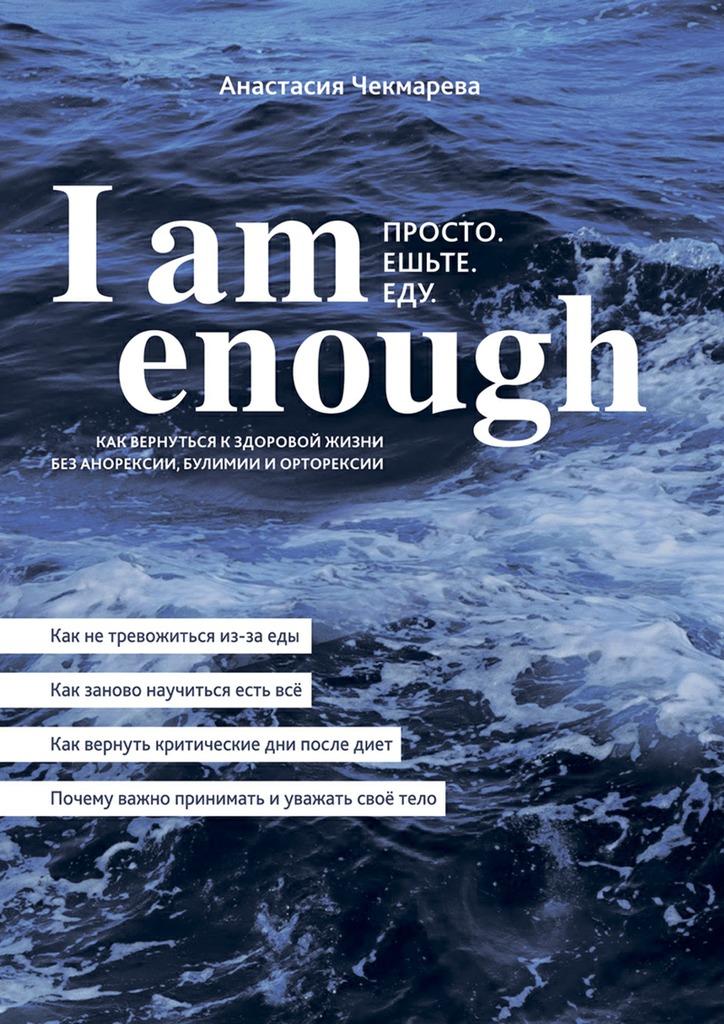
Это первая книга в России, которая повествует о человеке, прошедшем полное физическое и ментальное восстановление после ограничительных расстройств пищевого поведения (ОРПП) с помощью протокола HDRM, который не предполагает любых рамок в еде и обращений к диетологам. Через автобиографию девушки можно проследить, как невидимое расстройство разрушает человека, какие голоса в голове при этом он слышит и как выходит из этого опасного состояния.

When the Taliban took control of the Swat Valley in Pakistan, one girl spoke out. Malala Yousafzai refused to be silenced and fought for her right to an education.
On Tuesday, October 9, 2012, when she was fifteen, she almost paid the ultimate price. She was shot in the head at point-blank range while riding the bus home from school, and few expected her to survive.
Instead, Malala’s miraculous recovery has taken her on an extraordinary journey from a remote valley in northern Pakistan to the halls of the United Nations in New York. At sixteen, she has become a global symbol of peaceful protest and the youngest nominee ever for the Nobel Peace Prize.
I AM MALALA is the remarkable tale of a family uprooted by global terrorism, of the fight for girls’ education, of a father who, himself a school owner, championed and encouraged his daughter to write and attend school, and of brave parents who have a fierce love for their daughter in a society that prizes sons.
I AM MALALA will make you believe in the power of one person’s voice to inspire change in the world.
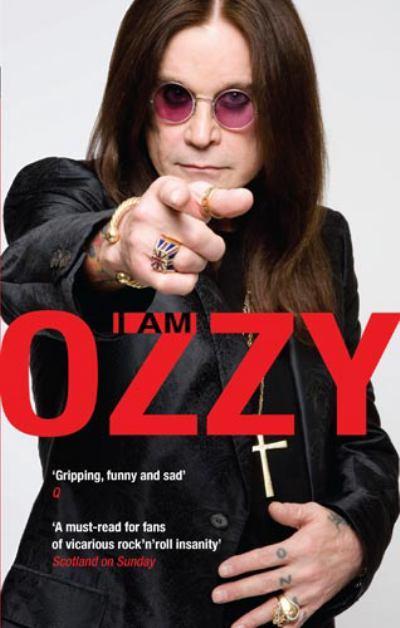
“They’ve said some crazy things about me over the years. I mean, okay: ‘Нe bit the head off a bat.’ Yes. ‘He bit the head off a dove.’ Yes. But then you hear things like, ‘Ozzy went to the show last night, but he wouldn’t perform until he’d killed fifteen puppies…’ Now me, kill fifteen puppies? I love puppies. I’ve got eighteen of the f**king things at home. I’ve killed a few cows in my time, mind you. And the chickens. I shot the chickens in my house that night.
It haunts me, all this crazy stuff. Every day of my life has been an event. I took lethal combinations of booze and drugs for thirty f**king years. I survived a direct hit by a plane, suicidal overdoses, STDs. I’ve been accused of attempted murder. Then I almost died while riding over a bump on a quad bike at f**king two miles per hour.
People ask me how come I’m still alive, and I don’t know what to say. When I was growing up, if you’d have put me up against a wall with the other kids from my street and asked me which one of us was gonna make it to the age of sixty, which one of us would end up with five kids and four grandkids and houses in Buckinghamshire and Beverly Hills, I wouldn’t have put money on me, no f**king way. But here I am: ready to tell my story, in my own words, for the first time.
A lot of it ain’t gonna be pretty. I’ve done some bad things in my time. I’ve always been drawn to the dark side, me. But I ain’t the devil. I’m just John Osbourne: a working-class kid from Aston, who quit his job in the factory and went looking for a good time.”
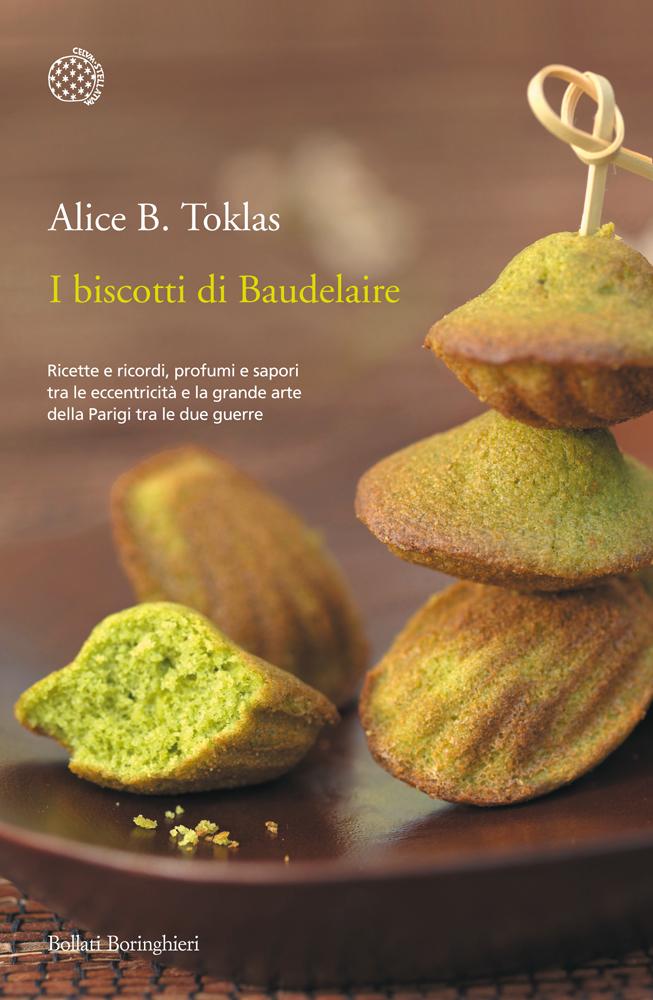
Con il loro salotto artistico e letterario - che negli anni tra le due guerre era frequentato, tra gli altri, da Picasso, Picabia, Matisse, Braque, Hemingway, Fitzgerald, Sherwood Anderson - Alice B. Toklas e Gertrude Stein hanno fatto un pezzo di storia. Ma quando, dopo la morte di Gertrude, un editore chiese ad Alice di scrivere le sue memorie, lei si schermì dicendo che al massimo sarebbe stata in grado di scrivere un libro di cucina. Lui promise di accontentarsi, ma lei fece molto di più.
Uscito nel 1954 in America con il titolo "The Alice B. Toklas Cookbook", "I biscotti di Baudelaire" è una ricchissima raccolta di ricette e di ricordi non solo culinari, di aneddoti divertenti, di convinte opinioni su questioni gastronomiche ma anche artistiche, di viaggi tra Francia e America, di pranzi e cene a casa di artisti bohémien ma anche di ricchi e famosi.
Un libro che si legge non solo per consultare le ricette e catturare i sapori amati da artisti e scrittori, ma soprattutto per rivivere l'atmosfera di un tempo e di un ambiente davvero speciali.
E così ecco i piatti, le idee, gli spunti di ricette che Alice condivideva con gli amici: il branzino di Picasso, per esempio, decorato con uova sode, tartufi ed erbe tritate, le uova alla Francis Picabia, le mele glassate di Cecil Beaton, la crema di Josephine Baker, la minestra di alloro di Dora Maar, il caffé di James Joyce e quegli incredibili biscotti di Baudelaire...
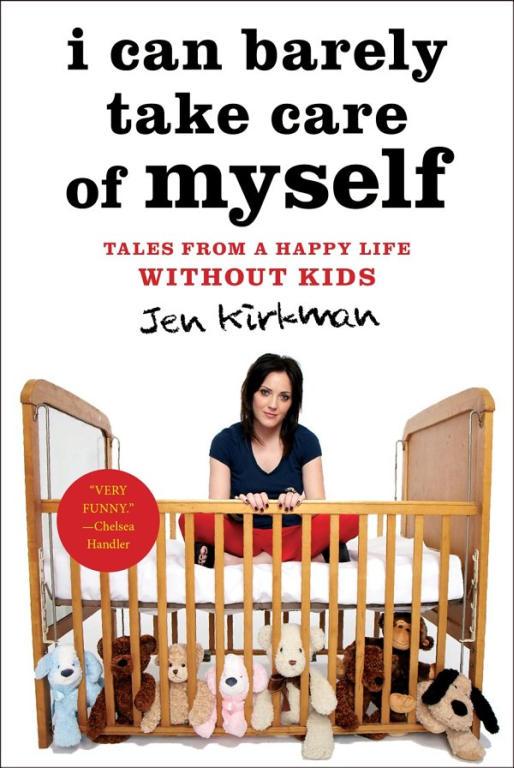
“You’ll Change Your Mind.” That’s what everyone says to Jen Kirkman— and countless women like her—when she confesses she doesn’t plan to have children. But you know what? It’s hard enough to be an adult. You have to dress yourself and pay bills and remember to buy birthday gifts. You have to drive and get annual physicals and tip for good service. Some adults take on the added burden of caring for a tiny human being with no language skills or bladder control. Parenthood can be very rewarding, but let’s face it, so are margaritas at the adults-only pool.
Jen’s stand-up routine includes lots of jokes about not having kids (and some about masturbation and Johnny Depp), after which complete strangers constantly approach her and ask, “But who will take care of you when you’re old?” (Servants!) Some insist, “You’d be such a great mom!” (Really? You know me so well!)
Whether living rent-free in her childhood bedroom while trying to break into comedy (the best free birth control around, she says), or taking the stage at major clubs and joining a hit TV show— and along the way getting married, divorced, and attending excruciating afternoon birthday parties for her parent friends—Jen is completely happy and fulfilled by her decision not to procreate.
I Can Barely Take Care of Myself is a beacon of hilarious hope for anyone whose major life decisions have been questioned by friends, family, and strangers in a comedy club bathroom. And it should satisfy everyone who wonders if Jen will ever know true love without looking into the eyes of her child.
Эта книга о самом поразительном человеке в современной истории бизнеса — Стиве Джобсе — великом предпринимателе эпохи высоких технологий, известном своим индивидуализмом, инакомыслием и бунтарским характером. Авторы подробно описали головокружительный взлет молодого человека, очень рано добившегося успеха, и последовавшее за этим стремительное падение, во время которого Стив был изгнан не только из Apple, но и из компьютерной индустрии вообще.
Эта книга приобрела скандальную известность еще на этапе ее подготовки к печати. Получив экземпляр рукописи для ознакомления, компания запретила продавать во всех магазинах Apple книги издательства Wiley&Son. Такая реакция не повлияла на желание издательства опубликовать это произведение.
Книга будет интересна тем, кто хочет узнать, как происходило формирование, становление и развитие современной эры цифровых технологий под влиянием самой значимой фигуры современности — человека, кардинально изменившего три отрасли — индустрию кино, музыки и компьютеров, — Стивена Джобса.