
 fb2
fb2
« Je ne sais rien de mon frère mort si ce n’est que je l’ai aimé. Il me manque comme personne mais je ne sais pas qui j’ai perdu. J’ai perdu le bonheur de sa compagnie, la gratuité de son affection, la sérénité de ses jugements, la complicité de son humour, la paix. J’ai perdu ce qui restait de douceur au monde. Mais qui ai-je perdu ? »
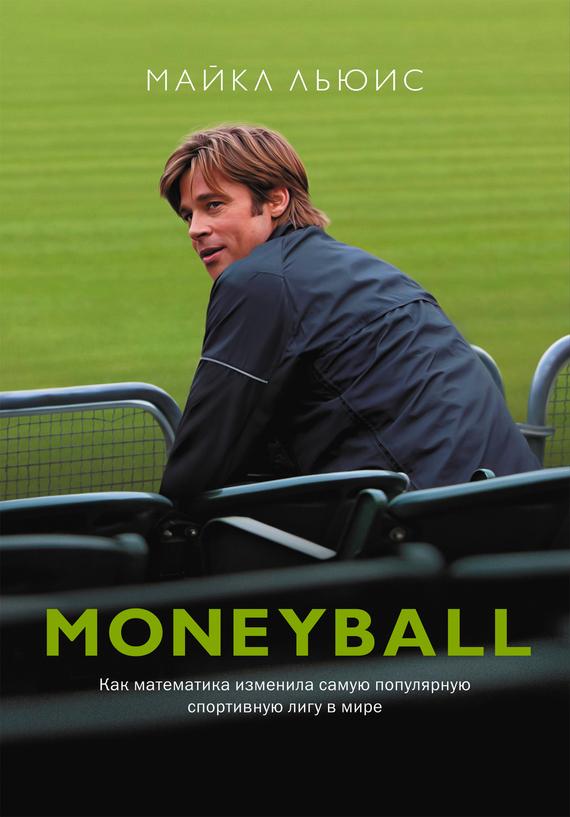
Многие уверены, что спорт давно превратился в соревнование кошельков. Побеждает тот, кто может позволить себе самых лучших, а значит, самых до-рогостоящих игроков. Эта книга доказывает обратное – настоящий прорыв делает тот, кто умеет смотреть по-новому на привычные вещи.
В основе книги лежит реальная история одного из выдающихся спортив-ных менеджеров нашего времени – Билли Бина. Ему удалось на первый взгляд невозможное: вывести малобюджетную команду по бейсболу на лидирующие позиции и обойти самые дорогие команды. Изменив подход к игрокам, он в каком-то смысле изменил саму игру и этим достиг невероятного успеха в истории бейсбола.
На русском языке публикуется впервые.
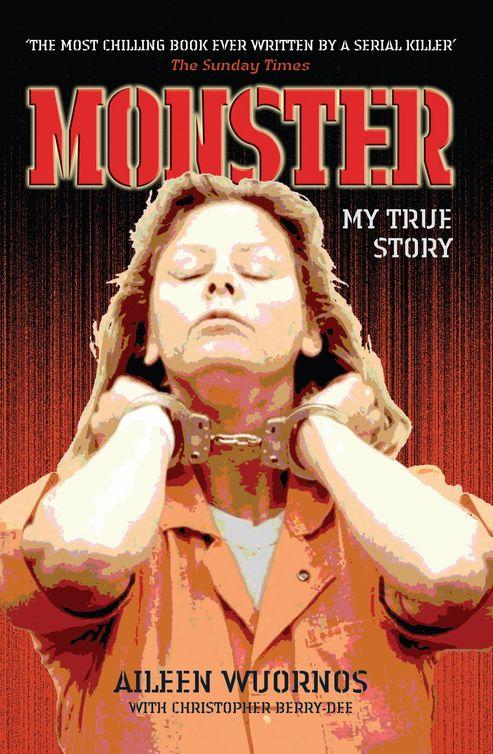
‘I’m a good person inside, but when I get drunk, I just don't know. It's just… when I get drunk, don’t mess the fuck with me…’ There have been few female serial killers but Aileen ‘Lee’ Wuornos was an incredible example of this rare species of death-row inhabitants.
All-too-often female prostitutes have been the victims of male serial killers – the killings of Aileen ‘Lee’ Wuornos were the inverse of this. She was a child prostitute, fleeing an abusive childhood at the hands of her grandparents, which led straight into a disastrous adulthood of difficult affairs with both men and women. Her metamorphosis from victim to attacker had brutal consequences: a stream of dead men.
Following a renewed interest in this woman after the film ‘Monster’, this is her story in her own words.
NB The cover is entitled Monster: My True Story.
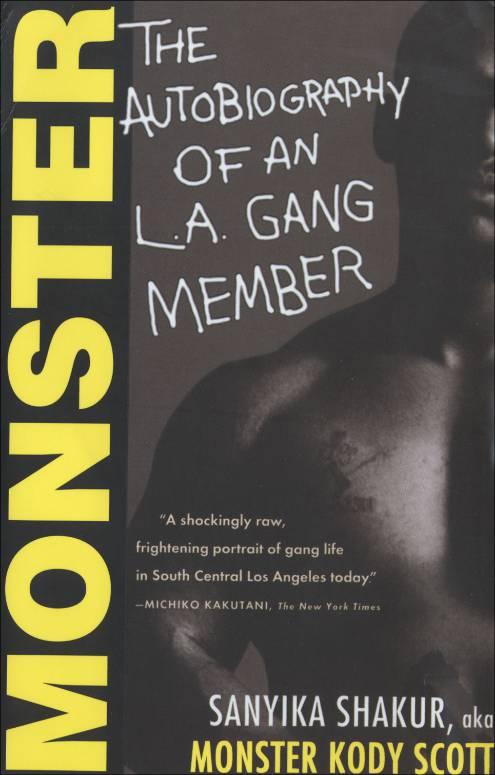
After pumping eight blasts from a sawed-off shotgun at a group of rival gang members, eleven-year-old Kody Scott was initiated into the L.A. gang the Crips. He quickly matured into one of the most formidable Crip combat soldiers, earning the name Monster for committing acts of brutality and violence that repulsed even his fellow gang members.
When the inevitable jail term confined him to a maximum-security cell, Scott channeled his aggression and drive into educating himself. A complete political and personal transformation followed: from Monster to Sanyika Shakur, black nationalist, member of the New Afrikan Independence movement, and crusader against the causes of gangsterism.
In a document that has been compared to The Autobiography of Malcolm X and Eldridge Cleaver’s Soul on Ice, Shakur makes palpable the despair and decay of America’s inner cities and gives eloquent voice to one aspect of the black ghetto experience today.
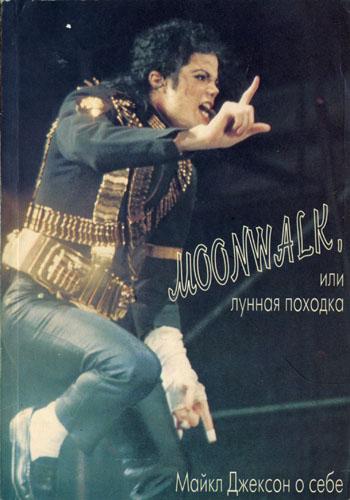
В книге, впервые изданной в 1988 году и выпущенной в свет на русском языке в 1994 году, Майкл Джексон рассказывает о своем детстве, о первых успехах группы «The Jackson 5»/«The Jacksons», в которой он был солистом, о том, как записывались знаменитые альбомы Майкла Джексона «Off The Wall», «Thriller» и «Bad», а также о своем видении мира.
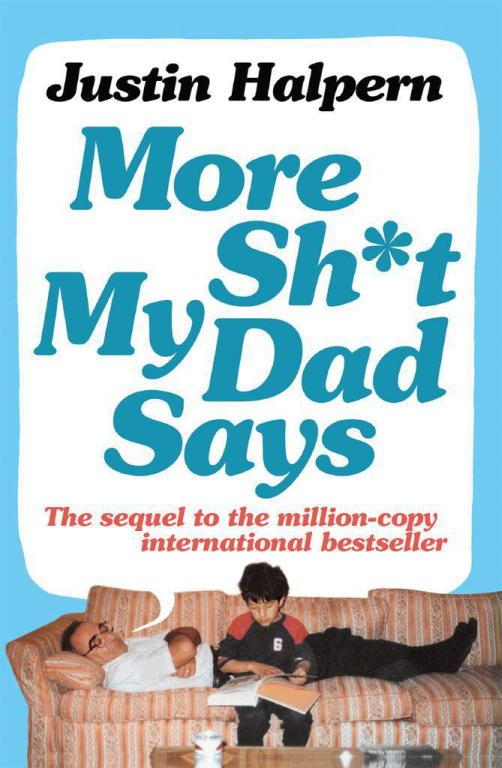
‘Human beings fear the unknown. So, whatever’s freaking you out, grab it by the balls and say hello. Then it ain't the unknown anymore and it ain't scary. Or I guess it could be a sh*tload scarier’ Sam Halpern.
Soon after Sh*t My Dad Says began to take off, comic writer Justin Halpern decided to take the plunge and propose to his then girlfriend. But before doing so, he asked his dad's advice, which was very, very simple (and surprisingly clean): ‘Just take a day to think about it.’ This book is the story of that trip down memory lane, a toe-curlingly honest pilgrim’s progress of teenage relationships, sex and love by one of the funniest writers at work today.
Sh*t people say about Justin Halpern:
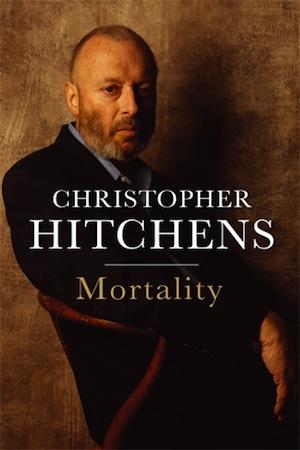
On June 8, 2010, while on a book tour for his bestselling memoir, Hitch-22, Christopher Hitchens was stricken in his New York hotel room with excruciating pain in his chest and thorax. As he would later write in the first of a series of award-winning columns for Vanity Fair, he suddenly found himself being deported “from the country of the well across the stark frontier that marks off the land of malady.” Over the next eighteen months, until his death in Houston on December 15, 2011, he wrote constantly and brilliantly on politics and culture, astonishing readers with his capacity for superior work even in extremis.
Throughout the course of his ordeal battling esophageal cancer, Hitchens adamantly and bravely refused the solace of religion, preferring to confront death with both eyes open. In this riveting account of his affliction, Hitchens poignantly describes the torments of illness, discusses its taboos, and explores how disease transforms experience and changes our relationship to the world around us. By turns personal and philosophical, Hitchens embraces the full panoply of human emotions as cancer invades his body and compels him to grapple with the enigma of death.
MORTALITY is the exemplary story of one man’s refusal to cower in the face of the unknown, as well as a searching look at the human predicament. Crisp and vivid, veined throughout with penetrating intelligence, Hitchens’s testament is a courageous and lucid work of literature, an affirmation of the dignity and worth of man.
Amazon Best Books of the Month, September 2012:
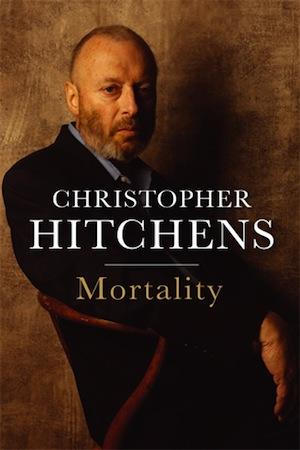
On June 8, 2010, while on a book tour for his bestselling memoir, Hitch-22, Christopher Hitchens was stricken in his New York hotel room with excruciating pain in his chest and thorax. As he would later write in the first of a series of award-winning columns for Vanity Fair, he suddenly found himself being deported “from the country of the well across the stark frontier that marks off the land of malady.” Over the next eighteen months, until his death in Houston on December 15, 2011, he wrote constantly and brilliantly on politics and culture, astonishing readers with his capacity for superior work even in extremis.
Throughout the course of his ordeal battling esophageal cancer, Hitchens adamantly and bravely refused the solace of religion, preferring to confront death with both eyes open. In this riveting account of his affliction, Hitchens poignantly describes the torments of illness, discusses its taboos, and explores how disease transforms experience and changes our relationship to the world around us. By turns personal and philosophical, Hitchens embraces the full panoply of human emotions as cancer invades his body and compels him to grapple with the enigma of death.
MORTALITY is the exemplary story of one man’s refusal to cower in the face of the unknown, as well as a searching look at the human predicament. Crisp and vivid, veined throughout with penetrating intelligence, Hitchens’s testament is a courageous and lucid work of literature, an affirmation of the dignity and worth of man.
Amazon Best Books of the Month, September 2012:
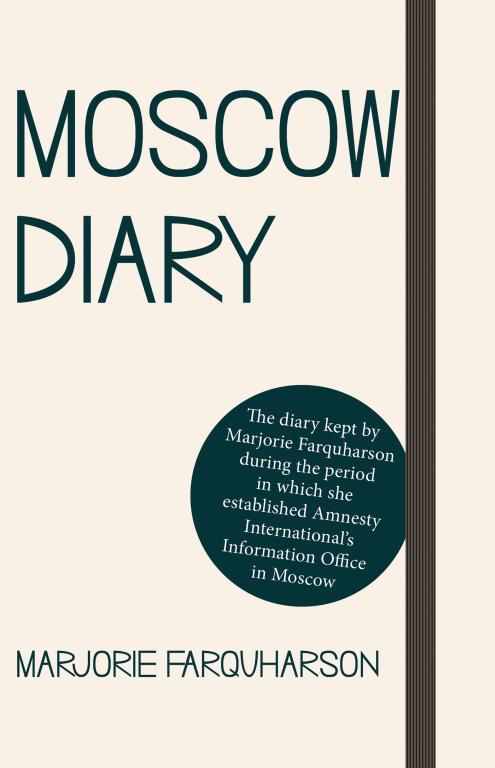
Moscow Diary is the diary kept by Marjorie Farquharson during the period in which she established Amnesty International’s Information Office in Moscow, a unique venture during a fascinating period of change. In 1991, Marjorie was the first westerner working on human rights with a permanent base. It was particularly important because for years the USSR had considered Amnesty an anti-Soviet organisation – “a nest of spies” so to speak.
Marjorie’s role together with her penetrating perceptions and her entertaining style of writing make this a very interesting account which combines insights into the politics of human rights and into the unusually wide range of people Marjorie encountered. Most westerners in Moscow lived a life apart with access to foreign currency shops and good-quality food. Marjorie chose instead to live as an ordinary Muscovite, in one room with a small kitchen, even when, in 1992, the inflation rate in Russia soared to more than 2000%.
The fact that the diary was written 25 years ago doesn’t in any way undermine the author’s efforts to help Russia become “a normal country”, nor does it hide the author’s true passion for the Russian people. A gem of a book capturing a moment in time by a truly humble, self-sacrificing woman.
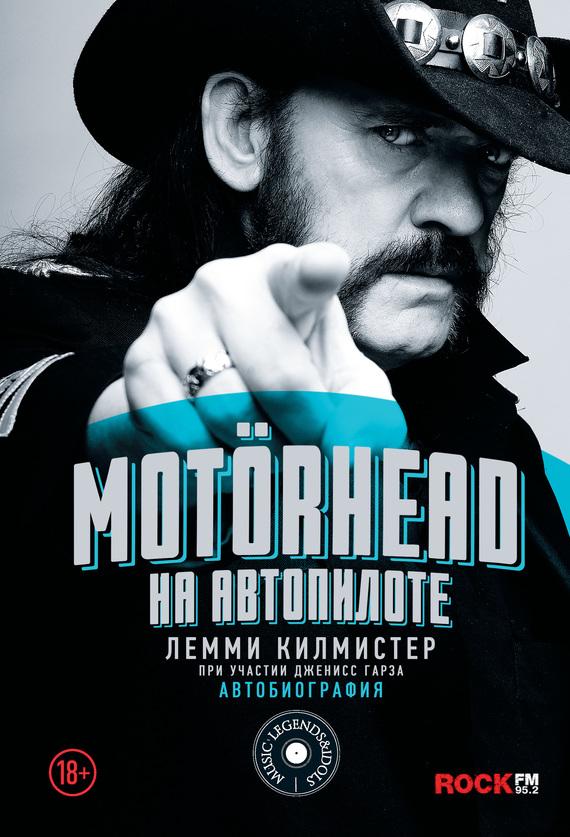
В своей книге Лемми Килмистер рассказывает о невероятном, бросающем вызов путешествии по миру музыки. Он хотел обмануть смерть, и не один раз. Пожалуй, самый известный случай произошел в 1980 году, когда его врач сказал: «Я не могу сделать тебе переливание крови, потому что обычная кровь тебя просто убьет… И твоя кровь убьет другого человека, потому что это уже другое вещество, настолько токсичное». Но после этого Лемми прожил еще три десятилетия, чтобы рассказать без прикрас о прожитой жизни, которая била через край. Часто возмутительные, и всегда необузданные истории лидера самой громкой рок-группы в мире.
A dazzling work of American history from the author of the “U.S.A. trilogy”.
Beginning with the assassination of McKinley and ending with the defeat of the League of Nations by the United States Senate, the twenty-year period covered by John Dos Passos in this lucid and fascinating narrative changed the whole destiny of America. This is the story of the war we won and the peace we lost, told with a clear historical perspective and a warm interest in the remarkable people who guided the United States through one of the most crucial periods.
Foremost in the cast of characters is Woodrow Wilson, the shy, brilliant, revered, and misunderstood “schoolmaster”, whose administration was a complex of apparent contradictions. Wilson had almost no interest in foreign affairs when he was first elected, yet later, in proposing the League of Nations, he was to play a major role in international politics. During his first summer in office, without any…

Хотите узнать, как заработали свои миллиардные состояния самые богатые люди нашей страны? Откройте для себя формулу их успеха. Изучите биографии самых крупных и знаменитых российских предпринимателей, долларовых и рублевых миллиардеров. Совершите увлекательный экскурс в закрытый обычному человеку мир роскоши, власти, интриг, головокружительных бизнескарьер! Если вы амбициозны, то для вас это станет кратким практическим руководством, как стать миллиардером!
Почему женщинам труднее зарабатывать миллиарды? Сколько стоит парковка яхты в Ницце и обслуживание частного самолета? - ответы на эти и другие вопросы вы найдете в книге Лены Лениной - модной писательницы, самой известной русской во Франции!
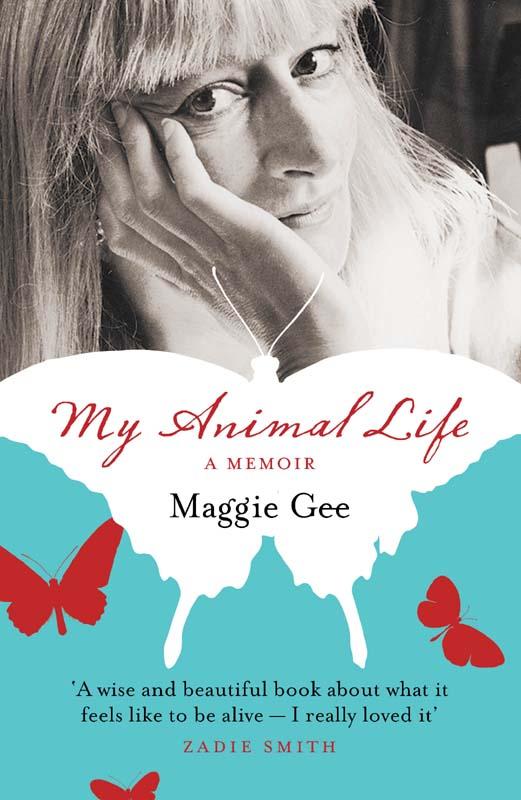
"A wise and beautiful book about what it feels like to be alive-I really loved it."-Zadie Smith
"Maggie Gee's account of her life as a writer cuts to the bone as she relives triumphs, rejections, despair and renewal. It's a wonderful book, for its boldness and vigour, and for its piercing honesty."-Claire Tomalin
How do you become a writer, and why?
Maggie Gee's journey starts in a small family in post-war Britain, a long way from the literary world. At seventeen, Maggie goes, a lamb to the slaughter, to university. From the 1960s onwards she lives the defining events of her generation: the coming of the Pill and sexual freedom, tremors in the British layer-cake of class and race. In the 1980s, Maggie finally gets published, falls in love, marries, and has a daughter-but for the next three decades and beyond, she survives, and sometimes thrives, by writing. This frank, bold memoir dares to explore the big questions: success and failure, sex, death, and parenthood-our animal life.
Maggie Gee was chosen as one of Granta's original Best Young British Novelists. She has published many novels to great acclaim, including "The White Family," shortlisted for the Orange and IMPAC prizes; "My Cleaner"; "The Flood," longlisted for the Orange Prize; and "The Ice People." She was the first female chair of the Royal Society of Literature from 2004–2008 and is now one of its vice presidents.
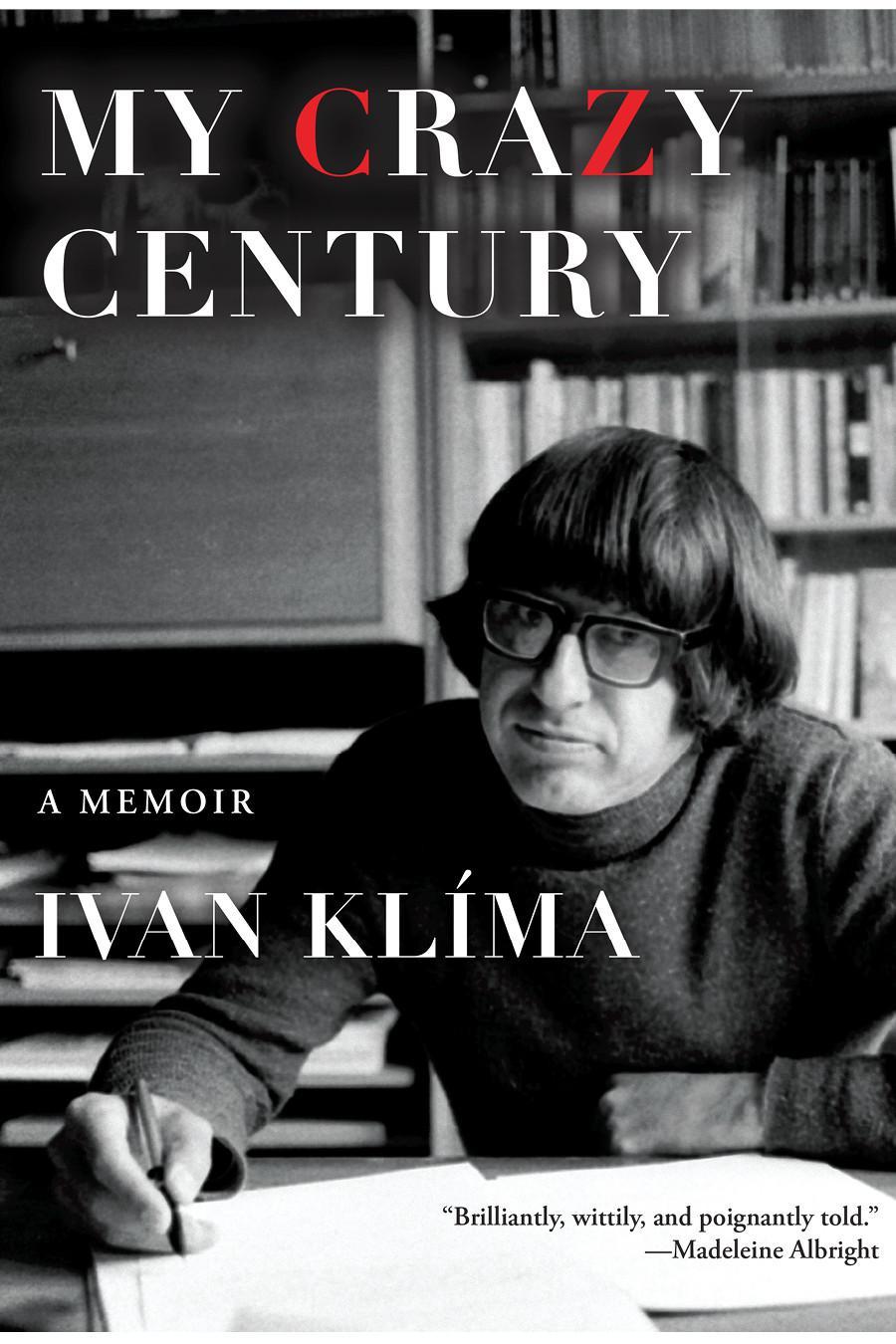
In his intimate autobiography, spanning six decades that included war, totalitarianism, censorship, and the fight for democracy, acclaimed Czech writer Ivan Klíma reflects back on his remarkable life and this critical period of twentieth-century history.
Klíma’s story begins in the 1930s on the outskirts of Prague where he grew up unaware of his concealed Jewish heritage. It came as a surprise when his family was transported to the Terezín concentration camp — and an even greater surprise when most of them survived. They returned home to a city in economic turmoil and falling into the grip of Communism. Against this tumultuous backdrop, Klíma discovered his love of literature and matured as a writer. But as the regime further encroached on daily life, arresting his father and censoring his work, Klíma recognized the party for what it was: a deplorable, colossal lie. The true nature of oppression became clear to him and many of his peers, among them Josef Škvorecký, Milan Kundera, and Václav Havel. From the brief hope of freedom during the Prague Spring of 1968 to Charter 77 and the eventual collapse of the regime in 1989’s Velvet Revolution, Klíma’s revelatory account provides a profoundly rich personal and national history.
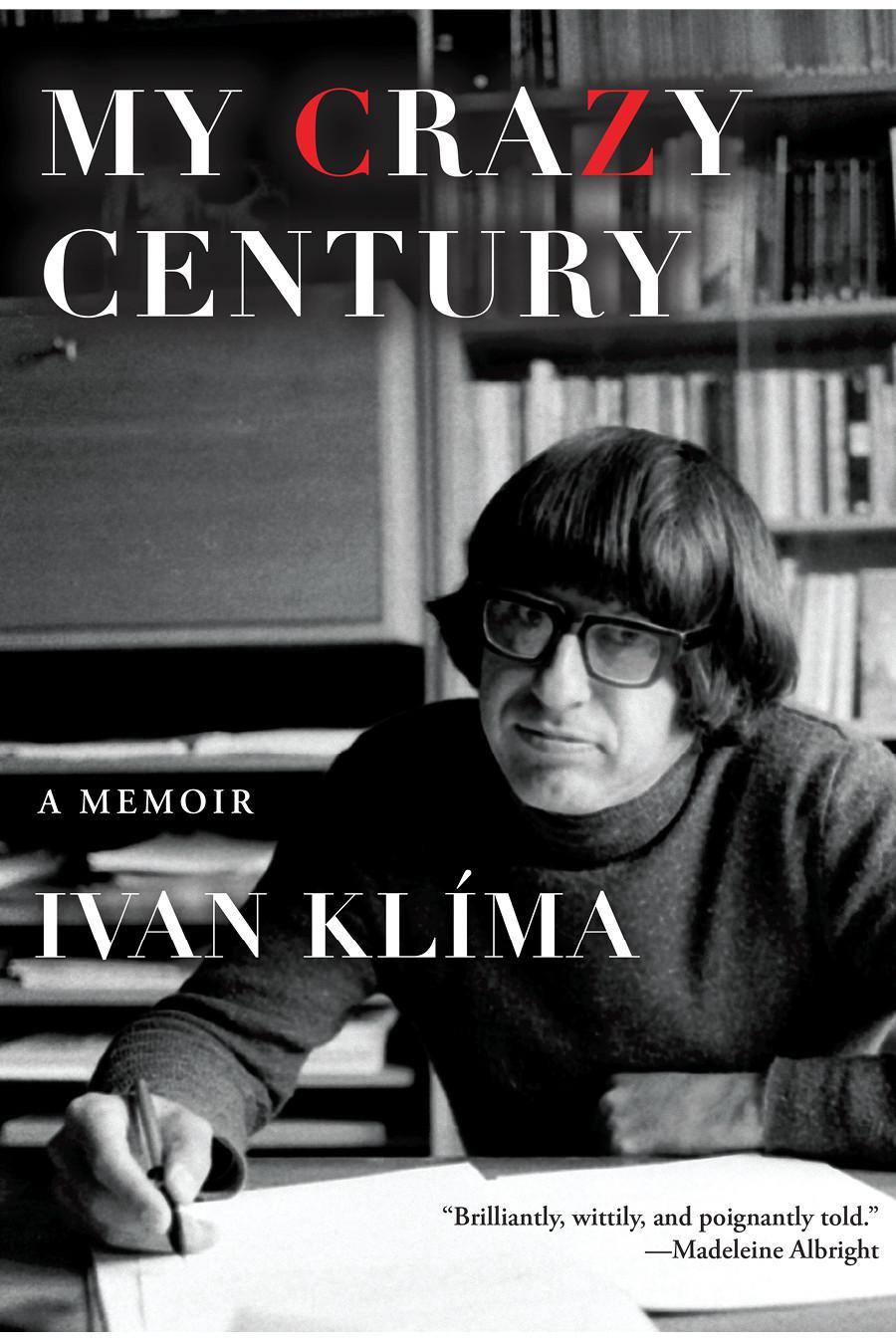
In his intimate autobiography, spanning six decades that included war, totalitarianism, censorship, and the fight for democracy, acclaimed Czech writer Ivan Klíma reflects back on his remarkable life and this critical period of twentieth-century history.
Klíma’s story begins in the 1930s on the outskirts of Prague where he grew up unaware of his concealed Jewish heritage. It came as a surprise when his family was transported to the Terezín concentration camp — and an even greater surprise when most of them survived. They returned home to a city in economic turmoil and falling into the grip of Communism. Against this tumultuous backdrop, Klíma discovered his love of literature and matured as a writer. But as the regime further encroached on daily life, arresting his father and censoring his work, Klíma recognized the party for what it was: a deplorable, colossal lie. The true nature of oppression became clear to him and many of his peers, among them Josef Škvorecký, Milan Kundera, and Václav Havel. From the brief hope of freedom during the Prague Spring of 1968 to Charter 77 and the eventual collapse of the regime in 1989’s Velvet Revolution, Klíma’s revelatory account provides a profoundly rich personal and national history.
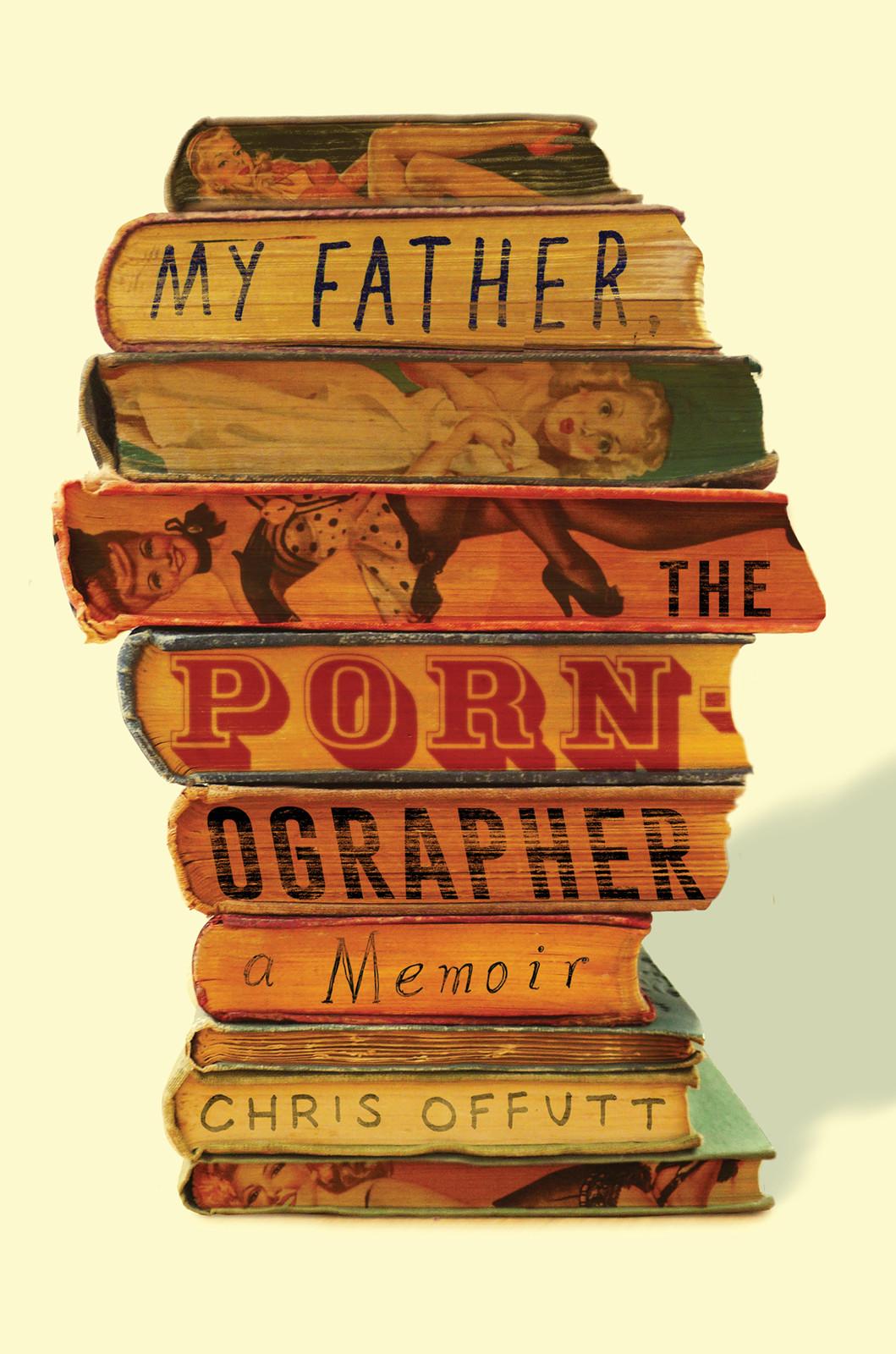
After inheriting 400 novels of pornography written by his father in the 1970s and ‘80s, critically acclaimed author Chris Offutt sets out to make sense of a complicated father-son relationship in this carefully observed, beautifully written memoir.
When Andrew Offutt died, his son, Chris, inherited a desk, a rifle, and eighteen hundred pounds of pornographic fiction. Andrew had been considered the “king of twentieth-century smut,” with a writing career that began as a strategy to pay for his son’s orthodontic needs and soon took on a life of its own, peaking during the 1970s when the commercial popularity of the erotic novel reached its height.
With his dutiful wife serving as typist, Andrew wrote from their home in the Kentucky hills, locked away in an office no one dared intrude upon. In this fashion he wrote more than four hundred novels, including pirate porn, ghost porn, zombie porn, and secret agent porn. The more he wrote, the more intense his ambition became and the more difficult it was for his children to be part of his world.
Over the long summer of 2013, Chris returned to his hometown to help his widowed mother move out of his childhood home. As he began to examine his father’s manuscripts and memorabilia, journals, and letters, he realized he finally had an opportunity to gain insight into the difficult, mercurial, sometimes cruel man he’d loved and feared in equal measure. Only in his father’s absence could he truly make sense of the man and his legacy.
In My Father, the Pornographer, Offutt takes us on the journey with him, reading his father’s prodigious literary output as both a critic and as a son seeking answers. This is a book about the life of a working writer who supports his family solely by the output of his typewriter; it’s about the awful psychic burdens one generation unthinkingly passes along to the next; and it’s about growing up in the Appalachian hills with a pack of fearless boys riding bicycles through the woods, happy and free.
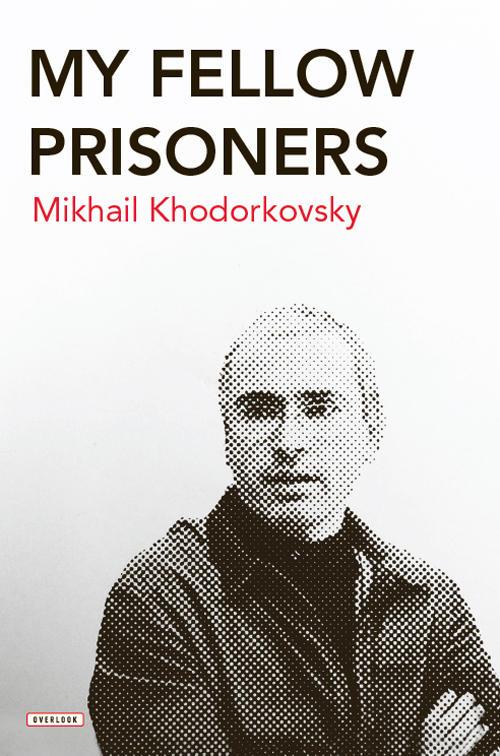
Mikhail Khodorkovsky was Russia’s leading businessman and an outspoken Kremlin critic. Under his leadership, the oil company Yukos revived the Russian oil industry, and as the company thrived, he began sponsoring programs to encourage civil society and fight corruption.
When he was arrested at gunpoint in 2003, Khodorkovsky became Russia’s most famous political prisoner. Sentenced to ten years in a Siberian penal colony on fraud and tax evasion charges, he was put on trial again in 2010 and sentenced to fourteen years, despite the fact that the new charges contradicted the earlier ones.
While imprisoned, Khodorkovsky fought for the rights of his fellow prisoners, going on hunger strike four times. After he was pardoned in 2013, he vowed to continue fighting for prisoners’ rights, and My Fellow Prisoners is a tribute to that work. A moving portrait of the prisoners Khodorkovsky met, My Fellow Prisoners tells the story of lives destroyed by bureaucratic criminality. It is a passionate call to recognize a human tragedy.
MIKHAIL KHODORKOVSKY is Russia’s best-known political prisoner. Prior to his arrest on October 25, 2003, Khodorkovsky had been known as one of Russia’s most successful entrepreneurs and as a pioneering philanthropist. He led the fight against corruption in Russia, encouraged inward investment and promoted civil society. Pardoned in December 2013, he lives in Switzerland and works on behalf of prisoners’ rights.
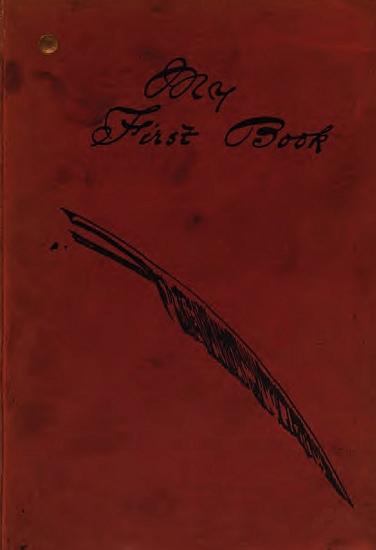
My First Book: the experiences of Walter Besant, James Payn, W. Clark Russell, Grant Allen, Hall Caine, George R. Sims, Rudyard Kipling, A. Conan Doyle, M. E. Braddon, F. W. Robinson, H. Rider Haggard, R. M. Ballantyne, I. Zangwill, Morley Roberts, David Christie Murray, Marie Corelli, Jerome K. Jerome, John Strange Winter, Bret Harte, "Q.", Robert Buchanan, Robert Louis Stevenson, with an introduction by Jerome K. Jerome and 185 illustrations.