 fb2
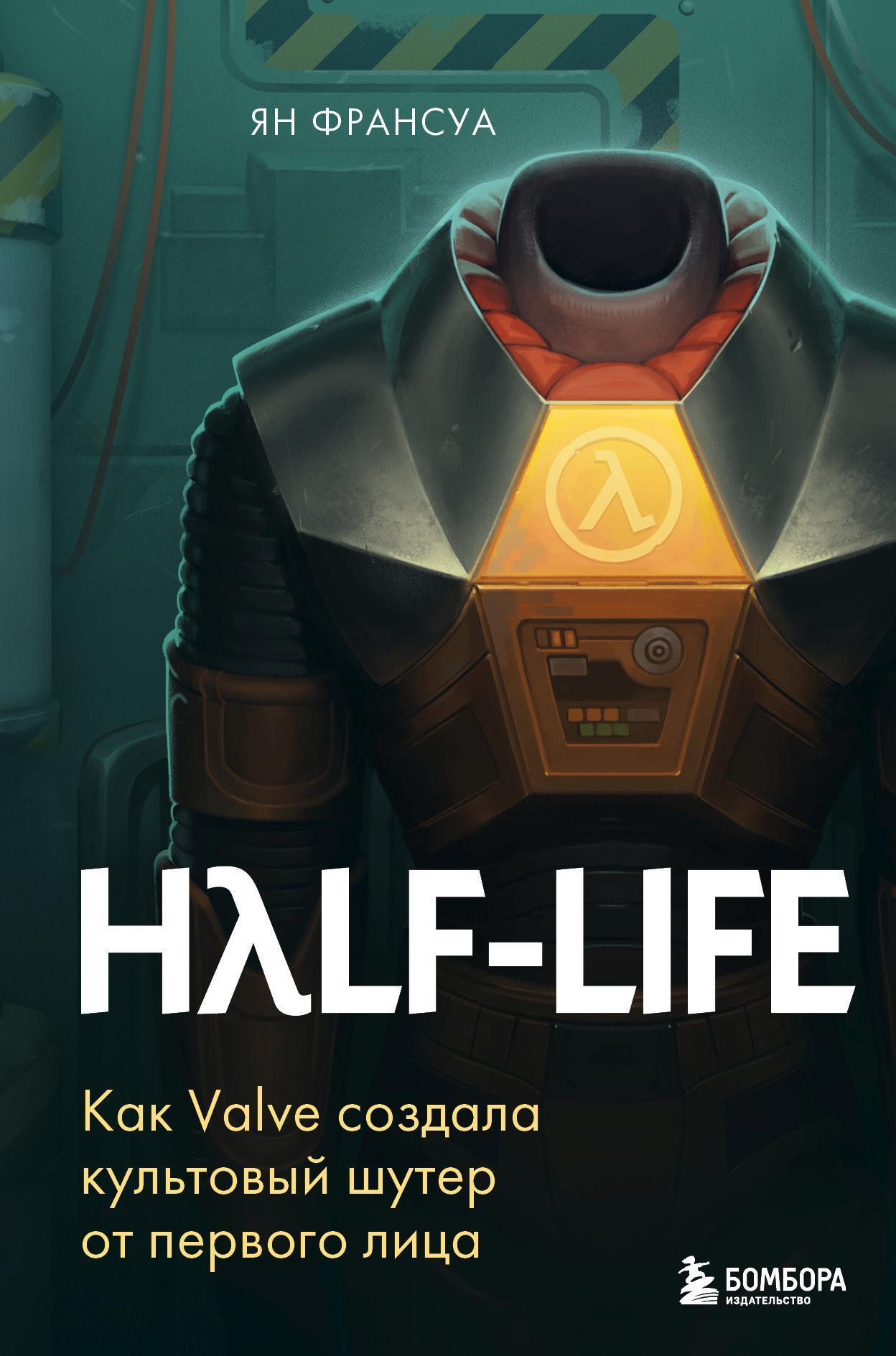
fb2Half-Life – культовая игра, известная миллионам игроков. Она совершила настоящую революцию и навсегда перевернула жанр шутеров от первого лица. Действие в ней полностью происходит внутри игрового пространства без использования кат-сцен, персонажа нельзя увидеть со стороны, поэтому игровой процесс и сюжет образуют единое целое.
Эта книга расскажет о том, как создавались игры серии Half-Life, какие новаторские методы они принесли в индустрию и с какими трудностями во время разработки столкнулась компания Valve. И, конечно, автор не обойдет вниманием другое детище Valve – онлайн-платформу Steam.
Погрузитесь в историю Half-Life и Valve, и вы узнаете:
[ul]Какими произведениями вдохновлялись создатели Half-Life?
Почему главный герой Гордон Фримен не произносит ни слова?
Что помогло студии Valve отыскать свой уникальный стиль?
Как онлайн-платформа Steam навсегда изменила рынок видеоигр? [/ul]
«В чем феномен Half-Life? Чем она так покорила фанатов, жаждущих продолжения по сей день? В поисках ответов автор изучает разработку и наследие серии, ее повествование и геймплей, источники вдохновения и внутреннюю философию. Это книга для тех, кто не застал эпоху Гордона Фримена, – и для тех, кто хочет очутиться в ней вновь. Ведь разве есть что-то более вечное, чем монтировка в руках героя?» – Антон Берсенёв, переводчик Half-Life: Alyx и других проектов Valve
В формате PDF A4 сохранен издательский макет книги.

Arendt was one of the most important thinkers of her time, famous for her idea of “the banality of evil” which continues to provoke debate. This collection provides new and startling insight into Arendt’s thoughts about Watergate and the nature of American politics, about totalitarianism and history, and her own experiences as an émigré.
Hannah Arendt: The Last Interview and Other Conversations is an extraordinary portrait of one of the twentieth century’s boldest and most original thinkers. As well as Arendt’s last interview with French journalist Roger Errera, the volume features an important interview from the early 60s with German journalist Gunter Gaus, in which the two discuss Arendt’s childhood and her escape from Europe, and a conversation with acclaimed historian of the Nazi period, Joachim Fest, as well as other exchanges.
These interviews show Arendt in vigorous intellectual form, taking up the issues of her day with energy and wit. She offers comments on the nature of American politics, on Watergate and the Pentagon Papers, on Israel; remembers her youth and her early experience of anti-Semitism, and then the swift rise of the Hitler; debates questions of state power and discusses her own processes of thinking and writing. Hers is an intelligence that never rests, that demands always of her interlocutors, and her readers, that they think critically. As she puts it in her last interview, just six months before her death at the age of 69, “there are no dangerous thoughts, for the simple reason that thinking itself is such a dangerous enterprise.”

Francois Mauriac
ФРАНСУА МОРИАК
He покоряться ночи...
Художественная публицистика
Перевод с французского
Москва «Прогресс» 1986
Составители и авторы комментариев к. ф. н. И. С. Ковалева, д. ф. н. В. Е. Балахонов
Автор предисловия д. ф. н. В. Е. Балахонов
Художник В. И. Левинсон
Редактор Т. В. Чугунова
В работе над сборником приняла участие д. ф. н. З. И. Кирнозе
Мориак Ф.
Не покоряться ночи: Худож. публицистика. Пер. с фр. / Предисл. В. Е. Балахонова. — М.: Прогресс,
1986. — 432 с., 2 л. ил.
В сборник публицистики Франсуа Мориака (1885—1970), подготовленный к 100-летию со дня рождения писателя, вошли его автобиографические произведения «В начале жизни», «Бордо, или Отрочество», афоризмы, дневники, знаменитая «Черная тетрадь», литературно-критические статьи.
Рекомендуется широкому кругу читателей.
Источник электронной публикации: http://www.belousenko.com/

Warning: Our national sovereignty and our freedom are in grave danger.
Stealthily advancing, the globalists and socialists at the United Nations, and in the United States itself, are trying to dilute our national sovereignty, undermine our democratic values, and mandate massive transfers of our wealth and technology to third world countries. They want to create a “global governance” where binding and critical decisions are made by the UN and international commissions, instead of by our elected officials.
They want to make us citizens of the world, and it means the end of annoying democratic institutions. Economic prosperity will be punished. All countries will be equal, rich and poor, large and tiny, free and enslaved. The Lilliputians will rule the giants.
The globalists dismiss democracy as obsolete and surrender us to rule by civil service experts: bureaucrats who are elected by nobody and accountable to no one. They want Congress to ratify a series of treaties and global initiatives that will give them control of the Internet, the seas, our carbon emission policies, our welfare system, and even outer space. They will hobble our ability to go to war and send our wealth to third world dictatorships.
They’ll attack anyone who tries to stop them.
Testifying before the Senate Foreign Relations Committee in May 2012, Hillary Clinton mocked those fighting for American sovereignty as “the black helicopter crowd,” belittling those who value freedom and US sovereignty. Ironically, Clinton’s sarcastic putdown comes strikingly close to the truth.
They call it “global governance.” We call it the end of freedom. The homogenization of America. The day when the virtual black helicopters land.
So, watch out, the black helicopters are metaphorically on the way.

G. K. Chesterton, the “Prince of Paradox”, is at his witty best in this collection of twenty essays and articles from the turn of the twentieth century. Focusing on “heretics” — those who pride themselves on their superiority to conservative views — Chesterton appraises prominent figures who fall into that category from the literary and art worlds. Luminaries such as Rudyard Kipling, George Bernard Shaw, H. G. Wells, and James McNeill Whistler come under the author’s scrutiny, where they meet with equal measures of his characteristic wisdom and good humor.
In addition to incisive assessments of well-known individuals (“Mr. Rudyard Kipling and Making the World Small” and “Mr. H. G. Wells and the Giants”), these essays contain observations on the wider world. On Sandals and Simplicity, Science and the Savages, On Certain Modern Writers and the Institution of the Family, On Smart Novelists and the Smart Set, and Slum Novelists and the Slums, reflect the main themes of Chesterton’s life’s work. Heretics roused the ire of some critics for censuring contemporary philosophies without providing alternatives; the author responded a few years later with a companion volume, Orthodoxy.

I am beginning to realize that taking the self out of our essays is a form of repression. Taking the self out feels like obeying a gag order-pretending an objectivity where there is nothing objective about the experience of confronting and engaging with and swooning over literature." — from Heroines
On the last day of December, 2009 Kate Zambreno began a blog called Frances Farmer Is My Sister, arising from her obsession with the female modernists and her recent transplantation to Akron, Ohio, where her husband held a university job. Widely reposted, Zambreno's blog became an outlet for her highly informed and passionate rants about the fates of the modernist "wives and mistresses." In her blog entries, Zambreno reclaimed the traditionally pathologized biographies of Vivienne Eliot, Jane Bowles, Jean Rhys, and Zelda Fitzgerald: writers and artists themselves who served as male writers' muses only to end their lives silenced, erased, and institutionalized. Over the course of two years, Frances Farmer Is My Sister helped create a community where today's "toxic girls" could devise a new feminist discourse, writing in the margins and developing an alternative canon.
In Heroines, Zambreno extends the polemic begun on her blog into a dazzling, original work of literary scholarship. Combing theories that have dictated what literature should be and who is allowed to write it-from T. S. Eliot's New Criticism to the writings of such mid-century intellectuals as Elizabeth Hardwick and Mary McCarthy to the occasional "girl-on-girl crime" of the Second Wave of feminism-she traces the genesis of a cultural template that consistently exiles female experience to the realm of the "minor," and diagnoses women for transgressing social bounds. "ANXIETY: When she experiences it, it's pathological," writes Zambreno. "When he does, it's existential." By advancing the Girl-As-Philosopher, Zambreno reinvents feminism for her generation while providing a model for a newly subjectivized criticism.
In 1958, while directing the microfilming and organization of a trove of archives that the U.S. forces had taken from the Nazis at the end of WWII, historian Weinberg (A World at Arms) discovered the manuscript of a second book that Hitler had written but never published. The manuscript was published in German in 1961, accompanied by Weinberg’s annotations, but this is the first authoritative English version (a pirated and poor translation appeared in the 1960s). The text bears all of Hitler's hallmarks: rambling thoughts, half-baked ideas, pedantic writing-along with a terrifying, sustained belief in war and violence as the means to ensure that Germans would flourish. Compared to Mein Kampf, there are fewer pages devoted to Jews. Nonetheless, what comes across most strongly is Hitler’s abiding commitment to the principle of race and his identification of Jews as the enemy that threatened to undo all that Germans had created. Hitler dwells at length on foreign policy, and outlines a strategy of alliance with Fascist Italy and Great Britain. (He actually believed that Britain would accept a German-dominated European continent so long as Germany did not challenge the overseas British empire.) He also foresees an inevitable clash with the United States. This provides solid historical background on Hitler's thinking in the late 1920s, when his party was nothing more than a tiny, radical sect. Weinberg provides helpful notes and a very informative introduction.
Copyright 2003 Reed Business Information, Inc.
“Politics is history in the making.”
Such were the words of Adolf Hitler in his untitled, unpublished, and long suppressed second work written only a few years after the publication of Mein Kampf.
Only two copies of the 200 page manuscript were originally made, and only one of these has ever been made public. Kept strictly secret under Hitler’s orders, the document was placed in an air raid shelter in 1935 where it remained until it’s discovery by an American officer in 1945.
Written in 1928, the authenticity of the book has been verified by Josef Berg (former employee of the Nazi publishing house Eher Verlag), and Telford Taylor (former Brigadier General U.S.A.R., and Chief Counsel at the Nuremburg war-crimes trials) who, after an analysis made in 1961, comments:
*as quoted by http://www.pharo.com/lost&found.htm
In Hog Pilots, Blue Water Grunts, acclaimed journalist Robert D. Kaplan continues his exploration of the American military’s challenging and varied commitments around the world. From protecting sea lanes, to providing disaster relief, to preparing for potential military confrontation with North Korea and Iran, Kaplan describes the astonishing, vital, and often unacknowledged operations regularly performed by American military personnel in the air, at sea, and on the ground.
Vivid and illuminating, this book takes us deep into the highly technical and exotic cultures of the armed forces, telling soldiers’ stories from the perspective of the troops on the ground.

From one of the most impassioned of writers of our time, this powerful collection of essays offers a stark portrait of post-9/11 realities. John Berger occupies a unique position in the international cultural landscape: artist, filmmaker, poet, philosopher, novelist, and essayist, he is also a deeply thoughtful political activist. In Hold Everything Dear, his artistry and activism meld in an attempt to make sense of the current state of our world. Berger analyzes the nature of terrorism and the profound despair that gives rise to it. He writes about the homelessness of millions who have been forced by poverty and war to live as refugees. He discusses Afghanistan, Iraq, Palestine, Serbia, Bosnia, China, Indonesia-anyplace where people are deprived of the most basic of freedoms. Berger powerfully acknowledges the depth of suffering around the world and suggests actions that might finally help bring it to an end.
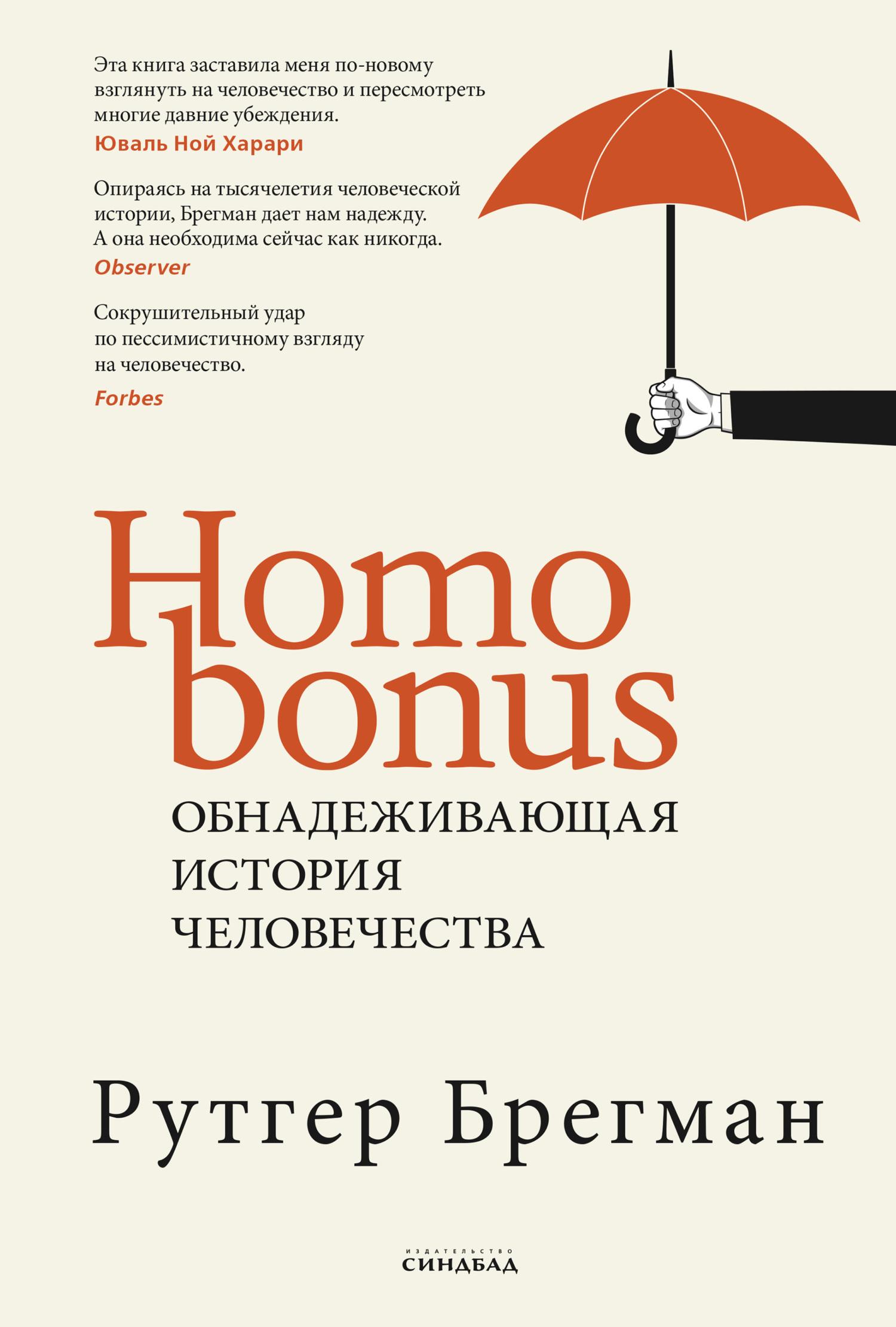
Древние мыслители и современные авторы, психологи и философы, политики правых и левых взглядов сходятся в том, что человек по своей природе плох. Нам твердят, что мы, люди, эгоистичны и руководствуемся в первую очередь личными интересами.
Но что, если это не так? Рутгер Брегман предлагает взглянуть на человеческую историю по-новому. Он показывает, что мы запрограммированы на доброту, ориентированы на сотрудничество и более склонны доверять окружающим, чем относиться друг к другу с подозрением. И этот инстинкт имеет прочную эволюционную основу, заложенную на ранних этапах эволюции Homo sapiens.
Брегман приводит реальную историю, опровергающую идею «Повелителя мух», рассказывает о фабрикации громких психологических экспериментов, о двух братьях-близнецах, которые, несмотря на разницу во взглядах, помогли предотвратить гражданскую войну… Он утверждает, что вера в человеческую щедрость и стремление к сотрудничеству – это не оптимизм, а адекватное восприятие реальности, и доказывает это, приводя убедительные аргументы и используя свой талант рассказчика.


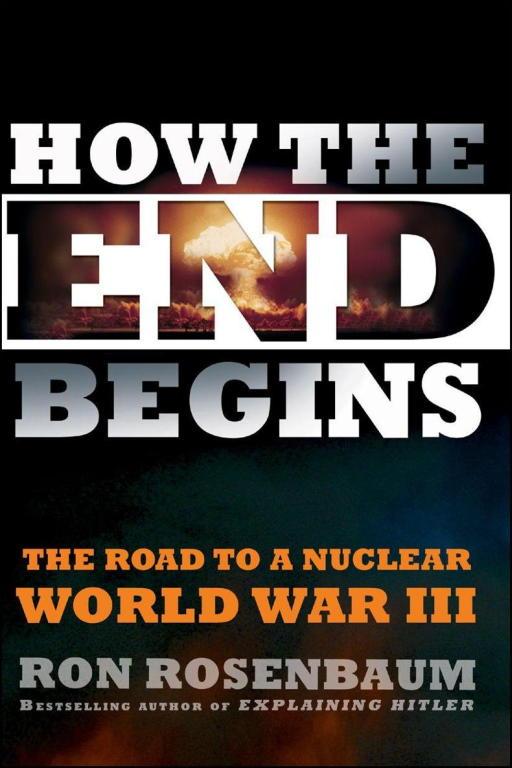
The president loses control of fifty nukes for nearly an hour. Russian nuclear bombers almost bump wingtips with American fighter jets over the Pacific coast. North Korea detonates nuclear weapons underground. Iran’s nuclear shroud is penetrated by a computer worm. Al-Qaeda goes on the hunt for Pakistan’s bomb, and Israelis debate the merit of a preemptive nuclear strike. Treaties are signed, but thousands of nuclear weapons are still on hair-trigger alert.
This is how the end begins.
In this startling new book, bestselling author Ron Rosenbaum gives us a wake-up call about this new age of peril and delivers a provocative analysis of how close—and how often—the world has come to nuclear annihilation and why we are once again on the brink.
Rosenbaum tracks down key characters in our new nuclear drama and probes deeply into their war game strategies, fears, and moral agonies. He travels to Omaha’s underground nuclear command center, goes deep into the missile silo complexes beneath the Great Plains, and holds in his hands a set of nuclear launch keys.
Along the way, Rosenbaum confronts the missile men as well as the general at the very top of our nation’s nuclear command system with tough questions about the terrifying assumptions underlying it. He reveals disturbing Haws in our nuclear launch control system, suggests remedies for them, shows how the old Cold War system of bipolar deterrence has become dangerously unstable, and examines the new movement for nuclear abolition.
Having explored the depths of Hitler’s evil and the intense emotion of Shakespeare’s tragedies, Rosenbaum now has produced a powerful, urgently needed work that challenges us: Can we undream our nightmare?
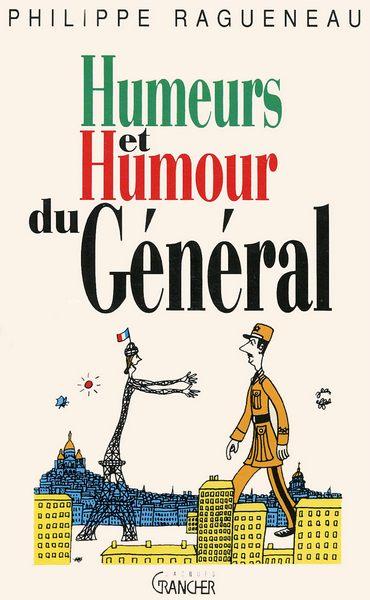
Pour la majorité des Français, Charles de Gaulle était « l'homme du 18 Juin », le chef de la France combattante, le libérateur, l'ultime recours de 1958, le premier Président de la Ve République, pour tout dire, la « statue du commandeur ».
Mais bien peu soupçonne que cet homme, dont l'immense stature physique, intellectuelle et morale intimidait tous ceux qui l'approchaient, aimait aussi rire et provoquer le rire ; qu'il était doué d'un humour, tantôt subtil, tantôt féroce ou caustique, qu'il maniait avec le même bonheur et la même délectation, le sarcasme, la malice et l'ironie ; que la provocation délibérée et la mauvaise foi consciente libéraient chez lui un grand rire intérieur ; que ses rognes et ses grognes s'exprimaient en mots savoureux ; que ses traits d'esprit faisait le tour de son entourage ; mais qu'il savait aussi manifester, à point nommé, sollicitude et bienveillance.
Ces humeurs et cet humour du Général, nous les avons traqués dans les souvenirs de ceux qui l'ont approché. On en trouvera dans ce recueil, qui s'est voulu honnête, la fidèle expression.
Philippe Ragueneau, Compagnon de la Libération, a vécu 14 ans dans la familiarité du Général de Gaulle : pendant la guerre, dans les Forces Françaises Libres, puis au Rassemblement du Peuple Français, successivement comme chargé de mission, directeur des services de presse, propagande et information et, en 1958, à son Cabinet, comme chargé de mission, responsable des relations avec la presse.
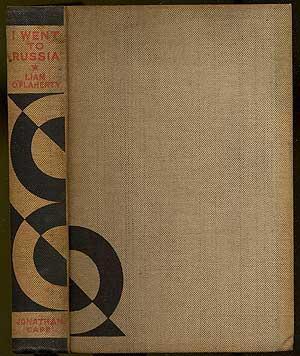
O'Flaherty (1896-1984), a young founder of the Irish Communist Party, was a member of the later generation of Irish renaissance writers. By his own admission he set out for Moscow on April 23, 1930, to collect material for a book on Bolshevism "to join the great horde of scoundrels, duffers and liars who have been flooding the book markets of the world for the last ten years with books about the Bolsheviks.
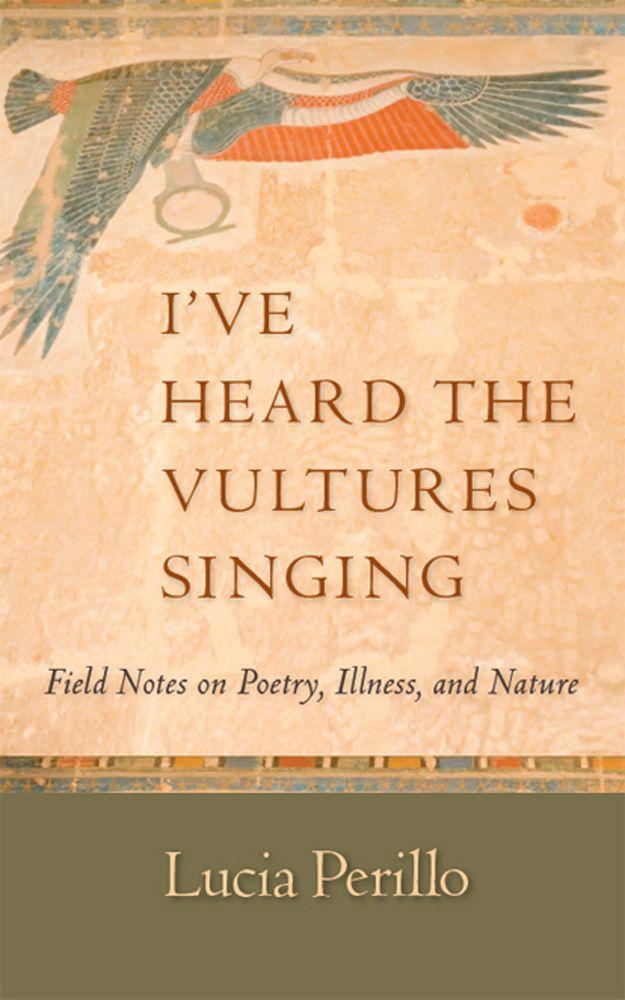
During her days as a park ranger, Lucia Perillo loved nothing more than to brave the Cascade Mountains alone, taking special pride in her daring solo skis down the raw, unpatrolled slopes of Mount Rainier. Then, in her thirties, she was diagnosed with multiple sclerosis. In I've Heard the Vultures Singing, Perillo confronts, in stark but funny terms, the ironies of being someone with her history and gusto for life being suddenly unable to walk. ("Ground-truthing" is what biologists call entering an environment and surveying what is there via the senses of sight and sound.) These essays explore what it’s like to experience desire as a sick person, how to lower one’s expectations just enough for a wilderness experience, and how to navigate the vagaries of a disease that has no predictable trajectory. I've Heard the Vultures Singing records in unflinching, honest prose one woman’s struggle to find her place in a difficult new world.


Активист борьбы за эмиграцию советских евреев, соратник академика Сахарова по демократическому движению в СССР, политзаключенный, израильский министр Натан Щаранский выпустил свою третью книгу, которая развивает и дополняет идеи, высказанные в его предыдущей книге «В защиту демократии». Если та, как явствует из названия, была посвящена доказательству преимуществ демократической формы правления, то теперь автор постулирует недостаточность «голой» демократии — только опираясь на идентичность, культурную, национальную, религиозную, демократия становится силой, способной преобразить мир к лучшему. «Я написал эту книгу в защиту identity. Я написал ее, чтобы разъяснить, почему identity не только никак не враждебна демократии, а напротив, необходима для сохранения ее. Я написал эту книгу, стремясь разъяснить, почему для здоровья общества и для обеспечения мира на земле необходимо, чтобы identity держалась в рамках демократии, а демократия была привязана к земле узами identity. Identity без демократии способна стать фундаменталистской и тоталитарной. Демократия же без identity может превратиться в поверхностную и лишенную смысла», — поясняет замысел своей книги автор.