 fb2
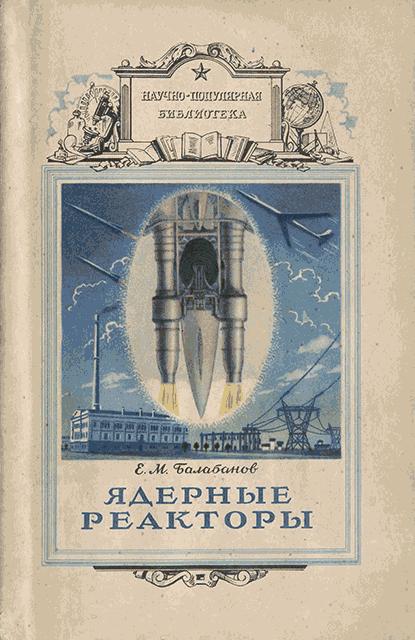
fb2В предлагаемой книге доктор физико-математических наук Балабанов Е. М. в популярной форме рассказывает о достижениях и сложнейших проблемах атомной энергетики. Читатель узнает об истории, современном этапе и перспективах современнейшей отрасли науки и техники.
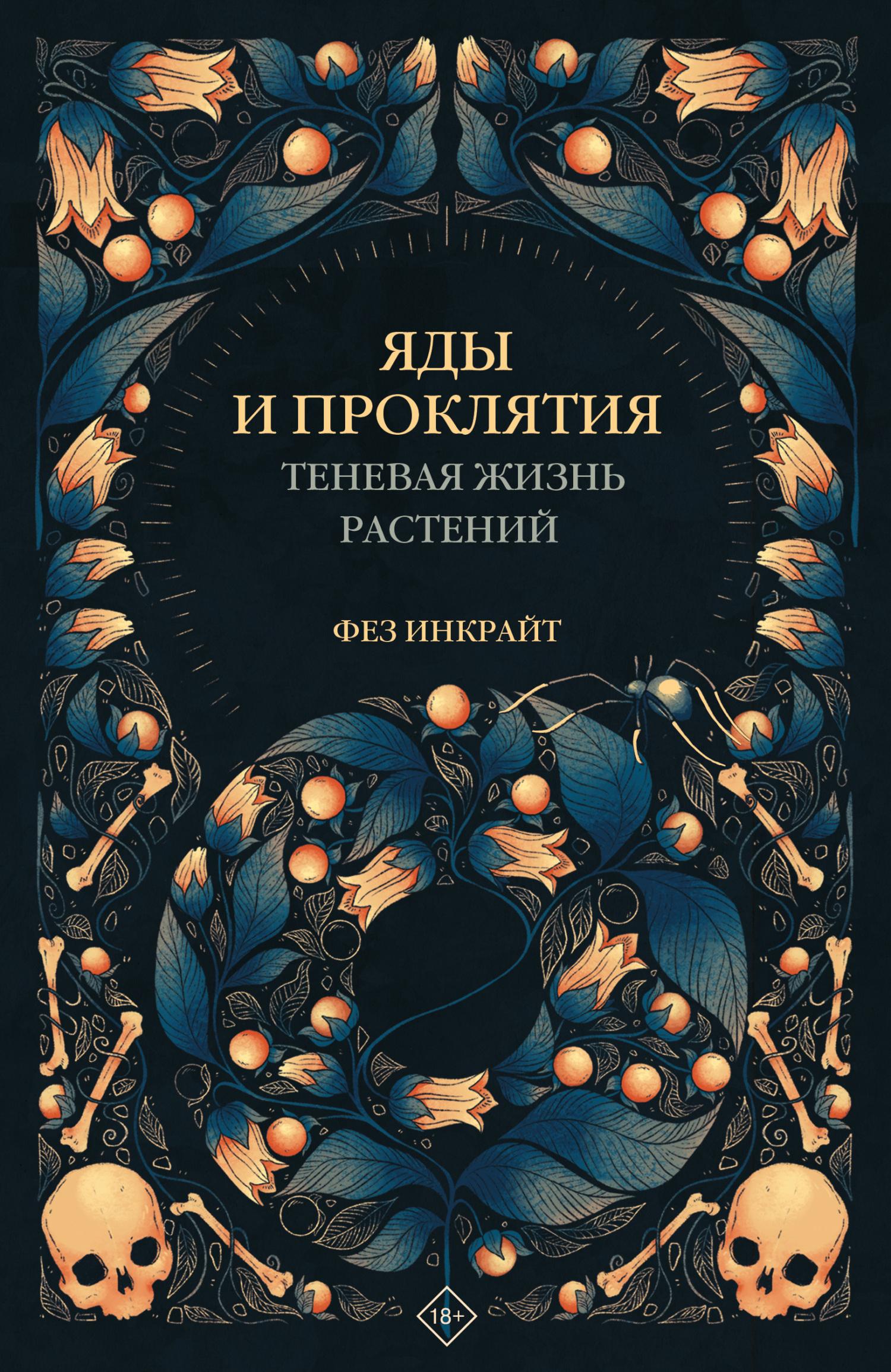
В этой книге собраны тайные истории о темной стороне растений, об их опасных свойствах и ядах, которые из них делают. Истории переплетаются с древними мифами, легендами, цитатами из мировой литературы и великолепными авторскими иллюстрациями. Азбука растений, предложенная автором, удобна в пользовании. Вы легко найдете растение по его распространенному названию, узнаете его ботаническое наименование, а потом с головой окунетесь в тайны и загадочные свойства растения.
Книга «Яды и проклятия. Теневая жизнь растений» откроет растительный мир с новой, неизведанной стороны.

Почему из всех живых существ на Земле говорят только люди? Как и когда появился язык? Почему малыши с лёгкостью усваивают родной язык? Где в мозге находится язык? Ответы на эти вопросы человечество ищет с древних времён. Человеческая способность говорить оставалась тайной за семью печатями до второй половины XIX века, когда неврологи Поль Брока и Карл Вернике впервые обнаружили в мозге центры речи. Сегодня с помощью современных технологий учёные могут увидеть, как работает живой мозг. Сотрудничество нейробиологов, психологов и лингвистов позволило узнать с точностью до миллисекунд, где и что происходит в мозге, когда человек говорит. А также понять, почему наши ближайшие родственники – шимпанзе – не научились говорить. Книга основана на зарубежных научных исследованиях последних лет, интервью и личных беседах автора с учёными в рамках работы над научно-популярным проектом «Язык в мозге» European Journalism-Fellowships при финансовой поддержке фонда Генриха Бёлля. ISBN 978-5-600-02811-1
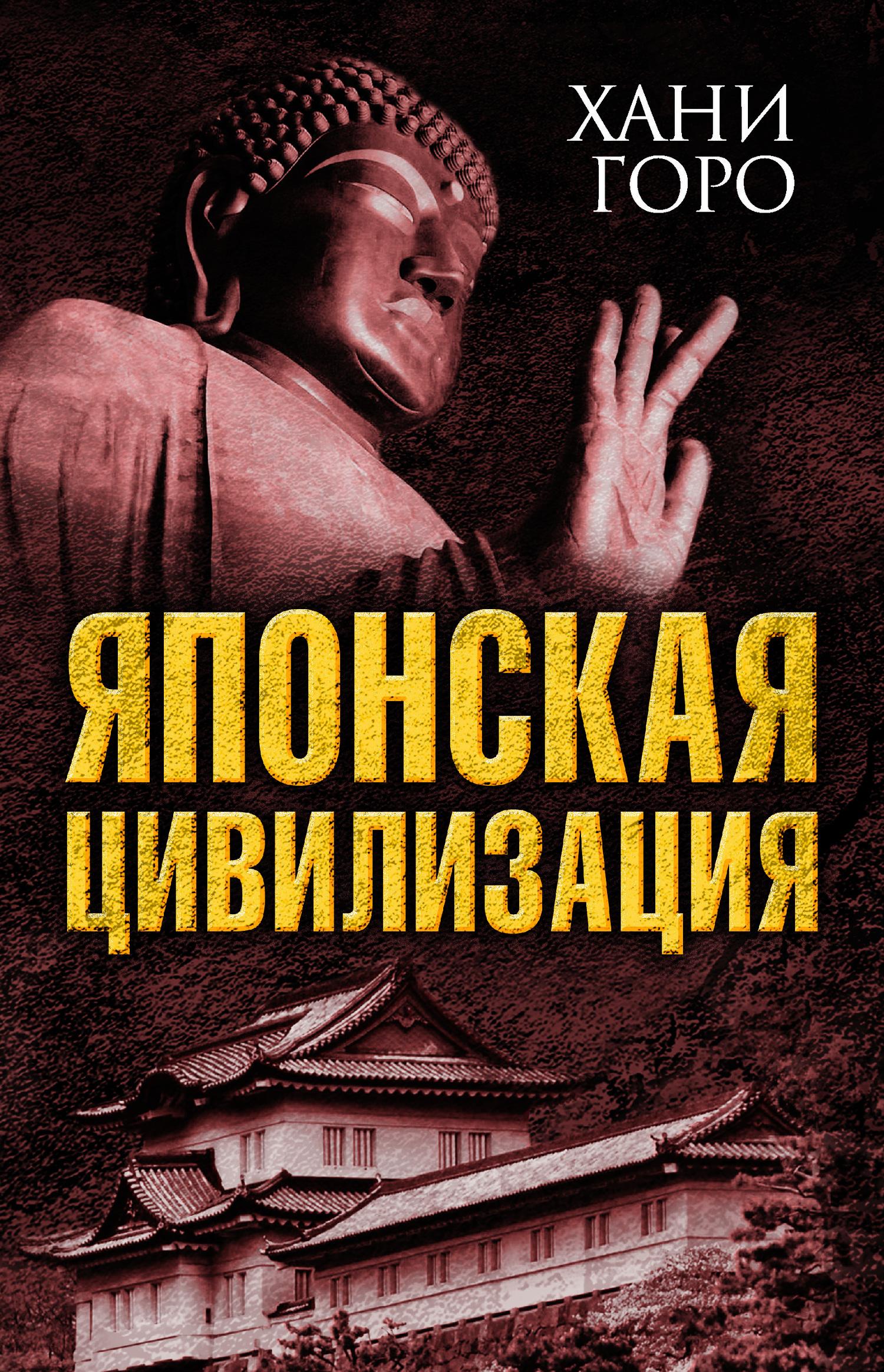
Перед вами уникальная книга о самой великой и экзотической нации мира – японской. В XX веке Россия дважды воевала с Японией, но эта страна и сейчас остается для нас загадкой Востока. А между тем, все больше российских граждан посещают Японию то с деловой целью, то как туристы. Открыть для вас Японию, подготовить к встрече с другой, мало похожей на нашу цивилизацией – цель этой книги. Исследование охватывает огромный период времени от зарождения японской государственности до краха имперской Японии в 1945 году. Автор – всемирно известный японский историк XX века Хани Горо – в своем труде отходит от официозной трактовки событий японской исторической наукой, предлагает свою периодизацию японской истории и выдвигает ряд смелых гипотез. Книга выдержала в Стране восходящего солнца более десятка переизданий и многократно издавалась за рубежами Японии. В современной России книга в новой редакции выходит впервые. Большое количество уникальных иллюстраций делает книгу великолепным подарком.В формате PDF A4 сохранён издательский дизайн.
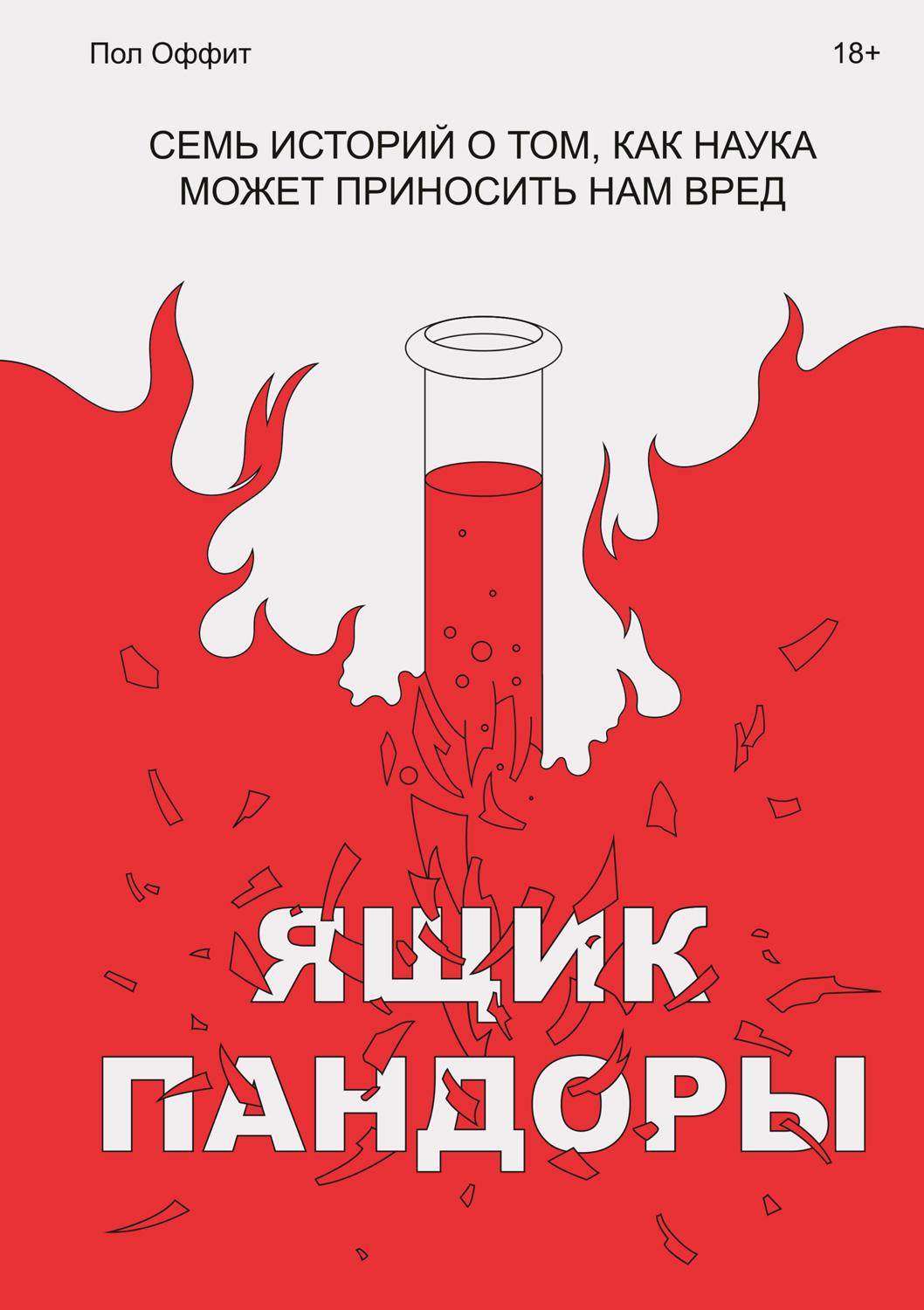
Профессор Пол Оффит рассказывает семь захватывающих историй о том, как известные ученые, в том числе лауреаты Нобелевской премии, продвигали идеи, опасные для человечества. Лекарственные препараты на основе опийного мака, маргарин, химическое оружие и синтетические удобрения, необходимость борьбы за чистоту расы, лоботомия, запрет ДДТ, витамин C для излечения онкологических заболеваний — вот наихудшие, по мнению автора, «достижения» науки.
Оффит также затрагивает актуальную проблему — неумение научных журналов, СМИ и политиков отличить обоснованную истину ото лжи — и предлагает способы, которые помогут избегать подобных ошибок в будущем.
Для всех, кому интересна история науки, особенно ее неоднозначные и даже немного зловещие страницы.На русском языке публикуется впервые.
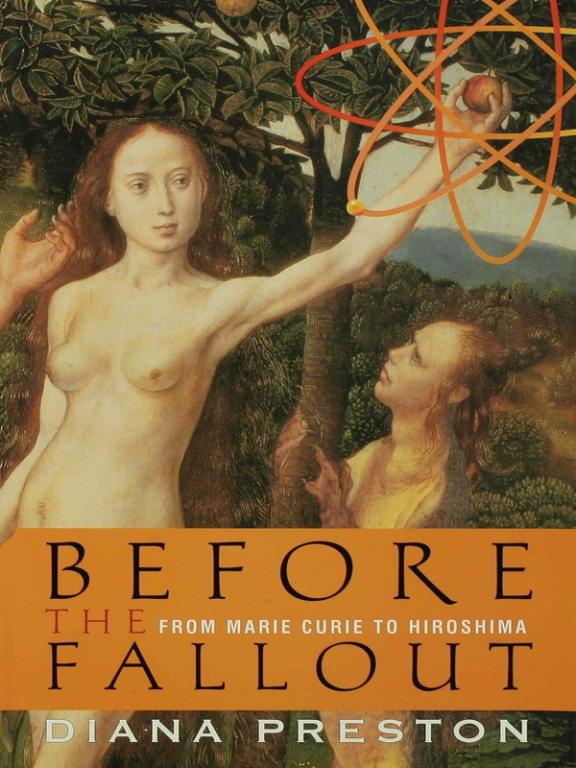
The human chain reaction that led to the atom bomb
On December 26, 1898, Marie Curie announced the discovery of radium and observed that “radioactivity seems to be an atomic property.” A mere 47 years later, “Little Boy"exploded over Hiroshima. Before the Fallout is the epic story of the intervening half century, during which an exhilarating quest to unravel the secrets of the material world revealed how to destroy it, and an open, international, scientific adventure transmuted overnight into a wartime sprint for the bomb.
Weaving together history, science, and biography, Diana Preston chronicles a human chain reaction of scientists and leaders whose discoveries and decisions forever changed our lives. The early decades of the 20th century brought Einstein’s relativity theory, Rutherford’s discovery of the atomic nucleus, and Heisenberg’s quantum mechanics, and scientists of many nations worked together to tease out the secrets of the atom. Only 12 years before Hiroshima, one leading physicist dismissed the idea of harnessing energy from atoms as “moonshine.” Then, on the eve of World War II, the power of atomic fission was revealed, alliances were broken, friendships sundered, and science co-opted by world events.
Preston interviewed the surviving scientists, and she offers new insight into the fateful wartime meeting between Heisenberg and Bohr, along with a fascinating conclusion examining what might have happened had any number of events occurred differently. She also provides a rare portrait of Hiroshima before the blast.
As Hiroshima’s 60th anniversary approaches, Before the Fallout compels us to consider the threats and moral dilemmas we face in our still dangerous world.
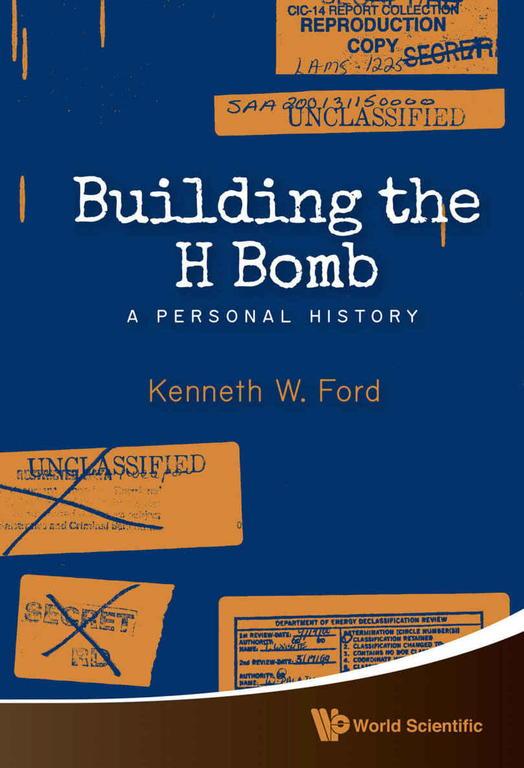
In this engaging scientific memoir, Kenneth Ford recounts the time when, in his mid-twenties, he was a member of the team that designed and built the first hydrogen bomb. He worked with—and relaxed with—scientific giants of that time such as Edward Teller, Enrico Fermi, Stan Ulam, John von Neumann, and John Wheeler, and here offers illuminating insights into the personalities, the strengths, and the quirks of these men. Well known for his ability to explain physics to nonspecialists, Ford also brings to life the physics of fission and fusion and provides a brief history of nuclear science from the discovery of radioactivity in 1896 to the ten-megaton explosion of “Mike” that obliterated a Pacific Island in 1952.
Ford worked at both Los Alamos and Princeton’s Project Matterhorn, and brings out Matterhorn’s major, but previously unheralded contribution to the development of the H bomb. Outside the lab, he drove a battered Chevrolet around New Mexico, a bantam motorcycle across the country, and a British roadster around New Jersey. Part of the charm of Ford’s book is the way in which he leavens his well-researched descriptions of the scientific work with brief tales of his life away from weapons.
Readership: A memoir for general readership in the history of science.
Key Features:
• It contains real physics, clearly presented for non-specialists
• Combining historical scholarship and his own recollections, the author offers important insights into the people and the work that led to the first H bomb
• Personal anecdotes enliven the book
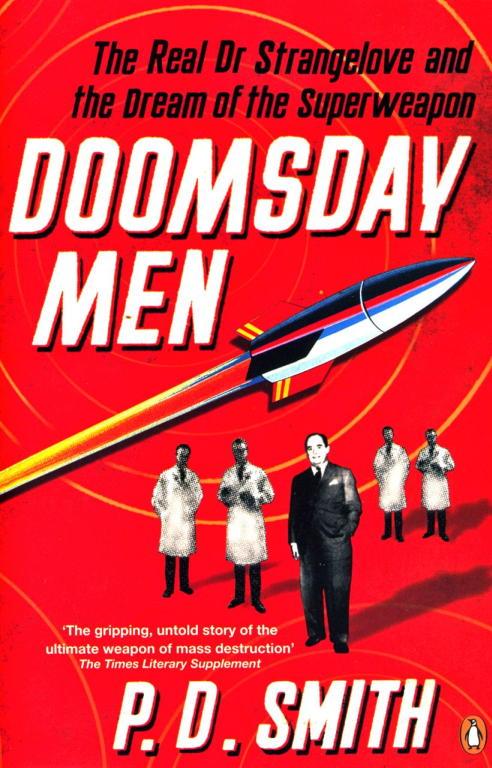
It was the weapon to end all weapons: the doomsday device. A huge nuclear bomb so powerful that it could envelop the entire planet in a cloud of radioactive dust, and bring about instant extinction.
This is the untold story of the Cold War’s most insane plan, the men behind it and how it nearly happened. It is also the history of humanity’s nightmare vision of a superweapon, showing how popular culture – from the stories of H. G. Wells and Jules Verne to films such as Planet of the Apes, Mad Max and Dr Strangelove itself – has both shaped and reflected our darkest dreams.
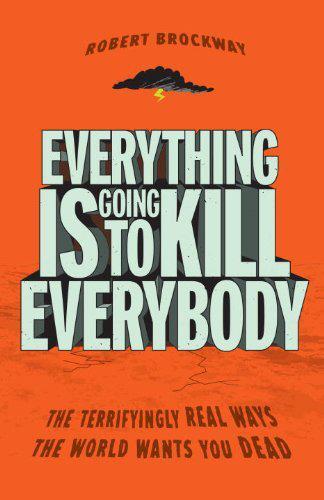
Just when you thought you’d accepted your own mortality…
Everything Is Going to Kill Everybody is bringing panic back. Twenty illustrated, hilariously fear-inducing essays reveal the chilling and very real experiments, dangerous emerging technologies, and terrifying natural disasters that soon could—or very nearly already did—bring about the end of humanity. In short, everything in here will kill you and everyone you love. At any moment. And nobody’s told you about it—until now:
• Experiments in green energy like the HiPER, which uses massive lasers to create a tiny “contained” sun; it’s an idea that could save the world if it doesn’t consume us all in a fiery fusion reaction first.
• Global disasters like the hypercane—a hurricane so large it could cover all of North America and shoot trailer parks into space!
• Terrifying new developments in robotics like the EATR, which powers itself on meat—an invention in the running for “Worst Decision Made by Anybody.”
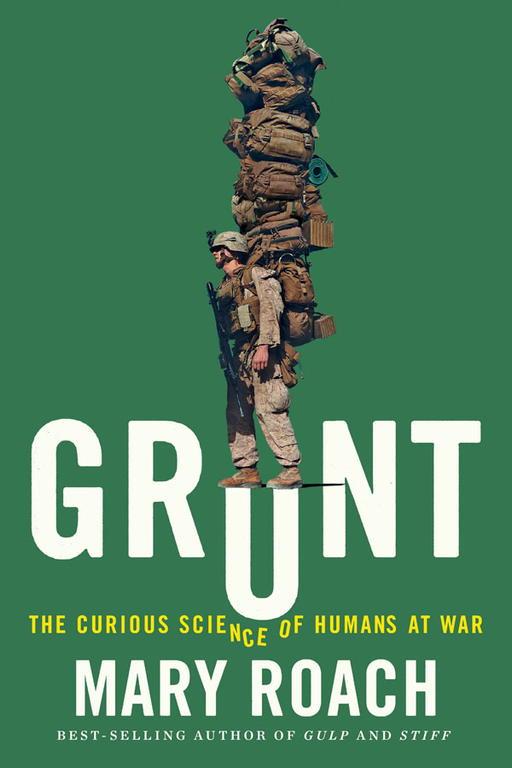
Best-selling author Mary Roach explores the science of keeping human beings intact, awake, sane, uninfected, and uninfested in the bizarre and extreme circumstances of war.
Grunt tackles the science behind some of a soldier’s most challenging adversaries—panic, exhaustion, heat, noise—and introduces us to the scientists who seek to conquer them. Mary Roach dodges hostile fire with the U.S. Marine Corps Paintball Team as part of a study on hearing loss and survivability in combat. She visits the fashion design studio of U.S. Army Natick Labs and learns why a zipper is a problem for a sniper. She visits a repurposed movie studio where amputee actors help prepare Marine Corps medics for the shock and gore of combat wounds. At Camp Lemmonier, Djibouti, in east Africa, we learn how diarrhea can be a threat to national security. Roach samples caffeinated meat, sniffs an archival sample of a World War II stink bomb, and stays up all night with the crew tending the missiles on the nuclear submarine USS Tennessee. She answers questions not found in any other book on the military: Why is DARPA interested in ducks? How is a wedding gown like a bomb suit? Why are shrimp more dangerous to sailors than sharks? Take a tour of duty with Roach, and you’ll never see our nation’s defenders in the same way again.
An Amazon Best Book of June 2016:
The irresistible, ever-curious, and always best-selling Mary Roach returns with a new adventure to the invisible realm we carry around inside.
“America’s funniest science writer” (Washington Post) takes us down the hatch on an unforgettable tour. The alimentary canal is classic Mary Roach terrain: the questions explored in Gulp are as taboo, in their way, as the cadavers in Stiff and every bit as surreal as the universe of zero gravity explored in Packing for Mars. Why is crunchy food so appealing? Why is it so hard to find words for flavors and smells? Why doesn’t the stomach digest itself? How much can you eat before your stomach bursts? Can constipation kill you? Did it kill Elvis? In Gulp we meet scientists who tackle the questions no one else thinks of—or has the courage to ask. We go on location to a pet-food taste-test lab, a fecal transplant, and into a live stomach to observe the fate of a meal. With Roach at our side, we travel the world, meeting murderers and mad scientists, Eskimos and exorcists (who have occasionally administered holy water rectally), rabbis and terrorists—who, it turns out, for practical reasons do not conceal bombs in their digestive tracts.
Like all of Roach’s books, Gulp is as much about human beings as it is about human bodies.
15 illustrations
В своей первой книге, ставшей всемирной сенсацией «Sapiens. Краткая история человечества», Юваль Харари рассказал, как Человек Разумный пришел к господству над нашей планетой. «Homo Deus» является своего рода продолжением темы – это попытка заглянуть в будущее.
Что произойдет, когда Google и Facebook будут лучше, чем мы сами, знать наши вкусы, личные симпатии и политические предпочтения? Что будут делать миллиарды людей, вытесненных компьютерами с рынка труда и образовавших новый, бесполезный класс? Как воспримут религии генную инженерию? Каковы будут последствия перехода полномочий и компетенций от живых людей к сетевым алгоритмам? Что должен предпринять человек, чтобы защитить планету от своей же разрушительной силы?..
Главное сейчас, полагает Харари, – осознать, что мы находимся на перепутье, и понять, куда ведут пути, простирающиеся перед нами. Мы не в силах остановить ход истории, но можем выбрать направление движения.
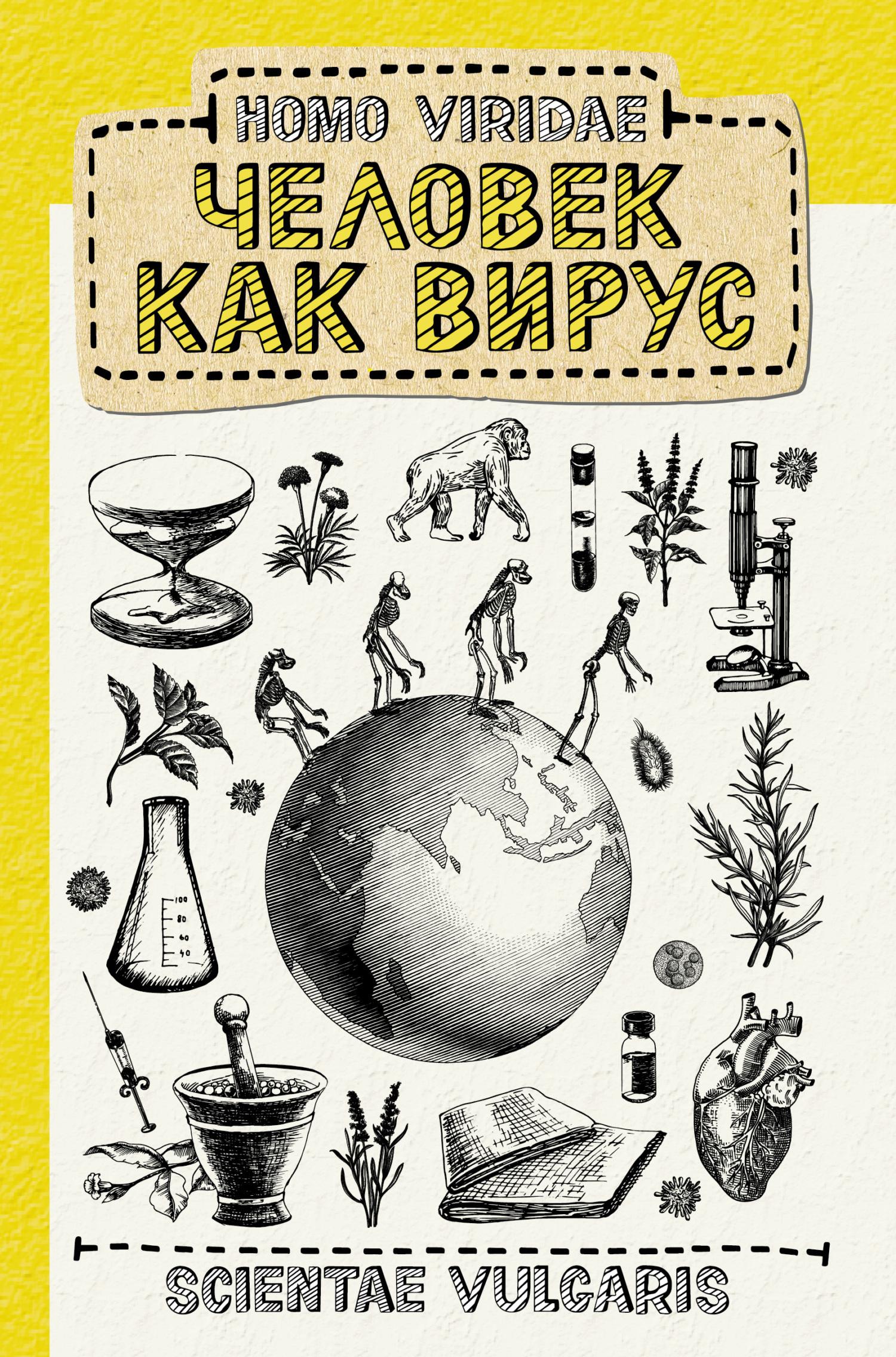
Scientae Vulgaris – это известный блог, цель которого – популяризация науки. Автор, скрывающийся под аббревиатурой SV, уже более 5 лет занимается изучением истории медицины.
В своей книге SV расскажет, как от поедания спрессованных листьев тропического дерева великий и могучий род Homo дошёл до изобретения первой вакцины, как в результате непрерывной межвидовой борьбы Homo, превратив медицину в оружие, распространился по Земле, подобно вирусу.В формате PDF A4 сохранен издательский макет.
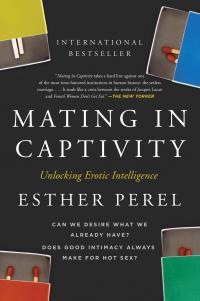
A New York City therapist examines the paradoxical relationship between domesticity and sexual desire and explains what it takes to bring lust home. One of the world's most respected voices on erotic intelligence, Esther Perel offers a bold, provocative new take on intimacy and sex. Mating in Captivity invites us to explore the paradoxical union of domesticity and sexual desire, and explains what it takes to bring lust home. Drawing on more than twenty years of experience as a couples therapist, Perel examines the complexities of sustaining desire. Through case studies and lively discussion, Perel demonstrates how more exciting, playful, and even poetic sex is possible in long-term relationships. Wise, witty, and as revelatory as it is straightforward, Mating in Captivity is a sensational book that will transform the way you live and love.
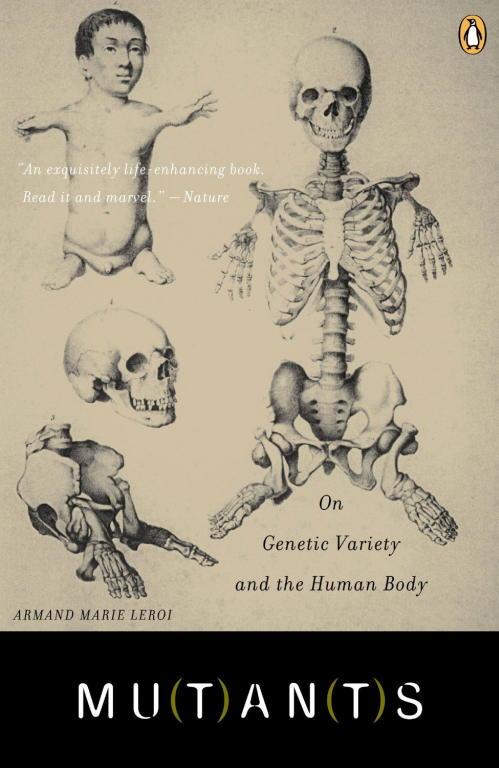
Stepping effortlessly from myth to cutting-edge science, Mutants gives a brilliant narrative account of our genetic code and the captivating people whose bodies have revealed it—a French convent girl who found herself changing sex at puberty; children who, echoing Homer’s Cyclops, are born with a single eye in the middle of their foreheads; a village of long-lived Croatian dwarves; one family, whose bodies were entirely covered with hair, was kept at the Burmese royal court for four generations and gave Darwin one of his keenest insights into heredity. This elegant, humane, and engaging book “captures what we know of the development of what makes us human” (Nature).

Эта книга отделит факты от домыслов и прояснит мифы и ложь, которые наросли на группе и ее членах, а также на беспокойной жизни ее вокалиста при помощи простой и прямой хроники, поденной фиксации их карьер и жизней.
The violent and predatory society of Dark Age Scandinavia left a unique impact on the history of medieval Europe. From their chill northern fastness, Norse warriors, explorers and merchants raided, traded, and settled across wide areas of Europe, Asia and the North Atlantic from the late eighth to the mid-eleventh century.
Northmen narrates their story, focusing on places where key events were played out, from the sack of Lindisfarne in 793 to the murder of the saga-writer Snorri Sturluson in Iceland in 1241. Such episodes are fascinating in themselves, but also shed crucial light on the nature of Viking activity – its causes, effects, and the reasons for its decline.
In 800, the Scandinavians were barbarians in longships bent on plunder and rapine; by 1200, their homelands were an integral part of Latin Christendom. John Haywood tells, in authoritative but compellingly readable fashion, the extraordinary story of the Viking Age.
A provocative and inspiring look at the future of humanity and science from world-renowned scientist and bestselling author Martin Rees
Humanity has reached a critical moment. Our world is unsettled and rapidly changing, and we face existential risks over the next century. Various outcomes―good and bad―are possible. Yet our approach to the future is characterized by short-term thinking, polarizing debates, alarmist rhetoric, and pessimism. In this short, exhilarating book, renowned scientist and bestselling author Martin Rees argues that humanity’s prospects depend on our taking a very different approach to planning for tomorrow.
The future of humanity is bound to the future of science and hinges on how successfully we harness technological advances to address our challenges. If we are to use science to solve our problems while avoiding its dystopian risks, we must think rationally, globally, collectively, and optimistically about the long term. Advances in biotechnology, cybertechnology, robotics, and artificial intelligence―if pursued and applied wisely―could empower us to boost the developing and developed world and overcome the threats humanity faces on Earth, from climate change to nuclear war. At the same time, further advances in space science will allow humans to explore the solar system and beyond with robots and AI. But there is no “Plan B” for Earth―no viable alternative within reach if we do not care for our home planet.
Rich with fascinating insights into cutting-edge science and technology, this accessible book will captivate anyone who wants to understand the critical issues that will define the future of humanity on Earth and beyond.
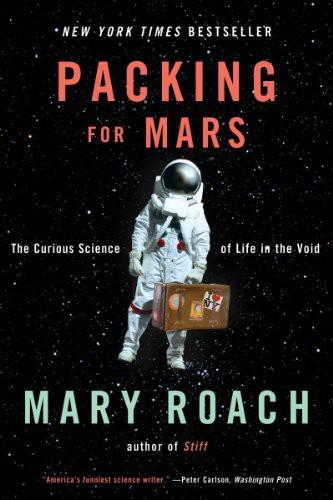
“America’s funniest science writer” (Washington Post) returns to explore the irresistibly strange universe of life without gravity in this New York Times bestseller.
Space is a world devoid of the things we need to live and thrive: air, gravity, hot showers, fresh produce, privacy, beer. Space exploration is in some ways an exploration of what it means to be human. How much can a person give up? How much weirdness can they take? What happens to you when you can’t walk for a year? have sex? smell flowers? What happens if you vomit in your helmet during a space walk? Is it possible for the human body to survive a bailout at 17,000 miles per hour? To answer these questions, space agencies set up all manner of quizzical and startlingly bizarre space simulations. As Mary Roach discovers, it’s possible to preview space without ever leaving Earth. From the space shuttle training toilet to a crash test of NASA’s new space capsule (cadaver filling in for astronaut), Roach takes us on a surreally entertaining trip into the science of life in space and space on Earth.
Bizarre illnesses and plagues that kill people in the most unspeakable ways. Obsessive and inspired efforts by scientists to solve mysteries and save lives. From The Hot Zone to The Demon in the Freezer and beyond, Richard Preston’s bestselling works have mesmerized readers everywhere by showing them strange worlds of nature they never dreamed of.
Panic in Level 4 is a grand tour through the eerie and unforgettable universe of Richard Preston, filled with incredible characters and mysteries that refuse to leave one’s mind. Here are dramatic true stories from this acclaimed and award-winning author, including:
• The phenomenon of “self-cannibals,” who suffer from a rare genetic condition caused by one wrong letter in their DNA that forces them to compulsively chew their own flesh–and why everyone may have a touch of this disease.
• The search for the unknown host of Ebola virus, an organism hidden somewhere in African rain forests, where the disease finds its way into the human species, causing outbreaks of unparalleled horror.
• The brilliant Russian brothers—“one mathematician divided between two bodies”—who built a supercomputer in their apartment from mail-order parts in an attempt to find hidden order in the number pi (π).
In fascinating, intimate, and exhilarating detail, Richard Preston portrays the frightening forces and constructive discoveries that are currently roiling and reordering our world, once again proving himself a master of the nonfiction narrative and, as noted in The Washington Post, “a science writer with an uncommon gift for turning complex biology into riveting page-turners.”