 fb2
fb2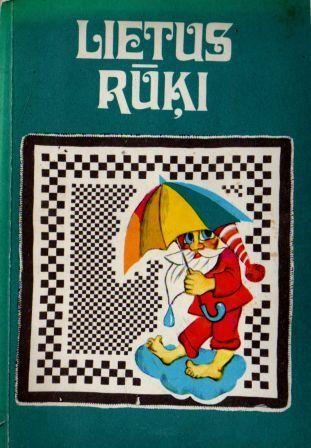
Lietus rūķi
Bilžu grāmatu sērija. Lietuviešu bērnu dzejas izlase
Sastādījusi Daina Avotiņa
Māksliniece Tatjana Devicka
Tulkojums latviešu valodā
Degutīte Janīna
Mūsu zeme — atdz. V. Līvzemnieks 7 Cīruļa dziesma — atdz. J. BaItviIks 7 Vēstule — atdz. J. Baltvilks 8 Zeme — atdz. J. Baltvilks 9 Zīmējums—atdz. V. Līvzemnieks 9 Sienāzīša bēdas — atdz. V. Līvzemnieks 10 Trīs krāsainas dziesmiņas — atdz. V. Līvzemnieks 10 Mazīte smaida — atdz. V. Līvzemnieks 14 Apsītei auksti — atdz. V. Līvzemnieks 14
Kubilinsks Kosts
Mani skaitļi — atdz. I. Lasmanis 17 Dzintariņi — atdz. I. Lasmanis 26 Māksliniece — atdz. I. Lasmanis 27 Divi zaķēni — atdz. I. Lasmanis 27
Marcinkevičs Justins
Tupeņu rakšana — atdz. Daina Avotiņa 31 Bērzs — atdz. D. Avotiņa 31 Rudens žēlabas — atdz. D. Avotiņa 32 Līst — atdz. D. Avotiņa 34 Ko darīšu ziemā — atdz. D. Avotiņa 34 Manas grāmatiņas — atdz. D. Avotiņa 35 Mašīnu parāde — atdz. D. Avotiņa . 36 Koris — atdz. D. Avotiņa 36 Saule atpūšas — atdz. D. Avotiņa 39 Sapnis — atdz. D. Avotiņa 39 Kādēļ aizlidoja stārķis — atdz. D. Avotiņa 40
Matutis Anzelms
Fabrikas cigarete — atdz. A. Lāce 43 Cūkas pēdas — atdz. A. Lāce 44 Klucīšu nams — atdz. A. Lāce 45 Kas dod maizi — atdz. A. Lāce 45 Kādēļ nosarkst saule — atdz. A. Lāce 46 Lini skaita — atdz. J. Baltvilks 48 Pīlādzītis — atdz. J. Baltvilks 49
Palčinskaite Violeta
Pie fotogrāfa — atdz. D. Avotiņa 53 Viesi — atdz. D. Avotiņa 53 Palaidņi — atdz. D. Avotiņa 55 Kartupelis teica kālim — atdz. D. Avotiņa 58 Priedes — atdz. D. Avotiņa 58 Lietutiņa pasaka — atdz. D. Avotiņa 59
Vainilaitis Martins
Ežu māja — atdz. D. Avotiņa 63 Kur mīt lietus rūķi? — D. Avotiņa 76
Noskanējis grāmatu un failu izveidojis Imants Ločmelis imantslochmelis@inbox.lv
ilustrācijas, «Liesma», 1981
Rīga «Liesma» 1981
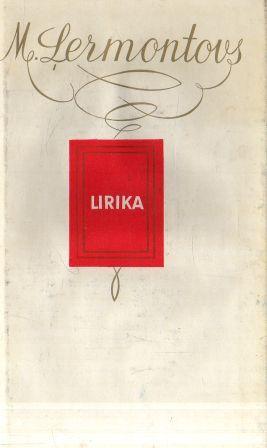
Mihails Ļermontovs
Lirika
Varoņdarbs — I Androņikovs Tulk Daina Avo¬tiņa ; DZEJA ; Dzejnieks Atdz Olga Lisovska ; Romance («Ar sirdi nevainīgu ») Atdz Imants ; Auziņš ; Turka žēlabas Atdz Imants Auziņš ; Monologs Atdz Imants Auziņš ; Lūgšana («Ak, visvarenais ») Atdz Olga Llsov¬ska ; Veltījums («Jel neteic ») Atdz Imants Auziņš ; Biedinājums Atdz Imants Auziņš ; Kaukāzs Atdz Imants Auziņš ; Nakts II Atdz Imants Auziņš ; Elēģija Atdz Imants Auziņš ; Vientulība Atdz Imants Auziņš ; Veltījums («Jel nedomā ») Atdz Imants Auziņš ; Pareģojums Atdz Imants Auziņš ; Barda dziesma Atdz Daina Avotiņa ; 1830 gada 10 jūlijā Atdz Imants Auziņš Ubags Atdz Kārlis Krūza ; IV g 30 jūlijā Parīzē Atdz Elīna Zālīte Veltījums («Kad tev tavs draugs ») Atdz Kārlis ; Krūza ; Karavīra kaps Atdz Imants Auziņš ; Novgoroda Atdz Imants Auziņš ; Muļķa skaistulei Atdz Rūdolfs Egle ; Asmodeja dzīres Atdz Imants Auziņš Veltījums («Kam netiklību ») Atdz Imants Auziņš Nāve («Ir trūcis ») Atdz Imants Auziņš ; Vi|ņi un jaudis Atdz Imants Auziņš ; Skaņas Atdz Imants Auziņš ; Manas mājas Atdz Imants Auziņš ; V gada janvārī Atdz Imants Auziņš Debess un zvaigznes Atdz Imants Auziņš ; Straume Atdz Daina Avotiņa ; Vēlēšanās Atdz Elīna Zālīte ; Štances («Man līdz kapenēm ») Atdz Elīna Zālīte ; Sev pašam Atdz Kārlis Krūza ; «Lai dzejnieku kā apvainotu » Atdz Daina Avo¬tiņa ; Slava Atdz Daina Avotiņa ; «Skumjš zvans, caur krēslu dunot, šķind » ; Atdz Daina Avotiņa ; «Tā kā cilvēku smaidi » Atdz Daina Avotiņa Zeme un debess Atdz Daina Avotiņa Veltījums («Sniedz roku dzejniekam ») Atdz ; Daina Avotiņa ; Kaimiņš Atdz Daina Avotiņa ; Andrē Senjē motīvi Atdz Rūdolfs Egle Štances («Pārāk smagi man top zemē dzimtā ») ; Atdz Daina Avotiņa ; Veltījums («Jau pieņemts visu augstā nolēmums ») Atdz Daina Avotiņa ; Dzīves kauss Atdz Daina Avotiņa ; Brīve Atdz Daina Avotiņa ; Mans dēmons Atdz Daina Avotiņa ; 28 septembrī Atdz Daina Avotiņa ; «Kurš ziemas rītā » Atdz Daina Avotiņa «Cik šausmīgs liktenis » Atdz Kārlis Krūza ; Veltījums K D Atdz Rūdolfs Egle ; «Ne eņģeļiem » Atdz Daina Avotiņa «Reiz diena nāks » Atdz Daina Avotiņa Balāde («Sēd tumšā būdiņā ») Atdz Elīna Zālīte Veltījums («Es tavā priekšā nezemošos ») Atdz ; Daina Avotiņa ; «Nē, neesmu Bairons » Atdz Daina Avotiņa «Agrāk skūpstiem » Atdz Kārlis Krūza ; Niedrājs Atdz Imants Auziņš ; Veltījums («Jel nenopūlies dīki ») Atdz Daina ; Avotiņa ; Veltījums («Nejaušība darīja mūs tuvus ») Atdz ; Imants Auziņš ; Divi milži Atdz Vilis Plūdonis ; «Es esmu bezprātis! » Atdz Daina Avotiņa ; Kuģītis Atdz Daina Avotiņa ; «Kādēļ neesmu gan dzimis » Atdz Imants Auziņš ; Bura Atdz Daina Avotiņa ; Balāde («Kurp dodies ») Atdz Daina Avotiņa ; Nāra Atdz Rūdolfs Egle ; Huzārs Atdz Daina Avotiņa ; Mirstošais gladiators Atdz Imants Auziņš Dzejnieka nāve Atdz Imants Auziņš ; Borodina Atdz Kārlis Krūza ; Palestīnas zariņš Atdz Imants Auziņš Kaimiņš («Lai esi kas ») Atdz Rūdolfs Egle ; Gūsteknis Atdz Daina Avotiņa ; «Es nevēlos, ka pasaulei » Atdz Daina Avotiņa ; «Kad vējā līgo » Atdz Daina Avotiņa ; «Mēs šķīrāmies » Atdz Kārlis Krūza ; «Ak, velti smejies » Atdz F Adamovlčs ; Pārdomas Atdz Rūdolfs Egle ; Kinžals Atdz Daina Avotiņu ; Dzejnieks («Mans kinžals laistas ») Atdz Kārlis ; Krūza ; Kazaku šūpļa dziesma Atdz Olga Ilsovska ; Sev netici Atdz Rūdolfs Egle ; Tris palmas Atdz Rūdolfs Egle ; Lūgšana Atdz Rūdolfs Eglo ; Apburtais kuģis Atdz Olga Lisovska Tik skumji un drūmi Atdz Olga Lisovska M A Sčerbntoval Atdz Kārlis Krūza ; Kaimiņiene Atdz Olga Lisovska ; Bērnam Atdz Kārlis Krūza ; Bruņinieks gūstā Atdz Rūdolfs Egle ; Mākoņi Atdz Rūdolfs Egle ; Kāpēc («Man skumji tāpēc ») Atdz Jānis Zie¬meļnieks ; Pateicība Atdz Olga Lisovska ; Valerlks Atdz Olga Lisovska ; Novēlējums («Tev vienam es ») Atdz Kārlis ; Krūza ; «Tur ziemeļos » Atdz Olga Lisovska ; Miroņa mīla Atdz Rūdolfs Egle ; Dzimtene Atdz Rūdolfs Egle ; Attaisnojums Atdz Olga Lisovska ; Noruna Atdz Olga Lisovska ; Pēdējais mājoklis Atdz Kārlis Krūza ; Sapnis Atdz Imants Auziņš ; «Ardievu, Krievija » Atdz Rūdolfs Egle ; Tamara Atdz Olga Lisovska ; Klintsrags Atdz Rūdolfs Egle ; «Ai nē, ne kaisdams tevi » Atdz Rūdolfs Egle ; Jūras princese Atdz Mirdza Ķempe ; «Viens es domīgs oļu ceļu eju » Atdz Rūdolfs ; Blaumanis ; Pravietis Atdz Imants Auziņš ; Krusts klintī Atdz Kārlis Krūza ; «Neviens vairs neuzklausa » Atdz Olga Li¬sovska ; «Ir miglā nākamība tīta » Atdz Olga Lisovska ; ;
Noskannējis grāmatu un failu izveidojis Imants Ločmelis
izdevniecība Liesma Riga 1974
Михаил Юрьевич Лермонтов ЛИРИКА Издательство «Художественная литература» Москва 1972 Издательство «Лиесма» Рига 1974 На латышском языке Составитель Д. Лвотиня Перевод с русского языка Художник В. Ковалев
sastādījusi Daina Avotiņa atdzejots no krievu valodas mākslinieks vasilijs kovaļevs
(0 iulkojums latviešu valoda, «Liesma», 1974

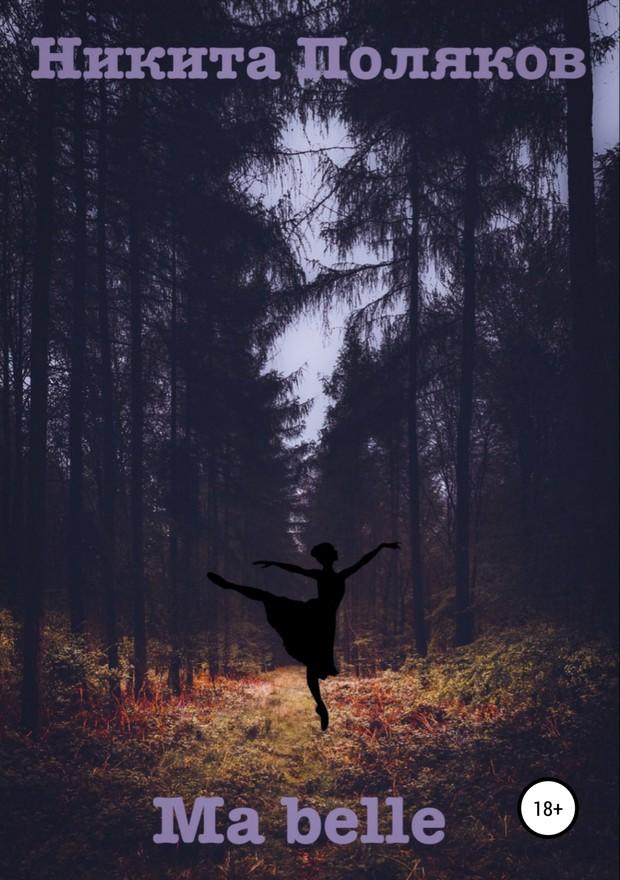
Ma belle это бегство от любви. Это попытки найти что-то новое и свежее. По-новому рассказать о чём-то избитом, истоптанном предыдущими поколениями. И мне всё ещё есть что сказать! Ma belle это иной взгляд на моё творчество. На мою поэзию. Это что-то новое. Неизведанное.

Maninbo (Ten Thousand Lives) is the title of a remarkable collection of poems by Ko Un, filling thirty volumes, a total of 4001 poems containing the names of 5600 people, which took 30 years to complete. Ko Un first conceived the idea while confined in a solitary cell upon his arrest in May 1980, the first volumes appeared in 1986, and the project was completed 25 years after publication began, in 2010. A selection from the first 10 volumes of Maninbo relating to Ko Un's village childhood was published in the US in 2006 by Green Integer under the title Ten Thousand Lives. This edition is a selection from volumes 11 to 20, with the last half of the book focused on the sufferings of the Korean people during the Korean War. Essentially narrative, each poem offers a brief glimpse of an individual's life. Some span an entire existence, some relate a brief moment. Some are celebrations of remarkable lives, others recall terrible events and inhuman beings. Some poems are humorous, others are dark commemorations of unthinkable incidents. They span the whole of Korean history, from earliest pre-history to the present time.

It is hardly to be expected, that an Author whom the Public have honoured with some degree of applause, should not be again a trespasser on their kindness. Yet the Author of MARMION must be supposed to feel some anxiety concerning its success, since he is sensible that he hazards, by this second intrusion, any reputation which his first Poem may have procured him. The present story turns upon the private adventures of a fictitious character; but is called a Tale of Flodden Field, because the hero’s fate is connected with that memorable defeat, and the causes which led to it. The design of the Author was, if possible, to apprize his readers, at the outset, of the date of his Story, and to prepare them for the manners of the Age in which it is laid. Any Historical Narrative, far more an attempt at Epic composition, exceeded his plan of a Romantic Tale; yet he may be permitted to hope, from the popularity of THE LAY OF THE LAST MINSTREL, that an attempt to paint the manners of the feudal times, upon a broader scale, and in the course of a more interesting story, will not be unacceptable to the Public.
The Poem opens about the commencement of August, and concludes with the defeat of Flodden, 9th September, 1513.
Ashestiel, 1808,
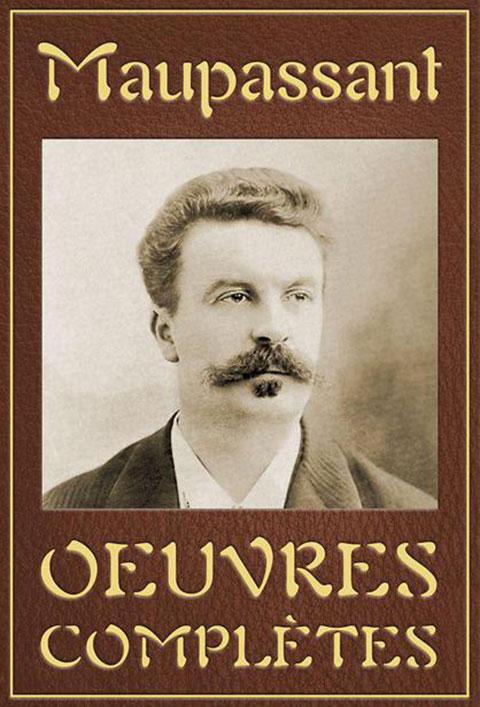
Ce livre des œuvres complètes de Guy de Maupassant est exhaustif. Il réunit ses huit romans (dont deux inachevés), ses quelques 350 nouvelles réunies en 24 recueils, ses sept pièces de théâtre (dont deux inachevées), toutes ses poésies (réunies en deux volumes), ses carnets de voyages ainsi que les centaines d’articles qu’il écrivit pour la presse entre 1876 et 1891 (classées par dates de publication et par recueils annuels). Une introduction de l’éditeur explique le parcours et l’œuvre de Guy de Maupassant. Ce livre est le fruit d'une somme de travail considérable. Les quelques milliers de pages de « Maupassant : Œuvres complètes » sont réparties en 57 volumes, ayant chacun un sommaire interactif propre. Aussi, un sommaire général permet d’accéder instantanément à n'importe lequel de ses volumes, ou, au choix, à un de ses chapitres, nouvelles, contes fantastiques, poésies, articles de presse, etc. Toutes ces œuvres ont été relues, corrigées lorsque cela était nécessaire, et mises en page avec soin pour en rendre leur lecture aussi agréable que possible.
Au-delà d’une simple compilation, « Maupassant : Œuvres complètes » constitue également un formidable outil de recherche, facile et agréable à utiliser pour quiconque s’intéresse à l’œuvre de Guy de Maupassant. Pour le simple lecteur, il est une source de plaisir et de curiosité quasiment inépuisable.
• Edition complétée d’une étude de l’éditeur.
• Edition enrichie de notes explicatives interactives.

*Сборник не издавался

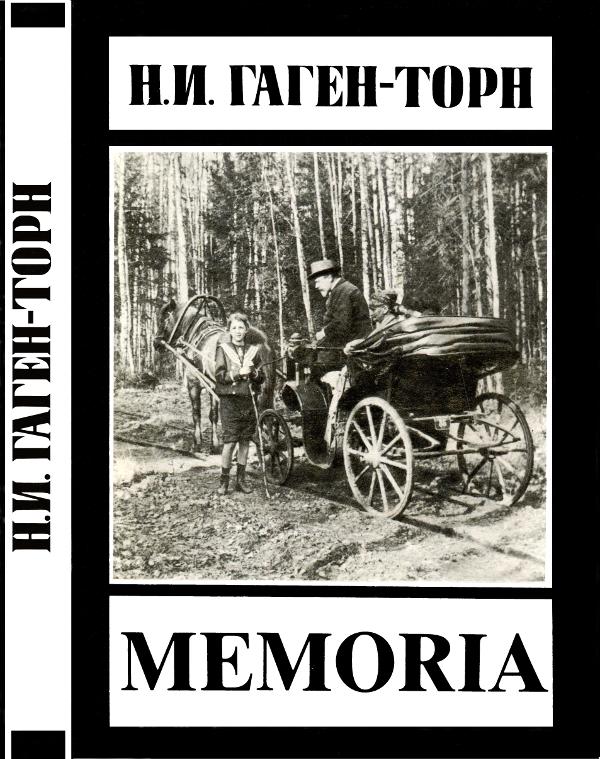
Нина Ивановна Гаген-Торн (1900–1986). Дочь профессора, выпускница Петербургского университета, поэт и прозаик, ученый-этнограф — и политзаключенная, лучшие годы жизни которой прожиты в сталинских тюрьмах, колымских и мордовских лагерях, на пересылках, этапах, в ссылке…
«В страшной жизни, где люди носили платье с номерами, не имели связи с нормальным бытием, встретить человека, как бы витающего над всем лагерным ужасом, — чудо. И этим чудом была встреча с Ниной Ивановной Гаген-Торн…» (К. С. Хлебникова-Смирнова, бывшая заключенная.)
«Она прожила долгую жизнь, прожила ее с честью, но, если бы была возможность писать и, главное, увидеть опубликованными плоды своих раздумий, — жила бы еще долго. Крепкий была человек…» (Галина Гаген-Торн, дочь).
«Ужасно жаль, что в наше время, запутавшееся в далеко не диалектических противоречиях, Ваших стихов нельзя опубликовать. Но не падайте духом: придет и для них время — иное, освобождающее…» (Илья Сельвинский).
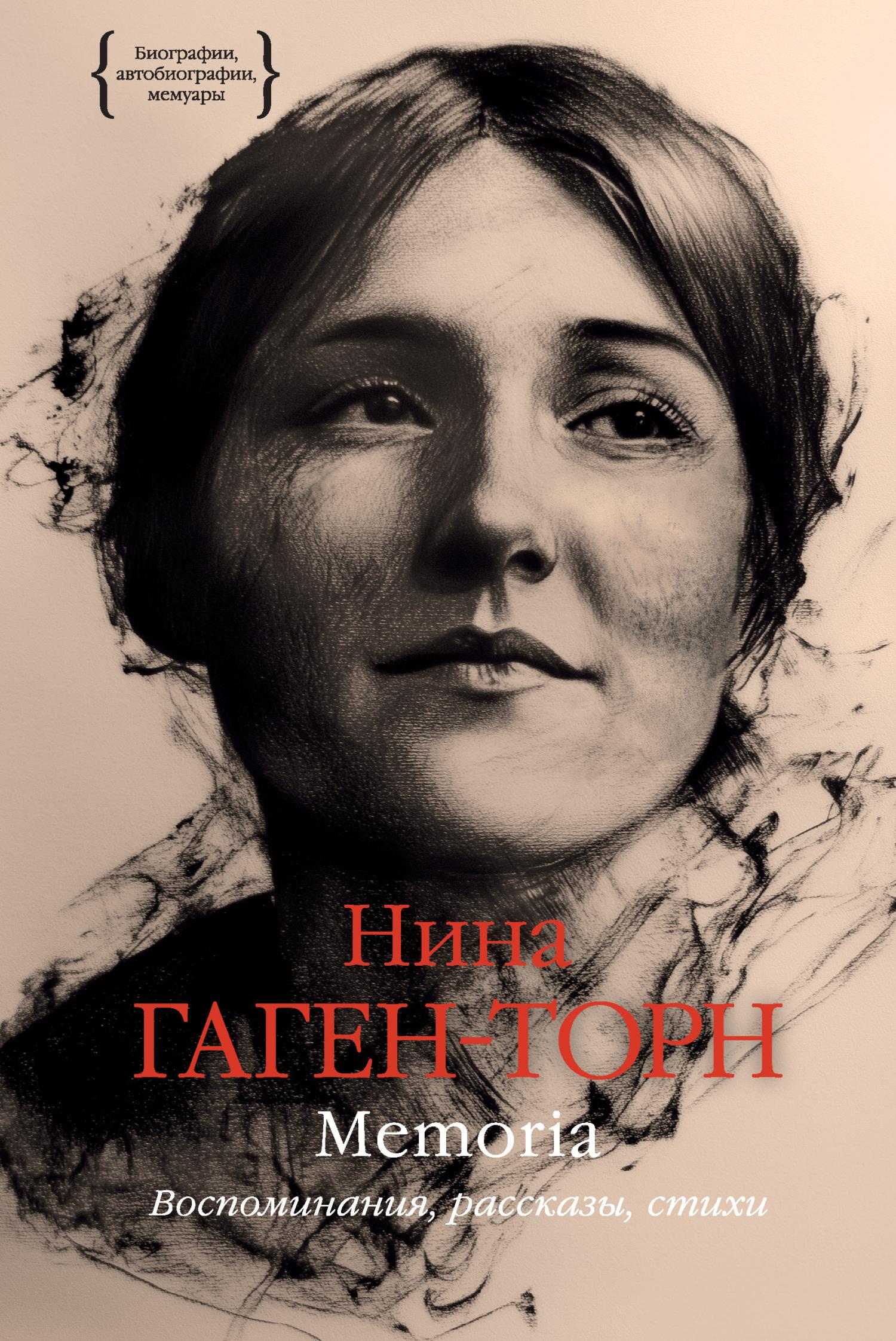
Нина Ивановна Гаген-Торн занимает видное место среди авторов женской «лагерной» прозы (наряду с Е. Керсновской, Е. Гинзбург, Т. Петкевич), в дневниках и воспоминаниях которых отразились судьбы людей, ставших жертвами сталинских репрессий. Известный ученый, стоявший у истоков советской этнографии, Н. И. Гаген-Торн была также талантливым поэтом, писателем и мемуаристом. Ее юность и студенческие годы прошли под знаком Серебряного века и первых лет советской республики; ей довелось услышать, как читал свои стихи Александр Блок, она участвовала в семинарах Андрея Белого и бывала на заседаниях знаменитой Вольфилы (Вольной философской ассоциации, ставшей средоточием духовной жизни Петрограда 1920-х годов). На взлете научной работы, в 1936 году, была арестована и осуждена на пять лет колымских лагерей. На воле остались две маленькие дочери. После освобождения успела защитить диссертацию – и новый срок, еще пять лет лагерей, а затем ссылка… Но какими бы тяжкими ни были испытания, Н. И. Гаген-Торн удалось сохранить и твердость воли, и ясность ума, и жадный интерес к миру, и желание рассказать о пережитом, «чтобы остался хоть тоненький следок, как отпечаток куликовой лапки на песке у реки, в огромных песках Вечности».
Помимо воспоминаний, публикация которых стала возможной лишь в 1994 году, после смерти автора, издание включает стихи, написанные в разные годы жизни, и отрывки из дневников и писем, подготовленные Галиной Гаген-Торн, а также вступительную статью Мариэтты Чудаковой.
В формате PDF A4 сохранён издательский дизайн.

Transcriber's Note: Dr. José Rizal wrote this last poem before he was executed on December 30,1896 in Bagumbayan. Although the poem was originally untitled, we have opted to use the more popular reference for this poem in this edition.
Nota del transcriptor: El Dr. José Rizal escribió este último poema antes de ser ejecutado el 30 de diciembre de 1896 en Bagumbayan. Aunque el poema carecía de título en el original, hemos optado por usar, en esta edición, el título con el que generalmente se le hace referencia.

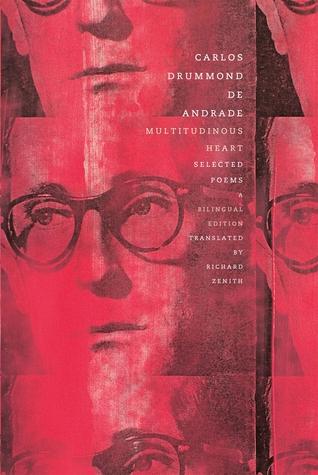
The most indispensable poems of Brazil's greatest poet.
Brazil, according to no less an observer than Elizabeth Bishop, is a place where poets hold a place of honor. "Among men, the name of ‘poet' is sometimes used as a compliment or term of affection, even if the person referred to is. . not a poet at all. One of the most famous twentieth-century poets, Manuel Bandeira, was presented with a permanent parking space in front of his apartment house in Rio de Janeiro, with an enamelled sign POETA — although he never owned a car and didn't know how to drive." In a culture like this, it is difficult to underestimate the importance of the nation's greatest poet, Carlos Drummond de Andrade.
Drummond, the most emblematic Brazilian poet, was a master of transforming the ordinary world, through language, into the sublime. His poems — musical protests, twisted hymns, dissonant celebrations of imperfection — are transcriptions of life itself recorded by a magnanimous outcast. As he put it in his "Seven-Sided Poem": "When I was born, one of those twisted / angels who live in the shadows said: / ‘Carlos, get ready to be a misfit in life!'. . World so wide, world so large, / my heart's even larger."
Multitudinous Heart, the most generous selection of Drummond's poems available in English, gathers work from the various phases of this restless, brilliant modernist. Richard Zenith's selection and translation brings us a more vivid and surprising poet than we knew.

Nacida en cautividad es el IV Premio Ateneo de Sevilla en la modalidad de poesía. La Ángela Vallvey, partiendo del experimento del gato de Schrödinger, combina la poesía con la ciencia y la física cuántica.
La autora, que consideró `un honor y un placer` recibir el galardón, aseguró que escribir los poemas que componen el libro le complació tanto `como si hubiera resuelto las ecuaciones que explicaran, de algún modo, la belleza del mundo`. `La poesía es absolutamente frágil en el mercado editorial actual`, explica Vallvey, quien cree que `es un género con un enorme potencial`. `Quien no conoce la poesía, no sabe que es un artilugio revolucionario para el pensamiento`, asegura.
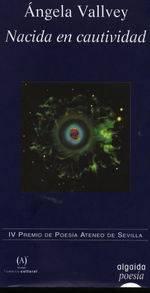
Nacida en cautividad es el IV Premio Ateneo de Sevilla en la modalidad de poesía. La Ángela Vallvey, partiendo del experimento del gato de Schrödinger, combina la poesía con la ciencia y la física cuántica.
La autora, que consideró `un honor y un placer` recibir el galardón, aseguró que escribir los poemas que componen el libro le complació tanto `como si hubiera resuelto las ecuaciones que explicaran, de algún modo, la belleza del mundo`. `La poesía es absolutamente frágil en el mercado editorial actual`, explica Vallvey, quien cree que `es un género con un enorme potencial`. `Quien no conoce la poesía, no sabe que es un artilugio revolucionario para el pensamiento`, asegura.