 fb2
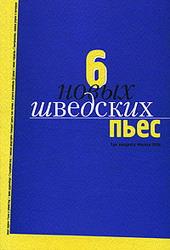
fb2Шведы оказались любителями копаться в нездоровых семейных отношениях, мрачно шутить (героиня «Cheek to cheek» Юнаса Гарделя работает в похоронном бюро и встречается по объявлению со звездой шоу-бизнеса «для серьезных отношений») и культивировать смерть (два из шести представленных произведений называются «Отцеубийство» и «Воля к убийству»). Кроме того, они действительно умеют писать пьесы — то есть хорошо прорабатывать структуру, вырисовывать характеры и закручивать интригу. Правда, без фирменной тоскливой флегматичности не обошлось, а потому монолог героя «Европы утром и вечером» Розы Лагеркранц, который едет в поезде и рассказывает, какая сука его жена, занимает семь страниц. Но и дает шанс на лучшее — пассажир влюбляется в соседку напротив.



Claudine von Villa Bella (1776) ist ein Schauspiel mit Gesang von Johann Wolfgang von Goethe. Es wurde mehrfach vertont, unter anderem von Franz Schubert (1815) und Johann Friedrich Reichardt (1789).
Goethe setzte sich mit dem Singspiel bewusst von der an Opéra comique und Opera buffa orientierten Operettentradition ab und setzte Gedanken und Motive des Sturm und Drang in Operettenform um. Das Stück wechselte ursprünglich zwischen Dialogen in Prosa und Gesangspartien. Während der italienischen Reise setzte Goethe die Prosapartien in Blankverse und überarbeitete auch den Gesangsteil.

Clavigo ist ein Trauerspiel in fünf Akten von Johann Wolfgang von Goethe mit Beaumarchais als Bühnenfigur. Im Mai 1774 in nur acht Tagen geschrieben, lag das Bühnenmanuskript bereits im Juli 1774 als erstes gedrucktes Werk des Autors Goethe vor. Am 23. August 1774 wurde das Stück von der Ackermannschen Gesellschaft in Hamburg uraufgeführt.
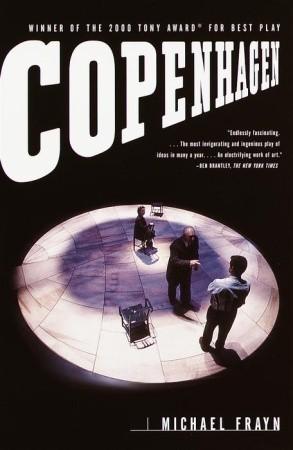
The Tony Award — winning play that soars at the intersection of science and art, Copenhagen is an explosive re-imagining of the mysterious wartime meeting between two Nobel laureates to discuss the atomic bomb.
In 1941 the German physicist Werner Heisenberg made a clandestine trip to Copenhagen to see his Danish counterpart and friend Niels Bohr. Their work together on quantum mechanics and the uncertainty principle had revolutionized atomic physics. But now the world had changed and the two men were on opposite sides in a world war. Why Heisenberg went to Copenhagen and what he wanted to say to Bohr are questions that have vexed historians ever since. In Michael Frayn’s ambitious, fiercely intelligent, and daring new play Heisenberg and Bohr meet once again to discuss the intricacies of physics and to ponder the metaphysical — the very essence of human motivation.

Voici l'ultime tragédie de Shakespeare. Brecht la considérait comme «l'une des plus grandioses oeuvres» de son auteur. Cette pièce est inspirée de la vie de Gaius Marcius Coriolanus, militaire romain rendu légendaire par Plutarque.
Caius Marcius ayant capturé la ville de Corioli appartenant aux Volsques, rentre à Rome et reçoit le nom de Coriolan en honneur de ses exploits. Le Sénat lui offre un poste de consul, mais il doit, selon les coutumes, se présenter devant le peuple et demander très humblement son soutien. Malgré son mépris du système et de son arrogance, à la surprise de tous, il se prête au jeu et obtient les faveurs du public. Mais deux tribuns romains Junius Brutus et Sicinius Velutus convainquent les gens que s'il est élu, Coriolan va diriger la ville comme un tyran. Le peuple, volage, se retourne contre Coriolan et lui retire son appui. Sur les conseils de son grand ami Menenius et de sa mère Volumnia à qui il ne peut rien refuser, Coriolan retourne encore une fois devant le peuple de Rome. Les tribuns réussissent à lui faire perdre son sang-froid. En colère, Coriolan se met à insulter le peuple et cette fois il est banni de la ville. Tombé en disgrâce, il retourne chez les Volsques, chez son ennemi Aufidius qui le reçoit à bras ouverts…
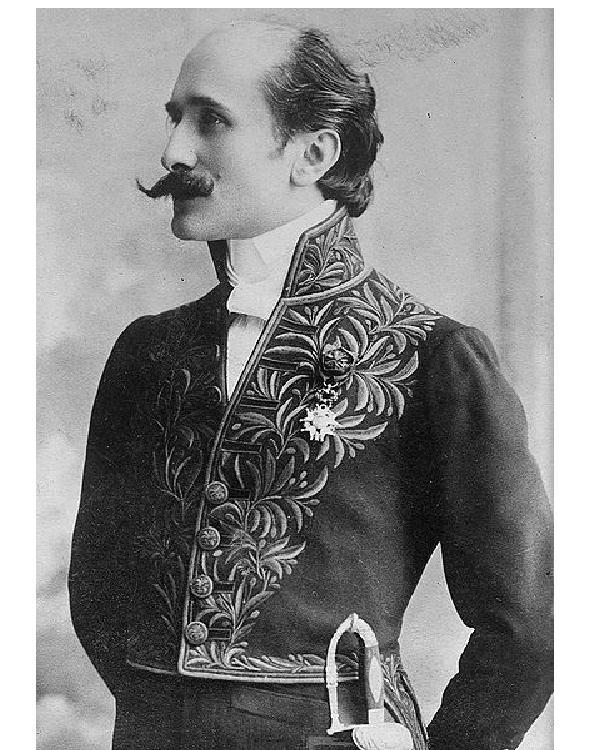
Une représentation à l'hôtel de Bourgogne (en 1640). La salle du théâtre se remplit: on va y donner une pastorale, la Clorise, dans le genre précieux. Le jeune et beau Christian de Neuvillette y vient contempler la femme qu'il aime: Roxane, une précieuse "épouvantablement ravissante" à qui le comte de Guiche fait la cour. La pièce commence, mais est vite interrompue par le turbulent Cyrano de Bergerac, qui interdit à l'acteur Montfleury de jouer, car il est trop gros! Des spectateurs protestent, et l'un d'eux provoque Cyrano, en critiquant son nez, "très grand" - ce à quoi le héros réplique par la célèbre "tirade des nez", éloge de sa propre laideur, avant de se battre avec l'importun. Pendant le duel, il compose une ballade ("À la fin de l'envoi, je touche!"). À son ami Le Bret, il confesse qu'il aime passionnément Roxane sa cousine, mais sa laideur le laisse sans espoir...

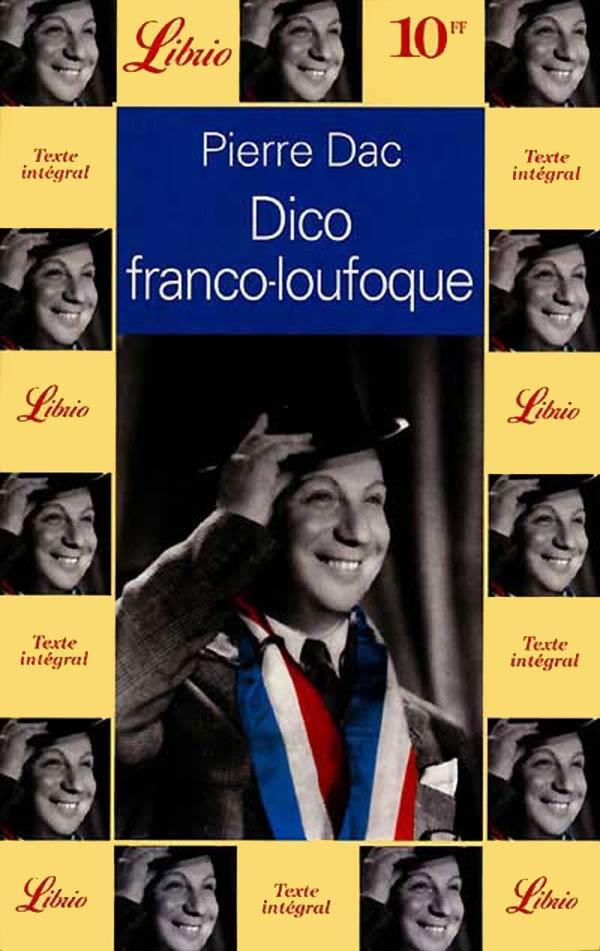
Le Schmilblick d'intérieur peut-il servir à la campagne ? La houille dormante est-elle l'avenir de la France ? Pourquoi le peuple s'effrite-t-il lorsque le salsifis frit décroît ? Comment réussir à coup sûr la confiture de nouilles ? Questions essentielles auxquelles le « maître soixante-trois » de l'humour loufoque répond sans détours. Littérature, philosophie, discours officiels, courrier du cœur, petites annonces, recettes de cuisine… Ici, tout est prétexte à dérision, détournement de sens, dérapage verbal incontrôlé… Mais le rire cède la place à l'émotion dans ces textes de Radio-Londres, lorsque Pierre Dac, « Français parlant aux Français », rappelle à tous que la liberté n'a pas de prix… L'indispensable anthologie des meilleurs textes de Pierre Dac. Et réciproquement !

Die Geschwister. Ein Schauspiel in einem Akt ist ein Vierpersonen-Stück in Prosa von Johann Wolfgang von Goethe. Den Einakter schrieb der Autor Ende Oktober 1776 im Gartenhaus an der Ilm. Die Uraufführung — mit Goethe als Wilhelm und Kotzebue als Briefträger — fand am 21. November 1776 in Weimar statt. 1787 lag das Werk im Druck vor.

Die Laune des Verliebten ist ein Schäferspiel in Versen von Johann Wolfgang von Goethe aus dem Jahre 1768. Am 20. Mai 1779 wurde es in Ettersburg mit Goethe in der Rolle des Eridon und Musik von Carl Friedrich Siegmund von Seckendorff (1744–1785) aufgeführt. 1806 lag der Erstdruck vor.

Die Mitschuldigen ist ein Lustspiel von Johann Wolfgang von Goethe. Die erste Fassung entstand als Einakter zwischen November 1768 und Februar 1769, die zweite zwischen Juni und September 1769. Das Stück wurde am 9. Januar 1777 mit Goethe in der Rolle des Alcest im Weimarer Liebhabertheater aufgeführt. 1787 lag der Erstdruck der bis April 1783 überarbeiteten Fassung vor.
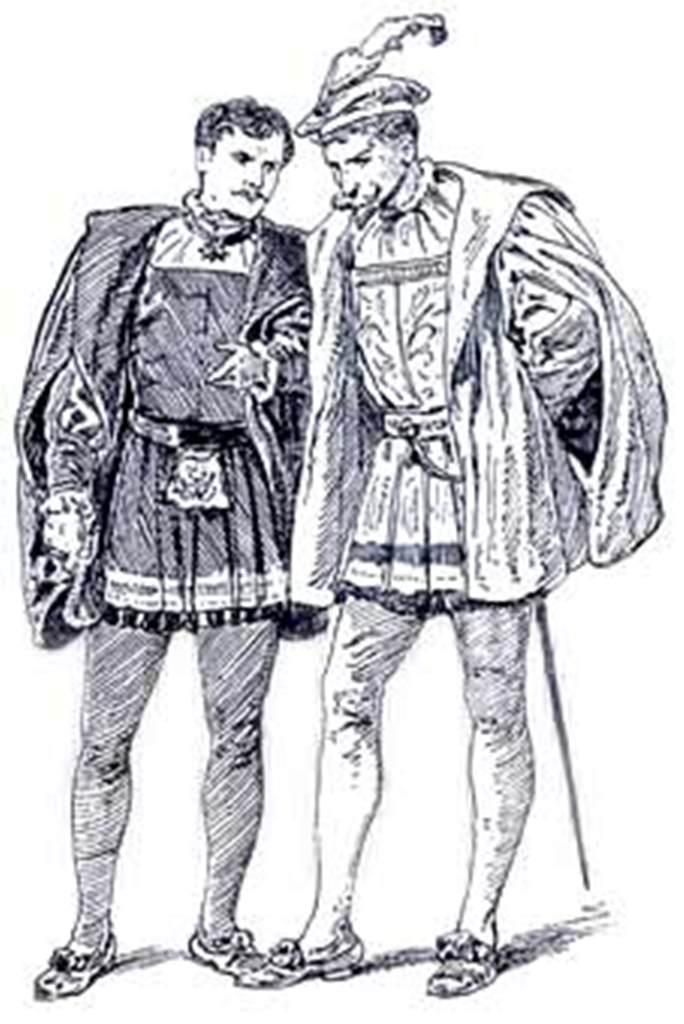
VILJAMS ŠEKSPĪRS
KOPOTI RAKSTI sešos sējumos
KOPOTI RAKSTI I
LATVIJAS VALSTS IZDEVNIECĪBA 1963
Redakcijas kolēģija:
M. Ķempe, E. Smiļģis, J. Sudrabkalns
Kārla Egles sakārtojums
Mākslinieki A. Stankevičs un V. Ozoliņš
DIVI VERONIEŠI
Komēdija piecos cēlienos
Tulkojis Ēriks Adamsons
Noskannējis grāmatu un FB2 failu izveidojis Imants Ločmelis
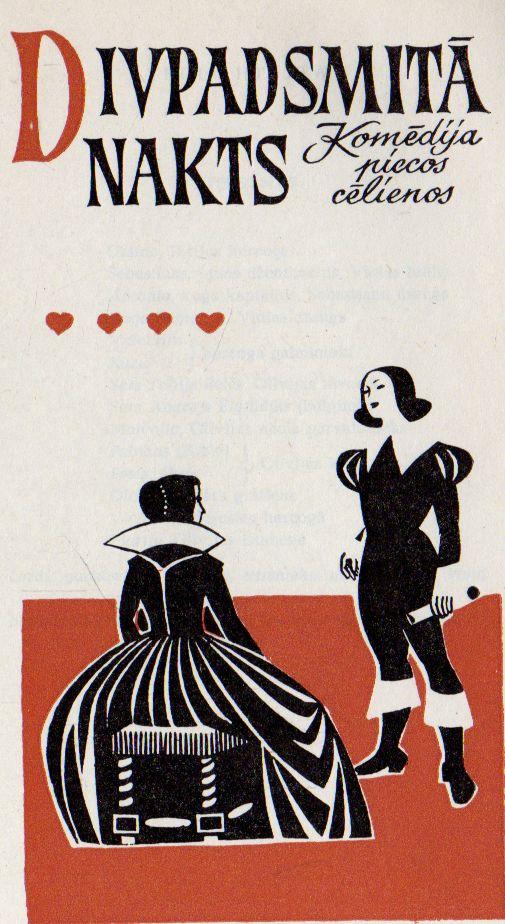
VILJAMS ŠEKSPĪRS
KOPOTI RAKSTI sešos sējumos
KOPOTI RAKSTI III
DIVPADSMITĀ NAKTS
Tulkojuši Jānis Sudrabkalns un Valda Beitāne
LATVIJAS VALSTS IZDEVNIECĪBA 1964
Redakcijas kolēģija: M Ķempe, E. Smilģis, J. Sudrabkalns Kārļa Egles sakārto ļums Mākslinieki: A. Stankevičs un V. Ozoliņš
Noskannējis grāmatu un FB2 failu izveidojis Imants Ločmelis

Читающий этот текст который является театральным, то есть он создан для театра, может не обращать внимание на странность его написания, но все же если вы попытаетесь следовать законам заложенным в этот текст, то, возможно, вы не пожалеете. Если же кто ни будь из вас, попытается применить его по назначению, то есть попытается создать спектакль то, боюсь, что без приятия этого закона вас ждет… в чем он? Для начала вы должны попытаться не интонировать текст внутри одной строчки: то есть не придавать ей иного смысла, кроме того, который в ней заложен.
Заглавные гласные буквы внутри последнего слова не являются указанием что здесь нужно делать ударение это быстрее напоминает некое зависание сознания актера, некий свободный полет, сродни полету лыжника набравшего скорость при спуске с трамплина и наконец оторвавшегося от земли. Спасибо!
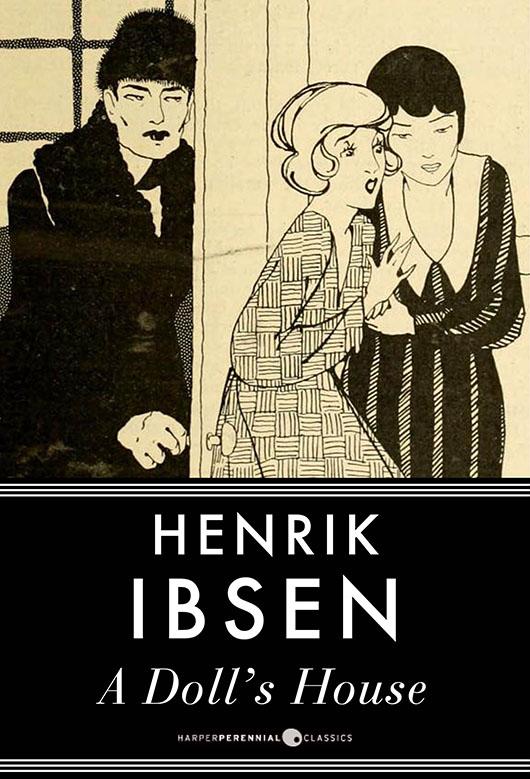
The play is significant for the way it deals with the fate of a married woman, who at the time in Norway lacked reasonable opportunities for self-fulfillment in a male dominated world. It aroused a great sensation at the time, and caused a “storm of outraged controversy” that went beyond the theatre to the world newspapers and society.
About the Author
Born in 1828, Henrik Ibsen was a Norwegian playwright and poet, often associated with the early Modernist movement in theatre. Determined to become a playwright from a young age, Ibsen began writing while working as an apprentice pharmacist to help support his family. Though his early plays were largely unsuccessful, Ibsen was able to take employment at a theatre where he worked as a writer, director, and producer. Ibsen’s first success came with Brand and Peter Gynt, and with later plays like A Doll’s House, Ghosts, and The Master Builder he became one of the most performed playwrights in the world, second only to William Shakespeare. Ibsen died in his home in Norway in 1906 at the age of 78.
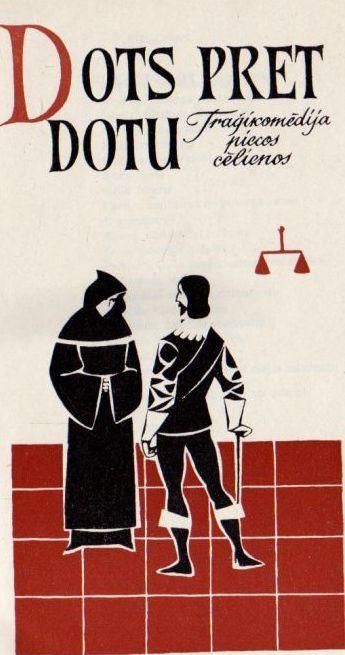
VILJAMS ŠEKSPĪRS
KOPOTI RAKSTI IV
LATVIJAS VALSTS IZDEVNIECĪBA 1964
Redakcijas kolēģija: M. Ķempe, E. Smiļģis, J. Sudrabkaļus Kārļa Egles sakārtojums Mākslinieki A. Stankevičs un V. Ozoliņš
DOTS PRET DOTU
Traģikomēdija piecos cēlienos
Tulkojusi Vizma Belševica
Noskannējis grāmatu un FB2 failu izveidojis Imants Ločmelis

The long-unavailable work by one of America's most eminent writers.
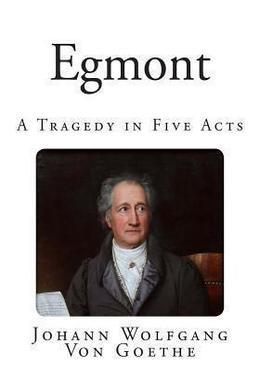
A play written in 1787 and originally with music composed by Beethoven. Egmont is a Flemish warrior whose nemesis is the Duke of Alba. Heeventully ends up in prison, sentenced to death. In his final speech, Egmont calls to his people for freedom and to never give up the fight against their oppressors.