
 fb2
fb2In a Manhattan hotel room, the "Love Nest Killings of 1908" take place. But the mystery of who killed whom, and why, does not unravel until we explore the lives of Katrina Taylor and Edward Daughtery.
He is a first-generation Irish American and a successful playwright. She is a high-born Protestant, a beautiful seductive woman with complex attitudes towards life. Their marriage is a passionate one, but a cataclysmic hotel fire changes it into something else altogether. Moving back and forth between the 1880s and 1912, The Flaming Corsage follows Katrina and Edward as other lives impact upon theirs-their socially opposed families; Edward's flirtatious actress paramour, Melissa Spencer; the physician Giles Fitzroy, and his wife; and Edward's friend, the cynical journalist Thomas Maginn.
The Flaming Corsage evocatively portrays through the lens of Albany's robust Irishtown and English-Dutch aristocracy the seething, contradictory impulses of our humanity, lusts and furies that know no bounds of time or place.
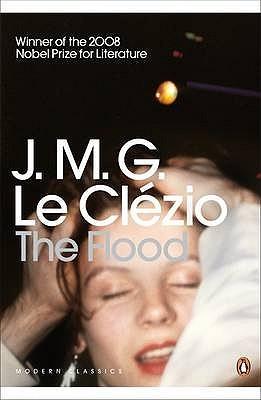
Francois Besson listens to a tape recording of a girl contemplating suicide. Drifting through the days in a provincial city, he thoughtlessly starts a fire in his apartment, attends confession, and examines, with great intentness but without affection, a naked woman he wakes beside.
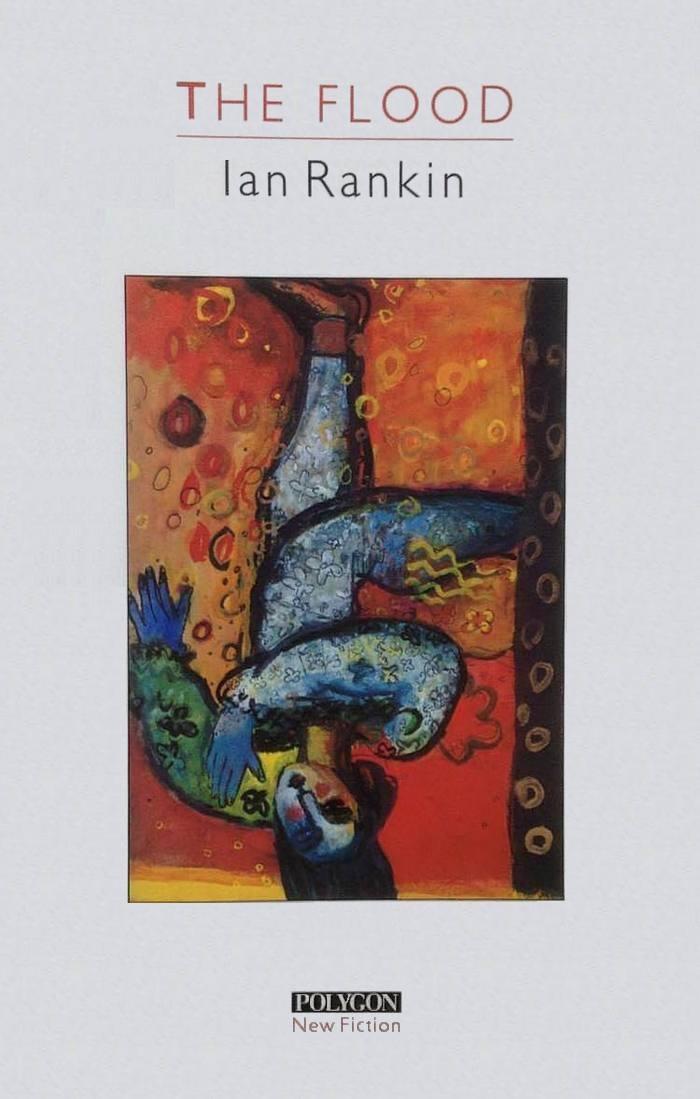
The action of The Flood, a first novel by Ian Rankin, takes place over a period of twenty years in the life and slow death of a File mining community. At the heart of the novel are Mary Miller is an outcast, believed by some to have occult powers, and her bastard son, Sandy. Mary finds herself caught up in a faltering affair with a local schoolteacher, while Sandy falls in love with a strange gypsy girl. As the action moves towards a tense and unexpected climax, both mother and son are forced to come to terms with the past, in the growing knowledge that their small dramas are being played out against a much larger drama, a drama glimpsed only in symbols and flickering images — images of decay and regrowth, of fire and water, of the flood.
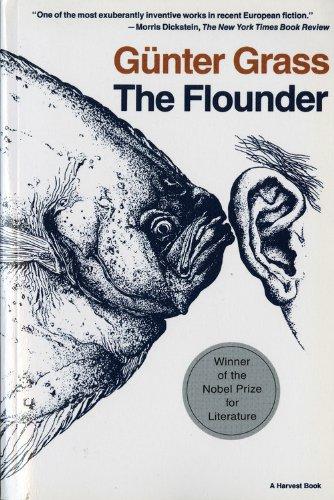
It all begins in the Stone Age, when a talking fish is caught by a fisherman at the very spot where millennia later Grass's home town, Danzig, will arise. Like the fish, the fisherman is immortal, and down through the ages they move together. As Grass blends his ingredients into a powerful brew, he shows himself at the peak of his linguistic inventiveness.

Written by Antonio Tabucchi, author of Indian Nocturne, one of the most renowned voices in European literature and the foremost Italian writer of his generation, this sublimely questioning, superbly imaginative collection of fragments and quasi-stories moves from impression to association to conjecture. The reader meets a delicate flying creature of ambiguous species-replete with feathers in ochre, yellow, deep blue, and emerald green-in Fra Angelico's vegetable garden; and a revolutionary who is told her incredible future by Mademoiselle Lenormand, a fortune teller from the shadow world.
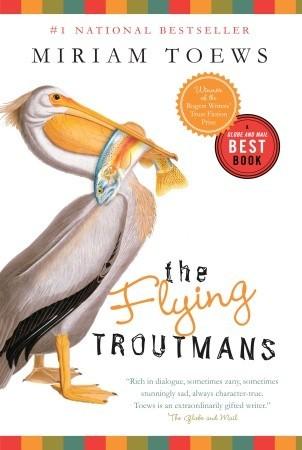
"Min was stranded in her bed, hooked on the blue torpedoes and convinced that a million silver cars were closing in on her (I didn't know what Thebes meant either), Logan was in trouble at school, something about the disturbing stories he was writing, Thebes was pretending to be Min on the phone with his principal, the house was crumbling around them, the black screen door had blown off in the wind, a family of aggressive mice was living behind the piano, the neighbours were pissed off because of hatchets being thrown into their yard at night (again, confusing, something to do with Logan) … basically, things were out of control. And Thebes is only eleven."
— from The Flying Troutmans
Days after being dumped by her boyfriend Marc in Paris — "he was heading off to an ashram and said we could communicate telepathically" — Hattie hears her sister Min has been checked into a psychiatric hospital, and finds herself flying back to Winnipeg to take care of Thebes and Logan, her niece and nephew. Not knowing what else to do, she loads the kids, a cooler, and a pile of CDs into their van and they set out on a road trip in search of the children's long-lost father, Cherkis.
In part because no one has any good idea where Cherkis is, the traveling matters more than the destination. On their wayward, eventful journey down to North Dakota and beyond, the Troutmans stay at scary motels, meet helpful hippies, and try to ignore the threatening noises coming from under the hood of their van. Eleven-year-old Thebes spends her time making huge novelty cheques with arts and crafts supplies in the back, and won't wash, no matter how wild and matted her purple hair gets; she forgot to pack any clothes. Four years older, Logan carves phrases like "Fear Yourself" into the dashboard, and repeatedly disappears in the middle of the night to play basketball; he's in love, he says, with New York Times columnist Deborah Solomon. Meanwhile, Min can't be reached at the hospital, and, more than once, Hattie calls Marc in tears.
But though it might seem like an escape from crisis into chaos, this journey is also desperately necessary, a chance for an accidental family to accept, understand or at least find their way through overwhelming times. From interwoven memories and scenes from the past, we learn much more about them: how Min got so sick, why Cherkis left home, why Hattie went to Paris, and what made Thebes and Logan who they are today.
In this completely captivating book, Miriam Toews has created some of the most engaging characters in Canadian literature: Hattie, Logan and Thebes are bewildered, hopeful, angry, and most of all, absolutely alive. Full of richly skewed, richly funny detail, The Flying Troutmans is a uniquely affecting novel.

A raucous, stunningly candid, deliriously smart diary of two years in the life of the incomparable Heidi Julavits
Like many young people, Heidi Julavits kept a diary. Decades later she found her old diaries in a storage bin, and hoped to discover the early evidence of the person (and writer) she’d since become. Instead, "The actual diaries revealed me to possess the mind of a paranoid tax auditor." The entries are daily chronicles of anxieties about grades, looks, boys, and popularity. After reading the confessions of her past self, writes Julavits, "I want to good-naturedly laugh at this person. I want to but I can't. What she wanted then is scarcely different from what I want today."
Thus was born a desire to try again, to chronicle her daily life as a forty-something woman, wife, mother, and writer. The dazzling result is The Folded Clock, in which the diary form becomes a meditation on time and self, youth and aging, betrayal and loyalty, friendship and romance, faith and fate, marriage and family, desire and death, gossip and secrets, art and ambition. Concealed beneath the minute obsession with “dailiness” are sharply observed moments of cultural criticism and emotionally driven philosophical queries. In keeping with the spirit of a diary, the tone is confessional, sometimes shockingly so, as the focus shifts from the woman she wants to be to the woman she may have become.
Julavits's spirited sense of humor about her foibles and misadventures, combined with her ceaseless intelligence and curiosity, explode the typically confessional diary form. The Folded Clock is as playful as it is brilliant, a tour de force by one of the most gifted prose stylists in American letters.

In a remote town in the Himalaya, Maya tries to put behind her a time of great sorrow. By day she teaches in a school and at night she types up drafts of a magnum opus by her landlord, a relic of princely India known to all as Diwan Sahib. Her bond with this eccentric, and her friendship with a peasant girl, Charu, give her the sense that she might be able to forge a new existence away from the devastation of her past. As Maya finds out, no place is remote enough or small enough. The world she has come to love, where people are connected with nature, is endangered by the town's new administration. The impending elections are hijacked by powerful outsiders who divide people and threaten the future of her school. Charu begins to behave strangely, and soon Maya understands that a new boy in the neighbourhood may be responsible.
A vacant patch of South African veld next to the comfortable, complacent Malgas household has been taken over by a mysterious, eccentric figure with "a plan." Fashioning his tools out of recycled garbage, the stranger enlists Malgas's help in clearing the land and planning his mansion. Slowly but inevitably, the stranger's charm and the novel's richly inventive language draws Malgas into "the plan" and he sees, feels and moves into the new building. Then, just as remorselessly, all that seemed solid begins to melt back into air.
Chaz Wilmot is a painter born outside his time. He possesses a virtuosic command of the techniques of the old masters. He can paint like Leonardo, Goya, Gainsborough-artists whose works sell for millions-but this style of painting is no longer popular, and he refuses to shape his talent to fit the fashion of the day. So Wilmot makes his living cranking out parodies for ads and magazine covers. A break comes when an art dealer obtains for him a commission to restore a Venetian palace fresco by the eighteenth-century master Tiepolo, for a disreputable Italian businessman. Once there, Wilmot discovers that it is not a restoration but a re-creation, indeed a forgery. At first skeptical of the job, he then throws himself into the creative challenge and does the job brilliantly. No one can tell the modern work from something done more than two hundred years ago.
This feat attracts the attention of Werner Krebs, an art dealer with a dark past and shadier present who becomes Wilmot's friend and patron. Wilmot is suddenly working with a fervor he hasn't felt in years, but his burst of creative activity is accompanied by strange interludes: Without warning, he finds himself reliving moments from his past-not as memories but as if they are happening all over again. Soon, it is no longer his own past he's revisiting; he believes he can travel back to the seventeenth century, where he lived as the Spanish artist Diego Rodríguez de Silva Velázquez, one of the most famous painters in history. Wilmot begins to fantasize that as Velázquez, he has created a masterpiece, a stunning portrait of a nude. When the painting actually turns up, he doesn't know if he painted it or if he imagined the whole thing.
Little by little, Wilmot enters a mirror house of illusions and hallucinations that propels him into a secret world of gangsters, greed, and murder, with his mystery patron at the center of it all, either as the mastermind behind a plot to forge a painting worth hundreds of millions, or as the man who will save Wilmot from obscurity and madness.
In Chaz Wilmot, we meet the rarest breed of literary hero, one for whom the reader feels almost personally responsible. By turns brutally honest and self-deceptive, scornful of the world while yearning to make his mark on it, Wilmot comes astonishingly alive for the reader, and his perilous journey toward the truth becomes our own.
The Forgery of Venus, a blend of erudition, unflagging narrative brio, and emotional depth, brings us inexorably toward the intersection where genius and insanity collide. Miraculously inventive, this book cements Gruber's reputation as one of the most imaginative and gifted writers of our time.
From The New York Times bestselling author of The Lotus Eaters, a novel of a California ranching family, its complicated matriarch and an enigmatic caretaker who may destroy them.
When Claire Nagy marries Forster Baumsarg, the only son of prominent California citrus ranchers, she knows she's consenting to a life of hard work, long days, and worry-fraught nights. But her love for Forster is so strong, she turns away from her literary education and embraces the life of the ranch, succumbing to its intoxicating rhythms and bounty until her love of the land becomes a part of her. Not even the tragic, senseless death of her son Joshua at kidnappers' hands, her alienation from her two daughters, or the dissolution of her once-devoted marriage can pull her from the ranch she's devoted her life to preserving.
But despite having survived the most terrible of tragedies, Claire is about to face her greatest struggle: An illness that threatens not only to rip her from her land but take her very life. And she's chosen a caregiver, the enigmatic Caribbean-born Minna, who may just be the darkest force of all.
Haunting, tough, triumphant, and profound, The Forgetting Tree explores the intimate ties we have to one another, the deepest fears we keep to ourselves, and the calling of the land that ties every one of us together.

The Forgotten Waltz is a memory of desire: a recollection of the bewildering speed of attraction, the irreparable slip into longing, that reads with breathtaking immediacy. In Terenure, a pleasant suburb of Dublin, in the winter of 2009, it has snowed. A woman recalls the trail of lust and happenstance that brought her to fall for "the love of her life." As the city outside comes to a halt, she remembers the days of their affair in one hotel room or another: long afternoons made blank by bliss and denial. Now, as the silent streets and the stillness and vertigo of the falling snow make the day luminous and full of possibility, she awaits the arrival on her doorstep of his fragile, twelve-year-old daughter, Evie. In The Forgotten Waltz, Enright is at the height of her powers. This is Anne Enright's tour de force, a novel of intelligence, passion, and real distinction.
Set in New England, The Forms of Water is a superb exploration of the complexities of family life, grief and the ties that continue to bind us to the past. At the age of 80, Brendan Auberon, a former monk, is now confined to a wheelchair in a nursing home. As a last wish, he is desperate to catch a final glimpse of the 200 acres of woodland on which once stood his parental home. Half a century ago, the owners of the land were evicted from their homes and the land was flooded to create a reservoir which would provide water for the big city. The Forms of Water is the story of what happens when Brendan convinces his staid nephew Henry to hijack the nursing home van to make this ancestral visit. What begins as a joke, becomes infinitely more complex as the family roles begin to rearrange themselves. A rich and absorbing look at the complexities of family life, at grief and at the ties that continue to bind us to the past.
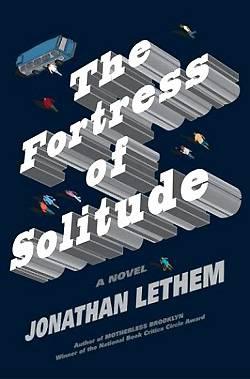
If there still remains any doubt, this novel confirms Lethem's status as the poet of Brooklyn and of motherless boys. Projected through the prism of race relations, black music and pop art, Lethem's stunning, disturbing and authoritatively observed narrative covers three decades of turbulent events on Dean Street, Brooklyn. When Abraham and Rachel Ebdus arrive there in the early 1970s, they are among the first whites to venture into a mainly black neighborhood that is just beginning to be called Boerum Hill. Abraham is a painter who abandons his craft to construct tiny, virtually indistinguishable movie frames in which nothing happens. Ex-hippie Rachel, a misguided liberal who will soon abandon her family, insists on sending their son, Dylan, to public school, where he stands out like a white flag. Desperately lonely, regularly attacked and abused by the black kids ("yoked," in the parlance), Dylan is saved by his unlikely friendship with his neighbor Mingus Rude, the son of a once-famous black singer, Barnett Rude Jr., who is now into cocaine and rage at the world. The story of Dylan and Mingus, both motherless boys, is one of loyalty and betrayal, and eventually different paths in life. Dylan will become a music journalist, and Mingus, for all his intelligence, kindness, verbal virtuosity and courage, will wind up behind bars. Meanwhile, the plot manages to encompass pop music from punk rock to rap, avant-garde art, graffiti, drug use, gentrification, the New York prison system-and to sing a vibrant, sometimes heartbreaking ballad of Brooklyn throughout. Lethem seems to have devoured the '70s, '80s and '90s-inhaled them whole-and he reproduces them faithfully on the page, in prose as supple as silk and as bright, explosive and illuminating as fireworks. Scary and funny and seriously surreal, the novel hurtles on a trajectory that feels inevitable. By the time Dylan begins to break out of the fortress of solitude that has been his life, readers have shared his pain and understood his dreams.
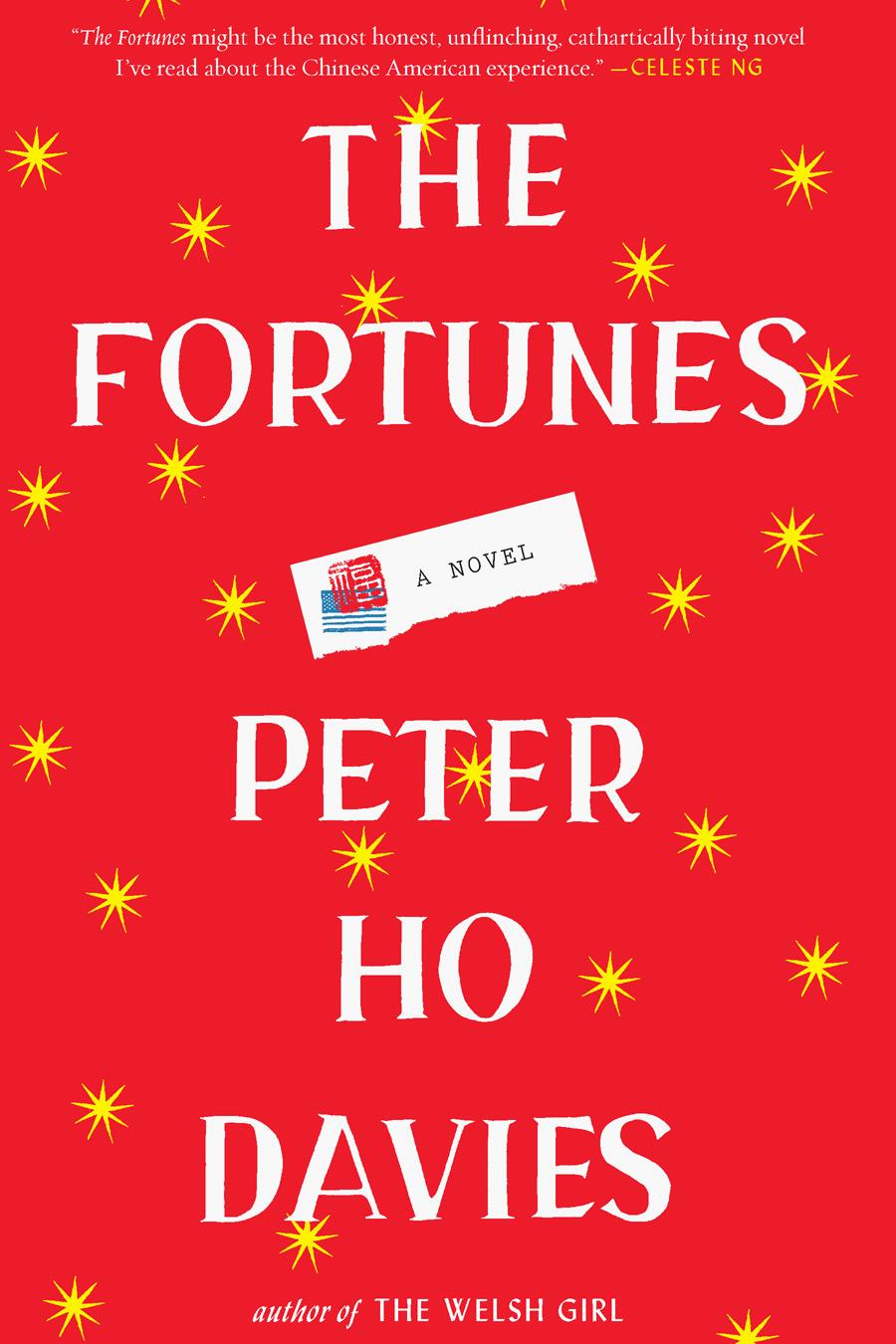
From the author of The Welsh Girl comes a groundbreaking, provocative new novel.
Sly, funny, intelligent, and artfully structured, The Fortunes recasts American history through the lives of Chinese Americans and reimagines the multigenerational novel through the fractures of immigrant family experience.
Inhabiting four lives — a railroad baron’s valet who unwittingly ignites an explosion in Chinese labor, Hollywood's first Chinese movie star, a hate-crime victim whose death mobilizes Asian Americans, and a biracial writer visiting China for an adoption — this novel captures and capsizes over a century of our history, showing that even as family bonds are denied and broken, a community can survive — as much through love as blood.
Building fact into fiction, spinning fiction around fact, Davies uses each of these stories — three inspired by real historical characters — to examine the process of becoming not only Chinese American, but American.
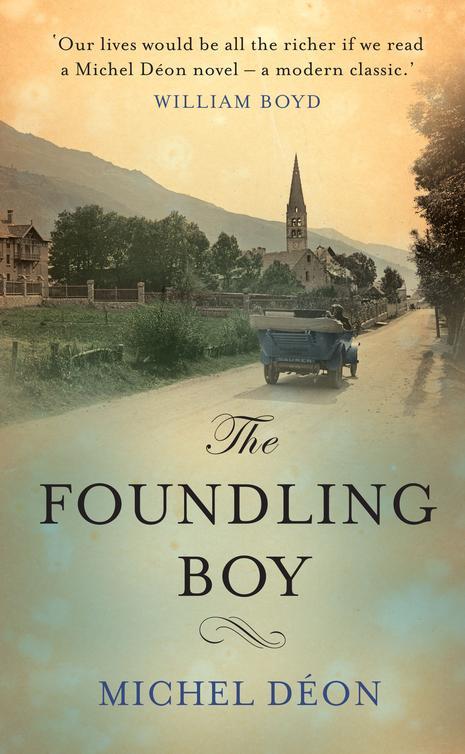
The classic coming-of-age novel translated into English for the first time.
It is 1919. On a summer's night in Normandy, a newborn baby is left in a basket outside the home of Albert and Jeanne Arnaud. The childless couple take the foundling in, name him Jean, and decide to raise him as their own, though his parentage remains a mystery.
Though Jean's life is never dull, he grows up knowing little of what lies beyond his local area. Until the day he sets off on his bicycle to discover the world, and encounters a Europe on the threshold of interesting times. .
Michel Déon has published more than fifty works. He is the recipient of numerous awards, including the Prix Interallié for his 1970 novel Les Poneys Sauvages (The Wild Ponies). His 1973 novel Un Taxi Mauve garnered him international renown when it received the esteemed Grand Prix du roman de l'Académie française. His novels have been translated into many languages. He is considered one of the most innovative French writers of the twenty-first century. Déon is one of just forty members of the Académie française who are elected by their peers to serve for life. Déon lives in Ireland with his wife and their horses.
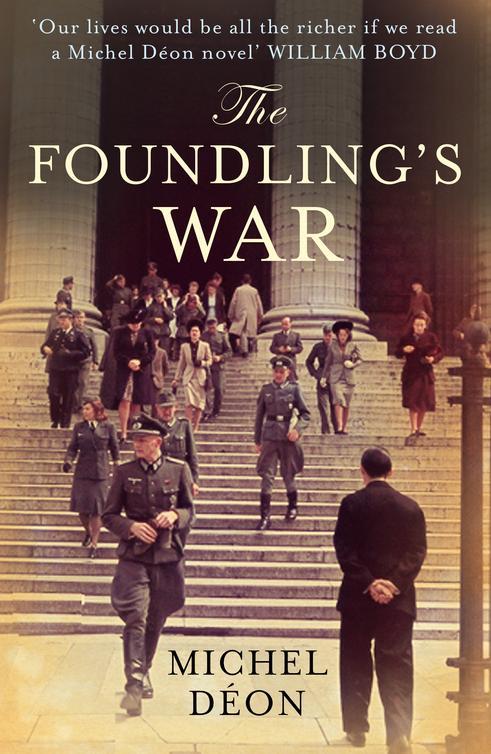
In this sequel to the acclaimed novel The Foundling Boy, Michel Déon's hero comes to manhood and learns about desire and possession, sex and love, and the nuances of allegiance that war necessitates.
In the aftermath of French defeat in July 1940, twenty-year-old Jean Arnaud and his ally, the charming conman Palfy, are hiding out at a brothel in Clermont-Ferrand, having narrowly escaped a firing squad. At a military parade, Jean falls for a beautiful stranger, Claude, who will help him forget his adolescent heartbreak but bring far more serious troubles of her own.
Having safely reached occupied Paris, the friends mingle with art smugglers and forgers, social climbers, showbiz starlets, bluffers, swindlers, and profiteers, French and German, as Jean learns to make his way in a world of murky allegiances. But beyond the social whirl, the war cannot stay away forever. .
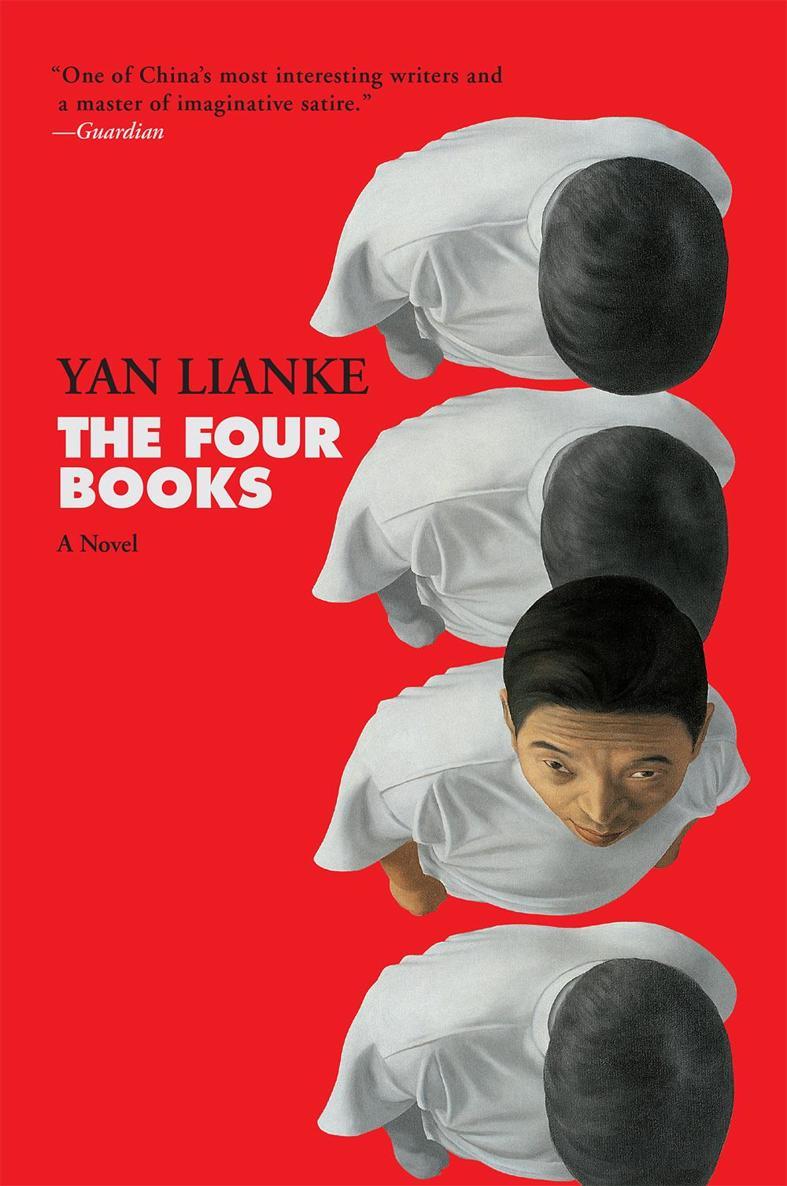
From master storyteller Yan Lianke, winner of the prestigious Franz Kafka Prize and a finalist for the Man Booker International Prize, The Four Books is a powerful, daring novel of the dog-eat-dog psychology inside a labor camp for intellectuals during Mao’s Great Leap Forward. A renowned author in China, and among its most censored, Yan’s mythical, sometimes surreal tale cuts to the bone in its portrayal of the struggle between authoritarian power and man’s will to prevail against the darkest odds through camaraderie, love, and faith.
In the ninety-ninth district of a sprawling reeducation compound, freethinking artists and academics are detained to strengthen their loyalty to Communist ideologies. Here, the Musician and her lover, the Scholar — along with the Author and the Theologian — are forced to carry out grueling physical work and are encouraged to inform on each other for dissident behavior. The prize: winning the chance at freedom. They're overseen by preadolescent supervisor, the Child, who delights in reward systems and excessive punishments. When agricultural and industrial production quotas are raised to an unattainable level, the ninety-ninth district dissolves into lawlessness. And then, as inclement weather and famine set in, they are abandoned by the regime and left alone to survive.
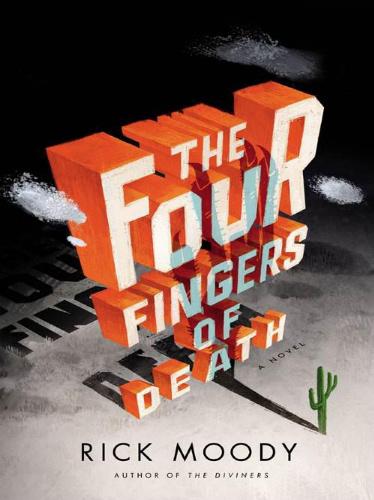
Montese Crandall is a downtrodden writer whose rare collection of baseball cards won't sustain him, financially or emotionally, through the grave illness of his wife. Luckily, he swindles himself a job churning out a novelization of the 2025 remake of a 1963 horror classic, "The Crawling Hand." Crandall tells therein of the United States, in a bid to regain global eminence, launching at last its doomed manned mission to the desolation of Mars. Three space pods with nine Americans on board travel three months, expecting to spend three years as the planet's first colonists. When a secret mission to retrieve a flesh-eating bacterium for use in bio-warfare is uncovered, mayhem ensues.
Only a lonely human arm (missing its middle finger) returns to earth, crash-landing in the vast Sonoran Desert of Arizona. The arm may hold the secret to reanimation or it may simply be an infectious killing machine. In the ensuing days, it crawls through the heartbroken wasteland of a civilization at its breaking point, economically and culturally-a dystopia of lowlife, emigration from America, and laughable lifestyle alternatives.
The Four Fingers of Death is a stunningly inventive, sometimes hilarious, monumental novel. It will delight admirers of comic masterpieces like Slaughterhouse-Five, The Crying of Lot 49, and Catch-22.
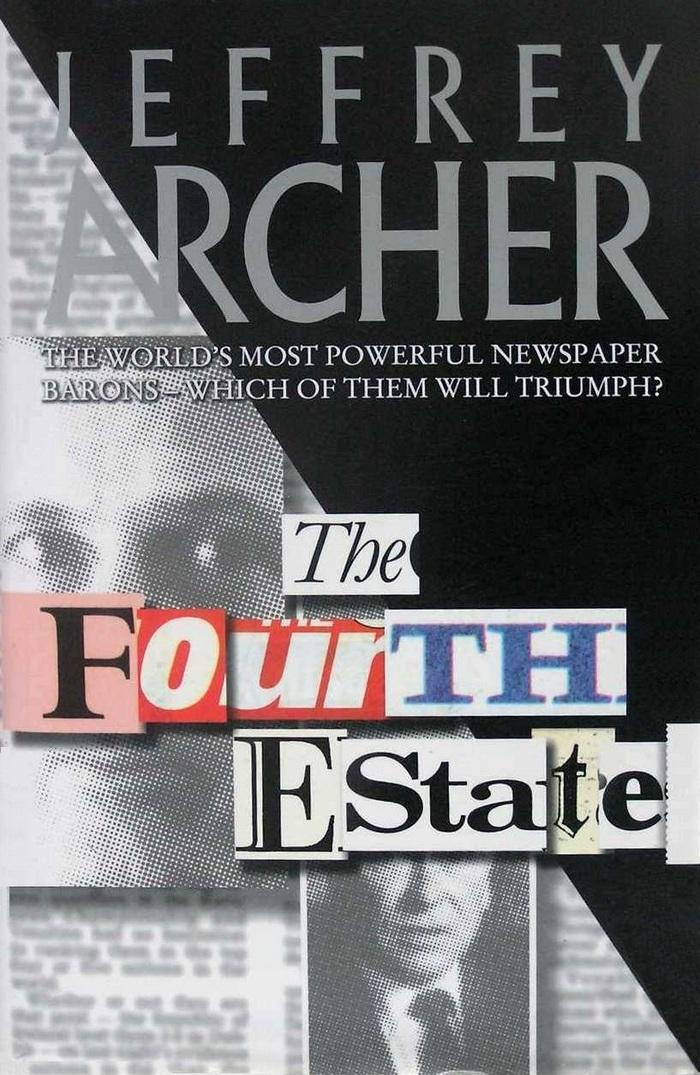
At first glance, Richard Armstrong and Keith Townsend seemed to have little in common. One was the son of an illiterate peasant, who emerged from the most backward corner of a Europe ravaged by a bitter war. The other was raised in a mansion on the far side of the world while the war was just another piece of news.
One was a hustler, a thief, ready to change his story, even his identity, if it would gain him a momentary advantage. The other was the scion of a well-known family, groomed for a public role from his earliest years, a rebel who didn’t care if anyone approved of what he got up to.
One craved wealth, recognition, status. The other quickly discovered that real power comes from anonymity. But they did have one thing in common. Both of them were gamblers. Both were prepared to risk everything in their battle to control the biggest newspaper empire in the world.
Only one of them could triumph...