 fb2
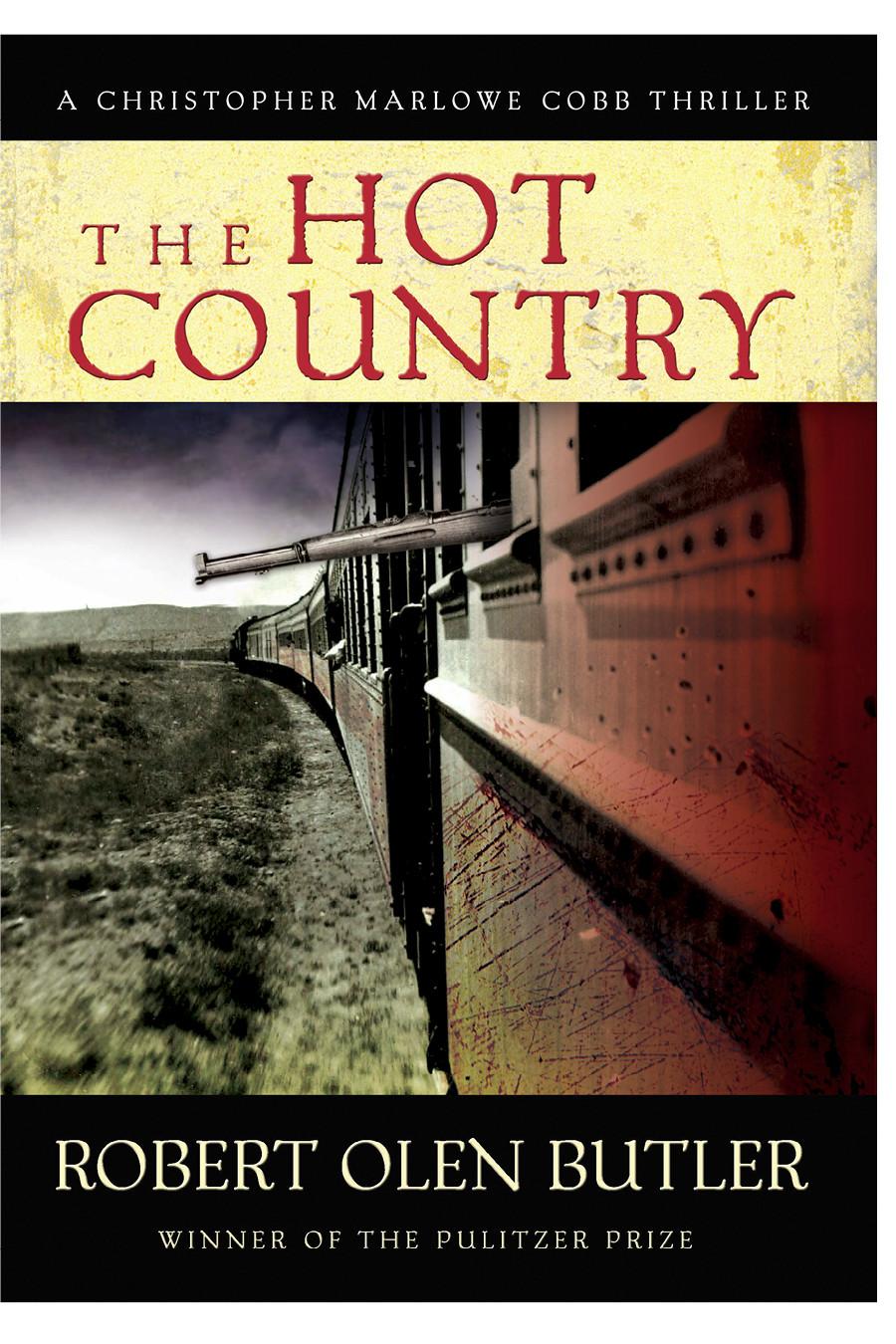
fb2In The Hot Country, Christopher Marlowe Cobb (“Kit”), the swashbuckling early 20th century American newspaper war correspondent travels to Mexico in April and May of 1914, during that country’s civil war, the American invasion of Vera Cruz and the controversial presidency of Victoriano Huerta, El Chacal (The Jackal). Covering the war in enemy territory and sweltering heat, Cobb falls in love with Luisa, a young Mexican laundress, who is not as innocent as she seems.
The intrepid war reporter soon witnesses a priest being shot. The bullet rebounds on the cross the holly man wears around his neck and leaves him unharmed. Cobb employs a young pickpocket to help him find out the identity of the sniper and, more importantly, why important German officials are coming into the city in the middle of the night from ammunition ships docked in the port.
An exciting tale of intrigue and espionage, Butler’s powerful crime-fiction debut is a thriller not to be missed.

A man who writes a hotel review-column for a newspaper is given the wrong key card when he checks in to a hotel, and he opens the door to the wrong room. Instead of finding an empty room he stumbles onto a porn shoot. Eventually he meets the woman who arranged the filming and becomes obsessed with her.
John living was born in Exeter, New Hampshire, in 1942, and he once admitted that he was a “grim” child. Although he excelled in English at school and knew by the time he graduated that he wanted to write novels, it was not until he met a young Southern novelist named John Yount, at the University of New Hampshire, that he received encouragement. “It was so simple,” he remembers. “Yount was the first person to point out that anything I did except writing was going to be vaguely unsatisfying.”
In 1963, Irving enrolled at the Institute of European Studies in Vienna, and he later worked as a university lecturer. His first novel, Setting Free the Bears, about a plot to release all the animals from the Vienna Zoo, was followed by The Water-Method Man, a comic tale of a man with a urinary complaint, and The 158-Pound Marriage, which exposes the complications of spouse-swapping. Irving achieved international recognition with The World According to Garp, which he hoped would “cause a few smiles among the tough-minded and break a few softer hearts.”
The Hotel New Hampshire is a startlingly original family saga, and The Cider House Rules is the story of Doctor Wilbur Larch—saint, obstetrician, founder of an orphanage, ether addict and abortionist—and of his favourite orphan, Homer Wells, who is never adopted. A Prayer for Owen Meany features the most unforgettable character he has yet created. A Son of the Circus is an extraordinary evocation of modern day India. John Irvin’ latest and most ambitious novel is A Widow for One Year.
Copyright © Garp Enterprises Ltd 1981
“A Birthday Candle” Copyright © 1957 by Donald Justice. This poem first appeared in The New Yorker.
“On the death of Friends and Childhood” Copyright © 1959 by Donald Justice.
“Love Stratagems” Copyright © 1958 by Donald Justice. This poem first appeared in The New Yorker.
“To a Ten-Months’ Child” Copyright © 1960 by Donald Justice.
“Tales from a Family Album” Copyright © 1957 by Donald Justice. These poems reprinted from The Summer Anniversaries by permission of Wesleyan University Press.
“The Evening of the Mind” Copyright © 1965 by Donald Justice. This poem first appeared in Poetry.
“The Tourist from Syracuse” Copyright © 1965 by Donald Justice.
“Men of Forty” Copyright © 1966 by Donald Justice. This poem first appeared in Poetry. These poems reprinted from Night Light by permission of Wesleyan University Press.
“I Forgot To Forget” Copyright © by permission of Stanley Kesler; Highlow Music Inc. 639 Madison Avenue, Memphis, Tn. 38130.
“I Love You Because” by Leon Payne Copyright © 1949 by Fred Rose Music, Inc. Used by permission of the Publisher. All rights reserved.
The novelist is indebted to the following works and wishes to express his gratitude to the authors: Fin-de-Siècle Vienna, by Carl E. Schorske; A Nervous Splendor, by Frederic Morton; Vienna Inside-Out, by J. Sydney Jones; Vienna, by David Pryce-Jones and the Editors of Time-Life Books; Lucia di Lammermoor, by Gaetano Donizetti, the Dover Opera Guide and Libretto Series, (introduced and translated by Ellen H. Bleiler); and The Interpretation of Dreams, by Sigmund Freud.
With special thanks to Donald Justice. And with special thanks and special affection—to Lesley Claire and the Sonoma County Rape Crisis Center of Santa Rosa, California.
On July 18, 1980 the Stanhope Hotel on Eighty-first and Fifth Avenue changed management and ownership and became the American Stanhope—a fine hotel currently not beset by the problems of the Stanhope described in this fiction.
John living was born in Exeter, New Hampshire, in 1942, and he once admitted that he was a “grim” child. Although he excelled in English at school and knew by the time he graduated that he wanted to write novels, it was not until he met a young Southern novelist named John Yount, at the University of New Hampshire, that he received encouragement. “It was so simple,” he remembers. “Yount was the first person to point out that anything I did except writing was going to be vaguely unsatisfying.”
In 1963, Irving enrolled at the Institute of European Studies in Vienna, and he later worked as a university lecturer. His first novel, Setting Free the Bears, about a plot to release all the animals from the Vienna Zoo, was followed by The Water-Method Man, a comic tale of a man with a urinary complaint, and The 158-Pound Marriage, which exposes the complications of spouse-swapping. Irving achieved international recognition with The World According to Garp, which he hoped would “cause a few smiles among the tough-minded and break a few softer hearts.”
The Hotel New Hampshire is a startlingly original family saga, and The Cider House Rules is the story of Doctor Wilbur Larch—saint, obstetrician, founder of an orphanage, ether addict and abortionist—and of his favourite orphan, Homer Wells, who is never adopted. A Prayer for Owen Meany features the most unforgettable character he has yet created. A Son of the Circus is an extraordinary evocation of modern day India. John Irving latest and most ambitious novel is A Widow for One Year.
Copyright © Garp Enterprises Ltd 1981
“A Birthday Candle” Copyright © 1957 by Donald Justice. This poem first appeared in The New Yorker.
“On the death of Friends and Childhood” Copyright © 1959 by Donald Justice.
“Love Stratagems” Copyright © 1958 by Donald Justice. This poem first appeared in The New Yorker.
“To a Ten-Months’ Child” Copyright © 1960 by Donald Justice.
“Tales from a Family Album” Copyright © 1957 by Donald Justice. These poems reprinted from The Summer Anniversaries by permission of Wesleyan University Press.
“The Evening of the Mind” Copyright © 1965 by Donald Justice. This poem first appeared in Poetry.
“The Tourist from Syracuse” Copyright © 1965 by Donald Justice.
“Men of Forty” Copyright © 1966 by Donald Justice. This poem first appeared in Poetry. These poems reprinted from Night Light by permission of Wesleyan University Press.
“I Forgot To Forget” Copyright © by permission of Stanley Kesler; Highlow Music Inc. 639 Madison Avenue, Memphis, Tn. 38130.
“I Love You Because” by Leon Payne Copyright © 1949 by Fred Rose Music, Inc. Used by permission of the Publisher. All rights reserved.
The novelist is indebted to the following works and wishes to express his gratitude to the authors: Fin-de-Siècle Vienna, by Carl E. Schorske; A Nervous Splendor, by Frederic Morton; Vienna Inside-Out, by J. Sydney Jones; Vienna, by David Pryce-Jones and the Editors of Time-Life Books; Lucia di Lammermoor, by Gaetano Donizetti, the Dover Opera Guide and Libretto Series, (introduced and translated by Ellen H. Bleiler); and The Interpretation of Dreams, by Sigmund Freud.
With special thanks to Donald Justice. And with special thanks and special affection—to Lesley Claire and the Sonoma County Rape Crisis Center of Santa Rosa, California.
On July 18, 1980 the Stanhope Hotel on Eighty-first and Fifth Avenue changed management and ownership and became the American Stanhope—a fine hotel currently not beset by the problems of the Stanhope described in this fiction.
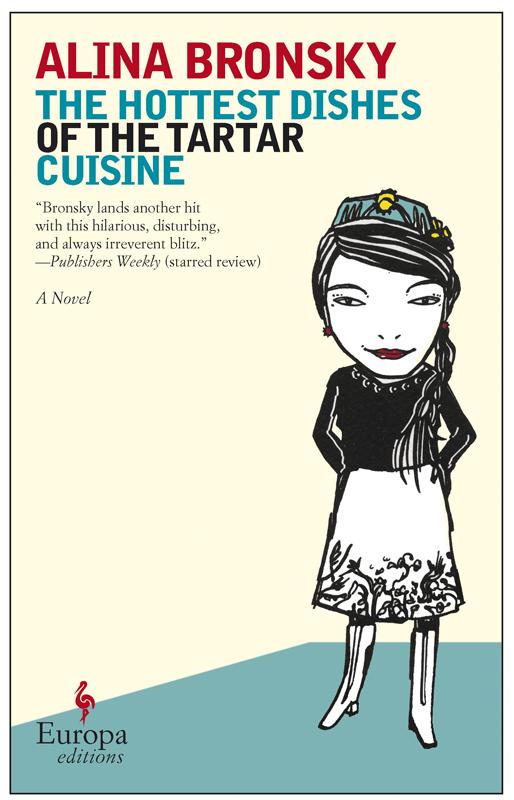
Rosa Achmetowna is the outrageously nasty and wily narrator of this rollicking family saga from the author of Broken Glass Park. When she discovers that her seventeen-year-old daughter, "stupid Sulfia," is pregnant by an unknown man she does everything to thwart the pregnancy, employing a variety of folkloric home remedies. But despite her best efforts the baby, Aminat, is born nine months later at Soviet Birthing Center Number 134. Much to Rosa's surprise and delight, dark eyed Aminat is a Tartar through and through and instantly becomes the apple of her grandmother's eye. While her good for nothing husband Kalganow spends his days feeding pigeons and contemplating death at the city park, Rosa wages an epic struggle to wrestle Aminat away from Sulfia, whom she considers a woefully inept mother. When Aminat, now a wild and willful teenager, catches the eye of a sleazy German cookbook writer researching Tartar cuisine, Rosa is quick to broker a deal that will guarantee all three women a passage out of the Soviet Union. But as soon as they are settled in the West, the uproariously dysfunctional ties that bind mother, daughter and grandmother begin to fray.
Told with sly humor and an anthropologist's eye for detail, The Hottest Dishes of the Tartar Cuisine is the story of three unforgettable women whose destinies are tangled up in a family dynamic that is at turns hilarious and tragic. In her new novel, Russian-born Alina Bronsky gives readers a moving portrait of the devious limits of the will to survive.
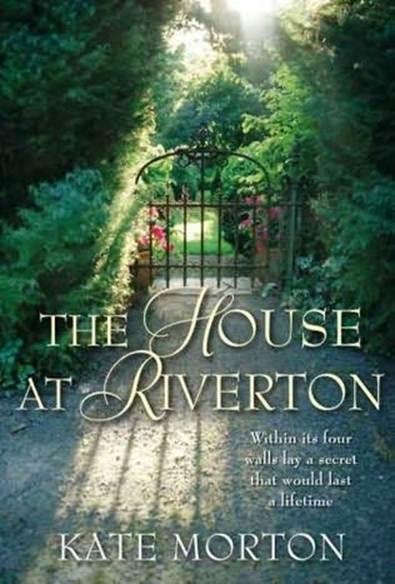
Sainsbury's Popular Fiction Award (nominee)
Summer 1924: On the eve of a glittering Society party, by the lake of a grand English country house, a young poet takes his life. The only witnesses, sisters Hannah and Emmeline Hartford, will never speak to each other again. Winter 1999: Grace Bradley, 98, one-time housemaid of Riverton Manor, is visited by a young director making a film about the poet's suicide. Ghosts awaken and memories, long-consigned to the dark reaches of Grace's mind, begin to sneak back through the cracks. A shocking secret threatens to emerge; something history has forgotten but Grace never could.
A thrilling mystery and a compelling love story, "The House at Riverton" will appeal to readers of Ian McEwan's "Atonement", L P Hartley's "The Go-Between", and lovers of the film "Gosford Park".
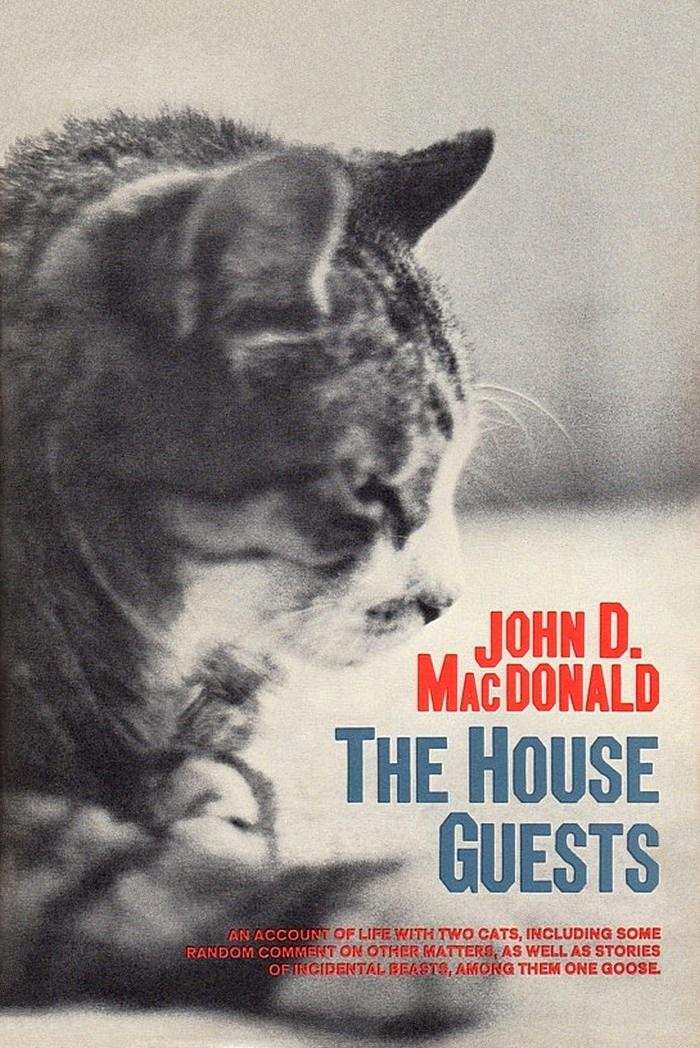
At rare intervals we find ourselves in the odd position of publishing a book we cannot describe on the jacket flap. This is a baffling sample of the genre. On the most obvious level, it is a wry, unsentimental, perceptive account of how to co-exist with two cats of astonishing longevity. On another level, it is an illuminating portion of informal autobiography of one of the more successful writers of fiction of our times. Additionally, it is a careful, authentic observation of the domesticated feline, of Roger and Geoffrey, gentleman cats of humor, intelligence, protocol, and delicately savage heritage. Perhaps most interesting of all is this backstage glimpse of the writer at home, his perceptions and prejudices, his use of the materials of life, in homes in Texas, New York, Mexico, and Florida, while he was publishing six hundred pieces of magazine fiction and forty-seven novels. Wondering how to classify this intriguing work, we asked Mr. MacDonald’s advice, and he wrote to us saying, “Your guess will be better than mine. All I know is that some years back I decided to do a book about cats, and related matters. Roger is pushing twenty. I think it would be nice to award him a little neighborhood adulation while he is still one of the group.”
All we know is that those who never make the acquaintance of one house guest, a goose named Knees, are impoverishing themselves. And we predict Ol’ Rog is due for more than “a little neighborhood adulation.”
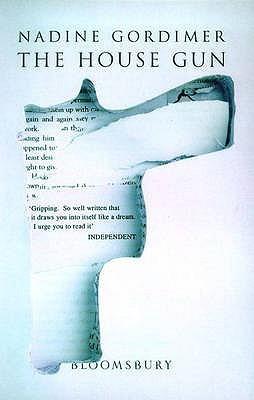
A house gun, like a house cat: a fact of ordinary life, today. How else can you defend yourself against losing your hi-fi equipment, your TV set and computer? The respected Executive Director of an insurance company, Harald, and his doctor wife, Claudia, are faced with something that could never happen to them: their son, Duncan, has committed murder. What kind of loyalty do a mother and father owe a son who has committed the unimaginable horror? How could he have ignored the sanctity of human life? What have they done to influence his character; how have they failed him? Nadine Gordimer's new novel is a passionate narrative of the complex manifestations of that final test of human relations we call love — between lovers of all kinds, and parents and children. It moves with the restless pace of living itself; if it is a parable of present violence, it is also an affirmation of the will to reconciliation that starts where it must, between individual men and women.
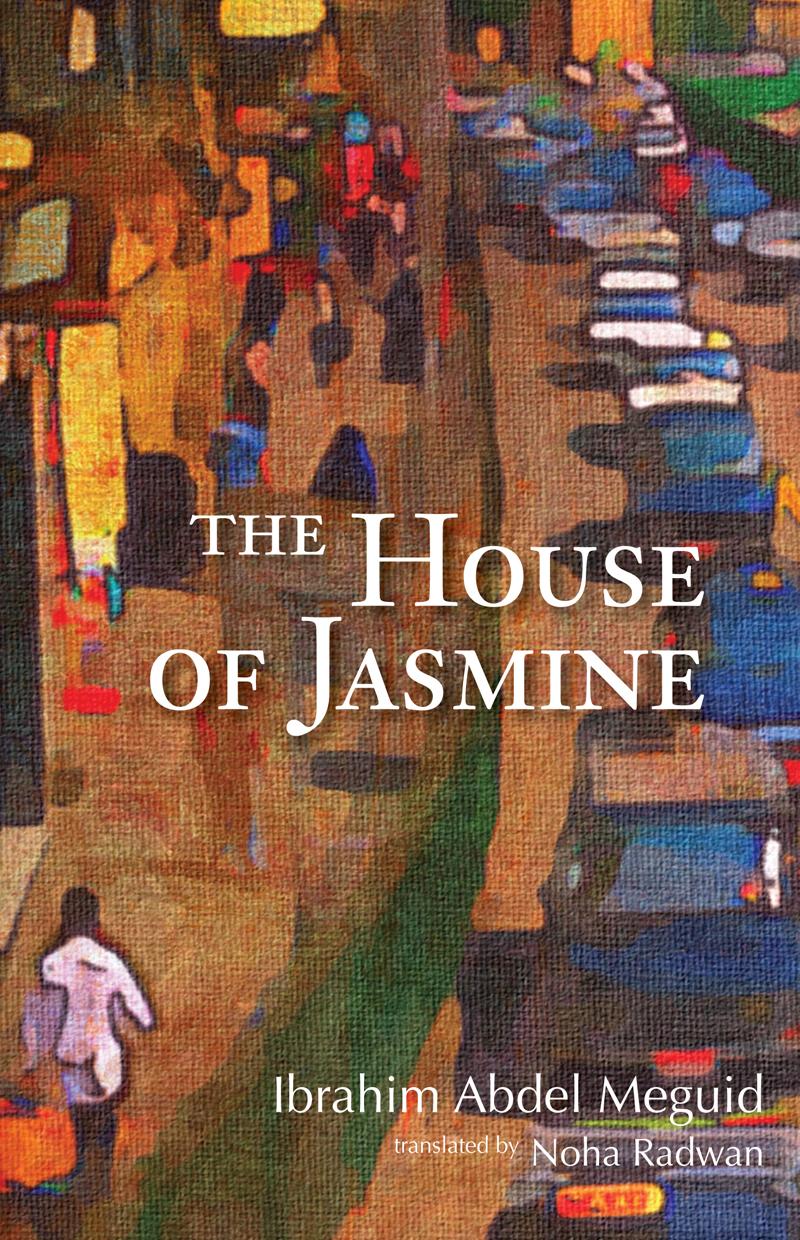
On June 13, 1974, Shagara, a low-level employee at the Alexandria shipyard, is charged with taking workers to cheer for the motorcade of Egyptian President Sadat and his guest President Nixon. Instructed to pay each worker half a pound at the end of Nixon’s visit, Shagara pays them half that, spares them the festivities, and pockets the difference. So begins The House of Jasmine, which follows Shagara, a loner who yearns for female companionship, as he traverses the city of Alexandria and tries to parse his feelings toward its changing landscape. With moving candor and refreshing humor, The House of Jasmine is Shagara’s intimate account of life in the Sadat era — the comic and the tragic, the surreal and the absurd.
Within the humor of this novel is nestled an indicting eyewitness account of this essential period of Egyptian history. “Abdel Meguid has invented a narrative form that is highly effective in capturing the absurdity of social and political life in Egypt during the seventies,” as one critic has written. In his classic work The House of Jasmine, one can observe the social changes and popular sentiments that comprise the prologue for the Egyptian revolution of January 2011.
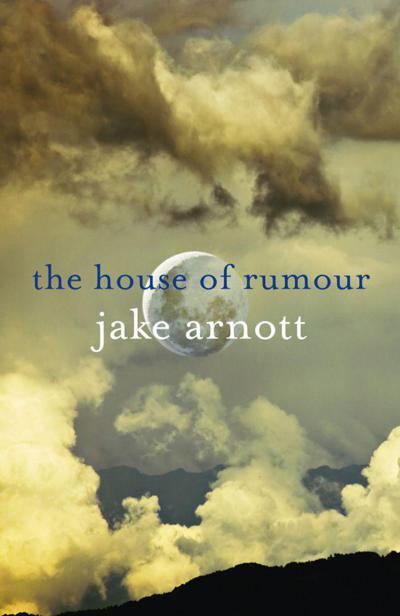
Larry Zagorski spins wild tales of fantasy worlds for pulp magazines. But as the Second World War hangs in the balance, the lines between imagination and reality are starting to blur.
In London, spymasters enlist occultists in the war of propaganda. In Southern California, a charismatic rocket scientist summons dark forces and an SF writer founds a new religion. In Munich, Nazis consult astrologists as they plot peace with the West and dominion over the East. And a conspiracy is born that will ripple through the decades to come.
The truth, it seems, is stranger than anything Larry could invent. But when he looks back on the 20th century, the past is as uncertain as the future. Just where does truth end and illusion begin?
THE HOUSE OF RUMOUR is a novel of soaring ambition, a mind-expanding journey through the ideas that have put man on the moon yet brought us to the brink of self-destruction.
What will you believe?
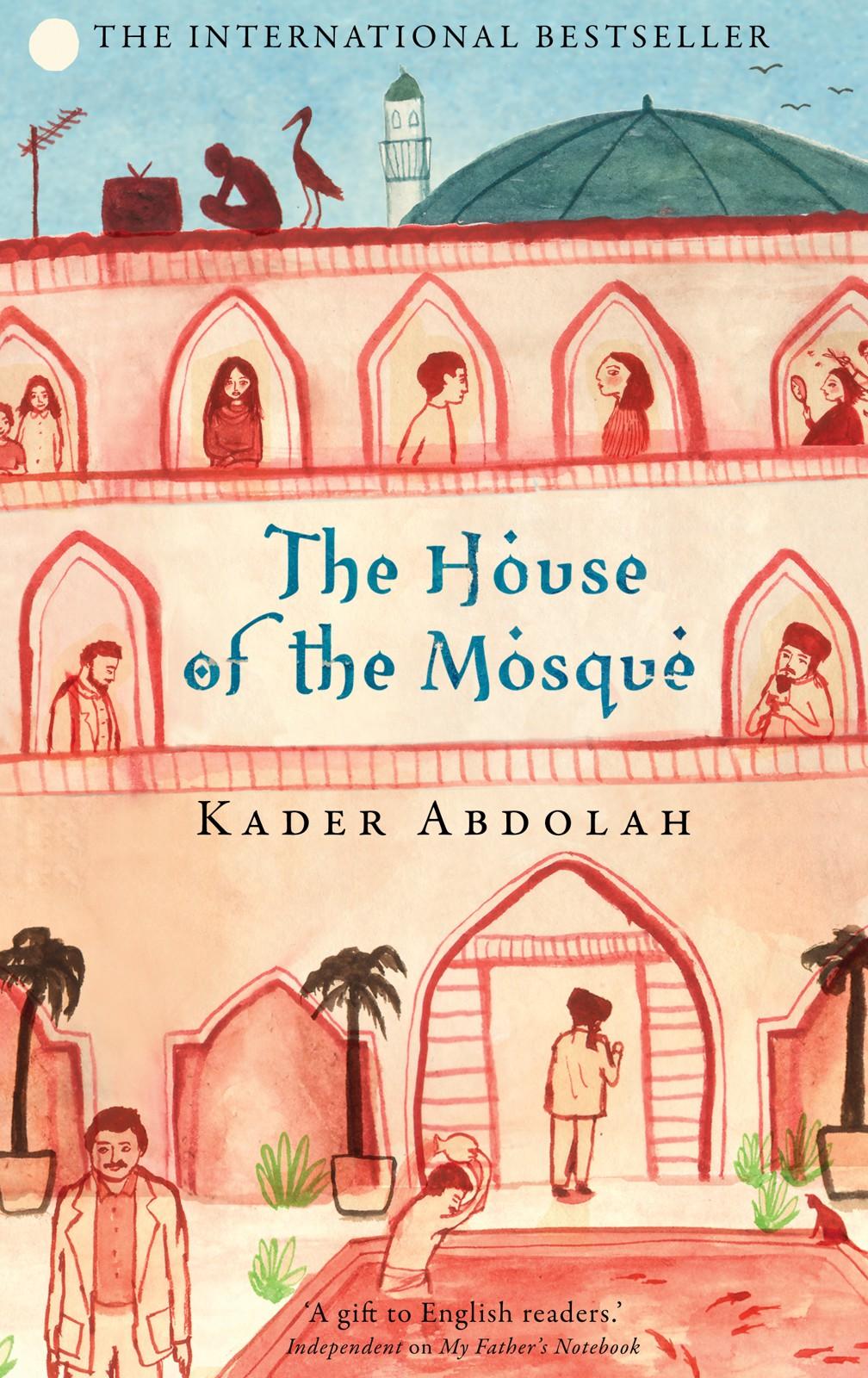
A sweeping, compelling story which brings to life the Iranian Revolution, from an author who experienced it first-hand.
In the house of the mosque, the family of Aqa Jaan has lived for eight centuries. Now it is occupied by three cousins: Aqa Jaan, a merchant and head of the city's bazaar; Alsaberi, the imam of the mosque; and Aqa Shoja, the mosque's muezzin. The house itself teems with life, as each of their families grows up with their own triumphs and tragedies.
Sadiq is waiting for a suitor to knock at the door to ask for her hand, while her two grandmothers sweep the floors each morning dreaming of travelling to Mecca. Meanwhile, Shahbal longs only to get hold of a television to watch the first moon landing. All these daily dramas are played out under the watchful eyes of the storks that nest on the minarets above.
But this family will experience upheaval unknown to previous generations. For in Iran, political unrest is brewing. The shah is losing his hold on power; the ayatollah incites rebellion from his exile in France; and one day the ayatollah returns. The consequences will be felt in every corner of Aqa Jaan's family.
Nobel prize-winning author Yasunari Kawabata is noted for his combination of a traditional Japanese aesthetic with modernist, often surreal trends. In these three tales, superbly translated by Edward Seidensticker, erotic fantasy is underlaid with longing and memories of past loves.
In the title story, the protagonist visits a brothel where elderly men spend a chaste but lecherous night with a drugged, unconscious virgin. As he admires the girl’s beauty, he recalls his past womanizing, and reflects on the relentless course of old age.
In One Arm, a young girl removes her right arm and gives it to the narrator to take home for the night; a surreal seduction follows as he tries to allay its fears, caresses it, and even replaces his own right arm with it.
The protagonist of Of Birds and Beasts prefers the company of his pet birds and dogs to people, yet for him all living beings are beautiful objects which, though they give him pleasure, he treats with casual cruelty.
Beautiful yet chilling, richly poetic yet subtly disturbing, these stories make compelling reading and reaffirm Kawabata’s status as a world-class writer.

With a New Introduction by Jonathan Franzen.
There’s Rob, Bob, Tom, Paul, Ralph, and Noah; Nick, Dennis, Bertram, Russell, and Virgil. The doctor, the documentary filmmaker, and the sculptor in burning steal; the eldest, the youngest, and the celebrated “perfect” brother, Benedict. In Donald Antrim’s mordantly funny novel The Hundred Brothers, our narrator and his colossal fraternity of ninety-eight brothers (one couldn’t make it) have assembled in the crumbling library of their family’s estate for a little sinister fun. Executed with the invention and intelligence of Barthelme and Pynchon, Antrim’s taxonomy of male specimens is in equal proportions disturbing and absurdly hilarious.
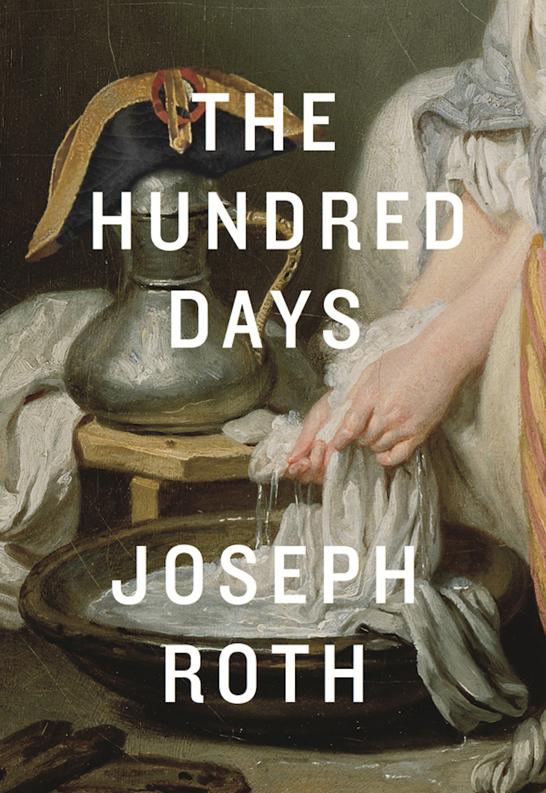
The incomparable Joseph Roth imagines Emperor Napoleon's last grab at glory, the hundred days spanning his escape from Elba to his final defeat at Waterloo. This particularly poignant work, set in the first half of 1815 and largely in Paris, is told from two perspectives, that of Napoleon himself and that of the lowly, devoted palace laundress Angelica — an unlucky creature who deeply loves him. In The Hundred Days, Roth refracts the deep sorrow of their intertwined fates.
Roth's signature lyrical elegance and haunting atmospheric details sing in The Hundred Days. "There may be," as James Wood has stated, "no modern writer more able to combine the novelistic and the poetic, to blend lusty, undamaged realism with sparkling powers of metaphor and simile."
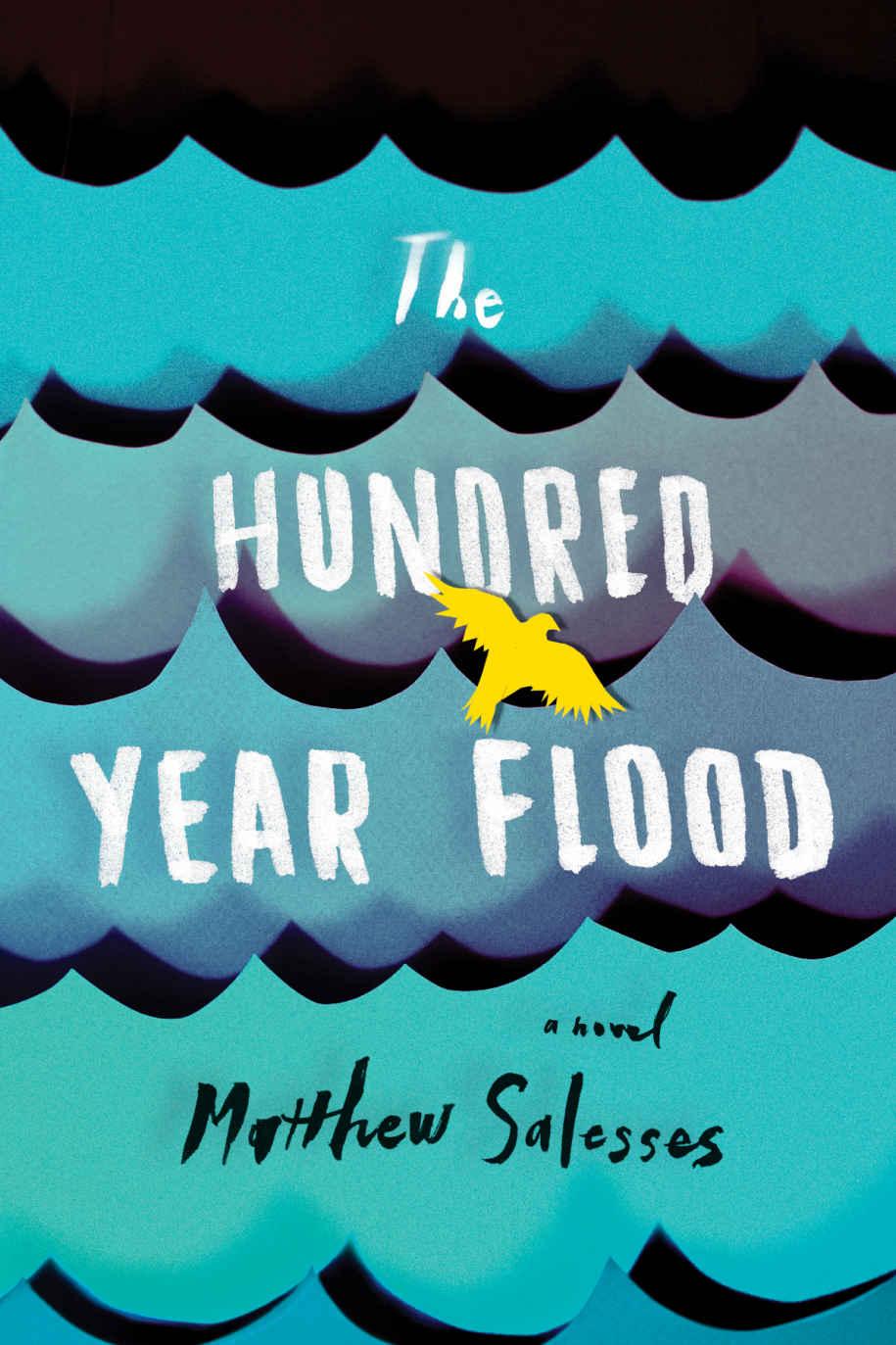
In the shadow of a looming flood that comes every one hundred years, Tee tries to convince himself that living in a new place will mean a new identity and a chance to shed the parallels between him and his adopted father.
This beautiful and dreamlike story follows Tee, a twenty-two-year-old Korean-American, as he escapes to Prague in the wake of his uncle’s suicide and the aftermath of 9/11. His life intertwines with Pavel, a painter famous for revolution; Katka, his equally alluring wife; and Pavel's partner — a giant of a man with an American name. As the flood slowly makes its way into the old city, Tee contemplates his own place in life as both mixed and adopted and as an American in a strange land full of heroes, myths, and ghosts.
In the tradition of Native Speaker and The Family Fang, the Good Men Project’s Matthew Salesses weaves together the tangled threads of identity, love, growing up, and relationships in his stunning first novel, The Hundred-Year Flood.
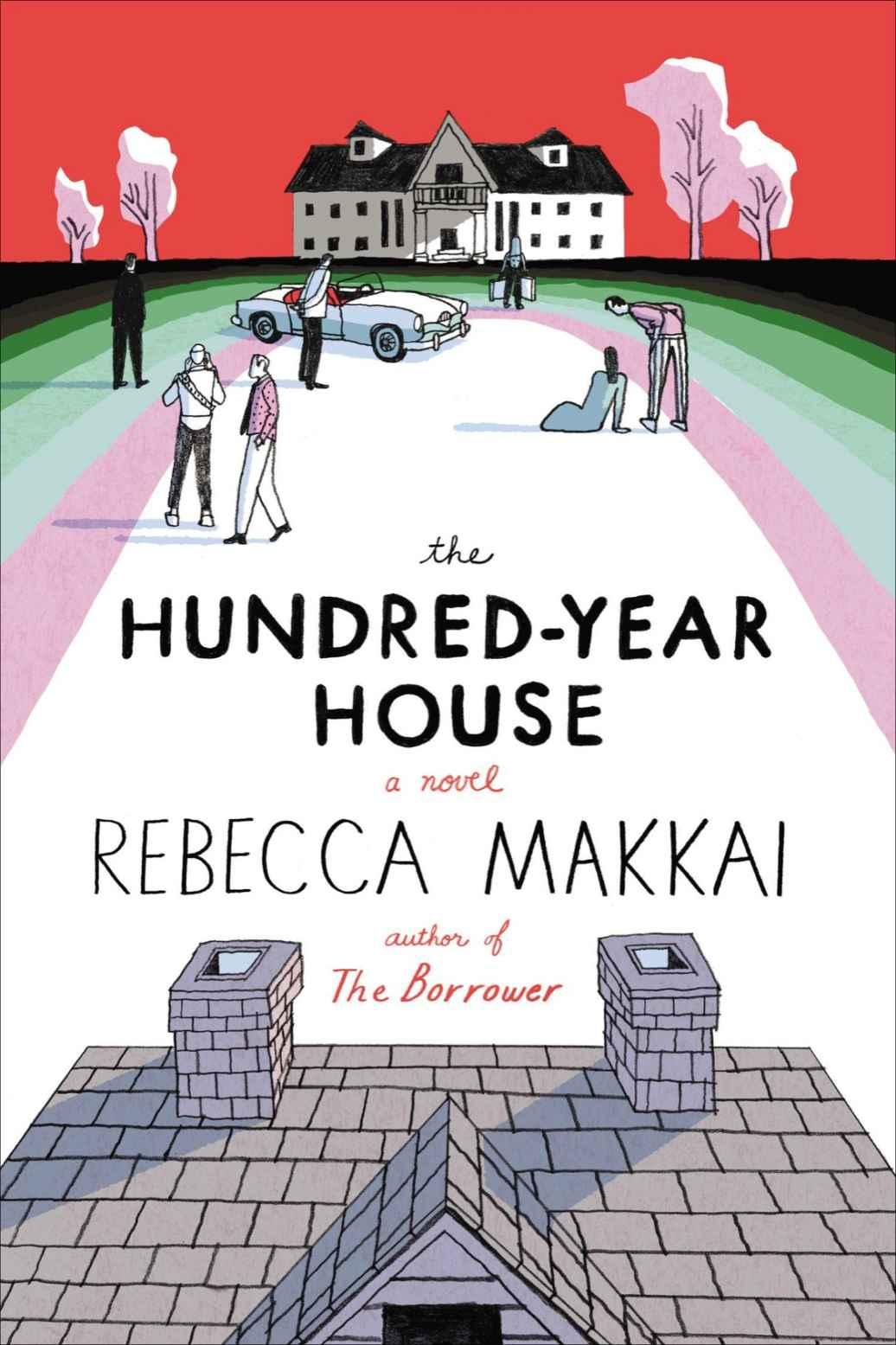
Meet the Devohrs: Zee, a Marxist literary scholar who detests her parents’ wealth but nevertheless finds herself living in their carriage house; Gracie, her mother, who claims she can tell your lot in life by looking at your teeth; and Bruce, her step-father, stockpiling supplies for the Y2K apocalypse and perpetually late for his tee time. Then there’s Violet Devohr, Zee’s great-grandmother, who they say took her own life somewhere in the vast house, and whose massive oil portrait still hangs in the dining room.
The Hundred-Year House unfolds a generational saga in reverse, leading the reader back in time on a literary scavenger hunt as we seek to uncover the truth about these strange people and this mysterious house. With intelligence and humor, a daring narrative approach, and a lovingly satirical voice, Rebecca Makkai has crafted an unforgettable novel about family, fate and the incredible surprises life can offer.
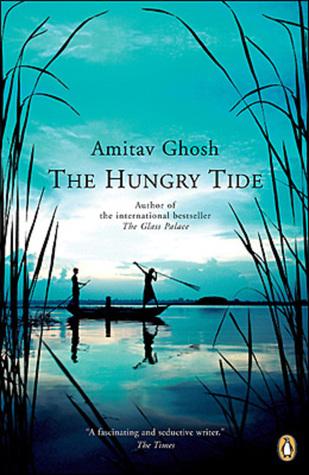
Off the easternmost coast of India lies the immense archipelago of tiny islands known as the Sundarbans. Life here is precarious, ruled by the unforgiving tides and the constant threat of attack by Bengal tigers. Into this place of vengeful beauty come two seekers from different worlds, whose lives collide with tragic consequences.
The settlers of the remote Sundarbans believe that anyone without a pure heart who ventures into the watery island labyrinth will never return. With the arrival of two outsiders from the modern world, the delicate balance of small community life uneasily shifts. Piya Roy is a marine biologist, of Indian descent but stubbornly American, in search of a rare dolphin. Kanai Dutt is an urbane Delhi businessman, here to retrieve the journal of his uncle who died mysteriously in a local political uprising. When Piya hires an illiterate but proud local fisherman to guide her through the crocodile-infested backwaters, Kanai becomes her translator. From this moment, the tide begins to turn.
A contemporary story of adventure and romance, identity and history, The Hungry Tide travels deep into one of the most fascinating regions on earth, where the treacherous forces of nature and human folly threaten to destroy a way of life.
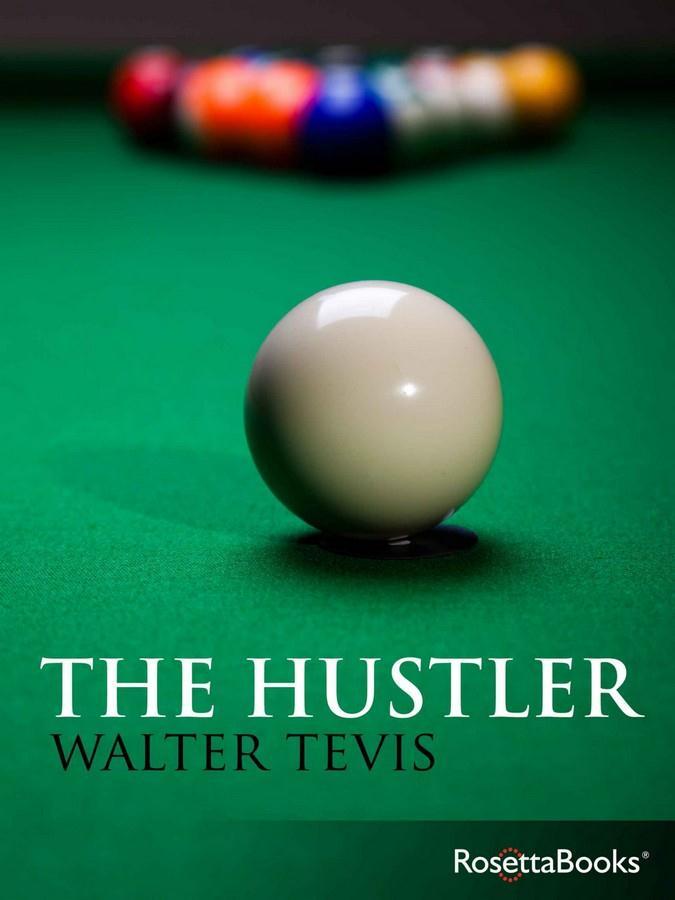
The Hustler is about the victories and losses of one "Fast" Eddie Felson, a poolroom hustler who travels from town to town conning strangers into thinking they could beat him at the game when in fact, he is a skillful player who has never lost a game. Until he meets his match in Minnesota Fats, the true king of the poolroom, causing his life to change drastically.
This is a classic tale of a man's struggle with his soul and his self-esteem.
When it was first published in 1959, The Hustler was the first—and the best—novel written about billiards in the 400-year history of the game. The book quickly won a respected readership and later an audience for the movie with the same name starring Paul Newman and Jackie Gleason.
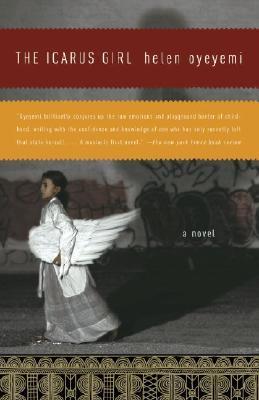
Jessamy “Jess” Harrison, age eight, is the child of an English father and a Nigerian mother. Possessed of an extraordinary imagination, she has a hard time fitting in at school. It is only when she visits Nigeria for the first time that she makes a friend who understands her: a ragged little girl named TillyTilly. But soon TillyTilly’s visits become more disturbing, until Jess realizes she doesn’t actually know who her friend is at all. Drawing on Nigerian mythology, Helen Oyeyemi presents a striking variation on the classic literary theme of doubles — both real and spiritual — in this lyrical and bold debut.