
 fb2
fb2
Twenty-one, passionate and headstrong, Ann Veronica Stanley is determined to live her own life. When her father forbids her attending a fashionable ball, she decides she has no choice but to leave her family home and make a fresh start in London. There, she finds a world of intellectuals, socialists and suffragettes — a place where, as a student in biology at Imperial College, she can be truly free. But when she meets the brilliant Capes, a married academic, and quickly falls in love, she soon finds that freedom comes at a price.
A fascinating description of the women's suffrage movement, Ann Veronica offers an optimistic depiction of one woman's sexual awakening and search for independence.
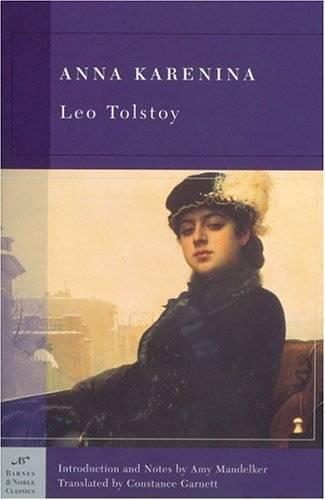
Some people say Anna Karenina is the single greatest novel ever written, which makes about as much sense to me as trying to determine the world's greatest color. But there is no doubt that Anna Karenina, generally considered Tolstoy's best book, is definitely one ripping great read. Anna, miserable in her loveless marriage, does the barely thinkable and succumbs to her desires for the dashing Vronsky. I don't want to give away the ending, but I will say that 19th-century Russia doesn't take well to that sort of thing.
Some people say Anna Karenina is the single greatest novel ever written, which makes about as much sense to me as trying to determine the world's greatest color. But there is no doubt that Anna Karenina, generally considered Tolstoy's best book, is definitely one ripping great read. Anna, miserable in her loveless marriage, does the barely thinkable and succumbs to her desires for the dashing Vronsky. I don't want to give away the ending, but I will say that 19th-century Russia doesn't take well to that sort of thing.
Ļevs Tolstojs
Anna Kareņina
Romāns astoņās daļās
Daļas V—VIII
Izdevniecība «Liesma» Rīga 1970
Tulkojis Jūlijs Vanags Māksliniece Māra Rikmane
Ļevs Tolstojs
Anna Kareņina
Anna Kareņina, šķietami laimīga augstākās sabiedrības dāma, atsakās no ierastās, ērtās, bet garlaicīgās ģimenes dzīves un izvēlas mīlestību – viņa pamet vīru un dēlu, lai sāktu jaunu dzīvi kopā ar grāfu Vronski. Tomēr līdz ar mīlestību Annas dzīvē ienāk sabiedrības nosodījums un vientulība. Anna dzīvo ilūzijās, ka mīlestība un tās vārdā nestais upuris nodrošinās mūžīgu laimi, bet ikdiena atšķiras no iztēlotā ideāla. Zūd robeža starp iedomām un realitāti, pavīd šaubas par mīļotā vīrieša uzticību…
Romāns “Anna Kareņina” ir saviļņojošs mīlas stāsts un vienlaikus episks vēstījums par laikmetu, kas dzīves stila, sabiedrībā valdošo uzskatu un paradumu ziņā ir ļoti atšķirīgs no mūsdienām, savukārt cilvēku savstarpējās attiecības, mīlestība, cerības un vilšanās ir mūžsenas un vienmēr aktuālas.
KOPOTI RAKSTI VIII
Romāns
Noskannējis grāmatu un failu izveidojis Imants Ločmelis
Tulkojis Jūlijs Vanags
MAN PIEDER ATRIEBŠANA, UN ES SODĪŠU.

Russie, 1880. Anna Karénine, est une jeune femme de la haute société de Saint-Pétersbourg. Elle est mariée à Alexis Karénine un haut fonctionnaire de l'administration impériale, un personnage austère et orgueilleux. Ils ont un garçon de huit ans, Serge. Anna se rend à Moscou chez son frère Stiva Oblonski. En descendant du train, elle croise le comte Vronski, venu à la rencontre de sa mère. Elle tombe amoureuse de Vronski, cet officier brillant, mais frivole. Ce n'est tout d'abord qu'un éclair, et la joie de retrouver son mari et son fils lui font croire que ce sera un vertige sans lendemain. Mais lors d'un voyage en train, quand Vronski la rejoint et lui déclare son amour, Anna réalise que la frayeur mêlée de bonheur qu'elle ressent à cet instant va changer son existence. Anna lutte contre cette passion. Elle finit pourtant par s'abandonner avec un bonheur coupable au courant qui la porte vers ce jeune officier. Puis Anna tombe enceinte. Se sentant coupable et profondément déprimée par sa faute, elle décide d'avouer son infidélité à son mari…
Cette magnifique et tragique histoire d'amour s'inscrit dans un vaste tableau de la société russe contemporaine. En parallèle, Tolstoï brosse le portrait de deux autres couples: Kitty et Lévine, Daria et Oblonski. Il y évoque les différentes facettes de l'émancipation de la femme, et dresse un tableau critique de la Russie de la fin du XIXe siècle.

Russie, 1880. Anna Karénine, est une jeune femme de la haute société de Saint-Pétersbourg. Elle est mariée à Alexis Karénine un haut fonctionnaire de l'administration impériale, un personnage austère et orgueilleux. Ils ont un garçon de huit ans, Serge. Anna se rend à Moscou chez son frère Stiva Oblonski. En descendant du train, elle croise le comte Vronski, venu à la rencontre de sa mère. Elle tombe amoureuse de Vronski, cet officier brillant, mais frivole. Ce n'est tout d'abord qu'un éclair, et la joie de retrouver son mari et son fils lui font croire que ce sera un vertige sans lendemain. Mais lors d'un voyage en train, quand Vronski la rejoint et lui déclare son amour, Anna réalise que la frayeur mêlée de bonheur qu'elle ressent à cet instant va changer son existence. Anna lutte contre cette passion. Elle finit pourtant par s'abandonner avec un bonheur coupable au courant qui la porte vers ce jeune officier. Puis Anna tombe enceinte. Se sentant coupable et profondément déprimée par sa faute, elle décide d'avouer son infidélité à son mari…
Cette magnifique et tragique histoire d'amour s'inscrit dans un vaste tableau de la société russe contemporaine. En parallèle, Tolstoï brosse le portrait de deux autres couples: Kitty et Lévine, Daria et Oblonski. Il y évoque les différentes facettes de l'émancipation de la femme, et dresse un tableau critique de la Russie de la fin du XIXe siècle.
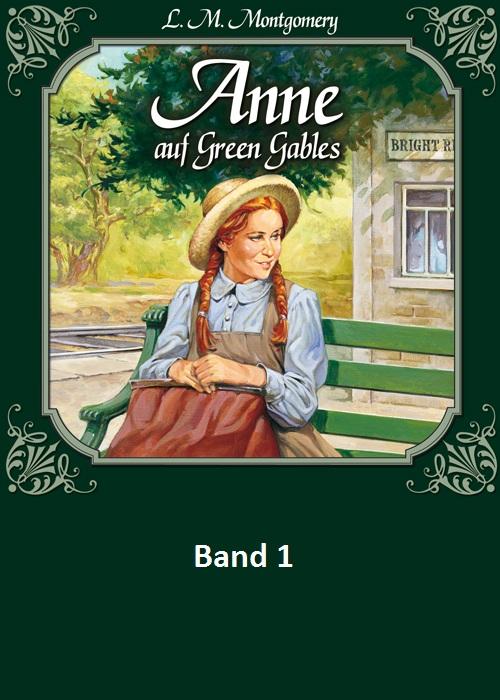
Wie sollen die Cuthberts nur mit der springlebendigen Anne zurechtkommen, die für allerhand Trubel und Aufregung in ihrem bisher so beschaulichen Leben sorgt? Die liebenswerte Geschichte einer 13-jährigen Waise, die von einem älteren Paar adoptiert wird und Kindheit sowie Jugend auf der Farm Green Gables verbringt.
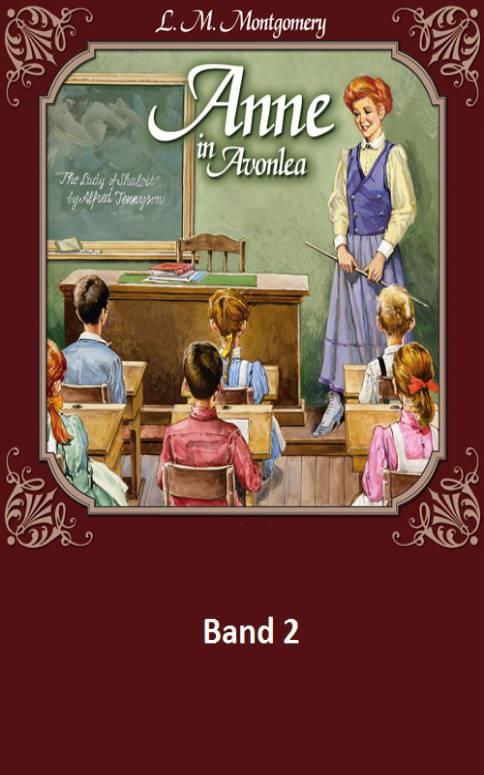
Ihr hitziges Temperament und ihre karottenroten Haare sind für die 16-jährige Anne eine echte Plage. Und es dauert zwei sehr ereignisreiche Sommer, bis sie merkt, dass sie gerade deswegen so liebenswert ist. Die hinreissende Geschichte der ungestümen Anne, die das verschlafene Avonlea gehörig durcheinanderwirbelt.

Рассказ вошёл в сборники:
Quicker Than The Eye (В мгновение ока)
Bradbury Stories: 100 of His Most Celebrated Tales (Сборник ста лучших рассказов)



When inspiration leads Theodore Gumbril to design a type of pneumatic trouser to ease the discomfort of sedentary life, he decides the time has come to give up teaching and seek his fortune in the metropolis. He soon finds himself caught up in the hedonistic world of his friends Mercaptan, Lypiatt and the thoroughly civilised Myra Viveash, and his burning ambitions begin to lose their urgency… Wickedly funny and deliciously barbed, the novel epitomises the glittering neuroticism of the Twenties.
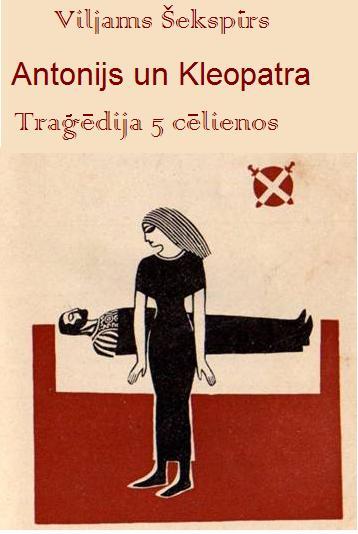
Viljams Šekspīrs
Antonijs un Kleopatra
Traģēdija 5 cēlienos
Tāpat kā Jūlijā Cēzarā, arī Antonijā un Kleopatrā Šekspīrs stingri turējies pie Plutarha biogrāfiskā stāstījuma par Marku Antoniju. Šekspīrs sižetā gandrīz neko nav mainījis, bet devis daudz jauna galveno personu raksturojumā un varoņu likteņu un darbības izpratnē. Šekspīrs tālāk attīstījis Antonija tēlu, kas it kā tikai ieskicēts Jūlijā Cēzara. Avantūrista un bezrūpīga epikūrieša vaibsti, turklāt drosme un augstsirdība — visas šīs īpašības līdzsvarotas Antonija rakstiļp. Nevienā citā Šekspīra lugā nav tāda rakstura, ko tik stipri būtu ietekmējis laikmets un tā parašas. Antonijs ir sava laika cilvēks, kad vārds «godīgums» un «uzticība» kļuvuši par tukšām skaņām.
Tulkojis Jānis Rainis
«Liesma» - 1965
Noskannējis grāmatu un FB2 failu izveidojis Imants Ločmelis
Alfreds Amenda
Apasionāta
Romāns par Ludviga van Bēthovena dzīvi
Tulk.: 1. un 2. d. Lūcija Rambeka, 3. un 4. d. M. Danneberga
Noskanējis grāmatu un failu izveidojis Imants Ločmelis imantslochmelis@inbox.lv
Izdevniecība «Liesma» Rīgā 1965

APKAUNOTAIS
DŽEKS LONDONS
KOPOTI RAKSTI 5.SĒJUMS
APKAUNOTAIS
sastādījusi Tamara Zālīte
NO ANGĻU VALODAS TULKOJUSI ANNA BAUGA, ILGA MELNBARDE un OJĀRS SARMA MĀKSLINIEKS ĀDOLFS LIELAIS
Tulkojums latviešu valodā, «Liesma», 1975
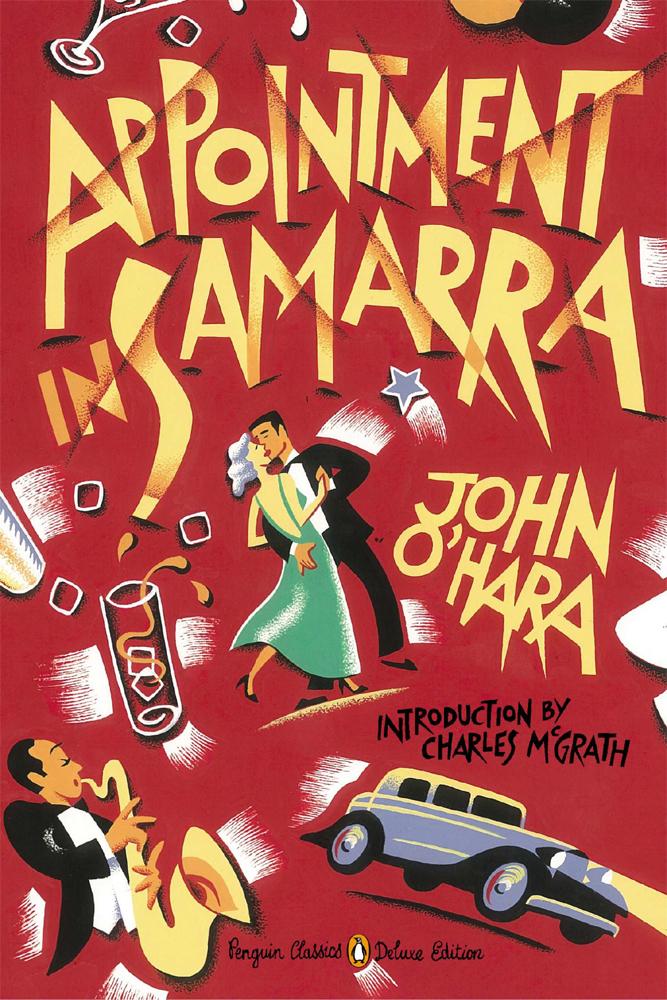
One of the great novels of small-town American life, Appointment in Samarra is John O’Hara’s crowning achievement. In December 1930, just before Christmas, the Gibbsville, Pennsylvania, social circuit is electrified with parties and dances. At the center of the social elite stand Julian and Caroline English. But in one rash moment born inside a highball glass, Julian breaks with polite society and begins a rapid descent toward self-destruction. Brimming with wealth and privilege, jealousy and infidelity, O’Hara’s iconic first novel is an unflinching look at the dark side of the American dream—and a lasting testament to the keen social intelligence of a major American writer.
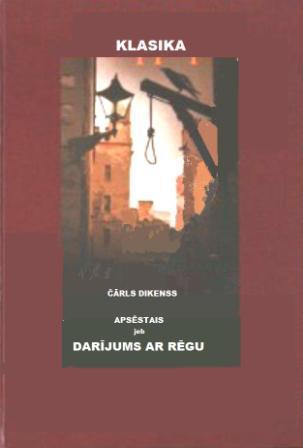
Čārlzs Dikenss
Apsēstais jeb līgums ar rēgu
Galvenais varonis - profesors Redlovs ir ķīmijas skolotājs. Viņš bieži atceras savas pagātnes kļūdas un neveiksmes. Par to zina arī rēgs, šausminošais Redlova dubultnieks, kurš viņam piedāvā darījumu, ka Redlovs aizmirsīs visu slikto un nepatīkamo savā dzīvē ar noteikumu, ka ikviens, ko profesors satiks, arī saņems šādas spējas. Redlovs sāk jaunu dzīvi, bez nomācošajām atmiņām, toties viņa raksturā parādās neizskaidrojamas ļaunas īpašības - dusmas, kuras viņš izgāž uz apkārtējiem - kādu no saviem studentiem, uz kalpotājiem un kaimiņiem. Bez tam Rēga noteikums sāk piepildīties, un arī cilvēkiem, ar kuriem tiekas profesors, raksturā parādās šīs īpašības. Tikai pēc pamatīgiem ķīviņiem un strīdiem, stāsta personāži saprot, ka vajag glabāt atmiņas par savām kļūdām, lai tās neatkārtotu. Ziemassvētku laikā visi sapulcējas un atgriež Rēgam viņa dāvanu.
Raksti. Divpadsmitais sējums
No angļu valodas tulkojusi Zane Rozenberga
Noskanējis grāmatu un failu izveidojis Imants Ločmelis
Rīga Liesma 1993
Redakcijas kolēģija: Maija Andersone, \Anna Bauga, \ Viktors Ivbulis, Uldis Norietis Sastādījusi Brigita Šiliņa Helmūta Seiera ilustrācijas Daiņa Lapsas grafiskā apdare Redaktore Tamāra Liseka Brigita Šiliņa, sastādījums, 1993 Zane Rozenberga. tulkoj latviešu .valodā, 1993 Helmūts Selers, ilustrācijas, 1993