 fb2
fb2
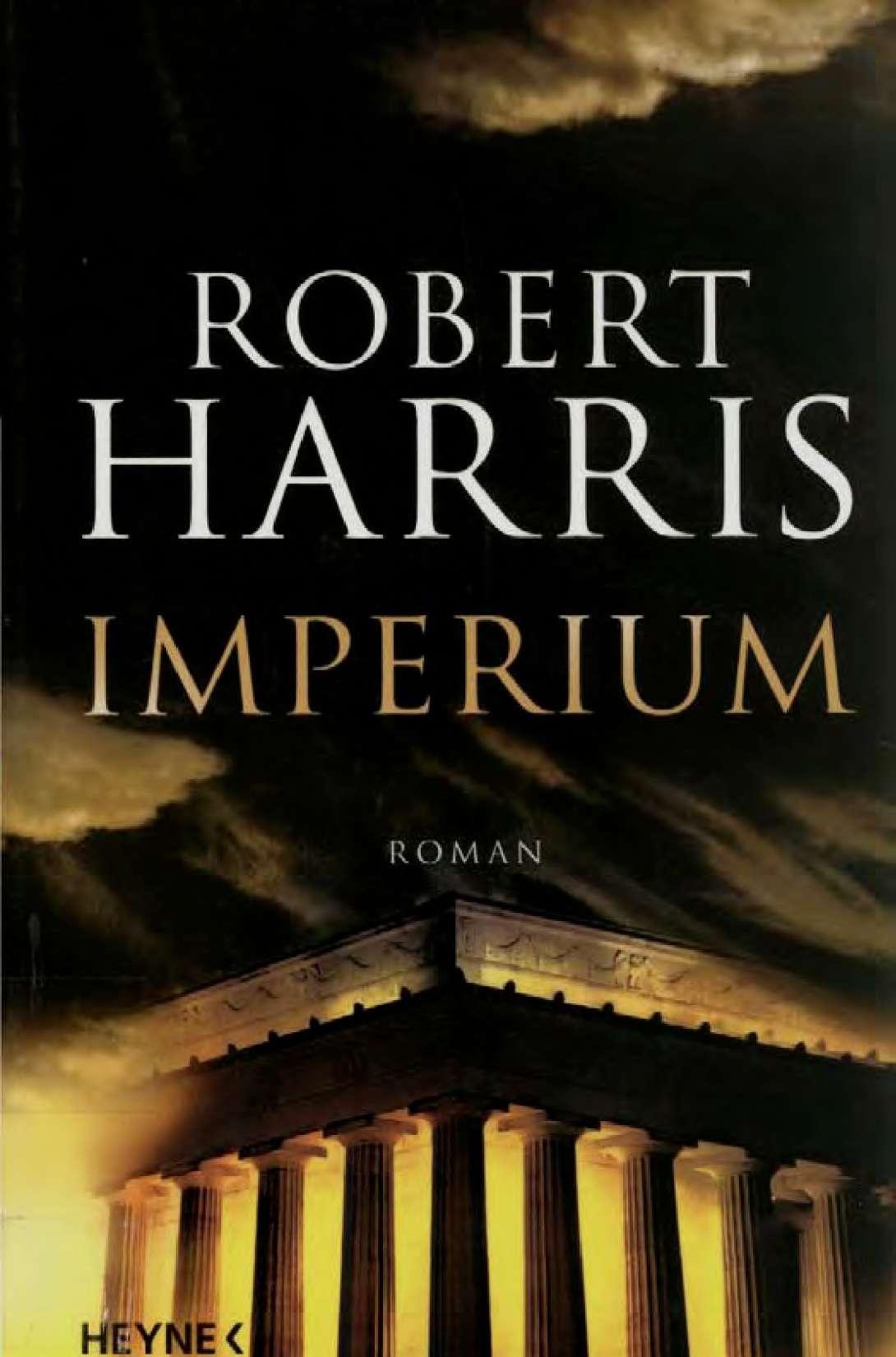
From the bestselling author of Pompeii comes the first volume in an exciting new trilogy set in ancient Rome – an imaginary biography of Cicero, Rome 's first and greatest politician. Of all the great figures of Roman times, none was more fascinating or attractive than Marcus Cicero. A brilliant lawyer and orator, a famous wit and philosopher, he launched himself at the age of twenty-seven into the violent, treacherous world of Roman politics. Cicero was determined to attain imperium, the supreme power in the state. Beside him at all times in his struggle to reach the top – the office of Consul – was his confidential secretary, Tiro. An accomplished man, Tiro was the inventor of shorthand and the author of numerous books, including a famous life of Cicero, unfortunately lost in the Dark Ages. In Imperium, Robert Harris recreates Tiro's vanished masterpiece, recounting in vivid detail the story of Cicero 's rise to power, from radical young lawyer to first citizen of Rome, competing with men such as Pompey, Caesar, Crassus and Cato. Harris's Cicero is an immensely sympathetic figure. In his introduction to this imaginary memoir, Tato states: “Cicero was unique in the history of the Roman republic in that he pursued supreme power with no resources to help him apart from his own talent… All he had was his voice, and by sheer effort of will, he turned it into the most famous voice in the world.”
Ever since Walter Scott wrote Waverley, the dominant tradition of the historical novel has been one of obsessive realism. Why this should be so is no great mystery. By and large, only novelists who take drug culture as their theme, or perhaps a poverty-stricken upbringing in Ireland, feel under greater pressure to demonstrate the authenticity of their material. This, for historical novelists who do not push their settings too far back in time, can often prove a positive inspiration. Robert Harris, writing about Bletchley Park in his thriller Enigma, was evoking a period when the fashion in English fiction had itself been broadly realist. Not only did this provide him with a ready supply of juicy period detail, it also justified the recycling of it. A genre, after all, is as much a product of its time as anything else. A novel set in 1940s England has every right to be as realist as it likes.
But what about fiction set in the more distant past? We have plenty of literature from the pre-modern era, but it is often of limited value to writers working in the realist tradition. Indeed, in most periods of ancient history, there isn't much of a reality to be realist about. The most surefire solution to this problem, because also the most brutal, is simply to embrace anachronism – what might be termed the Up Pompeii approach. The modern exemplar of this is Lindsey Davis, and her hugely entertaining Falco novels. Flavian Rome may provide the backdrop, but there is never any doubt that Falco himself, for all his togas, is a thoroughly modern private eye. Indeed, since the genre of the detective novel is a modern one, it is hard to imagine what a credibly ancient private eye might be like.
Harris, whose first three novels were set in the 20th century, played things similarly safe when he too moved back in time to Flavian Rome. Pompeii, a thriller about the eruption of Mount Vesuvius, was essentially a blending of Chinatown and any number of disaster movies. As a page-turner, it was predictably gripping; but as a recreation of the 1st century AD it had inevitable limitations. How, after all, was a contemporary genre supposed to offer an authentic vision of a period to which it was profoundly alien? This is a question to which Harris has evidently been giving much thought; and in his new novel, Imperium, he presents us with his solution.
The setting, like that of Pompeii, is classical. A century and a half before the eruption of Vesuvius, the Roman world was administered not by an emperor but as a republic. Rival players competed for the fruits of power: the "imperium" of the title. Since Rome was by this stage the undisputed mistress of the Mediterranean, the potential pickings were mouth-watering. As ambitions turned ever more carnivorous, so politics took on an increasingly lurid and epic hue. Two thousand years on, those who emerged from the power struggle still cast a lengthy shadow over the imagination: Pompey, Crassus, Caesar, Cicero.
Rich material for any writer – but there is a further reason, I suspect, why Harris has chosen the mid-1st century BC as his setting. It is, by a wide margin, the best documented period in ancient history, with what is, for the classicist, a whole wealth of evidence: orations, memoirs, even personal correspondence. Harris, like an excavator restoring a shattered mosaic, uses material native to the Romans whenever he can, fitting the fragments of real speeches and letters into the patterns of his own reconstruction. The result is an experiment as bold as it is unexpected: a novel that draws so scrupulously on the Roman source material that it forgoes much of what are traditionally regarded as the prime features of the thriller. Although there is detective work, there is no detective; although there are twists and turns, there is rarely any artificial ratcheting up of suspense. Instead, Harris trusts to the rhythm of the republic's politics to generate his trademark readability, a rhythm that the Romans themselves enshrined in their literature as something relentlessly exciting: in short, a thriller. Genres ancient and modern have rarely been so skilfully synthesised.
Like I Claudius, a novel that similarly exploited the resources of classical literature, Imperium takes the form of a memoir. Tiro, the shy and bookish slave who writes it, was celebrated in ancient times as the inventor of shorthand: Harris has him transcribing key conversations and speeches with a flawless accuracy, and even, on one occasion, when he is secreted into a conference, serving as a human bug. But that is not the limit of Tiro's value as a literary device, for he was also the slave of the most prolific author in ancient history, the Roman who more than any other reveals himself to us in all his manifold contradictions, his brilliance and his blindness, his ambition and his vulnerability: Marcus Tullius Cicero.
Tiro's master, unlike the aristocrats who customarily secured power in the republic, was a parvenu, with no family tradition of imperium to draw upon, and few other resources save for the spell-binding power of his oratory. It was this that made his rise to the consulship, the supreme office in Rome, all the more extraordinary; and it is the story of this rise that Harris uses to structure his narrative. Cicero, who was as vain as he was insecure, would have been delighted by the result. Once, in a letter to a friend, he anxiously wondered what people would be saying about him in a thousand years' time. To know, more than two millennia after his death, that he is the hero of such a gripping and accomplished novel must be giving his shade the most exquisite delight.
Lorsque Tiron, le secrétaire particulier d'un sénateur romain, ouvre la porte à un étranger terrorisé, il déclenche une suite d'événements qui vont propulser son maître au sein d'une des plus célèbres et dramatiques affaires de l'Histoire.
L'étranger est un Sicilien victime de Verrès, gouverneur vicieux et corrompu. Le sénateur en question, c'est Cicéron, un jeune et brillant avocat déterminé à atteindre l'imperium — pouvoir suprême au sein de l'État.
À travers la voix captivante de Tiron, nous sommes plongés dans l'univers perfide et violent de la politique romaine, et nous suivons un homme — intelligent, sensible, mais aussi arrogant et roublard — dans sa lutte pour accéder au sommet.
C'est un monde qui ressemble étonnamment à celui d'aujourd'hui, toile de fond d'un véritable thriller politique autour de l'irrésistible ascension de Cicéron. « Tout ce qu'il avait, écrit Tiron de son maître, c'était sa voix, et par sa seule volonté, il en a fait la voix la plus célèbre du monde. »
Journaliste politique, romancier Robert Harris est l'auteur de Fatherland, Enigma, Archange, traduits dans le monde entier. Son précédent roman, Pompéi, a été en tête de toutes les listes de best-sellers.
This novel exemplifies historical fiction at its best; the author's meticulous research and polished style bring the medieval world into vibrant focus. Set during the Hundred Years War (1337–1453), the narrative creates believable human beings from the great roll of historical figures. Here are the mad Charles VI, the brilliant Louis d'Orleans, Joan of Arc, Henry V, and, most importantly, Charles d'Orleans, whose loyalty to France brought him decades of captivity in England. A natural poet and scholar, his birth and rank thrust him into the center of intrigue and strife, and through his observant eyes readers enter fully into his colorful, dangerous times. First published in the Netherlands in 1949, this book has never been out of print there and has been reprinted 15 times.
Hella S. Haasse has written 17 novels as well as poetry, plays and essays, and has received many honors and awards including the Netherlands State Award for Literature. Her books have been translated into English, French, German, Swedish, Italian, Hungarian, Serbo-Croatian and Welsh.
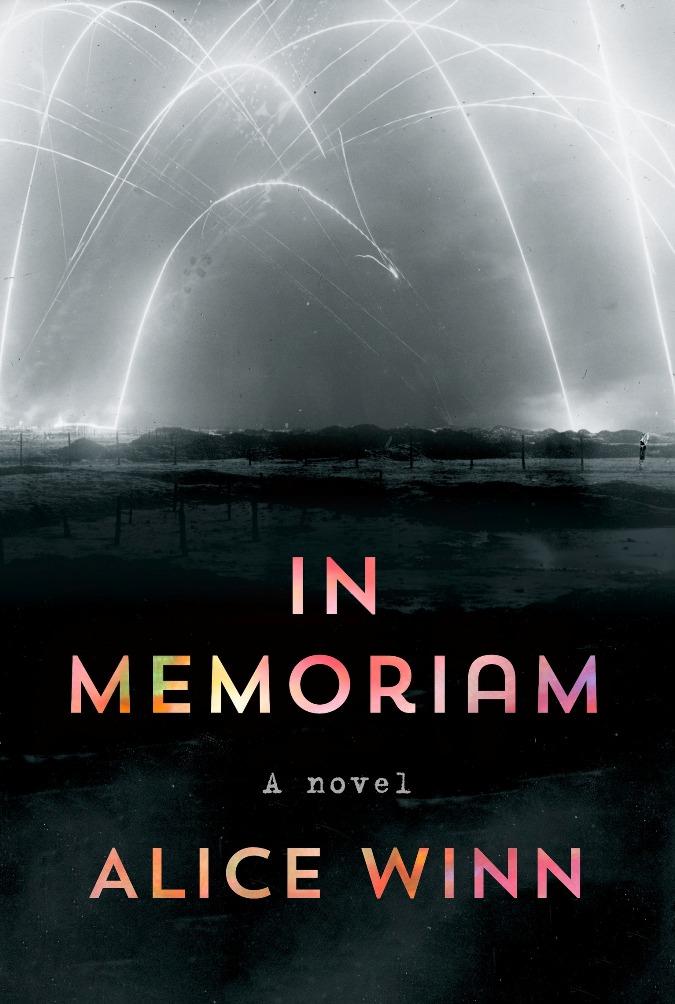
A haunting, virtuosic debut novel about two young men who fall in love during World War I.
It's 1914, and World War I is ceaselessly churning through thousands of young men on both sides of the fight. The violence of the front feels far away to Henry Gaunt, Sidney Ellwood and the rest of their classmates, safely ensconced in their idyllic boarding school in the English countryside. News of the heroic deaths of their friends only makes the war more exciting. Gaunt, half German, is busy fighting his own private battle — an all-consuming infatuation with his best friend, the glamorous, charming Ellwood — without a clue that Ellwood is pining for him in return. When Gaunt's family asks him to enlist to forestall the anti-German sentiment they face, Gaunt does so…
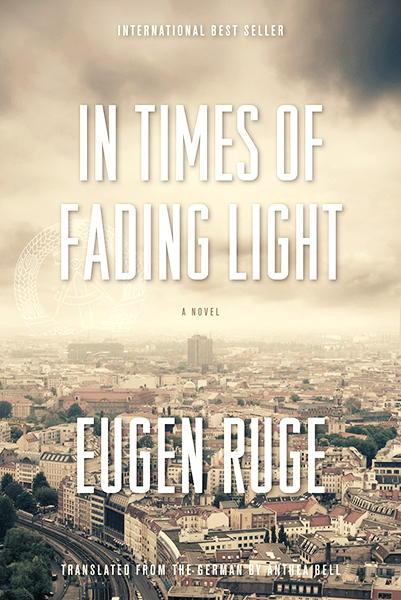
An enthrallingly expansive family saga set against the backdrop of the collapse of East German communism, from a major new international voice
Over 450,000 copies sold in Germany alone • Rights sold in 20 countries • Winner of the German Book Prize • A PW “First Fiction” pick
In Times of Fading Light begins in September 2001 as Alexander Umnitzer, who has just been diagnosed with terminal cancer, leaves behind his ailing father to fly to Mexico, where his grandparents lived as exiles in the 1940s.
The novel then takes us both forward and back in time, creating a panoramic view of the family’s history: from Alexander’s grandparents’ return to the GDR to build the socialist state, to his father’s decade spent in a gulag for criticizing the Soviet regime, to his son’s desire to leave the political struggles of the twentieth century in the past.
With wisdom, humor, and great empathy, Eugen Ruge draws on his own family history as he masterfully brings to life the tragic intertwining of politics, love, and family under the East German regime.
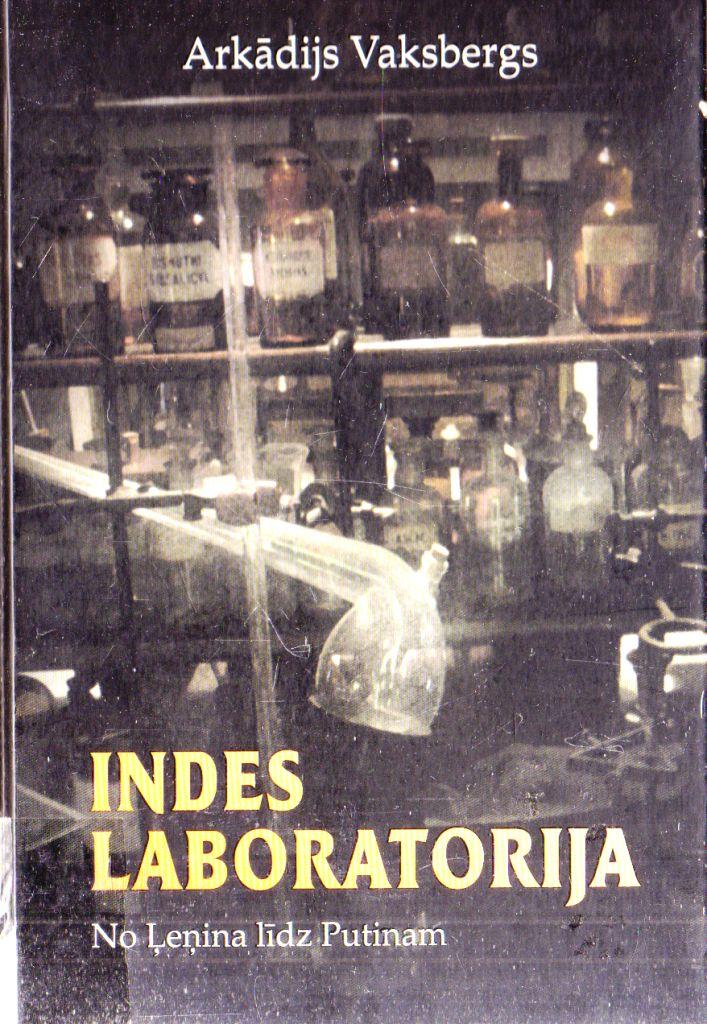
Arkādijs Vaksbergs
Indes laboratorija. No Ļeņina līdz Putinam
No franču valodas tulkojis Aldis Karlauskis
ATENA
1921. gadā Ļeņins "padomju varas ienaidniekļu apkarošanai" pavēlēja izveidot slepenu indīgu vielu laboratoriju, kuru viņš ka Tautas Komisāru padomes priekšsēdētājs vadīja pats. Darbiniekiem atklāti tika dots uzdevums radīt un pilnveidot indes, kas paredzētas režīma ienaidnieku nogalināšanai. Kremlis neskopojās ar terorismam piešķiramiem līdzekļiem.
Neskaitāmas slepkavības gan PSRS teritorijā, gan ārpus tās tika maskētas kā dabiska nāve vai nelaimes gadījumi. "Tautas ienaidnieku" likvidēšana kļuva par komunisma sistēmas organisku elementu visās tās formās. Gadu desmitiem ilgi Kremļa vadītāji šo politiku uzskatījuši nevis par kaut ko ārkārtēju, bet gluži pretēji — par pilnīgi normālu parādību.
Būtu naivi uzskatīt, ka šādas metodes izzudušas — Krievijas Valsts Dome 2006. gada jūlijā legalizēja "Terorisms pret terorismu" praksi. Tā atļauj speciālajiem dienestiem gan valsts iekšienē, gan ārzemēs veikt jebkādas darbības, tai skaitā slepkavības, lai novērstu terora aktus vai sodītu tos, kuri tādus ir veikuši. Mērķa izvēle un pamatojums ir Krievijas varas iestāžu ziņā, turklāt tām vairs nav nepieciešams veikt visai sarežģīto vainīgo vai aizdomās turēto izdošanas procedūru un iesniegt pierādījumus neatkarīgām tiesu instancēm.
Arkādijs Vaksbergs apraksta virkni politisko slepkavību, sākot ar paša Ļeņina, viņa atraitnes Krupskajas, ģenerāļa Frunzes nāvi un beidzot ar Sanktpēterburgas mēra Sobčaka, politiķes Starovoitovas, žurnālistes Poļitkovskas nogalināšanu, Ukrainas prezidenta Juščenko
indēšanu un Aleksandra Ļitviņenko noindēšanu.
, Paņēmieni, kas bija plaši pielietoti visā Padomju Savienības vēsturē, varbūt vēl biežāk tiek izmantoti šodien…
ATENA
Redaktore Antra Lezdiņa Korektors Artūrs Pommers Ilgoņa Riņķa makets Māra Ābeles vāka dizains
LE LABORATOIRE DES POISONS © Arkādi Vaksberg, 2007 © BuchetChastel, un dēpartement
de Metafiditions, 2007 © Apgāds "ATĒNA", 2008
Noskannējis grāmatu un failu izveidojis Imants Ločmelis
FSC sertifikāts apliecina — koksne, kas izmantota papīra ražošanā, ir iegūta pareizi apsaimniekotā mežā un saglabā vides dabiskās funkcijas, ieskaitot ūdenstilpes, bioloģiskos resursus un dzīvnieku dabisko vidi.
Apgāds "ATĒNA",
reģistrācijas nr. 40003301814,
Blaumaņa iela 16182a, Rīga, LV1011, •
epasts: atena@atena.lv,
www.atena.lv
Iespiests un iesiets SIA "Jelgavas tipogrāfija"
Nacida en España, y proveniente de una familia pobre, Inés Suárez sobrevive a diario trabajando como costurera. Es el siglo dieciséis, y la conquista de América está apenas comenzando. Cuando un día el esposo de Inés desaparece rumbo al Nuevo Mundo, ella aprovecha para partir en busca de él y escapar de la vida claustrofóbica que lleva en su tierra natal. Tras el accidentado viaje que la lleva hasta Perú, Inés se entera de que su esposo ha muerto en una batalla. Sin embargo, muy pronto da inicio a una apasionada relación amorosa con el hombre que cambiará su vida por completo: Pedro de Validivia, el valiente héroe de guerra y mariscal de Francisco Pizarro.
Valdivia sueña con triunfar donde otros españoles han fracasado, llevando a cabo la conquista de Chile. Aunque se dice que en aquellas tierras no hay oro y que los guerreros son feroces, esto inspira a Valdivia aun más ya que lo que busca es el honor y la gloria. Juntos, los dos amantes fundarán la ciudad de Santiago y librarán una guerra sangrienta contra los indígenas chilenos en una lucha que cambiará sus vidas para siempre.

03:15, 22nd June 1941◦— Barbarossa is unleashed and Kampfgruppe von Schroif are right there at the cutting edge of the battle for Russia. Thrown into action against the fortress of Brest-Litovsk, von Schroif and his crew drive a new weapon into battle◦— the legendary Sturmgeschütz. However, even with this latest armoured marvel there is hard fighting as the Reds dig in and doggedly defend the island fortress to the last man.
Penetrating, authentic and stunning in its detail, the long awaited prequel to the highly acclaimed “Tiger Command!” is a powerful addition to the series. Based on a true story of combat on the Eastern Front, this atmospheric new novel puts the reader right into the action and unveils the story of how a legend was forged in the heat of the first great battle of the campaign.
Written by Emmy™ Award winning writer Bob Carruthers and newcomer Sinclair McLay and edited by Mark Farr, this much anticipated Eastern Front novel also explores the dark underside of war as von Schroif is faced with the malevolent presence of Oskar Dirlewanger.
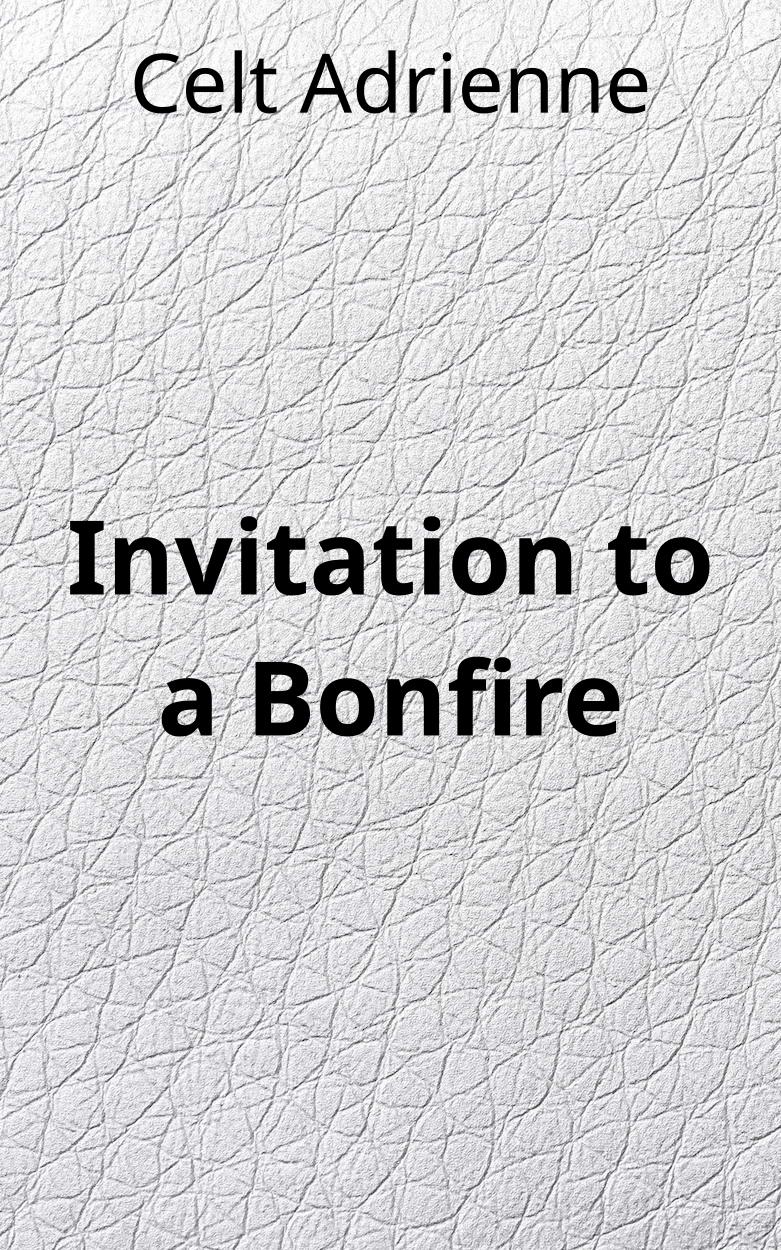
The seductive story of a dangerous love triangle, inspired by the infamous Nabokov marriage, with a spellbinding psychological thriller at its core.
In the 1920s, Zoya Andropova, a young refugee from the Soviet Union, finds herself in the alien landscape of an elite all-girls New Jersey boarding school. Having lost her family, her home, and her sense of purpose, Zoya struggles to belong, a task made more difficult by the malice her peers heap on scholarship students and her new country’s paranoia about Russian spies. When she meets the visiting writer and fellow Russian émigré Leo Orlov—whose books Zoya has privately obsessed over for years—her luck seems to have taken a turn for the better. But she soon discovers that Leo is not the solution to her loneliness: he’s committed to his art and bound by the sinister orchestrations of his brilliant wife, Vera.
As the reader unravels the mystery of Zoya, Lev, and Vera’s fate, Zoya is faced with mounting pressure to figure out who she is and what kind of life she wants to build. Grappling with class distinctions, national allegiance, and ethical fidelity—not to mention the powerful magnetism of sex—Invitation to a Bonfire investigates how one’s identity is formed, irrevocably, through a series of momentary decisions, including how to survive, who to love, and whether to pay the complicated price of happiness.
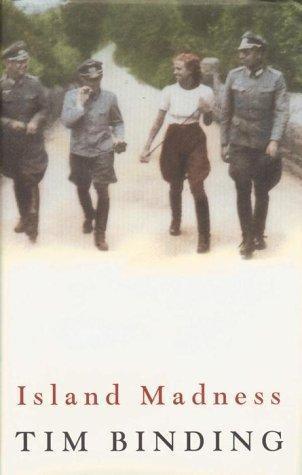
It is 1943, and the German Army has been defeated at Stalingrad. The Russians have taken 91,000 prisoners; 145,000 German soldiers have been killed. The tide is beginning to turn. But on Guernsey and the rest of the Channel Islands, the only British territory to have been occupied by German troops, such a reversal is unimaginable. Here, in idyllic surroundings, the reality of war seems a lifetime away. While resentment runs high, life goes on, parties are held, love affairs blossom and the Guernsey Amateur Dramatic and Operatic Players can still stage productions of Private Lives, Babes in the Wood and Peter Pan—albeit with suspiciously jackbooted pirates. But when a young local woman is found murdered, both the islanders and the occupiers are forced to acknowledge that this most civilized of wars conceals a struggle that is darker and more bitter than anyone cares to recognize.
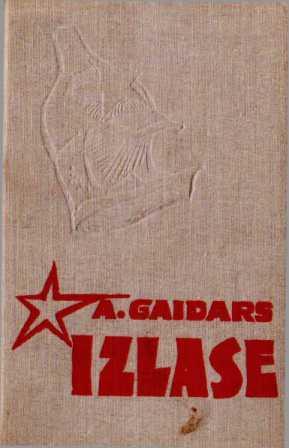
Arkādijs Pētera d. Gaidars
Izlase
Karstais akmens. Tulk. E. Grīnberga ; Čuks un Geks. Tulk. M. Paula ; Bundzinieka liktenis. Tulk. E. Bumbiere ; Kara noslēpums. Tulk. C. Palkavniece ; Timurs un viņa komanda. Tulk. A. Skalberga ; Frontes piezīmes: Tver ieroci, komjauniešu cilts!Tulk. E. Grinberga ;Karš un bērni. Tulk. E. Grinberga ; Tilts. Tulk. B. Brikšķe ; Pie pārceltuves.Tulk. E. Grinberga ; Priekšējās līnijās. Tulk. B. Brikšķe ; Raķetes un granātas.Tulk. B. Brikšķe
Grāmatā ievietoti ievērojamā krievu padomju rakstnieka Arkādija Gaidara stāsti «Kara noslēpums», «Čuks un Geks», «Timurs un viņa komanda» un citi, kā arī rakstnieka frontes piezīmes. Krājumu papildina apraksts par rakstnieka varonīgo dzīvi un daiļradi. Jaunākā un vidējā skolas vecuma bērniem
Для детей младшего и среднего школьного возраста
Аркадий Петропич Гайдар ИЗБРАННЫЕ ПРОИЗВЕДЕНИЯ Рига «Звайгзие» 1984
На латышском языке Художник Эдгар Озолиныи
Noskanējis grāmatu un failu izveidojis Imants Ločmelis imantslochmelis@inbox.lv
Sastādījusi G. Silakalne Mākslinieks E. Ozoliņš
Redaktore V. Sproģe. Māks), redaktore A. Meiere. Tehn. redaktore /. Bledava. Korektore R. Zveja.
ИГ» № 2428
Nodota salikšanai 13.01.84. Parakstīta iespiešanai 23.05-84. Formāts 84X108/32. Tipogr. papīrs Nr. I. Literatūras garnitūra. Augstspiedums 16,81 uzsk. iespiedi., 17,33 U7.sk. krasu nov., 19,53 izdevn. 1. Metiens 40 000 eks. Pasūt. Nr. 86. Cena 1 rbl. 10 kap. Izdevniecība «Zvaigzne». 226013. Rīgā, Gorkija ielā 105. Izdevn. Nr. 6358/KS-428. Iespiesta Latvijas PSR Valsts Izdevniecību, poligrāfijas un grāmatu tirdzniecības lietu komitejas tipogrāfijā «Ciņa», 226011, Rīgā, Blaumaņa ielā 38/40.
©Sakārtojums, «Rakstnieka dzīve un varoņdarbs» tulkojums latviešu valoda, noformējums, «Zvaigzne», 1984
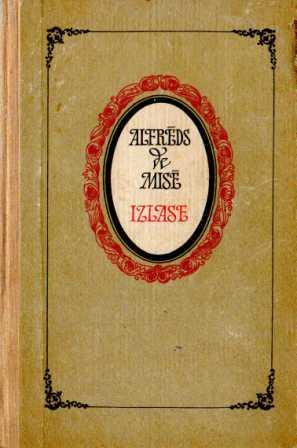
Alfrēds de Misē
Izlase
Romāns: Laikmeta bērna grēksūdze. Noveles: Frederiks un Bernerete ; Ticiāna dēls ; Margo ; Baltā strazda stāsts ; Mimī Pensona ; Dzimumzīmīte
Būdams romantiķis, Misē vienīgo oāzi, vienīgo patvērumu no buržuāziskās pasaules sekluma meklē mīlestībā. Taču arī tur valda viltus un aprēķins, arī mīlestība ir pērkama un pārdodama. Un Misē, augstākās sabiedrības dendijs, Parīzes «zelta jaunatnes» pārstāvis, rod aizmiršanos uzdzīvē, līdz beidzot, vīlies, sagandējis veselību un zaudējis ticību visam, sāk domāt par pašnāvību. Tomēr viņu izglābj tieši mīlestība — liela, ista un neatkārtojama: 1833. gadā Misē satiek Žoržu Sandu. Misē un Žoržas Sandas mīlestības romāns, kas atbalsojas viņa darbā «Laikmeta bērna grēksūdze», atstājis lielu ietekmi arī uz abu rakstnieku daiļradi.
Novelēs, kuru galvenā tematika ir liktenīga mīlestība, ko pavada ciešanas, Misē tēlojis gan Parīzes bohēmu — «Mimī Pensona»; gan augstākās sabiedrības dzīvi — «Ticiana dēls». Ar ieceres savdabību izceļas literārā satīra «Baltā strazda stāsts»
izdevniecība «Liesma» Riga 1974
Noskanējis grāmatu un failu izveidojis Imants Ločmelis imantslochmelis@inbox.lv
No franču valodas tulkojusi Mirdza Ersa Mākslinieks Gunvalds Elers
©Tulkojums latviešu valodā, «Liesma», 1974
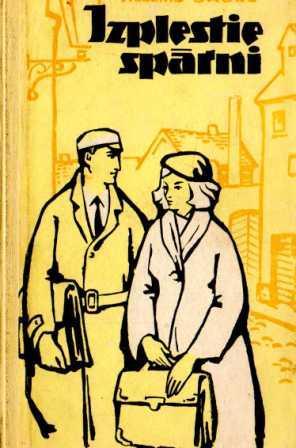
Villems Gross
Izplestie spārni
Daļēji ir autobiogrāfisks romāns, kurā attēlota igauņu jauniešu dzīve laika posmā no 1939. līdz 1941. g. Kaut arī romānā attēloti pagātnes notikumi, darbs ir visai aktuāls, tajā jūtama mūsu šodiena, jo tas rakstīts ar mūsdienu rakstnieka sirdsdedzi un sirdsapziņu. Romānā autors traktē ideoloģiskas un ētiskas problēmas, atrisinādams tās prasmīgi veidotajos raksturos un aizraujošajā notikumu gaitā. Romāns saista jaunos lasītājus ar savu skaisto romantiku un labo humoru, kā arī skarbā laikmeta notēlojumu.
Latvijas Valsts Idevniecība Rīga 1963
No igauņu valodas tulkojusi Dž. Plаkidis
Noskanējis grāmatu un failu izveidojis Imants Ločmelis imantslochmelis@inbox.lv
Ilustrējuši M. Olvets un L. Vasiļjevs Vāku un titullapu zīmējis I. Ranka
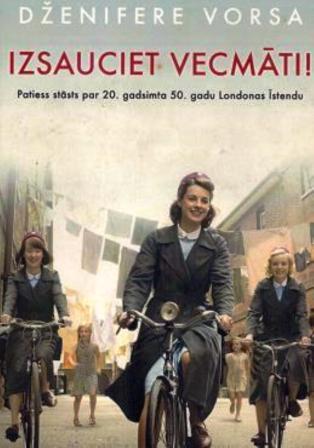
Dženifere Vorsa
Izsauciet vecmāti!
20. gadsimta 50. gados dzīve Londonas Īstendā ir smaga. Bordeļi, bandu sadursmes, metilspirta dzērāji bumbu sagrautajos rajonos - tāda ir pasaule, kurā, tikko apguvusi vecmātes arodu, nonāk divdesmit trīs gadus vecā Dženifere Vorsa. Jau pirmajā vakarā jaunā meitene saprot, ka šeit viss ir citādi, nekā viņa iedomājusies...
Dženija iepazīstas ar citām vecmātēm un Nonāta nama mūķenēm, kuras savu dzīvi velta Dievam un rūpēm par īstendas sievietēm un zīdaiņiem. Viņa sastopas ar dažādām ģimenēm, kam katrai ir savi prieki un bēdas, un kļūst par vienkāršo ļaužu uzticības personu.
Pēc daudziem gadiem Dženifere saraksta uz patiesiem notikumiem balstītu romānu “Izsauciet vecmāti!”, kurā stāsta par vecmāšu ikdienu un dzīvi pilsētas trūcīgākajā daļā. Tas ir aizkustinošs, personisks un smalkjūtīgs stāsts par dzīves lielajiem notikumiem - dzimšanu un nāvi. Vorsa dokumentē pasauli, kura šobrīd ir mainījusies līdz nepazīšanai, taču cilvēciskais siltums un līdzcietība, kas caurauž viņas stāstījumu, pārsniedz laika robežas.
Vorsas autentiskā balss, humora izjūta un vērīgais skatījums uz dzīves norisēm drīz vien pēc darba iznākšanas padarīja to par bestselleru.
Grāmatas popularitāti veicinājusi BBC daudzsēriju mākslas filma, kuru iepazinuši un iemīļojuši ari Latvijas skatītāji.
Dženifere Vorsa ir dzimusi stāstniece - šī vārda vislabākajā nozīmē; šķietamā vienkāršība slēpj “augsto mākslu”. Detalizētais izklāsts par viņas vecmātes gaitām Londonas īstendā no sākuma līdz pat beigām ir saistošs, aizkustinošs un pārliecinošs... “Izsauciet vecmāti!” spēj ļoti prasmīgi atsaukt atmiņā sen pagājušus laikus, turklāt Vorsas personā mēs esam raduši vienu no labākajiem hronistiem.
Deivids Kainastons, Literary Review
Vorsa ir mūsdienīga un pārsteidzoša rakstniece.
Metjū Periss, Spectator
Šie burvīgie memuāri ļauj mums ieraudzīt patieso dzīvi Londonas īstendā... Bagātīgs humors... Vorsas talants ir jūtams katrā grāmatas lappusē.
Sainsbury’s Magazine
“Izsauciet vecmāti!” ir jautra, satraucoša un aizkustinoša grāmata. Tā atver logu uz spilgtu un valdzinošu pasauli 20. gadsimta 50. gadu īstendā.
Mature Times
Dženiferes Vorsas aizraujošajā un aizkustinošajā stāstā par dzīvi Doklendsā sentimentalitāte iet roku rokā ar skaudru patiesību.
Docklands News
Atklāti un sāpīgi memuāri... Šajā aizraujošajā vēstījumā ir gan mazuļi, kas nākuši pasaulē ar dibenu pa priekšu, gan laulības pārkāpšana, gan cūku audzēšana pilsētā, gan sirreāls striptīza šovs bordelī.
Townswoman
Viņas jaunajā, apbrīnojamajā grāmatā ir ārkārtīgi skumji stāsti, taču ir atspoguļotas arī lielas cerības. Tā ir par vienkāršiem cilvēkiem, kuri, spītējot milzīgajām grūtībām un sliktajiem sanitārajiem apstākļiem, dzīvo, laiž pasaulē bērnus un veido ģimenes.
East End Life
Zvaigzne ABC 2013
351, [1] lpp.no angļu val. tulk. Sintija Zariņa ; [red. Dace Markota].

Mihails Bulgakovs
Jaunā ārsta piezīmes
1.Dvielis ar gaili. 2.Tērauda rīkle. 3.Kristības ar pagriezienu. 4.Putenis. 5.Ēģiptes tumsība. 6.Pazudusī acs. 7.Zvaigžņveida izsitumi.
no krievu val. tulk. Ārija Elksne, Silvija Rauhvargere, Eižens Rauhvargers
Noskanējis grāmatu un failu izveidojis Imants Ločmelis

JAUNIE MĒRNIEKU LAIKI
Matīss Kaudzīte
««Jaunajos mērnieku laikos» Kaudzītes Matīsa ievērojamā personība redzama sevišķi spilgti. Grāmatas nolūks ir rādīt sociālistiskās utopijas aplamības, sevišķi, kad to mēģina realizēt mūsu apstākļos un kad vēl pie šī darba ķeras neprašas un noziedzīgi, slinki, pat necilvēcīgi ļaudis. Sludinātās laimes vietā ierodas posts. Blakus šai idejai Kaudzīte grib rādīt vēl otru: visā tanī burzmā nepazūd tikumiski stiprākie, un tas ir viņam gandarījums.» (A. Goba, 1925. gadā.)

JAUNIE MĒRNIEKU LAIKI
Matīss Kaudzīte
««Jaunajos mērnieku laikos» Kaudzītes Matīsa ievērojamā personība redzama sevišķi spilgti. Grāmatas nolūks ir rādīt sociālistiskās utopijas aplamības, sevišķi, kad to mēģina realizēt mūsu apstākļos un kad vēl pie šī darba ķeras neprašas un noziedzīgi, slinki, pat necilvēcīgi ļaudis. Sludinātās laimes vietā ierodas posts. Blakus šai idejai Kaudzīte grib rādīt vēl otru: visā tanī burzmā nepazūd tikumiski stiprākie, un tas ir viņam gandarījums.» (A. Goba, 1925. gadā.)
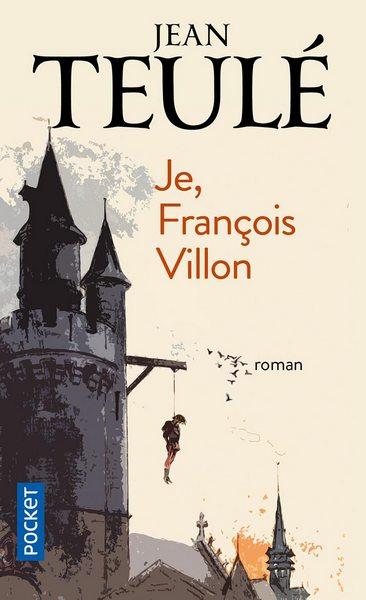
Il est peut-être né le jour de la mort de Jeanne d’Arc. On a pendu son père et supplicié sa mère. Il a étudié à l’université de Paris. Il a joui, menti, volé dès son plus jeune âge. Il a fréquenté les miséreux et les nantis, les curés, les assassins, les poètes et les rois. Aucun sentiment humain ne lui était étranger. Il a commis tous les actes qu’un homme peut commettre. Il a traversé comme un météore trente années de l’histoire de son temps. Il a ouvert cette voie somptueuse qu’emprunteront à sa suite tous les autres poètes : l’absolue liberté.
Gustavs Frensens. Jerns Ūls
Savā laikā ļoti lasīts un augstu novērtēts vācu rakstnieka romāns. Grāmata jāpieskaita pie antikvārās literatūras. Diemžēl slikti saglabājusies un, ar programmu atpazīstot tekstu, tajā ir tik daudz kļūdu, ka būtu jāpatērē vismaz pāris dienu, lai šīs kļūdas izlabotu. Šajā formātā saglabāts kā uzskates līdzeklis, tiem kuriem būtu vēlēšanās kļūdas labot. Iesaku lasīt PDF failu.
Noskanējis grāmatu un failu izveidojis Imants Ločmelis imantslochmelis@inbox.lv
Valters un Rapa 1936