
 fb2
fb2
Grave Desire is an analysis of the occasions of necrophilia throughout history, literature and the arts. It is an examination of the breaking of taboos and the metastasizing of fetishes in individuals and cultures using the works of Richard von Krafft-Ebing, Sigmund Freud, Georges Bataille, Jacques Lacan, Michel Foucault, Gilles Deleuze, Slavoj Žižek and others to explore the biographies of known necrophiles such as Carl von Cosel, Karen Greenlee and Ed Gein, and to analyze the cultures of Ancient Egypt, Greece, Troy, Victorian England and the first to eighth century CE civilization of the Moche people in northern Peru who used necrophilia as a means of religious time travel.
Throughout the book, examples from the works of Herodotus, the Metaphysical poets, the Marquis de Sade, Cormac McCarthy, Poppie Z. Brite, Jorg Buttgereit and more are used for illustration.
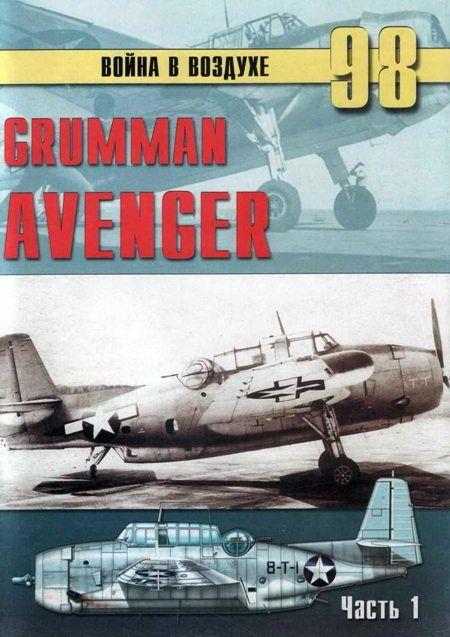
В 1939 году флот Соединенных Штатов (US Navy) начал амбициозную программу, по модернизации старых и постройке целого ряда новых авианосцев. На новых авианосцах должны были базироваться истребительные (VF — «fighter») и разведывательно-бомбардировочные (VSB — «scout-bomber») эскадрильи, которые вооружались уже находящимися в производстве самолетами F4F Уайлдкет и SBD Донтлесс соответственно. Кроме того, предусматривалось, что вскоре эти самолеты будут заменены более совершенными машинами, прототипы которых уже проходили на тот момент испытания (F4U Корсар, F6F Хеллкет и SB2C Хеллдайвер). Однако торпедные эскадрильи (VT- «torpedo-bomber») по своему оснащению существенно отставали от истребительных и разведывательно-бомбардировочных, до сих пор имея на своем вооружении самолеты Douglas TBD-1 Девастайтор, которые были приняты на вооружение еще в 1937 году. Флот США сознавал, что устаревший Девастайтор не может быть модернизирован таким образом, чтобы устранить два его основных недостатка, недостаточную скорость и малый радиус действия. Был необходим совершенно новый самолет. Начало немецкой агрессии в Европе и японской в Китае еще раз подчеркнуло безотлагательность замены Девастайторов новым торпедоносцем-бомбардировщиком с лучшими боевыми характеристиками.

Grumman F4F-4 «Wildcat» — настоящая рабочая лошадка американской морской авиации в первый период войны на Тихом океане. Хотя самолет уступал японскому аналогу А6М2 «Zero» в горизонтальной и вертикальной скорости, благодаря своей живучести и легкости пилотажа заслужил признание американских пилотов и помог продержаться в самый сложный период войны на Тихом океане.

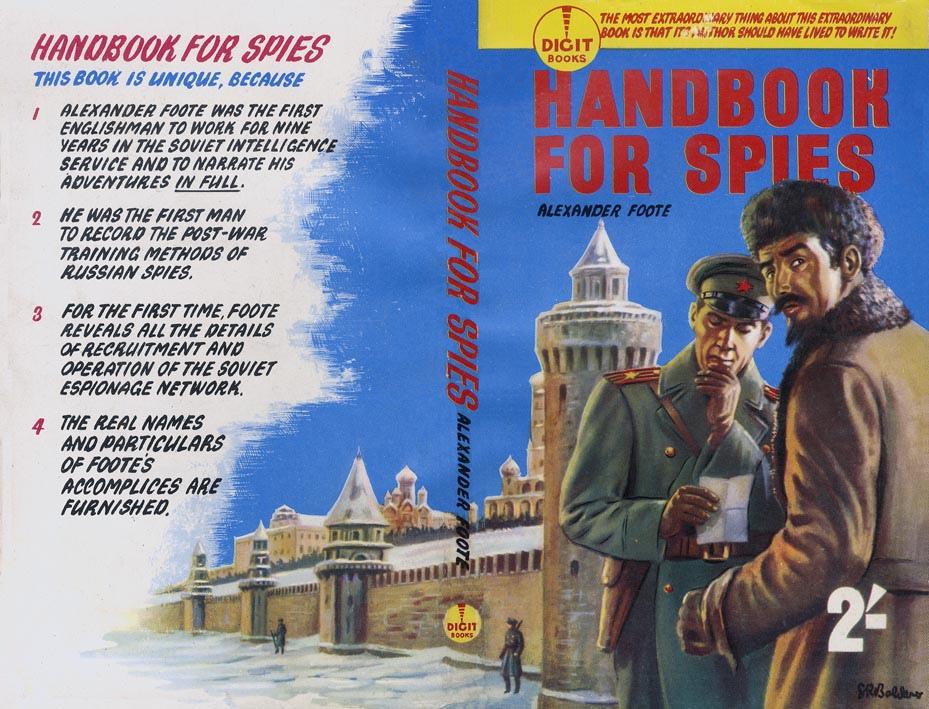
Allan Alexander Foote (b. 13. April 1905, d. 1. August 1957) was a radio operator for a Soviet espionage ring in Switzerland during World War II. Foote was originally from Yorkshire in England, and had spent some time in Spain working for the Republican side during the Civil War in the 1930s. He decided to continue his efforts against Fascism (and, perhaps, for Communism) and volunteered for clandestine work with Red Orchestra. He was put into contact with Ursula Kuczynski in Switzerland. He became a radio operator for the Soviet espionage operation run by Alexander Radó and was one of those who passed information to Moscow from the Lucy spy ring run by Rudolf Roessler. Foote was one of those arrested when the Swiss police shut down most of the operation and was detained for a time.
After the War, he spent some time in the Eastern Bloc and then returned to the West and published his book, A Handbook for Spies. He died in the 1950s.
Because of the implausible veracity of the intelligence (fast, plentiful, and accurate) and never explained source of the Lucy Ring's information, suspicion attaches to all those associated with it. Since Foote, as the Lucy Ring's radio operator was a central cog in the chain of supply and therefore in a position to know much, his subsequent account has been thought to be rather dubious in places. This and the fact that he seemingly managed to return to the West rather easily, has led some to suggest Foote was a British Secret Service double agent and one conduit (perhaps even the main one) of intelligence from Britain to Roessler and thence to Moscow.
According to various sources, Foote was indeed a MI6 (SIS) double agent unbeknownst to Rado. After the destruction of Rado's network and his escape from Switzerland, Rado met Foote in Paris and both were ordered to return to Moscow immediately. They took off aboard a Russian military aeroplane on January 6, 1945, taking a circuitous route (due to the war being still in progress) via Egypt. Their plane landed to refuel in Cairo, where upon Rado defected. Continuing alone to Moscow, Foote was subjected to intensive interrogation in an attempt to determine his loyalty and the possibility of his being a penetration agent. Foote was confronted with an instance of disinformation sent from his transmitter in May 1942 and told "That message cost us 100 000 men at Kharkov and resulted in the Germans reaching Stalingrad." Foote said that he merely passed on what he received from Radó. Satisfied with Foote's explanation, the Soviets gave Foote a false identity under the alias of Major Granatov. Posing as a German, Albert Müller, he inserted himself into post war Berlin to establish this alias with the aim of being sent by Moscow Centre to Argentina, to attempt to identify and infiltrate groups of escaped high ranking Nazis.
Journalist, broadcaster and author Malcolm Muggeridge, himself a wartime MI6 officer, "got to know Foote after the war" (pp 207-08) when Foote paid Muggeridge "regular visits" at his flat near Regents Park, London. Foote at this time was working as a clerk in the Ministry of Agriculture and Fisheries, work he found, according to Muggeridge, "very tedious". Muggeridge is firmly of the opinion that the information Foote sent "could only, in fact, have come from Bletchley"
In March 1947, following the defection of a Soviet agent who had been involved with British Intelligence, Foote's allegiance to the British may have been confirmed. Foote himself defected from his Russian control in Berlin, escaping to the British sector.
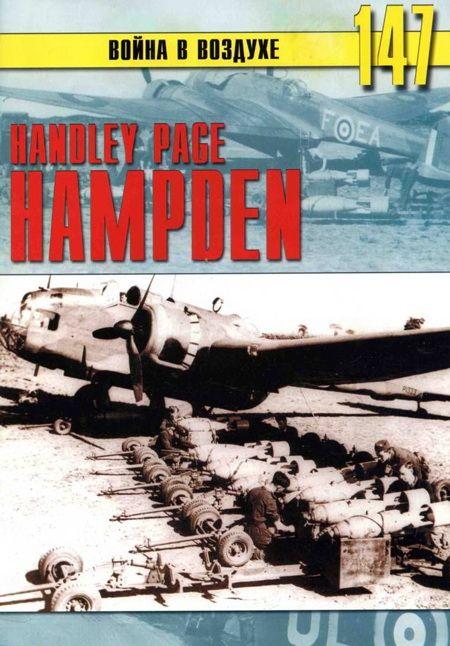
В годы, предшествующие Второй Мировой войне, Британское Министерство Авиации стало проводить в развитии своих бомбардировочных сил практику, базирующуюся в принятии на вооружение бомбардировщиков трех типов, создававшихся в соответствии с имевшимися на тот момент техническими возможностями и военно-политической ситуацией. Первым таким «трио» стали «Хэмпден», «Уитли» и «Веллингтон», Затем, когда практика ведения воздушной войны изменилась, появились «Стирлинг», «Галифакс» и «Ланкастер». И, наконец, в послевоенные годы на вооружение были приняты «Вэлиент», «Виктор» и «Вулкан». Но в каждом случае в такой «троице» один из самолетов играл основную роль. Поэтому «Веллингтон», «Ланкастер» и «Вулкан» сыграли более заметные роли, чем их оставшиеся в тени собратья.
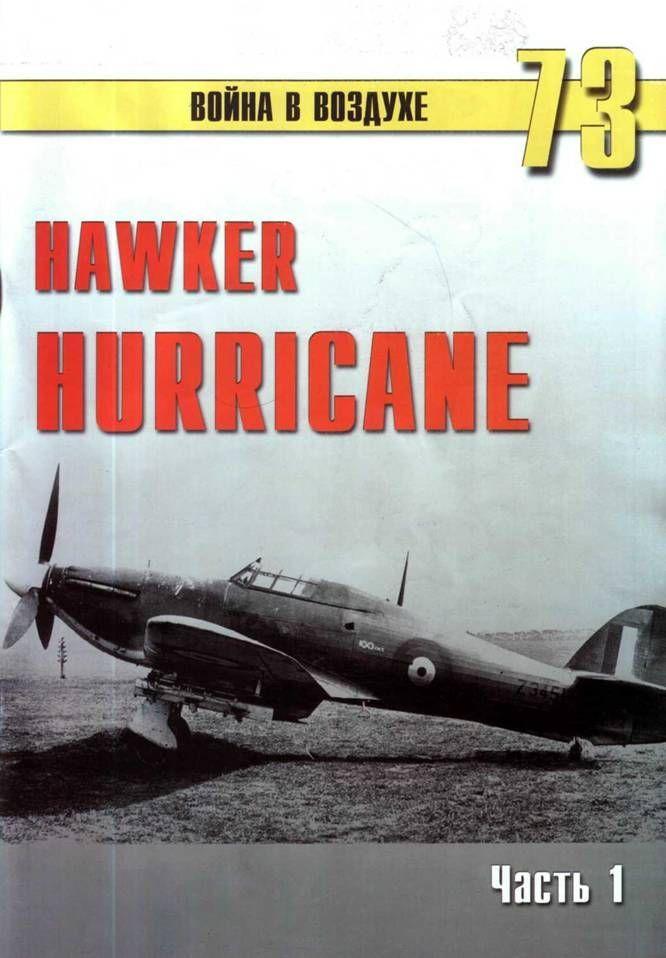
В момент своего появления истребитель Хоукер «Харрикейн» был хорошей машиной, но имевшей довольно архаичную конструкцию. В конечном счете именно это обстоятельство привело к тому, что потенциал развития самолета быстро исчерпался и самолет устарел. С появлением более современных самолетов «Харрикейн» отошел на вторую линию и на второстепенные ТВД. Конец войны поставил точку на карьере «Харрикейна».
Прим.OCR: К сожалению не найден оригинал издания. В имеющемся первоисточнике все иллюстрации собраны после текста.

Продолжение выпуска № 73. «Харрикейн» в иностранных армиях
Прим. OCR: К сожалению не найден оригинал издания. В имеющемся первоисточнике все иллюстрации собраны после текста.
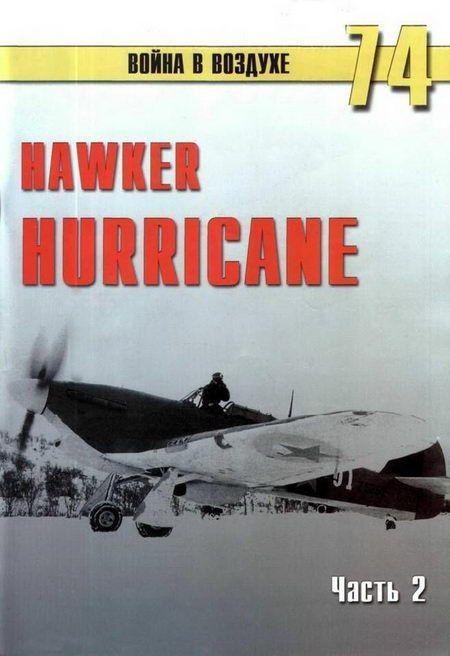
Продолжение выпуска № 73. «Харрикейн» в иностранных армиях
Прим. OCR: Иллюстрации расположены в тексте аналогично оригинальному выпуску.
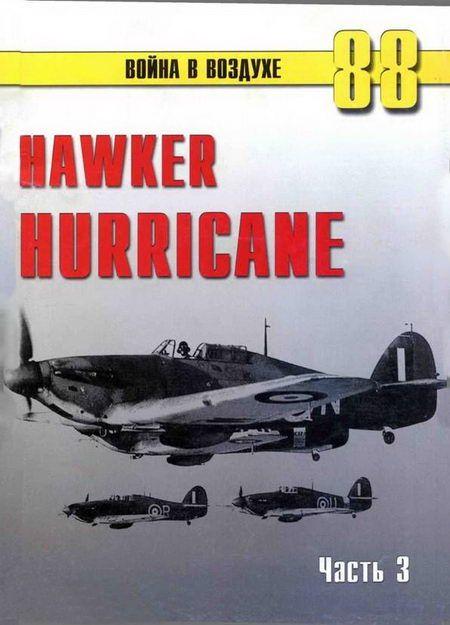
Третий выпуск, посвященный истребителю Hawker Hurricane — боевое применение.

Немецкий самолет Heinkel 111 – один из самых знаменитых бомбардировщиков. Рабочие фирмы "Хейнкель" за характерную форму крыльев называли его "летающей лопатой" ("Fliegende Schaufel"). Летчики окрестили этот самолет "Мальчиком на побегушках" ("Maedchen fuer alles") за то, что он использовался для решения самых разнообразных задач. Не 111 поднял на большую высоту престиж Люфтваффе на международной арене. Успешное применение самолета в Испании вызвало у английских и французских политиков своеобразный психоз страха и вынудило их пойти на значительные уступки Гитлеру. Не 111 прошел всю 2-ю Мировую войну и был, вместе с Ju 88, основным немецким бомбардировщиком Люфтваффе.
Прим.: Полный комплект иллюстраций, расположенных как в печатном издании, подписи к иллюстрациям текстом.
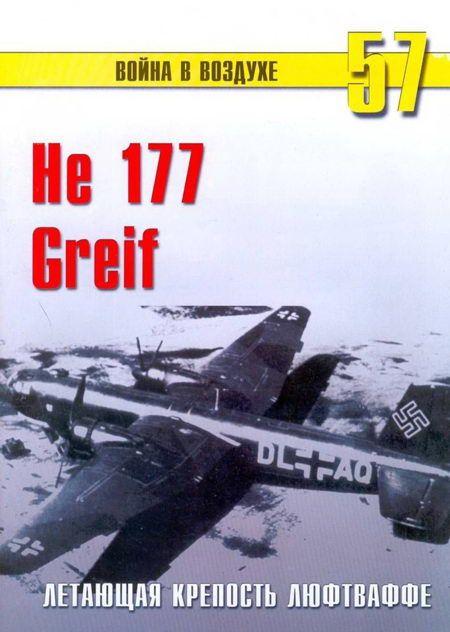
В годы Второй Мировой войны люфтваффе не располагало полноценными стратегическими бомбардировщиками, аналогичными английским машинам «Lancaster» или «Halifax», а также американским В-17, В-24 или В-29.
Попытки создать немецкий стратегический бомбардировщик предпринимались во второй половине 30-х годов и закончились неудачей. Появившиеся в результате самолеты типа Do 19 или Ju 89/ Ju 90 остались на стадии прототипа или пошли в мелкую серию.
Другим кандидатом в стратегические бомбардировщики был Не 177.

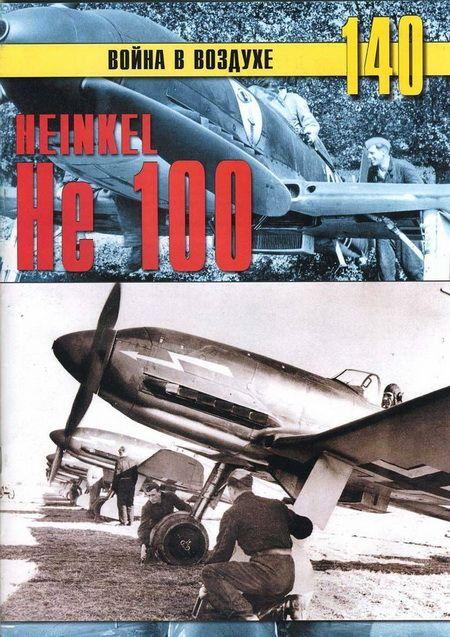
Не-100 остался в истории авиации по двум основным причинам. Первым был факт установления на нем нового абсолютного мирового рекорда скорости. Самолет был действительно одним из самых скоростных в своем классе. Однако не прекрасные летные характеристики стали причиной того, что Не-100 стал так широко известен. Эта причина – прежде всего изощренная пропаганда III-го Рейха, которая представляла его в качестве нового совершенного истребителя Люфтваффе. Вся эта операция по дезинформации оказалась на столько удачной, что пилоты воюющих с Германией стран, периодически заявляли о фактах воздушных боев с этими самолетами («Не-113»), и это даже вне зависимости от того проходили ли они в Европе или на Тихом океане.

Проектирование Не-111 началось в первые месяцы 1934 г.. Ведущую роль в проектировании играли дипломированные инженеры Зигфрид Гюнтер и Карл Швацлср. Не- 111 продолжал линию, начатую Нс-70: аэродинамически чистый, цельнометаллический с потайной клейкой обшивки моноплан с крылом и горизонтальным оперением эллиптической в плане формы, с убираемыми основными опорами шасси и фиксированной хвостовой стойкой. Фюзеляж начинался с прозрачною носа, где размешалась кабина штурмана. После многочисленных продувок моделей в аэродинамических трубах, в 1934 г. был изготовлен деревянный макет самолета. Макет произвел благоприятное впечатление на представителей только что созданною министерства авиации (RLM). Военные предложили Хсйнкслю переделать пассажирский самолет в бомбардировщик.

Authors Roger Manvell and Heinrich Fraenkel, notable biographers of the World War II German leaders Joseph Goebbels and Herman Goring, delve into the life of one of the most sinister, clever, and successful of all the Nazi leaders: Heinrich Himmler. As the head of the feared SS, Himler supervised the extermination of millions. Here is the story of how a seemingly ordinary boy grew into an obsessive and superstitious man who ventured into herbalism, astrology, and homeopathic medicine before finally turning to the “science” of racial purity and the belief in the superiority of the Aryan people.

The riveting story of one of the most calamitous voyages in Australian history, the plague-stricken sailing ship Ticonderoga that left England for Victoria with 800 doomed emigrants on board.
For more than a century and a half, a grim tale has passed down through Michael Veitch’s family: the story of the Ticonderoga, a clipper ship that sailed from Liverpool in August 1852, crammed with poor but hopeful emigrants—mostly Scottish victims of the Clearances and the potato famine. A better life, they believed, awaited them in Australia.
Three months later, a ghost ship crept into Port Phillip Bay flying the dreaded yellow flag of contagion. On her horrific three-month voyage, deadly typhus had erupted, killing a quarter of Ticonderoga’s passengers and leaving many more desperately ill. Sharks, it was said, had followed her passage as the victims were buried at sea.
Panic struck Melbourne. Forbidden to dock at the gold-boom town, the ship was directed to a lonely beach on the far tip of the Mornington Peninsula, a place now called Ticonderoga Bay.
James William Henry Veitch was the ship’s assistant surgeon, on his first appointment at sea. Among the volunteers who helped him tend to the sick and dying was a young woman from the island of Mull, Annie Morrison. What happened between them on that terrible voyage is a testament to human resilience, and to love.
Michael Veitch is their great-great-grandson, and Hell Ship is his brilliantly researched narrative of one of the biggest stories of its day, now all but forgotten. Broader than his own family’s story, it brings to life the hardships and horrors endured by those who came by sea to seek a new life in Australia.

The phenomenal true story of the black female mathematicians at NASA whose calculations helped fuel some of America’s greatest achievements in space. Soon to be a major motion picture starring Taraji P. Henson, Octavia Spencer, Janelle Monae, Kirsten Dunst, and Kevin Costner.
Before John Glenn orbited the earth, or Neil Armstrong walked on the moon, a group of dedicated female mathematicians known as “human computers” used pencils, slide rules and adding machines to calculate the numbers that would launch rockets, and astronauts, into space.
Among these problem-solvers were a group of exceptionally talented African American women, some of the brightest minds of their generation. Originally relegated to teaching math in the South’s segregated public schools, they were called into service during the labor shortages of World War II, when America’s aeronautics industry was in dire need of anyone who had the right stuff. Suddenly, these overlooked math whizzes had a shot at jobs worthy of their skills, and they answered Uncle Sam’s call, moving to Hampton, Virginia and the fascinating, high-energy world of the Langley Memorial Aeronautical Laboratory.
Even as Virginia’s Jim Crow laws required them to be segregated from their white counterparts, the women of Langley’s all-black “West Computing” group helped America achieve one of the things it desired most: a decisive victory over the Soviet Union in the Cold War, and complete domination of the heavens.
Starting in World War II and moving through to the Cold War, the Civil Rights Movement and the Space Race, Hidden Figures follows the interwoven accounts of Dorothy Vaughan, Mary Jackson, Katherine Johnson and Christine Darden, four African American women who participated in some of NASA’s greatest successes. It chronicles their careers over nearly three decades they faced challenges, forged alliances and used their intellect to change their own lives, and their country’s future.

John Hersey’s 1946 account of the life of six Hiroshima survivors, with additional material regarding the context in which it was published and received.

История народов лангобардов охватывает почти два столетия, с момента передвижения лангобардов из Скандинавии в Италию в 568 г. до 744 г. При написании этого труда использовались исторические сочинения, Беневентские и Сполетские анналы, «Liber pontificalis», исторические народные сказания, родовые предания, героические песни.
Общий характер «Истории лангобардов» историко-беллетристический. Повествование перебивается разнородными отступлениями: описаниями Италии и ее памятников, рассказами о чудесах и сказками и т. д. Хронология в нем не отличается точностью и порой даже спутана. Язык сочинения ясный и чистый, близкий к классическому. «История лангобардов» пользовалась большой популярностью в средние века.