 fb2
fb2Geothe’s fourteen hundred Maxims and Reflections reveal some of his deepest thought on art, ethics, literature and natural science, but also his immediate reactions to books, chance encounters or his administrative work. Although variable in quality, the vast majority have a freshness and immediacy which vividly conjure up Goethe the man. They make an ideal introduction to one of the greatest of European writers.
«Воистину интеллигенцию нашу нельзя мерить той мерою, которую приложил к ней поэт. „Я, – говорит Блок, – как интеллигент, влюблен в индивидуализм, эстетику и отчаяние“. Какое чудовищное непонимание духа нашей интеллигенции!..»
Considered Teffi’s single greatest work, Memories: From Moscow to the Black Sea is a deeply personal account of the author’s last months in Russia and Ukraine, suffused with her acute awareness of the political currents churning around her, many of which have now resurfaced.
In 1918, in the immediate aftermath of the Russian Revolution, Teffi, whose stories and journalism had made her a celebrity in Moscow, was invited to read from her work in Ukraine. She accepted the invitation eagerly, though she had every intention of returning home. As it happened, her trip ended four years later in Paris, where she would spend the rest of her life in exile. None of this was foreseeable when she arrived in German-occupied Kiev to discover a hotbed of artistic energy and experimentation. When Kiev fell several months later to Ukrainian nationalists, Teffi fled south to Odessa, then on to the port of Novorossiysk, from which she embarked at last for Constantinople. Danger and death threaten throughout Memories, even as the book displays the brilliant style, keen eye, comic gift, and deep feeling that have made Teffi one of the most beloved of twentieth-century Russian writers.
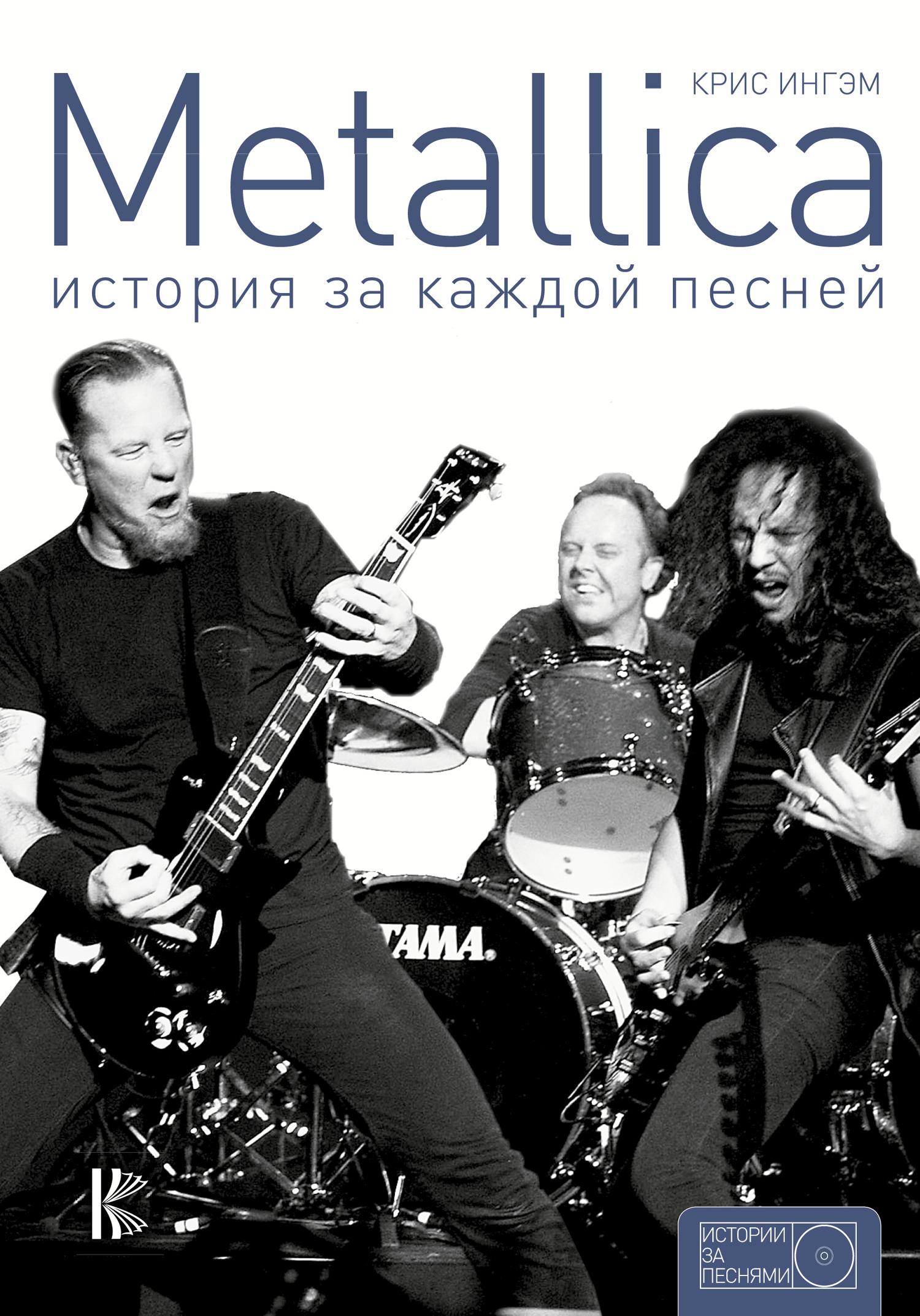
Необыкновенная история группы Metallica, которая рассказывает о создании всех девяти студийных альбомов и лучших композициях, о событиях, повлиявших на каждую песню.
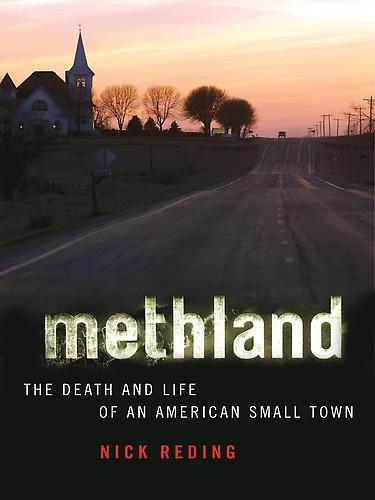
The dramatic story of the methamphetamine epidemic as it sweeps the American heartland—a timely, moving, very human account of one community’s attempt to battle its way to a brighter future.
Crystal methamphetamine is widely considered to be the most dangerous drug in the world, and nowhere is that more true than in the small towns of the American heartland.
Methland tells the story of Oelwein, Iowa (pop. 6,159), which, like thousands of other small towns across the country, has been left in the dust by the consolidation of the agricultural industry, a depressed local economy, and an out-migration of people. As if this weren’t enough to deal with, an incredibly cheap, longlasting, and highly addictive drug has rolled into town.
Over a period of four years, journalist Nick Reding brings us into the heart of Oelwein through a cast of intimately drawn characters, including: Clay Hallburg, the town doctor, who fights meth even as he struggles with his own alcoholism; Nathan Lein, the town prosecutor, whose caseload is filled almost exclusively with meth-related crime; and Jeff Rohrick, a meth addict, still trying to kick the habit after twenty years.
Tracing the connections between the lives touched by the drug and the global forces that set the stage for the epidemic, Methland offers a vital and unique perspective on a pressing contemporary tragedy.
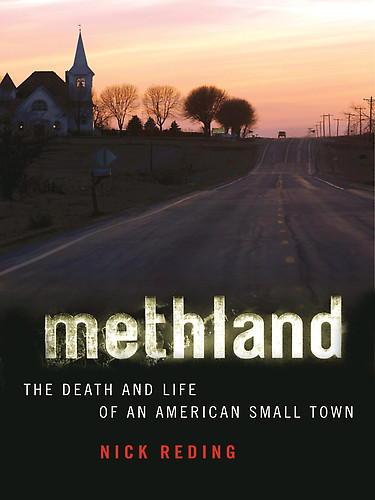
The dramatic story of the methamphetamine epidemic as it sweeps the American heartland—a timely, moving, very human account of one community’s attempt to battle its way to a brighter future.
Crystal methamphetamine is widely considered to be the most dangerous drug in the world, and nowhere is that more true than in the small towns of the American heartland.
Methland tells the story of Oelwein, Iowa (pop. 6,159), which, like thousands of other small towns across the country, has been left in the dust by the consolidation of the agricultural industry, a depressed local economy, and an out-migration of people. As if this weren’t enough to deal with, an incredibly cheap, longlasting, and highly addictive drug has rolled into town.
Over a period of four years, journalist Nick Reding brings us into the heart of Oelwein through a cast of intimately drawn characters, including: Clay Hallburg, the town doctor, who fights meth even as he struggles with his own alcoholism; Nathan Lein, the town prosecutor, whose caseload is filled almost exclusively with meth-related crime; and Jeff Rohrick, a meth addict, still trying to kick the habit after twenty years.
Tracing the connections between the lives touched by the drug and the global forces that set the stage for the epidemic, Methland offers a vital and unique perspective on a pressing contemporary tragedy.
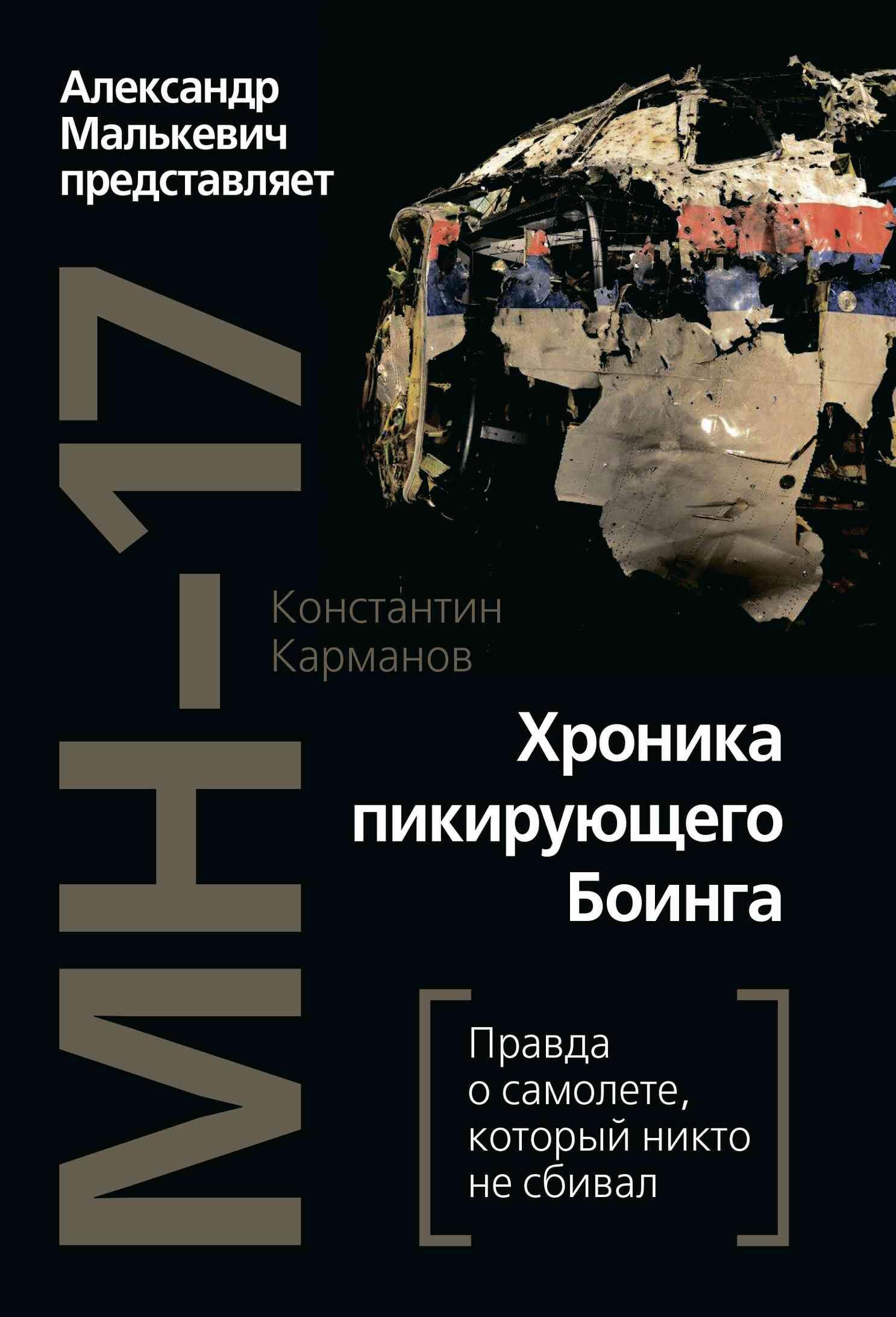
Правда всегда была, есть и будет первой жертвой любой войны. С момента начала военного конфликта на Донбассе западные масс-медиа начали выстраивать вокруг образа ополченцев самопровозглашенных республик галерею ложных обвинений. Жертвой информационной атаки закономерно стала и Россия.
Для того, чтобы тени легли под нужным углом, потребовалось не просто притушить свет истины. Были необходимы удобный повод и жертвы, чья гибель вызвала бы резкий всплеск антироссийской истерии на Западе. Таким поводом стала гибель малайзийского Боинга в небе над Украиной. Однако по мере того, как в публичное пространство поступает новая информация о произошедшем, у экспертов возникает все больше вопросов к растиражированной западными СМИ версии произошедшего.
Автор книги К. Карманов — авиационный специалист высшего уровня, что позволяет ему рассмотреть тему не только с политико-правовой, но и с технической точки зрения. После прочтения этой книги у читателя останется лишь один вопрос: почему в адрес России до сих пор раздаются обвинения, в то время как реальные преступники продолжают занимать свои респектабельные кабинеты вместо тюремной камеры?..
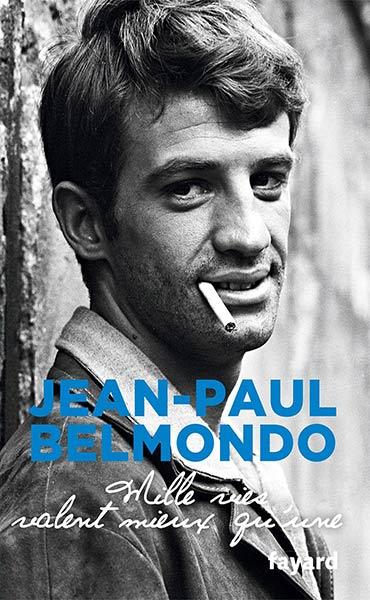
Jean-Paul Belmondo a aujourd’hui décidé de tout raconter. Son enfance marquée par la guerre, sa mère courage, l’atelier de son père, et ses premières amours.
Il nous entraîne dans les pas dilettantes de son service militaire en Algérie. Il nous invite aux comptoirs de la rue Saint-Benoît, pour y faire les quatre cents coups avec ses copains de toujours, Jean-Pierre Marielle, Jean Rochefort, Michel Beaune, Pierre Vernier, Charles Gérard. Jean-Paul Belmondo se raconte ici pour la première fois, nous livrant la certitude que, oui, mille vies valent mieux qu’une.

Замечания, мысли о искусстве, о литературе, о критиках, о самом себе.
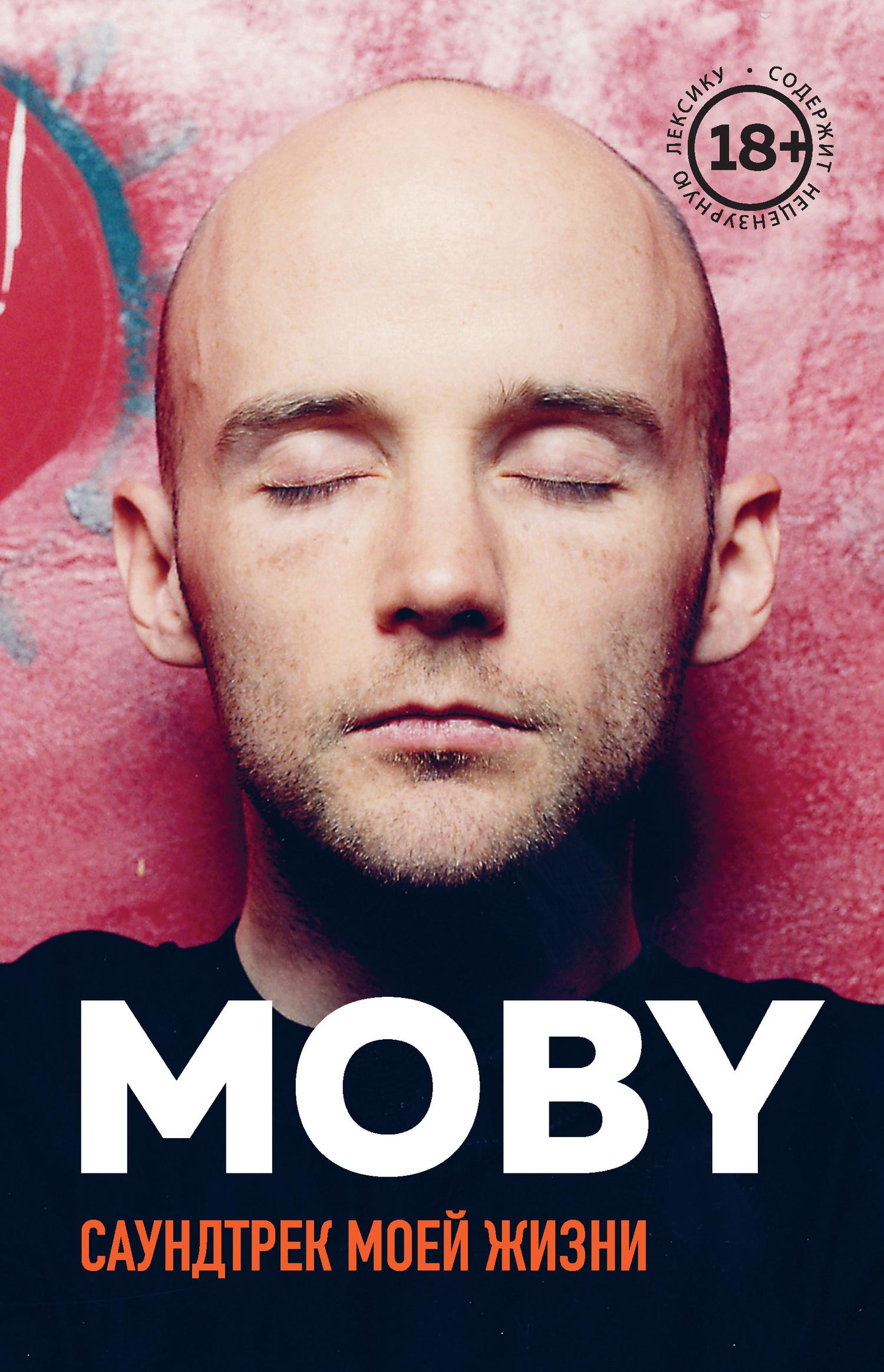
Автобиография одного из самых культовых музыкантов нашего времени – пугающе откровенная, чувственная, остроумная, грустная и смешная, охватывающая путь от беспросветной нищеты в трущобах до ошеломительного мирового успеха.
Моби не должен был стать ди-джеем или музыкантом, не должен был стать звездой, и на это была тысяча причин. Время начала его карьеры было временем наркотиков, прогрессивной клубной музыки, а сам он был бедным подростком-христианином из Коннектикута, трезвенником, помешанным на здоровом питании и любви к животным. У него не было ничего, и он даже нашел пути, как с этим смириться. Но, возможно, именно те годы в Нью-Йорке как раз и были такими, когда только нищета могла сохранить жизнь. Не без трагедии и драмы Моби нашел свой путь и вырвался на вершины музыкального мира.
Моби с поразительной честностью и романтической иронией пишет о любви и боли, взлетах и падениях, которые и составляют непредсказуемую амплитуду рок-славы.Книга содержит ненормативную лексику.
Moscow Diary is the diary kept by Marjorie Farquharson during the period in which she established Amnesty International’s Information Office in Moscow, a unique venture during a fascinating period of change. In 1991, Marjorie was the first westerner working on human rights with a permanent base. It was particularly important because for years the USSR had considered Amnesty an anti-Soviet organisation – “a nest of spies” so to speak.
Marjorie’s role together with her penetrating perceptions and her entertaining style of writing make this a very interesting account which combines insights into the politics of human rights and into the unusually wide range of people Marjorie encountered. Most westerners in Moscow lived a life apart with access to foreign currency shops and good-quality food. Marjorie chose instead to live as an ordinary Muscovite, in one room with a small kitchen, even when, in 1992, the inflation rate in Russia soared to more than 2000%.
The fact that the diary was written 25 years ago doesn’t in any way undermine the author’s efforts to help Russia become “a normal country”, nor does it hide the author’s true passion for the Russian people. A gem of a book capturing a moment in time by a truly humble, self-sacrificing woman.
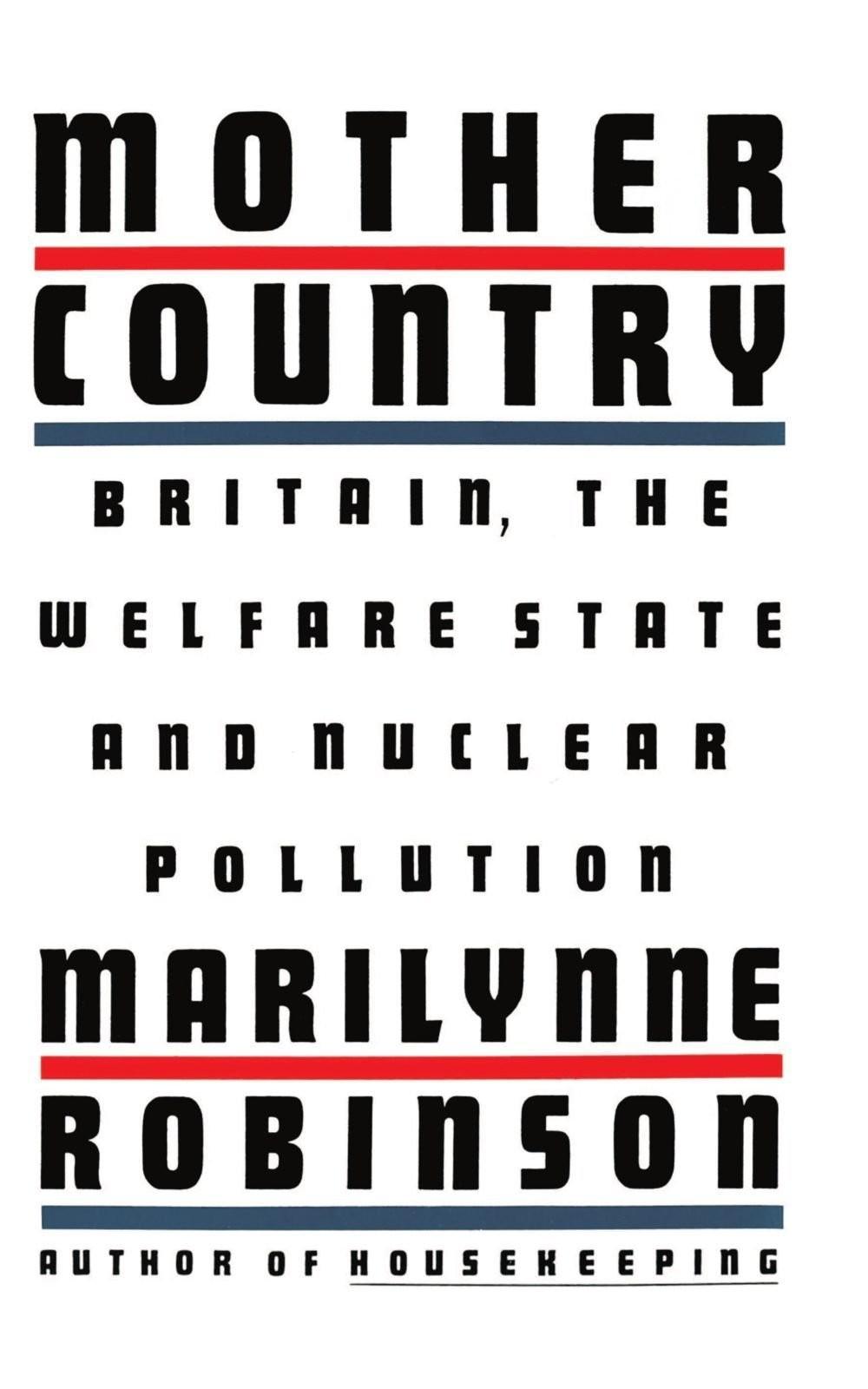
At the time when Robinson wrote this book, the largest known source of radioactive contamination of the world's environment was a government-owned nuclear plant called Sellafield, not far from Wordsworth's cottage in the Lakes District; one child in sixty was dying from leukemia in the village closest to the plant. The central question of this eloquently impassioned book is: How can a country that we persist in calling a welfare state consciously risk the lives of its people for profit.
In 1984, Tom Clancy released his blockbuster novel, The Hunt for Red October, an edge-of-your seat thriller that skyrocketed him into international notoriety. The inspiration for that novel came from an obscure report by a US naval officer of a mutiny aboard a Soviet warship in the Baltic Sea. The Hunt for Red October actually happened, and Boris Gindin lived through every minute of it. After decades of silence and fear, Gindin has finally come forward to tell the entire story of the mutiny aboard the FFG Storozhevoy, the real-life Red October.
It was the fall of 1975, and the tensions between the Soviet Union and the United States were climbing. It seemed the two nations were headed for thermonuclear war, and it was that fear that caused most of the crewman of the FFG Storozhevoy to mutiny. Their goal was to send a message to the Soviet people that the Communist government was corrupt and major changes were needed. That message never reached a single person. Within hours the orders came from on high to destroy the Storozhevoy and its crew members. And this would have happened if it weren’t for Gindin and few others whose heroism saved many lives.
Now, with the help of USA Today bestselling author David Hagberg, Gindin relives every minute of that harrowing event. From the danger aboard the ship to the threats of death from the KGB to the fear that forced him to flee the Soviet Union for the United States, Mutiny reveals the real-life story behind The Hunt for Red October and offers an eye-opening look at the Soviet Union during the height of the Cold War.
In 1984, Tom Clancy released his blockbuster novel, The Hunt for Red October, an edge-of-your seat thriller that skyrocketed him into international notoriety. The inspiration for that novel came from an obscure report by a US naval officer of a mutiny aboard a Soviet warship in the Baltic Sea. The Hunt for Red October actually happened, and Boris Gindin lived through every minute of it. After decades of silence and fear, Gindin has finally come forward to tell the entire story of the mutiny aboard the FFG Storozhevoy, the real-life Red October.
It was the fall of 1975, and the tensions between the Soviet Union and the United States were climbing. It seemed the two nations were headed for thermonuclear war, and it was that fear that caused most of the crewman of the FFG Storozhevoy to mutiny. Their goal was to send a message to the Soviet people that the Communist government was corrupt and major changes were needed. That message never reached a single person. Within hours the orders came from on high to destroy the Storozhevoy and its crew members. And this would have happened if it weren’t for Gindin and few others whose heroism saved many lives.
Now, with the help of USA Today bestselling author David Hagberg, Gindin relives every minute of that harrowing event. From the danger aboard the ship to the threats of death from the KGB to the fear that forced him to flee the Soviet Union for the United States, Mutiny reveals the real-life story behind The Hunt for Red October and offers an eye-opening look at the Soviet Union during the height of the Cold War.
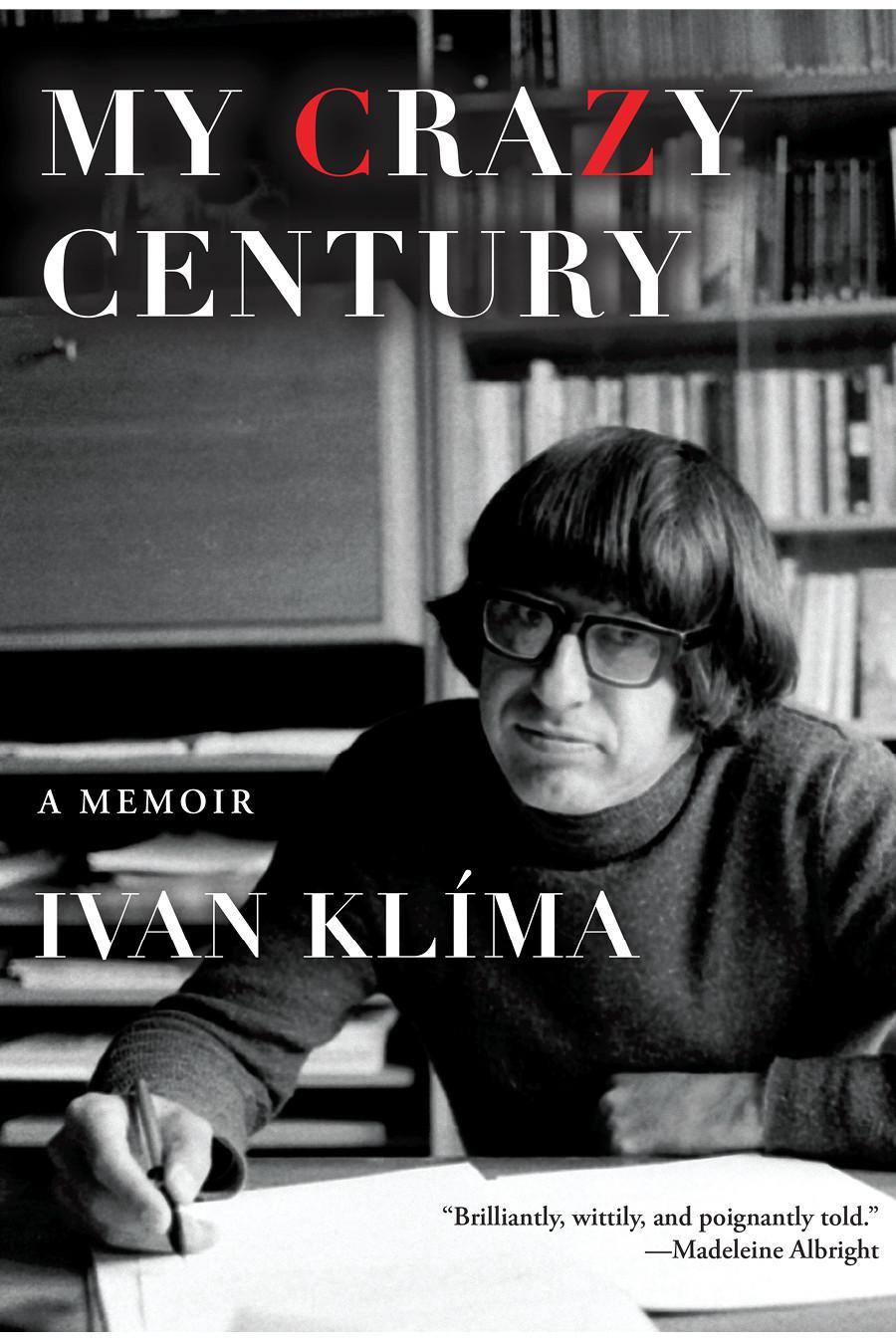
In his intimate autobiography, spanning six decades that included war, totalitarianism, censorship, and the fight for democracy, acclaimed Czech writer Ivan Klíma reflects back on his remarkable life and this critical period of twentieth-century history.
Klíma’s story begins in the 1930s on the outskirts of Prague where he grew up unaware of his concealed Jewish heritage. It came as a surprise when his family was transported to the Terezín concentration camp — and an even greater surprise when most of them survived. They returned home to a city in economic turmoil and falling into the grip of Communism. Against this tumultuous backdrop, Klíma discovered his love of literature and matured as a writer. But as the regime further encroached on daily life, arresting his father and censoring his work, Klíma recognized the party for what it was: a deplorable, colossal lie. The true nature of oppression became clear to him and many of his peers, among them Josef Škvorecký, Milan Kundera, and Václav Havel. From the brief hope of freedom during the Prague Spring of 1968 to Charter 77 and the eventual collapse of the regime in 1989’s Velvet Revolution, Klíma’s revelatory account provides a profoundly rich personal and national history.
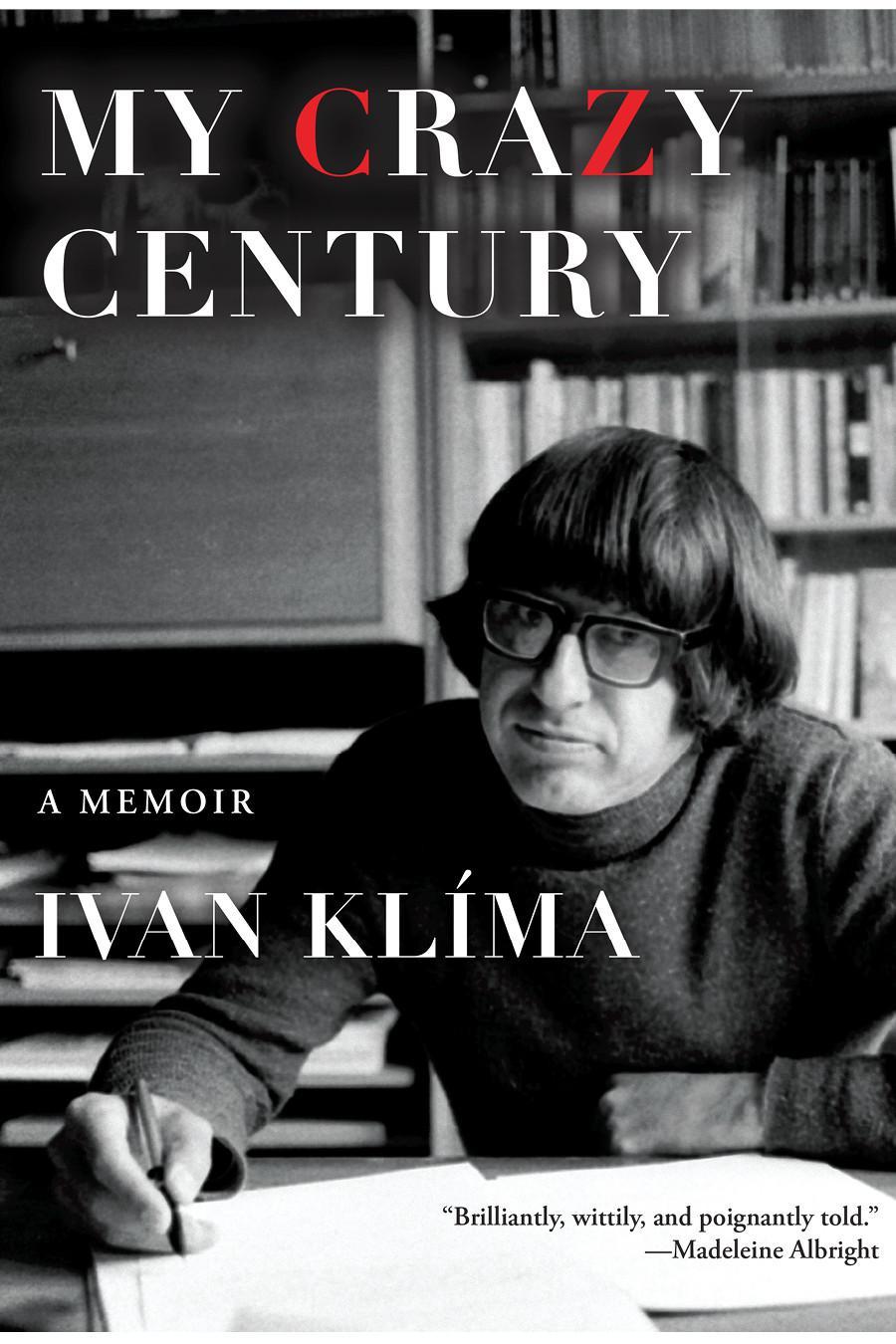
In his intimate autobiography, spanning six decades that included war, totalitarianism, censorship, and the fight for democracy, acclaimed Czech writer Ivan Klíma reflects back on his remarkable life and this critical period of twentieth-century history.
Klíma’s story begins in the 1930s on the outskirts of Prague where he grew up unaware of his concealed Jewish heritage. It came as a surprise when his family was transported to the Terezín concentration camp — and an even greater surprise when most of them survived. They returned home to a city in economic turmoil and falling into the grip of Communism. Against this tumultuous backdrop, Klíma discovered his love of literature and matured as a writer. But as the regime further encroached on daily life, arresting his father and censoring his work, Klíma recognized the party for what it was: a deplorable, colossal lie. The true nature of oppression became clear to him and many of his peers, among them Josef Škvorecký, Milan Kundera, and Václav Havel. From the brief hope of freedom during the Prague Spring of 1968 to Charter 77 and the eventual collapse of the regime in 1989’s Velvet Revolution, Klíma’s revelatory account provides a profoundly rich personal and national history.
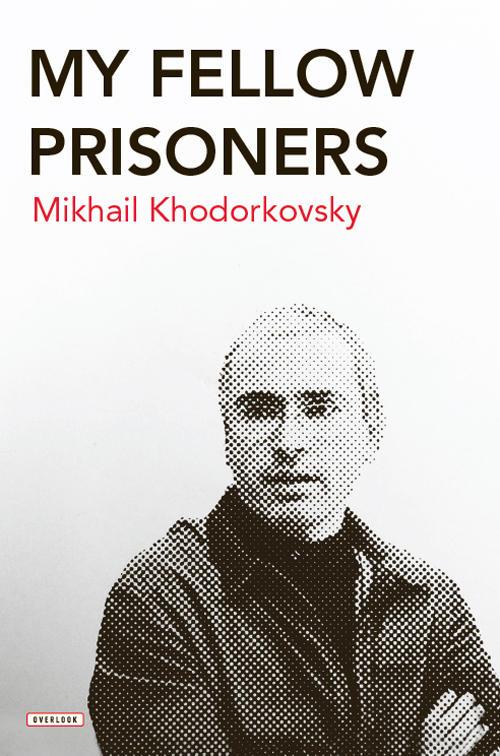
Mikhail Khodorkovsky was Russia’s leading businessman and an outspoken Kremlin critic. Under his leadership, the oil company Yukos revived the Russian oil industry, and as the company thrived, he began sponsoring programs to encourage civil society and fight corruption.
When he was arrested at gunpoint in 2003, Khodorkovsky became Russia’s most famous political prisoner. Sentenced to ten years in a Siberian penal colony on fraud and tax evasion charges, he was put on trial again in 2010 and sentenced to fourteen years, despite the fact that the new charges contradicted the earlier ones.
While imprisoned, Khodorkovsky fought for the rights of his fellow prisoners, going on hunger strike four times. After he was pardoned in 2013, he vowed to continue fighting for prisoners’ rights, and My Fellow Prisoners is a tribute to that work. A moving portrait of the prisoners Khodorkovsky met, My Fellow Prisoners tells the story of lives destroyed by bureaucratic criminality. It is a passionate call to recognize a human tragedy.
MIKHAIL KHODORKOVSKY is Russia’s best-known political prisoner. Prior to his arrest on October 25, 2003, Khodorkovsky had been known as one of Russia’s most successful entrepreneurs and as a pioneering philanthropist. He led the fight against corruption in Russia, encouraged inward investment and promoted civil society. Pardoned in December 2013, he lives in Switzerland and works on behalf of prisoners’ rights.
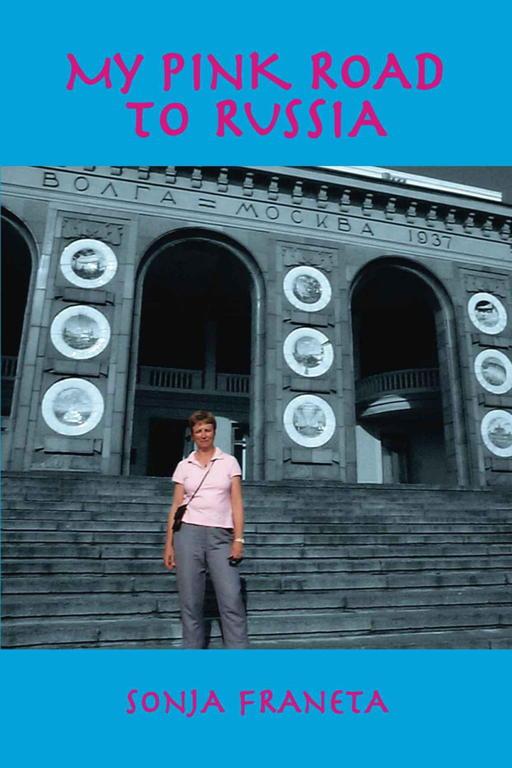
My Pink Road to Russia: Tales of Amazons, Peasants, and Queers presents an engaging mix of Sonja Franeta’s stories, memoir, poems, articles, and interviews. This radical lesbian from an immigrant Slavic family connects with her passion for Russia and finds out some touching as well as dangerous facts about queers in that mysterious country. The stories range from the seeds of a queer life planted in a high school girl on the verge of coming out, to reflections on the challenges of teaching, to an article about a Siberian lesbian the author interviewed who was later murdered. Franeta shares her enthusiasm for Russian poet Marina Tsvetaeva, chronicles the motivation and complexities of humanitarian trips to Kosovo and a township in South Africa, and mines her memory for unique and universal tales about her family from the former Yugoslavia.
Sonja Franeta is a writer, educator and activist born in the Bronx, New York to an immigrant Yugoslav family. She received a Master’s degree in Russian from New York University and a Master’s in Comparative Literature from University of California at Berkeley. She is passionate about Russian language, culture, queers and literature.