 fb2
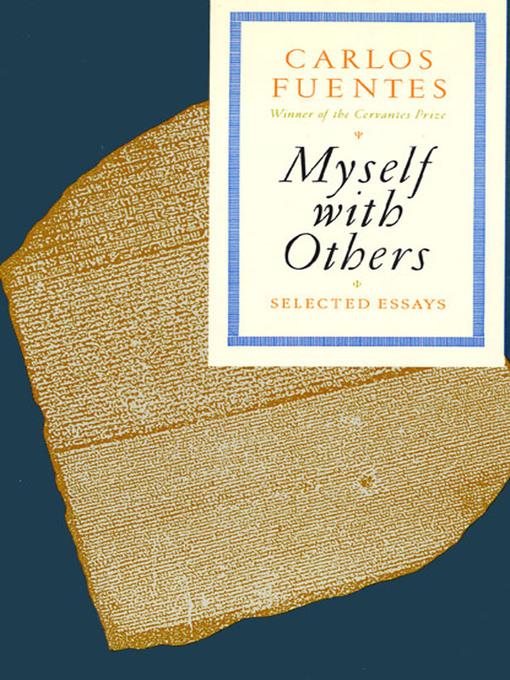
fb2In Myself with Others, Fuentes has assembled essays reflecting three of the great elements of his work: autobiography, love of literature, and politics. They include his reflections on his beginning as a writer, his celebrated Harvard University commencement address, and his trenchant examinations of Cervantes, Gabriel Garcia Marquez, and Borges.

Du papyrus au fichier électronique, nous traversons deux mille ans d’histoire du livre à travers une discussion à la fois érudite et humoristique, savante et subjective, dialectique et anecdotique, curieuse et goûteuse. On y parcourt les temps et les lieux, les personnes réelles s’y mêlent aux personnages de fiction, on y fait l’éloge de la bêtise, on y analyse la passion du collectionneur, les raisons pour lesquelles telle époque engendre des chefs-d’œuvre, la manière dont fonctionnent la mémoire et le classement d’une bibliothèque. En ces temps d’obscurantisme galopant, c’est peut-être le plus bel hommage qui se puisse imaginer à la culture de l’esprit, et l’antidote le plus efficace au désenchantement.

Сегодня вряд ли уже отыщется хоть одно государство на нашей планете, где ну совсем не было бы наших. Они повсюду – от крохотной деревушки, затерянной в австралийской саванне, до центра мегаполиса по имени Лондон. Сотни, тысячи, миллионы людей разных национальностей, отечеством для которых был и навсегда останется русский язык, разъехались, разлетелись по мировым городам и весям. Наши за границей и стали главными героями этой книги.
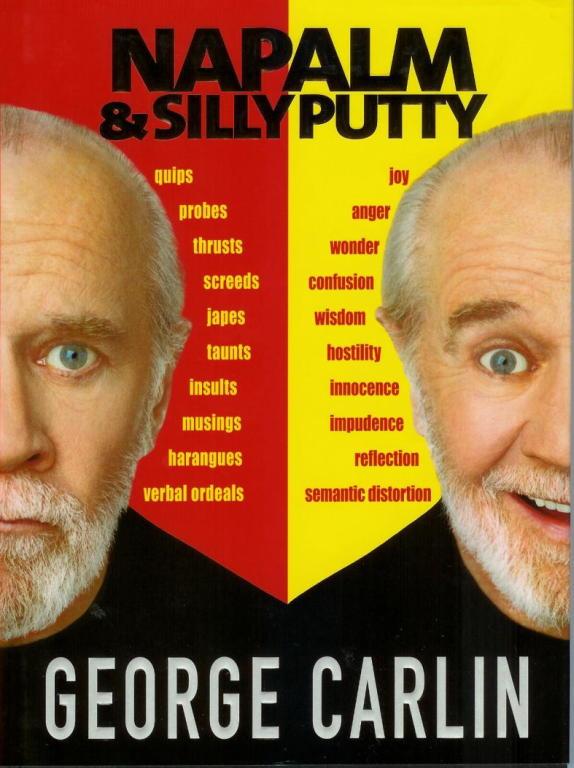
Whether it involves musing on the inevitable and annoying ironies of everyday life, spouting off about anything and everything that gets his goat, or just plain figuring out new and improved ways to be difficult, George Carlin’s comedy is incorrigible and unmistakable. Following the runaway success of Brain Droppings, Carlin now delivers all-new rants, what-ifs, observations, and out-and-out damnations in his cantankerous new collection, Napalm and Silly Putty.
Carlin is at his best taking on the whole world and telling it like it is—or at least how he sees it. From the “Airline Announcements” section (“…here’s a phrase that apparently the airlines simply made up: near miss. Bull****, my friend. It’s a near hit! A collision is a near miss.”) to “Cars and Driving” (“One of the first things they teach you in Driver’s Ed is where to put your hands on the steering wheel. They tell you to put ’em at ten o’clock and two o’clock. Never mind that. I put mine at 9:45 and 2:17. Gives me an extra half hour to get where I’m goin’.”), Carlin takes you on a wild ride through a life you’ll never look at the same way again. He identifies the experience of “vuja de”—“the distinct sense that, somehow, something that just happened has never happened before”—and posits existential questions including, “If there really are multiple universes, what do they call the thing they’re all a part of?” and “If the reason for climbing Mt. Everest is that it’s hard to do, why does everyone go up the easy side?” Of course, it wouldn’t be George Carlin if he didn’t say a whole lot more that we just can’t print here!
Including more lists of things he’s had just about enough of, and hilarious short takes that will put you in stitches, Napalm and Silly Putty is Carlin’s comic opus on life at the dawn of the 21st century. In it, he asks, “Have you ever started a path? No one seems willing to do this. We don’t mind using existing paths, but we rarely start new ones. Do it today. Start a path. Even if it doesn’t lead anywhere.” Carlin has certainly started his own path—read Napalm and Silly Putty and decide for yourself where he’s going. (Elise Vogel)
http://www.youtube.com/watch?v=-sdQgLmZgqs
Whether it involves musing on the inevitable and annoying ironies of everyday life, spouting off about anything and everything that gets his goat, or just plain figuring out new and improved ways to be difficult, George Carlin’s comedy is incorrigible and unmistakable. Following the runaway success of Brain Droppings, Carlin now delivers all-new rants, what-ifs, observations, and out-and-out damnations in his cantankerous new collection, Napalm and Silly Putty.
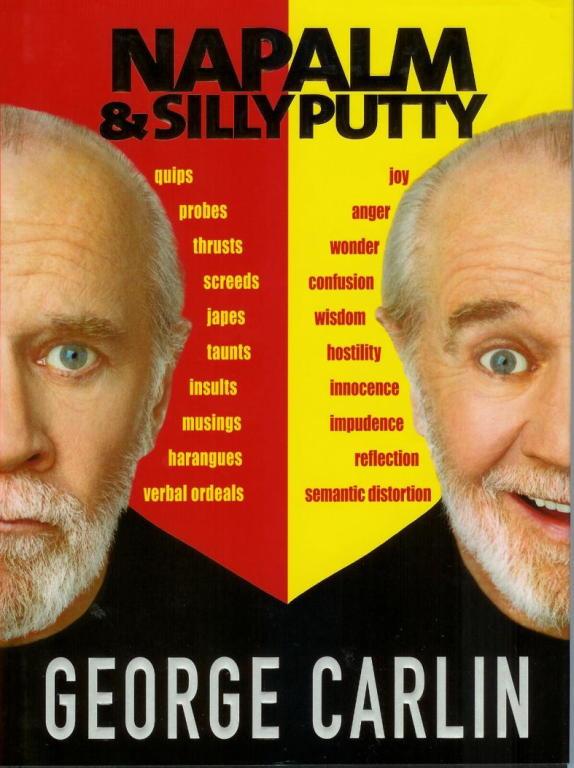
Carlin is at his best taking on the whole world and telling it like it is—or at least how he sees it. From the “Airline Announcements” section (“…here’s a phrase that apparently the airlines simply made up: near miss. Bull****, my friend. It’s a near hit! A collision is a near miss.”) to “Cars and Driving” (“One of the first things they teach you in Driver’s Ed is where to put your hands on the steering wheel. They tell you to put ’em at ten o’clock and two o’clock. Never mind that. I put mine at 9:45 and 2:17. Gives me an extra half hour to get where I’m goin’.”), Carlin takes you on a wild ride through a life you’ll never look at the same way again. He identifies the experience of “vuja de”—“the distinct sense that, somehow, something that just happened has never happened before”—and posits existential questions including, “If there really are multiple universes, what do they call the thing they’re all a part of?” and “If the reason for climbing Mt. Everest is that it’s hard to do, why does everyone go up the easy side?” Of course, it wouldn’t be George Carlin if he didn’t say a whole lot more that we just can’t print here!
Including more lists of things he’s had just about enough of, and hilarious short takes that will put you in stitches, Napalm and Silly Putty is Carlin’s comic opus on life at the dawn of the 21st century. In it, he asks, “Have you ever started a path? No one seems willing to do this. We don’t mind using existing paths, but we rarely start new ones. Do it today. Start a path. Even if it doesn’t lead anywhere.” Carlin has certainly started his own path — read Napalm and Silly Putty and decide for yourself where he’s going. (Elise Vogel)
http://www.youtube.com/watch?v=-sdQgLmZgqs

The rhythms of jazz and beat poetry punctuate this sweeping, firsthand account of New York City’s 1950s literary scene from the Bowery to Spanish Harlem
National bestselling author Dan Wakefield first came to New York City in 1952 with the intention of receiving a proper literary education on the ivied campus of Columbia University. An equally enlightening experience, he quickly found, was hiding in the smoky bars and cafés of Greenwich Village frequented by the most talented writers of the fifties, including James Baldwin, Joan Didion, and Allen Ginsberg. Wakefield recounts drinking at the White Horse Tavern, Dylan Thomas’s Village haunt, as well as the offices of Esquire and the Nation, capturing rare, intimate moments of spirited camaraderie between some of the most influential artists of their generation.
Like Hemingway’s recollections of 1920s Paris in A Moveable Feast, New York in the ’50 sshowcases a city in its artistic heyday, replete with Wakefield’s remembrances of brushing shoulders with literary icons such as Jack Kerouac and Norman Mailer, and watching Thelonious Monk play jazz at the Five Spot Café. Wakefield’s experience as a journalist and chronicler of Americana allows him to capture the subtleties of a decade of unparalleled artistic expression.

Со смерти Курта Кобейна прошло больше двух десятков лет, а интерес к группе Nirvana не угасает. И не зря: ее по праву можно назвать последней великой рок-командой, завоевавшей умы и сердца целого поколения. Известный журналист Эверетт Тру, помощник редактора старейшего британского музыкального издания Melody Maker, предлагает нам взглянуть на Nirvana изнутри, в контексте сиэтлской рок-сцены времен зарождения гранжа. В полной и исчерпывающей биографии группы Тру раскроет множество секретов и заполнит немало белых пятен в ее истории.
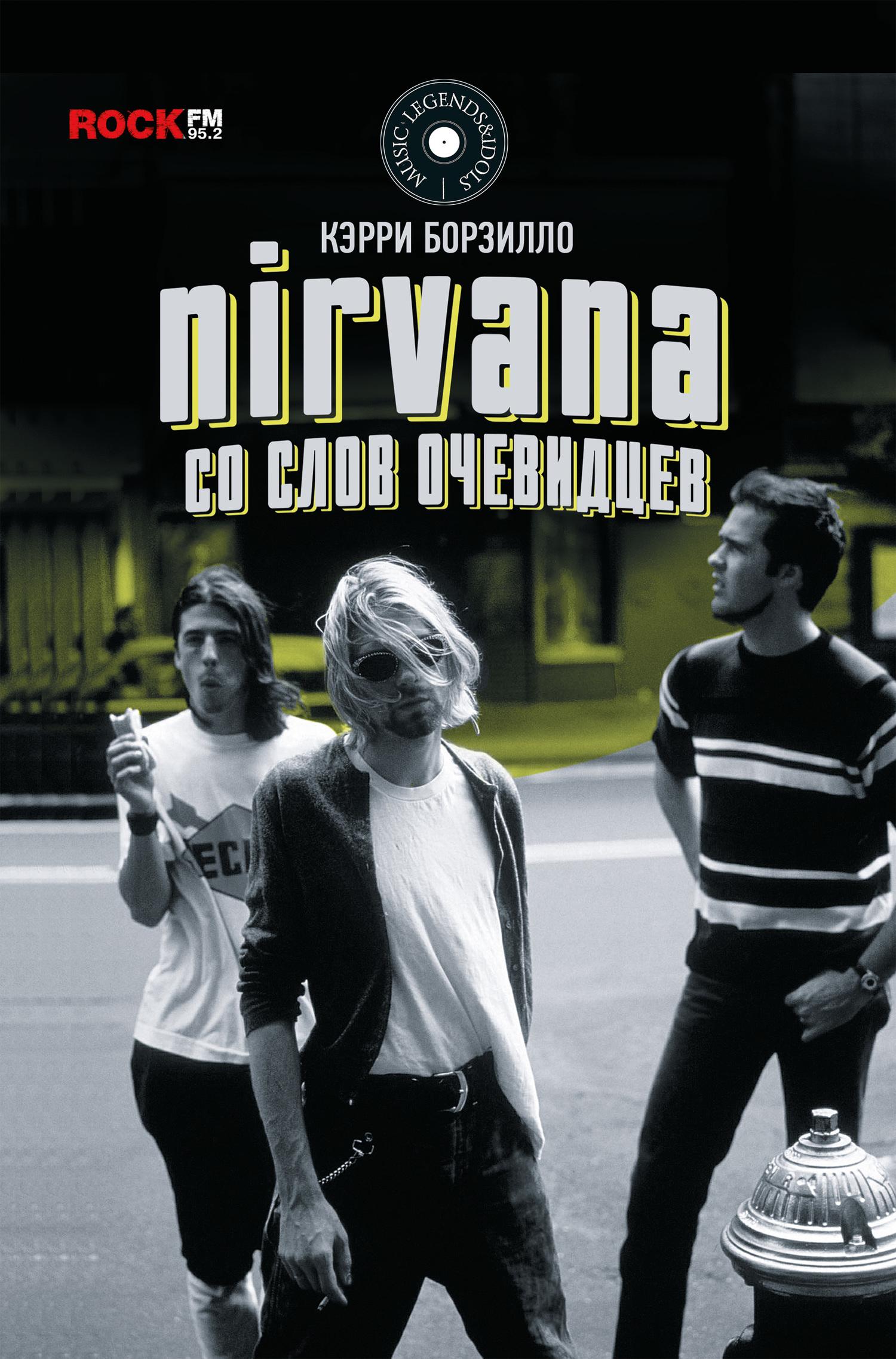
Эта книга отделит факты от домыслов и прояснит мифы и ложь, которые наросли на группе и ее членах, а также на беспокойной жизни ее вокалиста при помощи простой и прямой хроники, поденной фиксации их карьер и жизней.
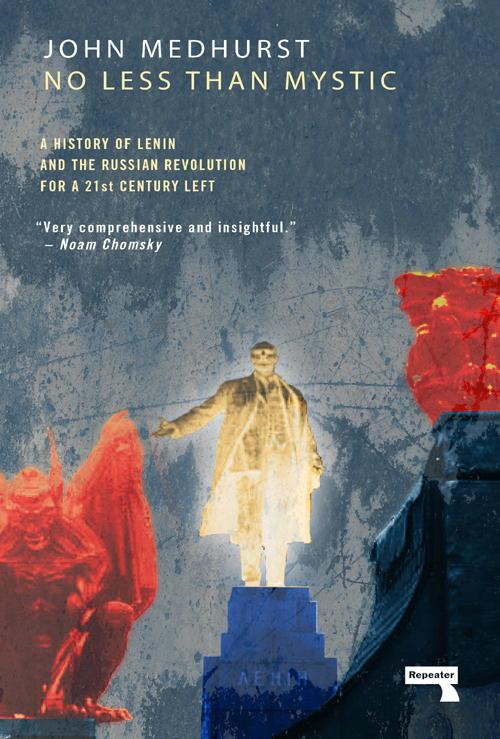
Published in the centenary year of the 1917 Russian Revolution, No Less Than Mystic is a fresh and iconoclastic history of Lenin and the Bolsheviks for a generation uninterested in Cold War ideologies and stereotypes.
Although it offers a full and complete history of Leninism, 1917, the Russian Civil War and its aftermath, the book devotes more time than usual to the policies and actions of the socialist alternatives to Bolshevism–to the Menshevik Internationalists, the Socialist Revolutionaries (SRs), the Jewish Bundists and the anarchists. It prioritises Factory Committees, local Soviets, the Womens’ Zhenotdel movement, Proletkult and the Kronstadt sailors as much as the statements and actions of Lenin and Trotsky. Using the neglected writings and memoirs of Mensheviks like Julius Martov, SRs like Victor Chernov, Bolshevik oppositionists like Alexandra Kollontai and anarchists like Nestor Makhno, it traces a revolution gone wrong and suggests how it might have produced a more libertarian, emancipatory socialism than that created by Lenin and the Bolsheviks.
Although the book broadly covers the period from 1903 (the formation of the Bolsheviks and Mensheviks) to 1921 (the suppression of the Kronstadt rebellion) and explains why the Bolshevik Revolution degenerated so quickly into its apparent opposite, it continually examines the Leninist experiment through the lens of a 21st century, de-centralised, ecological, anti-productivist and feminist socialism. Throughout its narrative it interweaves and draws parallels with contemporary anti-capitalist struggles such as those of the Zapatistas, the Kurds, the Argentinean “Recovered Factories”, Occupy, the Arab Spring, the Indignados and Intersectional feminists, attempting to open up the past to the present and points in between.
We do not need another standard history of the Russian Revolution. This is not one.

«No Logo» — это одновременно серьезное экономическое и культурологическое исследование, политический манифест, научная монография и увлекательное журналистское расследование, критикующее глобализацию, неолиберализм и современный экономический порядок, при котором мир, опутанный сетями глобальных брэндов, лишен возможности свободного выбора и не может полноценно развиваться.
«No Logo» — это «евангелие антикорпоративного движения» («The New York Times»), книга, которую называют новым «Капиталом». Наоми Кляйн раскрывает истинные причины основных конфликтов современности и объясняет, почему некоторые известные и уважаемые компании становятся объектами открытой ненависти миллионов людей, которые выходят на улицы, пытаясь изменить мировой порядок и сделать его более справедливым.
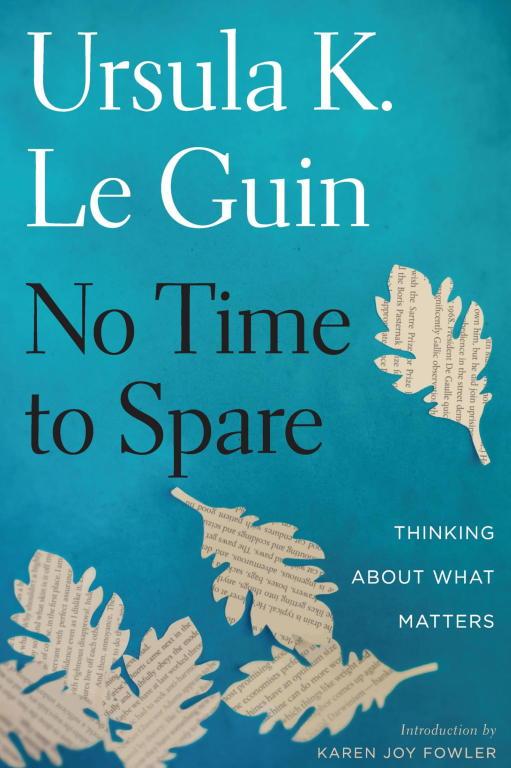
From acclaimed author Ursula K. Le Guin, and with an introduction by Karen Joy Fowler, a collection of thoughts—always adroit, often acerbic—on aging, belief, the state of literature, and the state of the nation.
Ursula K. Le Guin has taken readers to imaginary worlds for decades. Now she’s in the last great frontier of life, old age, and exploring new literary territory: the blog, a forum where her voice—sharp, witty, as compassionate as it is critical—shines. No Time to Spare collects the best of Ursula’s blog, presenting perfectly crystallized dispatches on what matters to her now, her concerns with this world, and her wonder at it.
On the absurdity of denying your age, she says, If I’m ninety and believe I’m forty-five, I’m headed for a very bad time trying to get out of the bathtub. On cultural perceptions of fantasy: The direction of escape is toward freedom. So what is ‘escapism’ an accusation of? On her new cat: He still won’t sit on a lap… I don’t know if he ever will. He just doesn’t accept the lap hypothesis. On breakfast: Eating an egg from the shell takes not only practice, but resolution, even courage, possibly willingness to commit crime. And on all that is unknown, all that we discover as we muddle through life: How rich we are in knowledge, and in all that lies around us yet to learn. Billionaires, all of us.
«Noblesse oblige! Аристократия есть неравенство людей между собою (не в смысле разнообразия, это было бы несходство, но в смысле закона), понимаемое не случайно…»

Как изменился культурный ландшафт после появления глобального супермаркета? Что произошло с современным искусством после Энди Уорхола, с поп-музыкой – после Нирваны и MTV, с кино – после «Звездных войн»? И так ли важны сегодня, когда лейбл на вашей майке ценнее ее фасона, старые понятия вкуса и стиля? Ответы на эти вопросы предлагает в своей книге Джон Сибрук, колумнист журнала New Yorker, Harper’s Bazaar, GQ, Vanity Fair, Vogue, Village Voice. Его исследование – путеводитель по современной культуре, в которой информационный шум оказывается важнее самого события, качество равно актуальности, и уже никто не в состоянии отделить продукт от его позиционирования, а культурную ценность – от рыночной стоимости. Добро пожаловать в мир Nobrow! Мир, в котором вы уже давно живете, хотя и боитесь себе в этом признаться!
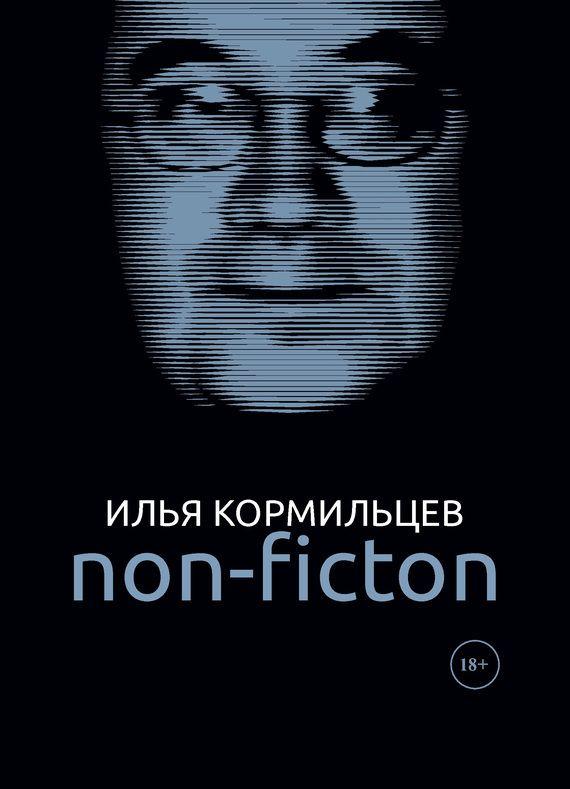
В третий том собрания сочинений Ильи Кормильцева (1959–2007) вошли интервью, данные им на протяжении 20 лет различным средствам массовой информации. Эти беседы позволяют узнать мнение поэта, публициста и философа Кормильцева по широчайшему спектру проблем: от чисто музыкальных до общественно-политических.

Андрей Ангелов публикует отзывы читателей на своё творчество. Третья часть. Отзывы на авторский нон-фикшн, а именно: «Виды читателей», «Интервью с гением», «Фарсократия», «Интернет-особи» и «Азбука 18+». Отзывы + фото.
Nonviolent action is the most promising method of moving beyond capitalism to a more humane social and economic system. How can this be achieved? Nonviolence versus Capitalism offers a systematic approach, starting with an analysis of capitalism from the viewpoint of nonviolence, outlining nonviolent economic alternatives and describing what is involved in a nonviolence strategy. A check list for activists is proposed and used to assess diverse campaigns, including workers’ struggles, sabotage, environmental campaigns, social defence, global campaigns and economic alternatives.
Brian Martin is associate professor in Science, Technology & Society at the University of Wollongong, Australia. He has studied nonviolent action since the late 1970s, is the author of many books and articles, and has long been involved in activist groups.
Nonviolent action is the most promising method of moving beyond capitalism to a more humane social and economic system. How can this be achieved? Nonviolence versus Capitalism offers a systematic approach, starting with an analysis of capitalism from the viewpoint of nonviolence, outlining nonviolent economic alternatives and describing what is involved in a nonviolence strategy. A check list for activists is proposed and used to assess diverse campaigns, including workers’ struggles, sabotage, environmental campaigns, social defence, global campaigns and economic alternatives.
Brian Martin is associate professor in Science, Technology & Society at the University of Wollongong, Australia. He has studied nonviolent action since the late 1970s, is the author of many books and articles, and has long been involved in activist groups.
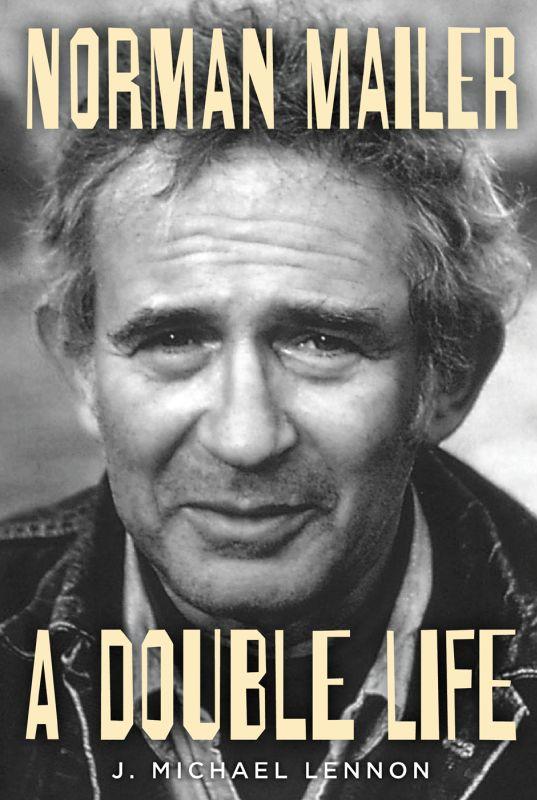
Norman Mailer was one of the giants of American letters and one of the most celebrated public figures of his time. He was a novelist, journalist, biographer, and filmmaker; a provocateur and passionate observer of his times; and a husband, father, and serial philanderer.
Perhaps nothing characterized Mailer more than his unbounded ambition. He wanted not merely to be the greatest writer of his generation, but a writer great enough to be compared to Dostoevsky and Tolstoy. As Michael Lennon describes, he even had presidential ambitions, although he settled for running for mayor of New York City. He championed personal freedom and civil liberties, calling himself a “left conservative,” and yet he was Enemy #1 of the Women’s Movement. He was as pugnacious in real life as in print, engaging in famous feuds and fights. Although he considered himself first and foremost a novelist, his greatest literary contribution may have been in journalism, where he used his novelistic gifts in tandem with self-revelation to explore the American psyche. In that regard, the subtitle of his Pulitzer Prize and National Book Award winning Armies of the Night is telling: “History as a Novel, the Novel as History.” He would return to certain subjects obsessively: John F. Kennedy, Marilyn Monroe, sex, technology, and the intricate relationship of fame and identity. Michael Lennon’s definitive biography captures Mailer in all his sharp complexities and shows us how he self-consciously invented and reinvented himself throughout his lifetime.
Michael Lennon knew Mailer for thirty-five years, and in writing this biography, he has had the cooperation of Mailer’s late widow, Norris Church, his ex-wives, and all of his children, as well as his sister, Barbara. He also had access to Mailer’s vast, unpublished correspondence and papers, and he interviewed dozens of people who knew Mailer. Norman Mailer: A Double Life gives us the man in full, a remarkable and unique figure in the context of his times.

In the new Russia, even dictatorship is a reality show.
Professional killers with the souls of artists, would-be theater directors turned Kremlin puppet-masters, suicidal supermodels, Hell’s Angels who hallucinate themselves as holy warriors, and oligarch revolutionaries: welcome to the glittering, surreal heart of twenty-first-century Russia. It is a world erupting with new money and new power, changing so fast it breaks all sense of reality, home to a form of dictatorship—far subtler than twentieth-century strains—that is rapidly rising to challenge the West.
When British producer Peter Pomerantsev plunges into the booming Russian TV industry, he gains access to every nook and corrupt cranny of the country. He is brought to smoky rooms for meetings with propaganda gurus running the nerve-center of the Russian media machine, and visits Siberian mafia-towns and the salons of the international super-rich in London and the US. As the Putin regime becomes more aggressive, Pomerantsev finds himself drawn further into the system.