 fb2
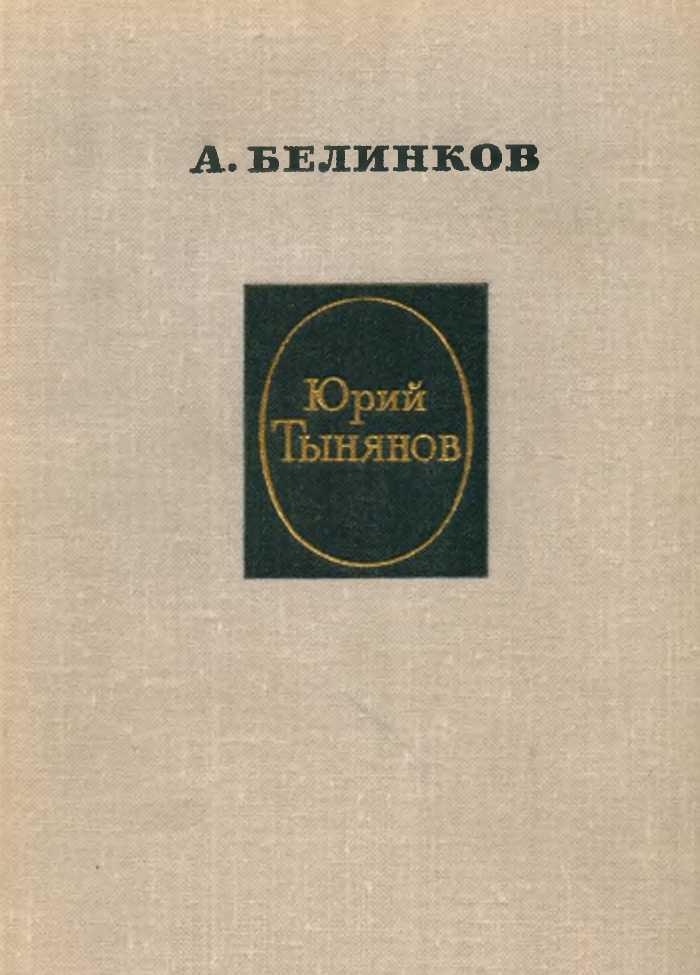
fb2Книга посвящена творчеству одного из крупнейших советских писателей — Ю. Н. Тынянова, автора широко известных романов и рассказов «Кюхля», «Смерть Вазир-Мухтара», «Пушкин», «Подпоручик Киже» и др. Читатель книги ознакомится с глубокими суждениями о русском и западном историческом романе, о связях исторического романа с литературой на современную тему.
Автор сосредоточивает пристальное внимание на материалах, используемых Тыняновым, и подчеркивает строгую документальность творчества писателя. Так, в частности, роман «Кюхля» построен на неизвестных ранее документах секретных архивов, личной переписке поэта и мемуарных источниках. В романе о Грибоедове «Смерть Вазир-Мухтара» Тынянов вводит читателя в самые сложные дипломатические и придворные интриги, в обстоятельства трагической гибели Грибоедова.
Первое издание книги было с большим интересом встречено читателем и получило высокую оценку в прессе.

«Есть особый сортъ литературы, для котораго мы не можемъ подобрать болѣе вѣрнаго названія, какъ юродствующая литература. Всякому, конечно, памятно еще изъ учебниковъ, кто были наши юродивые и какими нехитрыми способами привлекали они вниманіе и сочувствіе толпы. Обыкновенно это были нѣсколько поврежденные въ умѣ, но съ достаточной хитрецой нищіе духомъ, которые при помощи наивныхъ пріемовъ старались выдѣлиться изъ ряда обычныхъ нищихъ и создавали иной разъ почетное себѣ имя, перешедшее даже въ исторію. Одни изъ нихъ, затвердивъ какое-либо глупое, но мало понятное слово или фразу, говорили его кстати и некстати и тѣмъ наводили мистическій страхъ на простодушныхъ слушателей…»
Произведение дается в дореформенном алфавите.



«Современная русская литература есть, она полна сил и мрачного задора.
И вместе с тем ее как бы и нет.
В первую очередь потому, что, грубо говоря, до нее нет особого дела ни в самой России, ни за ее пределами.»

1. Магия слова" — объективная данность 2. Смысл слов и смысл речи 3. Языки в культурном сотрудничестве в процессе глобализации
«Гоголь передает, что, когда стихи Языкова появились отдельною книгой, Пушкин сказал с досадой: „Зачем он назвал их: Стихотворения Языкова? Их бы следовало назвать просто: Хмель! Человек с обыкновенными силами ничего не сделает подобного: тут потребно буйство сил“. И потом в известном послании к автору хмельной книжки Пушкин повторил свое определение…»

Стаття написана у Варшаві. Вперше надрукована у "Віснику", жовтень 1935.
В исследовании, предваряющем перевод Ямато-моногатари, подробно рассматриваются проблемы датировки текста, ряд текстологических вопросов, а также ключевое для данного памятника соотношение стихов и прозы.


Вытянутая из Будущего идея написать историю Японии как романтическое произведение, с целью приблизить Страну Восходящего Солнца к варварам-европейцам и тем самым спасти ее от уничтожения, ибо "катана против винчестера не канает".
Это только одна из тем, которых касается в своем эссе Кирилл Еськов.

«…Мы не без намерения так подробно изложили содержание этой повести. Мы хотели приобрести полное право спросить наших читателей: понимают ли они хоть что-нибудь в этой груде нескладных небылиц? По всему видно, что автор хотел написать фантастическую повесть; но, во-первых, фантастическое отнюдь не то же самое, что нелепое; а во-вторых, фантастическое требует не только таланта, но и еще таланта фантастически настроенного, и притом огромного таланта. Таким был гениальный Гофман…»
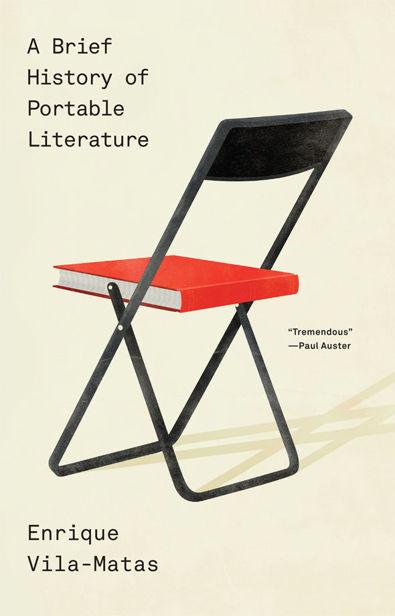
An author (a version of Vila-Matas himself) presents a short history of a secret society, the Shandies, who are obsessed with the concept of portable literature. The society is entirely imagined, but in this rollicking, intellectually playful book, its members include writers and artists like Marcel Duchamp, Aleister Crowley, Witold Gombrowicz, Federico Garcia Lorca, Man Ray, and Georgia O Keefe. The Shandies meet secretly in apartments, hotels, and cafes all over Europe to discuss what great literature really is: brief, not too serious, penetrating the depths of the mysterious. We witness the Shandies having adventures in stationary submarines, underground caverns, African backwaters, and the cultural capitals of Europe."
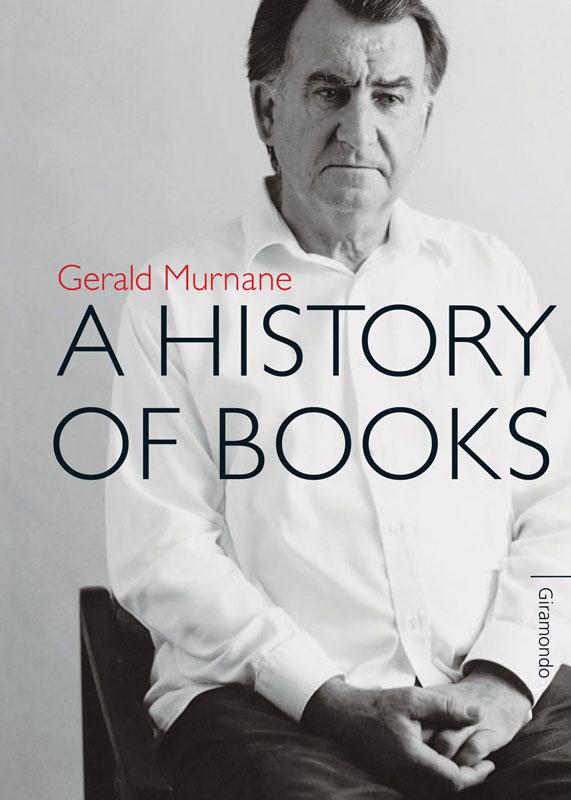
The major work of fiction in this collection, ‘A History of Books’, explores the relationship between reading and writing in twenty nine sections, each of which begins with the memory of a book that has left an image in the writer’s mind. The memory of the books themselves might have faded, but the images remain in their clarity and import — scenes of discord and madness, a stern-faced man, a young woman on a swing, a glass of beer and rays of sunlight, mountain and woodland and horizon — images which together embody the anxieties and aspirations of a writing life, and its indebtedness to what has been written and read. ‘A History of Books’ is accompanied by three shorter works, ‘As It Were a Letter’, ‘The Boy’s Name was David’ and ‘Last Letter to a Niece’, in which a writer searches for an ideal world, an ideal sentence, and an ideal reader.
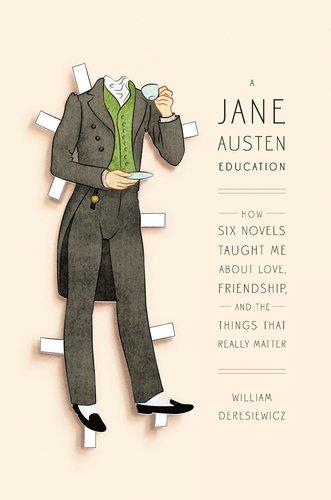
In A Jane Austen Education, Austen scholar William Deresiewicz turns to the author's novels to reveal the remarkable life lessons hidden within. With humor and candor, Deresiewicz employs his own experiences to demonstrate the enduring power of Austen's teachings. Progressing from his days as an immature student to a happily married man, Deresiewicz's A Jane Austen Education is the story of one man's discovery of the world outside himself.
A self-styled intellectual rebel dedicated to writers such as James Joyce and Joseph Conrad, Deresiewicz never thought Austen's novels would have anything to offer him. But when he was assigned to read Emma as a graduate student at Columbia, something extraordinary happened. Austen's devotion to the everyday, and her belief in the value of ordinary lives, ignited something in Deresiewicz. He began viewing the world through Austen's eyes and treating those around him as generously as Austen treated her characters. Along the way, Deresiewicz was amazed to discover that the people in his life developed the depth and richness of literary characters-that his own life had suddenly acquired all the fascination of a novel. His real education had finally begun.
Weaving his own story-and Austen's-around the ones her novels tell, Deresiewicz shows how her books are both about education and themselves an education. Her heroines learn about friendship and feeling, staying young and being good, and, of course, love. As they grow up, they learn lessons that are imparted to Austen's reader, who learns and grows by their sides.
A Jane Austen Education is a testament to the transformative power of literature, a celebration of Austen's mastery, and a joy to read. Whether for a newcomer to Austen or a lifelong devotee, Deresiewicz brings fresh insights to the novelist and her beloved works. Ultimately, Austen's world becomes indelibly entwined with our own, showing the relevance of her message and the triumph of her vision.
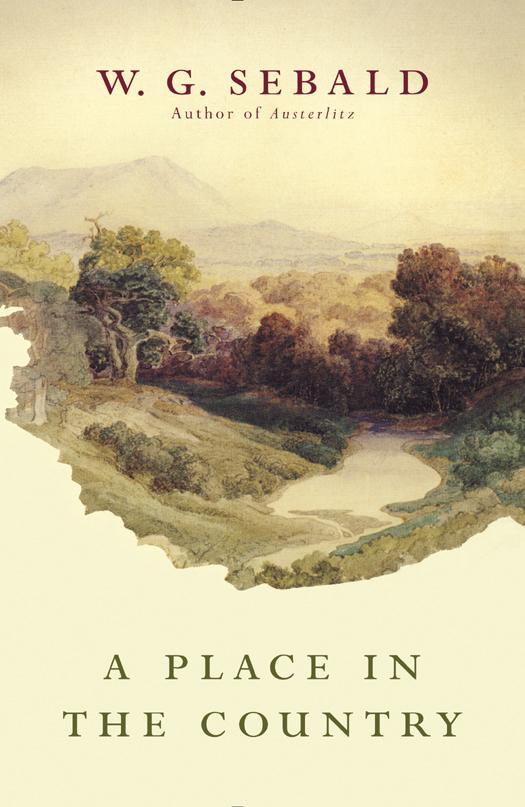
When W.G. Sebald travelled to Manchester in 1966, he packed in his bags certain literary favourites which would remain central to him throughout the rest of his life and during the years when he was settled in England. In A Place in the Country, he reflects on six of the figures who shaped him as a person and as a writer, including Jean-Jacques Rousseau, Robert Walser and Jan Peter Tripp.
Fusing biography and essay, and finding, as ever, inspiration in place — as when he journeys to the Ile St. Pierre, the tiny, lonely Swiss island where Jean-Jacques Rousseau found solace and inspiration — Sebald lovingly brings his subjects to life in his distinctive, inimitable voice.
A Place in the Country is a window into the mind of this much loved and much missed writer.
«В Большом театре Мазини и Станио чаровали публику в „Трубадуре“. Красавец Станио сверкал в „Пророке“. Молодой Мазини увлекал каватиною в „Фаусте“.
Дезире Арто потрясала в Валентине. Джамэт гремел своим „Пиф-паф“ в Марселе и песнью о золотом тельце в Мефистофеле…»

All Things Considered features more than thirty columns that G. K. Chesterton wrote for the London Daily News in the years before World War I. Covering a variety of themes, each is written with the same high quality that readers have come to expect of Chesterton. In an essay on canvassing, Chesterton ponders some unusual double standards. In another, he writes about daily annoyances. Another covers literature. But regardless of the topic, each of the essays in All Things Considered is the usual Chesterton masterpiece, tempting the reader to track down even more of the 4,000 newspaper columns penned by Chesterton during his career. G. K. Chesterton is well known as a novelist, essayist, storyteller, poet, philosopher, theologian, historian, artist, and critic. He’s less well-known as a journalist these days, yet all evidence indicates that he viewed his work for the various newspapers as his primary raison-de-etre. Therefore anyone interested in exploring the works of this colossal genius should include a sampling of his newspaper columns along with all of his other brilliant books.