 fb2
fb2
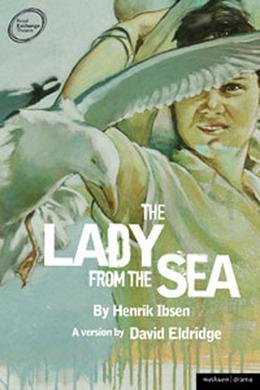
When the lighthouse keeper’s daughter Ellida meets the widower Dr Wangel, she tries to put her long-lost first love far behind her and begin a new life as a wife and stepmother. But the tide is turning, an English ship is coming down the fjord, and the undercurrents threaten to drag a whole family beneath the surface in this passionate and sweeping drama. Ellida must choose between the values of the land: solidity and reliability against those of the sea: mystery and fluidity.
Ibsen’s lyrical and still startlingly modern masterpiece, anticipated the emergence of psychoanalysis and talking cures. Similar to Hedda Gabler and A Doll’s House, The Lady from the Sea vibrantly explores the constrained social position of women, exploring themes of choice, marriage, responsibility and freedom.
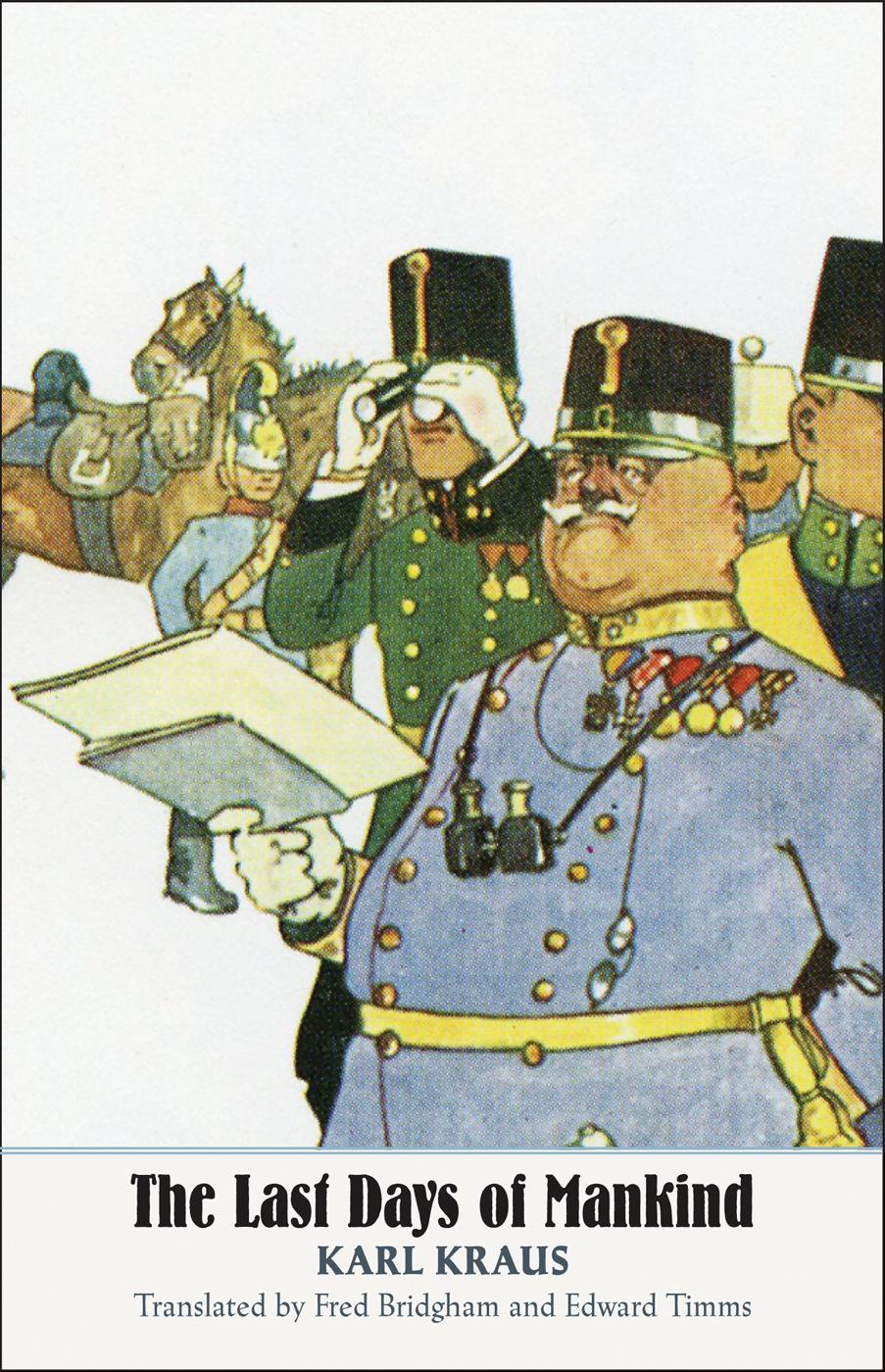
One hundred years after Austrian satirist Karl Kraus began writing his dramatic masterpiece, The Last Days of Mankind remains as powerfully relevant as the day it was first published. Kraus’s play enacts the tragic trajectory of the First World War, when mankind raced toward self-destruction by methods of modern warfare while extolling the glory and ignoring the horror of an allegedly “defensive” war. This volume is the first to present a complete English translation of Kraus’s towering work, filling a major gap in the availability of Viennese literature from the era of the War to End All Wars.
Bertolt Brecht hailed The Last Days as the masterpiece of Viennese modernism. In the apocalyptic drama Kraus constructs a textual collage, blending actual quotations from the Austrian army’s call to arms, people’s responses, political speeches, newspaper editorials, and a range of other sources. Seasoning the drama with comic invention and satirical verse, Kraus reveals how bungled diplomacy, greedy profiteers, Big Business complicity, gullible newsreaders, and, above all, the sloganizing of the press brought down the Austro-Hungarian Empire. In the dramatization of sensationalized news reports, inurement to atrocities, and openness to war as remedy, today’s readers will hear the echo of the fateful voices Kraus recorded as his homeland descended into self-destruction.
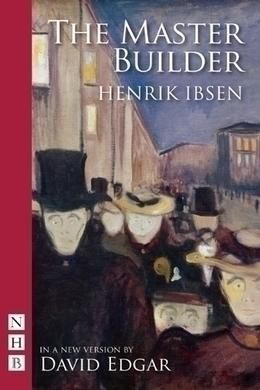
One of the Norwegian playwright’s most mysterious, symbolic, and lyrical dramas explores the life of architect Halvard Solness, once ruthlessly ambitious, but who, in his later years, not only feels threatened by the younger generation but also fears the decay of his own creativity. A tragic end for one of the most fascinating characters in modern drama.

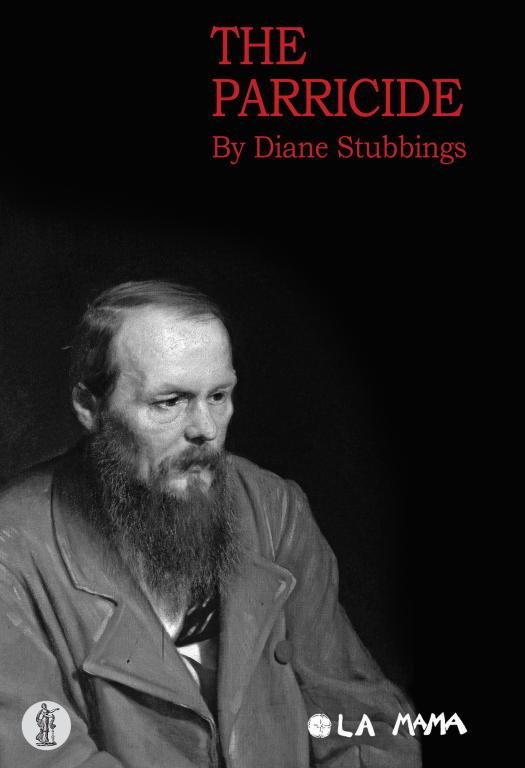
St Petersburg, Russia, 1866. Nihilist revolutionaries have taken to the streets and the rule of the Tsar is under threat. In a small flat, Fyodor Dostoyevsky grafts out a novel for an unscrupulous publisher; it isn't the novel he wants to write, but he is under contract, so he works. All the time, though, he is haunted by a story from his past—that of a parricide, a young man who kills his father. As the characters in his imagination take shape around him, he finds himself forced to choose between rebellion and repression, authority and chaos, passion and love.
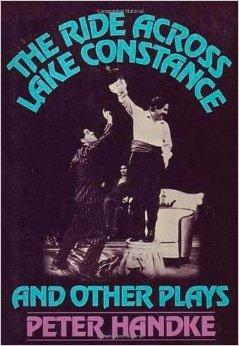
This volume of Handke's plays includes two full-length and four shorter plays by the young Austrian playwright. The first of the full-length plays, The Ride Across Lake Constance, is one of Handke's best-known works. It deals directly with one of Handke's favorite themes: the realities of theater itself, independent of the offstage world, and the way language (dialogue) and objects (props) operate in the skewed world of the stage. Therein it anticipates They Are Dying Out, Handke's most recent full-length play, which is also in this volume. In some ways more conventional than many of Handke's plays, They Are Dying Out presents one of his most fascinating protagonists, Quitt, a businessman who first induces a group of colleagues to set up a monopoly and then torpedoes the scheme. The four short plays that round out the book-Prophecy, Calling for Help, Quodlibet, and My Foot My Tutor-were written between 1966 and 1969, before The Ride Across Lake Constance (1971), and show Handke moving from the experimental mode of his early work toward the richness and complexity that have marked him as the most important dramatist since Becket; they bear witness to the truth of Richard Gilman's observation that "in Handke's theater, language, exposed, assaulted, wrestled with, driven to limits, and pursued still further, begins to take on, like the color returning to the cheeks of a nearly hanged man, the signs of a strange and unexpected resurrection."
The Seagull is the first of Anton Checkov’s four full-length plays. It explores the romantic and artistic tension in the relationships between a young woman, a fading older lady, her playwright son and a popular story writer. The play references Shakespeare’s Hamlet both in text and content. It has a cast of eclectic characters whose principle dramas play themselves out off stage and in unvoiced subtext.

A startling encounter on a New York subway platform leads two strangers to a run-down tenement where a life or death decision must be made.
In that small apartment, “Black” and “White,” as the two men are known, begin a conversation that leads each back through his own history, mining the origins of two fundamentally opposing world-views. White is a professor whose seemingly enviable existence of relative ease has left him nonetheless in despair. Black, an ex-con and ex-addict, is the more hopeful of the men—though he is just as desperate to convince White of the power of faith as White is desperate to deny it.
Their aim is no less than this: to discover the meaning of life.
Deft, spare, and full of artful tension, “The Sunset Limited” is a beautifully crafted, consistently thought-provoking, and deceptively intimate work by one of the most insightful writers of our time.
For the first time in English, Vladimir Nabokov’s earliest major work, written when he was only twenty-four: his only full-length play, introduced by Thomas Karshan and beautifully translated by Karshan and Anastasia Tolstoy.
The Tragedy of Mister Morn was written in the winter of 1923–1924, when Nabokov was completely unknown. The five-act play—the story of an incognito king whose love for the wife of a banished revolutionary brings on the chaos the king has fought to prevent—was never published in Nabokov’s lifetime and lay in manuscript until it appeared in a Russian literary journal in 1997. It is an astonishingly precocious work, in exquisite verse, touching for the first time on what would become this great writer’s major themes: intense sexual desire and jealousy, the elusiveness of happiness, the power of the imagination, and the eternal battle between truth and fantasy. The play is Nabokov’s major response to the Russian Revolution, which he had lived through, but it approaches the events of 1917 above all through the prism of Shakespearean tragedy.
Welcome to our war "The Two Worlds of Charlie F" is a soldier's view of service, injury and recovery. Moving from the war in Afghanistan, through the dream world of morphine-induced hallucinations to the physio rooms of Headley Court, the play explores the consequences of injury, both physical and psychological, and its effects on others as the soldiers fight to win the new battle for survival at home. Drawn from the personal experience of the wounded, injured and sick Service personnel involved, Owen Sheers' "The Two Worlds of Charlie F". premiered at the Theatre Royal Haymarket, London, in January 2012 and toured nationally that summer.
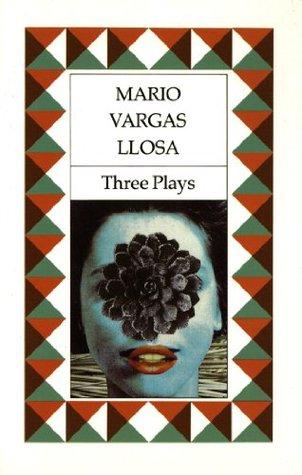
In these three plays — each introduced by the author — Mario Vargas Llosa, the internationally acclaimed novelist and a cultural and political figure in Peru, explores the complexities of Peruvian society and the writer's imagination.
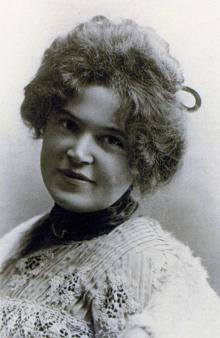
Aspazija
īstajā vārdā Johanna Emīlija Lizete Rozenberga,
vēlāk Elza Pliekšāne
Kopoti raksti 4 sēj
Torņa cēlējs
Lugas «Torņa cēlējs» (pirmais nosaukums «Madlienas baznīcas torņa cēlējs») ieceres atrodamas 1924. gadā, kad Aspazija raksta dienasgrāmatā: «... neesmu vēl saņēmusēs lielāku darbu sākt. Esmu arī saskaldijusēs ar sīkiem darbiem priekš žurnāliem, dzejoji atņem laiku un nogurdina. Vismaz tagad esmu izšķīrusies priekš «Torņa cēlēja», kaut gan ļoti baidos, kā man izdosies. Vienīgi drāmas fabula man galvā un dramatisms arī liekas labs. Tikai par raksturiem bail un par visu to viduslaiku kolorītu.» (RLMVM, 90558.)
Luga rakstīta jau 1925. gadā reizē ar «Boasu un Ruti», taču pa istam Aspazija pie tās ķeras tikai 1926. gadā, kad darbu arī izdodas pabeigt.
Sižetam Aspazija izmantojusi tautas teikās bieži sastopamo motīvu, ka velni neļauj baznīcu uzcelt līdz tam laikam, kamēr pagrabā nebūs iemūrēta dzīva jaunava. Galvenā varone — klusā, maigā Made — ir upuris, kas nolemts baznīcas būvei. Lugas gaitā viņa top par varoni, kas labprātīgi iet nāvē, lai būvmeistars varētu pabeigt savu darbu.
Taču luga nebūt nav veltita reliģiskās ideoloģijas propagandai. Gluži otrādi — šajā drāmā vairāk nekā citos Aspazijas sacerējumos skan ass sarkasms pret baznīcas kalpiem, dažādiem varasvīriem un pašu ticību. Ne velti pēc lugas iestudējuma buržuāziskā prese pārmet dzejniecei, ka tā radījusi tendences drāmu, nevis mākslas darbu:
«Kaplāns tēlots kā uzdzīvotājs un liekulis. Baznīcas padomes locekļi netikļi un kukuļu ņēmēji, un režija autorei palīdzējusi, traktēdama tos groteskā veidā. Beidzot vecais dzērājs Mārtiņš bez pārtraukuma aģitē pret dievu. Tā propaganda iet visiem cēlieniem cauri,» raksta O. Liepiņš «Latvī» 1927. gada 15. inartā, apcerēdams uzvedumu Dailes teātrī.
Pirmizrāde notiek 1927. gada 12. martā. Augstu šo uzvedumu vērtē Jānis Sudrabkaļus:
«Mūsu laikos, kur daudziem pašuzupurēšanās un nesavtīga mīla liekas jau novecojušas lietas, kur vilina absolūta vaļība, amorālisms, Madlienas baznīcas torņa cēlēja romantiskā figūra iegūst sevišķu nozīmi. Aspazija atgādina par seniem un negrūstošiem gara pamatiem, uz kuriem ceļams katra laikmeta, katra cilvēka darbs. Jo lielāks upuris, jo augstāka padarītā darba vērtība.» (J. Sudrabkalns. Par teātri. R., 1973, 75. lpp.)
Iļģa lomā — Eduards Smiļģis, Made — Emīlija Viesture, Heli-jante — Lūcija Neiberga, dekorators — Oto Skulme.
Grāmata «Torņa cēlējs» iznāk A. Gulbja apgādībā Rīgā 1927. gadā. Seit teksts iespiests pēc izdevuma «Mana dzīve un darbi»
4. sējuma (R., 1938). Tekstā nācies labot dažas otrajā izdevumā pieļautās iespiedkļūdas un vairākus izlaidumus. Lugai paturēts grāmatā iespiestais virsraksts «Torņa cēlējs», jo tas minēts visās literatūras vēsturēs.
Mazāk pazīstamu vārdu skaidrojumi
Cunfte — feodālās pilsētas amatnieku apvienība.
Dāvida kokle — jūdu ķēniņa Dāvida mūzikas instruments. Dāvids jaunībā savam valdnieka amatam izredzēts, pateicoties brīnišķīgai prasmei spēlēt kokli.
Ēģiptes tumsība — pēc Bībeles nostāstiem, jūdu pravietis Mozus uzraidījis Ēģiptei pēc kārtas desmit mocības: sērgas, krusu, siseņus u. c., bet visbeidzot tādu tumsu, ka cilvēki varējuši staigāt, tikai ar rokām taustīdamies.
Hironlms (Hieronims) — baznīcas rakstnieks, Bībeles izskaidrotājs apm. m. ē. 4. gs.
Jāzepa bēgšana uz Ēģipti — pēc Bībeles leģendām, Jāzeps kopā ar Mariju pēc dieva pavēles bēg uz Ēģipti, lai izvairītos no bērna nogalināšanas, ko pavēlējis izdarīt Hērods.
Jūdass — Jēzus Kristus nodevējs.
Kanoniķis — amatvīrs viduslaiku baznīcas sistēmā, kas bija atbildīgs par baznīcas dogmu ievērošanu.
Kaplāns — katoļu garīdznieks, parasti baznīckunga paligs vai vietnieks.
Lācars — Bībeles leģendas persona, kuru Jēzus Kristus pamodinājis no miroņiem.
Magdalēna — grēciniece Bībeles leģendās, kuru Jēzus Kristus padarījis tikumīgu.
Mitra — augstāko katoļu garīdznieku galvassega.
Miša — dievkalpojums katoļu baznīcā.
Pelnu diena — nākošā diena pēc Vastlāvja (sk.), kad ticīgie sāk gavēni un grēku nožēlošanu.
Vastlāvis — seni tautas gadskārtu ieražu svētki, vēlāk baznīcas svinamdiena februāra beigās, kad rīkoti karnevāli.
Zuzanna, arī Suzanna — Bībeles leģendu varone, dievbijīgā un skaistā tirgoņa Joahima dzīvesbiedre, kuru apmelo kā laulības pārkāpēju.
Latiņu valodas tekstu tulkojumi:
In nomine domini Ješu Chrisll et Spirlti sancti: apage, Satana! — Tā kunga Jēzus Kristus un svētā gara vārdā: sātan, atkāpies!
Membrum consilil — konsīlija loceklis.
Nobilissimi — dižciltīgākie.
O esca vermiumt o massa pulveris/ — ak, tārpu ēsma! ak, putekļu mākonis!
Supplicium in membro quo peccavistis — sods attiecībā uz locekli, ar kuru jūs esat grēkojuši.
Liesma 1986
Noskannējis grāmatu un FB2 failu izveidojis Imants Ločmelis

Torquato Tasso ist ein Schauspiel in fünf Aufzügen von Johann Wolfgang von Goethe, das als Protagonisten den Dichter Torquato Tasso in den Mittelpunkt der Handlung stellt. Zwischen dem 30. März 1780 und dem 31. Juli 1789 entstanden, lag das Werk im Februar 1790 im Druck vor und wurde am 16. Februar 1807 in Weimar uraufgeführt.


This structurally and psychologically compact drama takes place on an estate in 19th-century Russia, exploring the complex interrelationships between a retired professor, his second wife, and the daughter and brother-in-law from his first marriage. Interwoven themes of weakness, delusion, and despair are balanced by an underlying message of courage and hope.
Aspazija
īstajā vārdā Johanna Emīlija Lizete Rozenberga,
vēlāk Elza Pliekšāne
Kopoti raksti 3 sēj
Liesma 1986
Vaidelote
Drāma no leišu pagātnes 5 cēlienos «Vaidelote»
«Vaidelotes» pirmais variants sarakstīts 1891. gadā. Autobiogrāfijā «Mana dzīve un darbi» 6. sējumā Aspazija sniedz tā raksturojumu: galvenie varoņi Mirdza un Laimons te satiekas kā cilvēki, kas meklē jaunus apvāršņus vecās Lietuvas garīgajā dzīvē. «V cēlienā saceļas viss Lietuvas senais brīvības gars, liesmo revolūcija. Lai moris to vada. Laimons ar Mirdzu šinī revolūcijas vētrā gāž vecos dievekļus. Tie grib radit jaunu idejisku pasauli, jaunu reliģiju, bet ļaudis tos nesaprot. Ļaudis vēl spēcīgāks ir vecais konservatīvais gars. Tie saceļas pret apvērsuma vadītājiem Laimoņu un Mirdzu — tie viņus vienkārši nosit.»
Sis variants 1892. gada sākumā iesūtīts Rīgas Latviešu biedrības teātra komisijai. Komisija lugu noraida, bet tad par to ieinteresējas Teodors Bergs, teātra komisijas priekšsēdētāja krustdēls. Viņš uzraksta Aspazijai trīs vēstules, kurās stāsta par savu darbību «Vaidelotes» labā un arī atklāj cēloņus, kādēļ luga nepatīk Latviešu biedrības vīriem: tajā Ir par daudz nemiergara un pārāk liela nekonsekvence reliģijas jautājumos. Pirmajā vēstulē Aspazijai 1892, gada
29. martā (RLMVM, 76545) Teodors Bergs ieteic svītrot no lugas svētozolu ciršanas skatu un pārstrādāt «katastrofu». Par lugā nepieciešamajiem labojumiem viņš raksta ari 26. aprīļa vēstulē (RLMVM, 72893):
«Ar tādu dārgakmeni kā «Vaideloti», pēc manām domām, jārīko-kojas drusku apdomīgi, lai varētu viņu pieklājīgā gaismā celt. Pārgrozījumi jāizdara izveicīgi, gādājot vispārīgi par īsumu, lai efekfs Aspazija lugu pilnīgi pārstrādā, jo arī citi, kas darbu lasījuši, izsaka domas, ka cenzors neatļaus tās uzvešanu. Ka šis bažas nav bijušas bez pamata, liecina ari «Vaidelotes» raksturojums jau pieminētajā autobiogrāfijā, uzsverot, ka darba vadošais motīvs bijis «idejiskā, bet ne romantiskā ciņa».
Otrā varianta sižetam Aspazija izvēlas Lietuvas karaļa Olģerda meitas Mirdzas mīlas traģēdiju, kas savukārt cieši saistīta ar vaidelotes Asjas cīnu par laimi un tiesībām mīlēt. Te jāpiebilst, ka vēsturiskie notikumi Olģerda valdīšanas laikā 14. gadsimtā vidū atspoguļoti Stipri nosacīti un noder tikai par pieturas punktu, kur darboties pašas autores iztēlotiem varoņiem.
Lugas pirmais variants nozaudēts. Ari tagad pazīstamajā «Vaidelotes» tekstā izdarīti labojumi. Tā, piemēram, pirmuzveduma (omu izrakstos (RLMVM Nacionālā teātra bibliotēkas fondā № 314) atrodams šāds režijas svītrots Mirdzas monologs — atvadas no tēva
5. cēlienā pēc Asjas un Laimoņa atbrīvošanas;
Un nu, mans tēvs,
Tev pabeigt darbu, ko es iesākuse .,.
Ak, atver visiem nākamības vārtus,
Vel tumsas slogu nost, kas cilvēci Par kropli nospiež, ļauj tai attīstīties Kā kokam milzīgam, ļauj žēlastībai Kā maigai rasai krist uz viņas lapām Un mīlestības siltai saulei skūpstīt Tās galotni...
«Vaidelotes» pirmizdevums iznāk Jelgavā 1894. gadā J. Draviņ-Dravnieka apgādā. SinI izdevumā luga iespiesta pēc publicējuma «Mana dzīve un darbi» 2. sējumā 1931. gadā.
Atkārtotajos publicējumos autore turpinājusi lugas pārstrādāšanu. Pārveidotas pirmā cēliena beigas: pirmpublicējumā kunigaikšti jau ierodoties pasaka, ka Mirdzas līgavainis būs Laimons, tāpēc pēdējais skals beidzas bez īpaša spraiguma. Piektajā cēlienā atkārtotajos izdevumos svītrots Olģerda monologs — Asjas un Laimoņa izraidīšana no Lietuvas:
Tad prom ar tiem iz mana vaiga,
Lai manā zemē tie vairs nerādās,
Es viņus aizdzenu.
Vaidelote Valģine atkārtotajos izdevumos dabūjusi citu vārdu — Jadviga.
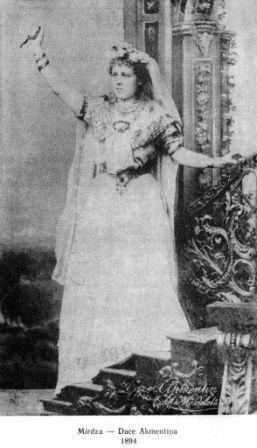
Lugas pirmizrāde notiek 1894. gada 19. janvārī Rīgas Latviešu teātrī. Kostīmus gatavo pēc jauno mākslinieku J. Rozentāla un A. Baumaņa skicēm. Jāzeps Vitols komponē Mirdzas dziesmu «Mēness starus stīgo.» Pirmo reizi latviešu teātra vēsturē iestudē baletu — «ragutnīcu deju Mildas svētkos». Dace Akmentiņa spēlē Mirdzu, Jūlija Skaidrīte — Asju. 1894./95. gada sezonā «Vaideloti» izrāda astoņas reizes. Luga ar īsiem pārtraukumiem paliek uz Latviešu teātra skatuves līdz pat tā pastāvēšanas pēdējiem gadiem.
«Vaidelote» kjūst par vispopulārāko Aspazijas lugu. Tā iestudēta divdesmit lielākajos Latvijas teātros. Rīgas Latviešu teātrī, Nacionālajā teātrī, Liepājas Latviešu teātrī tā inscenēta vairākas reizes. 1958. gadā J. Raiņa Dailes teātris iepazīstina ar «Vaideloti» padomju skatītāju, 1982. gadā lugu uzved Valsts Liepājas teātris.
«Vaideloti» operas libretam izmantojis komponists Jāzeps Me-diņš. Operas pirmizrāde notiek 1927. gadā.
Mazāk pazīstami vārdi tekstā:
blieķis — balināts audekls;
diadēms, diadēma — dārgakmeņiem greznota sieviešu galvasrota;
dangus — dievu mājvieta pseidomitoloģiskajā literatūrā;
dūkņas — meža gari baltu mitoloģijā;
glorija — slava, gods (latiņu vai.);
krīvs — senbaltu augstākais garīdznieks;
kunigaikštis — kungs (lietuviešu vai.), šeit — lietuviešu karapulku vadonis;
maistuļa — paklīdusi sieviete;
vaidelote — dievu kalpone, priesteriene senbaltu garidznieciskajā hierarhijā.
Noskannējis grāmatu un FB2 failu izveidojis Imants Ločmelis
VILJAMS ŠEKSPĪRS
KOPOTI RAKSTI sešos sējumos
KOPOTI RAKSTI I
VELTAS PŪLES MĪLĀ
Komēdija piecos cēlienos
Tulkojis Andrejs Upīts
LATVIJAS VALSTS IZDEVNIECĪBA
Redakcijas kolēģija:
M. Ķempe, E. Smijģis, J. Sudrabkalns
Kārla Egles sakārtojums
Mākslinieki A. Stankevičs un V. Ozoliņš
Noskannējis grāmatu un FB2 failu izveidojis Imants Ločmelis
VILJAMS ŠEKSPĪRS
KOPOTI RAKSTI II
LATVIJAS VALSTS IZDEVNIECĪBA 1963
Redakcijas kolēģija: M. Ķempe, E. Smiļģis, J. Sudrabkalns Kārļa Egles sakārtojums Mākslinieki A. Stankevičs un V. Ozoliņš
VILJAMS ŠEKSPĪRS
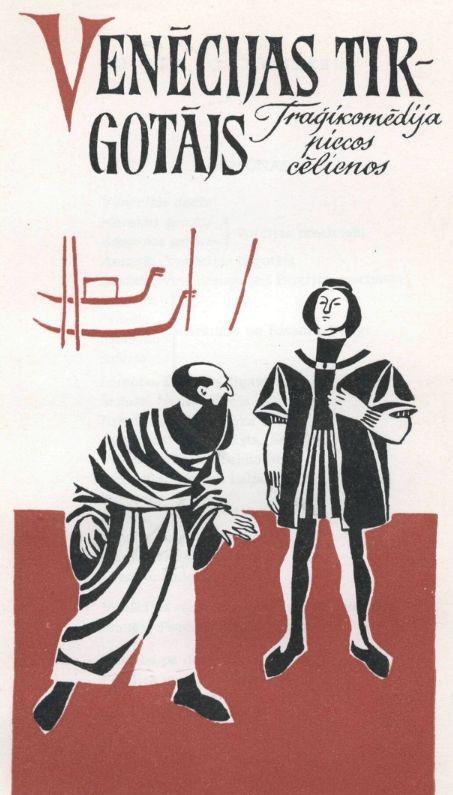
VENĒCIJAS TIRGOTĀJS
Tulkojis Alfrēds Krūklis
Noskannējis grāmatu un FB2 failu izveidojis Imants Ločmelis

«Ну, годочки
Берутъ свое… Вѣдь мнѣ за пятьдесятъ,
Прекрасная графиня!.. Я, бывало,
Какъ съ графомъ были мы въ Святой Землѣ,
Одинъ ходилъ на шестерыхъ невѣрныхъ…
Теперь – дай Богъ убрать и четверыхъ!
А все-таки – не хвастаюсь, мадонна! —
Изъ вашихъ вѣрныхъ латниковъ никто
Помѣряться со мной не въ состояньи.
Молокососъ народъ! До стариковъ
Имъ далеко: мы крѣпкаго закала,
Надежной ковки…»
Произведение дается в дореформенном алфавите.
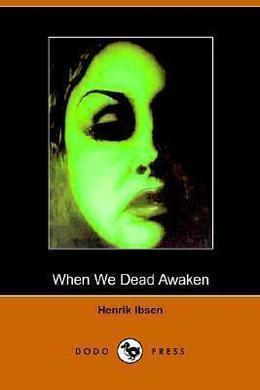
Ibsen’s last work concludes the series of autobiographical dramas begun with The Master Builder which deal with the aging rebel, despairing of life and racked with guilt, who experiences an ambiguous victory at the moment of death. Plays for Performance Series.