 fb2
fb2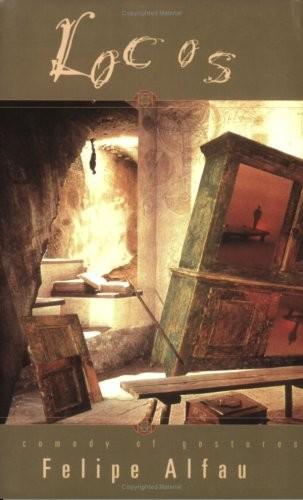
The interconnected stones that form Felipe Alfau's novel LOCOS take place in a Madrid as exotic as the Baghdad of the 1001 ARABIAN NIGHTS and feature unforgettable characters in revolt against their young 'author' "For them," he complains, "reality is what fiction is to real people; they simply love it and make for it against ray almost heroic opposition" Alfau's "comedy of gestures" — a mercurial dreamscape of the eccentric, sometimes criminal, habitues of Toledo's Cafe of the Crazy — was written in English and first published in 1936, favorably reviewed for The Nation by Mary McCarthy, as she recounts here in her Afterword, then long neglected.

Knygoje pasakojama apie literatūros profesoriaus ir intelektualo meilę vos paauglystės slenkstį peržengusiai mergaitei. Profesorius Humbertas Humbertas paauglystėje patiria tragišką meilę, žūva jo mylimoji Anabelė. Net ir sulaukęs brandaus amžiaus jis ilgisi trylikametės mylimosios ir jos bruožų ieško kiekvienoje nimfetėje. Anabelės įsikūnijimą Humbertas suranda dvylikametėje Lolitoje. Įsiliepsnoja beprotiška aistra, kuri galų gale pražudo ir Humbertą, ir pačią Lolitą.
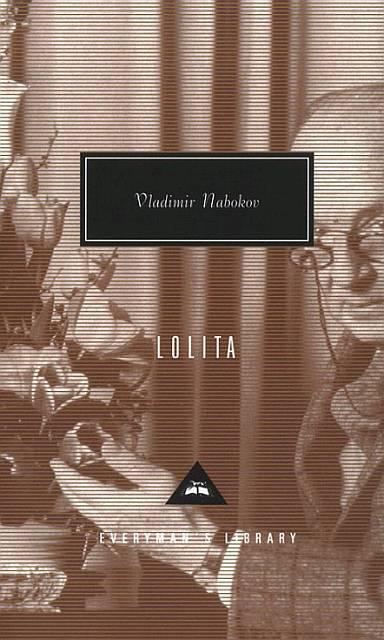
Awe and exhiliration—along with heartbreak and mordant wit—abound in Lolita, Nabokov’s most famous and controversial novel, which tells the story of the aging Humbert Humbert’s obsessive, devouring, and doomed passion for the nymphet Dolores Haze. Lolita is also the story of a hypercivilized European colliding with the cheerful barbarism of postwar America. Most of all, it is a meditation on love—love as outrage and hallucination, madness and transformation.

Рассказ вошёл в сборники:
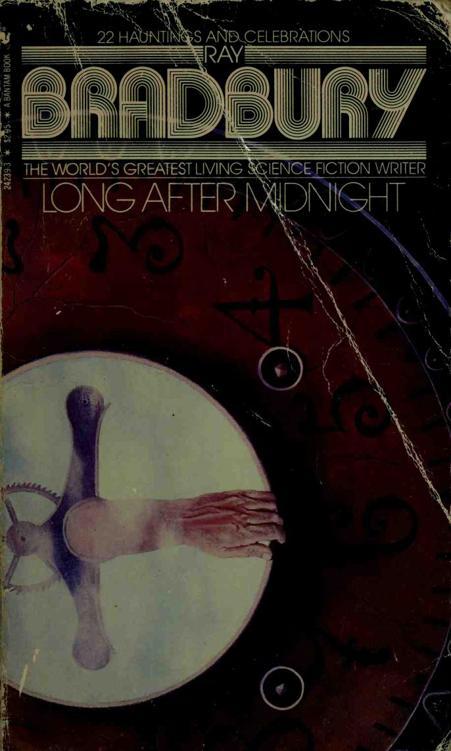
Long After Midnight (Далеко за полночь)
The Stories of Ray Bradbury (И грянул гром: 100 рассказов)
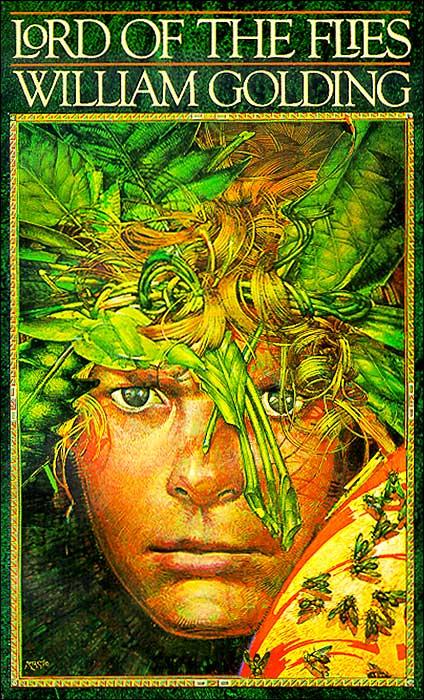
The classic tale of a group of English school boys who are left stranded on an unpopulated island, and who must confront not only the defects of their society but the defects of their own natures.

El tema central, en palabras del prólogo, demuestra que el `poder ejercido por el hombre sobre su prójimo es siempre una usurpación`. Mediante una amplia gama de tonalidades que va desde lo expositivo y narrativo hasta lo lírico, desde un tono grave de sobriedad hasta el de la más desenfrenada pasión, Francisco Ayala nos ofrece aquí unos cuadros o «ejemplos», inspirados en el pasado español que sirven de espejo para cualquier época y lugar.




This selection of stories, set in mythical times and in 1920s and 1930s London and Paris, reflects Antal Szerb’s love of life and irrepressible irony that has become his trademark: from Szerb’s earliest stories, driven by his intense political and religious idealism, to his later work, marked by the sympathy and humour of Journey by Moonlight and The Queen’s Necklace.

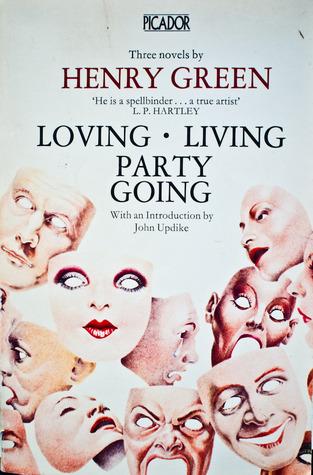
Henry Green, whom W. H. Auden called 'the finest living English novelist', is the most neglected writer of the last century and the one most deserving of rediscovery by a new generation. This volume brings together three of Henry Green's intensely original novels.
Loving explored class distinctions through the medium of love and brilliantly contrasts the lives of servants and masters in an Irish castle during World War Two, Living of workers and owners in a Birmingham iron foundry. Party Going is a brilliant comedy of manners, presenting a party of wealthy travellers stranded by fog in a London railway hotel while throngs of workers await trains in the station below.

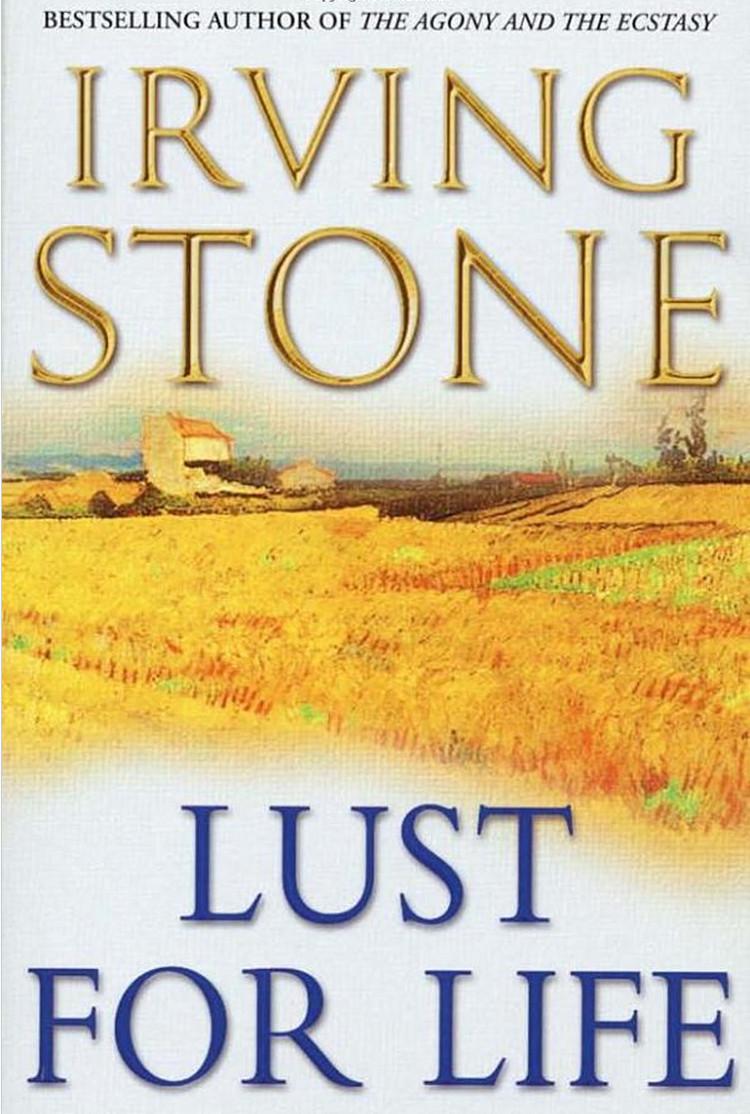
No artist has been more ruthlessly driven by his creative urge, nor more isolated by it from most ordinary sources of human happiness, than Vincent Van Gogh. A painter of genius, his life was an incessant struggle against poverty, discouragement, madness and despair. Lust for Life skilfully captures the exciting atmosphere of the Paris of the Post-Impressionists and reconstructs with great insight the development of Van Gogh’s art. The painter is brought to life not only as an artist but as a personality and this account of his violent, vivid and tormented life is a novel of rare compassion and vitality.