 fb2
fb2


Virgina Woolf’s novel Mrs. Dalloway (1925) presents a day in the life of Clarissa Dalloway, an upper-class English woman. Clarissa Dalloway is the wife of Richard Dalloway, a Conservative Member of Parliament.
The story takes place in London on a day in June 1923, a day when Clarissa is giving a dinner party. She walks to the florist shop to buy flowers for the party.
Septimus Warren Smith and his wife Lucrezia happen to be walking on the street. Septimus Warren Smith never meets Mrs. Dalloway, but their lives are connected by external events, such as the sight of an airplane overhead, and by the fact that they are both sensitive people who feel empty.
Richard Dalloway is invited to lunch at the home of Lady Millicent Bruton, a fashionable aristocrat. Lady Bruton dabbles in charities and social reform, and is sponsoring a plan to have young men and women travel to Canada.
Peter Walsh, an old and close friend of Clarissa’s, has returned to England after five years in India, and comes to visit her. Peter Walsh once loved Clarissa, but she had refused to marry him. Clarissa introduces Peter to her daughter Elizabeth.
Elizabeth is 17 years old, and has an older friend and tutor named Doris Kilman. Elizabeth goes to lunch with Miss Kilman. Miss Kilman is poor and physically unattractive, and resents the upper-class Mrs.Dalloway. Miss Kilman is a desperate and fanatically religious woman, who wants to take Elizabeth away from her mother, but conceals her feeling under the guise of religiosity and strident charity.
Septimus Warren Smith commits suicide the same day that Mrs. Dalloway is giving her dinner party.
Sally Seton, a good friend of Clarissa’s whom she has not seen for years, unexpectedly appears at Clarissa’s dinner party. Sally Seton is now Lady Rosseter, and has five sons.
Peter and Sally talk at the party, and Sally wonders if Clarissa is happy. Peter admits that he could never love anyone else as he had loved Clarissa, and as the novel ends he realizes that he feels an extraordinary excitement at seeing her.
Clarissa Dalloway as a character in the novel is upper-class and conventional. She knows her life is shallow; her former lover Peter Walsh had called her the perfect hostess. She feels that her only gift is in knowing people by instinct.
Clarissa is unsure about her daughter’s love for her. She is also unsure about her own feelings toward her husband Richard, and toward her former fiancé Peter Walsh. Her feelings toward Peter are ambivalent; she had loved him, but he had not offered her stability or social standing. She regards Peter as a failure, and it is because he knows this that he bursts into tears when he meets her. She kisses him, and comforts him. Clarissa had refused to marry Peter because of his self-centered unconventionality. She had married Richard, because he was dependable and represented security and stability.
Clarissa loves success, hates discomfort, and has a need to be liked. She is attracted to both men and women (she had fallen in love with her former friend Sally Seton).
Clarissa has had a recent illness, and takes an hour’s rest after luncheon. She thinks about death.
A theme of the novel is the conflict between conventionality and unconventionality. Clarissa chooses conventionality, rather than following her true feelings, and is left empty and unsure of herself. Peter Walsh chooses unconventionality, and is left feeling aimless and unsuccessful. Septimus Warren Smith commits suicide to escape being crushed by the forces of conventionality. The novel is in part a critique of the shallowness and superficial conventionality of upper-class English society.
Another theme of the novel is that the thoughts of individuals are connected in a way that transcends their separation or alienation. Woolf uses a stream-of-consciousness technique to connect the thoughts of her characters. The novel is a continuous narrative, not divided into chapters or sections, although Woolf noted some of the shifts in time or scene by a short blank space in her manuscript. The thoughts of characters such as Mrs. Dalloway and Septimus Warren Smith are connected by external events in the world, such as the sound of a motorcar, or the sight of an airplane in the sky, or the sound of the Big Ben clock as it strikes the hour. Woolf shows that the thoughts of individuals can be connected in a way that reveals a unity in human existence, an exciting world of possibility.



La historia satírica del ascenso y caída de un dictador sudamericano sirve a Francisco Ayala para analizar distintos problemas morales. El autor, con un lenguaje preciso, convierte su preocupación por la degradación humana en una interesante novela para un lector adulto y comprometido.

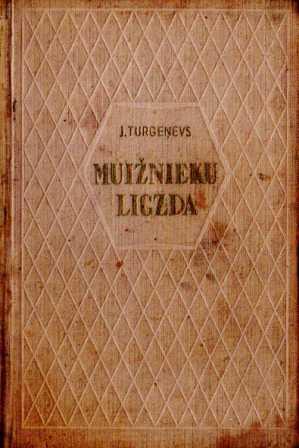
Ivans Turģeņevs
Muižnieku ligzda
Romāns
Galveno romāna varoni muižnieku Lavrecki, kuram daudz kopēja ar pašu Turģeņevu, audzinājusi cietsirdīga tante ārpilsētas muižā. Pieaudzis lavreckis nokļūst Maskavā, kādas operas izrādes laikā satiek skaistu meiteni Varvaru, iepazīstas un iemīlas. Viņi apprecas un dodas uz Parīzi. Šeit varvara kļūst par salona īpašnieci un romantiski, slepus no vīra, satiekas ar kādu no salona apmeklētājiem, bet par sievas neuzticību Lavreckis nejauši uzzina, šķiras no sievas, un atgriežas savā muižnieku ligzdā. šeit viņš satiek citu meiteni Lizu un atkal iemīlas. Izlasījis kādā preses izdevumā, ka Varvara mirusi, bildina Lizu... Tomēr ziņa par varvaras nāvi izrādās bijusi nepatiesa...
Dzejas rindas atdzejojis A. Vējāns.
Redaktore E. Mаrjutina.
Noskanējis grāmatu un failu izveidojis Imants Ločmelis imantslochmelis@inbox.lv
LVI 1956
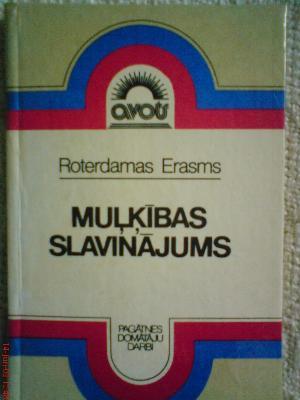
Muļķības slavinājums Roterdamas Erasms
Šajā grāmatā, kas pirmo reizi iznāca 1511. gada, izcilākais ārpusitālijas Renesanses domātājs un rakstnieks Roterdamas Erasms asprātīgi un kodīgi izzobo gan visiem laikiem un visām tautām raksturīgus netikumus, gan arī sava laika negatīvās parādības, vienlaikus sniegdams plašu ieskatu cilvēces kultūras vēsturē. Tāpēc tā tulkota un daudzas reizes izdota visu kultūrtautu valodās, bet līdz ar to, bez šaubām, ir ietekmējusi cilvēces domas progresīvo attīstību.
Darbs paredzēts studentiem, skolēniem, skolotājiem, kā arī visiem lasītājiem, kuri vēlas asināt savu skatu apkārtējo parādību vērtēšanā un paaugstināt vispārējo zināšanu līmeni.
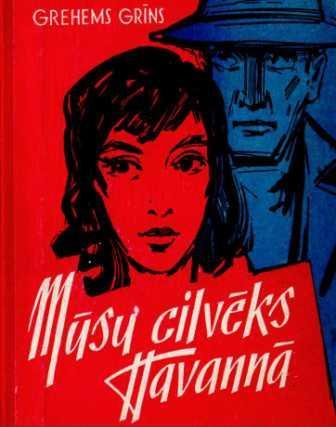
Grehems Grīns
Mūsu cilvēks Havannā
Ironisks spiegu detektīvs. Darbība notiek Kubā Batista pēdējās desmitgades laikā. Necils putekļu sūcēju pārdevējs negaidot kļūst par Anglijas izlūkdienesta rezidentu. Lai kaut kā attaisnotu piešķirto lielo atalgojumu, viņš sāk izdomāt gan it kā paša savervētus agentus, gan izlūkošanas rezultātus. Nokopējis veca putekļu sūcēja rasējumu un palielinājis mērogu, viņš to uzdod par noslēpumainu ieroci, kas it kā tiekot būvēts kalnos. Šos viņa izdomājumus, pašam par lielu pārsteigumu, izlūkdienesta vadība uztver ļoti nopietni...
Latvijas Valsts Izdevniecība Rīgā 1962
Noskanējis grāmatu un failu izveidojis Imants Ločmelis imantslochmelis@inbox.lv
A (Angju) Gr 614
No angļu valodas tulkojusi M. Grīnfelde Mākslinieks A. Galeviuss

Čarlzs Dikenss
Mūsu kopīgais draugs. Pirmā un otrā grāmata
Romāns četrās grāmatās
Romāna «Mūsu kopīgais draugs» centrā ir jautājums par naudas ietekmi uz cilvēka personību, tās psiholoģiskie un morālie aspekti. Sižetam raksturīgi detektīvromāna elementi.
Raksti Desmitais sējums
No angļu valodas tulkojusi Rute Runce
Noskanējis grāmatu un failu izveidojis Imants Ločmelis
Redakcijas kolēģija: Maija Andersone, Anna Bauga, Viktors Ivbulis, Uldis Norietis Sastādījusi Brigita Šiliņa Ulda Sosnovska ilustrācijas Daiņa Lapsas grafiskā apdare Redaktore Tamāra Liseka
© Brigita Šiliņa, sastādījums, 1990
© Rute Runce, tulkojums
latviešu valodā, 1990 © Uldis Sosnovskis, ilustrācijas, 1990
Rīga «Liesma» 1990
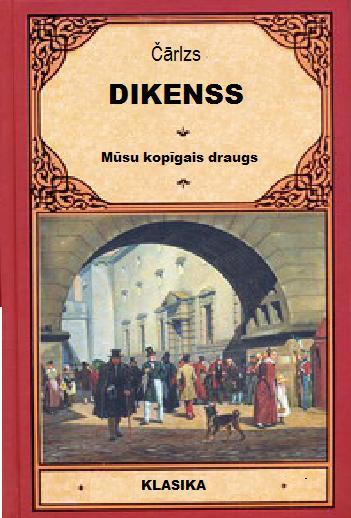
Čārlzs Dikenss
Mūsu kopīgais draugs. Trešā un ceturtā grāmata
Romāns četrās grāmatās
Romāna «Mūsu kopīgais draugs» centrā ir jautājums par naudas ietekmi uz cilvēka personību, tās psiholoģiskie un morālie aspekti. Sižetam raksturīgi detektīvromāna elementi.
No angļu valodas tulkojusi Rute Runce
Noskanējis grāmatu un failu izveidojis Imants Ločmelis
Raksti. Vienpadsmitais sējums
Rīga 'Liesma" 1993
Redakcijas kolēģija Maija Andersone, Anna Bauga, Viktors Ivbulis, Uldis Norietis. Sastādījusi Brigita Šiliņa. Ulda Sosnovska ilustrācijas Daiņa Lapsas grafiskā apdare Redaktore Tamāra Liseka. Brigita Šiliņa, sastādījums, 1993 Uldis Sosnovskls, ilustrācijas, 1993
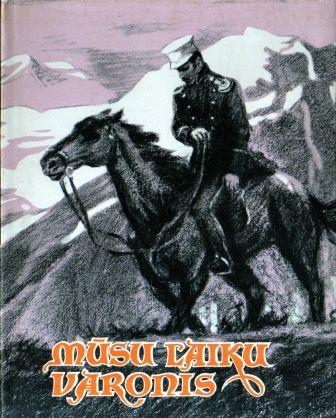
Mihails Jurjevičs Ļermontovs
Mūsu laiku varonis
Mūsu Laiku Varonis, mani cienītie kungi, patiesi ir portrets, tikai ne viena cilvēka vien: tas ir portrets, kas veidots no visiem mūsu paaudzes netikumiem to pilnīga uzplaukumā. Jūs man atkal teiksiet, ka cilvēks nevar būt tik slikts; bet es jums teikšu, — ja jūs esat ticējuši dažādu traģisku un romantisku ļaundaru realitātes iespējai, kādēļ gan jūs neticat Pečorina realitātei? Ja jūs esat priecājušies par vel šausmīgākiem un kroplākiem izdomājumiem, kāpēc tad šis raksturs kaut vai kā izdoma jūsu acīs nerod žēlastības? Vai ne tapec, ka tajā vairāk patiesības, nekā jūs to vēlētos? Jūs teiksiet, ka tikumībai tas nenāk par labu… Atvainojiet! Ļaudis diezgan baroti ar saldumiem; no tā viņiem jau veders samaitājies — vajadzīgas rūgtas zāles, kodīgas patiesības.
Ilustrējis J. Kuzkovskis
Noskannējis grāmatu un FB2 failu izveidojis I.Ločmelis
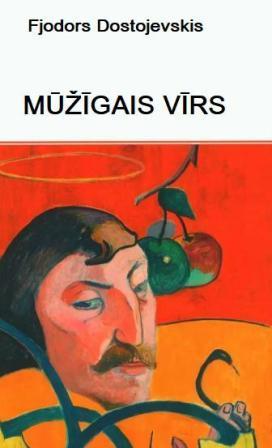
Fjodors Dostojevskis
Mūžīgais vīrs
Kopoti raksti IV sējums stāsti 1862-1869
Liesma 1974
Ф. M. Достоевский
Собрание сочинений
в десяти томах Том второй Повести и рассказы 1862-1869
Государственное издательство художественной литературы Москва 1956
Издательство «Лиесма» Рига 1974 На латышском языке Перевод с русского Э. Бирзниека-Упитиса, А. Озола-Саксе, Я. Озола Художник К. Голдманис
No krievu valodas tulkojusi Oto Brīkšķis, Ārija Elksne, Anna Ozola-Sakse, Jānis Ozols
Mākslinieks Kārlis Goldmanis
©Tulkojums latviešu valodā, «Liesma», 1974
Noskannējis grāmatu un FB2 failu izveidojis Imants Ločmelis


My First Wife is the intense, powerful account of a marriage — and its ruinous collapse.
It is the story of Alexander Herzog, a young writer, who goes to Vienna to escape his debts and a failed love affair. There he is pursued by book-loving Ganna: giddy, girlish, clumsy, eccentric and wild. Dazzled and unnerved by her devotion to him, and attracted to the large dowry offered by her wealthy father, he thinks he can mould Ganna into what he wants. But no-one can control her troubling passions. As their marriage starts to self-destruct, Herzog will discover that Ganna has resources and determination of which he had no idea — and that he can never escape her.
Posthumously published in 1934 and based on the author Jakob Wassermann's own ruinous marriage, My First Wife bears the unmistakable aura of true and bitter experience. It is a tragic masterpiece that unfolds in shocking detail.