
 fb2
fb2Le roman raconte l'histoire d'une femme du monde, froide et sans cœur comme Maupassant en a connu, qui se livre ici plus que dans aucun de ses romans. Le héros, face à cet être fascinant et redoutable, prend une autre maîtresse, qui ne lui suffit guère. Il est dévasté par une passion amoureuse, violente, mélancolique et cruelle.

Dans le Paris du XVe siècle, une jeune et superbe gitane appelée la Esméralda danse sur le parvis de Notre Dame. Sa beauté bouleverse l’archidiacre de Notre-Dame, Claude Frollo, qui veut la faire enlever par son sonneur de cloches, le malformé Quasimodo. Esméralda est sauvée par une escouade d’archers, commandée par le capitaine de la garde Phoebus de Châteaupers. Quand Esmeralda retrouve Phoebus plusieurs jours plus tard, elle lui laisse voir l’amour qu’il lui a inspiré. Certes, Phoebus est fiancé à la jeune Fleur-de-Lys, mais il est également séduit par la gitane. Il lui donne rendez-vous dans une maison borgne, mais au moment où il va parvenir à ses fins, Frollo survient et le poignarde.Accusée de meurtre, la belle Esmeralda ne veut pourtant pas, pour échapper au supplice, accepter de se donner à Frollo. Quand on l’amène devant la cathédrale pour subir sa peine, Quasimodo – qui l’aime aussi – s'empare d'elle et la traîne dans l'église, où le droit d’asile la met à l’abri. Là, il veille sur elle, jaloux et farouche, espérant peut-être la séduire ?Cependant, les truands avec lesquels vivait la Esmeralda viennent pour la délivrer. Frollo profite du tumulte pour l’emmener avec lui, et tente à son tour de la séduire. Furieux de son refus, il la livre aux griffes de la vieille recluse du Trou-au-rats. Mais au lieu de déchirer la Esmeralda, celle ci reconnaît en elle sa propre fille. Elle ne peut cependant en profiter, car les sergents de ville la retrouvent, et la traînent à nouveau au gibet.Du haut de Notre-Dame, Quasimodo et Frollo assistent à l’exécution. Quasimodo, furieux de désespoir, précipite le prêtre du haut de la tour, et va lui-même se laisser mourir dans le charnier de Montfaucon, tenant embrassé le cadavre d’Esmeralda, enfin unis pour l’éternité.


Andrē Moruā
Solo klavierēm
Noveles: Tu esi liela aktrise; Labvakar, dārgā! , Krēslas valdnieks , Ariāne, mana māsa , Nosēšanās ; Mirīna ; Biogrāfija ; Hotelis «Tanatoss» . , Draudzenes ; Vakaripas zem kastaņām , Miesas un dvēseles ; Zelta lāsts ; Solo klavierēm ; Aiziešana ; Balzaka kunga kļūdas dēļ , Sievietes piedzimšana , Love in exile ; Vijolītes trešdienās Karjera ; Pēc desmit gadiem ; Cunami ; Pārvērtiba ; Sezonas puķes ; Meitene sniegā ; Testaments ; Kampaņa ; Korintiešu portāls ; Katedrāle ; Skudras ; Rikošets ; Pastkarte ; Nabaga māmiņa ; Zaļā josta ; Neijī gadatirgus ; Mācību gada sākums ; Slavenības piedzimšana ; Gods ; Melnās maskas ; Irēna ; Sargeņģelis ; Gūstekņa atgriešanās ; Pelerine ; Māja
No franču valodas tulkojusi Inese Pētersone
Noskanējis grāmatu un failu izveidojis Imants Ločmelis imantslochmelis@inbox.lv
Mākslinieks Aleksandrs Stankēvils
© Sastādījums, tulkojums latviešu valodā, izdevniecība «Liesma», 1985

Novelle ist eine Prosaerzählung von Johann Wolfgang von Goethe. Am 23. März 1797 als Epos Die Jagd konzipiert, wurde der Stoff erst im Oktober 1826 und im Januar/Februar 1827 wieder aufgegriffen, in der Prosaform neu geschrieben, Anfang 1828 corrigirt und ajustirt und lag im Frühjahr 1828 im Druck vor.
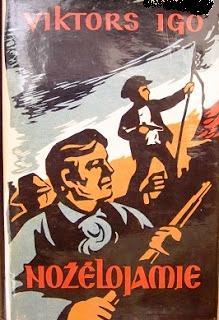
Viktors Igo
Nožēlojamie Otrais sējums
2. izdevums.
No franču valodas tulkojusi un atdzejojusi Milda Grīnfelde
Noskannejis grāmatu un failu izveidojis Imants Ločmelis
Māra Ozoliņa mākslinieciskais noformējums
Otvilhauzā, 1862. gada 1. janvāri.
Zvaigzne 1982

Fjodors Dostojevskis
Noziegums un sods
Romāns sešās daļās ar epilogu
,,Noziegums un sods” (1866) līdzās ,,Miroņu namam” ir viens no savdabīgākajiem un lielākajiem darbiem pasaules romānu literatūrā. Zīmīgs vispirms kā paša rakstnieka morālisko atziņu paudējs, kas rāda, ka cilvēkam ne aiz kādiem sociāliem motīviem nav tiesības laupīt otram dzīvību un ka noziegums izpērkams tikai ar soda izciešanu. Psiholoģiski – psihiatriskā analīze veidota ar apbrīnojamu mākslu un tīri zinātnisku lietpratību. Juridiskajā vērienā romāns aizskar un iztirzā daudzus cilvēka un sabiedrības tiesību jautājumus. Un beidzot šis sacerējums ir svarīgs arī tīri kultūrvēsturiskā ziņā, jo parāda jaunā cilvēka tipu 60 – tajos gados un pārejas laikmetā, kad vecie tikumības un sabiedrības pamati sabrūk un atsevišķi indivīdi meklē jaunu pasaules atziņu. Dostojevska darbam milzīga nozīme visā Vakareiropas sabiedriskās domas attīstībā. Starp citiem arī Nīče sauc sevi par krievu rakstnieka skolnieku un tā tiešā ierosmē veidojis savu teoriju par pārcilvēku, kas atrodas viņpus labā un ļaunā.
Kopoti raksti V sējums
Izdevniecība -Liesma Rīga 1975
No krievu valodas tulkojis Kārlis Štrāls
Mākslinieks Kārlis Goldmanis
©Tulkojums latviešu valodā, «Liesma», 1975
Noskannējis grāmatu un FB2 failu izveidojis Imants Ločmelis







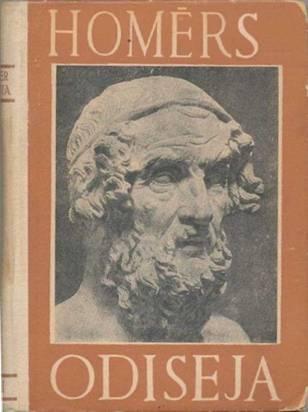
Homērs
Odiseja
Sižetiski «Odiseja» nav tiešs «Iliadas» turpinājums. «Odisejas» darbība, tās ģeogrāfiskais loks saistīts ar grieķu kolonizācijas kustību, it īpaši ar kolonizācijas tieksmēm uz rietumiem. Pamattemats ir «vīra atgriešanās» pēc ilgas prombūtnes. Kad iepazīstamies ar Odiseju daudzveidīgajās sarežģītajās situācijās, kādās viņš atrodas gandrīz nepārtraukti, mūsu acu priekšā parādās fiziski un morāli ārkārtīgi izturīgs, viltīgi gudrs un mērķtiecīgs cilvēks.
No grieķu valodas tulkojis A. Ģiezens
Noskanējis grāmatu un failu izveidojis Imants Ločmelis imantslochmelis@inbox.lv
A. Feldhūna Ievads un komentāri
Mākslinieks Kurts Fridrihsons
Liesma 1967

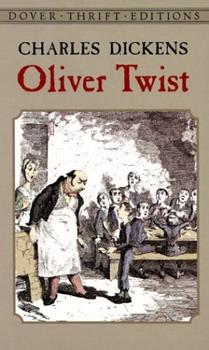
One of Dickens’ most enduringly popular stories is Oliver Twist, an early work published 1837-8. Like many of his later novels, its central theme is the hardship faced by the dispossessed and those of the outside of ‘polite’ society. Oliver himself is born in a workhouse and treated cruelly there as was the norm at the time for pauper children, in particular by Bumble, a parish council official or ‘beadle’. The story follows Oliver as he escapes the workhouse and runs away to London. Here he receives an education in villainy from the criminal gang of Fagin that includes the brutal thief Bill Sikes, the famous ‘Artful Dodger’ and Nancy, Bill’s whore. Oliver is rescued by the intervention of a benefactor — Mr Brownlow — but the mysterious Monks gets the gang to kidnap the boy again. Nancy intervenes but is murdered viciously by Sikes after she has showed some redeeming qualities and has discovered Monk’s sinister intention. The story closes happily and with justice for Bumble and the cruel Monks who has hidden the truth of Oliver’s parentage out of malice. Accusations were made that the book glamorised crime (like the ‘Newgate Group’ of the period) but Dickens wisely disassociated himself from criminal romances. His achievement was in fact in presenting the underworld and problems of poverty to the well-off in a way rarely attempted previously.

The restless King Oliver VII of Alturia, an obscure Central European state whose only notable exports are wine and sardines, wants nothing more than an easy life: so, plotting a coup against himself, King Oliver VII escapes to Venice in search of real experience. There he falls in with a team of con-men and ends up, to his own surprise, impersonating himself. His journey through successive levels of illusion and reality teaches him much about the world, about his own nature and the paradoxes of the human condition. Szerb offered Oliver VII as a translation from a non-existent English writer, A H Redcliff typical Szerb humor, or a reflection of the fact that as a rootless cosmopolitan his own work was banned by the Nazi regime?"
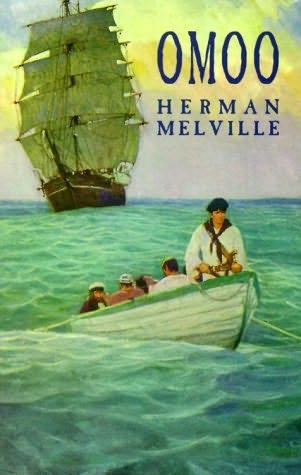
A sailor escapes from his ship while visiting the Marquesas Islands and joins the crew of a savage boat.

The first English translation of the self-proclaimed “Viscount” Emilio Lascano Tegui — a friend of Picasso and Apollinaire, and a larger-than-life eccentric in his own right—On Elegance While Sleeping is the deliciously macabre novel, part Maldoror and part Dorian Gray, that established its author’s reputation as a renegade hero of Argentine literature. It tells the story, in the form of a surreal diary, of a lonely, syphilitic French soldier, who — after too many brothels and disappointments — returns from Africa longing for a world with more elegance. He promptly falls in love with a goat, and recalls the time, after a childhood illness, when his hair fell out and grew back orange — a phenomenon his doctor attributed to the cultivation of carrots in a neighboring town. Disturbing, provocative, and mesmerizing, On Elegance While Sleeping charts the decline of a man unraveling due to his own oversensitivity — and drifting closer and closer to committing a murder.