
 fb2
fb2On Forsyte ‘Change deals in the main with the older Forsytes before the events chronicled in The Man of Property. Galsworthy states in a Foreword that “They have all been written since _Swan Song was finished but in place they come between the Saga and the Comedy…”. By way of explanation he says that “_It is hard to part suddenly and finally from those with whom one has lived so long; and these footnotes do really, I think, help to fill in and round out the chronicles of the Forsyte family”.
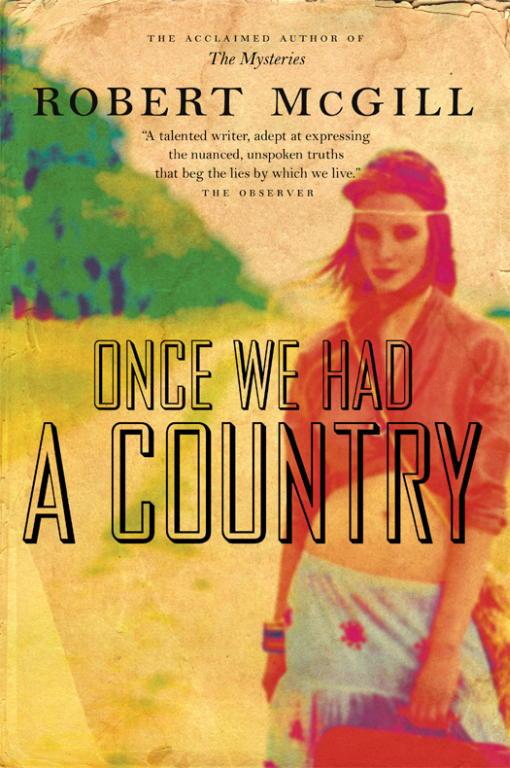
A richly textured novel of idealism and romance, Once We Had a Country re-imagines the impact of the Vietnam War by way of the women and children who fled with the draft dodgers.
It’s the summer of 1972. Maggie, a young schoolteacher, leaves the United States to settle with her boyfriend, Fletcher, on a farm near Niagara Falls. Fletcher is avoiding the Vietnam draft, but they’ve also come to Harroway with a loftier aim: to start a commune, work the land and create a new model for society. Hopes are high for life at Harroway; equally so for Maggie and Fletcher’s budding relationship, heady as it is with passion, jealousy and uncertainty. As the summer passes, more people come to the farm—just not who Maggie and Fletcher expected. Then the US government announces the end of the draft, and Fletcher faces increasing pressure from his family to return home. At the same time, Maggie must deal with the recent disappearance of her father, a missionary, in the jungle of Laos. What happened in those days before her father vanished, and how will his life and actions affect Maggie’s future? Once We Had a Country is a literary work of the highest order, a novel that re-imagines an era we thought we knew, and that compels us to consider our own belief systems and levels of tolerance.
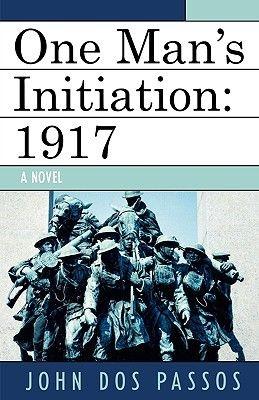
Based on the author’s first-hand experience as an ambulance driver during World War I, this first novel is noteworthy for its vivid and colorful portrait of France at that time and for its passionate indictment of war. The author’s disillusionment with war, for a time, turned him toward socialism and against capitalism. Finally, after being labeled “pro-German” and “pacifist,” Dos Passos concluded that the quasi-religion of Marxism was far more brutal than “poor old Capitalism ever dreamed of.” Reprinted from the unexpurgated original edition published by Cornell University Press in 1969.
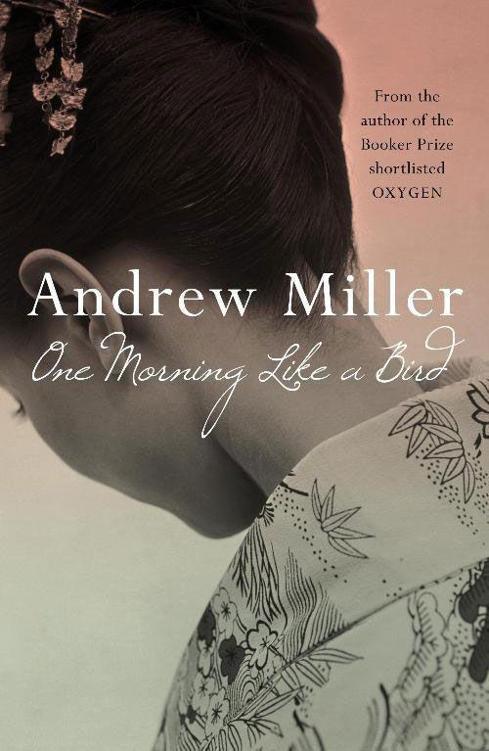
Tokyo, 1940. While Japan's war against China escalates, young Yuji Takano clings to his cocooned life: his beloved evenings of French conversation at Monsieur Feneon's, visits to the bathhouse with friends, his books, his poetry. But conscription looms and the mood turns against foreigners, just when Yuji gets entangled with Feneon's daughter. As the nation heads towards conflict with the Allies, Yuji must decide where his duty — and his heart — lies.
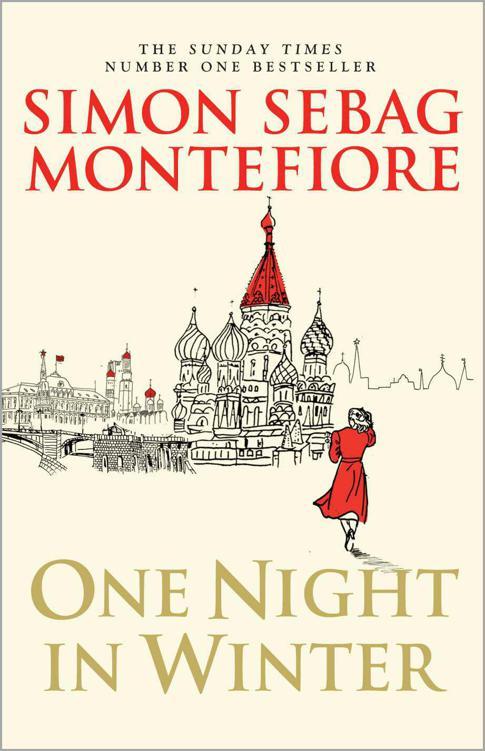
If your children were forced to testify against you, what terrible secrets would they reveal?
Moscow 1945. As Stalin and his courtiers celebrate victory over Hitler, shots ring out. On a nearby bridge, a teenage boy and girl lie dead.
But this is no ordinary tragedy and these are no ordinary teenagers, but the children of Russia’s most important leaders who attend the most exclusive school in Moscow.
Is it murder? A suicide pact? Or a conspiracy against the state?
Directed by Stalin himself, an investigation begins as children are arrested and forced to testify against their friends – and their parents. This terrifying witch-hunt soon unveils illicit love affairs and family secrets in a world where the smallest mistakes can be punished with death.
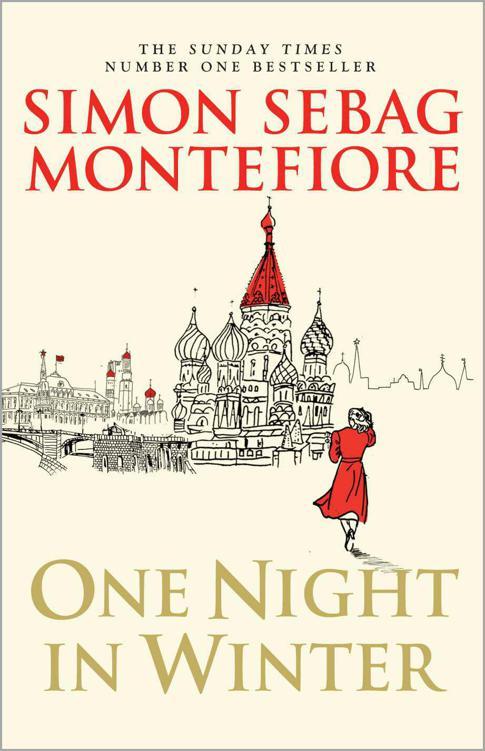
If your children were forced to testify against you, what terrible secrets would they reveal?
Moscow 1945. As Stalin and his courtiers celebrate victory over Hitler, shots ring out. On a nearby bridge, a teenage boy and girl lie dead.
But this is no ordinary tragedy and these are no ordinary teenagers, but the children of Russia’s most important leaders who attend the most exclusive school in Moscow.
Is it murder? A suicide pact? Or a conspiracy against the state?
Directed by Stalin himself, an investigation begins as children are arrested and forced to testify against their friends – and their parents. This terrifying witch-hunt soon unveils illicit love affairs and family secrets in a world where the smallest mistakes can be punished with death.
Winner of the 2018 New York City Big Book Award for General Fiction
Winner of the 2018 International Book Awards in the Multicultural Fiction category
Winner of the 2017 Millennium Book Award
GOLD WINNER of the Independent Publisher Book Awards (IPPYS) for Europe – Best Regional Fiction (2017)
GOLD WINNER of the International Book Award contest Readers’ Favorite in the Cultural Fiction category (2017)
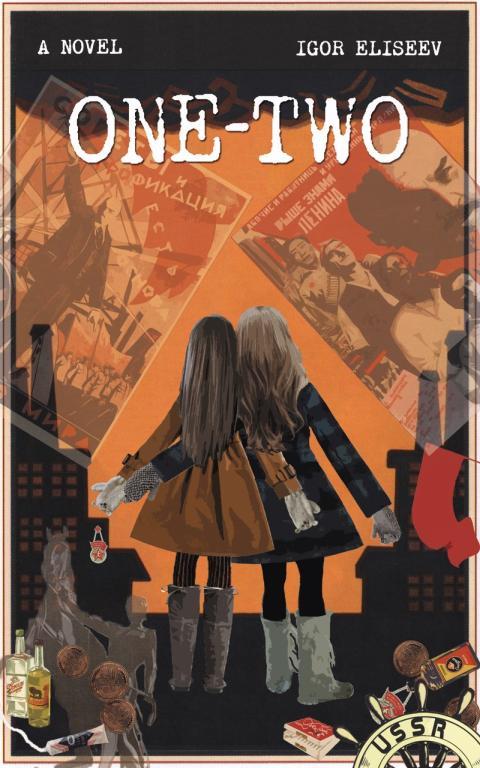
Two conjoined babies are born at the intersection of two social worldviews. The girls are named Faith and Hope. After spending their childhood in a foster home and obtaining a basic education, they come to realise that they are different from other people in many respects. The problems of their upbringing are only made worse by the constant humiliations they suffer at the hands of society.
Eventually, fortune smiles on them, by seemingly opening up the door to happiness: a separation surgery that can theoretically be performed in the capital. Thus begins a journey fraught with difficulties and obstacles for the sisters. Will they be able to get past the wall of public cynicism, together with the internal conflicts they have among themselves? Will they find a justification for their existence and learn to accept it? The search for the answers to these and many other questions constitutes the essence of this novel.
One-Two is a psychological drama, the main events of which unfold in the 1980s and 1990s in Russia. The novel reflects on how difficult it is to be a human and how important it is to stay human until the end. It is a message full of empathy and kindness addressed to all people.
I believe the right time has come. I hope this book is for you.
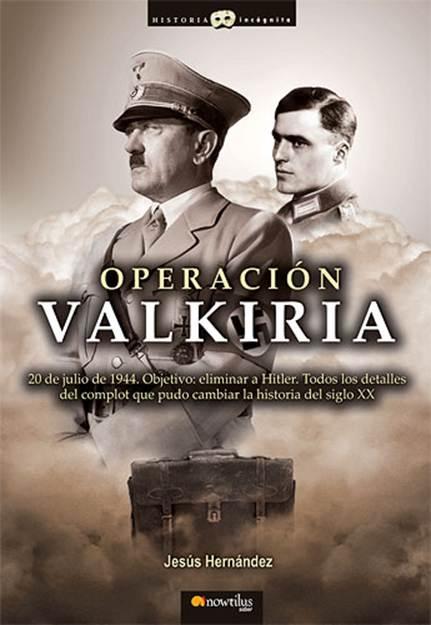
Año 1943. El coronel Claus Schenk von Stauffenberg acababa de ser trasladado a Berlín bajo las órdenes del general Friedrich Olbricht, miembro de un comité de resistencia que empieza a maquinar un plan para dar muerte a Hitler.
Olbricht ya tiene entrelazados a más de 200 implicados en distintos estratos de la sociedad alemana e incluso de la sección de inteligencia y contraespionaje. El objetivo es eliminar a Hitler, Goering y Himmler, neutralizar a las SS e instalar un gobierno provisional que intentaría hacer las paces con occidente y detener la guerra. Von Stauffenberg, a pesar de sus lesiones de guerra (ha perdido un ojo y varios dedos de la mano), quiere realizar el atentado. Los conspiradores dudan. ¿Tendrá capacidad para activar la bomba? Finalmente aceptan porque entienden que su invalidez es la coartada perfecta y que no levantará sospechas. El coronel Von Stauffenberg intenta varias veces cumplir su misión, pero no consigue nunca encontrar juntos a los que deben morir. Finalmente, el 20 de julio de 1944 se da la ocasión perfecta. El alto mando se reúne en el cuartel general de Hitler, ubicado cerca de Rastenburg. Von Stauffenberg
porta un maletín con un explosivo inglés de 1 kg que se activa mediante un detonador químico absolutamente silencioso. Todo es perfecto. Se sienta junto al líder nazi. Solo queda esperar el momento…
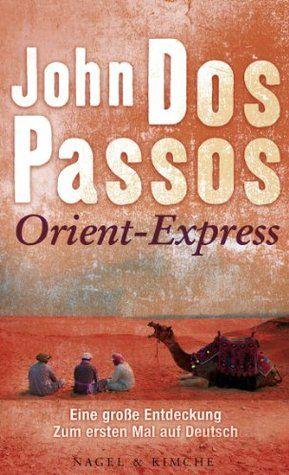
1921 reiste der später weltberühmte Autor John Dos Passos durch den Orient – schon damals eine hochexplosive Gegend – und hielt seine Eindrücke in einem Tagebuch fest. Diese abenteuerliche Reise führte den damals 25-Jährigen von der Türkei über Georgien, Armenien, den Iran und den Irak bis nach Syrien. Sein packender Bericht liest sich wie eine Mischung aus Abenteuerroman und der hellsichtigen Analyse eines dramatischen Umbruchs, der bis heute fortwirkt. Geschrieben in knapper Präzision, mit ansteckender Neugier und Beobachtungsgabe, ist das Werk, mit dem Dos Passos dabei war, zu einem der wichtigsten Schriftsteller der amerikanischen Moderne zu werden, jetzt erstmals auf Deutsch zu entdecken.
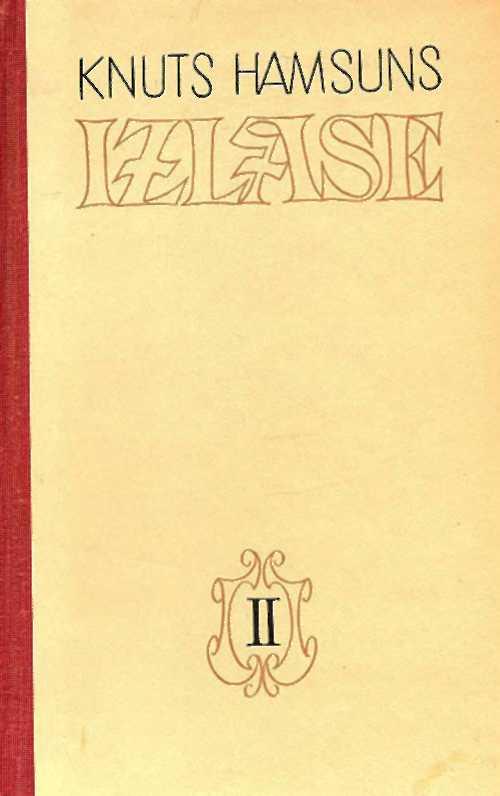
Knuts Hamsuns (1859–1952)
Izlase divos sējumos
Otrais sējums
Pāns
Glāna nāve
Viktorija
Zem rudens zvaigznēm
Ceļinieks klusi koklē
Stāsti
Mīlestības vergi
Saules dēls
Viesizrāde
Vislielākais blēdis
Izdevniecība Liesma Rīga 1976
Knuta Hamsuna labākie darbi jau sen ir kļuvuši par pasaules jaunākās klasiskās literatūras neatņemamu sastāvdaļu. Viņa daiļrades mantojuma mākslinieciskā nozīme ir visai ievērojama. Nesaraujamām saitēm saistīts ar savu dzimteni — nelielu valsti Ziemeļeiropas nomalē, saaudzis ar šās zemes skarbo dabu, it kā pilnīgi iegrimis gausajā dzīvē, kāda rit Norvēģijas mazpilsētās un šērās ieslēptajos zvejnieku ciematos, iekļāvies šās dzīves nosvērtajā un ierastajā ritumā, Hamsuns tomēr pratis savos romānos, lugās un novelēs skart jautājumus... ko pasaulei atnesis divdesmitais gadsimts ar tā civilizācijas pretrunām...
Izlase: 2 sēj. / [Sast.: V. Ņeustrojevs, I. Jahņina. No norv. val. tulk. E. Kliene]. 2. sēj. Pāns. Glāna nāve. Viktorija. Zem rudens zvaigznēm. Ceļinieks klusi koklē. Stāsti - Mīlestības vergi. Saules dēls. Viesizrāde. Vislielākais blēdis.
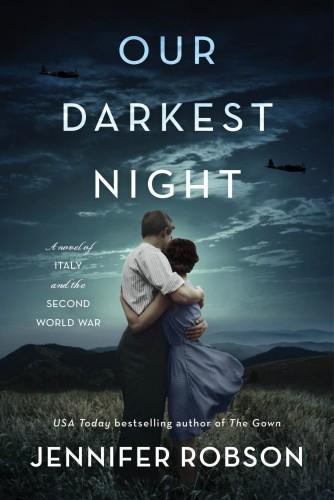
To survive the Holocaust, a young Jewish woman must pose as a Christian farmer’s wife in this unforgettable novel from USA Today bestselling author Jennifer Robson—a story of terror, hope, love, and sacrifice, inspired by true events, that vividly evokes the most perilous days of World War II.
It is the autumn of 1943, and life is becoming increasingly perilous for Italian Jews like the Mazin family. With Nazi Germany now occupying most of her beloved homeland, and the threat of imprisonment and deportation growing ever more certain, Antonina Mazin has but one hope to survive—to leave Venice and her beloved parents and hide in the countryside with a man she has only just met.
Nico Gerardi was studying for the priesthood until circumstances forced him to leave the seminary to run his family’s farm. A moral and just man, he could not stand by when the fascists and Nazis began taking innocent lives. Rather than risk a perilous escape across the mountains, Nina will pose as his new bride. And to keep her safe and protect secrets of his own, Nico and Nina must convince prying eyes they are happily married and in love.
But farm life is not easy for a cultured city girl who dreams of becoming a doctor like her father, and Nico’s provincial neighbors are wary of this soft and educated woman they do not know. Even worse, their distrust is shared by a local Nazi official with a vendetta against Nico. The more he learns of Nina, the more his suspicions grow—and with them his determination to exact revenge.
As Nina and Nico come to know each other, their feelings deepen, transforming their relationship into much more than a charade. Yet both fear that every passing day brings them closer to being torn apart . . .
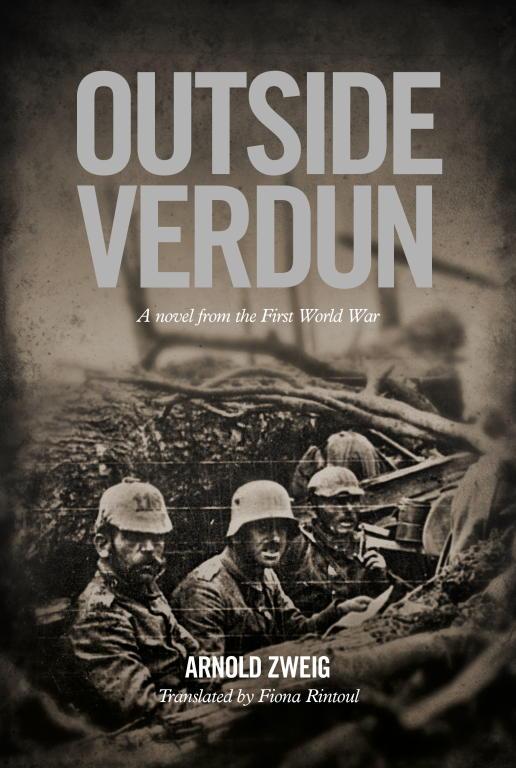
A new translation of a forgotten masterpiece of German World War I literature, based on the author’s own first-hand experiences of combat.
“The war, an operation instigated by men, still felt to him like a storm decreed by fate, an unleashing of powerful elements, unaccountable and beyond criticism.”
Arnold Zweig’s novel was first published in 1933 and is based on his own experiences in the German army during World War I. Following the unlawful killing of his younger brother by his own superiors, Lieutenant Kroysing swears revenge, using his influence to arrange for his brother’s unit, normally safely behind the lines, to be reassigned to the fortress at Douaument, in the very heart of the battle for France. Bertin, a lowly but educated Jewish sapper through whose eyes the story unfolds, is the innocent man caught in the cross-fire.
The book not only explores the heart-breaking tragedy of one individual trapped in a nightmare of industrialized warfare but also reveals the iniquities of German society in microcosm, with all its injustice, brutality, anti-Semitism, and incompetence. A brilliant translation captures all the subtleties, cadences, and detachment of Zweig’s masterful prose.
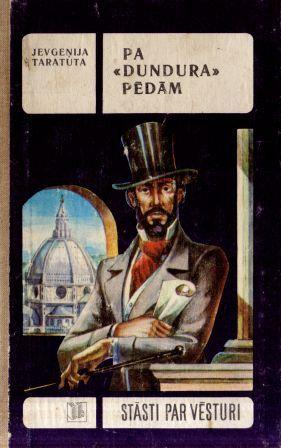
Jevgeņija Taratuta
Pa «Dundura» pēdām
Stāsti par vēsturi
Krievu padomju rakstnieces (dz. 1912. g.) dokumentālais garstāsts emocionāli un aizraujoši vēsta par angļu rakstnieces Eteles Liliānas Voiničas neparasto likteni, par viņas dzīves posmu Pēterburgā deviņpadsmitā gadsimta astoņdesmitajos gados. Rakstniece atklāj E. L. Voiničas slavenā romāna «Dundurs» tapšanas vēsturi un nozīmi pasaulē.
Noskanējis grāmatu un failu izveidojis Imants Ločmelis
No krievu valodas tulkojis Imants Lastovskis Mākslinieks Dainis Breikšs
Евгения Таратута ПО СЛЕДАМ «ОВОДА» Москва «Детская литература» 1981
© «Детская литература», Москва, 1981
Izdevniecība «Liesma», 1987
Pedagoģijas zinātņu kandidats A. I. Šņirmanis
Padomju ģimenes uzdevumi kolektīvisma audzināšanā
"Viens no svarīgākajiem audzināšanas uzdevumiem ir dažkārt vēl vērojamo buržuāziskā individuālisma palieku pārvarēšana. Katram padomju cilvēkam jau no mazām dienām jāapzinās, ka viņš ir vienota kolektiva loceklis. Dzīve kolektivā, aktiva līdzdalība cilvēku kopīgajā radošajā darbībā ir viens no cilvēka daudzpusīgas attīstības svarīgākajiem priekšnoteikumiem." A. I. Šņirmanis
Apstiprinājusi Latvijas PSR Izglītības ministrija
Latvijas Valsts Izdevniecība Riga 1955
Кандидат педагогических наук
А. Л. Шнирман
Задачи советской семьи в воспитании коллективизма у детей
Ленинград 1954
Латвийское Государственное издательство
На латышском языке
Jaunās paaudzes komunistiskajai audzināšanai Padomju
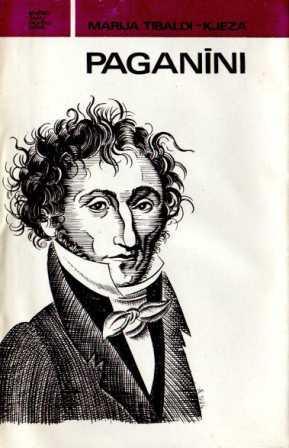
Marija Tibaldi-Kjeza
Paganīni
Ievērojamu cilvēku dzīve. Grāmata par ievērojamā XIX gadsimta mūziķa — itāliešu vijolnieka un komponista Nikolo Paganīni dzīvi un daiļradi. Dzīvais stāstījums, kurā nepārspētais virtuozs atklajas vispusīgi — gan kā pasaules slavas apvīts mākslinieks, gan kā rūgta likteņa piemeklēts cilvēks, gan savos traģiskajos vientulības brīžos, gan attiecībās ar citiem sava laika dižgariem, pretrunu plosīts un iedvesmas apgarots —, neapšaubāmi izraisīs interesi arī mūsdienu lasītājā.
Rīga «Liesma» 1985
Maria Tibaldi-Chiesa PAGANINI La vita e 1 'opera Garzantl 1947
Мария Тибальди-Кьсза ПАГАНИНИ
Москва «Молодая гвардия» 1981
No krievu valodas tulkojusi Ilga Kalnciema Mākslinieks Aivars Sprūdžs
© Издательство «Молодая гвардия»,
© Tulkojums latviešu vaipdii, Izdevniecība «Liesma», 1985
Arnis Terzens
Pagānu orģijas
Romāna varonis, arhitekts Harolds, mūsdienu juceklīgajos apstākļos pratis sev nodrošināt visai pārticīgu un ērtu dzīvi. Tad atgadās banāla, nejauka ķibele - viņam apzog automašīnu -, un šī saskarsme ar noziedzības pasauli sadragā Harolda trauslo stabilitātes un drošības ilūziju.
Vai apzagšana bijusi nejaušs gadījums vai varbūt sākums rūpīgi izplānotai noziegumu ķēdei? Neapmierinātība ar valsts struktūru pasivitāti un aizvainotā pašcieņa liek Haroldam kopā ar draugiem sākt "taisnības meklējumus" uz savu roku…
1999
FB2 failu izveidojis Imants Ločmelis
Arnis Terzens, dzimis Vērša gadā un Vērša zīmē. Tas dod viņa darbiem sparīgumu un spītu. Profesionāls žurnālists. Tāpēc spēj kritiski paraudzīties uz dzīves ēnas pusēm un nesaudzīgi "uzšķērst" problēmas.
Latvietis „līdz kaulam". Tāpēc neslēpj sarūgtinājumu par to, ka mūsu mazajai valstij nav nedz godīgu saimnieku, nedz struktūru, kas spētu nodrošināt likumību un taisnību.
Popularitātes garšu izbaudījis, vadot Latvijas TV raidījumu : "Programma X" un dalot autogrāfus, kad 1997.gadā iznāca viņa pirmais, sensacionālais romāns VISAPKĀRT TIKAI MŪSĒJIE.
Dzīves moto: "Būs labi!"
"Painting Mona Lisa" offers an explanation behind the mysteries surrounding da Vinci's famous portrait – why did Leonardo keep the "Mona Lisa" with him until his death? It is April 26, 1478. Lorenzo De Medici, the head of the powerful Florentine Medici family is attacked. He survives, but his younger brother, Giuliano, dies beneath multiple dagger blows. Ten years later, a young Lisa Gherardini listens to her mother retell the story of Giuliano's death, sharing her mother's passion for the arts, and even attending some of the Medici gatherings. But, her father – a follower of the fanatical Dominican monk Fra Girolamo Savonarola – scorns the wicked paganism of the Medicis. Lisa becomes the lover of Lorenzo's son, Giuliano the younger, just as the French king arrives to banish the Medicis from Florence, beginning the reign of the fire-and-brimstone preacher. As they flee, she is forced to marry Francesco, a pious but cruel man. Florence's citizens rise up and hang Savonarola. But even after the friar's execution, the Medici remain banned. Leonardo da Vinci is commissioned to paint Lisa's portrait. Having tasted Borgia politics, Leonardo is now acting as the Medici family's agent in Florence. He aims to discover the leaders of the Savonarola underground – working to reinstate their strict theocracy, but also intends to find the man involved in the 1478 murder of Giuliano de Medici the elder. Confessing his love for Lorenzo's brother to Lisa, he tells her that she has reignited the flame in his heart, for his lover's murderer was her the man she though was her father, not one of the conspirators, but a furious husband seeking revenge on his wife's lover. Lisa he helps Leonardo report her father's and husband's to the authorities and together they flee Francesco's revenge and travel to Rome and her half-brothers. Along the way, Lisa and Leonardo make love! Lisa yearns for another child, and Leonardo desperately longs to have his dead lover's child.
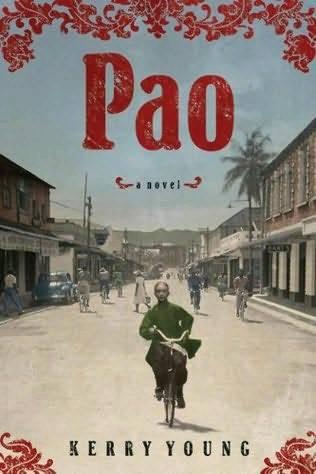
I was just a boy when I come to Jamaica. Kingston, 1938. Fourteen-year-old Yang Pao steps off the ship from China with his mother and brother, after his father has died fighting for the revolution. They are to live with Zhang, the 'godfather' of Chinatown, who mesmerises Pao with stories of glorious Chinese socialism on one hand, and the reality of his protection business on the other. When Pao takes over the family's affairs he becomes a powerful man. He sets his sights on marrying well, but when Gloria Campbell, a black prostitute, comes to him for help he is drawn to her beauty and strength. They begin a relationship that continues even after Pao marries Fay Wong, the 'acceptable' but headstrong daughter of a wealthy Chinese merchant. As the political violence escalates in the 1960s the lines between Pao's socialist ideals and private ambitions become blurred. Jamaica is transforming, the tides of change are rising, and the one-time boss of Chinatown finds himself cast adrift. Richly imagined and utterly captivating, Pao is a dazzling tale of race, class and colour, love and ambition, and a country at a historical crossroads.