 fb2
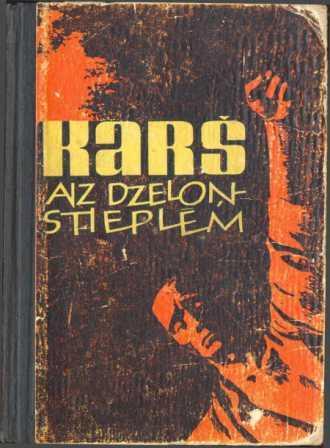
fb2Karš aiz dzeloņstieplēm
Krājuma sastādītāji: M. Viļenskis un N. Kings
Krājuma «Karš aiz dzeloņstieplēm» otrajā — izlabotajā un papildinātajā izdevumā ietilpst Būhenvaldes hitleriskās koncentrācijas nometnes antifašistiskās pagrīdes dalībnieku atmiņas. Kad iznāca krājuma pirmais izdevums, daudzi bijušie Būhenvaldes ieslodzītie atsaucās un precizēja vairākus vārdus, datus, skaitļus un faktus. Viņu norādījumi ņemti vērā, sagatavojot šo krājumu.
Šinī izdevumā papildus iekļauti vairāku padomju biedru atmiņas, kā arī fragmenti no biedra Valtera Bartela (VDR) un biedra Kvetoslava Innemana (Čehoslovakija) memuāriem. Lai lasītājiem dotu viengabalaināku un skaidrāku priekšstatu par atbrīvošanās sacelšanos Būhcnvaldē, visu autoru atmiņas par nometnes pēdējām dienām izdalītas atsevišķā nodaļā «Sacelšanās».
Latvijas valsts izdevniecība. Rīgā 1964
Tulkojuši: S. Kalmanoviča, G. Brokāns, E. Dimitrejevs Mākslinieks G. Eleri
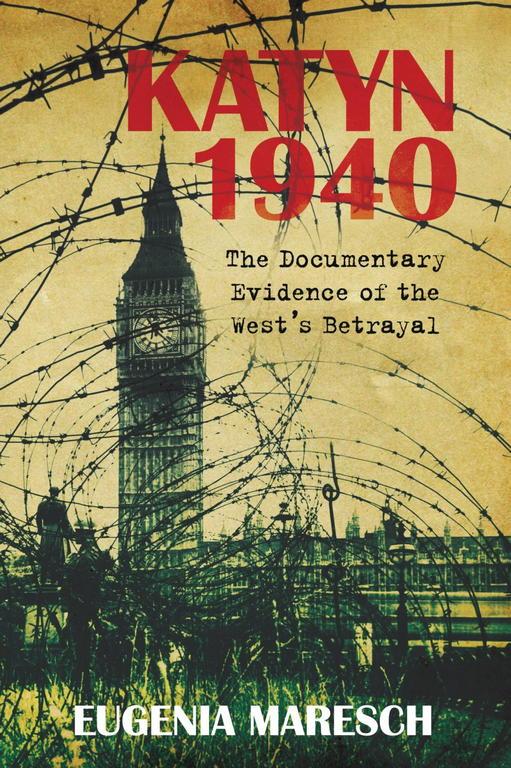
The mass murder of 22,000 Poles by the Soviet NKVD at Katyn is one of the most shocking events of the Second World War and its political implications are still being felt today. This book draws on intelligence reports, witness statements, memoranda and briefing papers of diplomats who dealt with the Katyn massacre.
The bitter dispute is ongoing between the Russian and Polish governments, to declassify the rest of the documents and concede to genocide perpetrated by the Soviets. British “Most Secret” files reveal that Katyn was considered as a provocative incident, which might break political alliance with the Soviets. The “suspension of judgment” policy of the British government hid for more than half a century a deceitful diplomacy of Machiavellian proportions.
Katyn 1940 draws on intelligence reports, previously unpublished documents, witness statements, memoranda, and briefing papers of diplomats and civil servants of various echelons, who dealt with the Katyn massacre up to the present day to expose the true hypocrisy of the British and American attitude to the massacre.
Eugenia Maresch is the author of General Wladyslaw Sikorski, Poland’s Wartime Leader; Intelligence Co-operation Between Great Britain and Poland in World War II; and Polish Forces in Defence of the British Isles 1939-1945.
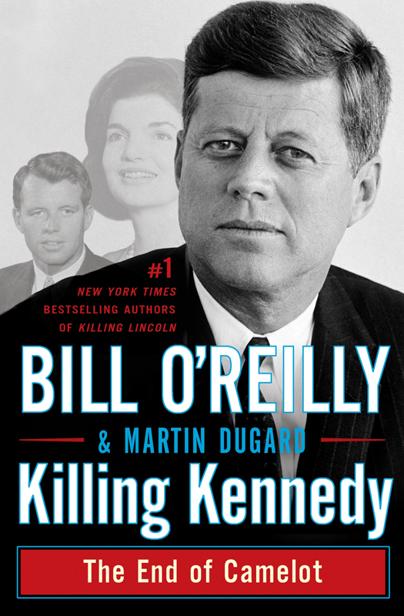
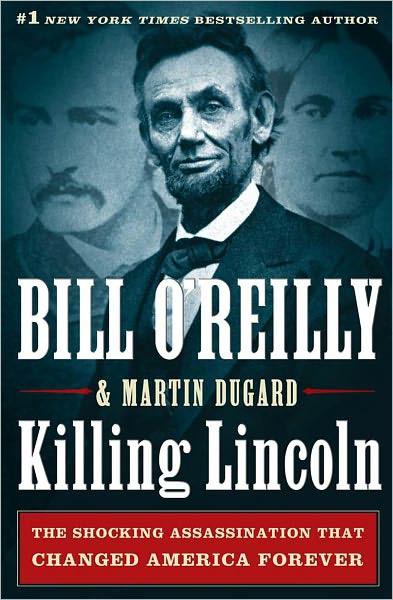
A riveting historical narrative of the shocking events surrounding the assassination of John F. Kennedy, and the follow-up to mega-bestselling author Bill O’Reilly’s Killing Lincoln.
More than a million readers have thrilled to Bill O’Reilly’s Killing Lincoln, the page-turning work of nonfiction about the shocking assassination that changed the course of American history. Now the anchor of The O’Reilly Factor; recounts in gripping detail the brutal murder of John Fitzgerald Kennedy—and how a sequence of gunshots on a Dallas afternoon not only killed a beloved president but also sent the nation into the cataclysmic division of the Vietnam War and its culture-changing aftermath.
In January 1961, as the Cold War escalates, John F. Kennedy struggles to contain the growth of Communism while he learns the hardships, solitude, and temptations of what it means to be president of the United States. Along the way he acquires a number of formidable enemies, among them Soviet leader Nikita Khrushchev, Cuban dictator Fidel Castro, and Alan Dulles, director of the Central Intelligence Agency. In addition, powerful elements of organized crime have begun to talk about targeting the president and his brother, Attorney General Robert Kennedy.
In the midst of a 1963 campaign trip to Texas, Kennedy is gunned down by an erratic young drifter named Lee Harvey Oswald. The former Marine Corps sharpshooter escapes the scene, only to be caught and shot dead while in police custody.
The events leading up to the most notorious crime of the twentieth century are almost as shocking as the assassination itself. Killing Kennedy chronicles both the heroism and deceit of Camelot, bringing history to life in ways that will profoundly move the reader. This may well be the most talked about book of the year.
### Review
"As a history major, I wish my required reading had been as well written as this truly vivid and emotionally engaging account of Lincoln's assassination. And as a former combat infantry officer, I found myself running for cover at the Civil War battle scenes. This is the story of an American tragedy that changed the course of history. If you think you know this story, you don't until you’ve read *Killing Lincoln*. Add historian to Bill O’Reilly’s already impressive résumé."—Nelson DeMille, author of *The Lion* and *The Gold Coast*
" *Killing Lincoln* is a must read historical thriller. Bill O'Reilly recounts the dramatic events of the spring of 1865 with such exhilarating immediacy that you will feel like you are walking the streets of Washington, DC, on the night that John Wilkes Booth shot Abraham Lincoln. This is a hugely entertaining, heart-stopping read."—Vince Flynn, author of *American Assassin* **
"If Grisham wrote a novel about April 1865...it might well read like *Killing Lincoln*."—Peter J. Boyer, *Newsweek*
### Product Description
**A riveting historical narrative of the heart-stopping events surrounding the assassination of Abraham Lincoln, and the first work of history from mega-bestselling author Bill O'Reilly**
The anchor of *The O'Reilly Factor* recounts one of the most dramatic stories in American history—how one gunshot changed the country forever. In the spring of 1865, the bloody saga of America's Civil War finally comes to an end after a series of increasingly harrowing battles. President Abraham Lincoln's generous terms for Robert E. Lee's surrender are devised to fulfill Lincoln's dream of healing a divided nation, with the former Confederates allowed to reintegrate into American society. But one man and his band of murderous accomplices, perhaps reaching into the highest ranks of the U.S. government, are not appeased.
In the midst of the patriotic celebrations in Washington D.C., John Wilkes Booth—charismatic ladies' man and impenitent racist—murders Abraham Lincoln at Ford's Theatre. A furious manhunt ensues and Booth immediately becomes the country's most wanted fugitive. Lafayette C. Baker, a smart but shifty New York detective and former Union spy, unravels the string of clues leading to Booth, while federal forces track his accomplices. The thrilling chase ends in a fiery shootout and a series of court-ordered executions—including that of the first woman ever executed by the U.S. government, Mary Surratt. Featuring some of history's most remarkable figures, vivid detail, and page-turning action, *Killing Lincoln* is history that reads like a thriller.
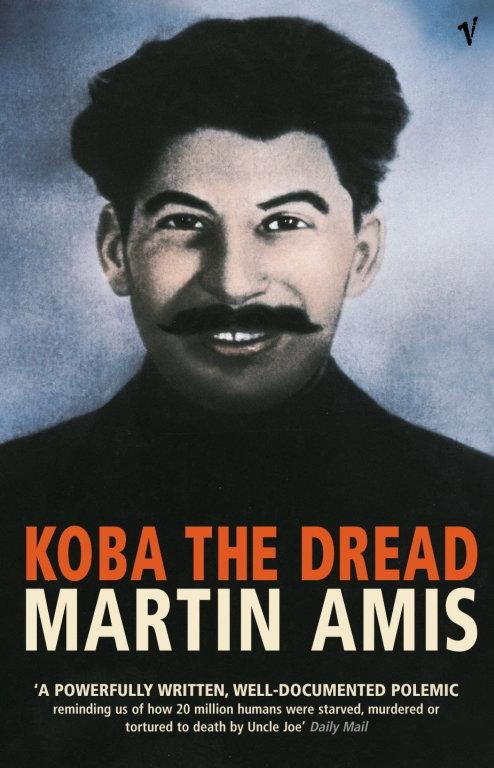
A brilliant weave of personal involvement, vivid biography and political insight, Koba the Dread is the successor to Martin Amis’s award-winning memoir, Experience.
Koba the Dread captures the appeal of one of the most powerful belief systems of the 20th century—one that spread through the world, both captivating it and staining it red. It addresses itself to the central lacuna of 20th-century thought: the indulgence of Communism by the intellectuals of the West. In between the personal beginnings and the personal ending, Amis gives us perhaps the best one-hundred pages ever written about Stalin: Koba the Dread, Iosif the Terrible.
The author’s father, Kingsley Amis, though later reactionary in tendency, was a “Comintern dogsbody” (as he would come to put it) from 1941 to 1956. His second-closest, and then his closest friend (after the death of the poet Philip Larkin), was Robert Conquest, our leading Sovietologist whose book of 1968, The Great Terror, was second only to Solzhenitsyn’s The Gulag Archipelago in undermining the USSR. The present memoir explores these connections.
Stalin said that the death of one person was tragic, the death of a million a mere “statistic.” Koba the Dread, during whose course the author absorbs a particular, a familial death, is a rebuttal of Stalin’s aphorism.
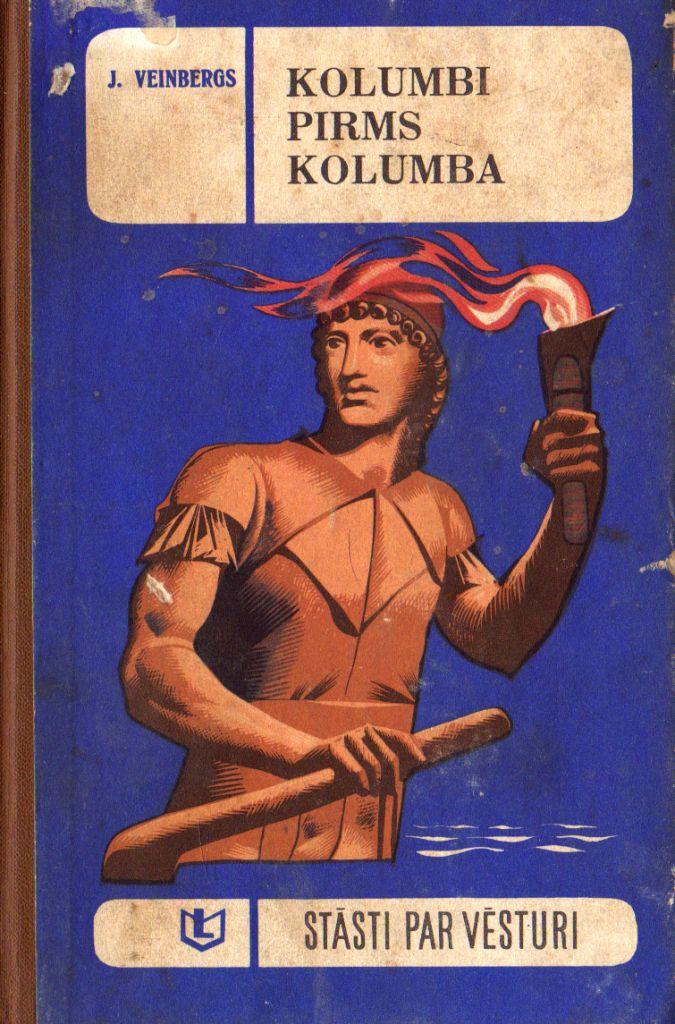
Joels Veinbergs
Kolumbi pirms Kolumba
Stāsti par vēsturi
Izziņas procesā cilvēka doma virzās no zināmā uz vēl neizzināto. Mūsdienu cilvēku un zinātnes uzmanibu arvien vairāk saista kosmiskās tāles, kuru izpēte kļuvusi iespējama tāpēc, ka cilvēks visumā labi jau iepazinis savu planētu — Zemi.
Zemes izpētīšana bija ne mazāk varonīga un saistoša epopeja kā kosmosa tāļu atklāšana. Apritēja daudzi gadu tūkstoši, iekams cilvēks iepazina savu planētu. Šajā titāniskajā meklējumu un atklājumu procesā nozīmīgi bija vairāki posmi. Viens no tiem — Lielo ģeogrāfisko atklājumu laikmets (15. — 17. gs.), kad Vasko da Gama, Kolumbs, Magelāns un daudzi citi drosminieki pavēra cilvēcei vēl nepazīstamos Zemes kontinentus.
Taču 15. — 17. gs. ceļotāji turpināja to mūsu planētas izpētes darbu, kuru senajos laikos (3. g. t. pr. m. ē. — 5. gs. m. ē.) jau bija sākuši senie ēģiptieši un babilonieši, feniķieši un ķīnieši, grieķi, romieši un daudzas citas senās tautas. Par viņiem — senās pasaules kolumbiem stāsta šī grāmata.
Mēs gribam iepazīstināt lasītāju ne vien ar ceļotājiem un ceļojumiem, bet arī parādīt, kādi cēloņi pamudināja senās pasaules cilvēkus doties tālos un bīstamos braucienos, un pastāstīt par to sekām un rezultātiem. Ceļojumos atklājās ne vien jaunas zemes, bet arī svešas tautas un kultūras, un apkārtējās pasaules iepazīšana bija viens no faktoriem, kas ievērojami veicināja un paātrināja senās pasaules diženo kultūru plaukumu.
Jaunā lasītājiem nodotā grāmata turpina sarunu par senās pasaules tautām un zemēm, sabiedrībām un kultu- rātu, kas sākta mūsu agrāk publicētajās grāmatās.
Autors
©«Liesma», 1973
Vāku zīmējis Aleksandrs Stankevičs
Noskanējis grāmatu un FB2 failu izveidojis Imants Ločmelis
«… bieži vien ļaudis Pazīst cits citu, kad dodas ar kuģiem pa bangaino jūru.»
(Homērs. «Odiseja»)
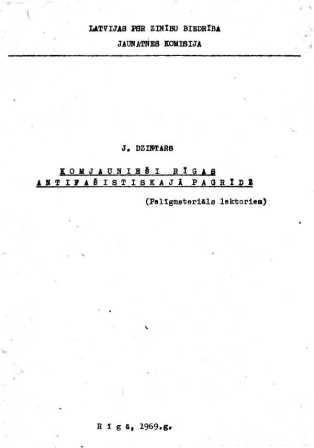
Jānis Dzintars
Komjaunieši Rīgas antifašistiskajā pagrīdē
Lekcijas plāns: Ievads. Pirmie antifašistiskās pagrīdes cīnītāji Rīgā. Komjauniešu Arvīda Rendnieka, Viktorijas Misas, Vitolda Jauntirāna un Augusta Jumiķa vadītie patrioti antifašistiskās pagrīdes cīņas avangardā Rīgā 1942.-1945.gads. LKP CK un Latvijas ĻKJS CK Operatīvo grupu pilnvarotais Imants Sudmalis. Rīgas antifašistiskās pagrīdes cīņas vadītājs 1943.-1944. gados.
«DARBA BALSS» e-grāmatu izdevniecība № 427 Riga, 2016 darbabalss.eu padomjugramata.ucoz.com
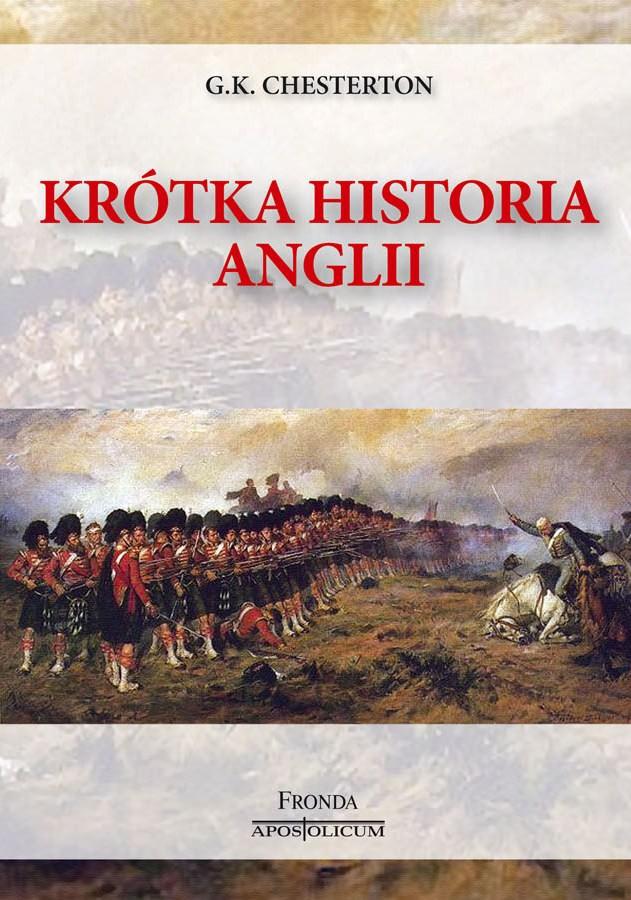
Krótka historia Anglii to książka ujmująca dzieje Wielkiej Brytanii w kontekście cywilizacyjnym, religijnym i kulturowym. Wielu mieszkańcom Wysp Brytyjskich pomogła odpowiedzieć na pytanie: kim naprawdę jesteśmy my, Anglicy? „Nie trzeba długich i trudnych badań dla dowiedzenia się, że ziemianin nie jest opatem, choć dom jego nosi miano opactwa. Nie trzeba zawiłych rozumowań dla wywnioskowania, że teren zwany „gromadzkim” należał niegdyś do gromady. Różnice w poglądach nie tyczą więc samych faktów, lecz znaczenia tych faktów, a ocena tego znaczenia wiąże się z krytyczną oceną całego rozumienia dziejów”. (Z przedmowy G.K. Chestertona)
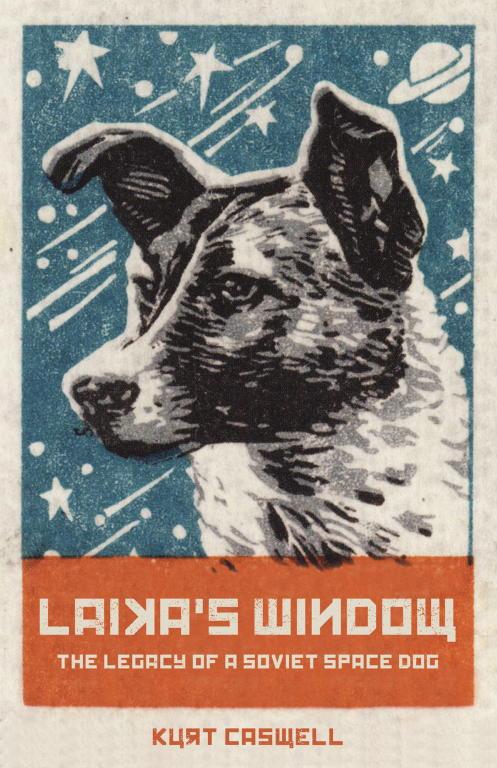
Laika began her life as a stray dog on the streets of Moscow and died in 1957 aboard the Soviet satellite Sputnik II. Initially the USSR reported that Laika, the first animal to orbit the earth, had survived in space for seven days, providing valuable data that would make future manned space flight possible. People believed that Laika died a painless death as her oxygen ran out. Only in recent decades has the real story become public: Laika died after only a few hours in orbit when her capsule overheated. Laika’s Window positions Laika as a long overdue hero for leading the way to human space exploration.
Kurt Caswell examines Laika’s life and death and the speculation surrounding both. Profiling the scientists behind Sputnik II, he studies the political climate driven by the Cold War and the Space Race that expedited the satellite’s development. Through this intimate portrait of Laika, we begin to understand what the dog experienced in the days and hours before the launch, what she likely experienced during her last moments, and what her flight means to history and to humanity. While a few of the other space dog flights rival Laika’s in endurance and technological advancements, Caswell argues that Laika’s flight serves as a tipping point in space exploration “beyond which the dream of exploring nearby and distant planets opened into a kind of fever from which humanity has never recovered.”
Examining the depth of human empathy—what we are willing to risk and sacrifice in the name of scientific achievement and our exploration of the cosmos, and how politics and marketing can influence it—Laika’s Window is also about our search to overcome loneliness and the role animals play in our drive to look far beyond the earth for answers.
Kurt Caswell is a writer and professor of creative writing and literature in the Honors College at Texas Tech University, where he teaches intensive field courses on writing and leadership. He is also on the faculty at the Vermont College of Fine Arts. His books include Getting to Grey Owl: Journeys on Four Continents, In the Sun’s House: My Year Teaching on the Navajo Reservation, An Inside Passage, which won the 2008 River Teeth Literary Nonfiction Book Prize, and an anthology of nature writing, To Everything on Earth: New Writing on Fate, Community, and Nature, which he coedited with Susan Leigh Tomlinson and Diane Heuter Warner. His essays have appeared in ISLE, Isotope, Matter, Ninth Letter, Orion, River Teeth, and the American Literary Review. He lives in Lubbock, Texas.
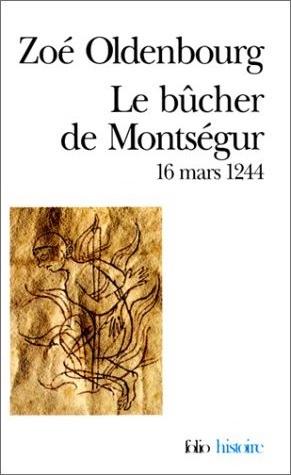
Le 16 mars 1244, Montségur, dernier sanctuaire du catharisme, tombait après un siège de dix mois. Dans une Occitanie annexée à la couronne, il n'y eut plus de tentative de révolte religieuse ni nationale.
After Karl Marx, Vladimir Lenin (1870–1924) is the man most associated with communism and its influence and reach around the world. Lenin was the leader of the communist Bolshevik party during the October 1917 revolution in Russia, and he subsequently headed the Soviet state until 1924, bringing stability to the region and establishing a socialist economic and political system.
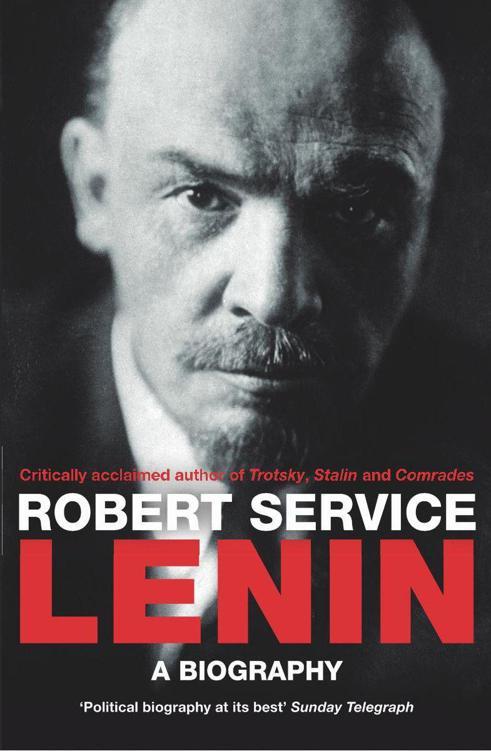
Lenin is a colossal figure whose influence on twentieth-century history cannot be underestimated. Robert Service has written a calmly authoritative biography on this seemingly unknowable figure. Making use of recently opened archives, he has been able to piece together the private as well as the public life, giving the first complete picture of Lenin.
This biography simultaneously provides an account of one of the greatest turning points in modern history. Through the prism of Lenin’s career, Service examines events such as the October Revolution and the ideas of Marxism-Leninism, the one-party state, economic modernisation, dictatorship, and the politics of inter-war Europe. In discovering the origins of the USSR, he casts light on the nature of the state and society which Lenin left behind and which have not entirely disappeared after the collapse of the Soviet regime in 1991.
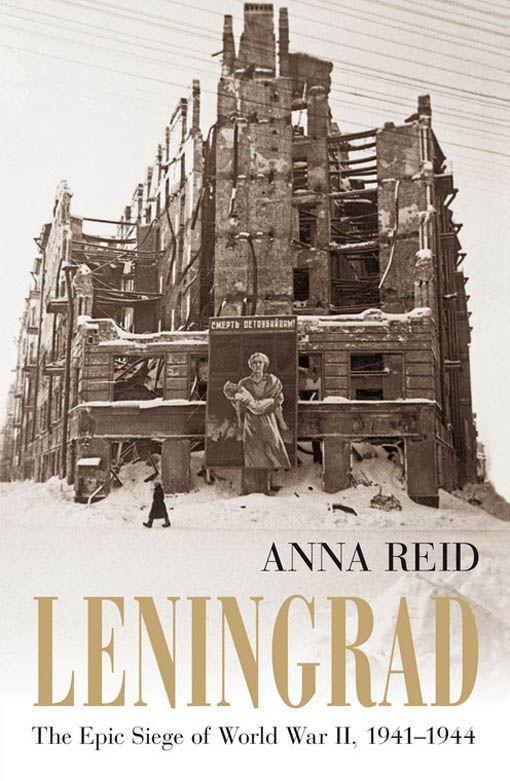
On September 8, 1941, eleven weeks after Hitler launched Operation Barbarossa, his brutal surprise attack on the Soviet Union, Leningrad was surrounded. The siege was not lifted for two and a half years, by which time some three quarters of a million Leningraders had died of starvation.
Anna Reid’s Leningrad is a gripping, authoritative narrative history of this dramatic moment in the twentieth century, interwoven with indelible personal accounts of daily siege life drawn from diarists on both sides. They reveal the Nazis’ deliberate decision to starve Leningrad into surrender and Hitler’s messianic miscalculation, the incompetence and cruelty of the Soviet war leadership, the horrors experienced by soldiers on the front lines, and, above all, the terrible details of life in the blockaded city: the relentless search for food and water; the withering of emotions and family ties; looting, murder, and cannibalism—and at the same time, extraordinary bravery and self-sacrifice.
Stripping away decades of Soviet propaganda, and drawing on newly available diaries and government records, Leningrad also tackles a raft of unanswered questions: Was the size of the death toll as much the fault of Stalin as of Hitler? Why didn’t the Germans capture the city? Why didn’t it collapse into anarchy? What decided who lived and who died? Impressive in its originality and literary style, Leningrad gives voice to the dead and will rival Anthony Beevor’s classic Stalingrad in its impact.
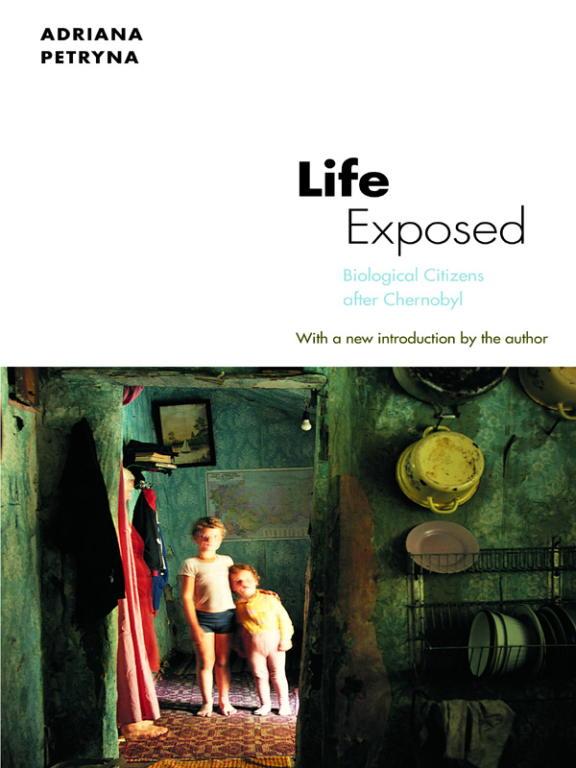
On April 26, 1986, Unit Four of the Chernobyl nuclear reactor exploded in then Soviet Ukraine. More than 3.5 million people in Ukraine alone, not to mention many citizens of surrounding countries, are still suffering the effects. Life Exposed is the first book to comprehensively examine the vexed political, scientific, and social circumstances that followed the disaster. Tracing the story from an initial lack of disclosure to post-Soviet democratizing attempts to compensate sufferers, Adriana Petryna uses anthropological tools to take us into a world whose social realities are far more immediate and stark than those described by policymakers and scientists. She asks: What happens to politics when state officials fail to inform their fellow citizens of real threats to life? What are the moral and political consequences of remedies available in the wake of technological disasters?
Through extensive research in state institutions, clinics, laboratories, and with affected families and workers of the so-called Zone, Petryna illustrates how the event and its aftermath have not only shaped the course of an independent nation but have made health a negotiated realm of entitlement. She tracks the emergence of a “biological citizenship” in which assaults on health become the coinage through which sufferers stake claims for biomedical resources, social equity, and human rights. Life Exposed provides an anthropological framework for understanding the politics of emergent democracies, the nature of citizenship claims, and everyday forms of survival as they are interwoven with the profound changes that accompanied the collapse of the Soviet Union.