 fb2
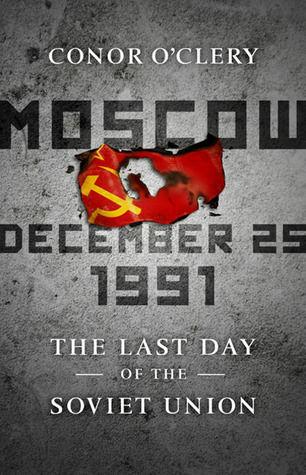
fb2The implosion of the Soviet Union was the culmination of a gripping game played out between two men who intensely disliked each other and had different concepts for the future. Mikhail Gorbachev, a sophisticated and urbane reformer, sought to modernize and preserve the USSR; Boris Yeltsin, a coarse and a hard drinking “bulldozer,” wished to destroy the union and create a capitalist Russia. The defeat of the August 1991 coup attempt, carried out by hardline communists, shook Gorbachev’s authority and was a triumph for Yeltsin. But it took four months of intrigue and double-dealing before the Soviet Union collapsed and the day arrived when Yeltsin could hustle Gorbachev out of the Kremlin, and move in as ruler of Russia.
Conor O’Clery has written a unique and truly suspenseful thriller of the day the Soviet Union died. The internal power plays, the shifting alliances, the betrayals, the mysterious three colonels carrying the briefcase with the nuclear codes, and the jockeying to exploit the future are worthy of John Le Carré or Alan Furst. The Cold War’s last act was a magnificent dark drama played out in the shadows of the Kremlin.
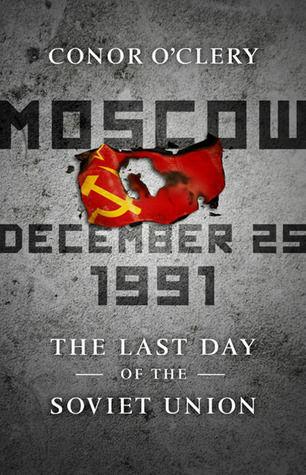
The implosion of the Soviet Union was the culmination of a gripping game played out between two men who intensely disliked each other and had different concepts for the future. Mikhail Gorbachev, a sophisticated and urbane reformer, sought to modernize and preserve the USSR; Boris Yeltsin, a coarse and a hard drinking “bulldozer,” wished to destroy the union and create a capitalist Russia. The defeat of the August 1991 coup attempt, carried out by hardline communists, shook Gorbachev’s authority and was a triumph for Yeltsin. But it took four months of intrigue and double-dealing before the Soviet Union collapsed and the day arrived when Yeltsin could hustle Gorbachev out of the Kremlin, and move in as ruler of Russia.
Conor O’Clery has written a unique and truly suspenseful thriller of the day the Soviet Union died. The internal power plays, the shifting alliances, the betrayals, the mysterious three colonels carrying the briefcase with the nuclear codes, and the jockeying to exploit the future are worthy of John Le Carré or Alan Furst. The Cold War’s last act was a magnificent dark drama played out in the shadows of the Kremlin.
Ivars Viks
MŪSU DIŽĀ SENATNE
Gan mūsu garamantu saturs, gan materiāla rakstura atradumi liek būtiski pārvērtēt līdzšinējos uzskatus par mūsu zemes un tautas vēsturi. Mūsu senči ne tikai dzīvojuši šajā zemē pirms pēdējā ledus laikmeta, bet tiem bijušas izcilas zināšanas, kas daudzās jomās pārsniedz mūsdienu zinātnes sasniegumus. Vēl arvien lielu daļu no viņu zināšanām mēs nespējam saprast, tāpat kā nespējam atkārtot viņu darbus. Mēs varam kaut ko nesaprast, bet nedrīkstam to iznīcināt…
ISBN 9984-701-37-9
Rīga «Vieda>
LATVIJAS EKOLOĢISKĀS IZGLĪTĪBAS APGĀDS
Māras Armanovičas un Zigurda Šlica zīmējumi
© Ivars Viks
© L. Kovalass-Kovaļevska, mākslinieciskais noformējums © "Vieda". 2002
Noskannējis grāmatu un FB2 failu izveidojis Imants Ločmelis
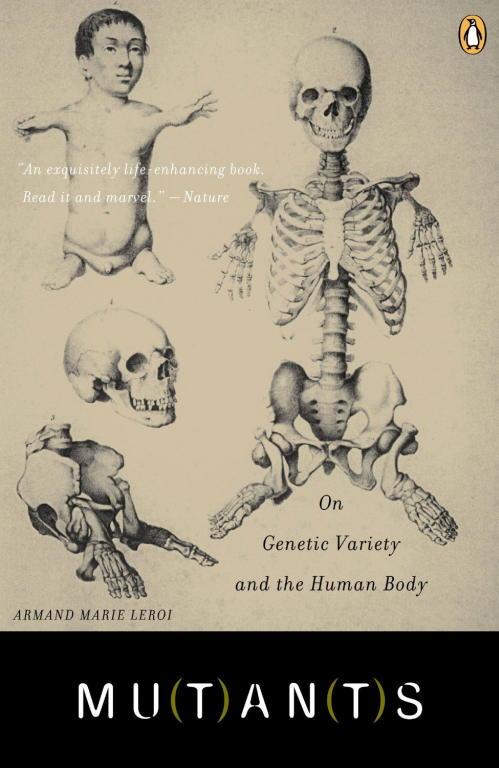
Stepping effortlessly from myth to cutting-edge science, Mutants gives a brilliant narrative account of our genetic code and the captivating people whose bodies have revealed it—a French convent girl who found herself changing sex at puberty; children who, echoing Homer’s Cyclops, are born with a single eye in the middle of their foreheads; a village of long-lived Croatian dwarves; one family, whose bodies were entirely covered with hair, was kept at the Burmese royal court for four generations and gave Darwin one of his keenest insights into heredity. This elegant, humane, and engaging book “captures what we know of the development of what makes us human” (Nature).
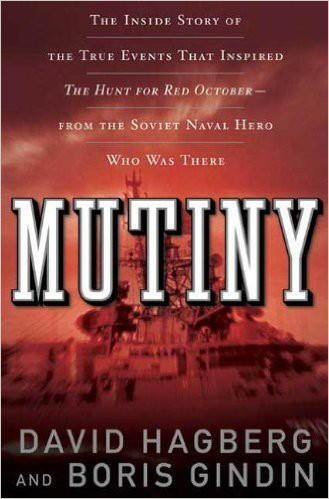
In 1984, Tom Clancy released his blockbuster novel, The Hunt for Red October, an edge-of-your seat thriller that skyrocketed him into international notoriety. The inspiration for that novel came from an obscure report by a US naval officer of a mutiny aboard a Soviet warship in the Baltic Sea. The Hunt for Red October actually happened, and Boris Gindin lived through every minute of it. After decades of silence and fear, Gindin has finally come forward to tell the entire story of the mutiny aboard the FFG Storozhevoy, the real-life Red October.
It was the fall of 1975, and the tensions between the Soviet Union and the United States were climbing. It seemed the two nations were headed for thermonuclear war, and it was that fear that caused most of the crewman of the FFG Storozhevoy to mutiny. Their goal was to send a message to the Soviet people that the Communist government was corrupt and major changes were needed. That message never reached a single person. Within hours the orders came from on high to destroy the Storozhevoy and its crew members. And this would have happened if it weren’t for Gindin and few others whose heroism saved many lives.
Now, with the help of USA Today bestselling author David Hagberg, Gindin relives every minute of that harrowing event. From the danger aboard the ship to the threats of death from the KGB to the fear that forced him to flee the Soviet Union for the United States, Mutiny reveals the real-life story behind The Hunt for Red October and offers an eye-opening look at the Soviet Union during the height of the Cold War.
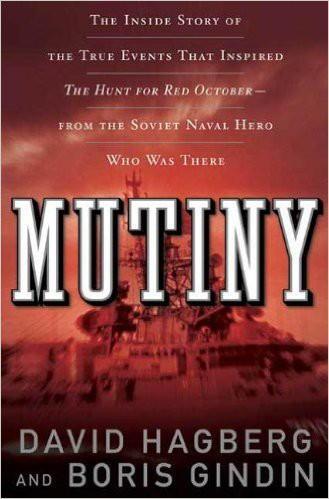
In 1984, Tom Clancy released his blockbuster novel, The Hunt for Red October, an edge-of-your seat thriller that skyrocketed him into international notoriety. The inspiration for that novel came from an obscure report by a US naval officer of a mutiny aboard a Soviet warship in the Baltic Sea. The Hunt for Red October actually happened, and Boris Gindin lived through every minute of it. After decades of silence and fear, Gindin has finally come forward to tell the entire story of the mutiny aboard the FFG Storozhevoy, the real-life Red October.
It was the fall of 1975, and the tensions between the Soviet Union and the United States were climbing. It seemed the two nations were headed for thermonuclear war, and it was that fear that caused most of the crewman of the FFG Storozhevoy to mutiny. Their goal was to send a message to the Soviet people that the Communist government was corrupt and major changes were needed. That message never reached a single person. Within hours the orders came from on high to destroy the Storozhevoy and its crew members. And this would have happened if it weren’t for Gindin and few others whose heroism saved many lives.
Now, with the help of USA Today bestselling author David Hagberg, Gindin relives every minute of that harrowing event. From the danger aboard the ship to the threats of death from the KGB to the fear that forced him to flee the Soviet Union for the United States, Mutiny reveals the real-life story behind The Hunt for Red October and offers an eye-opening look at the Soviet Union during the height of the Cold War.

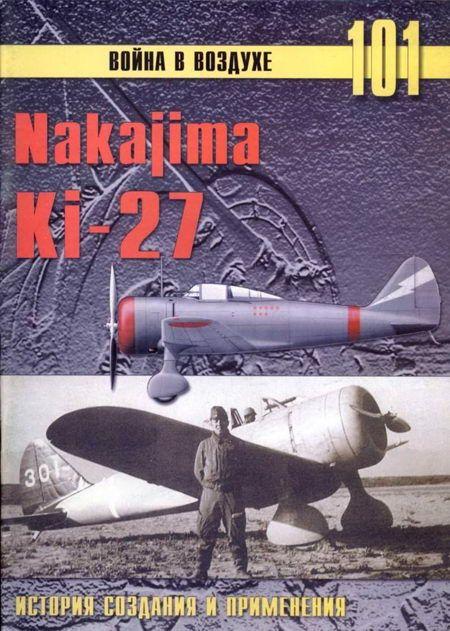
Армейский истребитель Тип 47, более известный как Накадзима Ki-27 или, по классификации Союзников, "Нэйт", был первым современным истребителем, поступившим на вооружение военно-воздушных сил императорской армии Японии (IJAAF). Это был цельнометаллический свободнонесущий моноплан с низкорасположенным крылом, классическими обводами, закрытой кабиной и неубирающимся шасси. Он продемонстрировал свои превосходные летные характеристики во время боев в Китае и на Халхин-Голе. К началу войны на Тихом океане Ki-27 был основным истребителем армейской авиации и нес службу в Индокитае, Малайе, Филиппинах и Бирме, а также защищал Японские острова. Когда во фронтовых частях его заменили более современные машины, этот самолет до конца войны эксплуатировался в авиашколах и учебных подразделениях. Он также состоял на вооружении ВВС Маньчжоу-го и Таиланда.
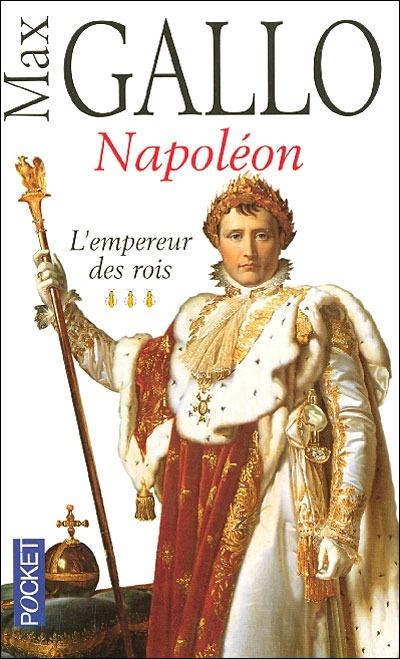
Il est Napoléon le Grand: après Austerlitz, qui peut arrêter l'empereur des Français? Il bouscule les rois, à Iéna, à Friedland, à Wagram. Il conquiert les femmes: Marie Walewska, la Polonaise, et Marie-Louise, l'Autrichienne, la petite-nièce de Marie-Antoinette! Son fils, le roi de Rome, descend donc de l'empereur d'Autriche. Quel parcours!
Napoléon, que nous suivons pas à pas, s'humanise. Amant impérieux de Marie Walewska et mari attentionné de Marie-Louise, il voudrait retenir l'Histoire, ne pas avoir à engager le fer contre le Tsar. Mais il est emporté: "Et ainsi la guerre aura lieu malgré moi, malgré lui", confie-t-il.
Max Gallo nous fait partager, à chaque instant de chaque jour, les bonheurs et les ardeurs du père, du mari, de l'amant, la volonté et l'esprit de décision de cet empereur des rois, lancé dans le ciel de l'Histoire comme un météore. "Ce texte fait référence à une édition épuisée ou non disponible de ce titre".
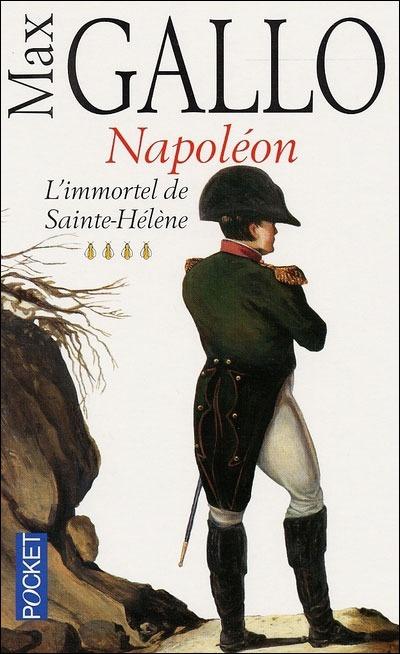
En 1812, il entre en Russie à la tête de cinq cent mille hommes. Un océan de feu détruit Moscou. Un chaos de glace et de neige engloutit la Grande Armée. Pour la première fois, l'Aigle baisse la tête. Dès lors, l'Europe conquise se réveille et se venge. Les puissants le trahissent, sa vieille garde pleure à Fontainebleau. Le retour de l'île d'Elbe annonce-t-il un nouveau chant du départ? Le dernier acte est proche. Le soleil d'Austerlitz ne se lèvera pas sur la plaine boueuse de Waterloo. Enchaîné par les Anglais sur son rocher de Sainte Hélène, l'Empereur peut encore vaincre le temps et l'oubli et forger sa mémoire immortelle.
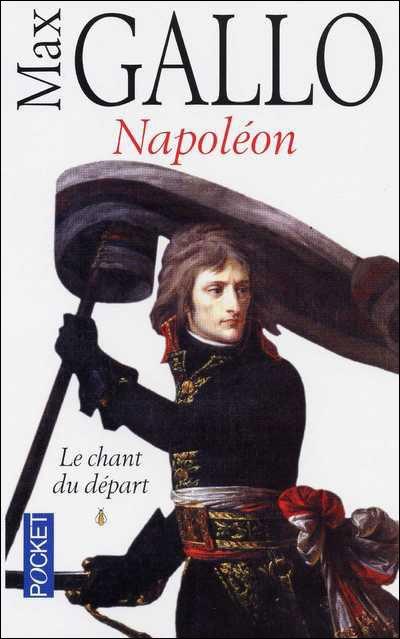
Ce roman commence au printemps 1779, lorsqu'un enfant de dix ans à l'accent étranger, maigre et mal peigné, entre à l'école militaire de Brienne. Quinze ans plus tard, cet enfant entre dans la légende. Bonaparte est nommé général en chef des armées d'Italie par le Directoire. La suite, c'est Vendémiaire, Lodi, Arcole, la campagne d'Egypte. Cet homme de génie, despotique et visionnaire, s'apprête à conquérir la France, l'Europe et le monde. Son destin impérial est tracé. Jamais plus il ne cessera d'inviter au rêve et de susciter la passion.
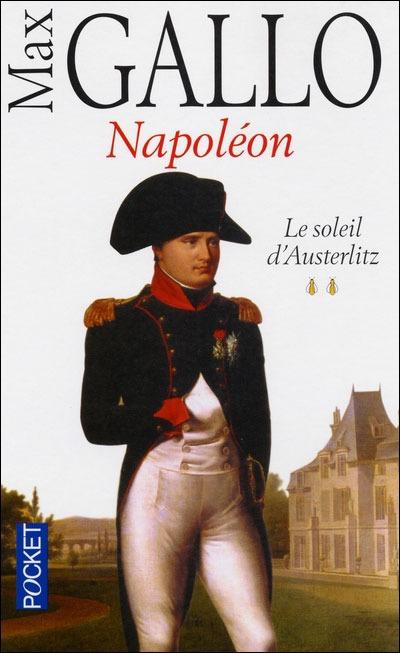
Le "Napoléon" de Max Gallo est à la fois une savante biographie historique et un palpitant roman d'aventures. Pouvait-il en être autrement alors que l'empereur lui-même s'exclamait "Quel roman que ma vie!"? Le récit captivant raconte en quatre tomes une destinée exceptionnelle: le lecteur est de toutes les batailles, de toutes les alcôves, de toutes les pensées de Napoléon. C'est d'abord "Le Chant du départ" (1769-1799) qui salue l'émergence de Bonaparte, le fils de la Révolution. Au lendemain du 18 Brumaire, "Le Soleil d'Austerlitz" (1799-1805) brille sur une fulgurante ascension couronnée par le sacre impérial et par le triomphe du militaire de génie. À son zénith, Bonaparte se heurte à une Europe coalisée dont il veut être le maître: c'est le temps de "L'Empereur des rois" (1806-1812). Plus dure en sera la chute qui aboutit à Waterloo. Mais la légende est en marche: battu et en exil, Napoléon reste "L'Immortel de Sainte-Hélène" (1812-1821).
Avec la plume enthousiaste de Max Gallo, l'Aigle déploie toute sa splendeur. (Loïs Klein).
SUMMARY:
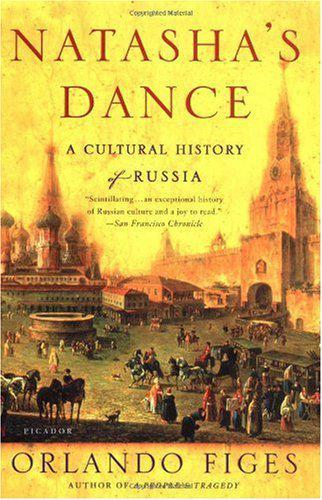
"Orlando Figes's A People's Tragedy, wrote Eric Hobsbawm, did "more to help us understand the Russian Revolution than any other book I know." Now, in Natasha's Dance, this internationally renowned historian does the same for Russian culture, summoning the myriad elements that formed a nation and held it together." "Beginning in the eighteenth century with the building of St. Petersburg - a "window on the West" - and culminating with the challenges posed to Russian identity by the Soviet regime, Figes examines how writers, artists, and musicians grappled with the idea of Russia itself - its, character, spiritual essence, history, and destiny. What did it mean to be Russian - an illiterate serf or an imperial courtier? And where was the true Russia - in Europe or in Asia? Figes skillfully interweaves the great works - by Dostoevsky and Chekhov, Stravinsky and Chagall - with folk embroidery, peasant songs, religious icons, and all the customs of daily life, from eating, drinking, and bathing habits to beliefs about death and the spirit world. His fascinating characters range high and low; the revered Tolstoy, who left his deathbed to search the wilderness for the Kingdom of God; the serf girl Praskovya, who became Russian opera's first superstar, won the heart of her owner, and shocked society by becoming his wife; the composer Stravinsky, who returned to Russia after fifty years in the West and discovered that the homeland the had left had never left his heart."--BOOK JACKET.
Sastādītāji Pāvils Ducmanis, Helmuts Kreicbergs
Neatkarīgā Latvija - kāda tā bija
Kāda bija buržuāziskā valsts — neatkarīgā Latvija? Kā tā veidojās, kādas politiskās un ekonomiskās pretrunas to vajāja, kādi spēki tajā valdīja, uz ko viņi tiecās? Uz šiem jautājumiem atbildi dod krājumā «Neatkarīgā Latvija — kāda tā bija» ievietotie fragmenti no tā laika buržuāziskās sabiedrības redzamu politisko darbinieku V. Bastjāņa, A. Klīves, V. Muntera un A. Stegmaņa memuāriem. Akadēmiķa V. Samsona ievads.
VOLDEMĀRS BASTJĀNIS: «Mans secinājums par Latvijas bankas čeku operācijām bija sekojošs. Banka ir nesusi ne vien zaudējumus valstij, bet tā ir kaitējusi arī Latvijas naudas tirgum, Latvijas bankas un līdz ar to Latvijas valsts slavai.»
ĀDOLFS KLĪVE: «1933. gada beigu posmā Ulmanis mani informēja, ka latviešu rūpnieki, tirgotāji un banku vīri gaidot no viņa padomu, kā izkļūt no saimnieciskā strupceļa... Sī jautājuma pārrunai esot nolikta apspriede Švarca restorānā, kurā viņš lūdzot arī mani kā Latvijas bankas vadītāju piedalīties.»
ARTURS STEGMANIS: «1924. gada augustā nepilnu 22 gadu vecumā mani iecēla par atašeju Latvijas sūtniecībā Parīzē.»
VILHELMS MUNTERS: «1934. gada 15. maijā Ulmanis izdarīja valsts apvērsumu. Es tai laikā biju Ārlietu ministrijas ģenerālsekretārs un, tā kā Ulmanis man uzticējās, es faktiski vadīju visu ministrijas darbu.»
Rīga «Avots» 1987
Mākslinieks A. Grinbergs Recenzents D. Golberfiis
© «Avots», 1987
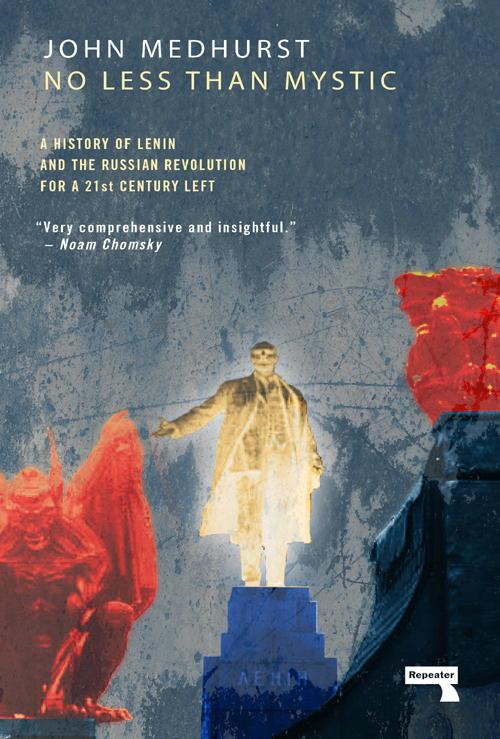
Published in the centenary year of the 1917 Russian Revolution, No Less Than Mystic is a fresh and iconoclastic history of Lenin and the Bolsheviks for a generation uninterested in Cold War ideologies and stereotypes.
Although it offers a full and complete history of Leninism, 1917, the Russian Civil War and its aftermath, the book devotes more time than usual to the policies and actions of the socialist alternatives to Bolshevism–to the Menshevik Internationalists, the Socialist Revolutionaries (SRs), the Jewish Bundists and the anarchists. It prioritises Factory Committees, local Soviets, the Womens’ Zhenotdel movement, Proletkult and the Kronstadt sailors as much as the statements and actions of Lenin and Trotsky. Using the neglected writings and memoirs of Mensheviks like Julius Martov, SRs like Victor Chernov, Bolshevik oppositionists like Alexandra Kollontai and anarchists like Nestor Makhno, it traces a revolution gone wrong and suggests how it might have produced a more libertarian, emancipatory socialism than that created by Lenin and the Bolsheviks.
Although the book broadly covers the period from 1903 (the formation of the Bolsheviks and Mensheviks) to 1921 (the suppression of the Kronstadt rebellion) and explains why the Bolshevik Revolution degenerated so quickly into its apparent opposite, it continually examines the Leninist experiment through the lens of a 21st century, de-centralised, ecological, anti-productivist and feminist socialism. Throughout its narrative it interweaves and draws parallels with contemporary anti-capitalist struggles such as those of the Zapatistas, the Kurds, the Argentinean “Recovered Factories”, Occupy, the Arab Spring, the Indignados and Intersectional feminists, attempting to open up the past to the present and points in between.
We do not need another standard history of the Russian Revolution. This is not one.
The violent and predatory society of Dark Age Scandinavia left a unique impact on the history of medieval Europe. From their chill northern fastness, Norse warriors, explorers and merchants raided, traded, and settled across wide areas of Europe, Asia and the North Atlantic from the late eighth to the mid-eleventh century.
Northmen narrates their story, focusing on places where key events were played out, from the sack of Lindisfarne in 793 to the murder of the saga-writer Snorri Sturluson in Iceland in 1241. Such episodes are fascinating in themselves, but also shed crucial light on the nature of Viking activity – its causes, effects, and the reasons for its decline.
In 800, the Scandinavians were barbarians in longships bent on plunder and rapine; by 1200, their homelands were an integral part of Latin Christendom. John Haywood tells, in authoritative but compellingly readable fashion, the extraordinary story of the Viking Age.
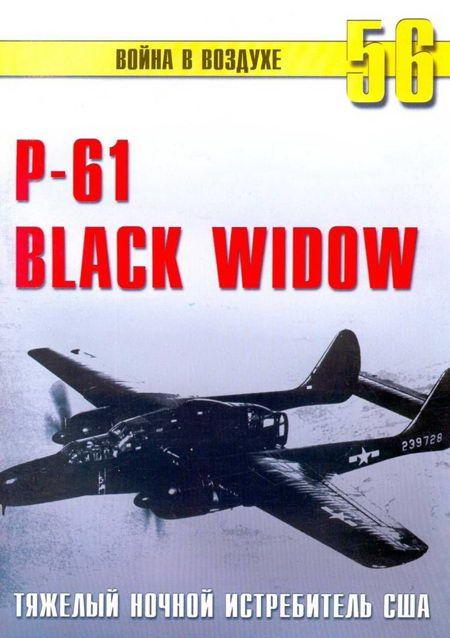
В охоте за немецким чудо-оружием приняли участие и новейшие ночные истребители-перехватчики 9-й воздушной армии — двухмоторные Нортроп P-61 «Black Widow». К сожалению, самолет «Блэк Уидоу» не получил даже толики славы «Мустанга» или «Летающих Крепостей» и мало известен широкой публике.
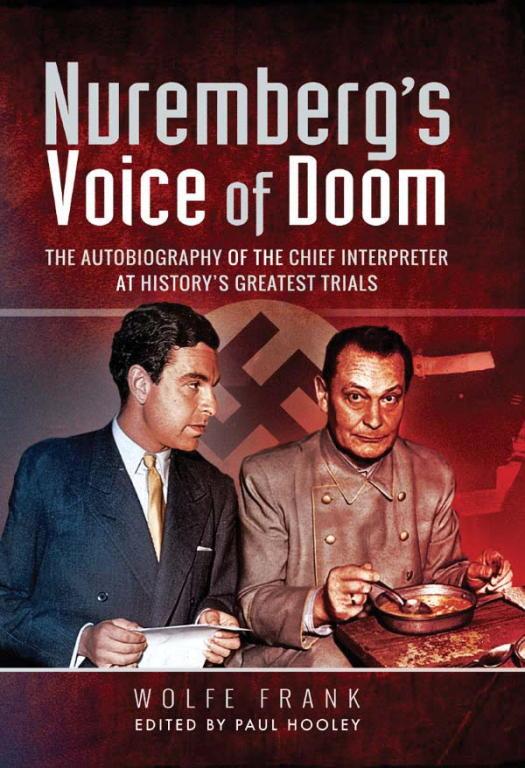
THE AUTOBIOGRAPHY OF THE CHIEF INTERPRETER AT HISTORY’S GREATEST TRIALS….
The memoirs of Wolfe Frank, which lay hidden in an attic for twenty-five years, are a unique and highly moving behind-the-scenes account of what happened at Nuremberg – ‘the greatest trial in history’ – seen through the eyes of a witness to the whole proceedings. They include important historical information never previously revealed. In an extraordinarily explicit life story, Frank includes his personal encounters, inside and outside the courtroom, with all the war criminals, particularly Hermann Goering. This, therefore, is a unique record that adds substantially to what is already publicly known about the trials and the defendants.
Involved in proceedings from day one, Frank translated the first piece of evidence, interpreted the judges’ opening statements, and concluded the trials by announcing the sentences to the defendants (and several hundred million radio listeners) – which earned him the soubriquet ‘Voice of Doom’.
Prior to the war, Frank, who was of Jewish descent, was a Bavarian playboy, an engineer, a resistance worker, a smuggler (of money and Jews out of Germany) and was declared to be ‘an enemy of the State to be shot on sight’. Having escaped to Britain, he was interned at the outbreak of war but successfully campaigned for his release and eventually allowed to enlist in the British Army – in which he rose to the rank of Captain. Unable to speak English prior to his arrival, by the time of the Nuremberg trials he was described as the ‘finest interpreter in the world’.
A unique character of extreme contrasts Frank was a playboy, a risk taker and an opportunist. Yet he was also a man of immense courage, charm, good manners, integrity and ability. He undertook the toughest assignment imaginable at Nuremberg to a level that was ‘satisfactory alike to the bench, the defence and the prosecution’ and he played a major role in materially shortening the ‘enormously difficult procedures’ by an estimated three years.
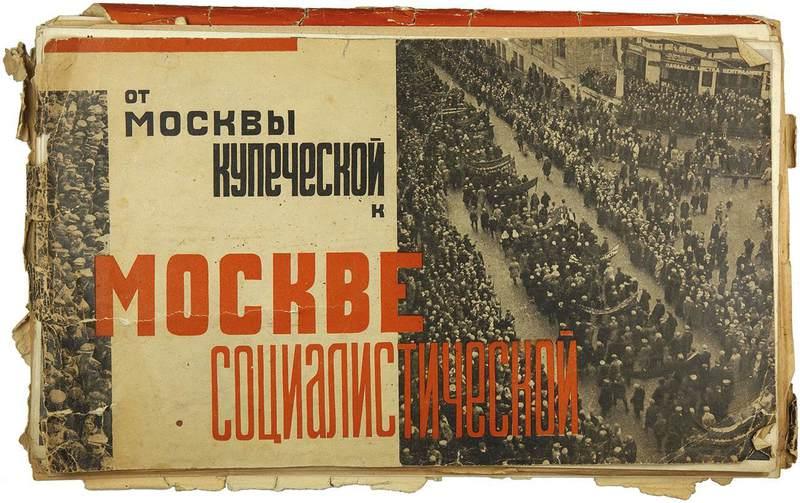
Текст альбома из доклада Л. М. Кагановича на июньском пленуме ЦК ВКП(б) 1931 г. «За социалистическую реконструкцию Москвы и городов СССР». Фото: А. Родченко, В Савельев, Казачинский, Е. Лангман, Б. Игнатович. Художественное оформление - Варвара Степанова. — М: ОГИЗ-ИЗОГИЗ, 1932. — 24 с.Пропагандистский альбом об успехах и перспективах реконструкции Москвы, оформленный Варварой Степановой (Варст) — художницей-конструктивисткой, дизайнером, соратницей Александра Родченко. Текст из доклада Л.М. Кагановича проиллюстрирован фотографиями Александра Родченко, Бориса Игнатовича и других легендарных фотографов того времени.