 fb2
fb2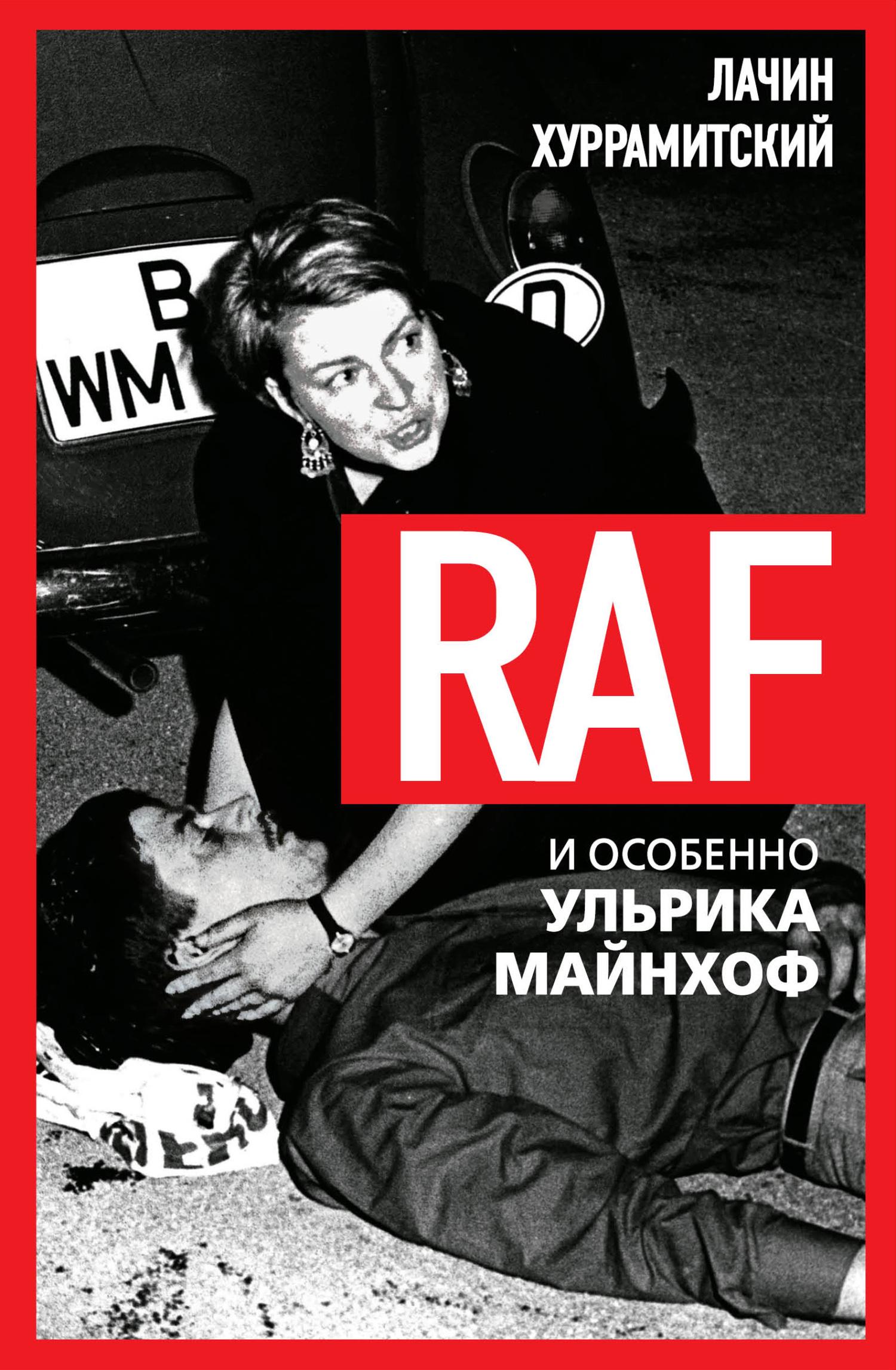
Фракция Красной Армии (RAF) — известнейшая леворадикальная организация 1970—1990-х годов. На протяжении многих лет она наводила ужас на правящие круги ФРГ. В числе её жертв бывшие коменданты концлагерей, скрывавшиеся от правосудия нацисты, натовские военные и чиновники.
Члены RAF прославились несгибаемой волей, беспощадностью к своим врагам, стойкостью к пыткам и любым, самым тяжёлым условиям содержания.
Эта книга — уникальное не только для русского читателя, но и в принципе исследование истории RAF, её идеологии, практики и психологии отдельных участников. Книга написана человеком последовательных левых убеждений.

The myth that the Nazi-era German armed forces, the Wehrmacht, was not involved in war crimes persisted for decades after the war. Now two German researchers have destroyed it once and for all. Newly published conversations between German prisoners of war, secretly recorded by the Allies, reveal horrifying details of violence against civilians, rape and genocide.
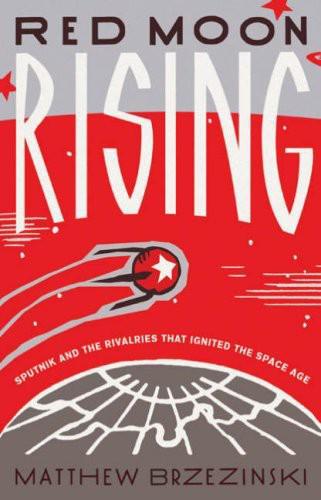
On October 4 1957, at the height of the Cold War, the Soviet Union secretly launched Sputnik, the Earth’s first ever artificial moon. No bigger than a basketball, this tiny satellite was powered by a car battery. Yet for all its simplicity, Sputnik transformed science fiction into reality, passing over the stunned American continent once every 101 minutes and propelling the USSR from backward totalitarian regime to cutting-edge superpower and pioneer of the Space Age. The United States, desperate to catch up, trailed the Soviets into the space race the following year, with a controversial space programme masterminded by former Nazi rocket scientists.
Red Moon Rising tells for the first time the full story of this real-life historical thriller and its colourful cast of characters. There is Sergei Korolev, Russian rocket designer and literally toothless survivor of Stalin’s purges, whose identity remained secret until his death in 1966; Mihail Tikhonravov, a chain-smoking, hard-drinking space visionary who would eventually become a Soviet spymaster; Wernher von Braun, Nazi bomb maker turned American space prophet; and President Eisenhower, relaxing on the golf course whilst the USSR lays claim to the skies, a reaction to be echoed eerily in 2001 by the presidential behaviour following 9/11. Containing many parallels with today’s political landscape, this is the fascinating story of one of the greatest scientific and psychological coups of the twentieth century, and a pulse-racing account of a time when two nations and ideologies were pitted against each other in a quest that laid the foundations of the modern technological world.
Республиканская политическая традиция — один из главных сюжетов современной политической философии, истории политической мысли и интеллектуальной истории в целом. Начиная с античности термин «республика» постепенно обрастал таким количеством новых коннотаций и ассоциаций, что достичь исходного смысла этого понятия с каждой сменой эпох становилось все труднее. Сейчас его значение и вовсе оказывается размытым, поскольку большинство современных государственных образований принято обозначать именно этим словом. В России у республиканской традиции своя история, которую авторы книги задались целью проследить и интерпретировать. Как республиканская концепция проявляла себя в общественной жизни России в разные эпохи? Какие теории были с ней связаны? И почему контрреспубликанские идеи раз за разом одерживали победу?
Ответы на эти вопросы читателю предстоит искать вместе с авторами — ведущими историками и политологами.
An estimated 70 million people may have died in Soviet gulags. Such raises many questions: Where is the Warsaw Ghetto Uprising of the Stalinist reign of terror? Where are the six hundred prisoners armed with stolen guns and grenades attacking the Nazi guards, literally blowing up the death houses at Treblinka, and fleeing into the nearby Polish forests? Where are the suicide missions? How could the Russian people have gone to their incarceration, torture, and slaughter like lambs? Was fear of government retaliation so pervasive in the Soviet mind that it negated any and all forms of resisting, dissenting, and protesting? Why did the Jews, despite their relative few in number and the lateness of the hour, arm themselves in rebellion, while the Soviets of this period appear as pacifists in the face of a system which exemplified dialectical terrorism?
The writer and Soviet dissident Alexander Solzhenitsyn (1918-2008), winner of the 1970 Nobel Prize in Literature, introduced the term Gulag to the Western world with the 1973 publication of his The Gulag Archipelago. The book likened the scattered prison camps to a “chain of islands” and depicted the Gulag as a system where people were essentially worked to death. In March 1940, for example, there were 53 separate camps and 423 labor colonies in the USSR. This essay attempts to glean the manifestations which occurred within the Gulag that can be characterized as inmates resisting, dissenting, and otherwise engaging in protesting-like activities. This objective is carried out by examining resistance in the Gulag archipelago through addressing the relevant portions of historical written works, including among other sources, Soviet historian Roy A. Medvedev’s Let History Judge: The Origins and Consequences of Stalinism (1972), Robert Goldston’s The Russian Revolution (1966), two of Solzhenitsyn’s finest novels, Cancer Ward (1972) and The First Circle (1972), and of course, through our primary source, Solzhenitsyn’s The Gulag Archipelago 1918-1956: An Experiment in Literary Investigation. Parts I-II (1973).
While written in 1974 as the author’s senior thesis as a Political Science major college undergraduate, some might question the dated nature of this essay given the collapse of the Soviet Union in 1991, and other subsequent reforms that have since taken place in Russia. But such would be short term focused and misguided, in the sense that the subject remains useful given that contemporary Russia, the former Soviet Union has, in many ways, failed to come to grips with the Stalinist era in Soviet history and its resultant tragic legacy and thus, Stalin’s infamously true reputation as a tyrannical leader and mass murderer of his own people. As David Satter (2011) powerfully observes in It Was a Long Time Ago, And It Never Really Happened Anyway: Russia and the Communist Past (Yale University Press) the elemental failing of Russia’s leaders and people is their refusal in facing the moral depravity of its Soviet past, including its most savage manifestation: Joseph Stalin’s terror.
In addition to containing its original selected bibliography, prepared in 1974, this essay has been improved upon by adding a new, post-1974 era bibliography, reflecting some of the relevant subsequent developments and their related writings regarding the Gulag camps, Stalinist Russia, and surely, Alexander Solzhenitsyn and his related literary works.
An estimated 70 million people may have died in Soviet gulags. Such raises many questions: Where is the Warsaw Ghetto Uprising of the Stalinist reign of terror? Where are the six hundred prisoners armed with stolen guns and grenades attacking the Nazi guards, literally blowing up the death houses at Treblinka, and fleeing into the nearby Polish forests? Where are the suicide missions? How could the Russian people have gone to their incarceration, torture, and slaughter like lambs? Was fear of government retaliation so pervasive in the Soviet mind that it negated any and all forms of resisting, dissenting, and protesting? Why did the Jews, despite their relative few in number and the lateness of the hour, arm themselves in rebellion, while the Soviets of this period appear as pacifists in the face of a system which exemplified dialectical terrorism?
The writer and Soviet dissident Alexander Solzhenitsyn (1918–2008), winner of the 1970 Nobel Prize in Literature, introduced the term Gulag to the Western world with the 1973 publication of his The Gulag Archipelago. The book likened the scattered prison camps to a “chain of islands” and depicted the Gulag as a system where people were essentially worked to death. In March 1940, for example, there were 53 separate camps and 423 labor colonies in the USSR. This essay attempts to glean the manifestations which occurred within the Gulag that can be characterized as inmates resisting, dissenting, and otherwise engaging in protesting-like activities. This objective is carried out by examining resistance in the Gulag archipelago through addressing the relevant portions of historical written works, including among other sources, Soviet historian Roy A. Medvedev’s Let History Judge: The Origins and Consequences of Stalinism (1972), Robert Goldston’s The Russian Revolution (1966), two of Solzhenitsyn’s finest novels, Cancer Ward (1972) and The First Circle (1972), and of course, through our primary source, Solzhenitsyn’s The Gulag Archipelago 1918-1956: An Experiment in Literary Investigation. Parts I-II (1973).
While written in 1974 as the author’s senior thesis as a Political Science major college undergraduate, some might question the dated nature of this essay given the collapse of the Soviet Union in 1991, and other subsequent reforms that have since taken place in Russia. But such would be short term focused and misguided, in the sense that the subject remains useful given that contemporary Russia, the former Soviet Union has, in many ways, failed to come to grips with the Stalinist era in Soviet history and its resultant tragic legacy and thus, Stalin’s infamously true reputation as a tyrannical leader and mass murderer of his own people. As David Satter (2011) powerfully observes in It Was a Long Time Ago, And It Never Really Happened Anyway: Russia and the Communist Past (Yale University Press) the elemental failing of Russia’s leaders and people is their refusal in facing the moral depravity of its Soviet past, including its most savage manifestation: Joseph Stalin’s terror.
In addition to containing its original selected bibliography, prepared in 1974, this essay has been improved upon by adding a new, post-1974 era bibliography, reflecting some of the relevant subsequent developments and their related writings regarding the Gulag camps, Stalinist Russia, and surely, Alexander Solzhenitsyn and his related literary works.

Through the centuries, Russia has swung sharply between successful expansionism, catastrophic collapse, and spectacular recovery. This illuminating history traces these dramatic cycles of boom and bust from the late Neolithic age to Ivan the Terrible, and from the height of Communism to the truncated Russia of today.
Philip Longworth explores the dynamics of Russia’s past through time and space, from the nameless adventurers who first penetrated this vast, inhospitable terrain to a cast of dynamic characters that includes Ivan the Terrible, Catherine the Great, and Stalin. His narrative takes in the magnificent, historic cities of Kiev, Moscow, and St. Petersburg; it stretches to Alaska in the east, to the Black Sea and the Ottoman Empire to the south, to the Baltic in the west and to Archangel and the Arctic Ocean to the north.
Who are the Russians and what is the source of their imperialistic culture? Why was Russia so driven to colonize and conquer? From Kievan Rus’—the first-ever Russian state, which collapsed with the invasion of the Mongols in the thirteenth century—to ruthless Muscovy, the Russian Empire of the eighteenth century and finally the Soviet period, this groundbreaking study analyzes the growth and dissolution of each vast empire as it gives way to the next.
Refreshing in its insight and drawing on a vast range of scholarship, this book also explicitly addresses the question of what the future holds for Russia and her neighbors, and asks whether her sphere of influence is growing.
[This book contains a table. A proper FB2 reader required.]
Первого издания к сожалению не нашел, поэтому отсканировал издание второе 1953 года с дополнительной главой, рассматривающей процесс Берии.
Лучший анализ развития идеологии коммунизма и Советского Союза от Ленина до Сталина, который мне попадался. Особая его ценность в том, что выполнен современником — книга была начата еще при жизни Сталина, а закончена уже после его непредвиденной смерти и смещения Берии. Некоторые положения наивны, большинство прогнозов — как мы теперь знаем — не подтвердились, но тем не менее Deutscher провел на редкость здравое иследование причин возникновения культа личности и его соответствия тогдашним реалиям. Честно говоря, я бы с удовольствием заменил многие главы школьного учебника этой книгой. Например только здесь нашлась более или менее полная информация о Маленкове, период правления которого у нас традиционно пробегают в двух словах.
Изложение логичное и последовательное, без попыток превдонаучной абракадабры. Язык вполне соответствует, хотя стилистика оставляет желать лучшего — временами слишком много повторений, можно выделить даже особенно «любимые» автором слова.
Ах да, ну и самое главное :) Эта книга и есть первоисточник той самой знаменитой цитаты про Сталина, соху и атомные ракеты. Если остались еще Фомы меднолобые, отныне можно посылать их прямиком на Либрусек.
Stiver
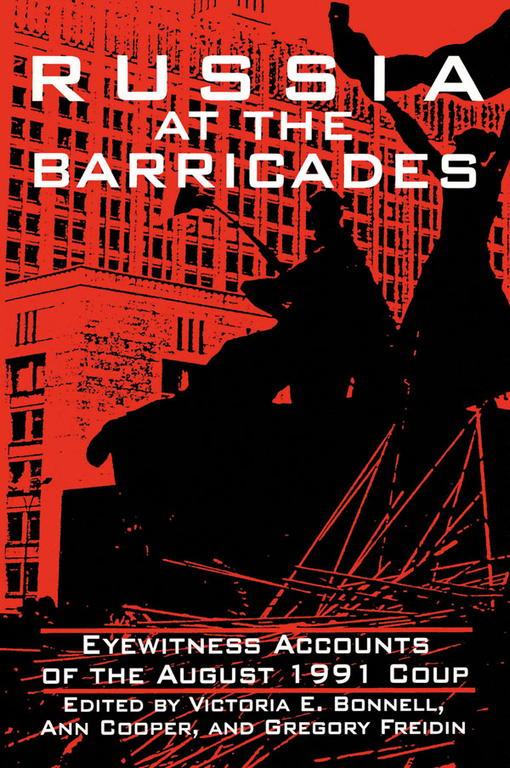
On August 19, 1991, eight high-ranking Soviet officials took over the government of the USSR and proclaimed themselves its new rulers. Less than seventy-two hours later, their coup had collapsed, but it would change the course of history in a way that no one—certainly not the plotters themselves—could have foreseen.
The editor of this volume, who witnessed these momentous events, have assembled firsthand accounts of the attempted coup. They include testimonies from “junta” members and military officers, resistance leaders and ordinary citizens, Muscovites and residents of other locales, Russian and foreign journalists, foreign visitors and returning émigrés, as well as Mikhail Gorbachev and Boris Yeltsin. Key documents and photographs complement the individual accounts.
The provocative introduction to the volume places the August events in the larger context—from the early days of perestroika and glasnost to the second confrontation at the White House, in October 1993.
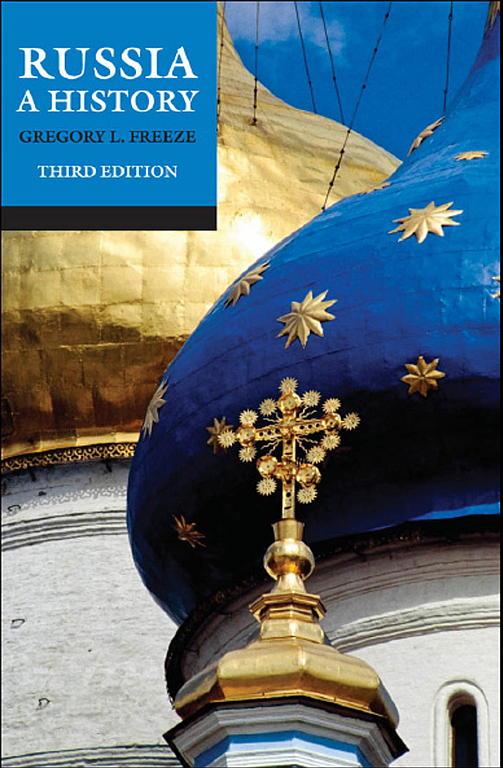
The history of Russia—from Kievan Rus to Vladimir Putin
Russia: A History cuts through the myths and mystery that have surrounded Russia from its earliest days, with startling revelations from classified archives that until comparatively recently were not even known to exist.
A distinguished team of historians has stripped away the propaganda and preconceptions of the past to tell the definitive story of Russia, from tenth-century Kiev and Muscovy through empire and revolution to the fall of Communism and the ‘new order’ of the 1990s and early 21st century. A compelling story in its own right, it is essential reading for anyone with an interest in Russia and its place in the world.
This updated edition now covers the developments in the Putin era in the first decade of the 21st century.
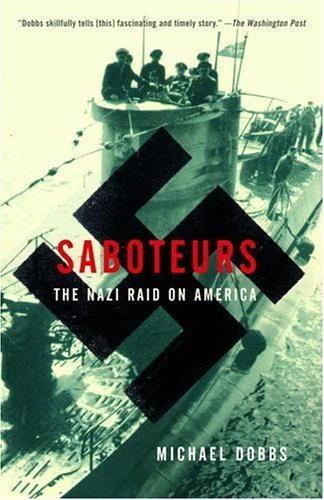
In 1942, Hitler’s Nazi regime trained eight operatives for a mission to infiltrate America and do devastating damage to its infrastructure. It was a plot that proved historically remarkable for two reasons: the surprising extent of its success and the astounding nature of its failure. Soon after two U-Boats packed with explosives arrived on America’s shores–one on Long Island, one in Florida—it became clear that the incompetence of the eight saboteurs was matched only by that of American authorities. In fact, had one of the saboteurs not tipped them off, the FBI might never have caught the plot’s perpetrators—though a dozen witnesses saw a submarine moored on Long Island.
As told by Michael Dobbs, the story of the botched mission and a subsequent trial by military tribunal, resulting in the swift execution of six saboteurs, offers great insight into the tenor of the country—and the state of American intelligence—during World War II and becomes what is perhaps a cautionary tale for our times.
Salaspils Nāves nometnē
Atmiņu krājums K. Sausnīša redakcijā
Nevar bez dusmām un sāpēm atcerēties hitleriešu zvērības mūsu zemē un citu valstu teritorijā. Padomju tauta pārdzīvoja tik nežēlīgu karu, kādu nav pieredzējusi neviena cita tauta. Ilgais un bargais karš, ko izraisīja fašistu valsts, sagādāja padomju cilvēkiem smagas ciešanas. Karā bija ierauta 61 valsts — trīs ceturtdaļas zemeslodes iedzīvotāju. Otrajā pasaules karā gāja bojā divdesmit miljonu padomju cilvēku. Desmitiem miljonu kļuva par bāreņiem, atraitnēm un invalīdiem. Liela daļa bojā gājušo ir plānveidīgu un sistemātisku iznīcināšanas akciju upuri. Nav aizmirstami hitlerisma baismīgie noziegumi, sārti, kuros dzīvus sadedzināja cilvēkus, gāzes kameras, cietumi un koncentrācijas nometnes. Hitleriskie kara noziedznieki pārplūdināja pasauli ar asinīm.
Trešais — papildinātais izdevums
Mākslinieks M. Ozoliņš
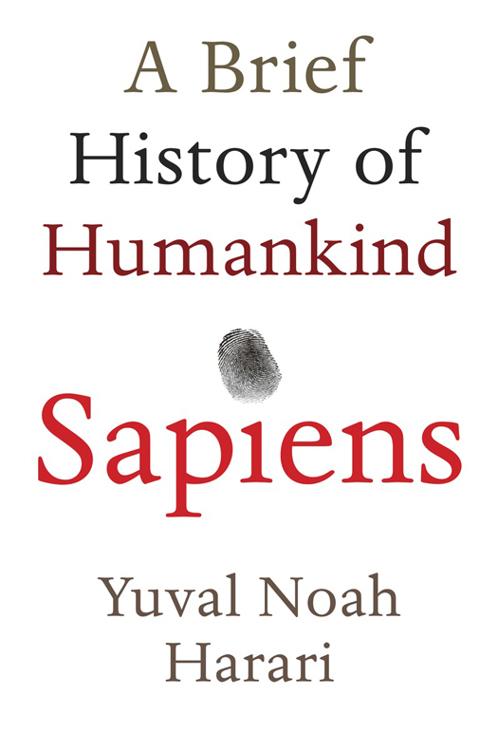
100,000 years ago, at least six human species inhabited the earth. Today there is just one. Us. Homo sapiens.
How did our species succeed in the battle for dominance? Why did our foraging ancestors come together to create cities and kingdoms? How did we come to believe in gods, nations and human rights; to trust money, books and laws; and to be enslaved by bureaucracy, timetables and consumerism? And what will our world be like in the millennia to come?
In Sapiens, Dr Yuval Noah Harari spans the whole of human history, from the very first humans to walk the earth to the radical – and sometimes devastating – breakthroughs of the Cognitive, Agricultural and Scientific Revolutions. Drawing on insights from biology, anthropology, paleontology and economics, he explores how the currents of history have shaped our human societies, the animals and plants around us, and even our personalities. Have we become happier as history has unfolded? Can we ever free our behaviour from the heritage of our ancestors? And what, if anything, can we do to influence the course of the centuries to come?
Bold, wide-ranging and provocative, Sapiens challenges everything we thought we knew about being human: our thoughts, our actions, our power ... and our future.
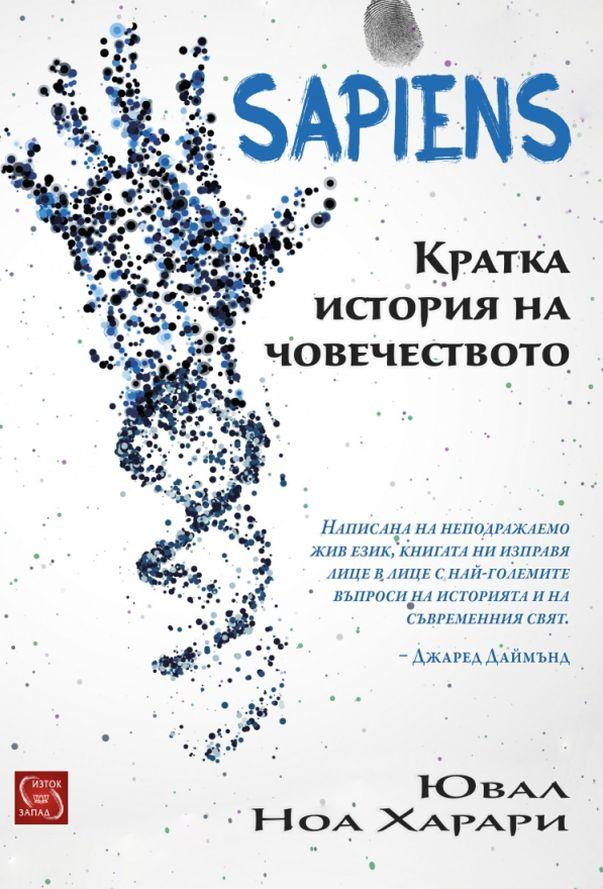
Преди едва 100 000 години цели шест вида хора обитават Земята. Днес обаче има само един. Ние. Homo sapiens. Как нашият вид е надделял в битката за надмощие? Как нашите предшественици, водещи живот на странстващи събирачи, са уседнали, създавайки градове и царства? Как се е формирала вярата в боговете, в нациите, в човешките права? Как се изгражда доверие към парите, книгите и законите? Как попаднахме в капана на бюрокрацията, графиците и културата на потребление? Как ще изглежда светът в следващите хилядолетия? В своята книга доктор Ювал Ноа Харари обхваща цялата човешка история – от първите хора до радикалните и понякога унищожителни революции – когнитивната, земеделската и научната. Използвайки данни от биологията, антропологията, палеонтологията и икономиката, той изследва как ходът на историята е формирал човешките общества, животните и растенията около нас и дори собствената ни личност. Станали ли сме по-щастливи? Можем ли да се освободим от архаичните черти на нашите предшественици, прозиращи все още в нашето поведение? Можем ли да направим нещо, за да променим идните векове? Смела, обхватна и провокативна, книгата „Сапиенс“ отправя предизвикателство към всичко, което си мислим, че знаем за хората, за техния ум, действия, възможности или... бъдеще.
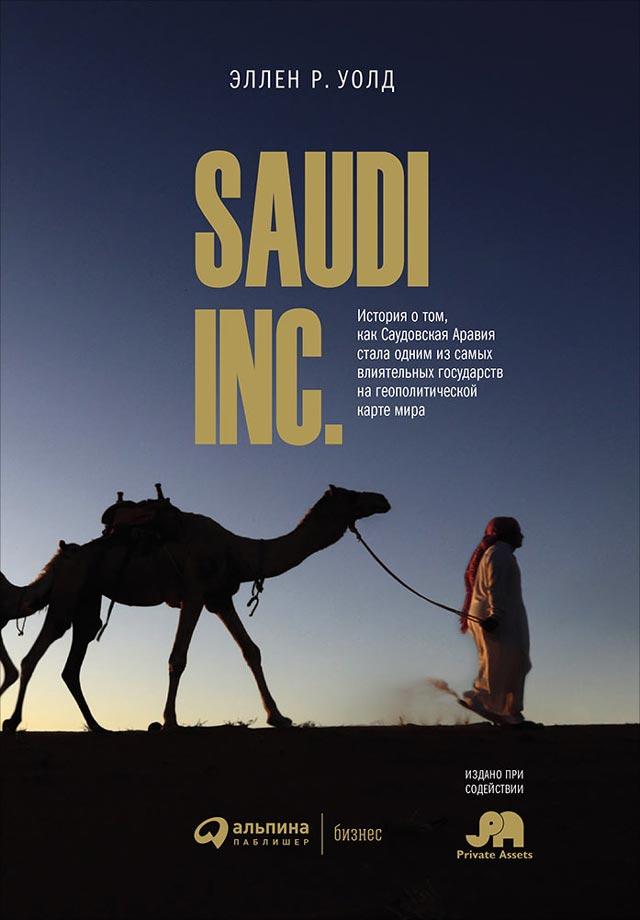
Книга специалиста в области геополитики и мировой энергетики Эллен Уолд посвящена истории Саудовской Аравии с начала XX века, когда Абдель-Азиз из рода Саудитов начал борьбу за объединение Аравийского полуострова, и до настоящего времени, когда Королевство стало одним из важнейших участников глобального энергетического рынка. Главные герои этой историко-политической саги — королевская семья аль-Сауд и самая прибыльная в истории нефтяного бизнеса компания Aramco. Читателя ждет захватывающее погружение в мир, где тесно переплелись религия и террор, бизнес и семейные распри, восточная мудрость и западные ценности, борьба за нефть и передел мирового энергетического рынка.
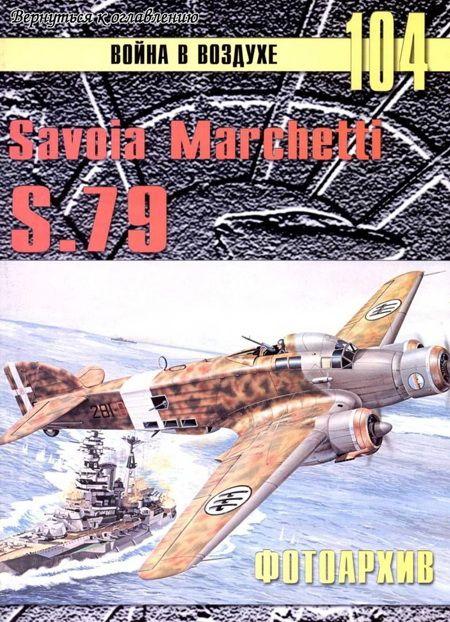
В начале 1933 года Алессандро Марчетти (Alessandro Marchetti) точно уловив дух времени и ход технического прогресса, начал разрабатывать скоростной, трехмоторный моноплан с низко расположенным крылом для перевозки восьми пассажиров, реализовывая в его конструкции все современные тенденции конструирования самолетов. С прицелом па участие в авиационной гонке Мак Робертса (MacRoberts) по трассе Лондон Мельбурн, на самолет было установлено три рядных двигателя водяного охлаждения Isotta Fraschini XI R, которые обеспечивали машине необходимую, с точки зрения конструкторов, мощность. Конструкция самолета была обычной для того времени, фюзеляж имел каркас, сваренный из хромо-молибденовых стальных труб со смешанной обшивкой из алюминия, фанеры и ткани. Крыло было цельным (без отъемных консолей), трехлонжеронной деревянной конструкции с фанерной обшивкой. Этот тин конструкции был выбран с учетом использования недорогого сырья, привлечения небольших капиталовложений при закупке станков и другого оборудования и наличия относительно недорогой квалифицированной рабочей силы. То есть с учегом именно того состояния, в котором находилась тогда итальянская промышленность.
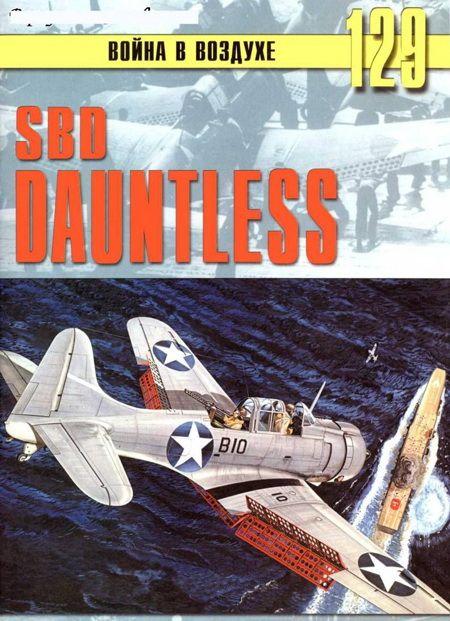
Douglass SBD Dauntless – Дуглас Даунтлесс, «медленный, но смертельно опасный» («Slow But Deadly») – такое прозвище получил этот самолет, был без сомнения наиболее известным американским морским бомбардировщиком периода Второй мировой войны, и возможно наиболее значимым пикирующим бомбардировщиком, применяющимся во Второй мировой войны всеми воюющими сторонами. Однако, еще в начале своей военной карьеры Даунтлесс считался довольно посредственным пикирующим бомбардировщиком, и его полагали основательно устаревшим еще до того как Соединенные Штаты ступили в войну. Тем не менее, устаревший, Даунтлесс был единственным американским самолетом, который участвовал во всех пяти морских сражениях, которые велись исключительно между американской и японской палубной авиацией.
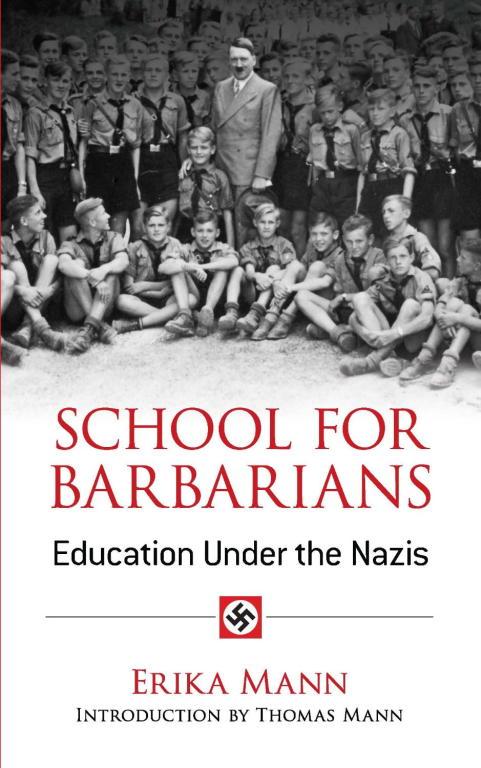
Published in 1938, when Nazi power was approaching its zenith, this well-documented indictment reveals the systematic brainwashing of Germany’s youth. The Nazi program prepared for its future with a fanatical focus on national preeminence and warlike readiness that dominated every department and phase of education. Methods included alienating children from their parents, promoting notions of racial superiority instead of science, and developing a cult of personality centered on Hitler.
Erika Mann, a member of the World War II generation of German youth, observed firsthand the Third Reich’s perversion of a once-proud school system and the systematic poisoning of family life. This edition of her historic exposé features an Introduction by her father, famed author and Nobel laureate Thomas Mann.