 fb2
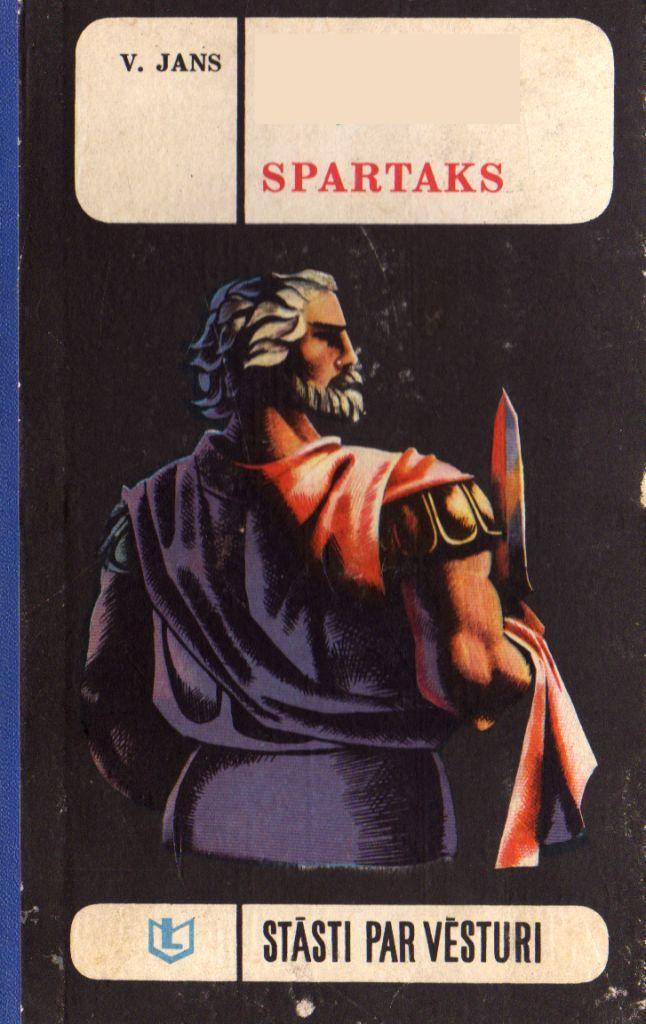
fb2Vasilijs Jans
Spartaks
Stāsti par vēsturi
Senās Romas lielā vergu sacelšanās I gadsimtā pirms mūsu ēras.
R.Džovanjoli bija buržuāziskais revolucionārs, cīnītājs par Itālijas apvienošanu un Itālijas atbrīvošanu no svešzemju jūga. Tas nevarēja palikt bez ietekmes sacēlušos vergu kustības attēlojumā un tās vēsturisko varoņu tēlu izveidē. Džovanjoli jūt milzīgas simpātijas pret Spartaku un apveltī viņu ar ārkārtīgi cildena cilvēka rakstura iezīmēm, taču Džovanjoli nesaprot, ka Spartaks pārstāv vergu šķiru, ko no vergturiem šķir vesels bezdibenis. Jā, taisni bezdibenis, nevis barjera, kas amfiteātrī skatītāju nošķir no gladiatoriem, kuri cīnās arēnā.
Savā «Spartakā» V. Jans pilnīgi apzināti atteicies tēlot vergu un vergturu pasauli kā kaut ko vienu veselu. Apspiesto pasaule stāv pretim apspiedējiem. Apspiestos pārstāv Spartaks. Apspiedējus — Krass. Spartaka pusē turas seno autoru pieminētie Krikss un Enomajs un rakstnieka iztēlē radītais traķiešu zēns Geta un dejotāja Arnika. Lai arī tās ir izdomātas personas, bet izdomai te pamatā ir pareiza laikmeta izpratne. Vēl vairāk, vēstures avotos mēs atrodam šo varoņu prototipus. Kāds sengrieķu autors stāsta par Spartaka līdzgaitnieci, kas pareģojusi viņa slaveno nākotni.
Izdevniecība «Liesma» Rīgā 1969
Tulkojis Oskars Kalnciems vāku zīmējis A. Stankevičs Ilustrējusi V, Vahtejeva un L. Hailova
Noskanējis grāmatu un FB2 failu izveidojis Imants Ločmelis
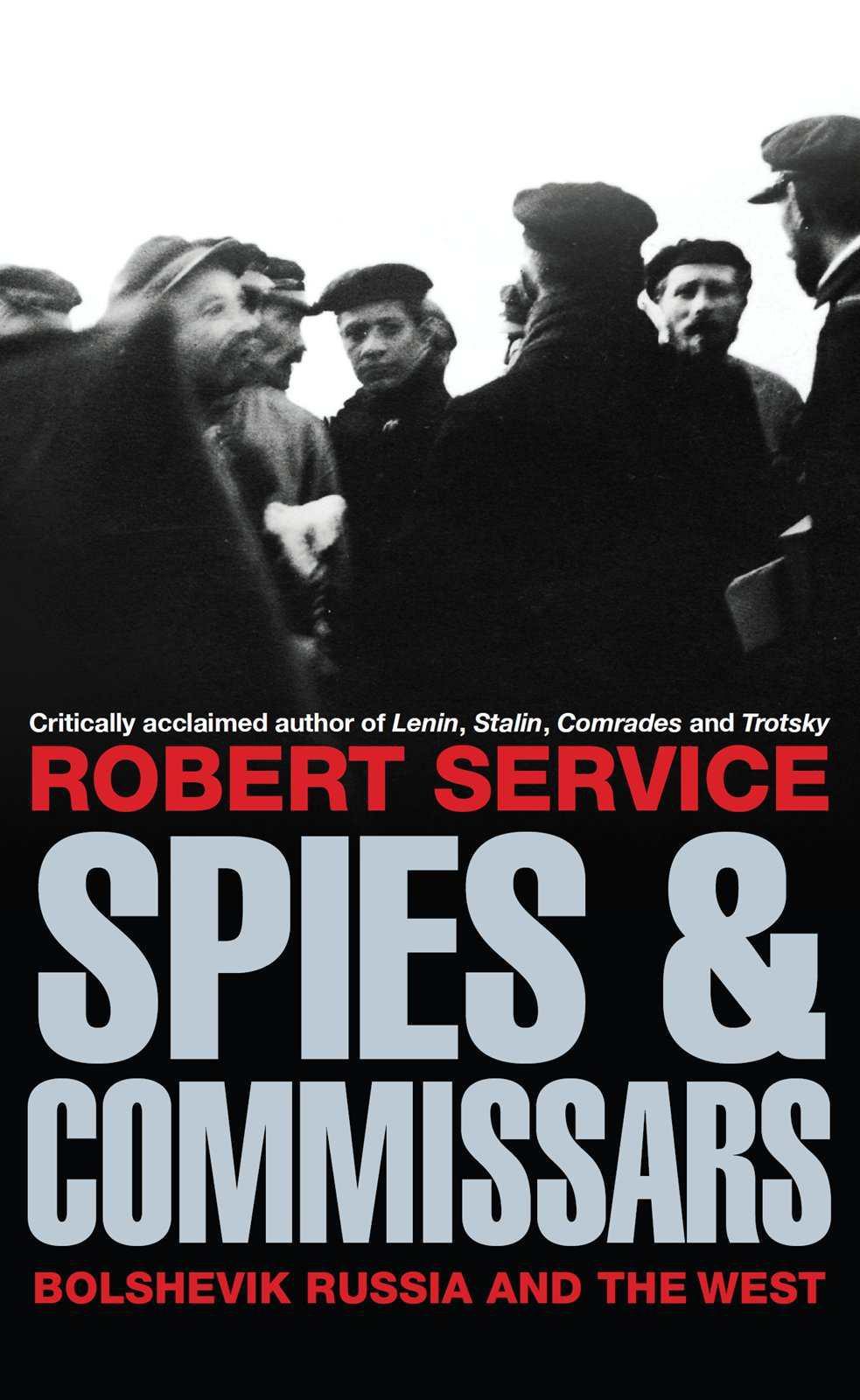
The early years of Bolshevik rule were marked by dynamic interaction between Russia and the West. These years of civil war in Russia were years when the West strove to understand the new communist regime while also seeking to undermine it.
Meanwhile, the Bolsheviks tried to spread their revolution across Europe at the same time they were seeking trade agreements that might revive their collapsing economy. This book tells the story of these complex interactions in detail, revealing that revolutionary Russia was shaped not only by Lenin and Trotsky, but by an extraordinary miscellany of people: spies and commissars, certainly, but also diplomats, reporters, and dissidents, as well as intellectuals, opportunistic businessmen, and casual travelers.
This is the story of these characters: everyone from the ineffectual but perfectly positioned Somerset Maugham to vain writers and revolutionary sympathizers whose love affairs were as dangerous as their politics. Through this sharply observed exposé of conflicting loyalties, we get a very vivid sense of how diverse the shades of Western and Eastern political opinion were during these years
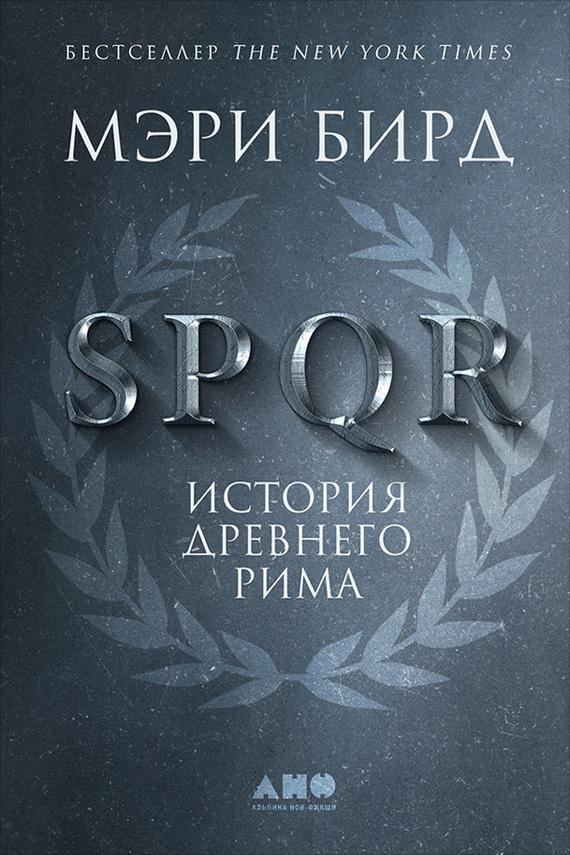
Мы встречаемся с образами и историей Древнего Рима в науке, литературе, искусстве. Но насколько близки к реальности наши представления об эпохе, на которую опирается вся западная цивилизация? Ведущий мировой специалист по древней истории Мэри Бирд в своей книге «SPQR: История Древнего Рима» объясняет, почему нам так важна римская история, каким образом маленький, ничем не примечательный городок Центральной Италии превратился в империю трех континентов.
Название «SPQR» – аббревиатура латинского выражения senatus populus que romanus, означающего «сенат и народ Рима». Сенат дал название современным законодательным собраниям по всему миру.
SPQR – книга о Риме и о том, как он сохранял свое господство несколько веков подряд, о его жителях, императорах и заговорщиках. Описывая взаимоотношения власти и человека, политическое устройство и конфликты, становление государственности и империи, знаменитых и никому не известных римлян, автор посредством научных данных разрушает мифы.
Изложение истории Древнего Рима начинается с середины I в. до н. э., когда Рим уже был обширной метрополией с населением больше миллиона жителей, с предвестия переворота и описания звездного часа Цицерона. А заканчивается кульминационным моментом, когда в 212 г. император Каракалла дал всем свободным жителям Римской империи право полного римского гражданства, уничтожив различия между победителями и побежденными.
Почему книга достойна прочтения:
– Здесь есть все лучшее, что читатель может найти в научно-популярной литературе: глубокое и всестороннее знание предмета, великолепный язык, ощущение пульсации повседневной жизни.
– С увеличением числа находок, обнаруженных в грунте, подземных водах и даже в библиотеках, историография Древнего Рима претерпела сильные изменения за последние 50 лет. Книга содержит актуальные научные данные.
– Эта книга – исторический спектакль, связь между прошлым и настоящим. Удивительно, как много похожих событий и параллелей с сегодняшним днем читатель найдет в истории о Древнем Риме.
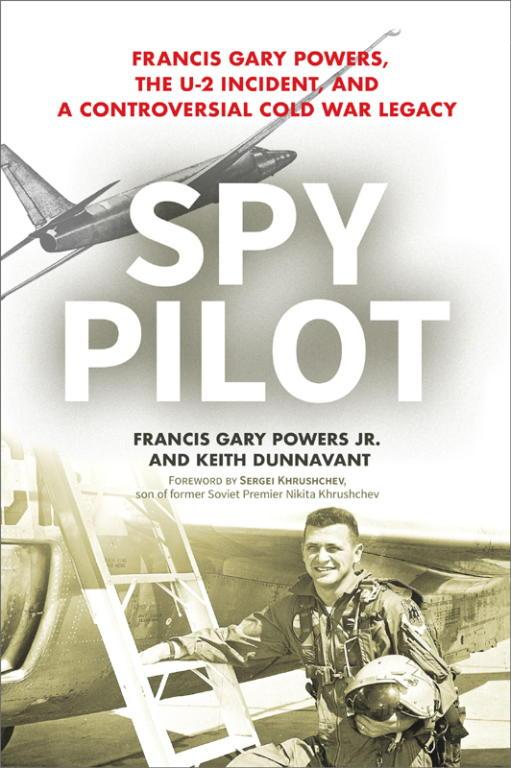
Based on newly available information, the son of famed U-2 pilot, Francis Gary Powers, presents the facts and dispels misinformation about the Cold War espionage program that his father was part of.
One of the most talked-about events of the Cold War was the downing of the American U-2 spy plane piloted by Francis Gary Powers over the Soviet Union on May 1, 1960. The event was recently depicted in the Steven Spielberg movie Bridge of Spies. Powers was captured by the KGB, subjected to a televised show trial, and imprisoned, all of which created an international incident. Soviet authorities eventually released him in exchange for captured Soviet spy Rudolf Abel. On his return to the United States, Powers was exonerated of any wrongdoing while imprisoned in Russia, yet a cloud of controversy lingered until his untimely death in 1977.
Now his son, Francis Gary Powers Jr., has written this new account of his father’s life based on personal files that have never been previously available. Delving into old audio tapes, the transcript of his father’s debriefing by the CIA, other recently declassified documents about the U-2 program, and interviews with his contemporaries, Powers sets the record straight. The result is a fascinating piece of Cold War history.
Almost sixty years after the event, this will be the definitive account of a famous Cold War incident, one proving that Francis Gary Powers acted honorably through a trying ordeal in service to his country.
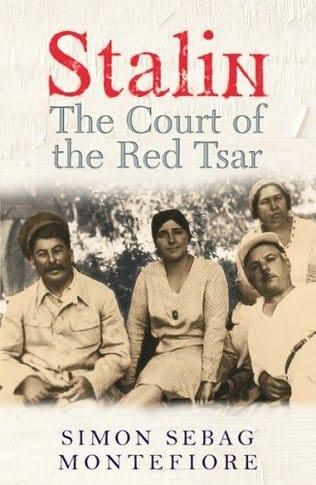
This widely acclaimed biography provides a vivid and riveting account of Stalin and his courtiers—killers, fanatics, women, and children—during the terrifying decades of his supreme power. In a seamless meshing of exhaustive research and narrative plan, Simon Sebag Montefiore gives us the everyday details of a monstrous life.
We see Stalin playing his deadly game of power and paranoia at debauched dinners at Black Sea villas and in the apartments of the Kremlin. We witness first-hand how the dictator and his magnates carried out the Great Terror and the war against the Nazis, and how their families lived in this secret world of fear, betrayal, murder, and sexual degeneracy. Montefiore gives an unprecedented understanding of Stalin’s dictatorship, and a Stalin as human and complicated as he is brutal.
Fifty years after his death, Stalin remains one of the creators of our world. The scale of his crimes has made him, along with Hitler, the very personification of evil. Yet while we know much about Hitler, Stalin and his regime remain mysterious. Now, in this enthralling history of Stalin’s imperial court, the fear and betrayal, privilege and debauchery, family life and murderous brutality are brought blazingly to life.
Who was the boy from Georgia who rose to rule the Empire of the Tsars? Who were his Himmler, Göring, Goebbels? How did these grandees rule? How did the “top ten” families live? Exploring every aspect of this supreme politician, from his doomed marriage and mistresses, and his obsession with film, music and literature, to his identification with the Tsars, Simon Sebag Montefiore unveils a less enigmatic, more intimate Stalin, no less brutal but more human, and always astonishing.
Stalin organised the deadly but informal game of power amongst his courtiers at dinners, dances, and singsongs at Black Sea villas and Kremlin apartments: a secret, but strangely cosy world with a dynamic, colourful cast of killers, fanatics, degenerates and adventurers. From the murderous bisexual dwarf Yezhov to the depraved but gifted Beria, each had their role: during the second world war, Stalin played the statesman with Churchill and Roosevelt aided by Molotov while, with Marshal Zhukov, he became the triumphant warlord. They lived on ice, killing others to stay alive, sleeping with pistols under their pillows; their wives murdered on Stalin’s whim, their children living by a code of lies. Yet they kept their quasi-religious faith in the Bolshevism that justified so much death.
Based on a wealth of new materials from Stalin’s archives, freshly opened in 2000, interviews with witnesses and massive research from Moscow to the Black Sea, this is a sensitive but damning portrait of the Genghis Khan of our epoch.
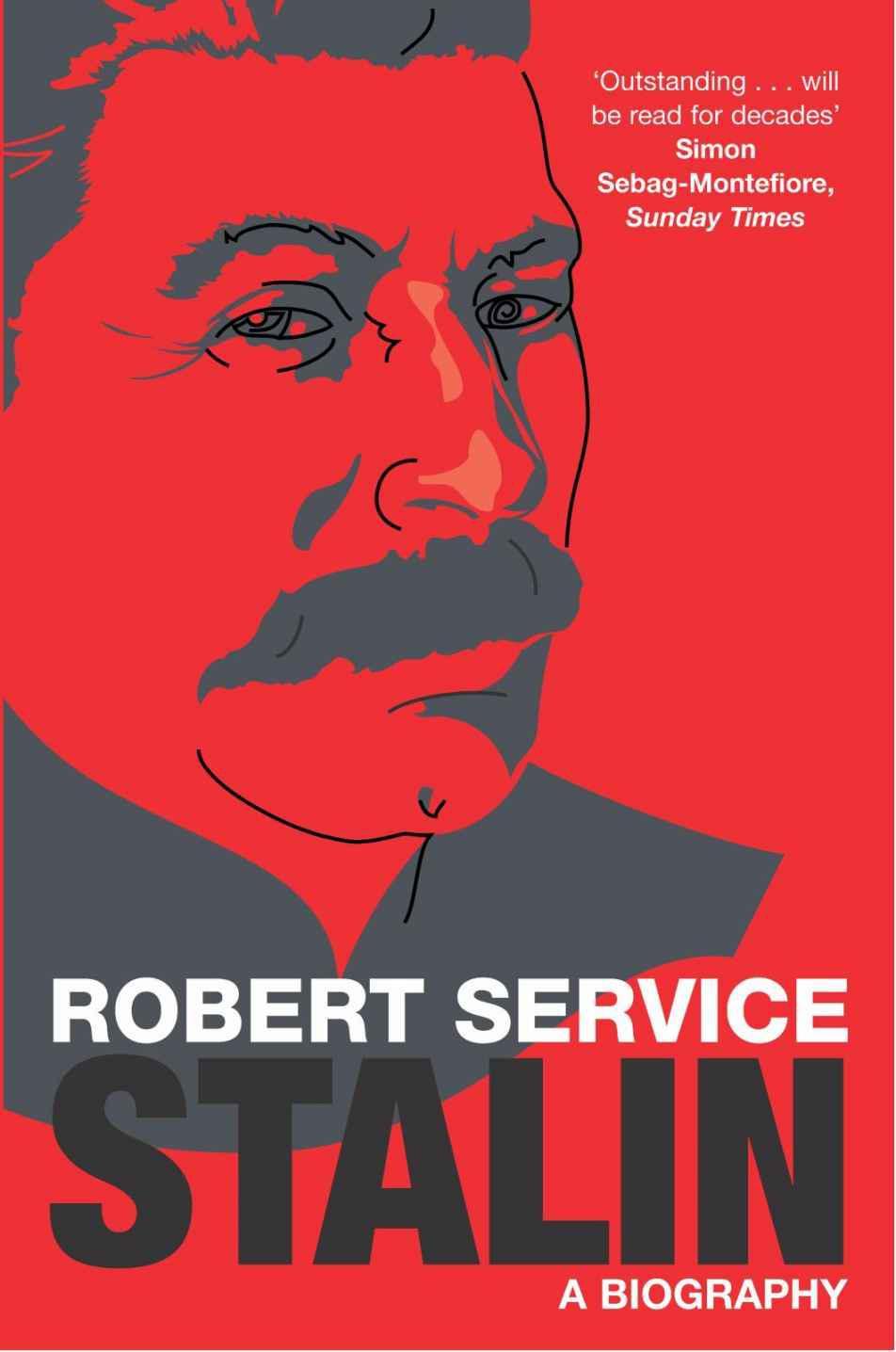
Overthrowing the conventional image of Stalin as an uneducated political administrator inexplicably transformed into a pathological killer, Robert Service reveals a more complex and fascinating story behind this notorious twentieth-century figure. Drawing on unexplored archives and personal testimonies gathered from across Russia and Georgia, this is the first full-scale biography of the Soviet dictator in twenty years.
Service describes in unprecedented detail the first half of Stalin’s life—his childhood in Georgia as the son of a violent, drunkard father and a devoted mother; his education and religious training; and his political activity as a young revolutionary. No mere messenger for Lenin, Stalin was a prominent activist long before the Russian Revolution. Equally compelling is the depiction of Stalin as Soviet leader. Service recasts the image of Stalin as unimpeded despot; his control was not limitless. And his conviction that enemies surrounded him was not entirely unfounded.
Stalin was not just a vengeful dictator but also a man fascinated by ideas and a voracious reader of Marxist doctrine and Russian and Georgian literature as well as an internationalist committed to seeing Russia assume a powerful role on the world stage. In examining the multidimensional legacy of Stalin, Service helps explain why later would-be reformers—such as Khrushchev and Gorbachev—found the Stalinist legacy surprisingly hard to dislodge.
Rather than diminishing the horrors of Stalinism, this is an account all the more disturbing for presenting a believable human portrait. Service’s lifetime engagement with Soviet Russia has resulted in the most comprehensive and compelling portrayal of Stalin to date.
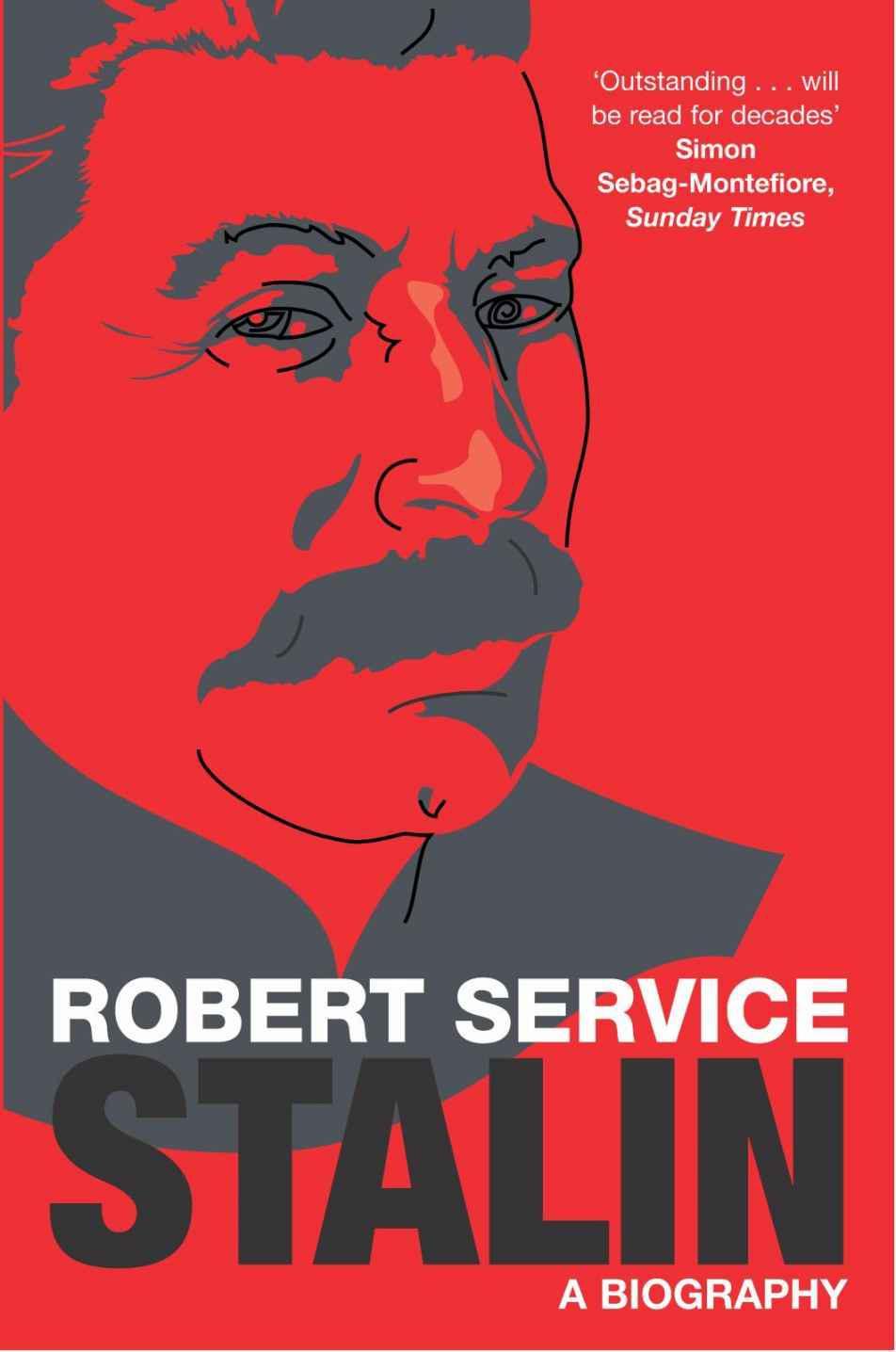
Overthrowing the conventional image of Stalin as an uneducated political administrator inexplicably transformed into a pathological killer, Robert Service reveals a more complex and fascinating story behind this notorious twentieth-century figure. Drawing on unexplored archives and personal testimonies gathered from across Russia and Georgia, this is the first full-scale biography of the Soviet dictator in twenty years.
Service describes in unprecedented detail the first half of Stalin’s life—his childhood in Georgia as the son of a violent, drunkard father and a devoted mother; his education and religious training; and his political activity as a young revolutionary. No mere messenger for Lenin, Stalin was a prominent activist long before the Russian Revolution. Equally compelling is the depiction of Stalin as Soviet leader. Service recasts the image of Stalin as unimpeded despot; his control was not limitless. And his conviction that enemies surrounded him was not entirely unfounded.
Stalin was not just a vengeful dictator but also a man fascinated by ideas and a voracious reader of Marxist doctrine and Russian and Georgian literature as well as an internationalist committed to seeing Russia assume a powerful role on the world stage. In examining the multidimensional legacy of Stalin, Service helps explain why later would-be reformers—such as Khrushchev and Gorbachev—found the Stalinist legacy surprisingly hard to dislodge.
Rather than diminishing the horrors of Stalinism, this is an account all the more disturbing for presenting a believable human portrait. Service’s lifetime engagement with Soviet Russia has resulted in the most comprehensive and compelling portrayal of Stalin to date.
Stalin: The Enduring Legacy considers the ‘Man of Steel’ in a manner that will outrage dogmatists of both Left and Right.
Stalinist Russia is reassessed as a state that transcended Marxism, and proceeded on a nationalist and imperial path rather than as the citadel of ‘world revolution’. Stalin reversed many early Bolshevik policies re-instituting, for example, the traditional family. He abolished the Communist International, championed ‘realism’ in the arts and rejected post-1945 US plans for a ‘new world order’. Despite so-called ‘de-Stalinization’ after his death, the Soviet bloc continued to oppose globalism, as does Putin’s Russia.
Stalin: The Enduring Legacy, examines the anti-Marxist character of Stalinism, the legitimacy of the Moscow Trials against the ‘Old Bolsheviks’, the origins of the Cold War, the development of Trotskyism as a tool of US foreign policy, the question of Stalin’s murder, and the relevance of Russia to the future of world power politics.
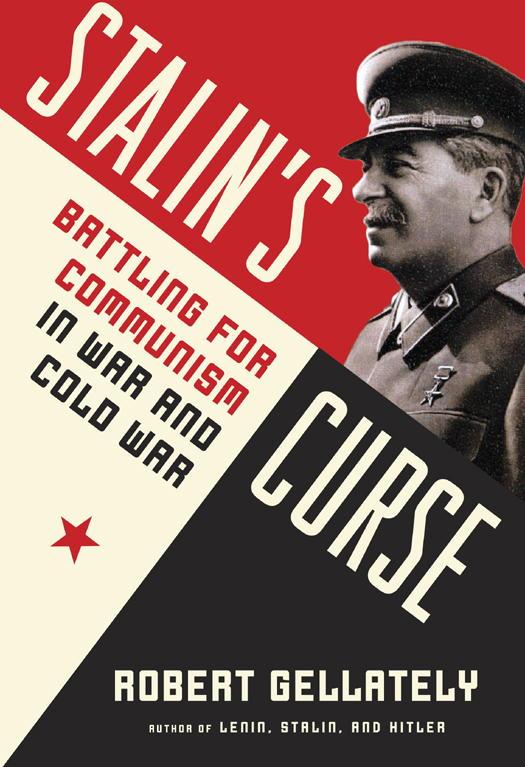
A chilling, skillfully delineated account based on newly released Russian documentation that reveals Stalin’s true motives—and the extent of his enduring commitment to expanding the Soviet empire—during the years in which he seemingly collaborated with Roosevelt, Churchill, and the capitalist West.
At the Big Three conferences of World War II, Stalin persuasively played the role of a great world leader. Even astute observers like George F. Kennan concluded that the United States and Great Britain should view Stalin as a modern-day tsarist-like figure whose primary concerns lay in international strategy and power politics, not in ideology. Now Robert Gellately uses recently uncovered documents to make clear that, in fact, the dictator was an unwavering revolutionary merely biding his time, determined as ever to establish Communist regimes across Europe and beyond, and that his actions during these years (and the poorly calculated Western responses) set in motion what would eventually become the Cold War. Gellately takes us behind the scenes. We see the dictator disguising his political ambitions and prioritizing the future of Communism, even as he pursued the war against Hitler. Along the way, the ascetic dictator’s Machiavellian moves and bouts of irrationality kept the Western leaders on their toes, in a world that became more dangerous and divided year by year.
Exciting, deeply engaging, and shrewdly perceptive, Stalin’s Curse is an unprecedented revelation of the sinister machinations of the Soviet dictator.
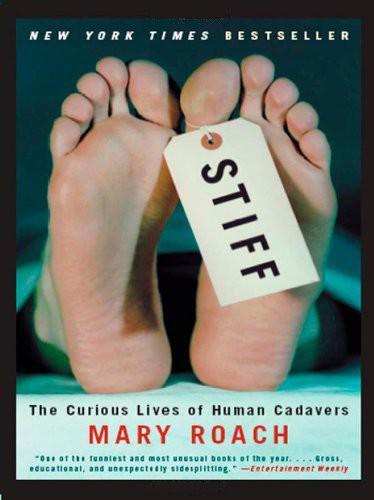
Stiff is an oddly compelling, often hilarious exploration of the strange lives of our bodies postmortem. For two thousand years, cadavers—some willingly, some unwittingly—have been involved in science’s boldest strides and weirdest undertakings. They’ve tested France’s first guillotines, ridden the NASA Space Shuttle, been crucified in a Parisian laboratory to test the authenticity of the Shroud of Turin, and helped solve the mystery of TWA Flight 800. For every new surgical procedure, from heart transplants to gender reassignment surgery, cadavers have been there alongside surgeons, making history in their quiet way.
In this fascinating, ennobling account, Mary Roach visits the good deeds of cadavers over the centuries—from the anatomy labs and human-sourced pharmacies of medieval and nineteenth-century Europe to a human decay research facility in Tennessee, to a plastic surgery practice lab, to a Scandinavian funeral directors’ conference on human composting. In her droll, inimitable voice, Roach tells the engrossing story of our bodies when we are no longer with them.
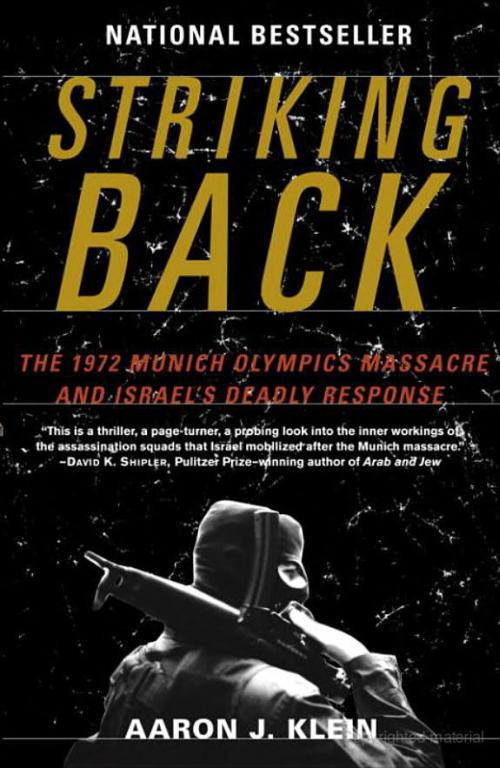
The first full account, based on access to key players who have never before spoken, of the Munich Massacre and the Israeli response–a lethal, top secret, thirty-year-long antiterrorism campaign to track down the killers.
1972. The Munich Olympics. Palestinian members of the Black September group murder eleven Israeli athletes. Nine hundred million people watch the crisis unfold on television, witnessing a tragedy that inaugurates the modern age of terror and remains a scar on the collective conscience of the world.
Back in Israel, Prime Minister Golda Meir vows to track down those responsible and, in Menachem Begin’s words, “run these criminals and murderers off the face of the earth.” A secret Mossad unit, code named Caesarea, is mobilized, a list of targets drawn up. Thus begins the Israeli response–a mission that unfolds not over months but over decades. The Mossad has never spoken about this operation. No one has known the real story. Until now.
Award-winning journalist Aaron Klein’s incisive and riveting account tells for the first time the full story of Munich and the Israeli counterterrorism operation it spawned. With unprecedented access to Mossad agents and an unparalleled knowledge of Israeli intelligence, Klein peels back the layers of myth and misinformation that have permeated previous books, films, and magazine articles about the “shadow war” against Black September and other terrorist groups.
Spycraft, secret diplomacy, and fierce detective work abound in a story with more drama than any fictional thriller. Burning questions are at last answered, including who was killed and who was not, how it was done, which targets were hit and which were missed. Truths are revealed: the degree to which the Mossad targeted nonaffiliated Black September terrorists for assassination, the length and full scope of the operation (far greater than previously suspected), retributive acts against Israel, and much more.
Finally, Klein shows that the Israeli response to Munich was not simply about revenge, as is popularly believed. By illuminating the tactical and strategic purposes of the Israeli operation, Striking Back allows us to draw profoundly relevant lessons from one of the most important counterterrorism campaigns in history.
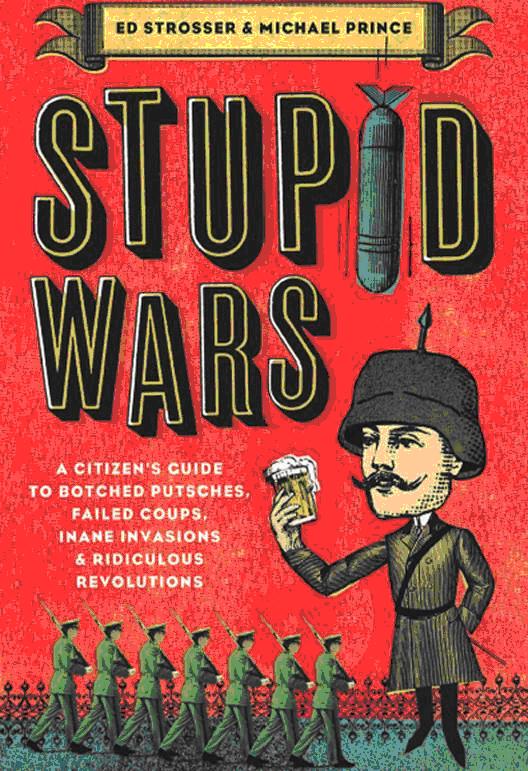
When winners write history, they sometimes "forget" to include their own embarrassing misjudgments. Fortunately, this take-no-prisoners edition of history isn't going to let the winners (or the losers) forget the mistakes of the past. Be prepared to laugh out loud — and gasp in horror — at the most painfully idiotic strategies, alliances, and decisions the world has ever known. These stupid wars have been launched by democracies as well as monarchies and dictatorships, in recent decades just as often as in less "enlightened" times. The ridiculous and reckless conflicts chronicled in Stupid Wars include the misdirected Fourth Crusade, the half-baked invasion of Russia by the U.S., the U.K.'s baffling Falklands War, Hitler's ill-fated Beer Hall Putsch, several incredibly foolish South American conflicts, the Bay of Pigs fiasco, and many more. Whether you're a future dictator, war-mongering politician, royal mistress, or history lover, these blow-by-stupid-blow accounts will teach you the valuable lessons you need to stay off the list, including:
• Don't declare war on all your neighbors at the same time.
• Working radios, accurate maps, and weather-appropriate uniforms are big plusses.
• Large amounts of bird poop and very small islands are probably not worth dying for.
• Never invade Russia.
• Seriously. It's a really bad idea.
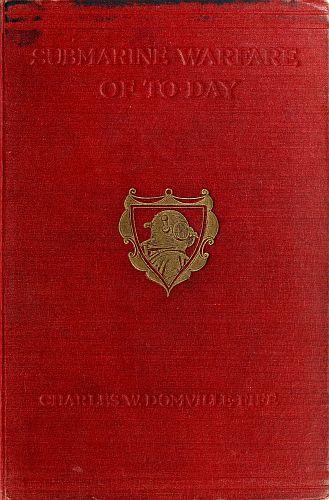
Submarine warfare of to-day: how the submarine menace was met and vanquished, with descriptions of the inventions and devices used, fast boats, mystery ships, nets, aircraft, &c., &c., also describing the selection and training of the enormous personnel used in this new branch of the navy.
This eBook is for the use of anyone anywhere at no cost and with almost no restrictions whatsoever. You may copy it, give it away or re-use it under the terms of the Project Gutenberg License included with this eBook or online at www.gutenberg.org.
http://www.gutenberg.org/ebooks/29685
Best viewed with CoolReader.
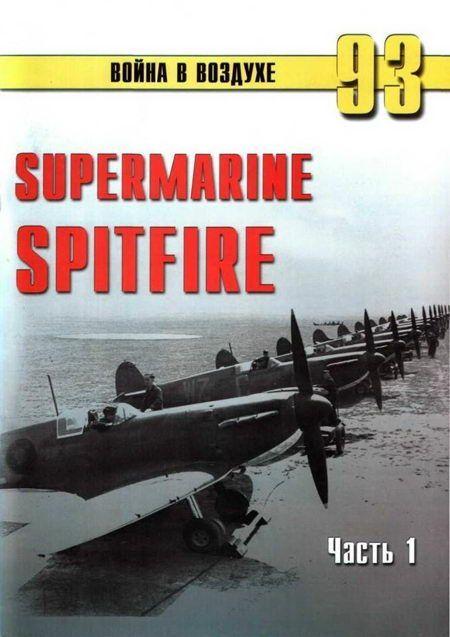
Осенью 1931 года Министерство авиации выдало техническое задание F.7/30 на новый истребитель, предназначенный на замену устаревшего истребителя «Бристоль Бульдог». Многостраничный документ сыграл заметную роль в истории «Спитфайра». В первом из четырнадцати параграфов определялись характеристики, которыми будущий самолет должен был обладать:
Максимальная скороподъемность;
Максимальная скорость на высоте более 15000 футов (4600 м);
Хороший обзор из кабины;
Маневренность;
Технологичность, позволяющая простое и массовое производство;
Простота технического обслуживания.
Вооружение состояло из четырех пулеметов и бомбодержателей для четырех 20-фунтовых (9-кг) бомб.
Разрешалось использовать на самолете любой двигатель английского производства.
Прим. OCR: К сожалению не найден оригинал издания. В имеющемся первоисточнике все иллюстрации собраны после текста.
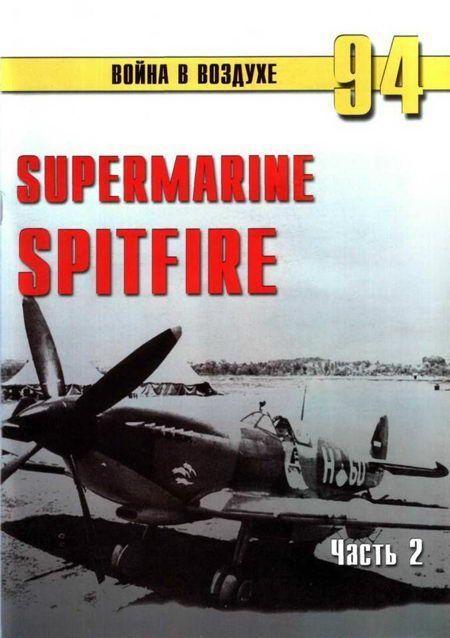
Продолжение выпуска № 93. Девятка и далее.
Прим. OCR: К сожалению не найден оригинал издания. В имеющемся первоисточнике все иллюстрации собраны после текста.
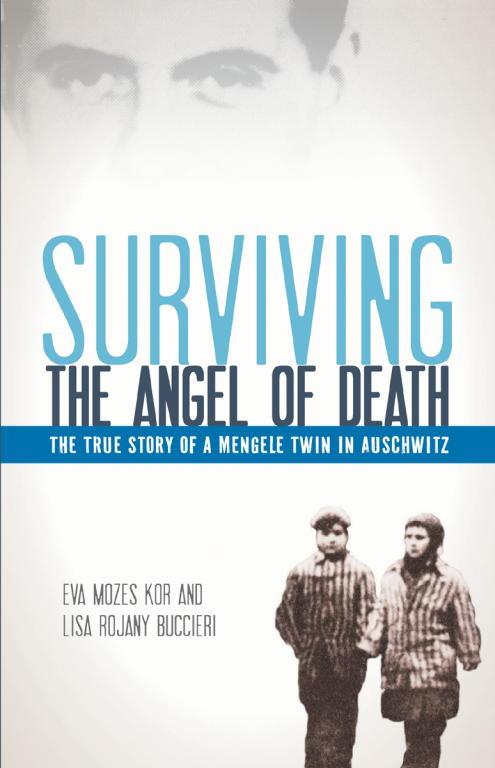
Eva Mozes Kor was just ten years old when she arrived in Auschwitz. While her parents and two older sisters were taken to the gas chambers, she and her twin, Miriam, were herded into the care of the man known as the Angel of Death, Dr. Josef Mengele. Subjected to sadistic medical experiments, she was forced to fight daily for her and her twin’s survival. In this incredible true story written for young adults, readers learn of a child’s endurance and survival in the face of truly extraordinary evil.
The book also includes an epilogue on Eva’s recovery from this experience and her remarkable decision to publicly forgive the Nazis. Through her museum and her lectures, she has dedicated her life to giving testimony on the Holocaust, providing a message of hope for people who have suffered, and working for causes of human rights and peace.
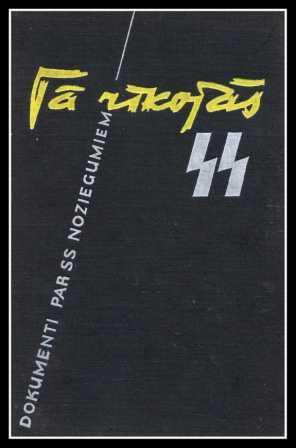
Tā rīkojās SS
Dokumenti pa SS noziegumiem
Padomju lasītājs saņem grāmatu «Tā rīkojās SS». To izdevusi antifašistiskās Pretošanās kustības cīnītāju komiteja Vācijas Demokrātiskajā Republikā 1957. gaida, un īsā laikā tā piedzīvojusi vairākus izdevumos.
Šās grāmatas raksturīgā iezīme ir tāda, ka tā ir stingri dokumentāla un neatspēkojami patiesa. Tanī sakopotas nacistu barvežu, esesiešu daļu un vienību komandieru slepenās pavēlēs, vācu kara noziedznieku tiesas prāvu liecinieku liecības un oficiālie dokumenti, bēdīgi slavenās Valsts galvenās drošības pārvaldes denunciācijas un dažādu SS iestāžu materiāli, visādu hitleriskās valsts «fīreru» un «leiteru» slepenie plāni un atklātie izteikumi.
Nacistu dokumenti citēti bez jebkādiem labojumiem, ari bez stila labojumiem. Šie dokumenti atsedz vācu fašisma zvērisko seju, atmasko (kā, piemēram, dokuments 537. lpp.) rasistu politiku — kurināt tautu starpā naidu, parāda, cik drausmīgus melus cik neģēlīgas provokācijas laida darbā rasistiskie izdzimteņi, lai iepotētu vāciešiem cilvēkinīdēju uzskatus.
Liela vieta šai grāmatā ierādīta vācu galveno каrа noziedznieku Nimbergas prāvas oficiālajiem materiāliem: fragmentiem no apsūdzības raksta, liecinieku liecībām, prokuroru runām u;n sprieduma, ko pasludināja Starptautiskais Kara Tribunāls, kuru bija nodibinājušas PSRS, ASV, Lielbritānijas un Francijas valdības, pamatodamās uz 1945. gada 8. augustā Londonā noslēgto vienošanos, kam vēlāk pievienojās vēl 19 valstis. Tas ir pilnīgi pamatoti. Nimbergas prāvai ir ārkārtīgi liela vēsturiska nozīme. Miera demokrātijas piekritēji tanī saskaitīja izpaužamies starptautisko sadarbību cīņā ar vācu fašismu uin militārismu, kas sagādājis cilvēcei bezgalīgais ciešanas un postu.
Tulkojuši R. Purviņa. A. Vitlins un V. Zariņš
«Darba balss» e-grāmatu izdevniecība № 435, Rīga, 2016 darbabalss.eu . padomjugramata.ucoz.com
Latvijas Valsts Izdevniecība Rīga 1962
SS im einsatz
Bine Dokumentation ober die verbrechen der SS 1960
Kongress-Verlag Berlin
CC в действии
Документы о преступлениях СС
Издательство иностранно# литературы Москва 1960
Латвийское государственное издательство На латышском языке
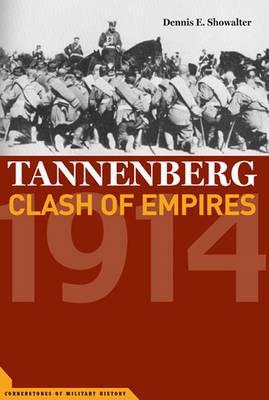
The battle of Tannenberg (August 27–30, 1914) opened World War I with a decisive German victory over Russia—indeed the Kaiser’s only clear-cut victory in a non-attritional battle during four years of war. In this first paperback edition of the classic work, historian Dennis Showalter analyzes this battle’s causes, effects, and implications for subsequent German military policy. The author carefully guides the reader through what actually happened on the battlefield, from its grand strategy down to the level of improvised squad actions. Examining the battle in the context of contemporary diplomatic, political, and economic affairs, Showalter also reviews both armies’ social settings and military doctrine, and shows how the battle may be understood as a case study of problems that military organizations face in the initial stages of a major war. In addition, he demolishes many myths about the battle, such as the supposed superiority of the German military, the animosity among Russian field commanders, and the assumption that the Germans viewed their opponents as a horde of uniformed illiterates.
Tannenberg’s mystique later served the Weimar Republic and Third Reich propagandists. For years its legends helped to shape German nationalist ideology and military policy. In 1941, Hitler’s Wehrmacht grossly underestimated Soviet military capability, leading to disaster in World War II.
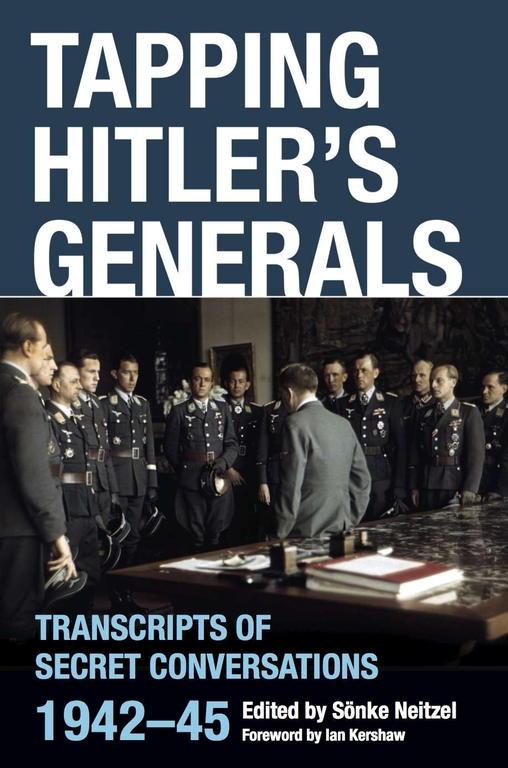
Between 1939 and 1942, a division of the British Directorate of Military Intelligence created a number of PoW interrogation camps in and around London. Sophisticated tapping equipment was installed and secret gramophone recording were made of private conversations between senior German staff officers.
In this extraordinary work Professor Neitzel examines these transcripts in depth for the first time. His findings are truly revealing and address important questions regarding the officers’ attitudes towards the German leadership and Nazi policies: How did the German generals judge the overall war situation? From what date did they consider it lost? How did they react to the attempt on Hitler’s life in July 1944? What knowledge did they have of the atrocities?
By turns insightful and horrifying, this unprecedented research is a must for any serious scholar of the period and anyone interested in exploring the truth behind the image of an ‘unblemished Wehrmact’.
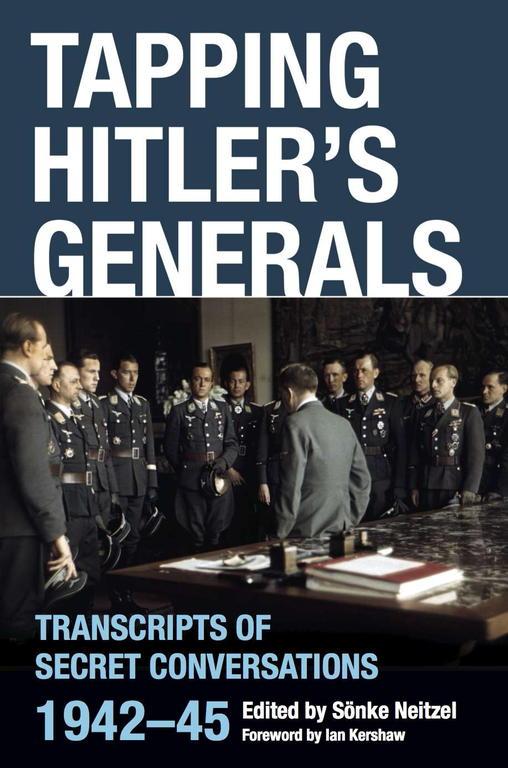
Between 1939 and 1942, a division of the British Directorate of Military Intelligence created a number of PoW interrogation camps in and around London. Sophisticated tapping equipment was installed and secret gramophone recording were made of private conversations between senior German staff officers.
In this extraordinary work Professor Neitzel examines these transcripts in depth for the first time. His findings are truly revealing and address important questions regarding the officers’ attitudes towards the German leadership and Nazi policies: How did the German generals judge the overall war situation? From what date did they consider it lost? How did they react to the attempt on Hitler’s life in July 1944? What knowledge did they have of the atrocities?
By turns insightful and horrifying, this unprecedented research is a must for any serious scholar of the period and anyone interested in exploring the truth behind the image of an ‘unblemished Wehrmact’.