 fb2
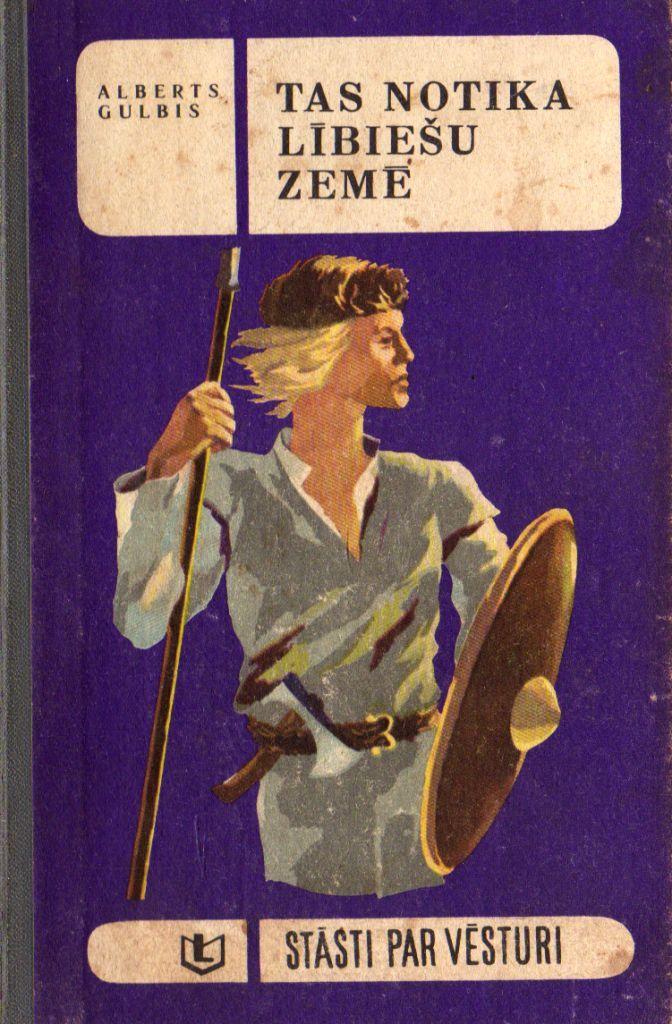
fb2Alberts Gulbis
Tas notika Lībiešu zemē
Stāsti par vēsturi
Divpadsmitā gadsimta vidū Daugavā iebrauca sveši tirgotāji — vācieši un gotzemieši. Viņiem pa pēdām sekoja mūki un karakalpi. Svešajiem tā iepatikās zeme pie Daugavas, ka viņi nolēma to sagrābt un nekad vairs neatstāt, šos nodomus vācieši slēpa un teicās braukuši te preces mainīt un nest pagāniem kristīgās ticības gaismu, bet, tikko atbraucēji paguva Ikšķilē un Daugavas mazajā salā uzcelt akmens mūrus, viņi vairs neslēpās un rīkojās atklāti: uzbruka lībiešu ciemiem, spieda ļaudis kristīties un maksāt desmito tiesu. «Dzelzs vīri» — bruņinieki un viņu karakalpi — nepazina žēluma: visus, kas pretojās, nonāvēja, bet mājas nodedzināja.
Notikumu izklāstā visnotaļ ievērota patiesība, ko noskaidrojuši vēsturnieki seno rakstu pētījumos un arheologi lībiešu kapulauku izrakumos.
Mākslinieks G. Smelters
«Liesma» 1978
Noskanējis grāmatu un FB2 failu izveidojis Imants Ločmelis
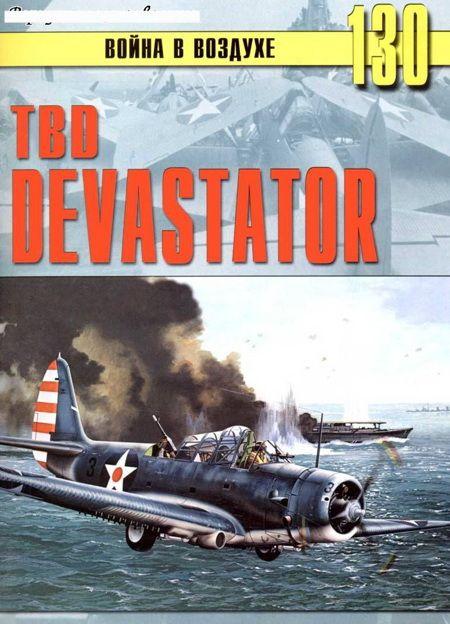
В июне 1934 года, Бюро Авиации Военно-морского флота (Ви.Аег.) выдало заказ в различные авиастроительные компании для участия в конкурсе на проектирование нового бомбардировщика-торпедоносца, чтобы заменить им, как устаревший Мартин ВМ-2, так и главный торпедоносец флота, биплан TG-2, находящийся на вооружении торпедоносных дивизионов авианосцев (VT). Технические требования, предъявляемые к самолёту, предполагали, чтобы самолёт мог бы нести авиаторпеду фирмы «Блиц Левитт» («Bliss-Leavitt») MkXIII. или три 225 кг бомб, или комбинации 45 кг и 225 кг бомб. Техническими требованиями также был назван радиальный двигатель воздушного охлаждения «Пратт и Уитни» (Pratt & Whitney) XR-1830-60 мощностью 900 л.с. Этот двигатель недавно завершил цикл испытаний и был рекомендован для производства.
Книга посвящена социально-философскому и политико-экономическому анализу эволюции общества. Исследование основывается на представлении о гетерархии как фрактальной структуре социальности. Показано, что любые формы социальной жизни фундаментально едины между собой в качестве коммуникации и различаются композицией множественных отношений. Динамика процессов самоорганизации представлена на примере иерархических институциализированных сообществ, где власть и капитал являются средствами социальной организации. Показана институциональная динамика исторических сообществ и условия формирования традиционного и капиталистического типов организации. Анализируется повторяющееся сходство и условия дифференциации в организации политико-экономических институтов. Объясняется роль частных лиц как источника социальной сложности и развития.
Издание второе, исправленное и дополненное
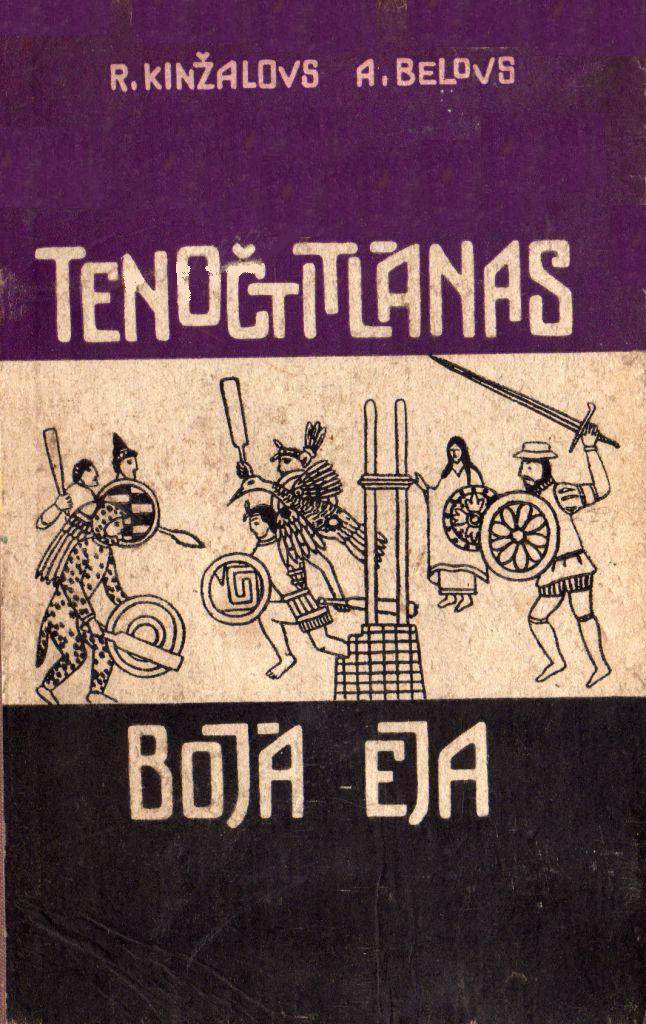
R.KINŽALOVS A.BELOVS
TENOČTITLANAS BOJĀ EJA
Akadēmiķa V. STRŪVES priekšvārds un zinātniskā redakcijā
LATVIJAS VALSTS IZDEVNIECĪBA RĪGĀ 1964
Р. Кинжалов, А, Белов ПАДЕНИЕ ТЕНОЧТИТЛАНА Детгиз 1956 Ленинград
Латвийское государственное издательство
На латышском языке
Книга посвящена восприятию природной среды обитания в японской культуре.
Основываясь на анализе многочисленных источников, впервые в мировой японистике автор прослеживает эволюцию взглядов японцев на природу на протяжении всей истории Японии. В фокусе книги – представления о размере и качестве среды обитания, модели природы, созданные в поэзии и садах. Важнейшее внимание уделяется также рассмотрению природы как средства самоидентифицации японцев.
Книга предназначена для всех, кто интересуется историей и культурой Японии.
On December 21, 2012, the Mesoamerican Long Count calendar, a 5,125-year cycle calendar system pioneered by the Maya, will come to an end. At the same time, the earth, the sun, and the center of the galaxy will come together in an extremely rare cosmic alignment. More and more people believe that the world as we know it will experience a transformation in 2012, but few are aware of the complete history or significance of the date.
John Major Jenkins, among the most authoritative voices of the 2012 movement, has written a definitive explanation of one of the most thought-provoking phenomena of our time. Drawing from his own groundbreaking research (including his involvement in the modern reconstruction of Mayan 2012 cosmology) and more than two decades of extensive study of Mayan culture, Jenkins has created the crucial guide to understanding the story of 2012 an essential overview of the history, theory, cultures, and personalities that have brought this extraordinary idea into modern awareness. Jenkins provides illuminating answers to some of the most-asked questions about 2012, including:
• How did the early Maya devise the calendar that gives us the cycle ending in 2012, and how does it work?
• How did the calendar come to be rediscovered and reconstructed in our era?
• What controversies and intrigues surround the topic, and what do scholars and researchers have to say about them?
• How can we cut through all the noise about 2012 and gain true wisdom from the Mayan teachings about this moment?
On December 21, 2012, the Mesoamerican Long Count calendar, a 5,125-year cycle calendar system pioneered by the Maya, will come to an end. At the same time, the earth, the sun, and the center of the galaxy will come together in an extremely rare cosmic alignment. More and more people believe that the world as we know it will experience a transformation in 2012, but few are aware of the complete history or significance of the date.
John Major Jenkins, among the most authoritative voices of the 2012 movement, has written a definitive explanation of one of the most thought-provoking phenomena of our time. Drawing from his own groundbreaking research (including his involvement in the modern reconstruction of Mayan 2012 cosmology) and more than two decades of extensive study of Mayan culture, Jenkins has created the crucial guide to understanding the story of 2012 an essential overview of the history, theory, cultures, and personalities that have brought this extraordinary idea into modern awareness. Jenkins provides illuminating answers to some of the most-asked questions about 2012, including:
• How did the early Maya devise the calendar that gives us the cycle ending in 2012, and how does it work?
• How did the calendar come to be rediscovered and reconstructed in our era?
• What controversies and intrigues surround the topic, and what do scholars and researchers have to say about them?
• How can we cut through all the noise about 2012 and gain true wisdom from the Mayan teachings about this moment?
Wonderfully well researched… engrossing, enlightening’ The Hindu
The Delhi Sultanate period (1206–1526) is commonly portrayed as an age of chaos and violence-of plundering kings, turbulent dynasties, and the aggressive imposition of Islam on India. But it was also the era that saw the creation of a pan-Indian empire, on the foundations of which the Mughals and the British later built their own Indian empires. The encounter between Islam and Hinduism also transformed, among other things, India’s architecture, literature, music and food. Abraham Eraly brings this fascinating period vividly alive, combining erudition with powerful storytelling, and analysis with anecdote.
Abraham Eraly is the acclaimed author of three books on Indian history The Last Spring: The Lives and Times of The Great Mughals (later published in two volumes as Emperors of the Peacock Throne and The Mughal World), Gem in the Lotus: The Seeding of Indian Civilisation and The First Spring: The Golden Age of India.
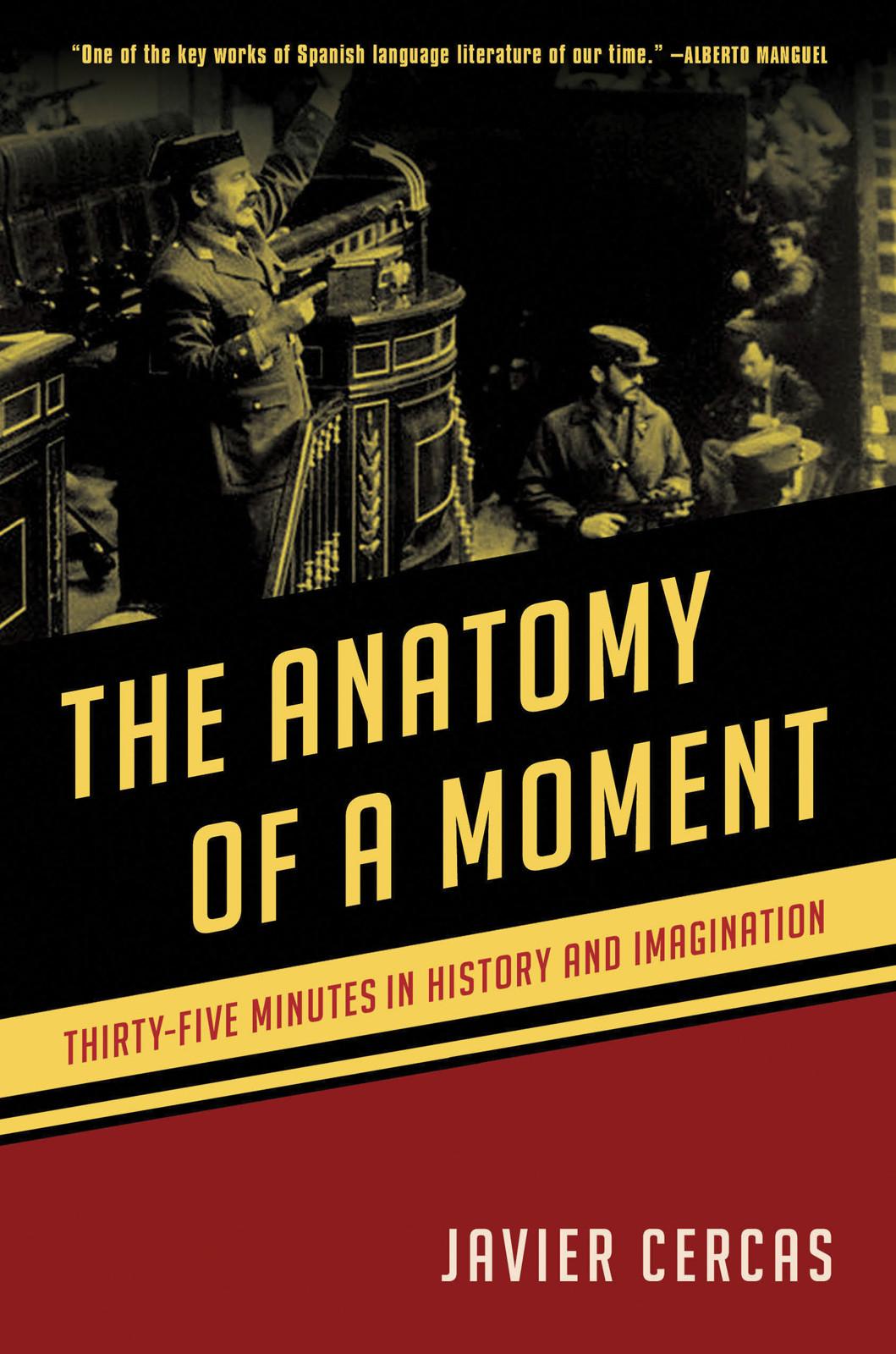
In February 1981, Spain was still emerging from Franco's shadow, holding a democratic vote for the new prime minister. On the day of the vote in Parliament, while the session was being filmed by TV cameras, a band of right-wing soldiers burst in with automatic weapons, ordering everyone to get down. Only three men defied the order. For thirty-five minutes, as the cameras rolled, they stayed in their seats.
Critically adored novelist Javier Cercas originally set out to write a novel about this pivotal moment, but determined it had already gained an air of myth, or, through the annual broadcast of video clips, had at least acquired the fictional taint of reality television. Cercas turned to nonfiction, and his vivid descriptions of the archival footage frame a narrative that traverses the line between history and art, creating a daring new account of this watershed moment in modern Spanish history.
The Anatomy of a Moment caused a sensation upon its publication in Spain, selling hundreds of thousands of copies. The story will be new to many American readers, but the book stands resolutely on its own as a compelling literary inquest of national myth, personal memory, political spectacle, and reality itself.
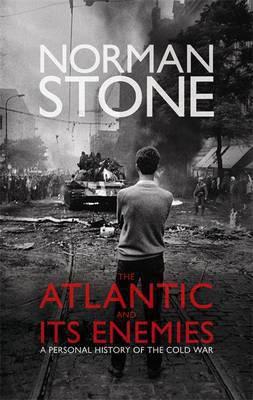
After World War II, the former allies were saddled with a devastated world economy and traumatized populace. Soviet influence spread insidiously from nation to nation, and the Atlantic powers—the Americans, the British, and a small band of allies—were caught flat-footed by the coups, collapsing armies, and civil wars that sprung from all sides. The Cold War had begun in earnest.
In The Atlantic and Its Enemies, prize-winning historian Norman Stone assesses the years between World War II and the collapse of the Iron Curtain. He vividly demonstrates that for every Atlantic success there seemed to be a dozen Communist or Third World triumphs. Then, suddenly and against all odds, the Atlantic won—economically, ideologically, and militarily—with astonishing speed and finality.
An elegant and path-breaking history, The Atlantic and Its Enemies is a monument to the immense suffering and conflict of the twentieth century, and an illuminating exploration of how the Atlantic triumphed over its enemies at last.
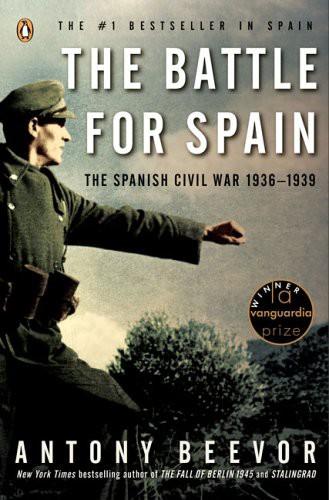
To mark the 70th anniversary of the Spanish Civil War's outbreak, Antony Beevor has written a completely updated and revised account of one of the most bitter and hard-fought wars of the twentieth century. With new material gleaned from the Russian archives and numerous other sources, this brisk and accessible book (Spain's #1 bestseller for twelve weeks), provides a balanced and penetrating perspective, explaining the tensions that led to this terrible overture to World War II and affording new insights into the war-its causes, course, and consequences.
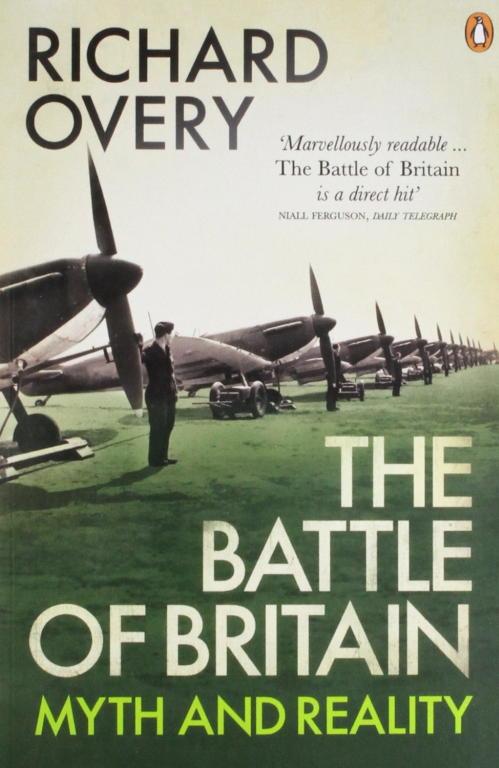
Tells the story of one of the pivotal events of the WWII – the struggle between British and German air forces in the late summer and autumn of 1940. This book answers such questions as: how close did Britain really come to invasion; what were Hitler and Churchill’s motives; and, what was the battle’s real effect on the outcome of the war.
[Contain tables!]
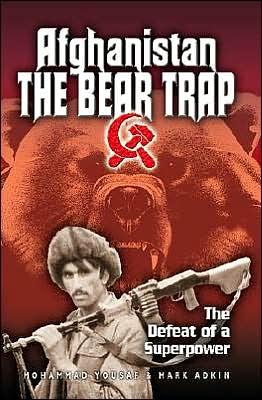
This highly controversial book reveals, for the first time, one of the greatest military, political and financial secrets of recent times. It is nothing less than the true, if fantastic, account of how Pakistan and the USA covertly controlled the largest guerrilla war of this century, dealing to the Soviet Russian presence in Afghanistan a military defeat that has come to be called ‘Russia’s Vietnam’. From 1983 to 1987 Brigadier Mohammad Yousaf was the head of the Afghan Bureau of Pakistan’s Inter-Service Intelligence (ISI – akin to the CIA), and as such was effectively the Mujahideen’s commander-in-chief; he is, in fact, as the book demonstrates, the only general since the Second World War to have directed troops in action within the Soviet Union’s own borders. He controlled the flow of thousands of tons of arms across Pakistan and into its occupied neighbour, arms bought with CIA and Saudi Arabian funds from the USA, Britain, China, Egypt and Turkey, among others. He organised and directed the training of the Mujahideen in secret camps within his own country, and covertly sent Pakistan Army teams inside Afghanistan to assist the guerrillas in their campaign of ambushes, assassinations, raids and rocket attacks, a campaign that forced the Soviets to realise that they could never win. He saw that the Mujahideen were fed, cared for, and supplied with every necessity; he organised recruiting from among the thousands of refugees; he negotiated with the leaders of various guerrilla groups (a task requiring the skills, patience, and strength of character of several saints); and he co-ordinated the ultra-secret Mujahideen raids deep inside what was then still the USSR. There are many in authority in the USA and Pakistan who would still prefer that Brigadier Yousaf’s revelations were not made public...
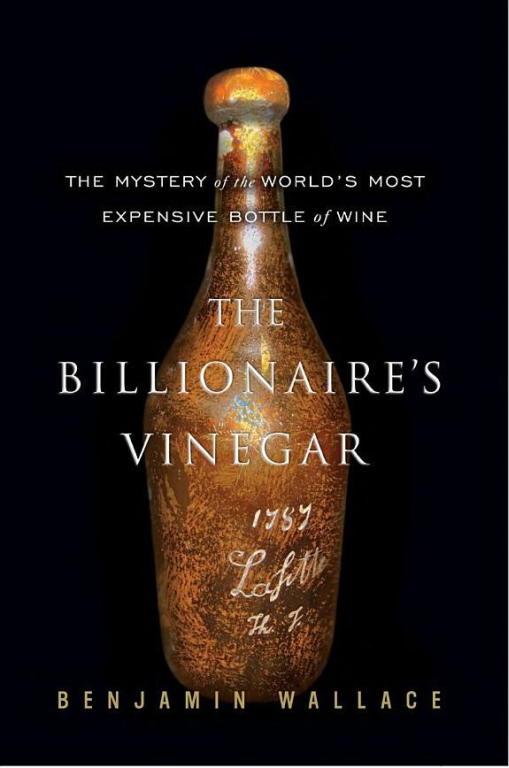
It was the most expensive bottle of wine ever sold.
In 1985, at a heated auction by Christie’s of London, a 1787 bottle of Château Lafite Bordeaux—one of a cache of bottles unearthed in a bricked-up Paris cellar and supposedly owned by Thomas Jefferson—went for $156,000 to a member of the Forbes family. The discoverer of the bottle was pop-band manager turned wine collector Hardy Rodenstock, who had a knack for finding extremely old and exquisite wines. But rumors about the bottle soon arose. Why wouldn’t Rodenstock reveal the exact location where it had been found? Was it part of a smuggled Nazi hoard? Or did his reticence conceal an even darker secret?
It would take more than two decades for those questions to be answered and involve a gallery of intriguing players—among them Michael Broadbent, the bicycle-riding British auctioneer who speaks of wines as if they are women and staked his reputation on the record-setting sale; Serena Sutcliffe, Broadbent’s elegant archrival, whose palate is covered by a hefty insurance policy; and Bill Koch, the extravagant Florida tycoon bent on exposing the truth about Rodenstock.
Pursuing the story from Monticello to London to Zurich to Munich and beyond, Benjamin Wallace also offers a mesmerizing history of wine, complete with vivid accounts of subterranean European laboratories where old vintages are dated and of Jefferson’s colorful, wine-soaked days in France, where he literally drank up the culture.
Suspenseful, witty, and thrillingly strange, The Billionaire’s Vinegar is the vintage tale of what could be the most elaborate con since the Hitler diaries. It is also the debut of an exceptionally powerful new voice in narrative non-fiction.
Philip Ziegler follows the course of the black plague as it swept from Asia into Italy and then into the rest of Europe.
When first published in 1969, this study was described by the Guardian as “…as exciting and readable an account as you could wish.’ This new edition of the major study on the subject is illustrated by over seventy contemporary black and white illustrations and eight pages of color.
A series of natural disasters in the furthest reaches of the Orient during the third of the fourteenth century heralded what was, for the population of Europe, the most devastating period of death and destruction in its history. By the autumn of 1347 the Black Death had reached the shores of the eastern Mediterranean, and the years that followed were to witness a horrifying and apparently relentless epidemic.
One third of England’s population died between the years 1347 and 1350, and over one thousand villages were deserted, never to be repopulated. In towns and cities the cemeteries were unable to provide space for all the dead, and violence and crime spiraled. Travel became dangerous and interruption of food and other supplies across the country added hunger and deprivation to the problems of people already overwhelmed by the threat of the vilest of deaths.
In the countryside the population was halved in places, and as land became plentiful, landowners’ profits fell and the government tried in vain to fix labourers’ wages and prices, peasant unrest accelerated and the manorial system disintegrated, culminating eventually in the Peasants’ Revolt of 1381.
Throughout Europe whole societies were disrupted; racial tensions built as a direct result of the plague, and persecution of Jews began in earnest throughout the continent. The social and economic consequences of the period were to reach far into the following century.
Philip Ziegler follows the course of the black plague as it swept from Asia into Italy and then into the rest of Europe.
When first published in 1969, this study was described by the Guardian as ‘…as exciting and readable an account as you could wish.’ This new edition of the major study on the subject is illustrated by over seventy contemporary black and white illustrations and eight pages of color.
A series of natural disasters in the furthest reaches of the Orient during the third of the fourteenth century heralded what was, for the population of Europe, the most devastating period of death and destruction in its history. By the autumn of 1347 the Black Death had reached the shores of the eastern Mediterranean, and the years that followed were to witness a horrifying and apparently relentless epidemic.
One third of England’s population died between the years 1347 and 1350, and over one thousand villages were deserted, never to be repopulated. In towns and cities the cemeteries were unable to provide space for all the dead, and violence and crime spiraled. Travel became dangerous and interruption of food and other supplies across the country added hunger and deprivation to the problems of people already overwhelmed by the threat of the vilest of deaths.
In the countryside the population was halved in places, and as land became plentiful, landowners’ profits fell and the government tried in vain to fix labourers’ wages and prices, peasant unrest accelerated and the manorial system disintegrated, culminating eventually in the Peasants’ Revolt of 1381.
Throughout Europe whole societies were disrupted; racial tensions built as a direct result of the plague, and persecution of Jews began in earnest throughout the continent. The social and economic consequences of the period were to reach far into the following century.
Philip Ziegler follows the course of the black plague as it swept from Asia into Italy and then into the rest of Europe.
When first published in 1969, this study was described by the Guardian as “…as exciting and readable an account as you could wish.’ This new edition of the major study on the subject is illustrated by over seventy contemporary black and white illustrations and eight pages of color.
A series of natural disasters in the furthest reaches of the Orient during the third of the fourteenth century heralded what was, for the population of Europe, the most devastating period of death and destruction in its history. By the autumn of 1347 the Black Death had reached the shores of the eastern Mediterranean, and the years that followed were to witness a horrifying and apparently relentless epidemic.
One third of England’s population died between the years 1347 and 1350, and over one thousand villages were deserted, never to be repopulated. In towns and cities the cemeteries were unable to provide space for all the dead, and violence and crime spiraled. Travel became dangerous and interruption of food and other supplies across the country added hunger and deprivation to the problems of people already overwhelmed by the threat of the vilest of deaths.
In the countryside the population was halved in places, and as land became plentiful, landowners’ profits fell and the government tried in vain to fix labourers’ wages and prices, peasant unrest accelerated and the manorial system disintegrated, culminating eventually in the Peasants’ Revolt of 1381.
Throughout Europe whole societies were disrupted; racial tensions built as a direct result of the plague, and persecution of Jews began in earnest throughout the continent. The social and economic consequences of the period were to reach far into the following century.
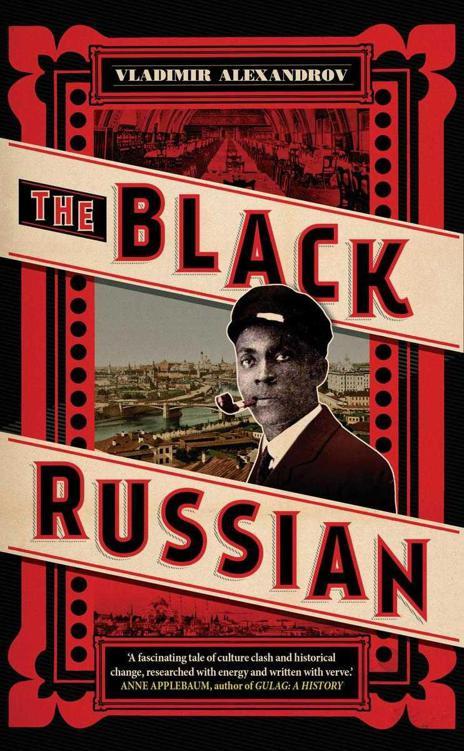
Born the son of slaves in America’s Deep South, he escaped the stifling racism of his native land to pursue a dream of freedom, wealth and personal happiness that took him from Brussels to Monte Carlo, and from Moscow to Constantinople. Embracing triumph and tragedy and spanning continents, wars and revolution, his life story is as colourful as it is improbable. He is the ‘Black Russian’.
Frederick Bruce Thomas was born in 1872 to former slaves who had become prosperous farmers in Mississippi. When his father was brutally murdered, the teenaged Frederick fled the Deep South and headed for New York City, where he worked as a waiter and valet. Deploying charm, charisma and cunning, he emigrated to Europe, criss-crossing that continent to find employment as a multilingual waiter in locations as diverse as London and Leipzig, Venice and Vienna, before settling in Moscow in 1899. There he married twice, acquired a mistress, and became one of that city’s richest and most fêted restaurateurs and nightclub impresarios. But then came the shock of the Bolshevik Revolution. Frederick and his family were forced to flee Russia for Constantinople, where, ever resourceful, he reinvented himself afresh, opening nightclubs that introduced jazz to Turkey. However, Frederick’s luck was finally running out: the long arm of American racism and his own extravagance landed him in a debtor’s prison in 1927, after which death came swiftly.
Written with a novelist’s verve, The Black Russian is both the extraordinary story of the most engaging and unexpected of heroes, and a meticulously researched and richly characterized tour of the changing political and cultural landscape of the early twentieth century.
A BLACK SWAN is a highly improbable event with three principal characteristics: It is unpredictable; it carries a massive impact; and, after the fact, we concoct an explanation that makes it appear less random, and more predictable, than it was. The astonishing success of Google was a black swan; so was 9/11. For Nassim Nicholas Taleb, black swans underlie almost everything about our world, from the rise of religions to events in our own personal lives.
Why do we not acknowledge the phenomenon of black swans until after they occur? Part of the answer, according to Taleb, is that humans are hardwired to learn specifics when they should be focused on generalities. We concentrate on things we already know and time and time again fail to take into consideration what we don’t know. We are, therefore, unable to truly estimate opportunities, too vulnerable to the impulse to simplify, narrate, and categorize, and not open enough to rewarding those who can imagine the “impossible.”
For years, Taleb has studied how we fool ourselves into thinking we know more than we actually do. We restrict our thinking to the irrelevant and inconsequential, while large events continue to surprise us and shape our world. Now, in this revelatory book, Taleb explains everything we know about what we don’t know. He offers surprisingly simple tricks for dealing with black swans and benefiting from them.
Elegant, startling, and universal in its applications, The Black Swan will change the way you look at the world. Taleb is a vastly entertaining writer, with wit, irreverence, and unusual stories to tell. He has a polymathic command of subjects ranging from cognitive science to business to probability theory. The Black Swan is a landmark book—itself a black swan.
Nassim Nicholas Taleb has devoted his life to immersing himself in problems of luck, uncertainty, probability, and knowledge. Part literary essayist, part empiricist, part no-nonsense mathematical trader, he is currently taking a break by serving as the Dean’s Professor in the Sciences of Uncertainty at the University of Massachusetts at Amherst. His last book, the bestseller Fooled by Randomness, has been published in twenty languages, Taleb lives mostly in New York.

Это подборка тематических записей в ЖЖ (Живом Журнале или же LiveJournal) пользователя с именем Alexandrov_G. Адрес его журнала-блога в сети интернет http://alexandrov-g.livejournal.com/ и там вы сможете прочитать не только предлагаемые вашему вниманию тексты, но и комментарии читателей этих текстов в ЖЖ автора.