 fb2
fb2With important new revelations into the Russian hacking of the 2016 Presidential campaigns
It was a dynasty with more wealth, passion, and power than the houses of Windsor, Kennedy, and Rockefeller combined. It shaped all of Europe and controlled politics, scientists, artists, and even popes, for three hundred years. It was the house of Medici, patrons of Botticelli, Michelangelo and Galileo, benefactors who turned Florence into a global power center, and then lost it all.The House of Medici picks up where Barbara Tuchman's Hibbert delves into the lives of the Medici family, whose legacy of increasing self-indulgence and sexual dalliance eventually led to its self-destruction. With twenty-four pages of black-and-white illustrations, this timeless saga is one of Quill's strongest-selling paperbacks.
It was a dynasty with more wealth, passion, and power than the houses of Windsor, Kennedy, and Rockefeller combined. It shaped all of Europe and controlled politics, scientists, artists, and even popes, for three hundred years. It was the house of Medici, patrons of Botticelli, Michelangelo and Galileo, benefactors who turned Florence into a global power center, and then lost it all.The House of Medici picks up where Barbara Tuchman's Hibbert delves into the lives of the Medici family, whose legacy of increasing self-indulgence and sexual dalliance eventually led to its self-destruction. With twenty-four pages of black-and-white illustrations, this timeless saga is one of Quill's strongest-selling paperbacks.
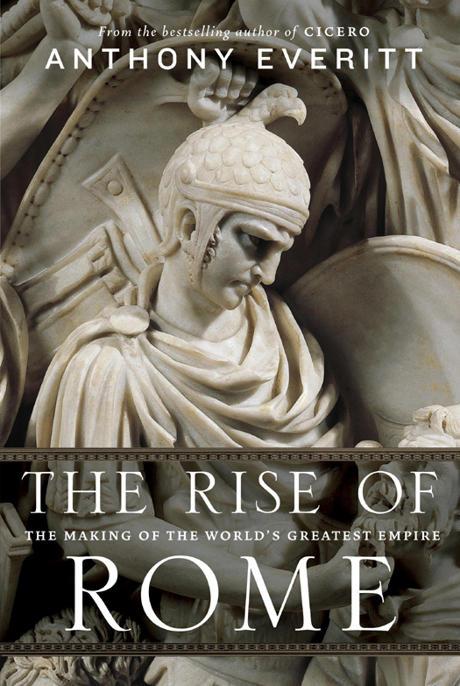
From Anthony Everitt, the bestselling author of acclaimed biographies of Cicero, Augustus, and Hadrian, comes a riveting, magisterial account of Rome and its remarkable ascent from an obscure agrarian backwater to the greatest empire the world has ever known.
Emerging as a market town from a cluster of hill villages in the eighth and seventh centuries B.C., Rome grew to become the ancient world’s preeminent power. Everitt fashions the story of Rome’s rise to glory into an erudite page-turner filled with lasting lessons for our time. He chronicles the clash between patricians and plebeians that defined the politics of the Republic. He shows how Rome’s shrewd strategy of offering citizenship to her defeated subjects was instrumental in expanding the reach of her burgeoning empire. And he outlines the corrosion of constitutional norms that accompanied Rome’s imperial expansion, as old habits of political compromise gave way, leading to violence and civil war. In the end, unimaginable wealth and power corrupted the traditional virtues of the Republic, and Rome was left triumphant everywhere except within its own borders.
Everitt paints indelible portraits of the great Romans—and non-Romans—who left their mark on the world out of which the mighty empire grew: Cincinnatus, Rome’s George Washington, the very model of the patrician warrior/aristocrat; the brilliant general Scipio Africanus, who turned back a challenge from the Carthaginian legend Hannibal; and Alexander the Great, the invincible Macedonian conqueror who became a role model for generations of would-be Roman rulers. Here also are the intellectual and philosophical leaders whose observations on the art of government and “the good life” have inspired every Western power from antiquity to the present: Cato the Elder, the famously incorruptible statesman who spoke out against the decadence of his times, and Cicero, the consummate orator whose championing of republican institutions put him on a collision course with Julius Caesar and whose writings on justice and liberty continue to inform our political discourse today.
Rome’s decline and fall have long fascinated historians, but the story of how the empire was won is every bit as compelling. With The Rise of Rome, one of our most revered chroniclers of the ancient world tells that tale in a way that will galvanize, inform, and enlighten modern readers.
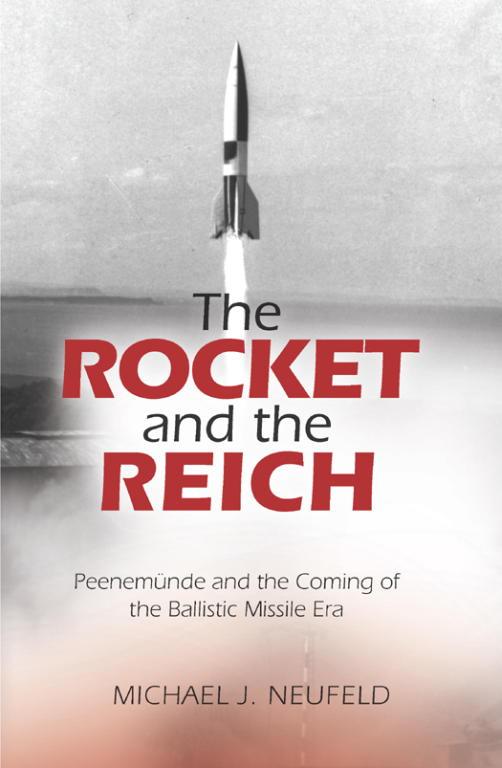
Relates the story of the German development of missile technology, a new kind of warfare that was extremely valuable to Allied powers during the Cold War but of little value to the Germans during World War II.
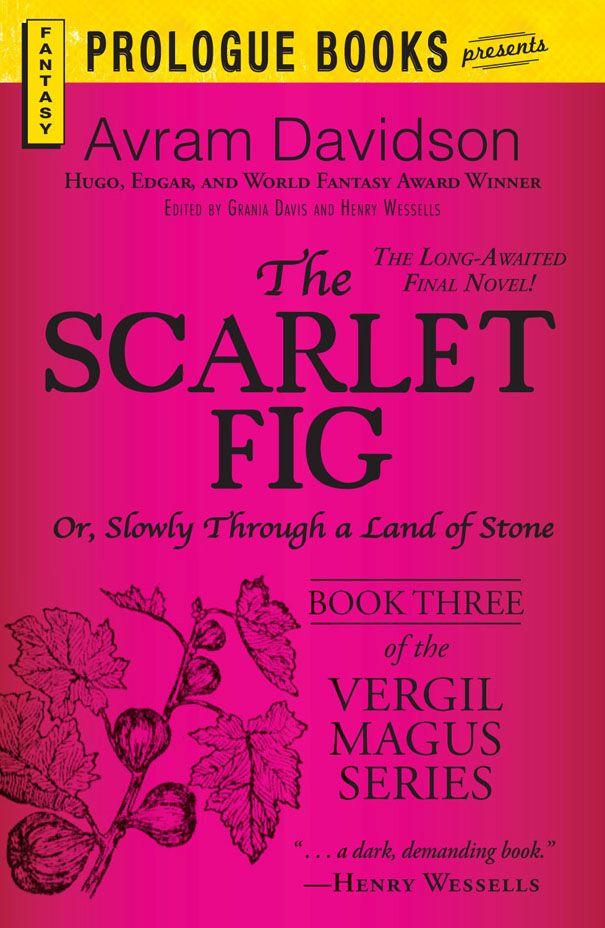
The Last Manuscript of a Master
It began with an accident, as if Fate had a plan for Vergil Magus…
After his trials in the Very Rich City of Averno but before his crowning achievement of a certain magic mirror, the great sorcerer and alchemist finds himself on a journey nothing short of epic. Sure he is slated for death in Rome, Vergil seeks safety in the far reaches of the Empire — and finds a world teeming with wonders and magical oddities.
The “unhistoric” sea adventure is a deft mix of fantastic fact and fable, showcasing the author’s keen attention to the often forgotten connections between them.
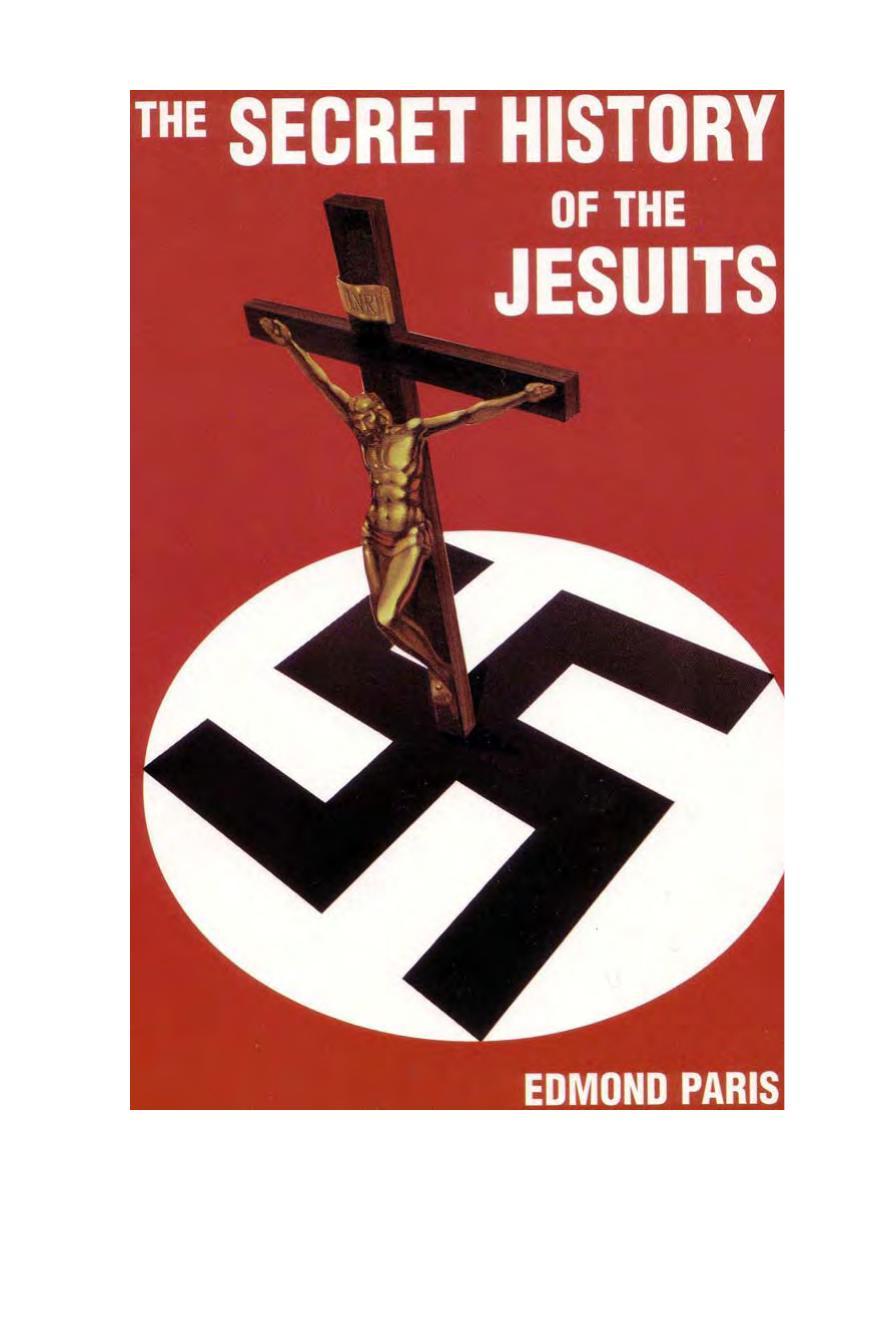
Secrets the Jesuits don't want you to know Out of Europe, a voice is heard from the secular world that documents historically the same information told by ex-priests. The author exposes the Vatican's involvement in world politics, intrigues, and the fomenting of wars throughout history. It appears, beyond any doubt, that the Roman Catholic institution is not a Christian church and never was. The poor Roman Catholic people have been betrayed by her and are facing spiritual disaster. Paris shows that Rome is responsible for the two great world wars.
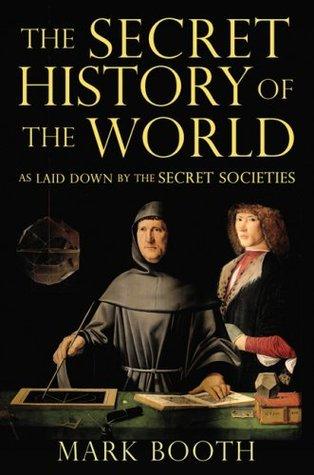
They say that history is written by the victors. But what if history—or what we come to know as history—has all along been written by the wrong people? What if everything we’ve been told is only part of the story? What if it’s the wrong part?
In this groundbreaking new work, Mark Booth embarks on an enthralling intellectual tour of our world’s secret histories. Starting from a dangerous premise—that everything we’ve been taught about our world’s past is corrupted, and that the stories put forward by the various cults and mystery schools throughout history are true—Booth produces nothing short of an alternate history of the past 3,000 years.
History is more than a list of things that have happened; it’s a measure of consciousness and experience. And in The Secret History of the World, Booth’s take on history is relentless, charging through time and space and thought in interdisciplinary fashion; embracing cognitive science, religion, psychology, historiography, and philosophy, a new timeline is drawn, and a huge swath of our cultural heritage that has for long been hidden is restored. From Greek and Egyptian mythology to Jewish folklore, from Christian cults to Freemasons, from Charlemagne to Don Quixote, from George Washington to Hitler—Booth shows without a doubt that history as we know it needs a revolutionary rethink, and he has 3,000 years of hidden wisdom to back it up.
The pocket in question is a small pocket of resistance. A pocket is formed when two or more people come together in agreement. The resistance is against the inhumanity of the New World Economic Order. The people coming together are the reader, me, and those the essays are about — Rembrandt, Paleolithic cave painters, a Romanian peasant, ancient Egyptians, an expert in the loneliness of a certain hotel bedroom, dogs at dusk, a man in a radio station. And unexpectedly, our exchanges strengthen each of us in our conviction that what is happening in the world today is wrong, and that what is often said about it is a lie. I’ve never written a book with a greater sense of urgency.
— John Berger
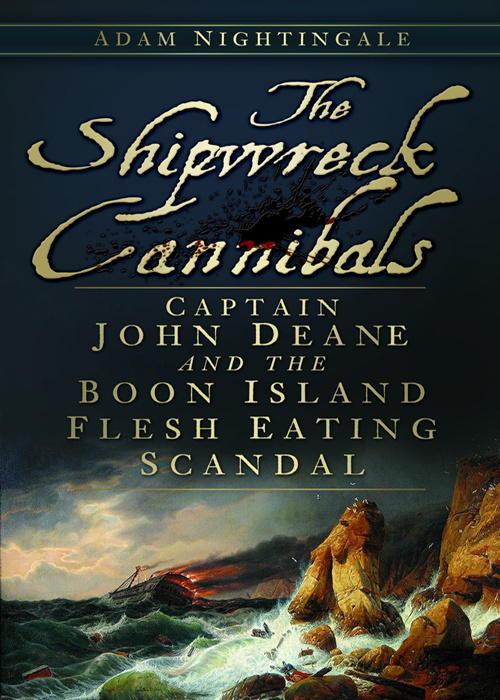
In the fierce winter of 1710, in a North American port, a boat ferried ten shipwreck survivors to the safety of shore. Fourteen Englishmen had taken refuge on Boon Island, a sparse 100-yard long stretch of rock, without food or adequate shelter, uncertain of when or if they would be rescued. They endured for 24 days. An escape attempt failed and four men died. Facing starvation, their captain, John Deare, gave the order to butcher and eat a member of the crew. Deane’s decision fended off starvation and sustained his crew until rescue. John Deane emerged as unlikely hero. But an alternative version of events began to circulate. The First Mate painted Deane as a murderous fraudster, tyrant and an enthusaistic consumer of human flesh. Centering on the scandal that defined him, The Shipwreck Cannibals tells the forgotten story of John Deane; criminal, mercenary, gentleman, diplomat and cannibal.
For centuries, fame and fortune were to be found in the west – in the New World of the Americas. Today, it is the east which calls out to those in search of riches and adventure. Sweeping right across Central Asia and deep into China and India, a region that once took centre stage is again rising to dominate global politics, commerce and culture.
A major reassessment of world history, The Silk Roads is a dazzling exploration of the forces that have driven the rise and fall of empires, determined the flow of ideas and goods and are now heralding a new dawn in international affairs.
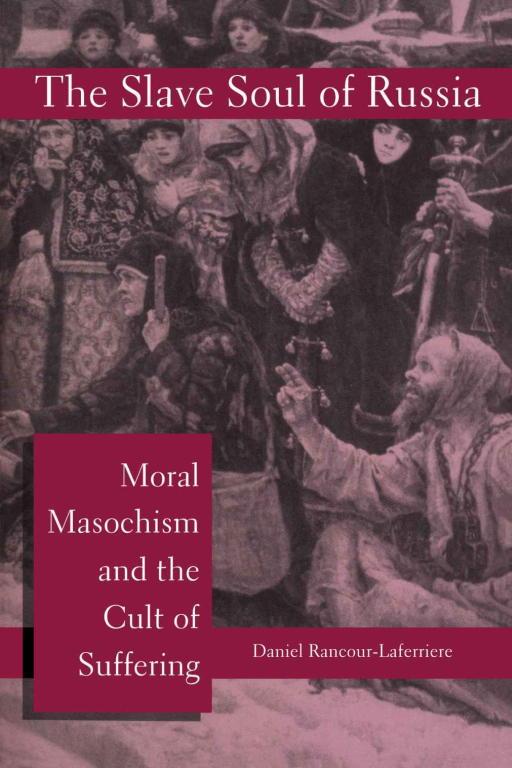
Why, asks Daniel Rancour-Laferriere in this controversial book, has Russia been a country of suffering? Russian history, religion, folklore, and literature are rife with suffering. The plight of Anna Karenina, the submissiveness of serfs in the 16th and 17th centuries, ancient religious tracts emphasizing humility as the mother of virtues, the trauma of the Bolshevik revolution, the current economic upheavals wracking the country—these are only a few of the symptoms of what The Slave Soul of Russia identifies as a veritable cult of suffering that has been centuries in the making.
Bringing to light dozens of examples of self-defeating activities and behaviors that have become an integral component of the Russian psyche, Rancour-Laferriere convincingly illustrates how masochism has become a fact of everyday life in Russia. Until now, much attention has been paid to the psychology of Russia’s leaders and their impact on the country’s condition. Here, for the first time, is a compelling portrait of the Russian people’s psychology.
SUMMARY: In the grand storytelling style that is his signature, James Michener sweeps us back through time to the very beginnings of the Jewish faith, thousands of years ago. Through the predecessors of four modern men and women, we experience the entire colorful history of the Jews, including the life of the early Hebrews and their persecutions, the impact of Christianity, the Crusades, and the Spanish Inquisition, all the way to the founding of present-day Israel and the Middle-East conflict."A sweeping chronology filled with excitement."THE PHILADELPHIA INQUIRER
The Spartacus War is the extraordinary story of the most famous slave rebellion in the ancient world, the true story behind a legend that has been the inspiration for novelists, filmmakers, and revolutionaries for 2,000 years.
Starting with only seventy-four men and growing to an army of 60,000, the gladiator Spartacus incited a rebellion that threatened Rome itself. A charismatic leader, Spartacus excelled in combat. He defeated nine Roman armies and kept Roman forces at bay for two years before he was defeated. After his final battle, 6,000 of his followers were captured and crucified along Rome’s main southern highway.
The Spartacus War is the dramatic and factual account of one of history’s great rebellions, based on written documents and on archaeological evidence, historical reconstruction, and the author’s extensive travels in the Italian countryside that Spartacus once conquered.
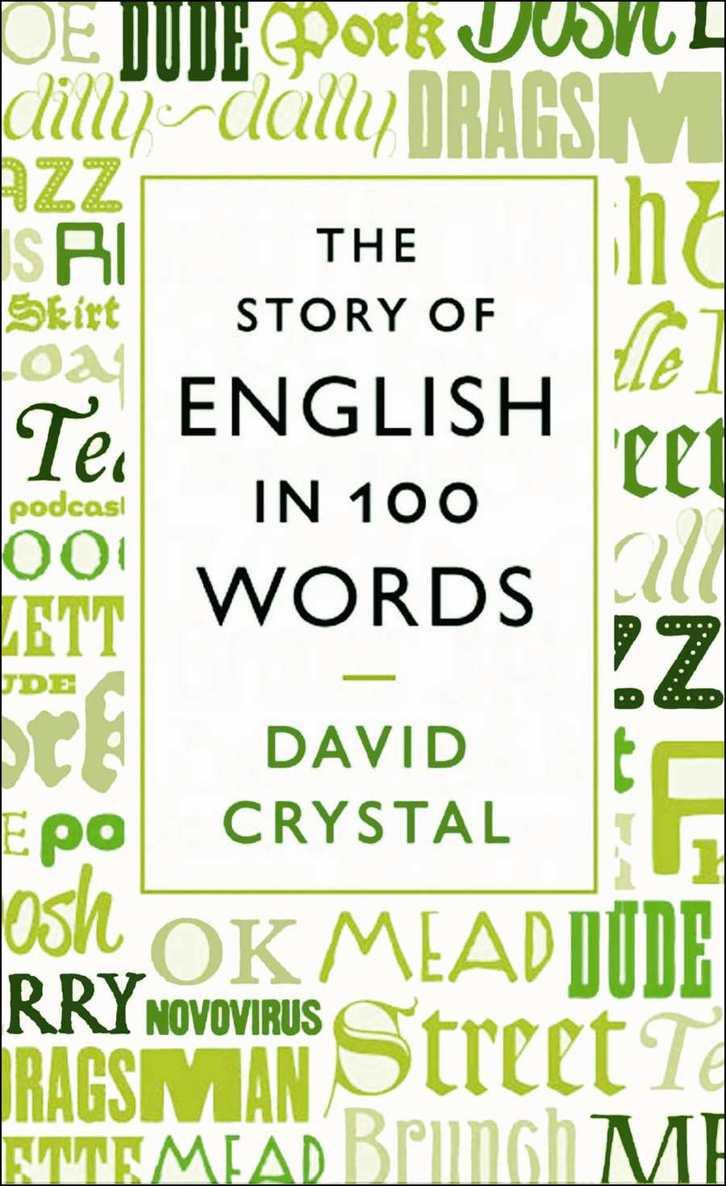
The world’s foremost expert on the English language takes us on an entertaining and eye-opening tour of the history of our vernacular through the ages.
In The Story of English in 100 Words, an entertaining history of the world’s most ubiquitous language, David Crystal draws on one hundred words that best illustrate the huge variety of sources, influences and events that have helped to shape our vernacular since the first definitively English word—‘roe’—was written down on the femur of a roe deer in the fifth century. Featuring ancient words (‘loaf’), cutting edge terms that relfect our world (‘twittersphere’), indispensible words that shape our tongue (‘and’, ‘what’), fanciful words (‘fopdoodle’) and even obscene expressions (the “c word”…), David Crystal takes readers on a tour of the winding byways of our language via the rude, the obscure and the downright surprising.
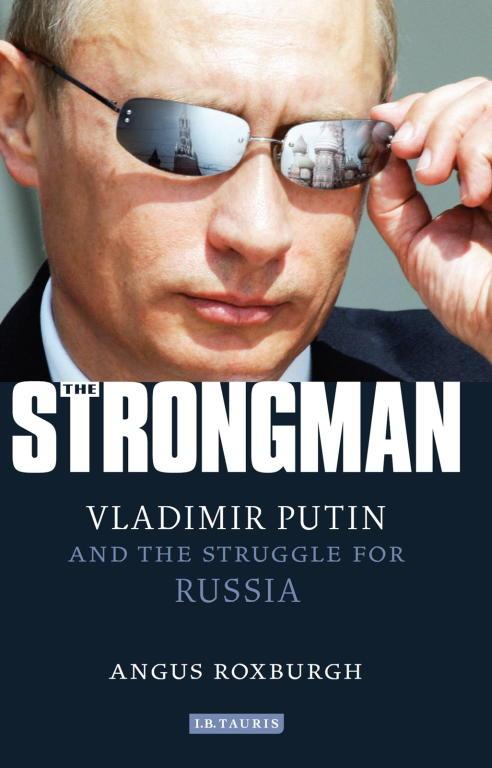
Russia under Vladimir Putin has proved a prickly partner for the West, a far cry from the democratic ally many hoped for when the Soviet Union collapsed. Abroad, Putin has used Russia’s energy strength as a foreign policy weapon, while at home he has cracked down on opponents, adamant that only he has the right vision for his country’s future.
Former BBC Moscow correspondent Angus Roxburgh charts the dramatic fight for Russia’s future under Vladimir Putin – how the former KGB man changed from reformer to autocrat; how he sought the West’s respect but earned its fear; how he cracked down on his rivals at home and burnished a flamboyant personality cult, one day saving snow leopards or horseback riding bare-chested, the next tongue-lashing Western audiences. Drawing on dozens of exclusive interviews in Russia, where he worked as a Kremlin insider advising Putin on press relations, Roxburgh also argues that the West threw away chances to bring Russia in from the cold by failing to understand its fears and aspirations following the collapse of communism.
The Sword and the Shield is based on one of the most extraordinary intelligence coups of recent times: a secret archive of top-level KGB documents smuggled out of the Soviet Union which the FBI has described, after close examination, as the “most complete and extensive intelligence ever received from any source.” Its presence in the West represents a catastrophic hemorrhage of the KGB’s secrets and reveals for the first time the full extent of its worldwide network.
Vasili Mitrokhin, a secret dissident who worked in the KGB archive, smuggled out copies of its most highly classified files every day for twelve years. In 1992, a U.S. ally succeeded in exfiltrating the KGB officer and his entire archive out of Moscow. The archive covers the entire period from the Bolshevik Revolution to the 1980s and includes revelations concerning almost every country in the world. But the KGB’s main target, of course, was the United States.
Though there is top-secret material on almost every country in the world, the United States is at the top of the list. As well as containing many fascinating revelations, this is a major contribution to the secret history of the twentieth century.
Among the topics and revelations explored are:
• The KGB’s covert operations in the United States and throughout the West, some of which remain dangerous today.
• KGB files on Oswald and the JFK assassination that Boris Yeltsin almost certainly has no intention of showing President Clinton.
• The KGB’s attempts to discredit civil rights leader in the 1960s, including its infiltration of the inner circle of a key leader.
• The KGB’s use of radio intercept posts in New York and Washington, D.C., in the 1970s to intercept high-level U.S. government communications.
• The KGB’s attempts to steal technological secrets from major U.S. aerospace and technology corporations.
• KGB covert operations against former President Ronald Reagan, which began five years before he became president.
• KGB spies who successfully posed as U.S. citizens under a series of ingenious disguises, including several who attained access to the upper echelons of New York society.
This book is dedicated to the memory of Yakov Aminov murdered in cold blood by Arab terrorist in the international airport of Los Angeles.
«This dreadful act took place on July 4, 2002, on Independence Day of the United States».
After the bloody incident his sister – the Liza Aminova until the present time can’t become a U.S. citizen.
Because one of the supervisors of the U.S. Citizenship and Immigration Services in the Denver city learned
that the Liza Aminova is a Jewish.
Therefore the supervisor firmly decided: Anyway refuse her request to become a U.S. citizen.
Repentance of the Pope of Rome to the people of God
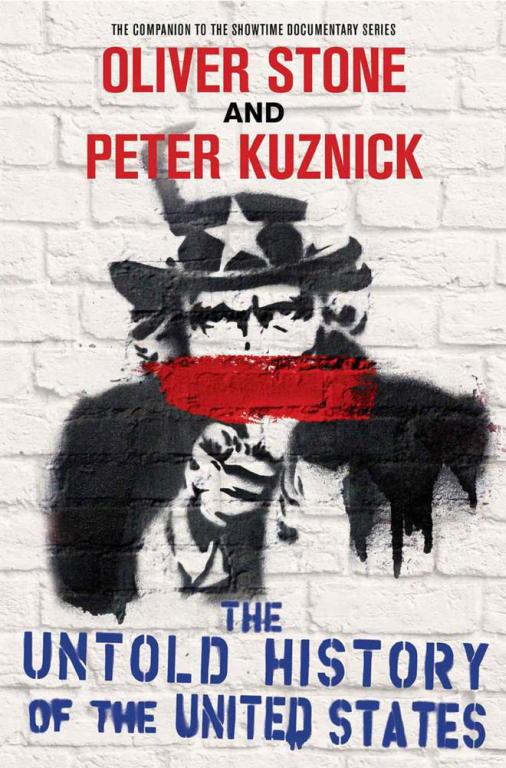
The companion to the Showtime documentary series, director Oliver Stone and historian Peter Kuznick challenge the prevailing orthodoxies of traditional history books in this thoroughly researched and rigorously analyzed look at the dark side of American history.
The notion of American exceptionalism, dating back to John Winthrop’s 1630 sermon aboard the Arbella, still warps Americans’ understanding of their nation’s role in the world. Most are loathe to admit that the United States has any imperial pretensions. But history tells a different story as filmmaker Oliver Stone and historian Peter Kuznick reveal in this riveting account of the rise and decline of the American empire.
Aided by the latest archival findings and recently declassified documents and building on the research of the world’s best scholars, Stone and Kuznick construct an often shocking but meticulously documented “People’s History of the American Empire” that offers startling context to the Bush-Cheney policies that put us at war in two Muslim countries and show us why the Obama administration has had such a difficult time cleaving a new path.
Stone and Kuznick will introduce readers to a pantheon of heroes and villains as they show not only how far the United States has drifted from its democratic traditions, but the powerful forces that have struggled to get us back on track.
The authors reveal that:
• The atomic bombings of Hiroshima and Nagasaki were militarily unnecessary and morally indefensible.
• The United States, not the Soviet Union, bore the lion’s share of responsibility for perpetuating the Cold War.
• The U.S. love affair with right-wing dictators has gone as far as overthrowing elected leaders, arming and training murderous military officers, and forcing millions of people into poverty.
• U.S.-funded Islamist fundamentalists, who fought against the Soviets in Afghanistan, have blown back to threaten the interests of the U.S. and its allies.
• U.S. presidents, especially in wartime, have frequently trampled on the constitution and international law.
• The United States has brandished nuclear threats repeatedly and come terrifyingly close to nuclear war.
American leaders often believe they are unbound by history, yet Stone and Kuznick argue that we must face our troubling history honestly and forthrightly in order to set a new course for the twenty-first century. Their conclusions will challenge even experts, but there is one question only readers can answer: Is it too late for America to change?