 fb2
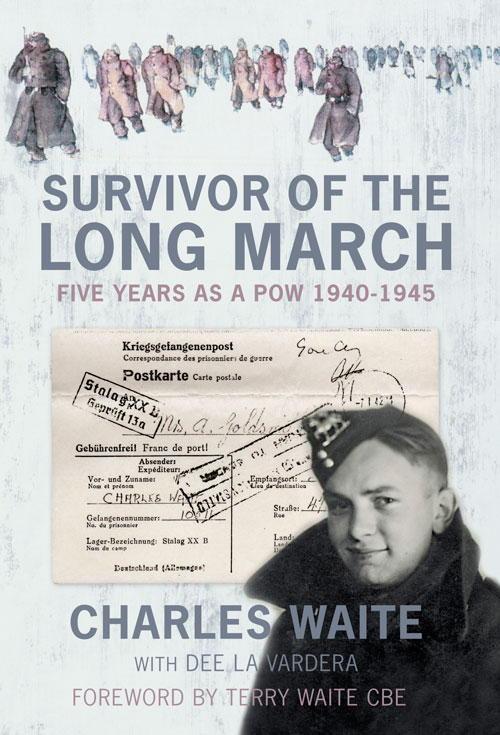
fb2Nothing prepares a man for war and Private Charles Waite, of the Queen’s Royal Regiment, was ill-prepared when his convoy took a wrong turning near Abbeville and met 400 German soldiers and half a dozen tanks. “The day I was captured, I had a rifle but no ammunition.” He lost his freedom that day in may 1940 and didn’t regain it until April 1945 when he was rescued by Americans near Berlin, having walked 1,600 kms from East Prussia.
Silent for seventy years, Charles writes about his five lost years: the terrible things he saw and suffered; his forced work in a stone quarry and on farms; his period in solitary confinement for sabotage; and his long journey home in one of the worst winters on record, across the frozen river Elbe, to Berlin and liberation. His story is also about friendship, of physical and mental resilience and of compassion for everyone who suffered.
Part of that story includes the terrible Long March, or Black March, when 80,000 British POWs were forced to trek through a vicious winter westwards across Poland, Czechoslovakia and Germany as the Soviets approached. Thousands died. There are simply no memoirs of that terrible trek—except this one.
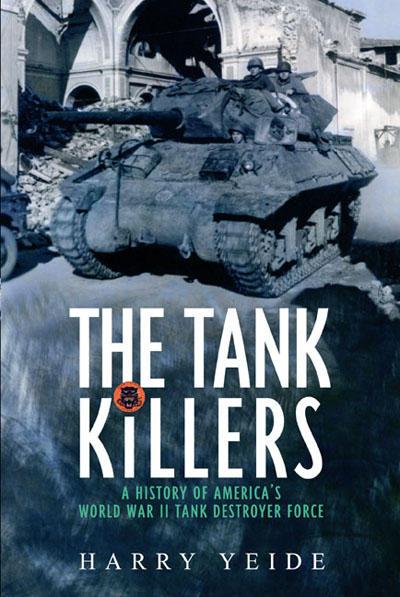
The Tank Killers is the story of the American Tank Destroyer Force in North Africa, Italy, and the European Theater during World War II. The tank destroyer (TD) was a bold—if some would say flawed—answer to the challenge posed by the seemingly unstoppable German blitzkrieg. The TD was conceived to be light and fast enough to outmaneuver panzer forces and go where tanks could not. At the same time, the TD would wield the firepower needed to kill any German tank on the battlefield. Indeed, American doctrine stipulated that TDs would fight tanks, while American tanks would concentrate on achieving and exploiting breakthroughs of enemy lines.
The Tank Killers follows the men who fought in the TDs from the formation of the force in 1941 through the victory over the Third Reich in 1945. It is a story of American flexibility and pragmatism in military affairs. Tankdestroyers were among the very first units to land in North Africa in 1942. Their first vehicles were ad hoc affairs: Halftracks and weapons carriers with guns no better than those on tanks and thin armor affording the crews considerably less protection. Almost immediately, the crews realized that their doctrine was incomplete. They began adapting to circumstances, along with their partners in the infantry and armored divisions. By the time that North Africa was in Allied hands, the TD had become a valued tank fighter, assault gun, and artillery piece. The reconnaissance teams in TD battalions, meanwhile, had established a record for daring operations that they would continue for the rest of the war.
The story continues with the invasion of Italy and finally that of Fortress Europe on 6 June 1944. By now, the brass had decreed that half the force would convert to towed guns, a decision that dogged the affected crews through the end of the war. The TD men encountered increasingly lethal enemies, ever more dangerous panzers that were often vulnerable only to their guns while American tank crews watched in frustration as their rounds bounced harmlessly off the thick German armor. They fought under incredibly diverse conditions that demanded constant modification of tactics. Their equipment became ever more deadly. By VE day, the tank destroyer battalions had achieved impressive records, generally with kill/loss rates heavily in their favor. Yet the Army after the war concluded that the concept of a separate TD arm was so fundamentally flawed that not a single battalion existed after November 1946.
The Tank Killers draws heavily on the records of the tank destroyer battalions and the units with which they fought. Veterans of the force add their personal stories.
A sobering account of conflict on the Eastern Front of World War II told from the perspective of a Russian soldier.
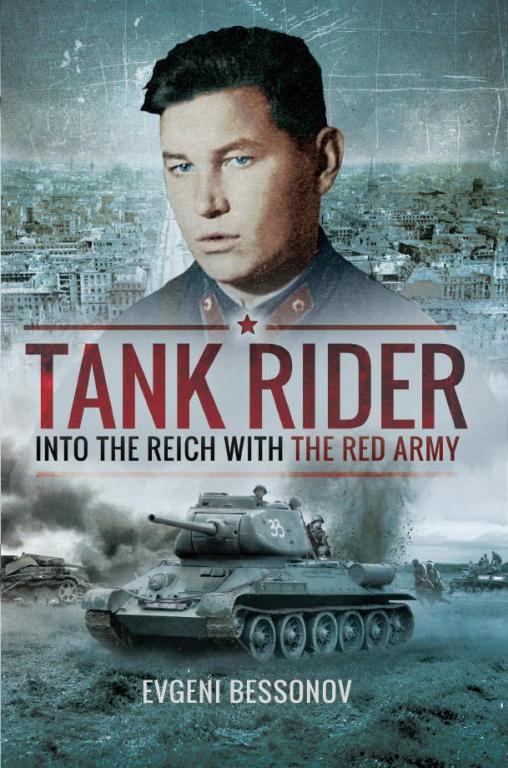
Honest and irrepressibly frank, these are the dramatic memoirs of a Russian officer on the Eastern Front, where he played his part in a clash of titans and witnessed the shuddering collapse of the Third Reich.
The cataclysmic battle of Kursk in 1943 put an end to Hitler’s hopes of victory on the Eastern Front, and it was Evgeni Bessonov’s first battle. From then on the Germans were forced into a long, bitter retreat that ended in the ruins of Berlin in 1945. An officer in an elite guards unit of the Red Army, Bessonov rode tanks from Kursk, through a western Russia and Poland devastated by the Germans, and right into the heart of Nazi Germany.
Tank Rider is the riveting memoir of Evgeni Bessonov telling of his years of service at the vanguard of the Red Army and daily encounters with the German foe. He brings large-scale battles to life, recounts the sniping and skirmishing that tried and tested soldiers on both sides, and narrates the overwhelming tragedy and horror of apocalyptic warfare on the Eastern Front.
So much of the Soviet experience of World War II remains untold, but this memoir provides an important glimpse into some of the most decisive moments of this overlooked history.
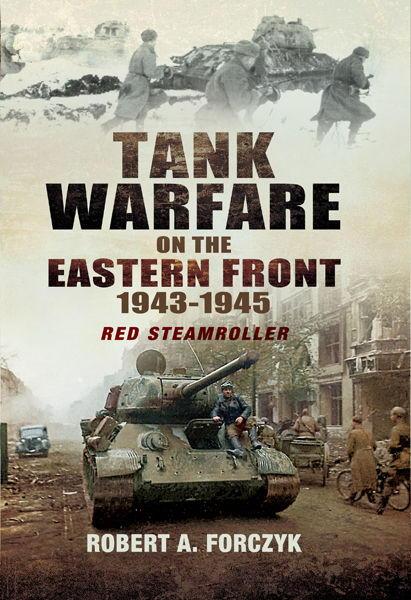
By 1943, after the catastrophic German defeat at Stalingrad, the Wehmacht’s panzer armies gradually lost the initiative on the Eastern Front. The tide of the war had turned. Their combined arms technique, which had swept Soviet forces before it during 1941 and 1942, had lost its edge.
Thereafter the war on the Eastern Front was dominated by tank-led offensives and, as Robert Forczyk shows, the Red Army’s mechanized forces gained the upper hand, delivering a sequence of powerful blows that shattered one German defensive line after another.
His incisive study offers fresh insight into how the two most powerful mechanized armies of the Second World War developed their tank tactics and weaponry during this period of growing Soviet dominance. He uses German, Russian and English sources to provide the first comprehensive overview and analysis of armored warfare from the German and Soviet perspectives. This major study of the greatest tank war in history is compelling reading.
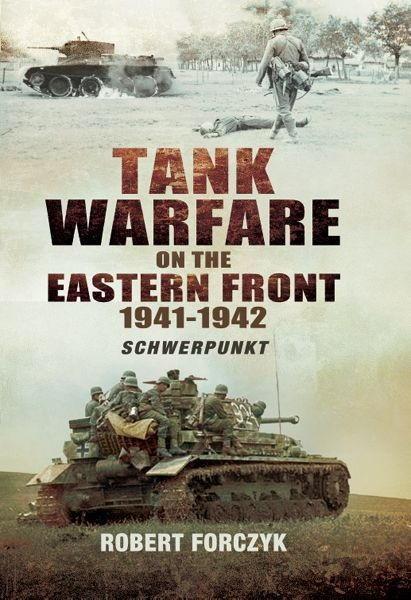
The German panzer armies that swept into the Soviet Union in 1941 were an undefeated force that had honed their skill in combined arms warfare to a fine edge. The Germans focused their panzers and tactical air support at points on the battlefield defined as Schwerpunkt – main effort – to smash through any defensive line and then advance to envelope their adversaries. Initially, these methods worked well in the early days of Operation Barbarossa and the tank forces of the Red Army suffered defeat after defeat.
Although badly mauled in the opening battles, the Red Army’s tank forces did not succumb to the German armoured onslaught and German planning and logistical deficiencies led to over-extension and failure in 1941. In the second year of the invasion, the Germans directed their Schwerpunkt toward the Volga and the Caucasus and again achieved some degree of success, but the Red Army had grown much stronger and by November 1942, the Soviets were able to turn the tables at Stalingrad.
Robert Forczyk’s incisive study offers fresh insight into how the two most powerful mechanized armies of the Second World War developed their tactics and weaponry during the critical early years of the Russo-German War. He uses German, Russian and English sources to provide the first comprehensive overview and analysis of armored warfare from the German and Soviet perspectives. His analysis of the greatest tank war in history is compelling reading.
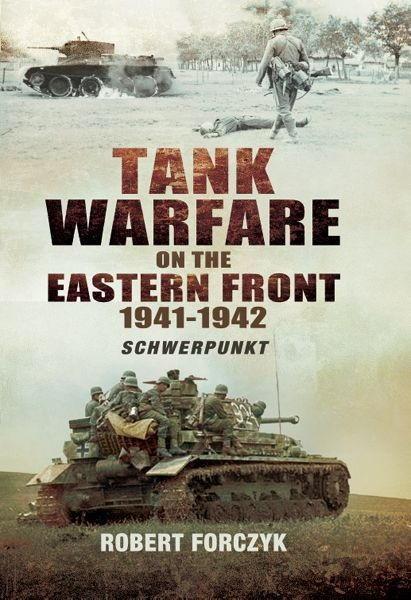
The German panzer armies that swept into the Soviet Union in 1941 were an undefeated force that had honed their skill in combined arms warfare to a fine edge. The Germans focused their panzers and tactical air support at points on the battlefield defined as Schwerpunkt – main effort – to smash through any defensive line and then advance to envelope their adversaries. Initially, these methods worked well in the early days of Operation Barbarossa and the tank forces of the Red Army suffered defeat after defeat.
Although badly mauled in the opening battles, the Red Army’s tank forces did not succumb to the German armoured onslaught and German planning and logistical deficiencies led to over-extension and failure in 1941. In the second year of the invasion, the Germans directed their Schwerpunkt toward the Volga and the Caucasus and again achieved some degree of success, but the Red Army had grown much stronger and by November 1942, the Soviets were able to turn the tables at Stalingrad.
Robert Forczyk’s incisive study offers fresh insight into how the two most powerful mechanized armies of the Second World War developed their tactics and weaponry during the critical early years of the Russo-German War. He uses German, Russian and English sources to provide the first comprehensive overview and analysis of armored warfare from the German and Soviet perspectives. His analysis of the greatest tank war in history is compelling reading.
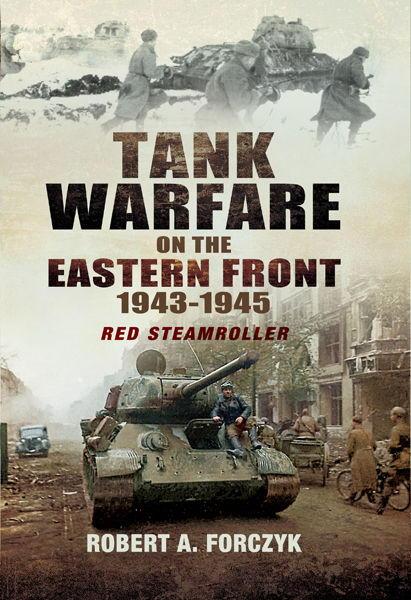
By 1943, after the catastrophic German defeat at Stalingrad, the Wehmacht’s panzer armies gradually lost the initiative on the Eastern Front. The tide of the war had turned. Their combined arms technique, which had swept Soviet forces before it during 1941 and 1942, had lost its edge.
Thereafter the war on the Eastern Front was dominated by tank-led offensives and, as Robert Forczyk shows, the Red Army’s mechanized forces gained the upper hand, delivering a sequence of powerful blows that shattered one German defensive line after another.
His incisive study offers fresh insight into how the two most powerful mechanized armies of the Second World War developed their tank tactics and weaponry during this period of growing Soviet dominance. He uses German, Russian and English sources to provide the first comprehensive overview and analysis of armored warfare from the German and Soviet perspectives. This major study of the greatest tank war in history is compelling reading.
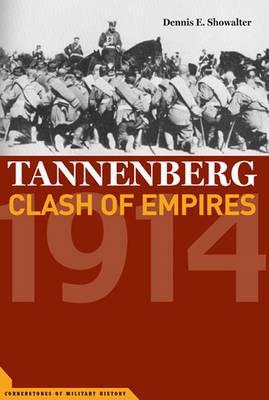
The battle of Tannenberg (August 27–30, 1914) opened World War I with a decisive German victory over Russia—indeed the Kaiser’s only clear-cut victory in a non-attritional battle during four years of war. In this first paperback edition of the classic work, historian Dennis Showalter analyzes this battle’s causes, effects, and implications for subsequent German military policy. The author carefully guides the reader through what actually happened on the battlefield, from its grand strategy down to the level of improvised squad actions. Examining the battle in the context of contemporary diplomatic, political, and economic affairs, Showalter also reviews both armies’ social settings and military doctrine, and shows how the battle may be understood as a case study of problems that military organizations face in the initial stages of a major war. In addition, he demolishes many myths about the battle, such as the supposed superiority of the German military, the animosity among Russian field commanders, and the assumption that the Germans viewed their opponents as a horde of uniformed illiterates.
Tannenberg’s mystique later served the Weimar Republic and Third Reich propagandists. For years its legends helped to shape German nationalist ideology and military policy. In 1941, Hitler’s Wehrmacht grossly underestimated Soviet military capability, leading to disaster in World War II.
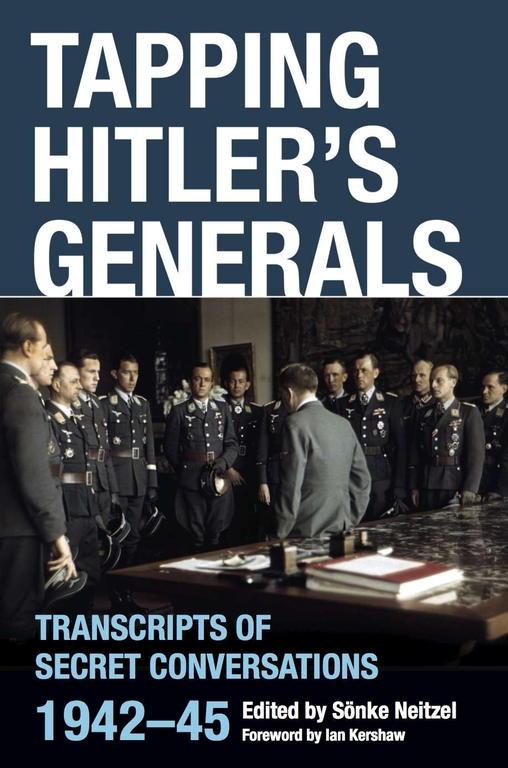
Between 1939 and 1942, a division of the British Directorate of Military Intelligence created a number of PoW interrogation camps in and around London. Sophisticated tapping equipment was installed and secret gramophone recording were made of private conversations between senior German staff officers.
In this extraordinary work Professor Neitzel examines these transcripts in depth for the first time. His findings are truly revealing and address important questions regarding the officers’ attitudes towards the German leadership and Nazi policies: How did the German generals judge the overall war situation? From what date did they consider it lost? How did they react to the attempt on Hitler’s life in July 1944? What knowledge did they have of the atrocities?
By turns insightful and horrifying, this unprecedented research is a must for any serious scholar of the period and anyone interested in exploring the truth behind the image of an ‘unblemished Wehrmact’.
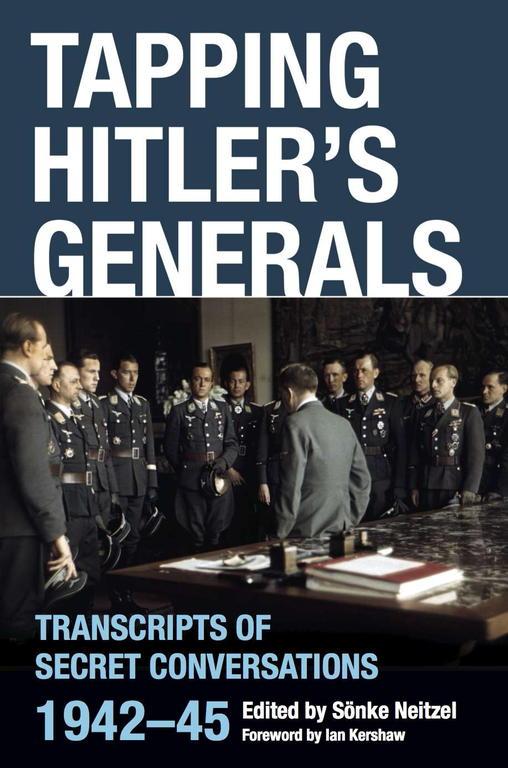
Between 1939 and 1942, a division of the British Directorate of Military Intelligence created a number of PoW interrogation camps in and around London. Sophisticated tapping equipment was installed and secret gramophone recording were made of private conversations between senior German staff officers.
In this extraordinary work Professor Neitzel examines these transcripts in depth for the first time. His findings are truly revealing and address important questions regarding the officers’ attitudes towards the German leadership and Nazi policies: How did the German generals judge the overall war situation? From what date did they consider it lost? How did they react to the attempt on Hitler’s life in July 1944? What knowledge did they have of the atrocities?
By turns insightful and horrifying, this unprecedented research is a must for any serious scholar of the period and anyone interested in exploring the truth behind the image of an ‘unblemished Wehrmact’.
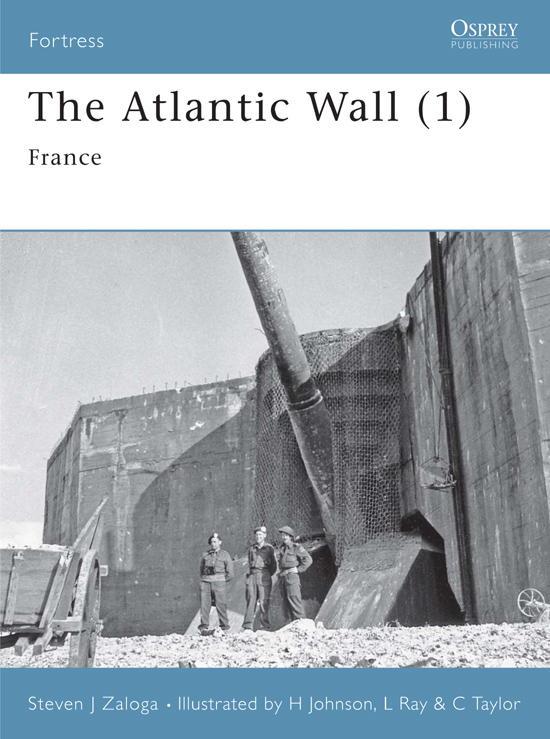
In 1942, with Germany’s gradual loss of the strategic initiative to the Allies, Hitler was forced to construct an impenetrable wall of fortifications along the Atlantic and Mediterranean coast. However, Hitler’s grandiose Atlantic wall scheme was hampered by the realities of Germany’s wartime economy. Without the resources and manpower to fortify the entire coast, the emphasis was placed on the great festung ports, the likely location of an Allied amphibious landing.
This first volume in a series of three deals solely with the structures on the French Atlantic coast starting with the Pas de Calais and extending down to Spain. Featuring detailed illustrations and diagrams of the various sections of the Atlantic Wall and the role that they played, it gives an insightful analysis into some of the most accessible fortifications of World War II.
[This book contain the tables.]
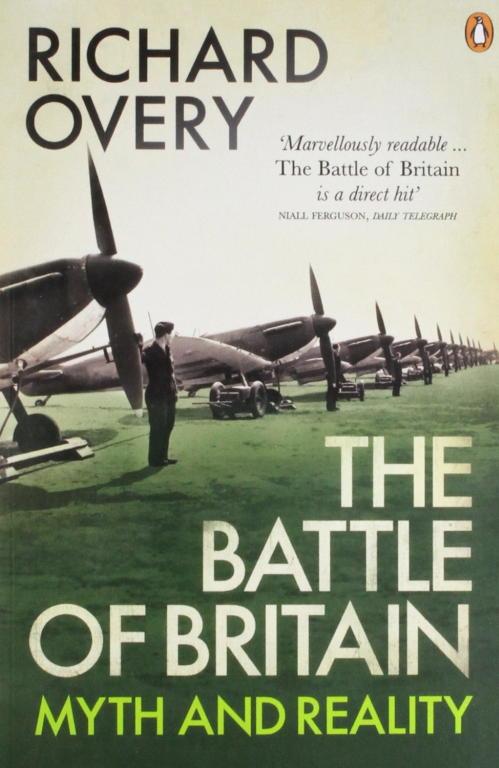
Tells the story of one of the pivotal events of the WWII – the struggle between British and German air forces in the late summer and autumn of 1940. This book answers such questions as: how close did Britain really come to invasion; what were Hitler and Churchill’s motives; and, what was the battle’s real effect on the outcome of the war.
[Contain tables!]
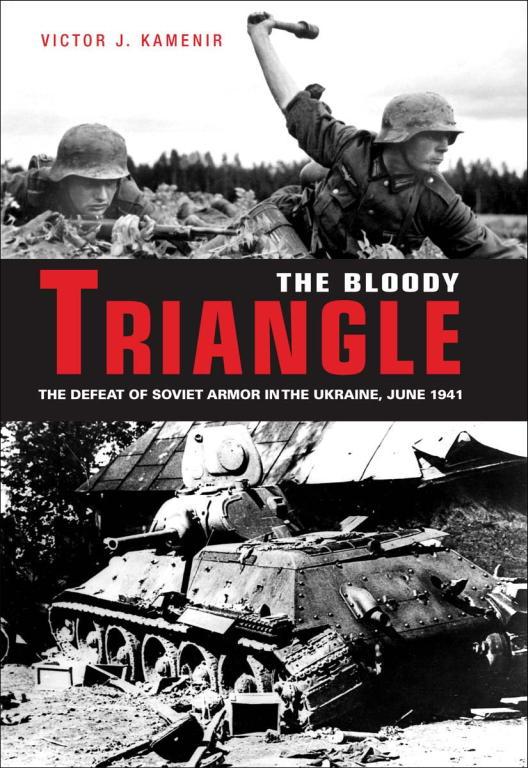
It was a tank battle exceeded in size and significance only by the famous defeat of Germany’s Panzer force near Kursk in 1943. And yet, little is known about this weeklong clash of more than two thousand Soviet and German tanks in a stretch of northwestern Ukraine that came to be known as the “bloody triangle.”
This book offers the first in-depth account of this critical battle, which began on 24 June 1941, just two days into Operation Barbarossa, Hitler’s invasion of the Soviet Union.
Author Victor Kamenir describes the forces arrayed against each other across that eighteen-hundred-square-mile-triangle in northwestern Ukraine. Providing detailed orders of battle for both Wehrmacht and Red Army Forces and contrasting the strengths and weaknesses of the Soviet and German tanks, he shows how the Germans slowly and decisively overwhelmed the Russians, apparently opening the way to Moscow and the ultimate defeat of the Soviet Union.
And yet, as Kamenir’s account makes clear, even at this early stage of the Russo-German war the Soviets were able to slow down and even halt the Nazi juggernaut. Finally, the handful of days gained by the Red Army did prove to have been decisive when the Wehrmacht attack stalled at the gates of Moscow in the dead of winter, foreshadowing the end for the Germans.
Midwest Book Review
“During the summer of 1941, a marshy area of the Ukraine witnessed a battle between over 2,000 tanks in a pivotal, early armor clash of World War II. Victor Kamenir details the little known battle between Soviet and German forces that was a harbinger of things to come on the Eastern Front… Told largely in the words of the men who were there, this informative history shed new light on how the Soviet tank units melted away under the merciless onslaught of their determined and well equipped adversary. From the early planning stages, when German intelligence realized the Soviet command structure would more than likely be slow to respond to a rapidly changing tactical situation, to the final unsuccessful counteroffensive by the Russians, this book offers a complete picture of the entire event. Kamenir’s insightful analysis also compares and contrasts the strengths and weaknesses of the equipment utilized by both sides in the struggle.”
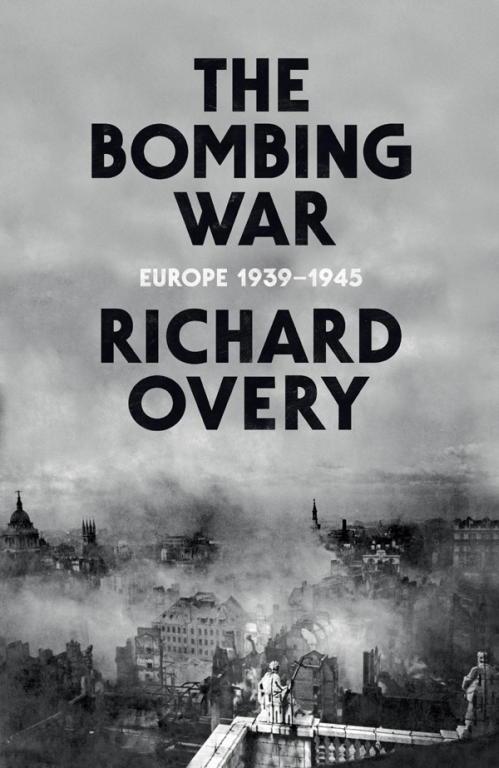
The ultimate history of the Blitz and bombing in the Second World War, from Wolfson Prize-winning historian and author Richard Overy
The use of massive fleets of bombers to kill and terrorize civilians was an aspect of the Second World War which continues to challenge the idea that Allies specifically fought a ‘moral’ war. For Britain, bombing became perhaps its principal contribution to the fighting as, night after night, exceptionally brave men flew over occupied Europe destroying its cities.
The Bombing War radically overhauls our understanding of the War. It is the first book to examine seriously not just the most well-known parts of the campaign, but the significance of bombing on many other fronts – the German use of bombers on the Eastern Front for example (as well as much newly discovered material on the more familiar ‘Blitz’ on Britain), or the Allied campaigns against Italian cities.
The result is the author’s masterpiece – a rich, gripping, picture of the Second World War and the terrible military, technological and ethical issues that relentlessly drove all its participants into an abyss.
[Contain tables. Best viewed with CoolReader.]
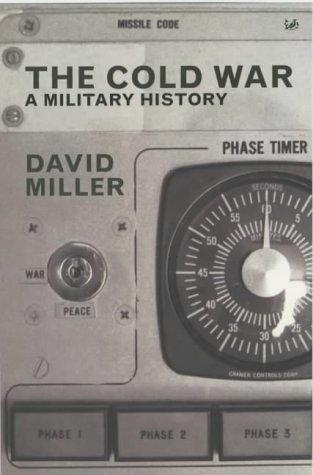
From 1949 to 1991 the world was overshadowed by the Cold War. Repeatedly it seemed that in days, even hours, global nuclear conflict would sweep away much of the United States, the Soviet Union and Europe. They would be obliterated in what President Carter described as ‘one long, final and very bleak afternoon’. When the Cold War ended, the Warsaw Pact was wound up and the vast military forces which had flourished for over forty years were disbanded. As with all wars, however, it was only then that the realities of what had been involved began to emerge; indeed, much has remained hidden until now.
In The Cold War, David Miller discloses not only the vast scope of the military resources involved, but also how nearly threat came to terrible reality. Most chillingly of all, he reveals that while the menace of nuclear war predominated, it was actually little understood even by the experts. The book examines each military area in turn, covering the formation of the two great alliances, and the strategies and major weapons in the rival navies, armies and air forces. That the Cold War ended without a conflict was due to professionalism on both sides. The result, Miller suggests, would have impressed the Chinese military strategist, Sun Tsu, who, writing in the fifth century BC, said that ‘to subdue the enemy without fighting is the acme of skill’.
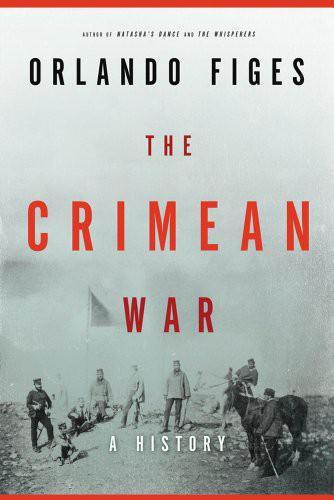
From “the great storyteller of modern Russian historians,” (Financial Times) the definitive account of the forgotten war that shaped the modern age
The Charge of the Light Brigade, Florence Nightingale—these are the enduring icons of the Crimean War. Less well-known is that this savage war (1853–1856) killed almost a million soldiers and countless civilians; that it enmeshed four great empires—the British, French, Turkish, and Russian—in a battle over religion as well as territory; that it fixed the fault lines between Russia and the West; that it set in motion the conflicts that would dominate the century to come.
In this masterly history, Orlando Figes reconstructs the first full conflagration of modernity, a global industrialized struggle fought with unusual ferocity and incompetence. Drawing on untapped Russian and Ottoman as well as European sources, Figes vividly depicts the world at war, from the palaces of St. Petersburg to the holy sites of Jerusalem; from the young Tolstoy reporting in Sevastopol to Tsar Nicolas, haunted by dreams of religious salvation; from the ordinary soldiers and nurses on the battlefields to the women and children in towns under siege.
Original, magisterial, alive with voices of the time, The Crimean War is a historical tour de force whose depiction of ethnic cleansing and the West’s relations with the Muslim world resonates with contemporary overtones. At once a rigorous, original study and a sweeping, panoramic narrative, The Crimean War is the definitive account of the war that mapped the terrain for today’s world.
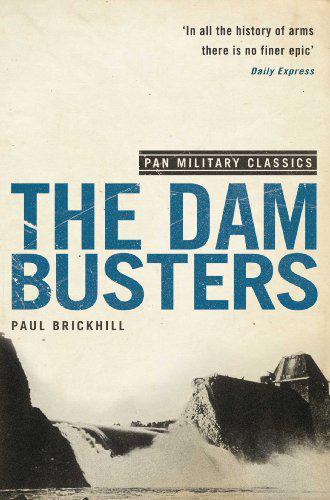
On 17th May 1943 nearly 350 million tonnes of water crashed into the valleys of the Ruhr, when the Lancasters of 617 Squadron breached the giant Moehne and Eder Dams with colossal ‘blockbuster’ bombs. “The Dam Busters” is the story of that raid and the squadron who carried it through. It tells how they took out the V3 rocket weapon and destroyed the “Tirpitz” in a Norwegian fjord. Again and again, the crews of 617 Squadron Bomber Command used their flying skills, their tremendous courage and Barnes Wallis’ highly accurate bombs to deal devastating blows to Nazi Germany. This story is one of the classics of the Second World War, a massive bestseller that became a film.
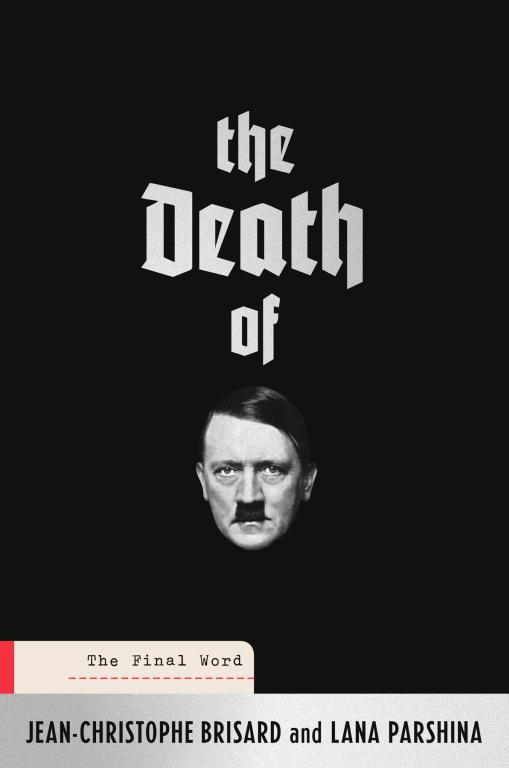
On April 30, 1945, Hitler committed suicide in his bunker as the Red Army closed in on Berlin. Within four days the Soviets had recovered his body. But the truth about what the Russian secret services found was hidden from history, when, three months later, Stalin officially declared to Truman and Churchill that Hitler was still alive and had escaped abroad. Reckless rumors about what really happened to Hitler began to spread like wildfire and, even today, they have not been put to rest. Until now.
In 2017, after two years of painstaking negotiations with the Russian authorities, award-winning investigative journalists Jean-Christophe Brisard and Lana Parshina gained access to confidential Soviet files that finally revealed the truth behind the incredible hunt for Hitler’s body.
Their investigation includes new eyewitness accounts of Hitler’s final days, exclusive photographic evidence and interrogation records, and exhaustive research into the power struggle that ensued between Soviet, British, and American intelligence services. And for the first time since the end of World War II, official, cutting-edge forensic tests have been completed on the human remains recovered from the bunker graves--a piece of skull with traces of a lethal bullet, a fragment of bone, and teeth.
In The Death of Hitler—written as thrillingly as any spy novel—Brisard and Parshina debunk all previous conspiracy theories about the death of the Führer. With breathtaking precision and immediacy they penetrate one of the most powerful and controversial secret services to take readers inside Hitler’s bunker in its last hours—and solve the most notorious cold case in history.
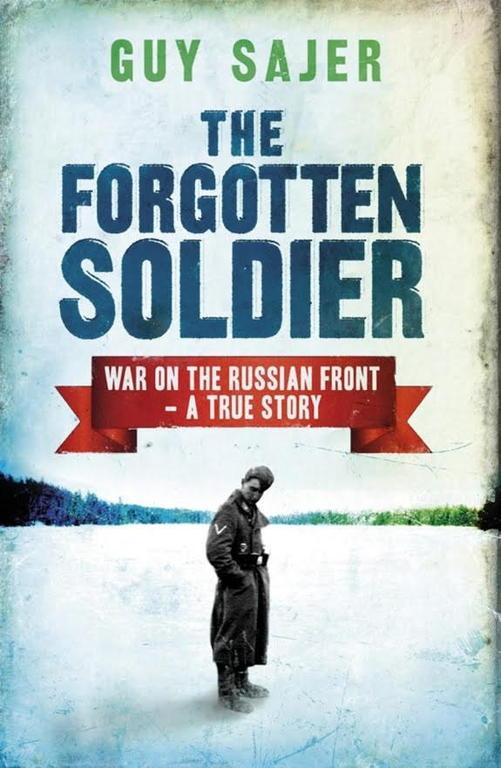
An international bestseller, this is a German soldier’s first-hand account of life on Russian front during the second half of the Second World War.
When Guy Sajer joins the infantry full of ideals in the summer of 1942, the German army is enjoying unparalleled success in Russia. However, he quickly finds that for the foot soldier the glory of military success hides a much harsher reality of hunger, fatigue and constant deprivation. Posted to the crack Gross Deutschland division, with its sadistic instructors who shoot down those who fail to make the grade, he enters a violent and remorseless world where all youthful hope is gradually ground down, and all that matters is the brute will to survive. As the biting cold of the Russian winter sets in, and the tide begins to turn against the Germans, life becomes an endless round of pounding artillery attacks and vicious combat against a relentless and merciless Red Army.
A book of stunning force, this is an unforgettable reminder of the horrors of war.
This book was first published in France under the title Le Soldat oublié.
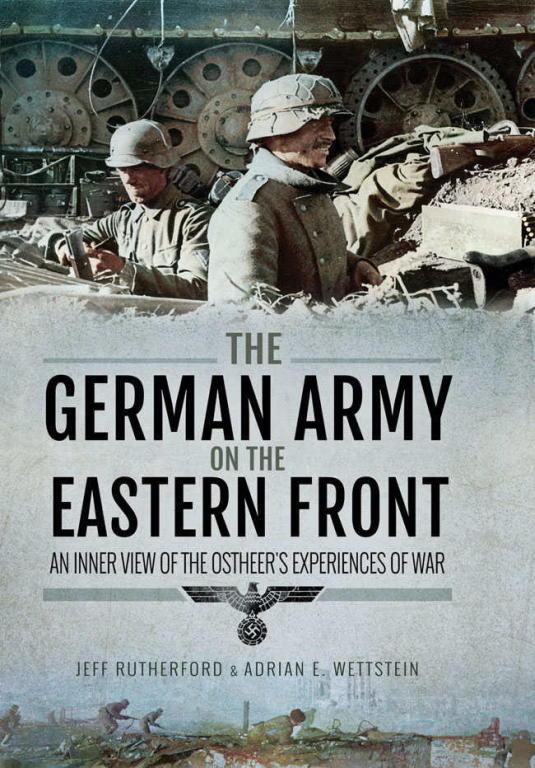
Histories of the German army on the Eastern Front generally focus on battlefield exploits on the war as it was fought in the front line. They tend to neglect other aspects of the army’s experience, particularly its participation in the racial war demanded by the leadership of the Reich. This ground-breaking book aims to correct this incomplete, often misleading picture. Using a selection of revealing extracts from a wide range of wartime documents, it looks at the totality of the Wehrmacht’s war in the East.
The documents have previously been unpublished or have never been translated into English, and they offer a fascinating inside view of the army’s actions and attitudes. Combat is covered, and complicity in Hitlers war of annihilation against the Soviet Union. There are sections on the conduct of the war in the rear areas logistics, medical, judicial and the army’s tactics, motivation and leadership. The entire text is informed by the latest research into the reality of the conflict as it was perceived and understood by those who took part.
[Contains tables.]