 fb2
fb2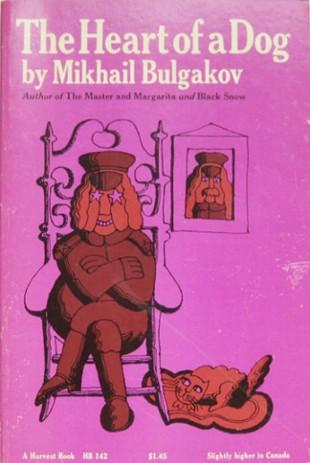
This hilarious, brilliantly inventive novel by the author of The Master and Margarita tells the story of a scroungy Moscow mongrel named Sharik. Thanks to the skills of a renowned Soviet scientist and the transplanted pituitary gland and testes of a petty criminal, Sharik is transformed into a lecherous, vulgar man who spouts Engels and inevitably finds his niche in the bureaucracy as the government official in charge of purging the city of cats.


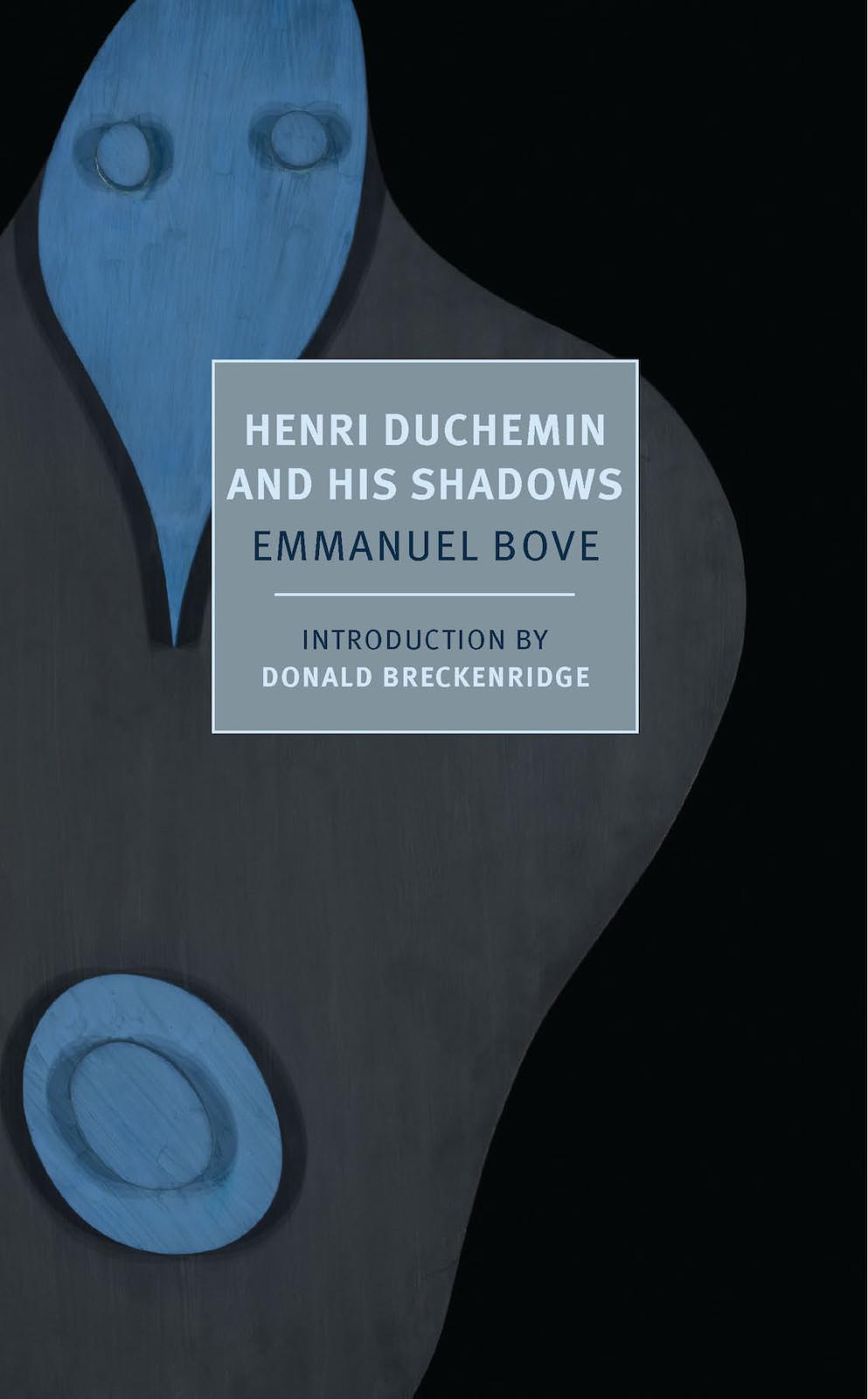
Emmanuel Bove was one of the most original writers to come out of twentieth-century France and a popular success in his day. Discovered by Colette, who arranged for the publication of his first novel, My Friends, Bove enjoyed a busy literary career, until the German occupation silenced him. During his lifetime, Bove’s novels and stories were admired by Rainer Maria Rilke, the surrealists, Albert Camus, and Samuel Beckett, who said of him that “more than anyone else he has an instinct for the essential detail.”
Henry Duchemin and His Shadows is the perfect introduction to Bove’s world, with its cast of stubborn isolatoes who call to mind Herman Melville’s Bartleby, Robert Walser’s “little men,” and Jean Rhys’s lost women. The poet of the flophouse and the dive, the park bench and the pigeon’s crumb, Bove is also a deeply empathetic writer for whom no defeat is so great as to silence desire.
Рассказ вошёл в сборники:
I Sing the Body Electric (Электрическое тело пою)
Bradbury Stories: 100 of His Most Celebrated Tales (Сборник ста лучших рассказов)
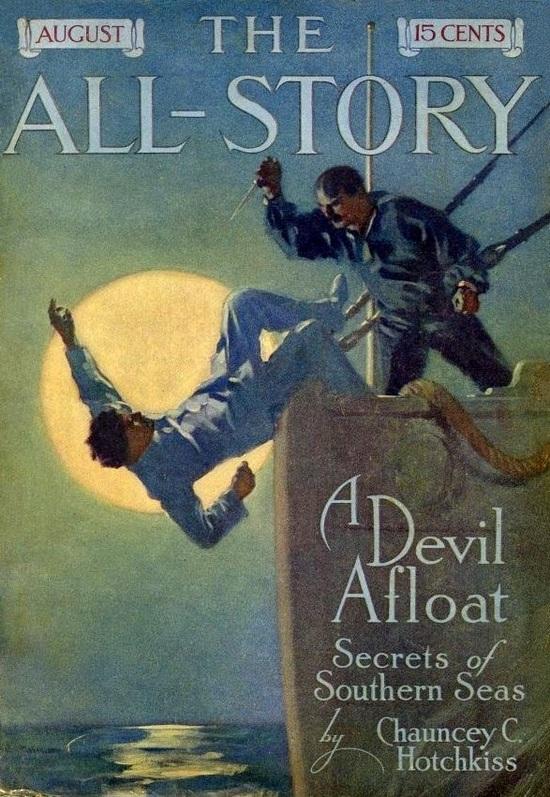
A crime story about counterfeiting with no continuing characters, set in New York City.
Serialized in The All-Story, August — December 1913



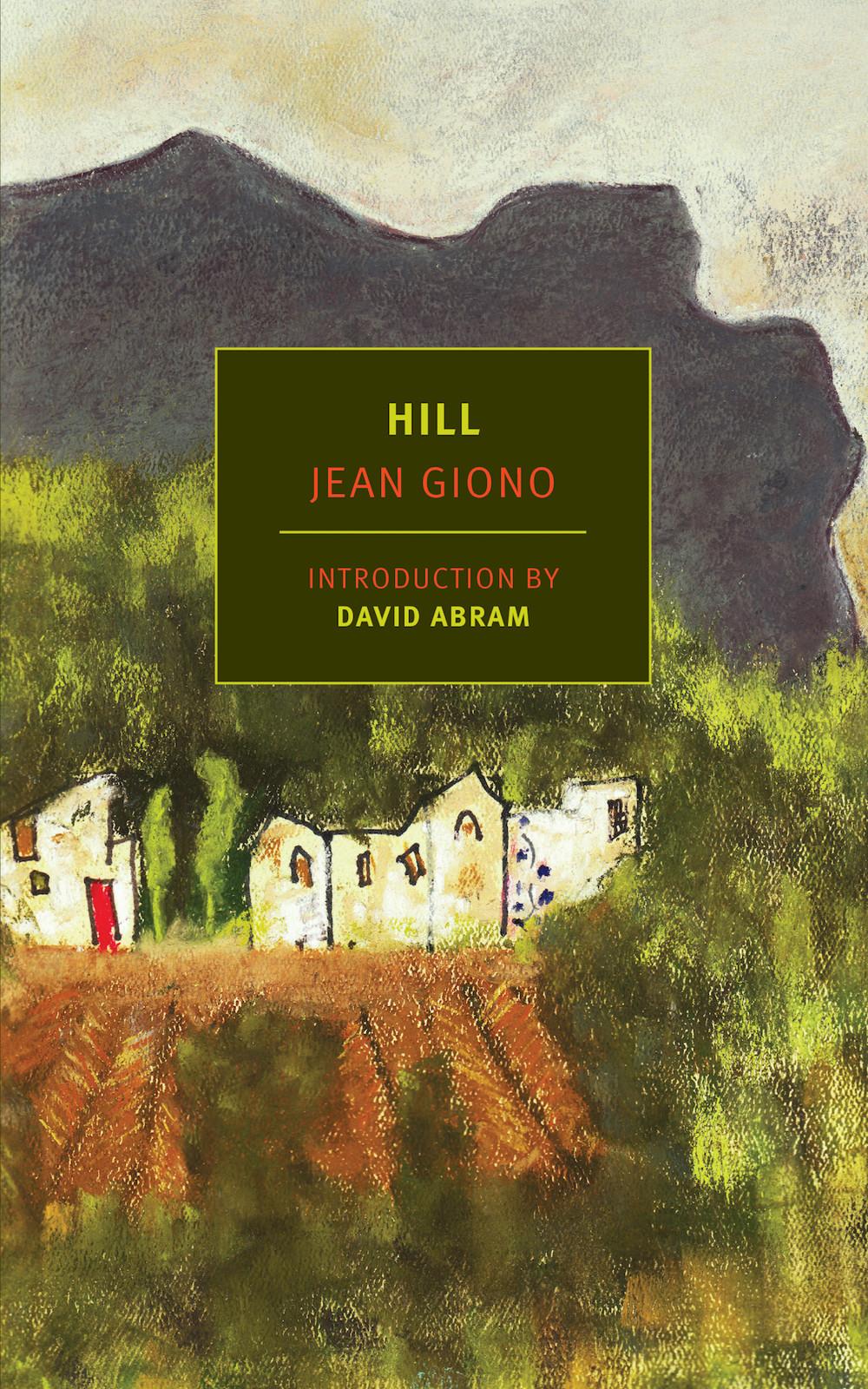
Deep in Provence, a century ago, four stone houses perch on a hillside. Wildness presses in from all sides. Beyond a patchwork of fields, a mass of green threatens to overwhelm the village. The animal world — a miming cat, a malevolent boar — displays a mind of its own.
The four houses have a dozen residents — and then there is Gagou, a mute drifter. Janet, the eldest of the men, is bedridden; he feels snakes writhing in his fingers and speaks in tongues. Even so, all is well until the village fountain suddenly stops running. From this point on, humans and the natural world are locked in a life-and-death struggle. All the elements — fire, water, earth, and air — come into play.
From an early age, Jean Giono roamed the hills of his native Provence. He absorbed oral traditions and, at the same time, devoured the Greek and Roman classics. Hill, his first novel and the first winner of the Prix Brentano, comes fully back to life in Paul Eprile’s poetic translation.

Savinien de CYRANO DE BERGERAC (1619-1655), inmortalizado por la tragicomedia de Edmond Rostand, fue un personaje real, un escritor barroco francés que en su juventud ingresó en el ejército, donde dejó fama de fanfarrón, espadachín y pendenciero. Una grave herida le animó a abandonar el servicio de las armas. Se dedicó después a la literatura. Su fantasía desbordada y su viva inteligencia se plasmaron en obras como este VIAJE A LA LUNA, considerado por algunos como un precedente de los relatos de ciencia ficción, aunque ante todo constituye una audaz exposición de teorías personales sobre muy diversas materias, aderezada con abundantes toques de humor y crítica social.
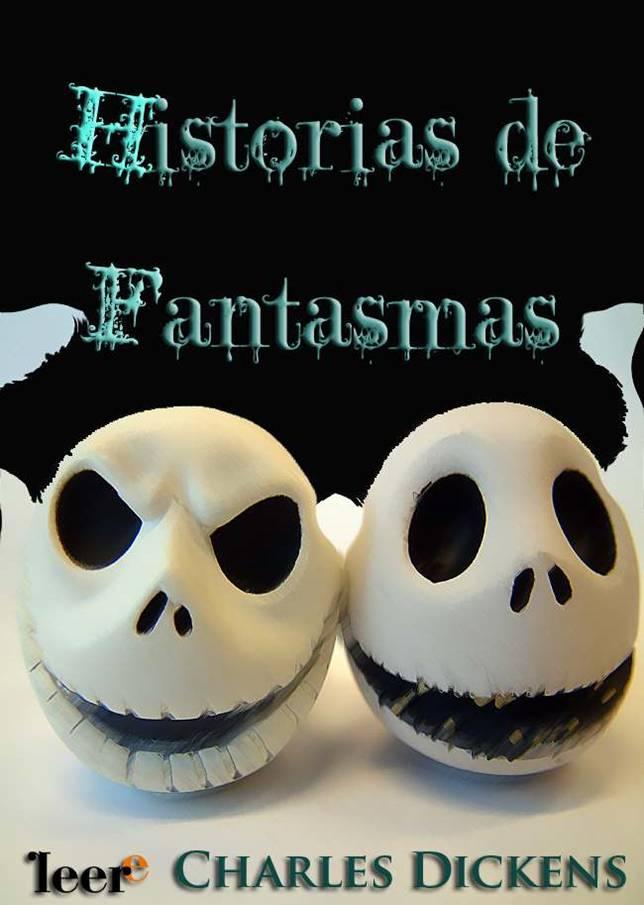
Doce relatos fantasmales: Historia de un loco. La historia de un viajante de comercio. La historia de los duendes que secuestraron a un enterrador. La historia del tío del viajante. El barón de Grozwich. Una confesión encontrada en la prisión de la época de Calos II. Para leer al atardecer. Juicio por asesinato. Fantasmas por Navidad. La novia del ahorcado. La visita del señor testador. La casa hechizada.