 fb2
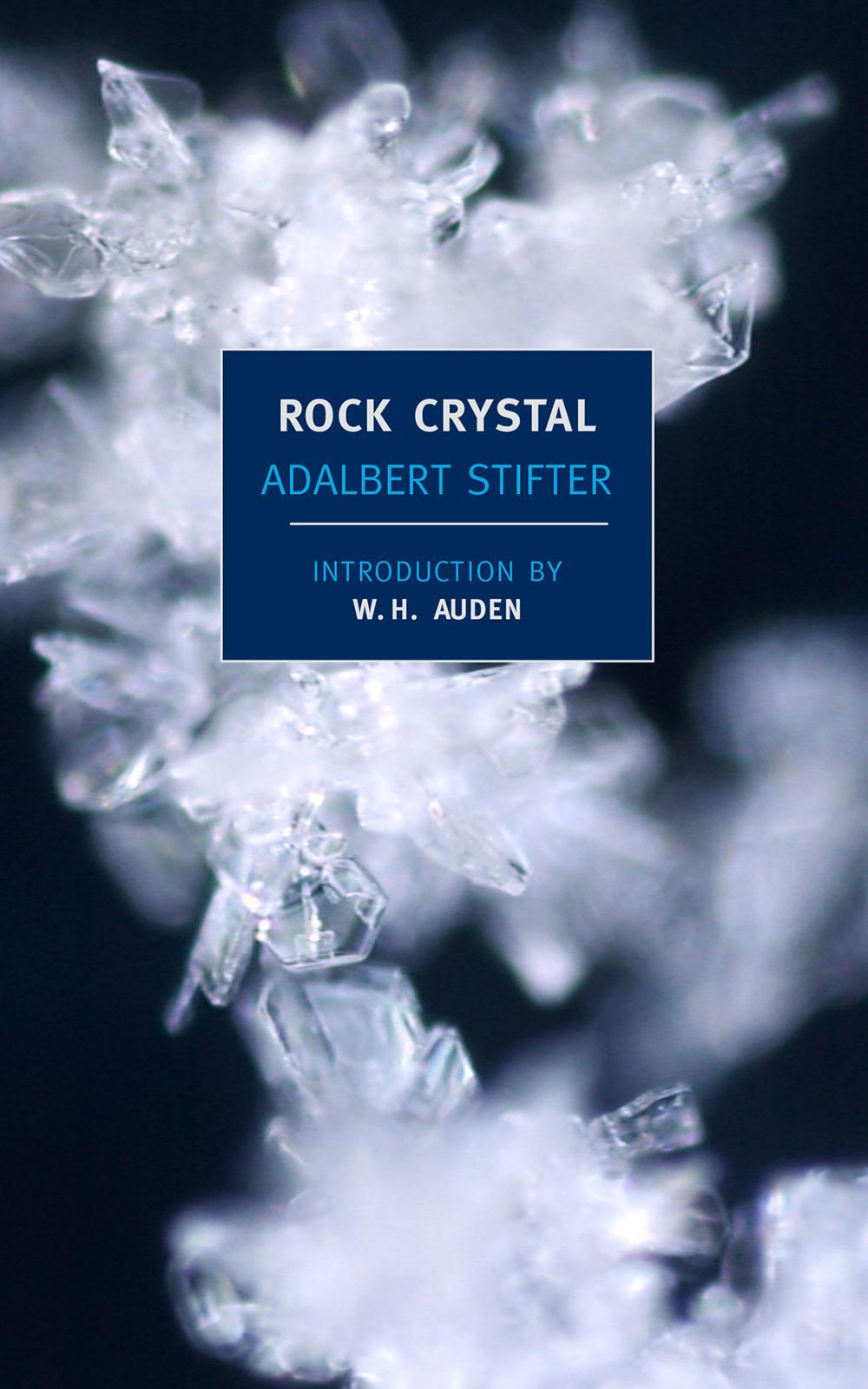
fb2Seemingly the simplest of stories — a passing anecdote of village life — Rock Crystal opens up into a tale of almost unendurable suspense. This jewel-like novella by the writer that Thomas Mann praised as "one of the most extraordinary, the most enigmatic, the most secretly daring and the most strangely gripping narrators in world literature" is among the most unusual, moving, and memorable of Christmas stories. Two children — Conrad and his little sister, Sanna — set out from their village high up in the Alps to visit their grandparents in the neighboring valley. It is the day before Christmas but the weather is mild, though of course night falls early in December and the children are warned not to linger. The grandparents welcome the children with presents and pack them off with kisses. Then snow begins to fall, ever more thickly and steadily. Undaunted, the children press on, only to take a wrong turn. The snow rises higher and higher, time passes: it is deep night when the sky clears and Conrad and Sanna discover themselves out on a glacier, terrifying and beautiful, the heart of the void. Adalbert Stifter's rapt and enigmatic tale, beautifully translated by Elizabeth Mayer and Marianne Moore, explores what can be found between Christmas Eve and Christmas Day — or on any night of the year.

Emīls Zolā
Roma
Romāns 2. Izdevums
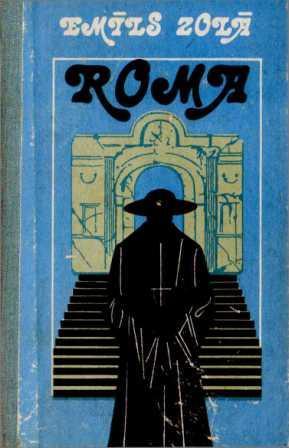
Triloģijas otrajā daļā, romānā «Roma», E. Zolā allēlo abata Pjēra Fromāna tālākās gaitas, parāda, kā jaunais garīdznieks, uzturoties mūžīgajā pilsētā Romā, aizstāv pie pāvesta savu grāmatu, kā pa grūtu maldu un vilšanos ceļu beidzot nonāk pie patiesās atziņas. Rakstnieks plaši tēlo arī tā laika Romas sabiedrību — aristokrātus un garīdzniecību —, ka arī antīko Romu ar tās slavas apvītajiem pieminekļiem.
Émile Zola Rome
Paris, Bibliothиque-Charpentier G. Charpentier et E. Fasquelle, йditeurs 1396
No franču valodas tulkojusi Milda Kazimira
Noskanējis grāmatu un failu izveidojis Imants Ločmelis imantslochmelis@inbox.lv
Mākslinieks Māris Ozoliņš Noformējums, «Zvaigzne», 1987

Dans cette nouvelle – tout à fait mineure dans l'oeuvre de l'auteur, et même d'une qualité assez «moyenne»… – deux joueurs de cartes s'unissent pour extorquer de l'argent à un jeune homme riche, Eugène. Le premier, Pierre Ivanovitch, a emprunté trois cent cinquante roubles au second pour monter cette supercherie et il évite de le rencontrer. Le second lui écrit de longues lettres en l'accusant de mauvaise foi. Enfin, complètement brouillés, chacun d'eux envoie à l'autre un billet doux écrit par la femme de l'autre…
Three Kingdoms is a classic historical novel. It was also the first Chinese novel with each chapter headed by a couplet giving the gist of the content. It describes the power struggles among the kingdoms of Wei, Shu and Wu, headed by Cao Cao, Liu Bei and Sun Quan, respectively, in the period known to Chinese history as that of the Three Kingdoms (220 – 280). It highlights the sharp and complicated political and military conflicts of that time, and had a far-reaching influence on the political and military strategies of later ages. The novel vividly portrays the individuality of the historical characters, including Cao Cao, Liu Bei, Guan Yu and Zhang Fei. Besides being a work of epic grandeur, its literary merit has had a great impact on China 's literature and art, and social life as well.
Three Kingdoms was first published in the period which saw the demise of the Yuan Dynasty and the rise of the Ming Dynasty. Many stories about the three kingdoms had circulated among the people before the appearance of the book. Many editions of Three Kingdoms have appeared, and the novel has been translated into foreign languages since the end of the 17th century. This English edition, by US sinologist Moss Roberts, is based on the Mao Zonggang edition published during the reign of Emperor Kangxi of the Qing Dynasty (1644 – 1911).
Three Kingdoms is a classic historical novel. It was also the first Chinese novel with each chapter headed by a couplet giving the gist of the content. It describes the power struggles among the kingdoms of Wei, Shu and Wu, headed by Cao Cao, Liu Bei and Sun Quan, respectively, in the period known to Chinese history as that of the Three Kingdoms (220 – 280). It highlights the sharp and complicated political and military conflicts of that time, and had a far-reaching influence on the political and military strategies of later ages. The novel vividly portrays the individuality of the historical characters, including Cao Cao, Liu Bei, Guan Yu and Zhang Fei. Besides being a work of epic grandeur, its literary merit has had a great impact on China 's literature and art, and social life as well.
Three Kingdoms was first published in the period which saw the demise of the Yuan Dynasty and the rise of the Ming Dynasty. Many stories about the three kingdoms had circulated among the people before the appearance of the book. Many editions of Three Kingdoms have appeared, and the novel has been translated into foreign languages since the end of the 17th century. This English edition, by US sinologist Moss Roberts, is based on the Mao Zonggang edition published during the reign of Emperor Kangxi of the Qing Dynasty (1644 – 1911).
Fjodors Dostojevskis
Romāns deviņās vēstulēs
Stāsta kompozīcija balstās uz to, ka divi blēži raksta viens otram vēstules. Pjotrs Ivanovičs savās vēstulēs ir pieklājīgs, ceremoniāls, delikāts, bet Ivans petrovičs visai rupjš, tomēr centienos vienam otru apkrāpt un piemānīt abi korespondenti ir līdzvērtīgi. Beigās abi neparastā veidā izrādās piemānīti...
Dostojevskis 1845. gada 16. novembra vēstulē brālim rakstīja: «Tā nu es nesen, būdams pilnīgi bez naudas, iegriezos pie Ņekrasova. Sēžot pie viņa, man prātā ienāca romāna ideja, ko varētu ietvert deviņās vēstulēs. Pārgājis mājās, es šo romānu uzrakstīju vienā naktī… No rīta aiznesu Ņekrasovam… Vakarā pie Turgeņeva mans romāns tika lasīts visā mūsu pulciņā, tas ir, vismaz kādiem divdesmit cilvēkiem, un sacēla furoru … Beļinskis sacīja, ka tagad viņš esot pilnīgi pārliecināts par manām spējām, jo es varot ķerties pie visdažādākajām tēmām.»
Kopoti raksti 10 sējumos I sējums Romāni un stāsti 1846-1848
Izdevniecība'-Liesma Rīga 1973
К1 Ф. М. Достоевский
0о835 собрание сочинений
в десяти томах Том первый Романы, повеем и и рассказы 1816—1818 Государственное издательство художественной литерагуры Москва 1956
Издательство «Лиесма» Рига 1973 На латышском языке Перевод с русского О. Брнкшкиса, А. Кенння, А. Элксне Художник К. Голдманис
No krievu valodas tulkojuši Oto Brikšķis, Arija Elksne Un Atis Ķēniņš
Mākslinieks Kārlis Goldmanis
Noskannējis grāmatu un FB2 failu izveidojis Imants Ločmelis
Tulkojums latviešu valodā, «Liesma», 1973
Aleksandrs Puškins
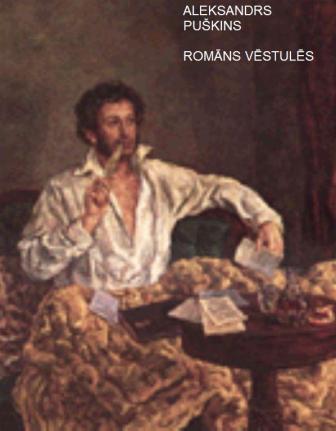
Romāns vēstulēs
Publicētas Puškina vēstules, 1829 gads kuras apkopojuši viņa darbu pētnieki
tulkojis Valdis Grēviņš
izdevniecība Liesma 1969
Noskannējis grāmatu un FB2 failu izveidojis Imants Ločmelis
ALEKSANDRS PUŠKINS
ROMĀNS VĒSTULĒS
tulkojis Valdis Grēviņš
izdevniecība Liesma 1969
Noskannējis grāmatu un FB2 failu izveidojis Imants Ločmelis

Marie, dite Rose-d'Amour, appelée ainsi pour sa gentillesse, est vouée aux malheurs de la terre… Sauvée par Bernard, dit Vire-Loup, de l'attaque d'un loup, elle lui en sera reconnaissante. Il deviendra son meilleur ami, puis son amoureux, Bernard doit partir faire son service militaire, mais ne reviendra que dans 7 ans: Rose d'Amour lui promet de l'attendre fidèlement. Elle écrit régulièrement à Bernard, sans jamais recevoir de réponse, pourquoi? L'a-t-il oublié? Marie finit par ne plus croire au retour de son amant qui, avant de partir, lui a laissé un cadeau, une charmante petite fille nommée Bernardine. Plus de mariage, les voisins, les amis l'abandonnent, qu'a-t-elle donc fait pour mériter un tel Destin?…
ALEKSANDRS PUŠKINS
ROSLAVĻEVS
tulkojusi Ārija Elksne
izdevniecība Liesma 1969
Noskannējis grāmatu un FB2 failu izveidojis Imants Ločmelis
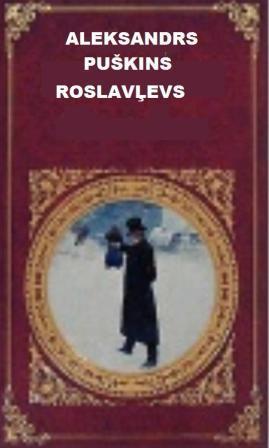
Aleksandrs Puškins
Roslavļevs
tulkojusi Ārija Elksne
izdevniecība Liesma 1969
Noskannējis grāmatu un FB2 failu izveidojis Imants Ločmelis
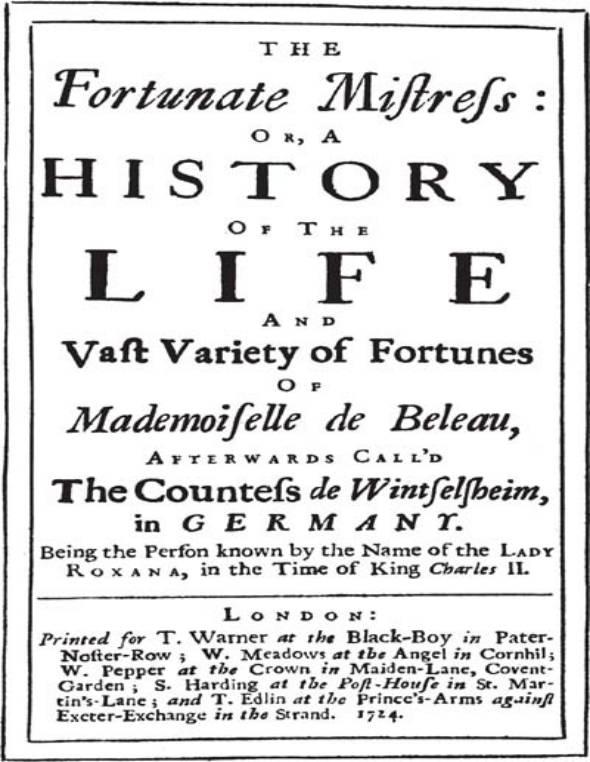
Beautiful, proud Roxana is terrified of being poor. When her foolish husband leaves her penniless with five children, she must choose between being a virtuous beggar or a rich whore. Embarking on a career as a courtesan and kept woman, the glamour of her new existence soon becomes too enticing and Roxana passes from man to man in order to maintain her lavish society parties, luxurious clothes and amassed wealth. But this life comes at a cost, and she is fatally torn between the sinful prosperity she has become used to and the respectability she craves. A vivid satire on a dissolute society, *Roxana* (1724) is a devastating and psychologically acute evocation of the ways in which vanity and ambition can corrupt the human soul.
Klasické dílo české literatury. Banální historky třech pánů, nudících se v dešti, změnila květnatá spisovatelova čeština v dobrodružství ještě předtím, než přijel Arnoštek se svou krásnou společnicí.
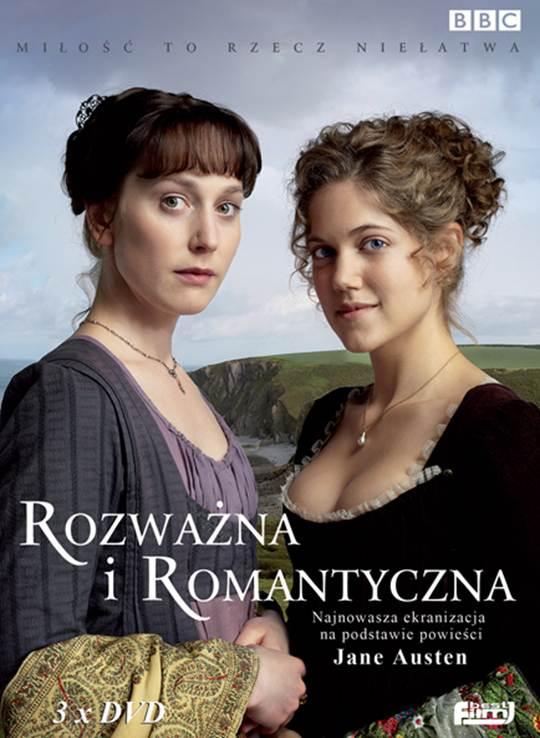
Czy Elinor nauczy się okazywać uczucia, a Marianne powściągać temperament? Kapryśna miłość i subtelny humor w najsłynniejszej wiktoriańskiej powieści wszech czasów.
Rozważna i romantyczna to historia pełnej wdzięku i zdrowego rozsądku Elinor oraz uczuciowej i impulsywnej Marianne, która przez zamiłowanie do przygód nieomal ściąga na siebie hańbę i nieszczęście. Przedstawiając tak kontrastowo różne bohaterki, autorka ujawnia niepospolity zmysł komizmu i po raz kolejny daje wyraz przekonaniu, iż najwyższą zasadą w życiu młodej panny winien być umiar.
Rozważna i romantyczna, jedna z najbardziej lubianych powieści Austen, doczekała się wielu ekranizacji, w tym znakomitego filmu Anga Lee z Emmą Thompson, Kate Winslet i Hugh Grantem w rolach głównych.
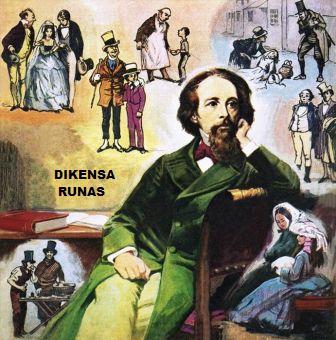
Čārlzs Dikenss
Runas
Priekšstats par Č. Dikensa radošās personības daudzveidību būtu nepilnīgs, ja nepieminētu to viņa darbīgās dzīves daļu, kura visvairāk pakļauta aizmirstībai un tādēļ īpaši atgādināma. Tā ir viņa sabiedriskā darbība, kuras rezultātā tapušas daudzas runas un priekšlasījumi dažādās vietās un dažnedažādos gadījumos, neskaitāmi raksti un apraksti periodiskajā presē.
Raksti. Divpadsmitais sējums
No angļu valodas tulkojusi Zane Rozenberga
Noskanējis grāmatu un failu izveidojis Imants Ločmelis imantslochmelis@inbox.lv
Rīga Liesma 1993
Redakcijas kolēģija: Maija Andersone, \Anna Bauga, \ Viktors Ivbulis, Uldis Norietis Sastādījusi Brigita Šiliņa Helmūta Seiera ilustrācijas Daiņa Lapsas grafiskā apdare Redaktore Tamāra Liseka Brigita Šiliņa, sastādījums, 1993 Zane Rozenberga. tulkoj latviešu .valodā, 1993 Helmūts Selers, ilustrācijas, 1993