 fb2
fb2Считается, что радио создано для развлечения. Это правда только отчасти. Чистое развлечение и легкая пустота, в конечном счете порождают лишь депрессию и черную тоску. В жизни есть серьезные темы и мрачные стороны, глубокие истины и страшные откровения. Прикосновение к глубинам делает нашу легкость только светлее, и развлечениям придает терпкость.
Новая программа на Радио 101 — Finis Mundi, “Конец Мира”.


Взяв за основу ключевое понятие вагнерианской эстетики Gesamtkunstwerk (в русском переводе – «законченно-единое произведение искусства»), Борис Гройс радикально меняет точку зрения на художественный авангард XX века и его отношение к так называемой «тоталитарной эстетике». Гройсовский «Сталин» выступает метафорой не преодоления, а завершения авангардного проекта, его «отрицанием отрицания», то есть, по сути, является утверждением главного пафоса авангарда – революционного пересоздания не столько формы произведения, сколько самого зрителя.
Andrews McMeel Publishing and Scott Adams, creator of the Dilbert comic strips and #1 best-selling author of Dilbert humor books, have agreed to publish Mr. Adams' new project called God's Debris: A Thought Experiment. God's Debris is Scott's first non-Dilbert, non-humor effort. The author describes the book as "a thought experiment wrapped in a story. It's designed to make your brain spin around inside your skull." Some content of the book is nonfiction because the opinions and philosophies of the characters might have lasting impact on the reader. Others believe it is fiction because the characters don't exist.
Imagine that you meet a very old man who - you eventually realize - knows literally everything. Imagine that he explains for you the great mysteries of life: quantum physics, evolution, God, gravity, light, psychic phenomenon, and probability -- in a way so simple, so novel and so compelling that it all fits together and makes perfect sense. What does it feel like to suddenly understand everything? God's Debris isn't the final answer to the Big Questions. But it might be the most compelling vision of reality you will ever read. The thought experiment is this: Try to figure out what's wrong with the old man's explanation of reality. Share the book with your smart friends then discuss it later while enjoying a beverage.
The book was initially offered to the public as an e-book, and the book has since become the #1 best-selling e-book on the planet. Because of the e-book offering, the Internet is buzzing with comments from the book's fans.
-- Amazon.com
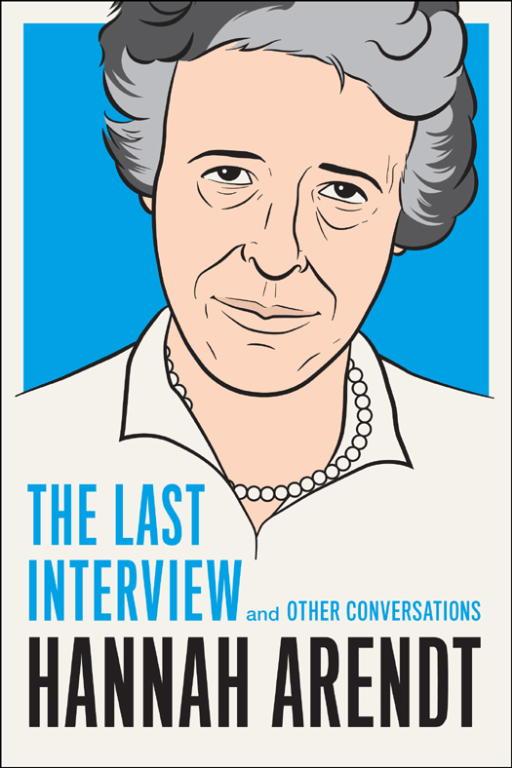
Arendt was one of the most important thinkers of her time, famous for her idea of “the banality of evil” which continues to provoke debate. This collection provides new and startling insight into Arendt’s thoughts about Watergate and the nature of American politics, about totalitarianism and history, and her own experiences as an émigré.
Hannah Arendt: The Last Interview and Other Conversations is an extraordinary portrait of one of the twentieth century’s boldest and most original thinkers. As well as Arendt’s last interview with French journalist Roger Errera, the volume features an important interview from the early 60s with German journalist Gunter Gaus, in which the two discuss Arendt’s childhood and her escape from Europe, and a conversation with acclaimed historian of the Nazi period, Joachim Fest, as well as other exchanges.
These interviews show Arendt in vigorous intellectual form, taking up the issues of her day with energy and wit. She offers comments on the nature of American politics, on Watergate and the Pentagon Papers, on Israel; remembers her youth and her early experience of anti-Semitism, and then the swift rise of the Hitler; debates questions of state power and discusses her own processes of thinking and writing. Hers is an intelligence that never rests, that demands always of her interlocutors, and her readers, that they think critically. As she puts it in her last interview, just six months before her death at the age of 69, “there are no dangerous thoughts, for the simple reason that thinking itself is such a dangerous enterprise.”
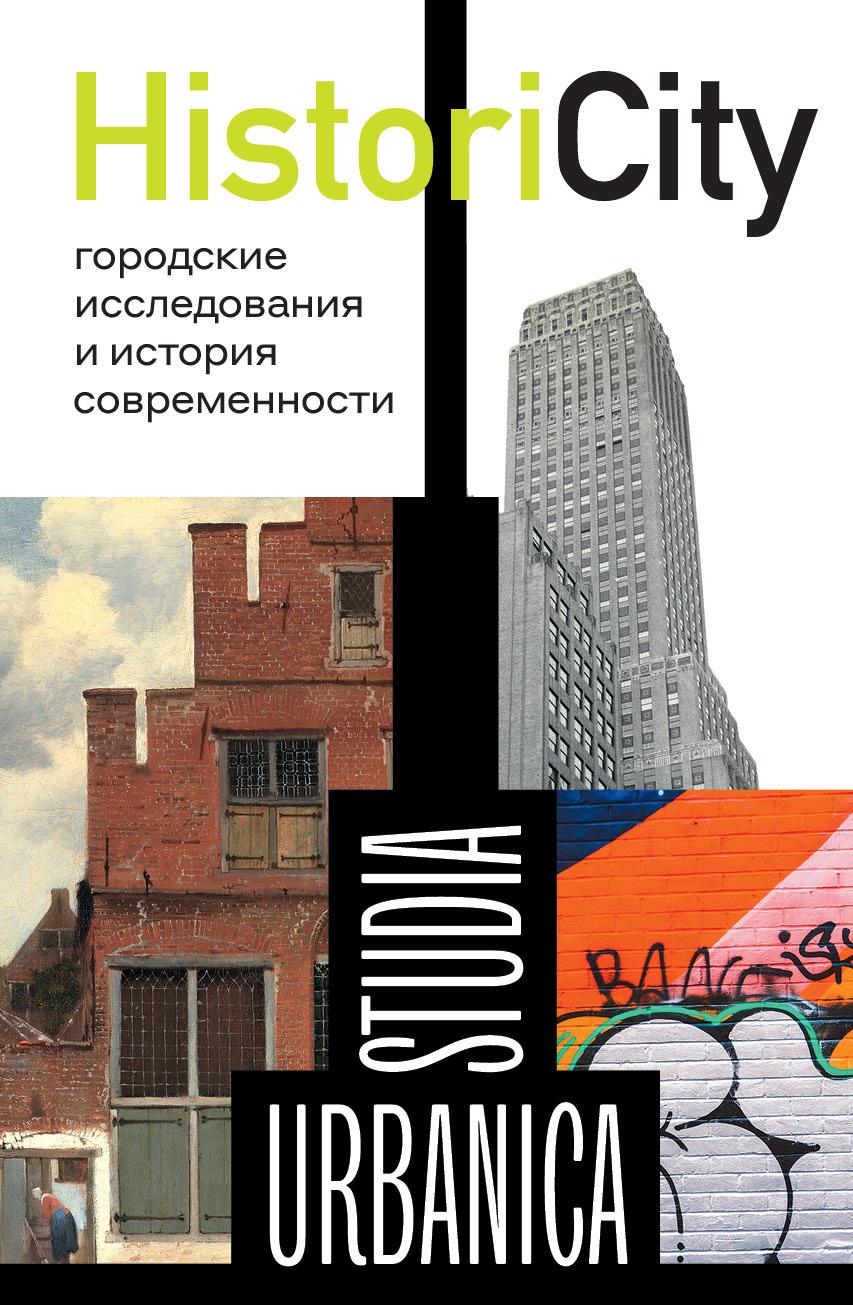
Города являются одним из ключевых ориентиров для современного исторического сознания: их возникновение, развитие и упадок используются, чтобы определить вектор развития человеческой цивилизации. Эта книга посвящена историчности городов – динамичному пересечению различных временных проекций, формирующих образы города и городскую память, которые создаются множеством конкурирующих практик, сообществ и институтов. Среди авторов книги преобладают специалисты по интеллектуальной и культурной истории; благодаря им становится возможным проследить на длительном временном отрезке (от позднего средневековья до актуальной современности, от средневековых хроник и гравюр до граффити и стрит-арта), как и кем создаются и меняются образы города. Обращаясь к истории и современности городов, анализируя разнообразие границ и связей настоящего и прошлого, авторы сборника стремятся стимулировать диалог между городскими исследованиями, интеллектуальной историей, социологией культуры, публичной историей и другими областями, изучающими трансформацию ткани городской жизни в ее временной перспективе.
Hitopadeša jeb derīgi padomi
Cauri gadu tūkstošiem un simtiem līdz mūsu dienām nonākušas Indijas leģendas un fabulas, pasakas un līdzības — sākot no pirmatnējām, sentēvu stāstītām mazdēlu dēliem, līdz viduslaiku lielo dzejnieku episkajām poēmām. Tā ir neizsmeļama tautas gudrības dārgumu krātuve. Da|a no šīs dārgumu krātuves ir «Hitopadeša», saistošu notikumu krājums; šos notikumus it kā stāsta dzīvnieki dzīvniekiem un asprātīgu pamācību veidā Višnu Šarma ar tiem iepazīstina radžas izlutinātos dēlus.
«Hitopadešas» krājums bija uzrakstīts sanskritā (senās un viduslaiku Indijas valodā) un sastādīts, dibinoties uz vēl senāku un ievērojamāku «Pančatantras» krājumu, mūsu ēras VI un XIV gadsimta starplaikā. Pēc dažiem rokrakstiem spriežot, «Hitopadešas» sastādītājs bijis kāds Narajane.
Daudzu gadsimtu gaitā «Hitopadešai» starp daudzām tautām bijusi milzīga popularitāte. Tā sen jau pārtulkota gandrīz vai visās Austrumu un Rietumu valodās.
«Hitopadešas» tulkojums krievu valodā (tātad arī latviešu valodā) nepretendē uz pilnīgu identitāti ar oriģinālu. Tulkojuma pamatā ir «Hitopadešas» izdevums bērniem hindi valodā, un tajā sastopamās pamācošās dzejas sentences izteiktas prozā, bet kāda da|a arī izlaista.
Daudzi gadsimti šķir mūsu laikmetu no «Hitopadešas» sacerēšanas laikmeta, tomēr gan bērni, gan'pieaugušie ieies šo pasaku pasaulē ar interesi un saprotošu smaidu.
LVI RĪGA 1960
Noskannējis grāmatu un failu izveidojis Imants Ločmelis
Pēc V. Bikova un R. Cervjakovas apstradājuma un tulkojuma krievu valodā no hindi
TULKOJIS PĀVILS VĪLIPS
From one of the most impassioned of writers of our time, this powerful collection of essays offers a stark portrait of post-9/11 realities. John Berger occupies a unique position in the international cultural landscape: artist, filmmaker, poet, philosopher, novelist, and essayist, he is also a deeply thoughtful political activist. In Hold Everything Dear, his artistry and activism meld in an attempt to make sense of the current state of our world. Berger analyzes the nature of terrorism and the profound despair that gives rise to it. He writes about the homelessness of millions who have been forced by poverty and war to live as refugees. He discusses Afghanistan, Iraq, Palestine, Serbia, Bosnia, China, Indonesia-anyplace where people are deprived of the most basic of freedoms. Berger powerfully acknowledges the depth of suffering around the world and suggests actions that might finally help bring it to an end.
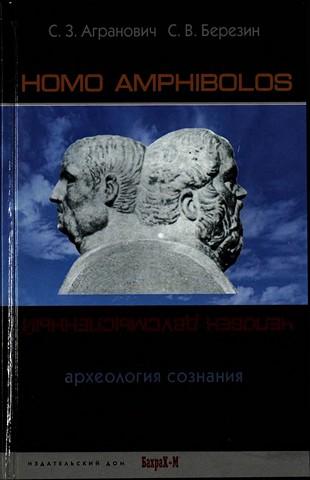
Эта книга названа "Homo amphibolos" — человек двусмысленный. Исследуя генетическую природу психологических феноменов человеческого сознания и кардинальных категорий культуры, авторы выстраивают принципиально новую гипотезу, объясняющую происхождение человека и архаические истоки его сознания.
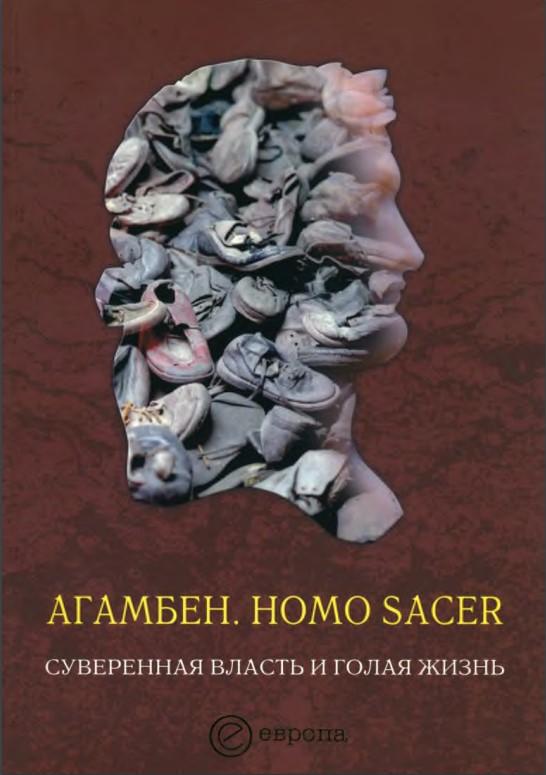
Джорджо Агамбен (р. 1942) - выдающийся итальянский философ, автор трудов по политической и моральной философии, профессор Венецианского университета IUAV Европейской школы постдипломного образования, Международного философского колледжа в Париже и университета Масераты (Италия), а также приглашенный профессор в ряде американских университетов.
Власть - такова исходная мысль Агамбена, - как, впрочем, и язык, как и бытие, имеет в себе нечто мистическое, ибо так же, как язык или бытие, она началась раньше, чем началась. Поэтому любые попытки мыслить власть «позитивно» неизбежно заканчиваются лишь продолжением самого проекта, воплощениями которого оказываются и фюрер, и тоталитарные практики, и гедонистическое общество потребления, и этническое регулирование, и мир "отвержения", беженцы, палатки, санитарные зоны, буферные государства, нищета короче, «третий мир». Человеческая жизнь становится объектом беспрецедентного насилия, которое сделалось частью нашей повседневности, оставаясь при этом абсолютно профанным и тривиальным».
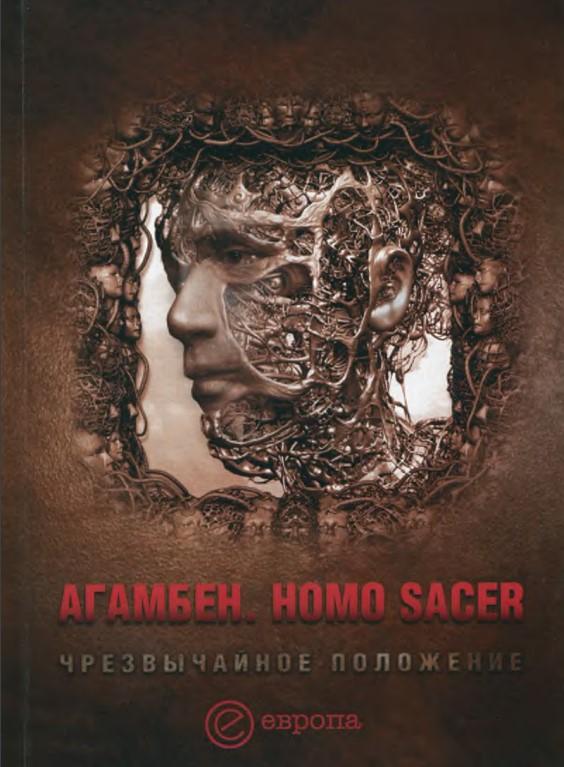
Чрезвычайное положение, или приостановка действия правового порядка, которое мы привыкли считать временной мерой, повсюду в мире становится парадигмой обычного управления.
Книга Агамбена — продолжение его ставшей классической «Homo sacer. Суверенная власть и голая жизнь» — это попытка проанализировать причины и смысл эволюции чрезвычайного положения, от Гитлера до Гуантанамо. Двигаясь по «нейтральной полосе» между правом и политикой, Агамбен шаг за шагом разрушает апологии чрезвычайного положения, высвечивая скрытую связь насилия и права.

Книга представляет собой третью, заключительную часть трилогии «Homo sacer». Вслед за рассмотрением понятий Суверенной власти и Чрезвычайного положения, изложенными в первых двух книгах, третья книга посвящена тому, что касается этического и политического значения уничтожения.
Джорджо Агамбен (р. 1942) — выдающийся итальянский философ, автор трудов по политической и моральной философии, профессор Венецианского университета IUAV, Европейской школы постдипломного образования, Международного философского колледжа в Париже и университета Масераты (Италия), а также приглашенный профессор в ряде американских университетов.
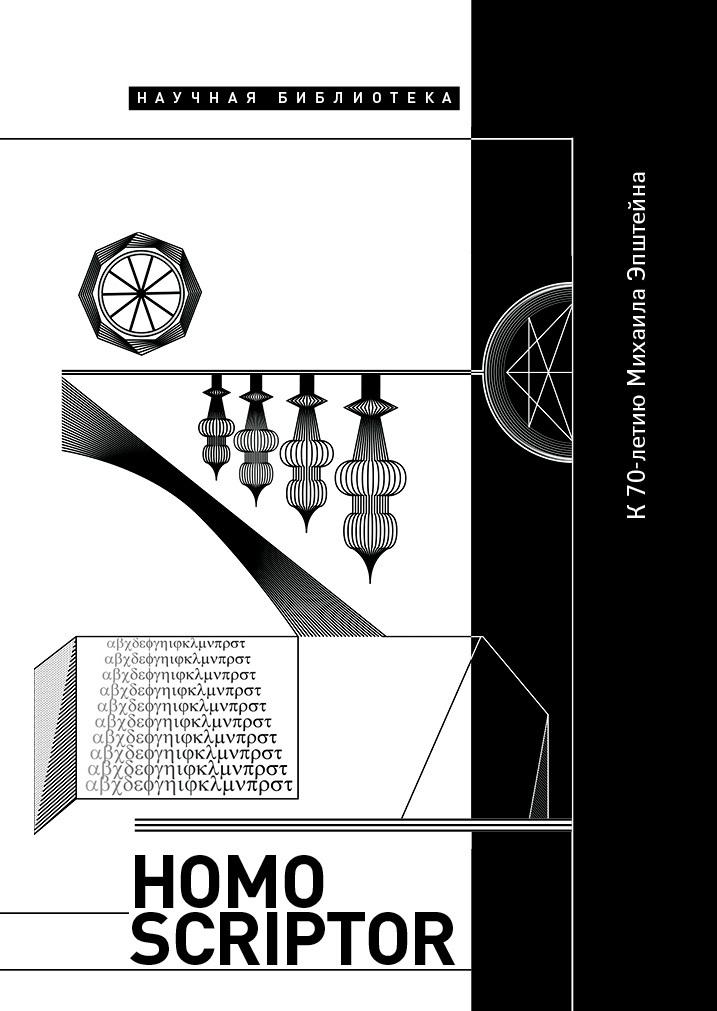
Михаил Наумович Эпштейн (р. 1950) – один из самых известных философов и теоретиков культуры постсоветского времени, автор множества публикаций в области филологии и лингвистики, заслуженный профессор Университета Эмори (Атланта, США). Еще в годы перестройки он сформулировал целый ряд новых философских принципов, поставил вопрос о возможности целенаправленного обогащения языковых систем и занялся разработкой проективного словаря гуманитарных наук. Всю свою карьеру Эпштейн методично нарушал границы и выходил за рамки существующих академических дисциплин и моделей мышления. Сборник статей и бесед «Homo Scriptor» посвящен семидесятилетнему юбилею философа. Задача этой книги – разносторонне осмыслить оригинальный метод Эпштейна, его новаторскую терминологию, изыскания в отдельных дисциплинах и общий вклад в современную гуманитарную мысль.
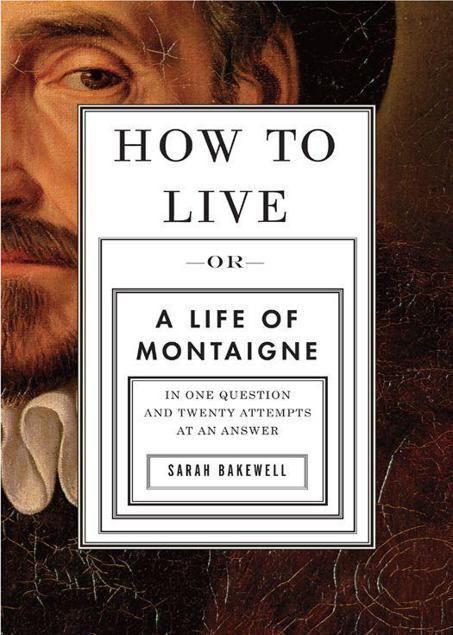
In a wide-ranging intellectual career, Michel de Montaigne found no knowledge so hard to acquire as the knowledge of how to live this life well. By casting her biography of the writer as 20 chapters, each focused on a different answer to the question How to live? Bakewell limns Montaigne’s ceaseless pursuit of this most elusive knowledge. Embedded in the 20 life-knowledge responses, readers will find essential facts — when and where Montaigne was born, how and whom he married, how he became mayor of Bordeaux, how he managed a public life in a time of lethal religious and political passions. But Bakewell keeps the focus on the inner evolution of the acute mind informing Montaigne’s charmingly digressive and tolerantly skeptical essays. Flexible and curious, this was a mind at home contemplating the morality of cannibals, the meaning of his own near-death experience, and the puzzlingly human behavior of animals. And though Montaigne has identified his own personality as his overarching topic, Bakewell marvels at the way Montaigne’s prose has enchanted diverse readers — Hazlitt and Sterne, Woolf and Gide — with their own reflections. Because Montaigne’s capacious mirror still captivates many, this insightful life study will win high praise from both scholars and general readers. -Bryce Christensen
“This charming biography shuffles incidents from Montaigne’s life and essays into twenty thematic chapters… Bakewell clearly relishes the anthropological anecdotes that enliven Montaigne’s work, but she handles equally well both his philosophical influences and the readers and interpreters who have guided the reception of the essays.”
—The New Yorker
“Serious, engaging, and so infectiously in love with its subject that I found myself racing to finish so I could start rereading the Essays themselves… It is hard to imagine a better introduction — or reintroduction — to Montaigne than Bakewell’s book.”
—Lorin Stein, Harper’s Magazine
“Ms. Bakewell’s new book, How to Live, is a biography, but in the form of a delightful conversation across the centuries.”
—The New York Times
“So artful is Bakewell’s account of [Montaigne] that even skeptical readers may well come to share her admiration.”
—The New York Times Book Review
“Extraordinary… a miracle of complex, revelatory organization, for as Bakewell moves along she provides a brilliant demonstration of the alchemy of historical viewpoint.”
—Boston Globe
“Well, How to Live is a superb book, original, engaging, thorough, ambitious, and wise.”
—Nick Hornby, in the November/December 2010 issue of The Believer
“In How to Live, an affectionate introduction to the author, Bakewell argues that, far from being a dusty old philosopher, Montaigne has never been more relevant — a 16th-century blogger, as she would have it — and so must be read, quite simply, ‘in order to live’… Bakewell is a wry and intelligent guide.”
—The Daily Beast
“Witty, unorthodox… How to Live is a history of ideas told entirely on the ground, never divorced from the people thinking them. It hews close to Montaigne’s own preoccupations, especially his playful uncertainty — Bakewell is a stickler for what we can’t know… How to Live is a delight…”
—The Plain Dealer
“This book will have new readers excited to be acquainted to Montaigne’s life and ideas, and may even stir their curiosity to read more about the ancient Greek philosophers who influenced his writing. How to Live is a great companion to Montaigne’s essays, and even a great stand-alone.”
—San Francisco Book Review
“A bright, genial, and generous introduction to the master’s methods.”
—Kirkus Reviews
“[Bakewell reveals] one of literature's enduring figures as an idiosyncratic, humane, and surprisingly modern force.”
—Publisher’s Weekly (starred)
“As described by Sarah Bakewell in her suavely enlightening How to Live, or A Life of Montaigne in One Question and Twenty Attempts at an Answer Montaigne is, with Walt Whitman, among the most congenial of literary giants, inclined to shrug over the inevitability of human failings and the last man to accuse anyone of self-absorption. His great subject, after all, was himself.”
—Laura Miller, Salon.com
“Lively and fascinating… How To Live takes its place as the most enjoyable introduction to Montaigne in the English language.”
—The Times Literary Supplement
“Splendidly conceived and exquisitely written… enormously absorbing.”
—Sunday Times
“How to Live will delight and illuminate.”
—The Independent
“It is ultimately [Montaigne’s] life-loving vivacity that Bakewell succeeds in communicating to her readers.”
—The Observer
“This subtle and surprising book manages the trick of conversing in a frank and friendly manner with its centuries-old literary giant, as with a contemporary, while helpfully placing Montaigne in a historical context. The affection of the author for her subject is palpable and infectious.”
—Phillip Lopate, author of The Art of the Personal Essay
“An intellectually lively treatment of a Renaissance giant and his world.”
—Saturday Telegraph
“Like recent books on Proust, Joyce, and Austen, How to Live skillfully plucks a life-guide from the incessant flux of Montaigne’s prose… A superb, spirited introduction to the master.”
—The Guardian
In a wide-ranging intellectual career, Michel de Montaigne found no knowledge so hard to acquire as the knowledge of how to live this life well. By casting her biography of the writer as 20 chapters, each focused on a different answer to the question How to live? Bakewell limns Montaigne’s ceaseless pursuit of this most elusive knowledge. Embedded in the 20 life-knowledge responses, readers will find essential facts — when and where Montaigne was born, how and whom he married, how he became mayor of Bordeaux, how he managed a public life in a time of lethal religious and political passions. But Bakewell keeps the focus on the inner evolution of the acute mind informing Montaigne’s charmingly digressive and tolerantly skeptical essays. Flexible and curious, this was a mind at home contemplating the morality of cannibals, the meaning of his own near-death experience, and the puzzlingly human behavior of animals. And though Montaigne has identified his own personality as his overarching topic, Bakewell marvels at the way Montaigne’s prose has enchanted diverse readers — Hazlitt and Sterne, Woolf and Gide — with their own reflections. Because Montaigne’s capacious mirror still captivates many, this insightful life study will win high praise from both scholars and general readers. -Bryce Christensen Named one of Library Journal’s Top Ten Best Books of 2010 In a wide-ranging intellectual career, Michel de Montaigne found no knowledge so hard to acquire as the knowledge of how to live this life well. By casting her biography of the writer as 20 chapters, each focused on a different answer to the question How to live? Bakewell limns Montaigne’s ceaseless pursuit of this most elusive knowledge. Embedded in the 20 life-knowledge responses, readers will find essential facts — when and where Montaigne was born, how and whom he married, how he became mayor of Bordeaux, how he managed a public life in a time of lethal religious and political passions. But Bakewell keeps the focus on the inner evolution of the acute mind informing Montaigne’s charmingly digressive and tolerantly skeptical essays. Flexible and curious, this was a mind at home contemplating the morality of cannibals, the meaning of his own near-death experience, and the puzzlingly human behavior of animals. And though Montaigne has identified his own personality as his overarching topic, Bakewell marvels at the way Montaigne’s prose has enchanted diverse readers — Hazlitt and Sterne, Woolf and Gide — with their own reflections. Because Montaigne’s capacious mirror still captivates many, this insightful life study will win high praise from both scholars and general readers.
—Bryce Christensen Named one of Library Journal’s Top Ten Best Books of 2010
From the internationally bestselling author of The Last Kabbalist of Lisbon comes a novel of incomparable scope and beauty that takes the reader on an epic journey from war-ravaged nineteenth-century Europe to antebellum America. A bereft child, a freed African slave, and the rich history of Portugal's secret Jews collide memorably in Richard Zimler's mesmerizing novel — a dazzling work of historical fiction played out against a backdrop of war and chaos that unforgettably mines the mysteries of devotion, betrayal, guilt, and forgiveness.